
Edge
MODEL LIMITATIONS — *what a model can't do; modeling 'I don't know' as a good answer.* The AI-literacy primitive of *recognizing that every model has edges — places where it cannot reliably answer.*
Loading audio…
Press play to listen along. The line being read lights up as you go.
Show full transcript
Loading transcript…
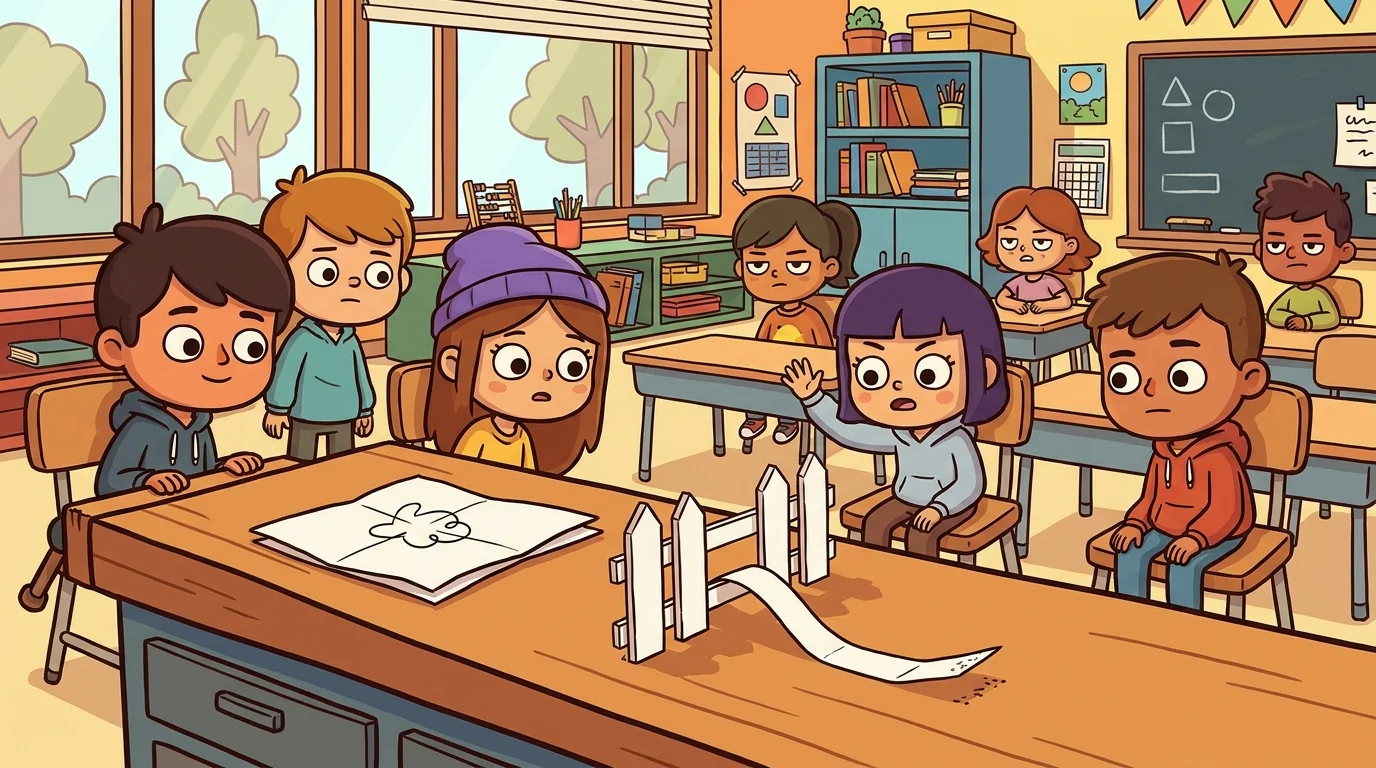
The workshop lamp threw a long shadow across the bench, and at the end of that shadow stood Edge — a paper-figure folded from three sharp vertical posts and two horizontal rails, a fence exactly three posts wide. She was not an animal, and she was not a robot. She was a fence-segment, and she was busy being one. A junior figure had rolled a marble toward her, and Edge stopped it cold against her rails. Then she turned so the marble could see her ends, where the folded paper simply stopped and the bare wood of the bench began.
"See where I finish?" she said, tapping her last post. "Inside me, there's a small kept space. Out past my ends, that's the whole rest of the world, and I do not reach it." She let the marble roll off the edge of the bench and clatter to the floor. "Out there, I have nothing to say. And the honest thing — the brave thing — is to say so out loud. I don't know is a good answer."
The junior figure looked doubtful. Everyone always did, at first. They wanted the fence to go on forever. Edge understood the wish. She just refused to pretend. She stood at the exact place where the kept space ended and the unknown began, and she named it, plainly, the way she always had: this far, and no farther, and past here I will not guess.
That refusal to pretend was the whole of her. A shorter fence than she wished, sometimes. But an honest one, with ends anyone could point to.
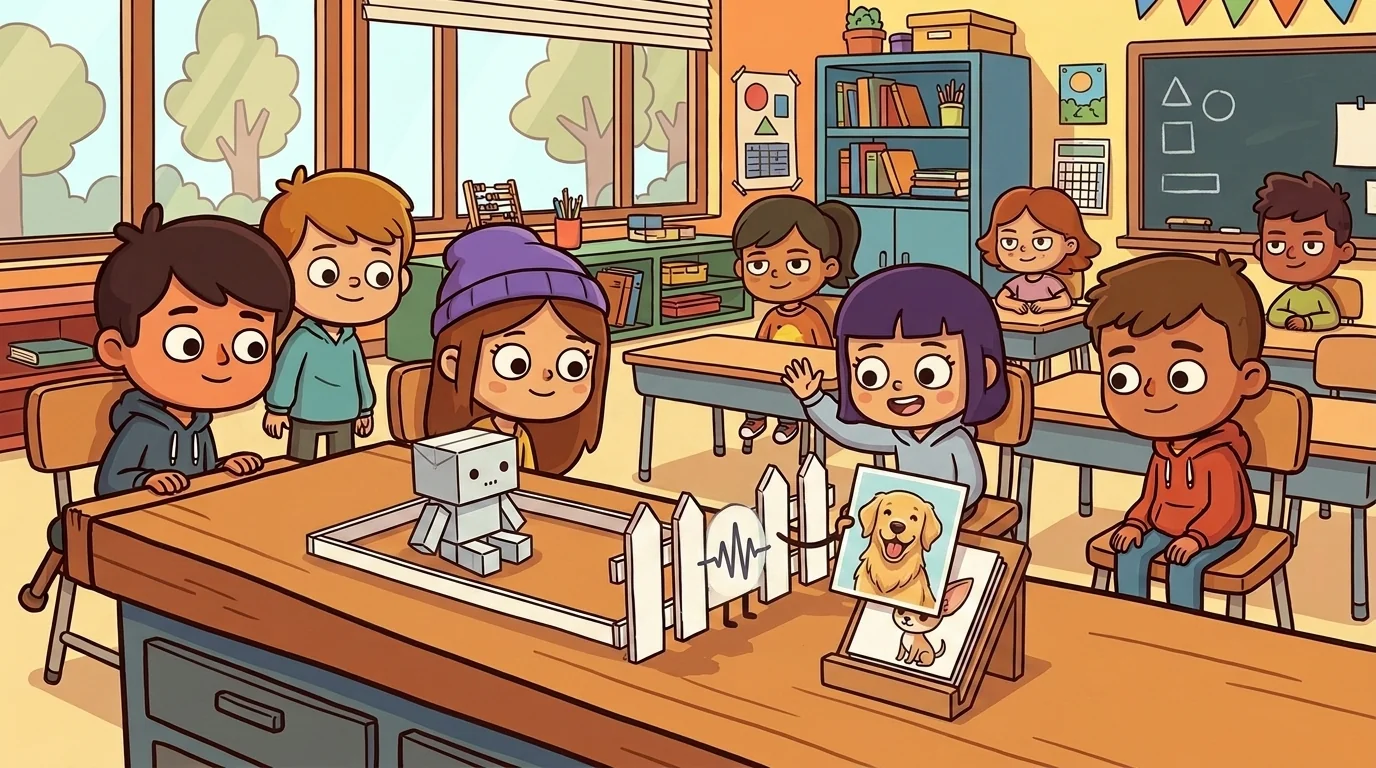
Edge had been folded in the same village paper-crafts workshop as Sort and Feed and Skew, and the workshop kept a quiet tradition. For every figure who showed how a machine gave answers, the crafters folded a second figure to stand at the place where those answers ran out. Edge was folded to stand beside Sort.
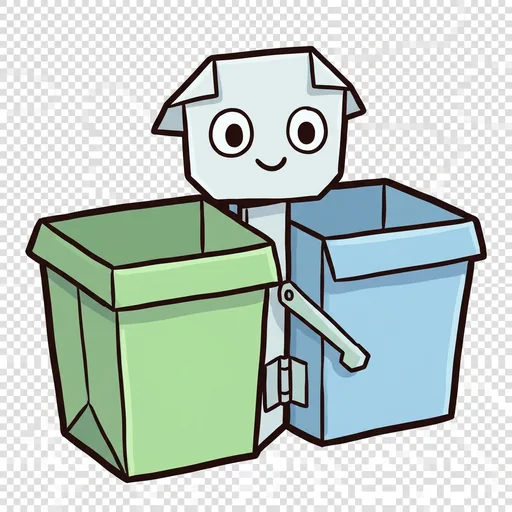
Sort was a sorter, quick and cheerful, dropping picture-cards into their proper bins — cat here, dog there, bird over there. And every time Sort sorted a card it had learned from, Edge stood off to one side, silent, marking nothing. But the first day someone handed Sort a card of a fox, Edge stepped forward. She planted herself between Sort and the fox-card like a gate swinging shut.
"You've never seen this," she told Sort. "Say so."
Sort hesitated. Sort wanted to answer — wanted to call it cat, or dog, anything, just to have said something. Edge held her ground.
"A wrong answer given brightly is worse than no answer at all," she said. "The person trusting you can't tell your good guesses from your bad ones. So here, where your learning ends, you say the true thing: I don't know."
Sort said it. And a strange relief moved through the little classifier — the relief of not having to fake it. From then on, whenever Sort reached the ragged edge of everything it had learned, it looked for Edge, and Edge was there, standing in the gap, giving it permission to be honest. That was where Edge decided she belonged: not in the middle of a machine's confidence, but out at its rim, guarding the place where honesty lived.
When Edge was twenty-two folding-years old she rolled her platform to the AIForge academy, up to the bench where Bit, the founder, was untangling a snarl of paper figures who all wanted to be certain about everything.
Bit set a card in front of Edge — a photograph of something none of them had a name for, some deep-sea creature all teeth and light. "What is this?" Bit asked, watching her closely.
The other figures leaned in, ready to prove themselves. Edge only looked at the card for a long moment, turning it in the lamplight. Then she set it down.
"I don't know," she said.
A ripple went through the watching figures — someone actually gasped. Edge went on, unhurried. "I've never seen its like. Nothing I was folded from touches it. If I named it now, I'd be inventing, and you'd never know which of my answers to trust again." She tapped her own ends. "This is what I do. I stand where the knowing stops, and I tell the truth about it."
Bit put the strange card away and smiled, because that — the willingness to say the honest no — was the rarest fold in the whole workshop. "Then stay," Bit said. "Stand at every edge in this place. We need someone brave enough to run out of answers out loud."
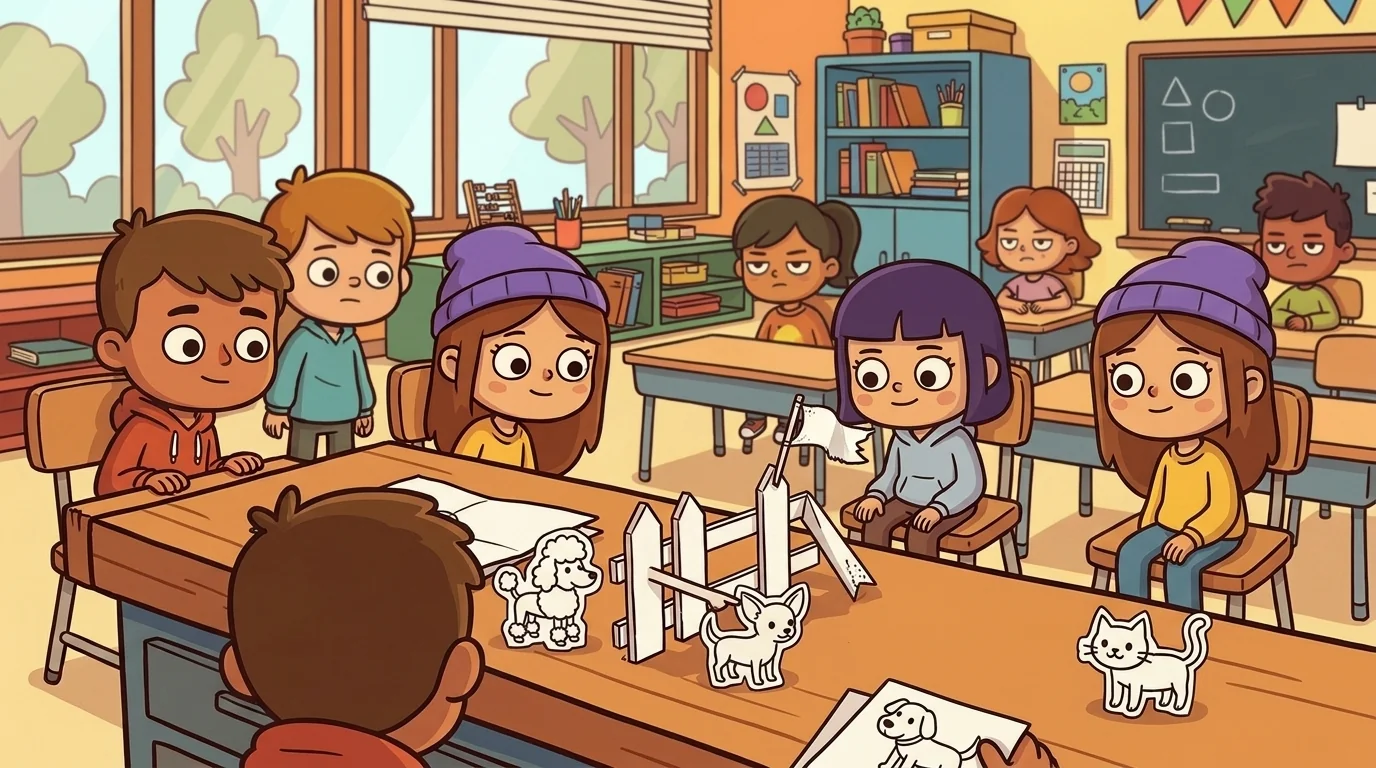
On the first day of her own class, Edge unfolded her fence-segment across the workbench and pointed at both ends. "Inside me: kept, known, learned. Outside: nothing I can promise. Watch."
She set out a stack of cat photographs and pretended to be a machine that had studied only these. She sorted them fast, sure, delighted — cat, cat, cat. "In here," she said, "I'm reliable. This is the range I learned from. Ask me the source of a machine's answers and you're really asking: what did it study, and how far does that reach?" A boy named Leo grinned; it was working — he was picturing the fence.
Then Edge slid a dog photo onto the pile. She froze, mid-sort, and made herself wobble. "Now I'm past my ends. I never learned dog. So I'm guessing — reaching into the dark — and my guess isn't worth much." A girl named Maya asked, "Would you just say cat anyway?" "I might!" Edge said. "Or freeze up like this. Either way — don't trust me out here."
She showed them the whisper next. She held up a little paper dial that read how sure am I? and let it fall toward zero when the dog appeared. "When a machine gives you a low number like that, it's calling to you from its edge — careful, careful. Listen for it." Then she showed the hardest thing of all, holding up two mistakes side by side: a tabby confused for a calico, and a car she couldn't name at all. "This one," she said of the tabby, "is a slip inside my fence — more practice mends it. This one" — the car — "is outside entirely. No amount of cat-practice will ever teach me cars. That's not a slip. That's an end." And when Leo asked what to do about people who swore machines could answer anything, Edge tapped both her posts. "That's a sales pitch, not the truth. Every one of us has ends. Don't buy the answer that comes from past them."
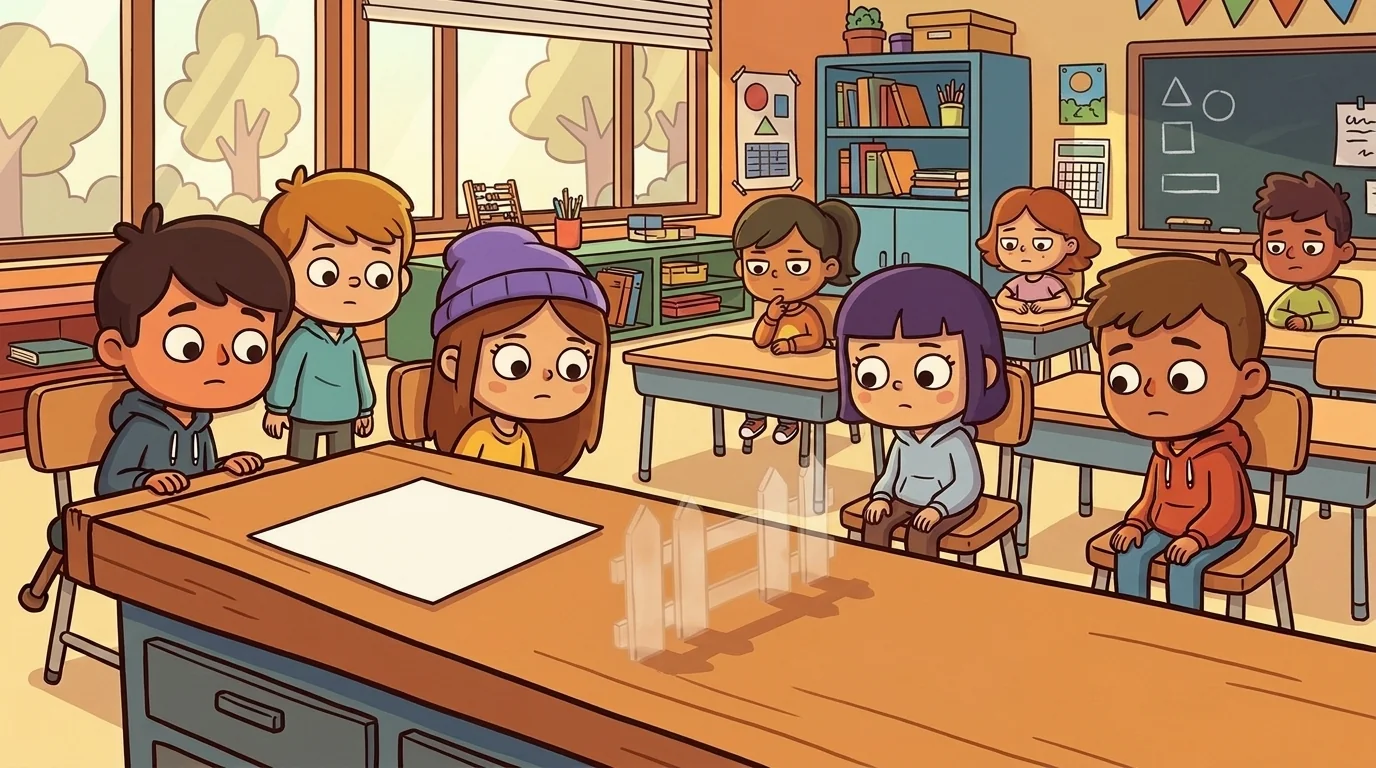
The lamp had burned low. A quiet student near the back, who had said nothing all lesson, finally raised a hand. "Doesn't it feel bad," she asked, "to run out? To just… not know?"
Edge came around the bench and sat on her ends so she was level with the girl. "I used to think it would," she said. "I thought a good fence went on forever." She shook her paper head. "But the day I first said I don't know out loud, something in me settled. I wasn't pretending anymore. I wasn't bracing for the moment someone caught me faking." She smiled. "It's lighter, being honest about where you stop. You'll feel it."
She refolded herself, ends still plainly showing, and around the room more than one student let out a breath they hadn't known they were holding — the small, warm relief of learning that not-knowing, said bravely, was allowed.
The AIForge ensemble
Edge is part of AIForge's distributed-narrative cast. Each character embodies a different curricular primitive; together they teach the full subject.
-
Sort
Classifier — the simplest ML; putting things in categories
-
Feed
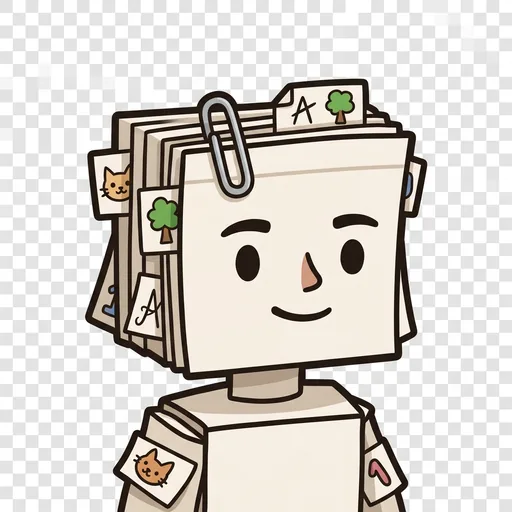
Training data — the examples a model learns from; garbage-in-garbage-out
-
Skew
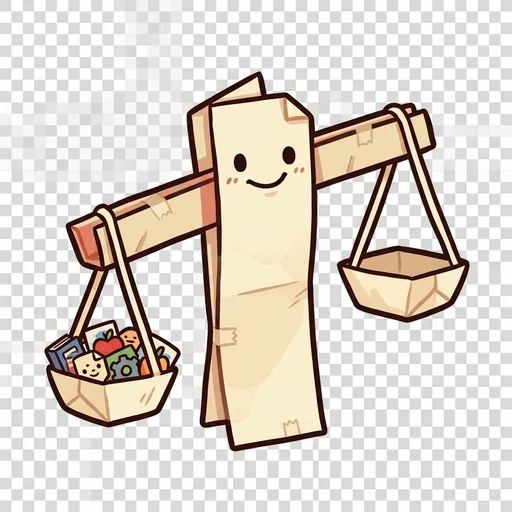
Bias — where AI systems go wrong when training examples lean
-

Stake
Ethics — what's at stake in deploying AI; people choosing, not rules-from-the-sky
-

Split
Train/test split — keep some examples hidden to tell learning from memorizing
-
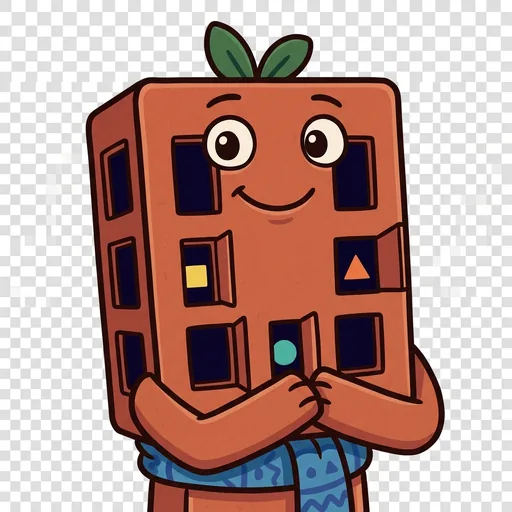
Cue
Features — a model decides from the clues you give it; choose good clues
-

Sure
Confidence — a model reports how sure it is; low confidence means check, not trust
-

Mirage
Hallucination — when a model confidently makes something up that sounds true but isn't; check, don't just trust
-
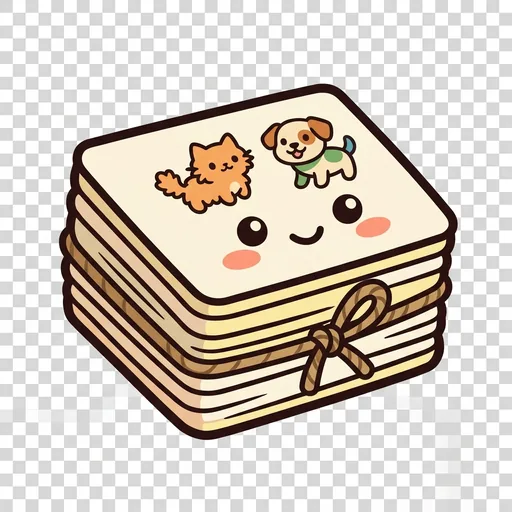
Rote
Overfitting — when a model memorizes the exact examples instead of learning the general idea