
Flux
BIOME SHIFT / RANGE MIGRATION — biomes aren't fixed on the map; as climate changes, the conditions that define each biome move across the land, and species must move with them, adapt, or vanish; the maps we drew will have to be redrawn
Loading audio…
Press play to listen along. The line being read lights up as you go.
Show full transcript
Loading transcript…
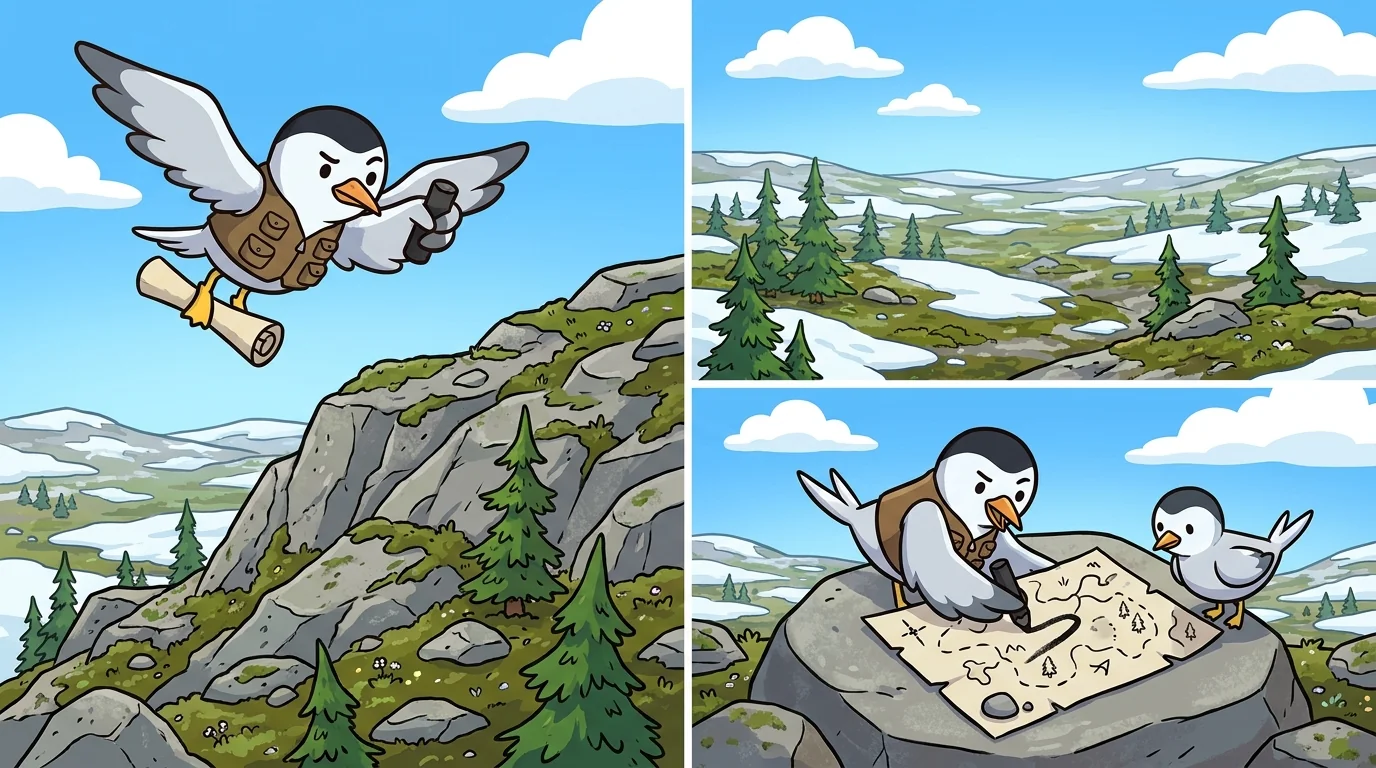
Flux carried a map that she was always, gently, erasing and redrawing — because the thing it showed refused to hold still.
"People think a biome is a place," she told a young student poring over an atlas. "Tundra here, forest there, grassland below — lines drawn on a map, fixed forever. But a biome isn't really a place. It's a set of conditions — this much rain, this range of temperature, this length of growing season. And conditions move. When the climate shifts, the conditions that define 'forest' or 'tundra' slide across the land — and the biome slides with them. The map was never permanent. We just drew it during a moment that felt still."
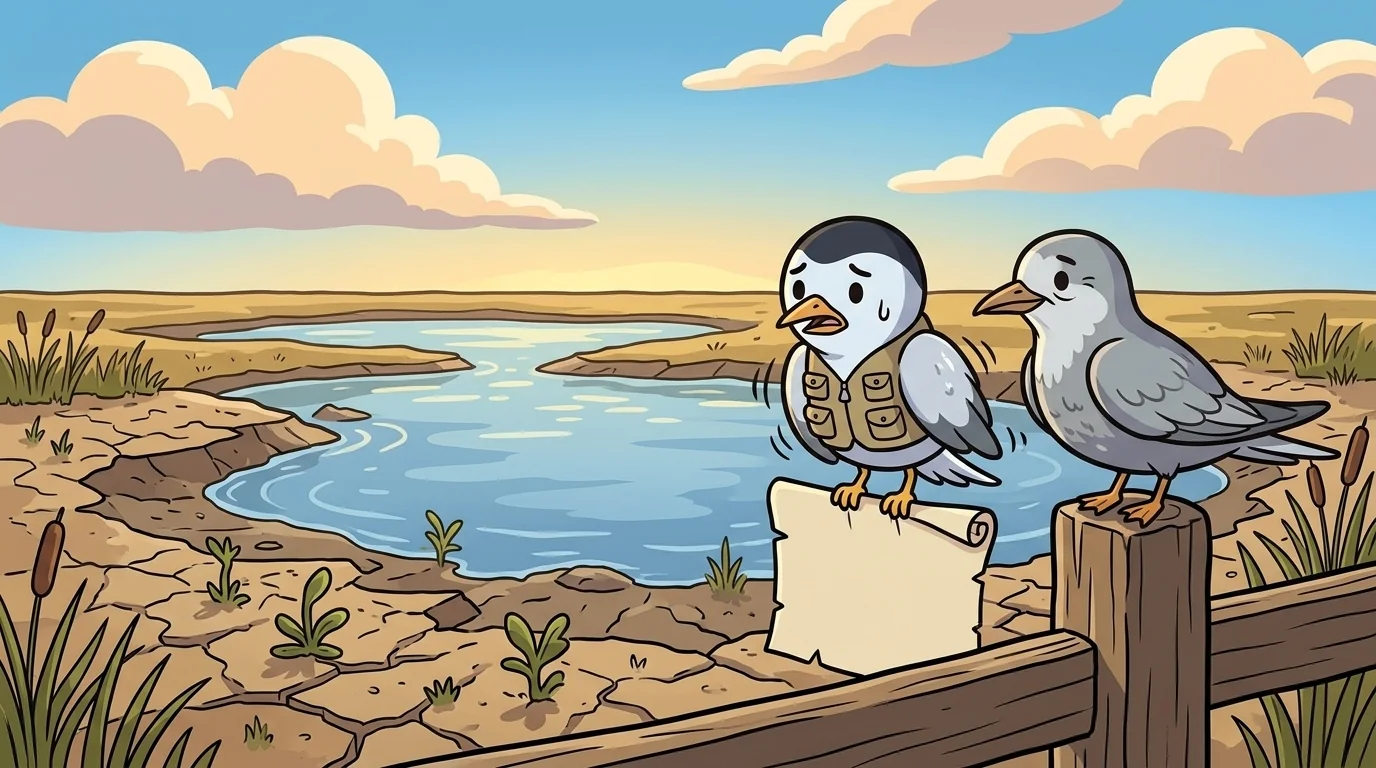
She showed how the shift actually plays out, because it's slower and stranger than a line moving.
"When conditions move, the living things face three choices," Flux said. "Move — a plant's seeds disperse a little farther poleward or uphill each generation, chasing the climate it's built for; the forest edge creeps north. Adapt — if there's enough time, a species evolves to tolerate the new conditions where it stands. Or vanish — if the change is too fast to outrun and too fast to adapt to, the species blinks out locally. Move, adapt, or vanish. The whole drama of a shifting biome is which of those three each species manages."
The subtext the older students heard was about change and its speed — that living things can handle enormous change given time, and that the real danger is rarely change itself but change arriving faster than anything can respond to.
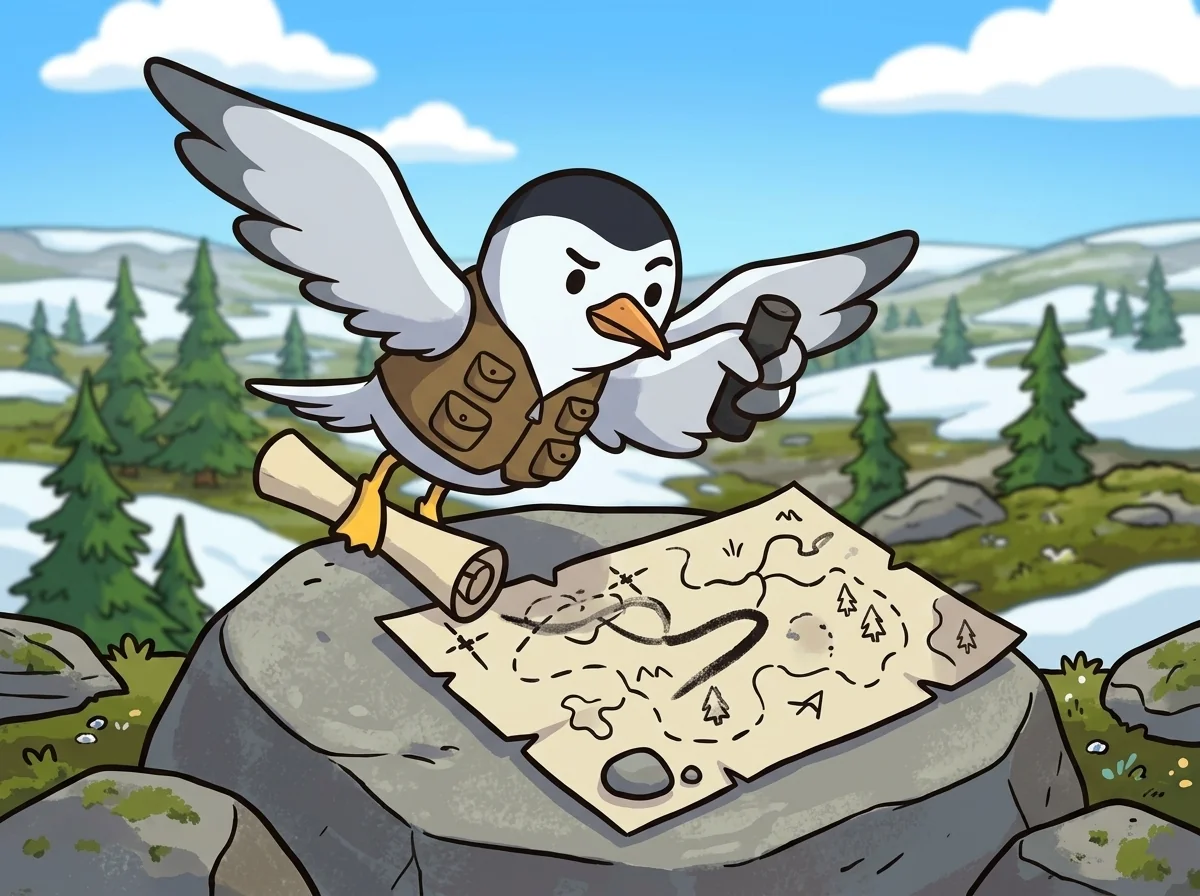
Flux was careful and honest about the climate part, because it's the part that scares people.
"Biomes have always shifted — after every ice age the forests marched north over centuries, and life kept up," she said. "What's different now is speed. The climate is changing fast enough that the conditions are outrunning the things that need them: trees can only disperse so many meters a year, and the climate 'forest' zone is moving faster than the trees can follow. That's the honest concern — not that change is happening, but that it's happening quicker than move-or-adapt can keep pace with. Naming it plainly isn't panic. It's just reading the map's edges as they slide."
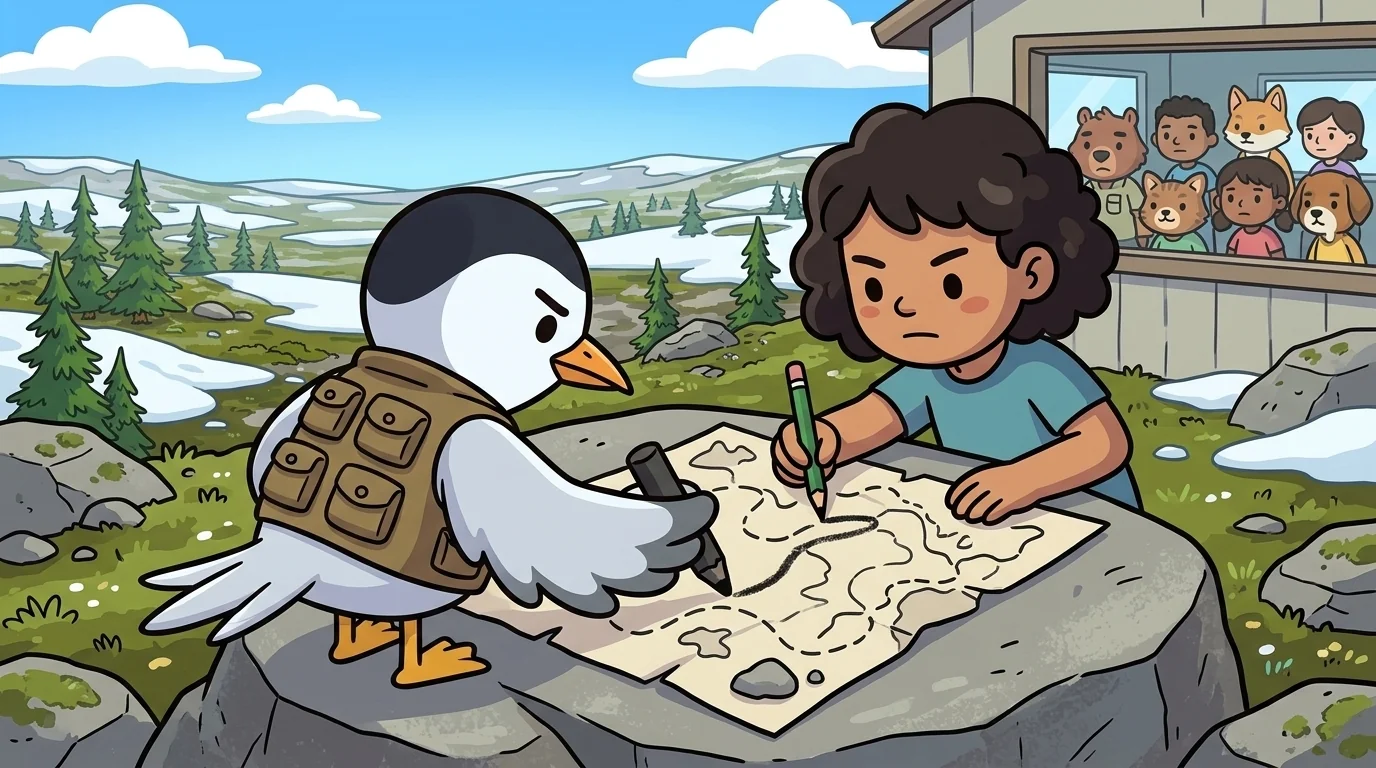
The student looked at the fixed lines on the atlas differently now. "So this map is already wrong?"
"Every biome map is a snapshot of a moving thing," Flux said. "It's not wrong — it's dated, the way a photo of a river is. Useful, true for its moment, and already slightly out of date the instant it's printed. The skill isn't memorizing the lines. It's understanding that the lines are the current position of conditions that are always, slowly, on the move — and learning to ask, of any biome, 'which way is it heading, and can its life get there in time?'"
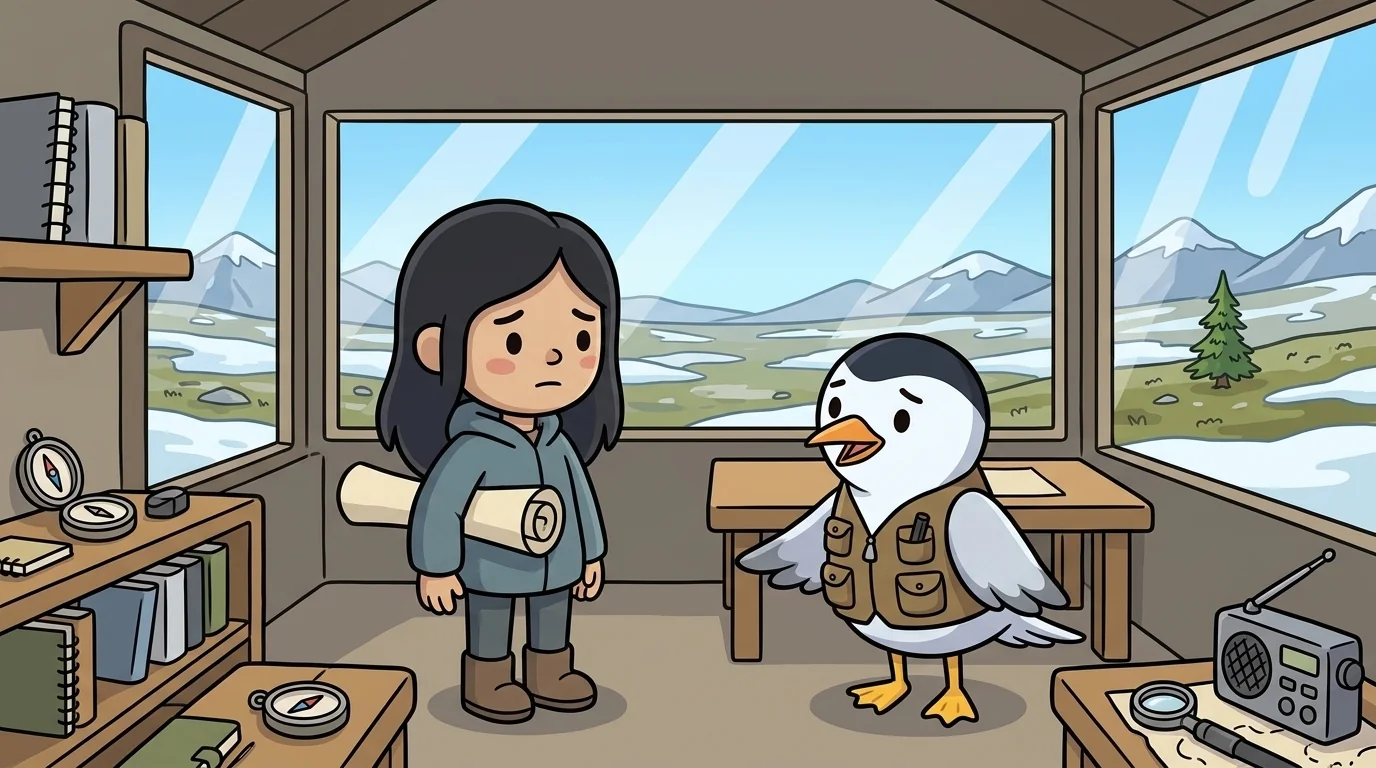
At the end Flux rolled up her ever-changing map.
"When you look at any map of the natural world," she said, "don't see permanent borders. See a freeze-frame of a slow, living motion. The biomes are walking — north, uphill, toward the conditions they're built for — and the great question of our century is whether we can slow the change enough that the forests and tundras and their creatures can keep up with their own moving homes." She tapped the atlas, gently. "The map isn't the world. It's a photograph of the world holding still for a moment. And the world has never once held still."
The BiomeForge ensemble
Flux is part of BiomeForge's distributed-narrative cast. Each character embodies a different curricular primitive; together they teach the full subject.
-
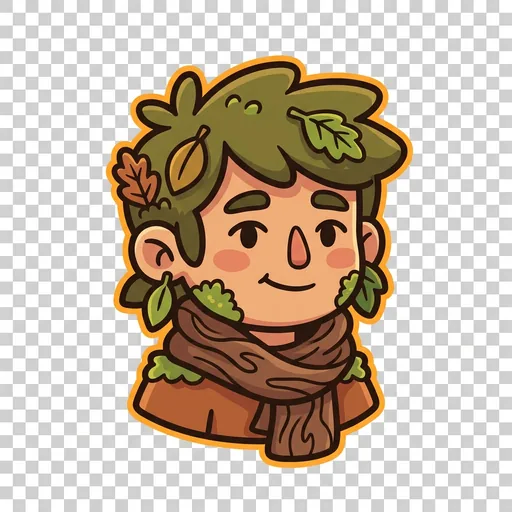
Canopy
Forest biomes (temperate, tropical, taiga)
-
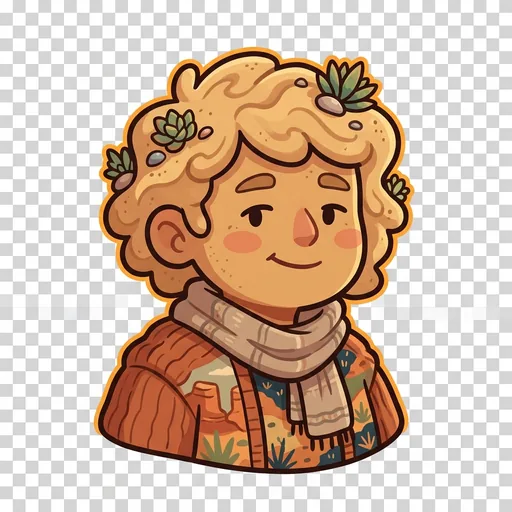
Dune
Desert biomes (hot, cold, semi-arid)
-
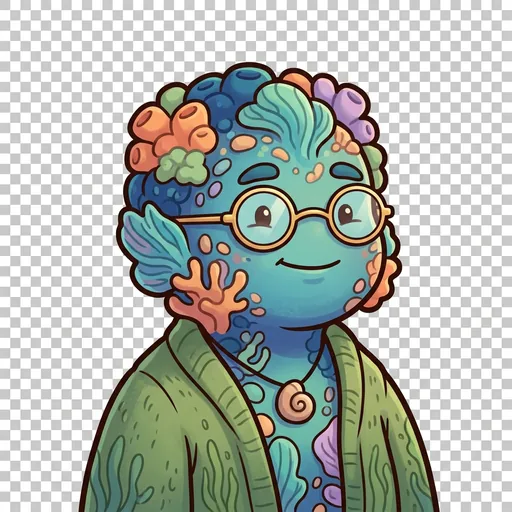
Reef
Aquatic biomes (coral reef, freshwater, marine)
-
Ridge
Mountain / alpine / vertical-zonation biomes
-

Burrow
Ecosystem engineers — some animals build homes for a hundred others; dig, and the neighborhood moves in
-
Graze
Keystone herbivores + grasslands — a grassland needs its grazers; eat, move on, keep the prairie alive
-
Kelp
Keystone species + trophic cascades — one keystone holds up a whole forest; pull it and everything topples
-
Marsh
Decomposition + nutrient cycling — nothing is wasted; the dead feed the living, the water remembers
-
Silt
Sediment + ecological succession — new land is built one grain at a time; life moves in the moment it's ready