
Graze
GRAZING AS DISTURBANCE — a grassland doesn't just tolerate grazers, it needs them; moderate grazing (eat, move on) stimulates grass regrowth, recycles nutrients, and keeps any one plant from taking over, so the whole prairie stays diverse and alive
Loading audio…
Press play to listen along. The line being read lights up as you go.
Show full transcript
Loading transcript…
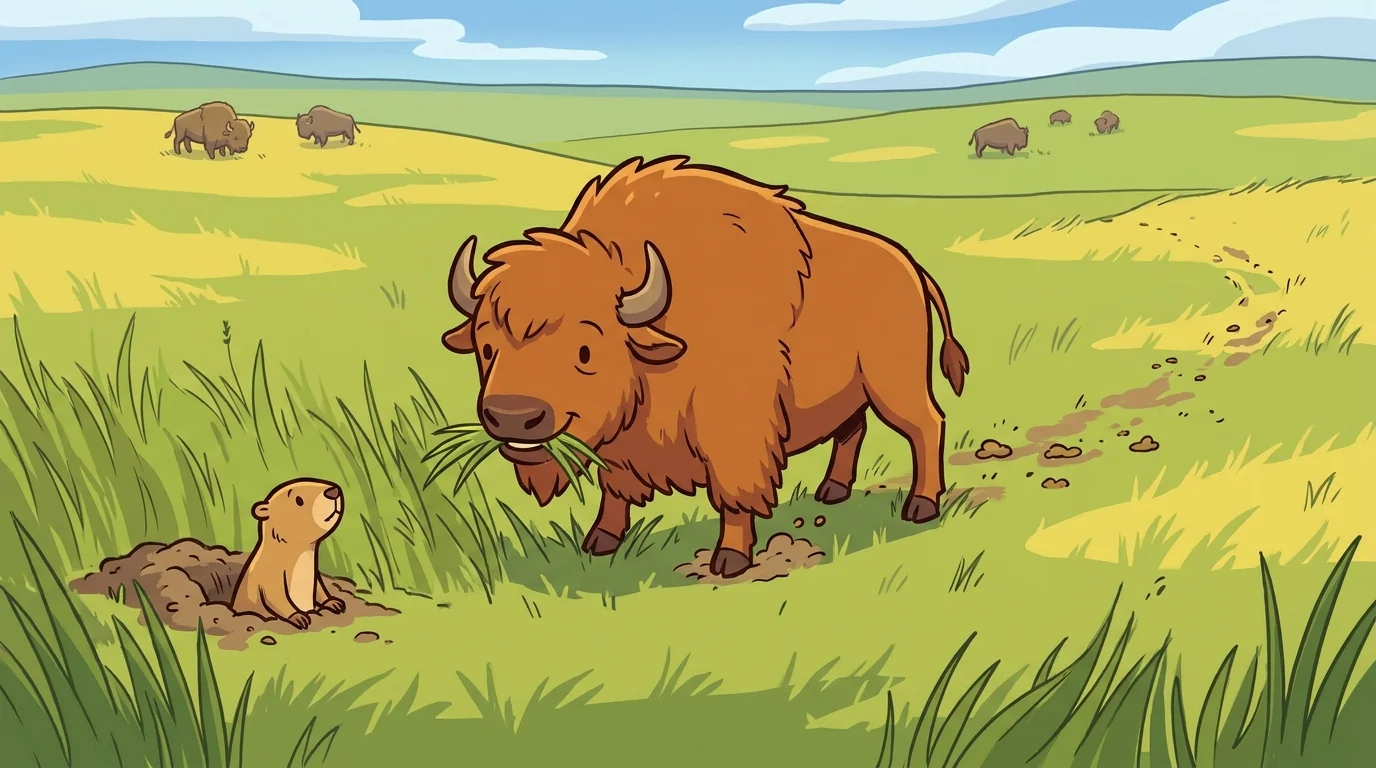
Graze spent his days doing what looked like simple munching, and he was tired of being underestimated for it.
"A bird up top called me lazy — 'you just eat grass all day,'" he told a young pronghorn. "But I'm not just eating. I'm tending. A grassland is the one habitat that gets healthier when something eats it — in the right amount. Bite the grass and it grows back thicker from the base; that's how grasses are built, growing from the bottom, not the tip. Skip a spot and move on, and I've pruned the prairie without killing it. The grass and I aren't enemies. We evolved together, and now we need each other."
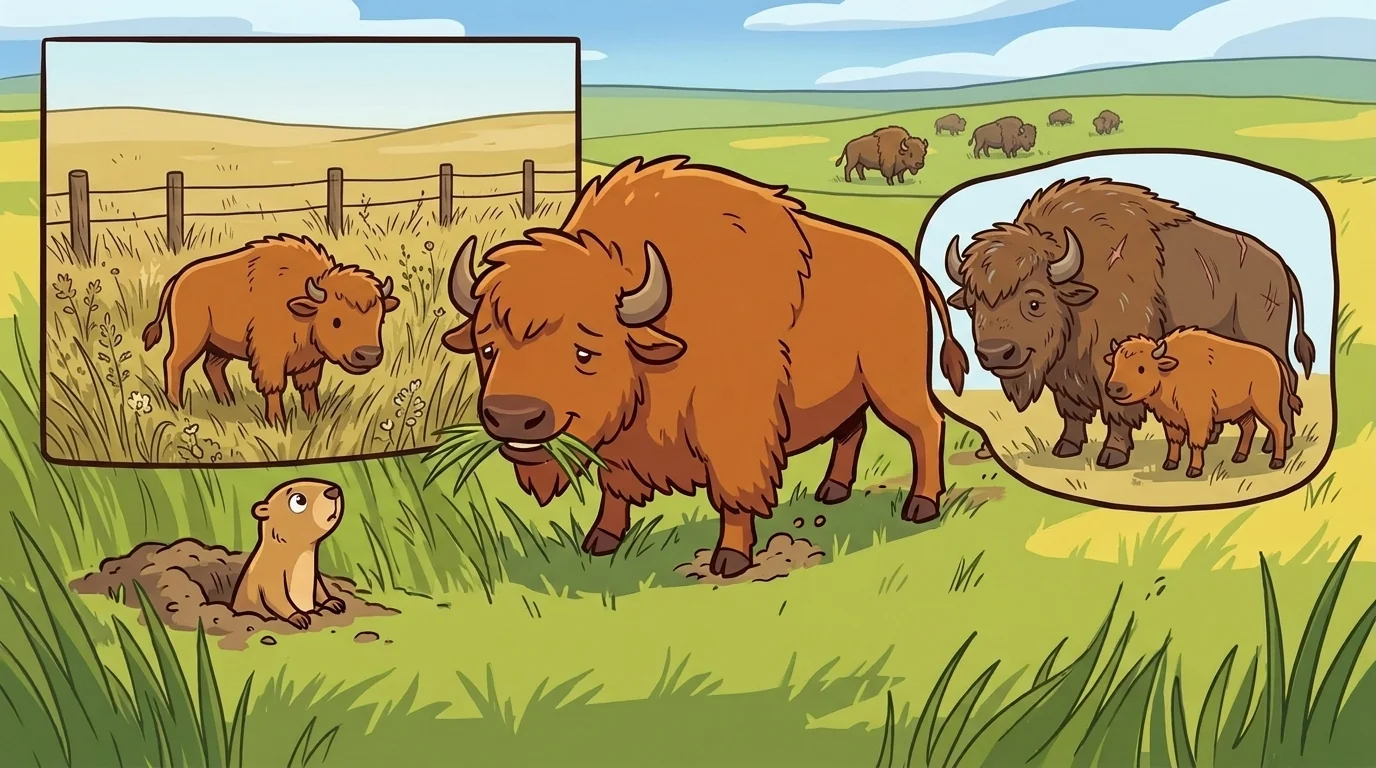
He explained the mechanism, because "grazing helps" sounds backwards until you see how.
"Three things happen when I graze right," Graze said. "One: I stimulate regrowth — a bitten grass plant sends up fresh, tender shoots, staying young and productive instead of growing old and woody. Two: I recycle nutrients — what I eat comes back out as fertilizer, spread across the prairie, feeding the soil. Three, and biggest: I stop any one plant from winning. Without grazers, a few aggressive grasses or shrubs would shade out everything else and the prairie would collapse into a monoculture. By nibbling the winners, I keep the competition fair — and a fair competition is a diverse prairie."
The subtext the older students heard was about balance and the ecology of disturbance — that the healthy state of many systems isn't stillness or protection-from-all-pressure, but the right amount of pressure, applied and then relieved.
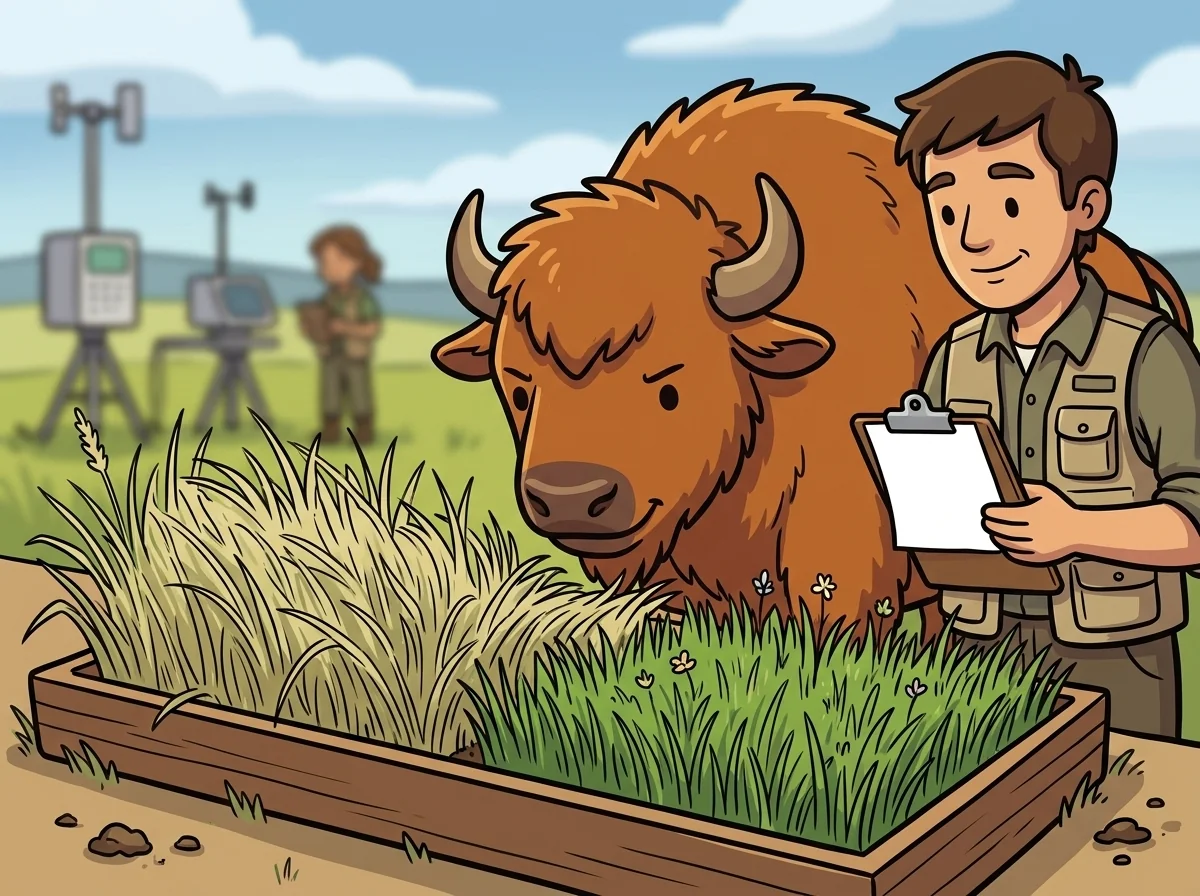
Graze was strict about the "right amount," because both extremes kill.
"Here's the knife-edge," he said. "No grazing, and the prairie chokes on its own overgrowth and loses its diversity. Too much grazing — too many animals, never moving on — and the grass gets bitten to the root faster than it can recover, the soil bares, and the prairie turns to dust. This is exactly how overgrazing has ruined grasslands the world over: not because grazing is bad, but because the amount went past what the grass could regrow. The healthy prairie lives in the narrow middle: eaten enough to stay young, rested enough to recover. Eat, and move on. The 'move on' is the whole secret."
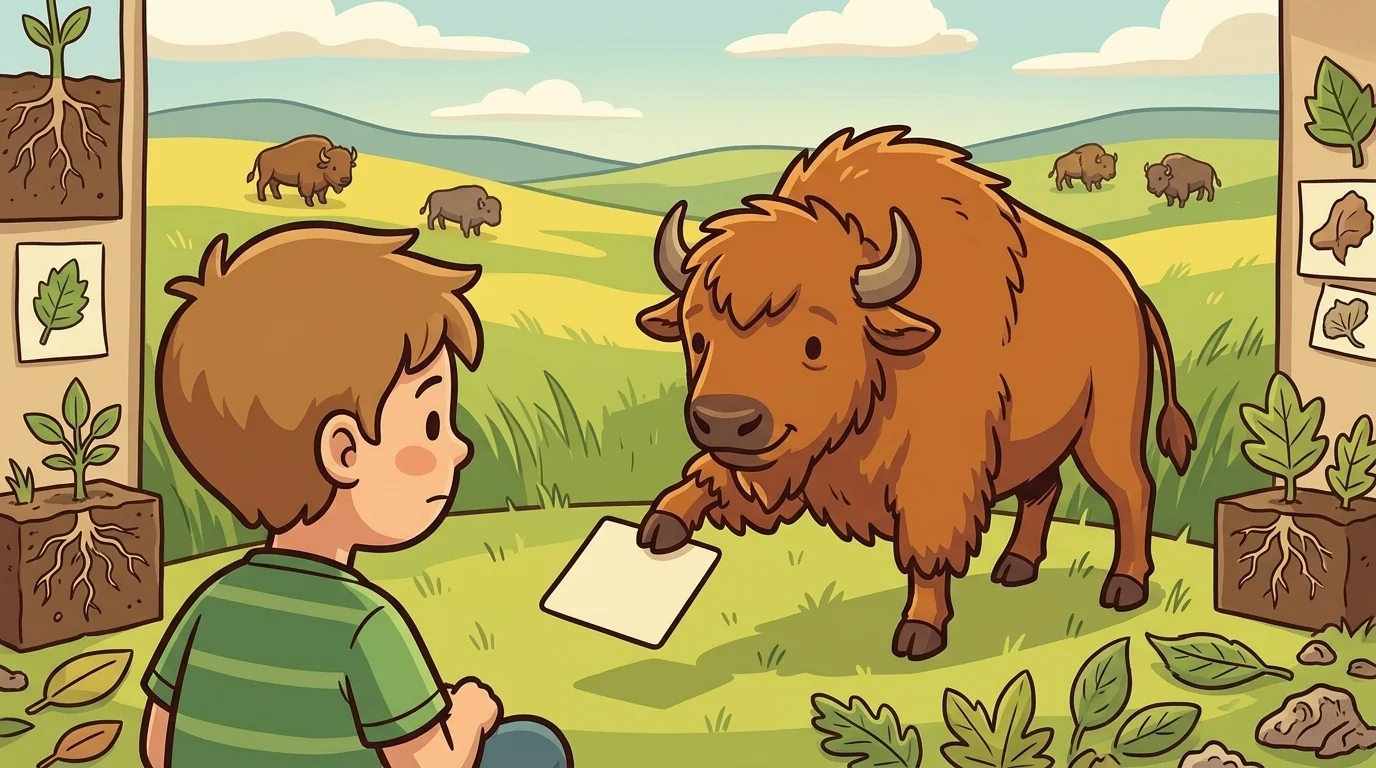
The pronghorn asked how a wild prairie ever gets the amount right on its own.
"Movement," Graze said. "Wild grazers roam — great herds that eat an area hard, then leave it for months to recover while they graze somewhere else. The moving is the management. It's when animals are fenced in one spot and can't move on that grazing tips from tending into destroying. The grass was never afraid of being eaten. It's afraid of being eaten and never given time to grow back."
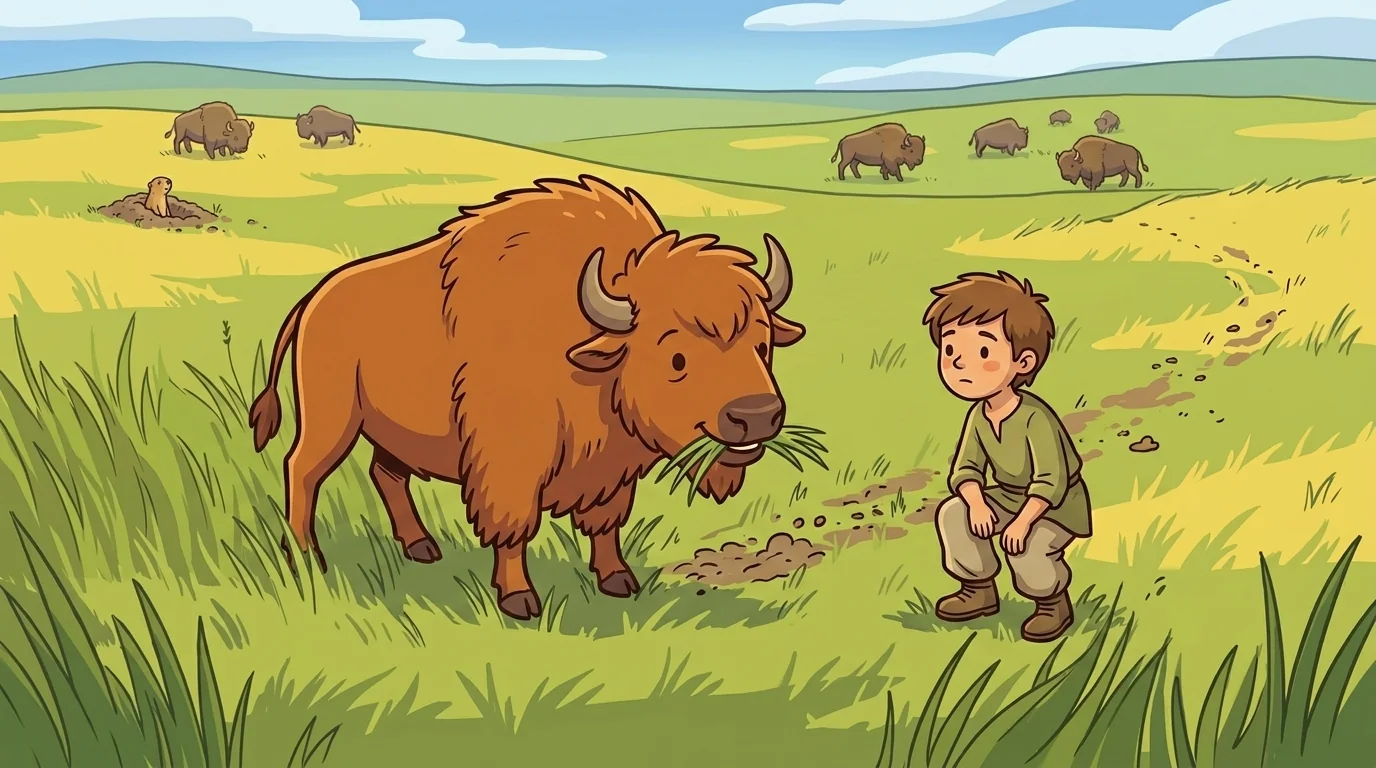
At the end Graze looked out over the waving, diverse, well-tended grass.
"When you see a healthy grassland," he said, "know that it's healthy because something eats it, in the right amount, and then moves along. The lesson runs past prairies: many living things don't want zero pressure — they want the right pressure, then rest. Protection that removes all disturbance can smother the very thing it means to save." He took a neat bite and stepped forward. "Eat, and move on. That's not laziness. That's a hundred million years of the grass and the grazer learning to keep each other alive."
The BiomeForge ensemble
Graze is part of BiomeForge's distributed-narrative cast. Each character embodies a different curricular primitive; together they teach the full subject.
-
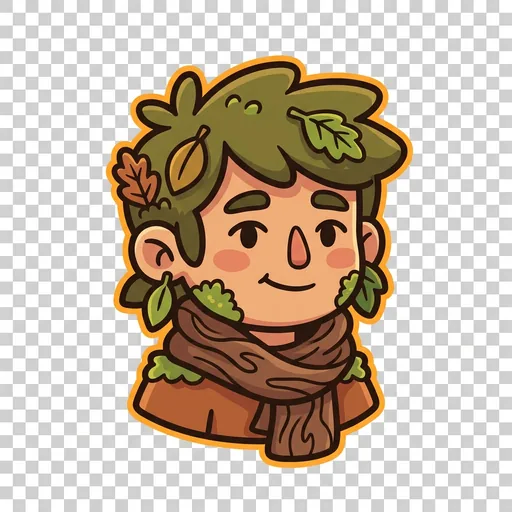
Canopy
Forest biomes (temperate, tropical, taiga)
-
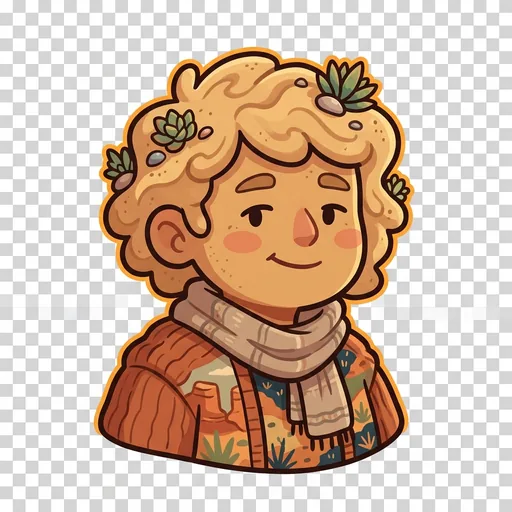
Dune
Desert biomes (hot, cold, semi-arid)
-
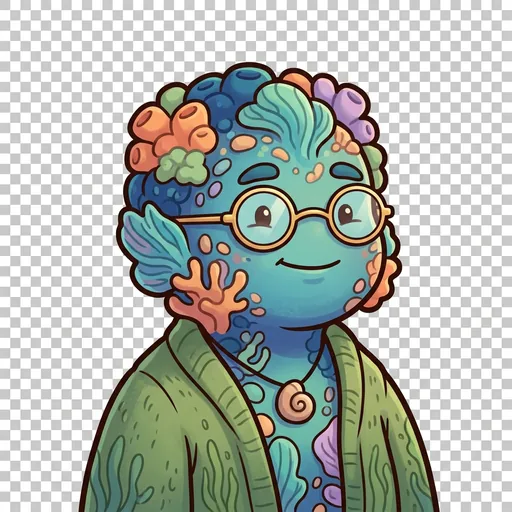
Reef
Aquatic biomes (coral reef, freshwater, marine)
-
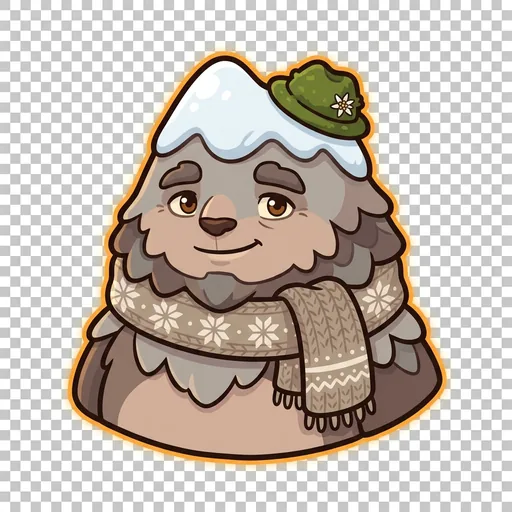
Ridge
Mountain / alpine / vertical-zonation biomes
-

Flux
Climate-biome mapping (where biomes shift with climate)
-

Burrow
Ecosystem engineers — some animals build homes for a hundred others; dig, and the neighborhood moves in
-

Kelp
Keystone species + trophic cascades — one keystone holds up a whole forest; pull it and everything topples
-

Marsh
Decomposition + nutrient cycling — nothing is wasted; the dead feed the living, the water remembers
-
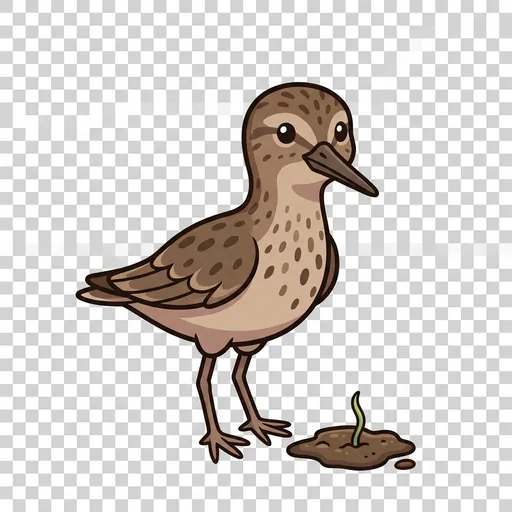
Silt
Sediment + ecological succession — new land is built one grain at a time; life moves in the moment it's ready