Reef
REEF INTERDEPENDENCE & SYMBIOSIS
Loading audio…
Press play to listen along. The line being read lights up as you go.
Show full transcript
Loading transcript…
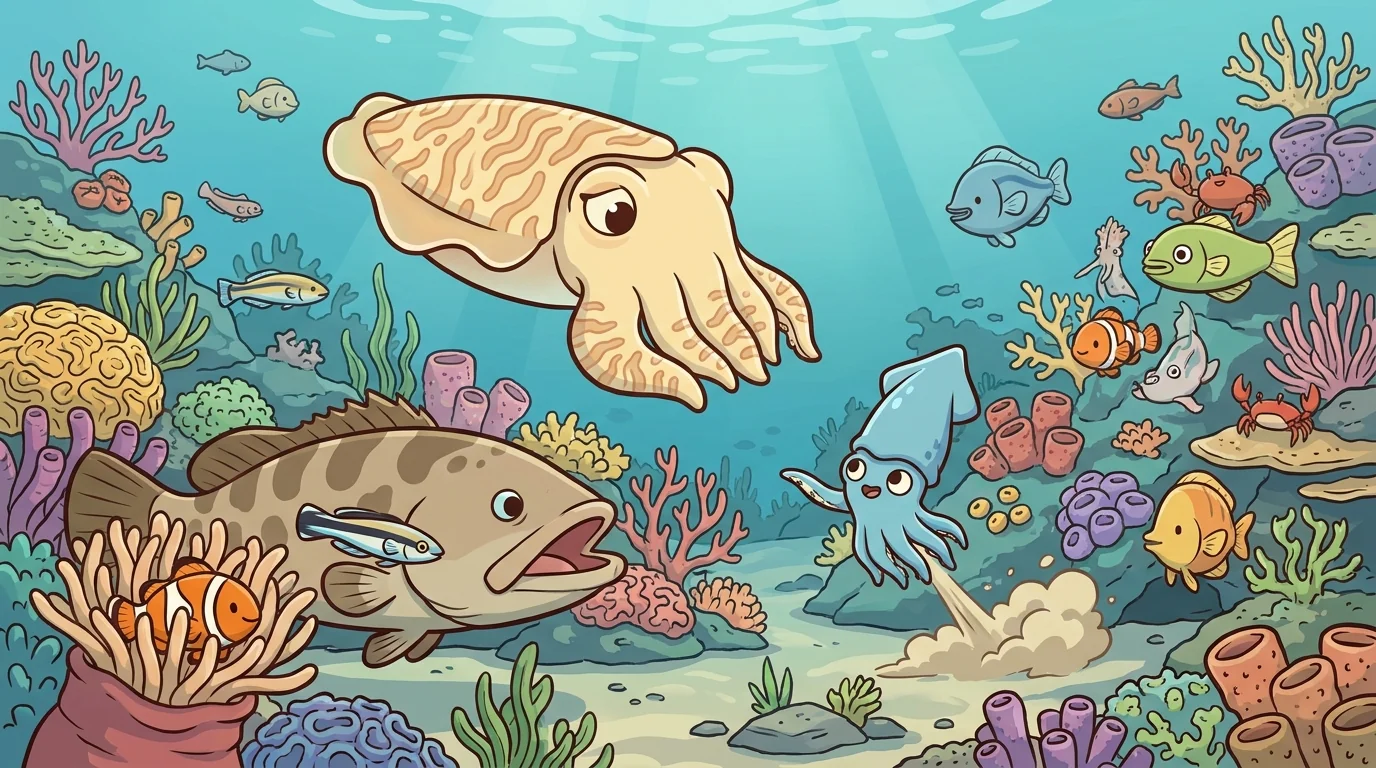
Reef looked like solid rock and colourful stone, but she was quick to correct anyone who thought she wasn't alive.
"Every bit of me is built by animals," she told a curious sea turtle. "Coral isn't a rock — it's millions of tiny animals, each building a limestone cup around itself, generation on generation, until the whole structure becomes a reef. And here's the secret at the heart of it: each coral animal has a partner living inside it — tiny algae. The coral gives the algae shelter and a few raw materials; the algae, using sunlight, make food and hand most of it to the coral. Neither could build a reef alone. Together, they built the most crowded city in the sea."
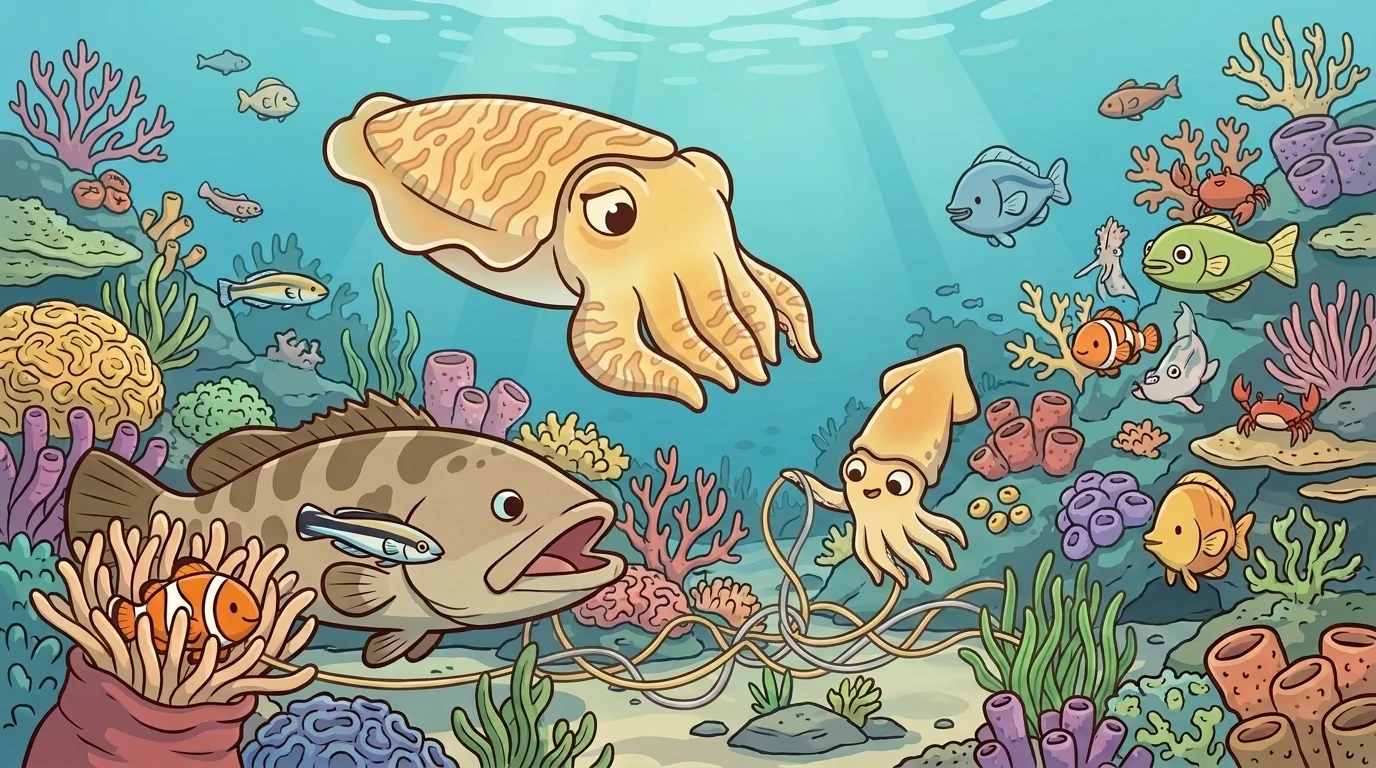
She explained why that partnership makes reefs so astonishingly full of life.
"That coral-algae deal is the foundation," Reef said, "and everything else stacks on it. Because the partnership captures so much sunlight-energy and builds so much structure, a reef offers endless nooks, crannies, and food — so species pile in. A quarter of all ocean species live on reefs, and reefs cover less than one percent of the sea floor. It's like the forest layers, but built on cooperation: cleaner fish that pick parasites off bigger fish, anemones that shelter clownfish, everything interlocked. A reef isn't a place where a lot of species happen to live near each other. It's a place where they're all, quietly, doing business with each other."
The subtext the older students heard was about mutualism — that cooperation, not just competition, is a force that builds; that the richest, most productive systems are often the ones woven from partnerships where each gives what the other can't make.
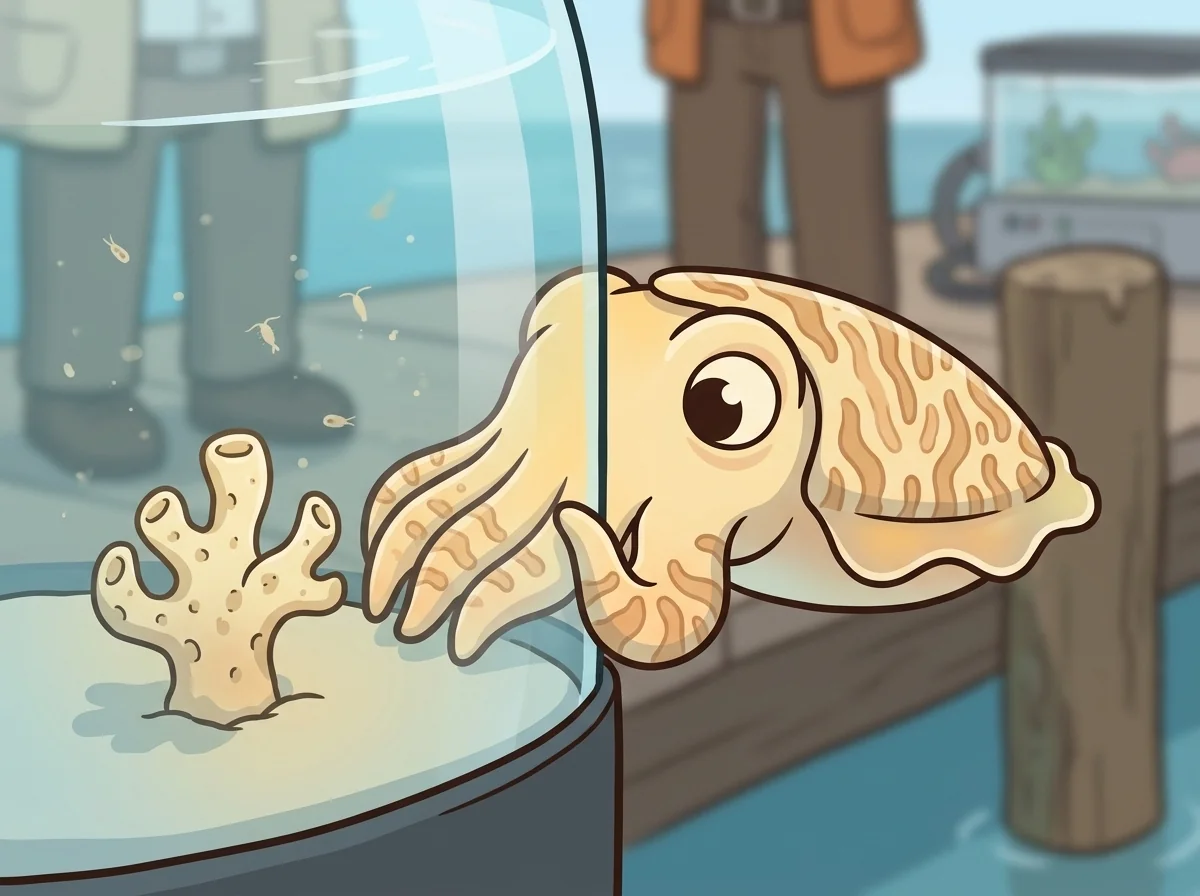
Reef told the hard part honestly, because it's happening now.
"Here's what breaks it," she said. "The coral-algae partnership only works in a narrow band of temperature. When the water gets too warm — even a couple of degrees, for too long — the coral gets stressed and expels its algae. Without the algae's food and colour, the coral turns ghost-white — that's bleaching — and starves. A partnership that works beautifully in normal conditions falls apart under stress, and if the heat lasts, the coral dies, and the crowded city empties. Warming seas are bleaching reefs around the world. That's the honest, careful truth: the very cooperation that built the reef is also its most delicate point."
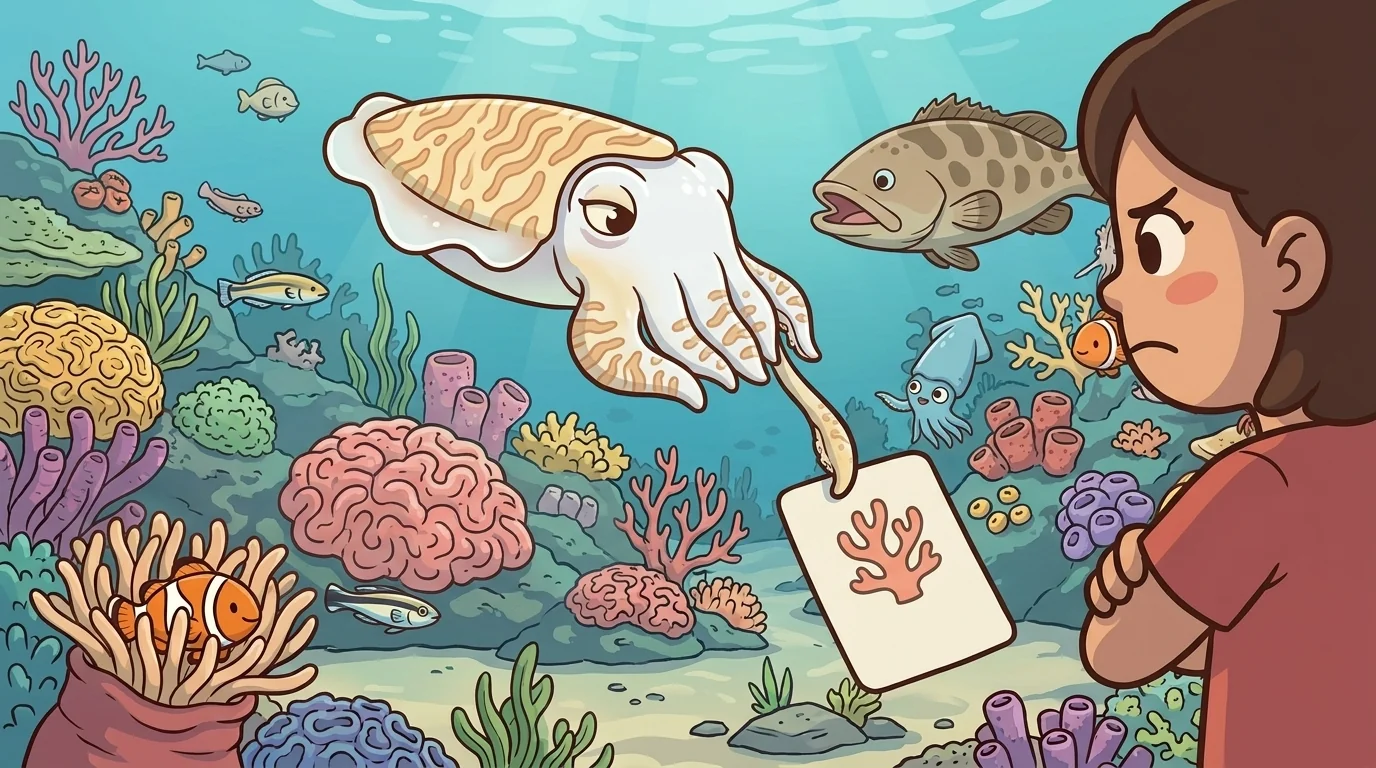
The turtle asked if a bleached reef is gone for good.
"Not always," Reef said. "If the water cools again soon enough, the coral can take its algae back and recover — the partnership can be rebuilt. But if the heat comes too often or lasts too long, the coral runs out of chances. So the whole future of reefs comes down to whether we can keep the water inside the narrow band the partnership needs. Protect the temperature, and you protect the partnership, and the partnership protects a quarter of the ocean."
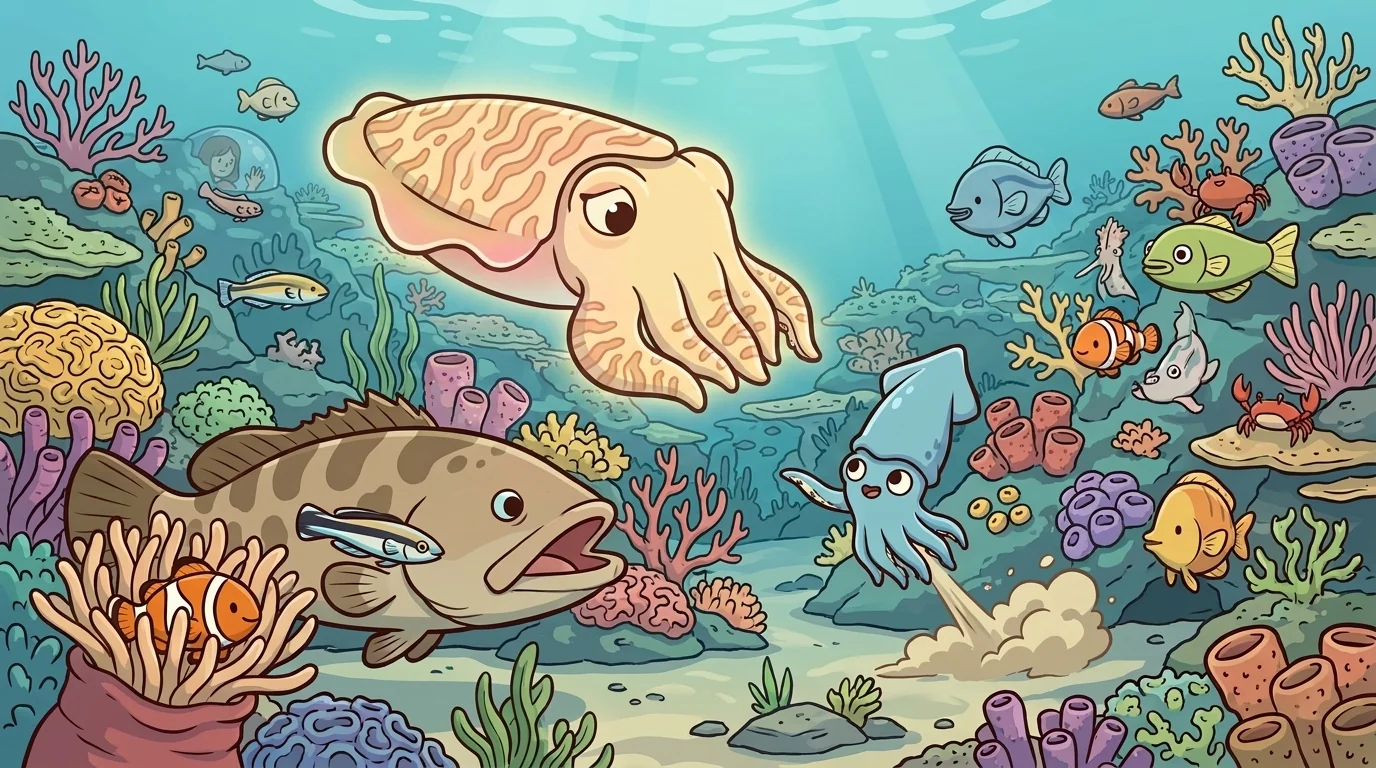
At the end Reef glowed with the colour of a healthy, algae-filled coral.
"When you see something rich and crowded and thriving," she said, "look underneath it for the partnership holding it up — the quiet mutual deal that lets everything else exist. Reefs teach that cooperation can build cities out of nearly nothing. But they also teach that a partnership has conditions, and if you push past them, even the most beautiful cooperation can break." She rippled, vivid and alive. "I'm not a rock. I'm a deal — millions of them — and I'll keep the whole sea's city standing, as long as the water stays kind enough to let me."
Hear it as an audio drama
A short play starring Reef, from BiomeForge. Different voices, same idea. Listen any time after you read.
Loading audio…
Read the drama script
- Narrator: From Spark and Anvil and BiomeForge — this is Reef, in chapter 1 of the BiomeForge cast.
- Narrator: This drama uses an AI-generated voice. Voiced via Gemini 2.5.
- Narrator: This story covers ecosystems and Indigenous knowledge. Parents may want to listen first.
- Narrator: Reef is a colorful cuttlefish-tween, swimming in a chunky naturalist vest.
- Narrator: Their skin shifts with soft iridescent colors. In their hands, they hold cards of underwater worlds.
- Reef: I am Reef. I teach the craft of underwater cities.
- Narrator: Aquatic biomes are the living systems of water — coral reefs, freshwater streams, and the deep ocean.
- Reef: My lesson is simple. Underwater is alive. It is layered and interdependent.
- Reef: From the tiniest algae in a coral to the great whales of the abyss, everyone is connected.
- Narrator: Reef grew up listening to the stories of the currents and the wisdom of coastal elders.
- Reef: I learned that caring for the water is caring for ourselves. It's a deep relationship.
- Narrator: They swam to the great council of the sea and were asked one question about their purpose.
- Reef: The water is a city of countless neighbors. We are all interdependent, and we can help it thrive.
- Narrator: The elders appointed them teacher of the aquatic biomes.
- Narrator: A living city. Layered and interdependent. That is the whole lesson. That is what makes Reef Reef.
- Narrator: You've been listening to a Spark and Anvil chapter, written by the Spark and Anvil writing team for ages 9 to 14.
- Narrator: Apps stay free forever.
- Narrator: Curriculum aligned to Next Generation Science Standards.
- Narrator: If anything in this story brought up big feelings, talking to a trusted adult helps. You can also reach support lines anytime.
- Narrator: With cultural-knowledge credit to the Indigenous, traditional, and community knowledge holders whose practice and care this story draws on.
- Narrator: Released under Creative Commons BY-NC-SA 4.0 for educational reuse. Visit Spark and Anvil for the full transcript.
The BiomeForge ensemble
Reef is one of the friends in BiomeForge. Each friend shows you one idea by how they act; meet them all and you have the whole subject.
-
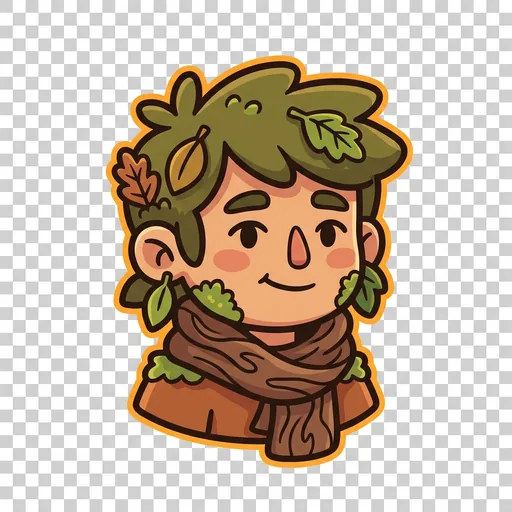
Canopy
Forest biomes (temperate, tropical, taiga)
-
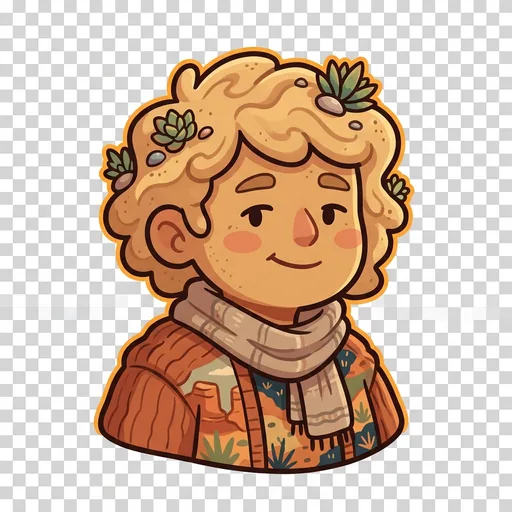
Dune
Desert biomes (hot, cold, semi-arid)
-
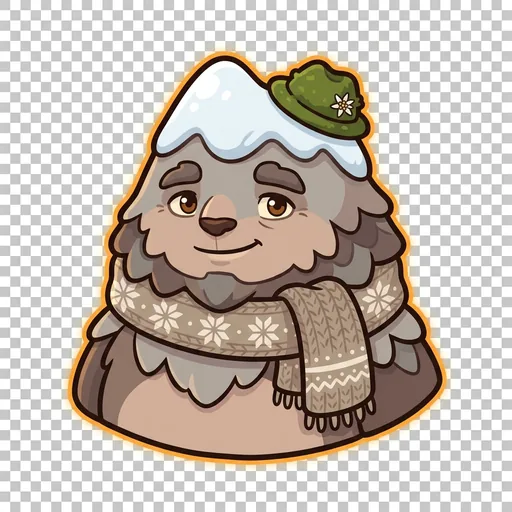
Ridge
Mountain / alpine / vertical-zonation biomes
-
Flux
Climate-biome mapping (where biomes shift with climate)
-

Burrow
Ecosystem engineers — some animals build homes for a hundred others; dig, and the neighborhood moves in
-
Graze
Keystone herbivores + grasslands — a grassland needs its grazers; eat, move on, keep the prairie alive
-
Kelp
Keystone species + trophic cascades — one keystone holds up a whole forest; pull it and everything topples
-
Marsh
Decomposition + nutrient cycling — nothing is wasted; the dead feed the living, the water remembers
-
Silt
Sediment + ecological succession — new land is built one grain at a time; life moves in the moment it's ready