
Ridge
ELEVATION ZONATION — climbing a mountain passes through stacked biomes the way travelling toward the poles does, because temperature drops with height; a single mountain can hold forest, alpine meadow, and near-tundra one above the other
Loading audio…
Press play to listen along. The line being read lights up as you go.
Show full transcript
Loading transcript…
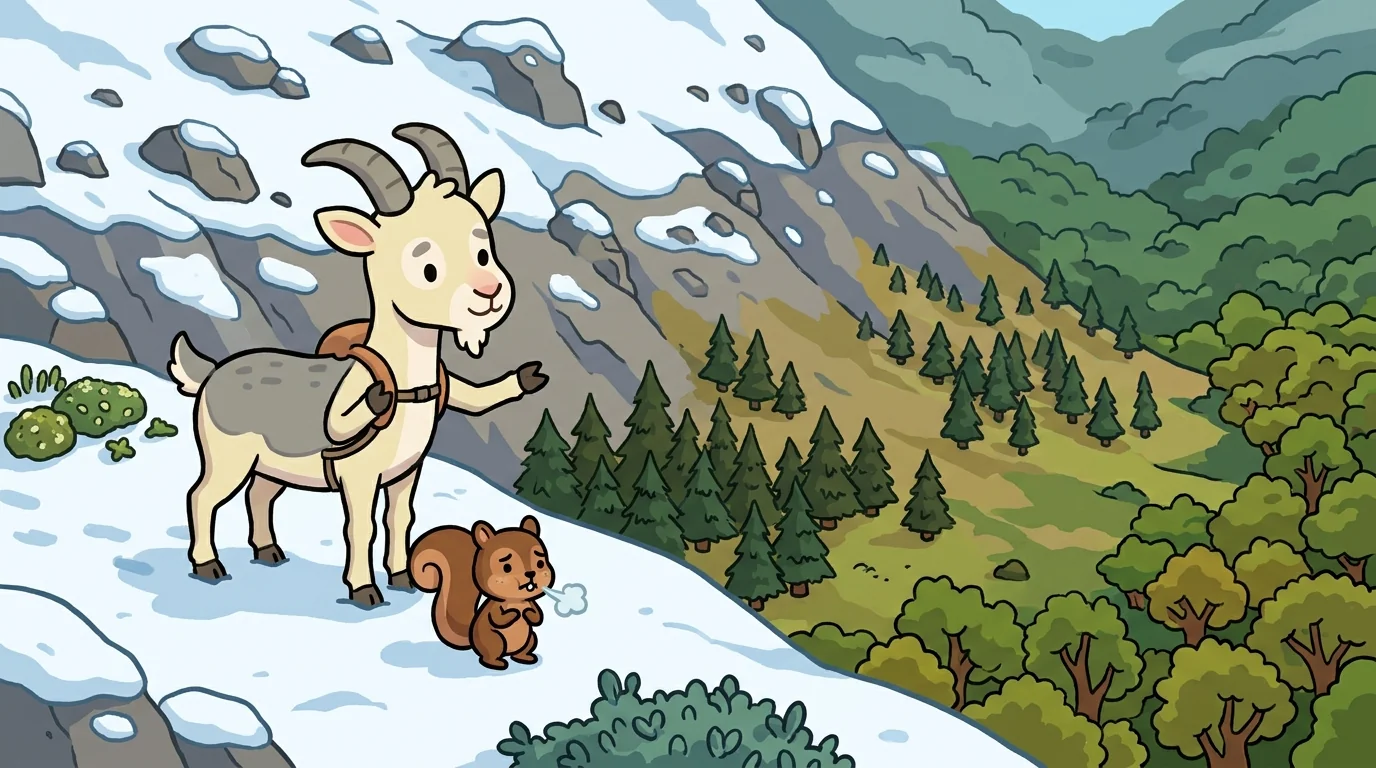
Ridge stood at the base of a great mountain and offered every traveler the same deal: "Climb with me, and I'll take you from the tropics to the arctic in a single afternoon."
"You think you'd have to travel thousands of miles north to go from warm forest to frozen tundra," she told a doubtful marmot-kid. "You don't. You just have to go up. Because temperature drops as you climb — about a few degrees for every thousand meters — a mountain stacks the world's biomes vertically. Warm forest at the bottom, cooler forest higher, then alpine meadow, then bare rock and near-tundra at the top. Climbing a mountain is climbing latitude. The mountain is the whole planet, folded upward."
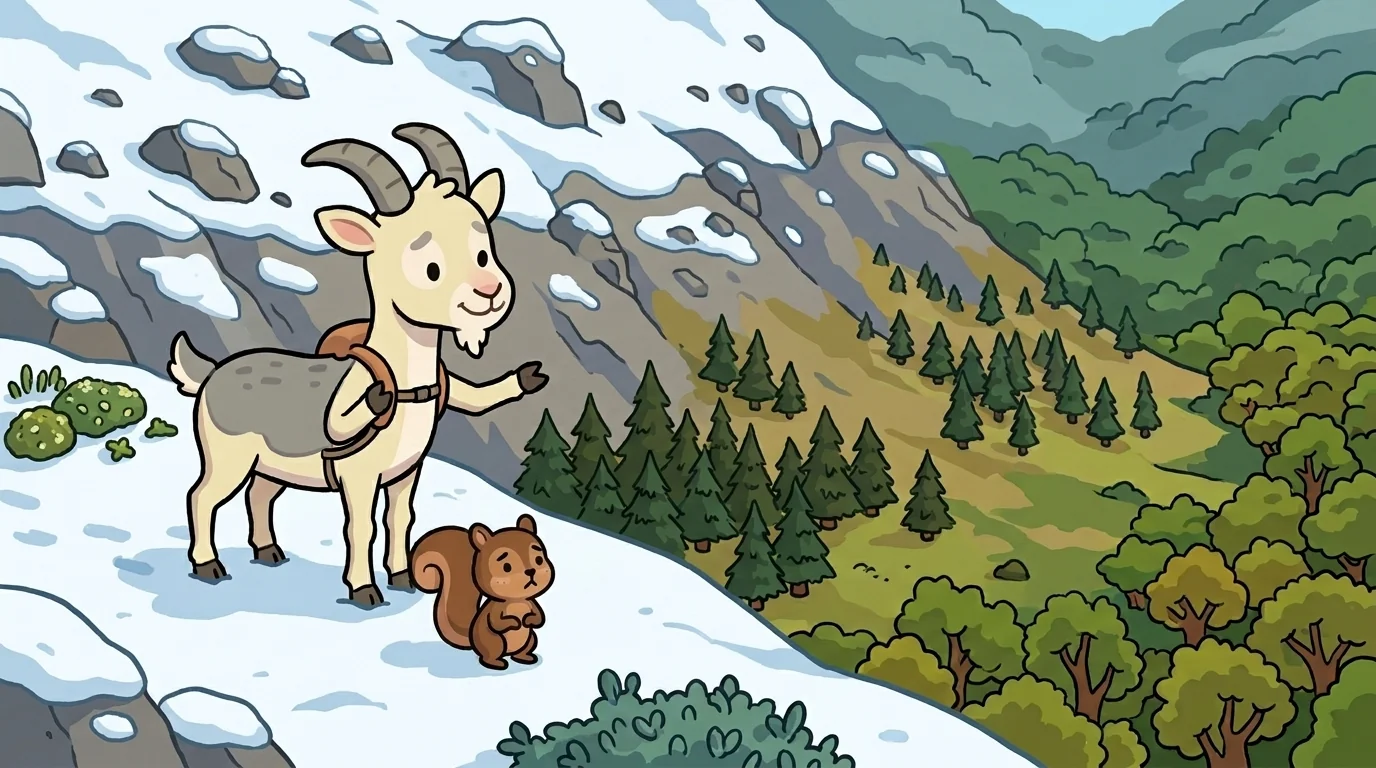
She walked the marmot through the zones, because seeing the stack is the lesson.
"Start at the base — broadleaf forest, warm and green," Ridge said, gesturing up the slope. "Climb, and it shifts to cooler needleleaf forest — the trees change to conifers built for cold. Keep going and you hit the treeline — the altitude above which it's simply too cold and windy for trees to grow at all. Above that: alpine meadow, low tough plants hugging the ground. Higher still: bare rock, snow, a few lichens — practically tundra. Each band has its own climate and its own life, stacked one above the next, and you crossed all of them without going anywhere but up."
The subtext the older students heard was that the same underlying rule can produce the same pattern along completely different axes — that understanding why biomes stack by latitude lets you instantly predict how they'll stack by altitude, because it's one principle wearing two costumes.
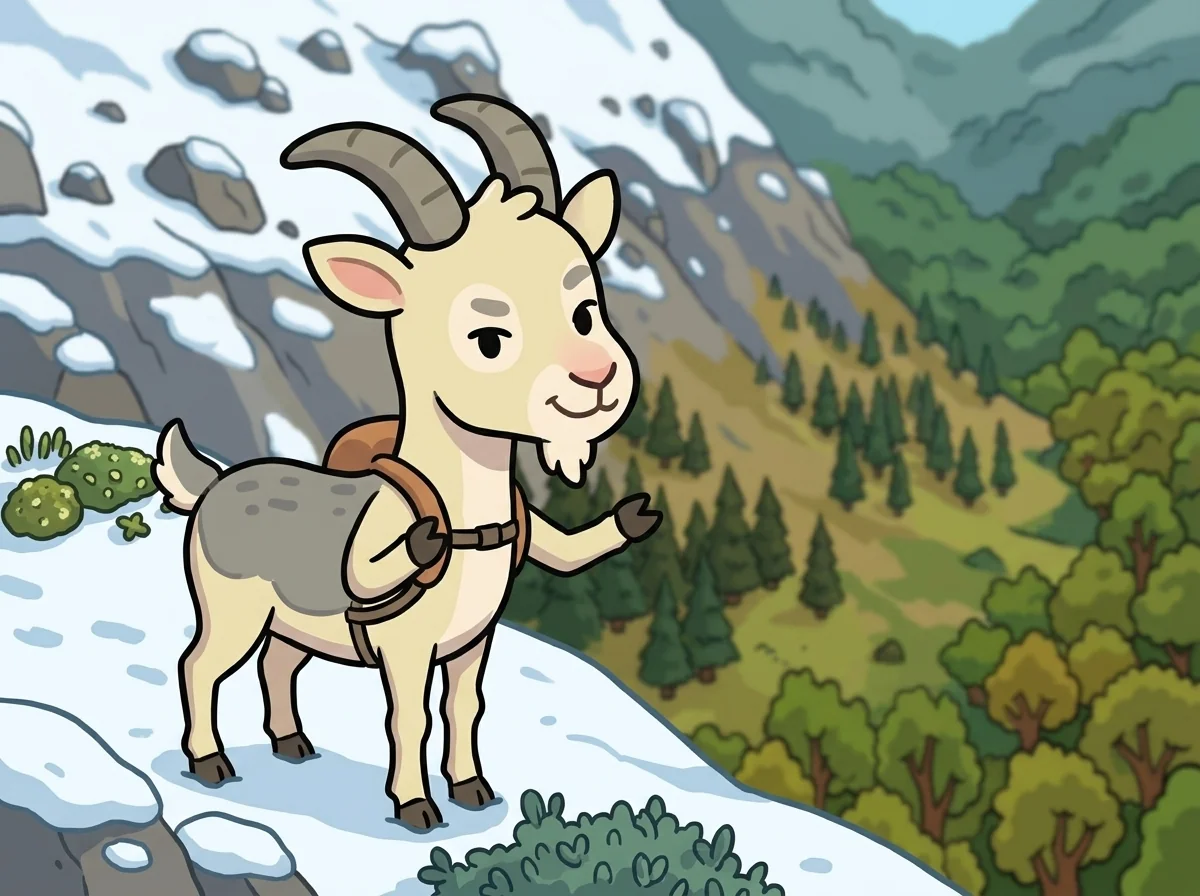
Ridge connected it, carefully, to the warming world.
"Here's the sharp part," she said. "When the climate warms, every band on the mountain shifts upward — the conditions each species needs climb higher up the slope, and the species must climb to follow, just like the flatland biomes migrate poleward. But a mountain has a top. A creature living near the summit, when its climate band moves up, can climb for a while — and then it runs out of mountain. There's nowhere higher to go. Scientists call it the escalator to extinction: the highest-mountain species get pushed up and off the peak. That's the honest concern — not that things are moving, but that on a mountain, up eventually ends."
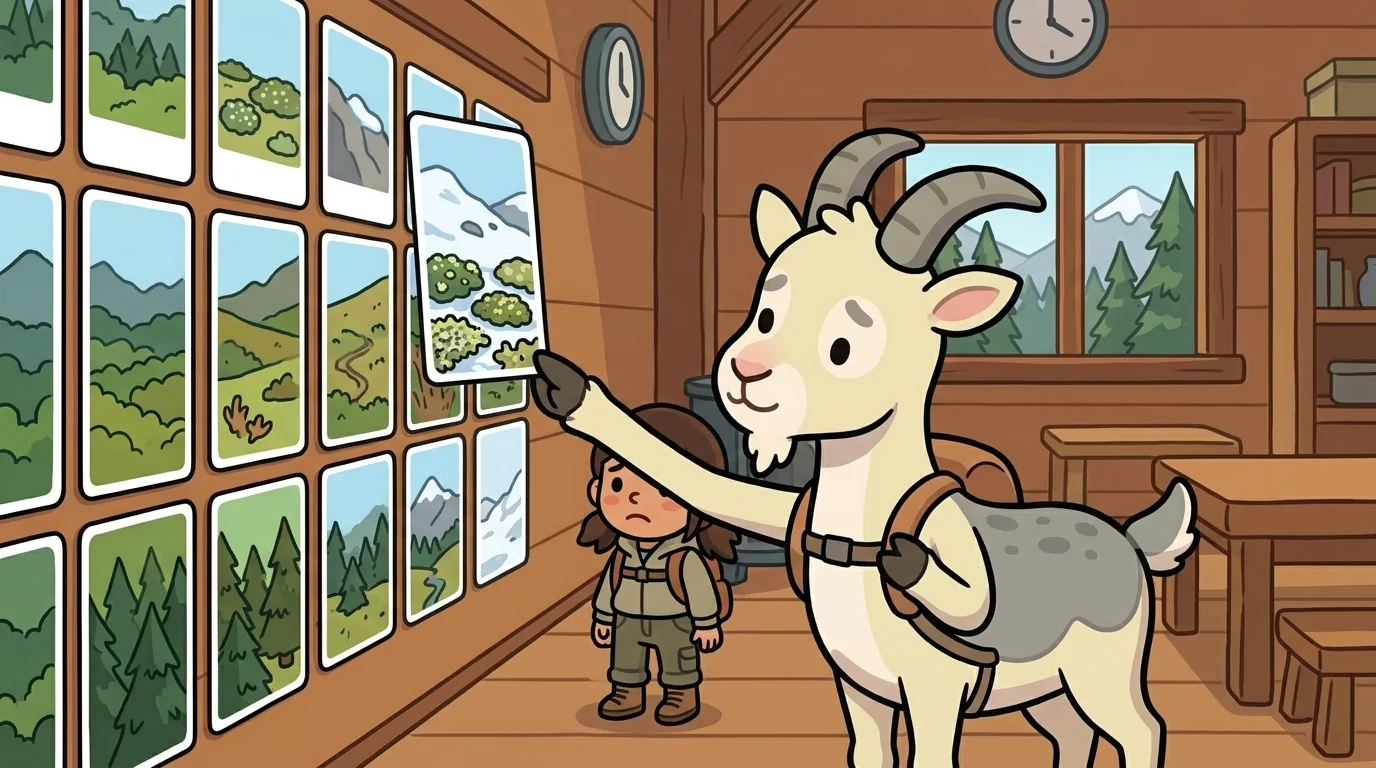
The marmot, who lived high up, went quiet. "So I can only climb so far."
"For now, you have room," Ridge said gently, "and knowing the pattern is exactly what lets people protect it — by keeping the warming slow enough that the bands don't climb faster than the life on them, and by protecting whole mountains so species have their full slope to move along. Understanding the escalator is the first step to keeping anyone from riding it off the top. Knowledge isn't the scary part. It's the useful part."
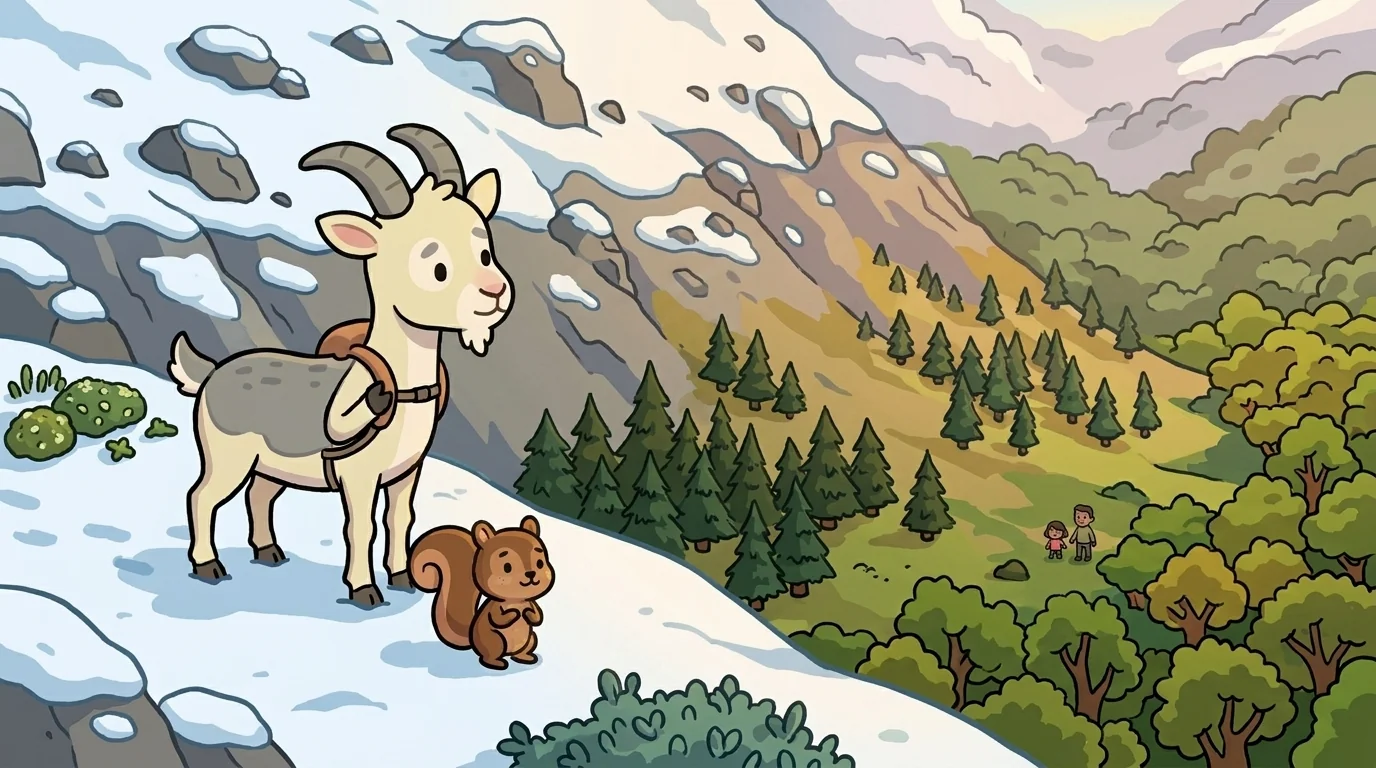
At the end Ridge looked up her stacked, banded mountain, green fading to grey fading to white.
"When you climb a mountain," she said, "you're not just going up — you're travelling through the same sequence of worlds a polar explorer crosses going north, compressed into a few hours' walk. One rule, temperature-with-height, drawing the whole map. Learn the rule, and a mountain stops being a lump of rock and becomes a cross-section of the living planet." She started up the slope. "Come on. Tropics to tundra, this way. Watch the world change as we climb."
The BiomeForge ensemble
Ridge is part of BiomeForge's distributed-narrative cast. Each character embodies a different curricular primitive; together they teach the full subject.
-
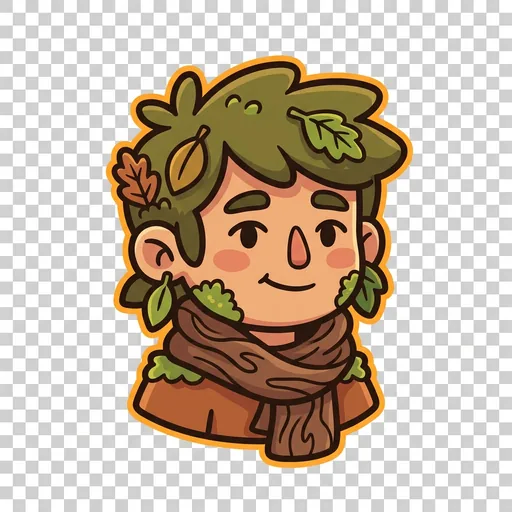
Canopy
Forest biomes (temperate, tropical, taiga)
-
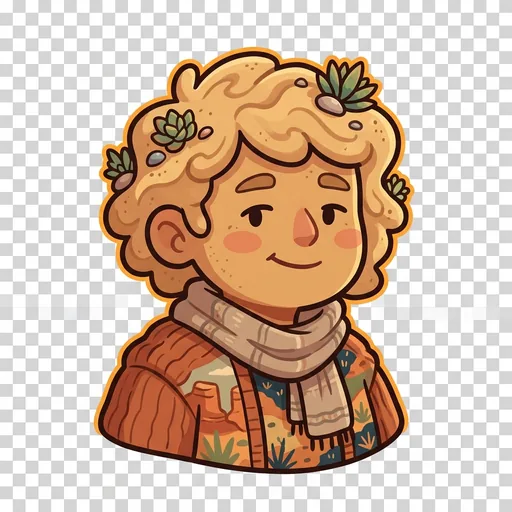
Dune
Desert biomes (hot, cold, semi-arid)
-

Reef
Aquatic biomes (coral reef, freshwater, marine)
-
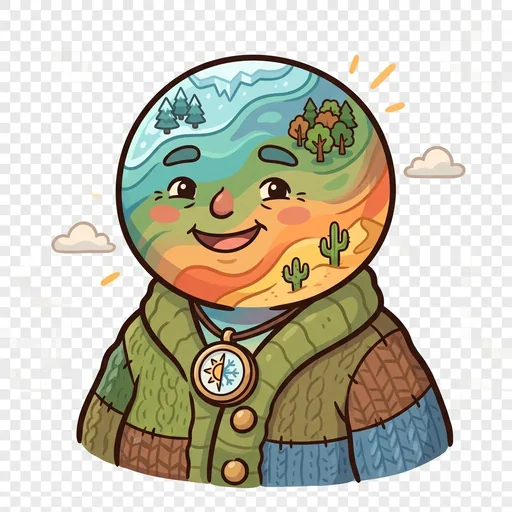
Flux
Climate-biome mapping (where biomes shift with climate)
-

Burrow
Ecosystem engineers — some animals build homes for a hundred others; dig, and the neighborhood moves in
-
Graze
Keystone herbivores + grasslands — a grassland needs its grazers; eat, move on, keep the prairie alive
-
Kelp
Keystone species + trophic cascades — one keystone holds up a whole forest; pull it and everything topples
-

Marsh
Decomposition + nutrient cycling — nothing is wasted; the dead feed the living, the water remembers
-
Silt
Sediment + ecological succession — new land is built one grain at a time; life moves in the moment it's ready