
Verdis, Cordis and Span
THE HARD CONVERSATION — two sides that truly disagree can still reach a fair way forward when someone listens to both without pre-judging (Verdis), keeps the room respectful even when it heats up (Cordis), and builds a bridge that carries both sides across (Span)
A story read by Verdis, Cordis and Span
Loading audio…
Press play to listen along. The line being read lights up as you go.
Show full transcript
Loading transcript…
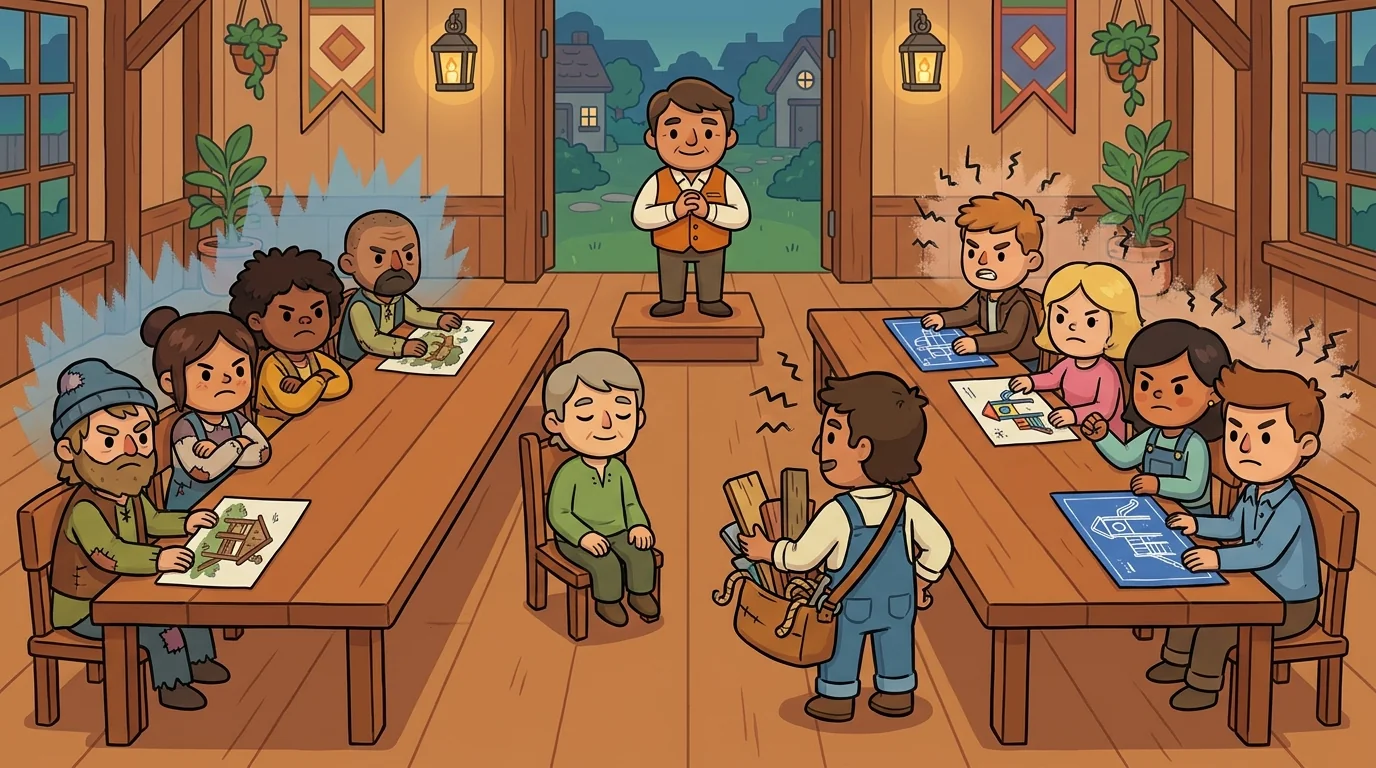
The town had a genuinely hard disagreement on its hands — the kind with no obvious right answer, where good, reasonable neighbors wanted opposite things. Half wanted the old commons kept as open meadow; half wanted part of it turned to garden plots. Voices were rising. It was three breaths from a shouting match that would settle nothing and leave the town split for a year.
Three helpers stepped in — not to win the argument, but to make it a real one instead of a brawl. Verdis, the old bear who weighed sides. Cordis, who kept a room warm even when it heated. And Span, who built bridges across gaps that looked too wide to cross.
"A hard disagreement isn't a problem to be crushed," said Verdis. "It's a problem to be worked — and it takes three different hands to work it well."
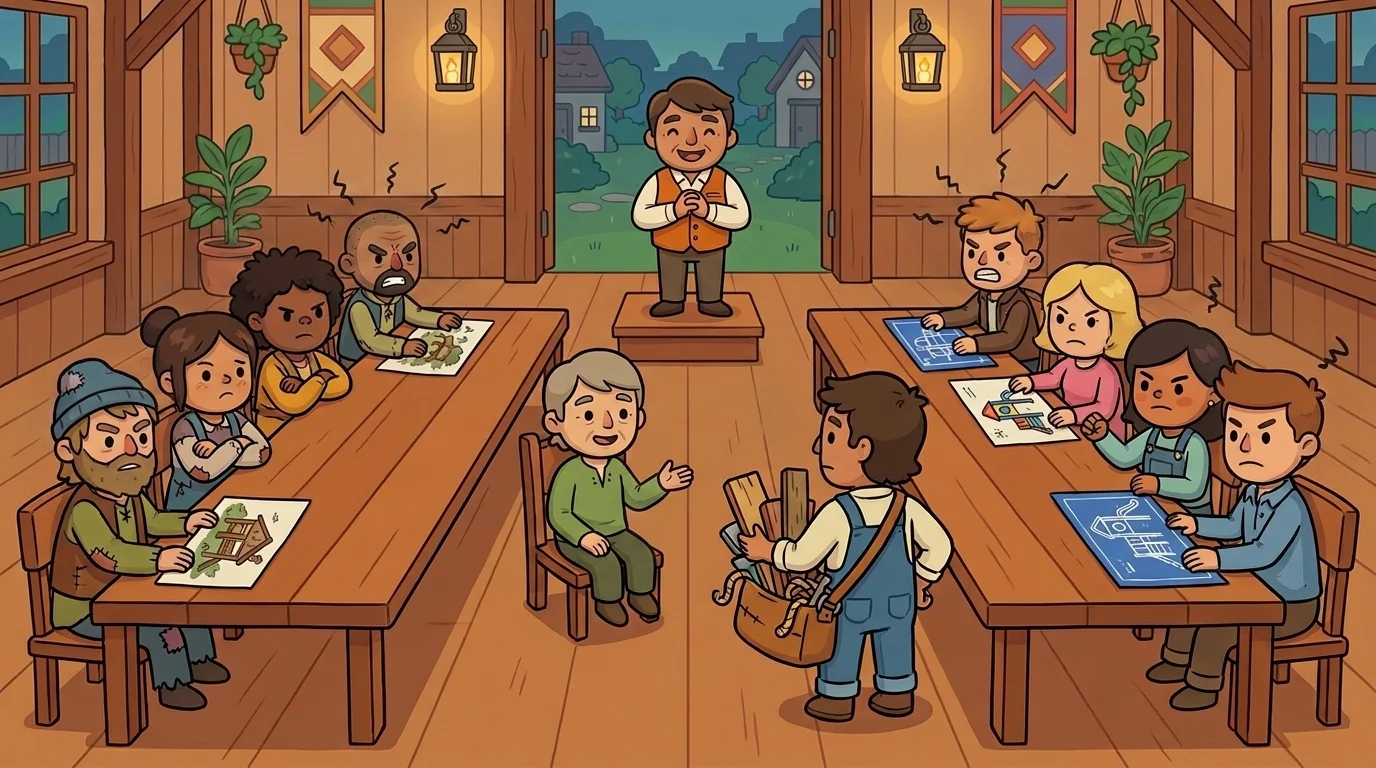
Verdis went first, because a real conversation starts with real listening. "Before anyone decides anything," Verdis said, "both sides get heard — actually heard, by someone who hasn't already made up their mind." The bear turned to the meadow side, then the garden side, and drew out what each truly wanted underneath the shouting: the meadow side feared losing the one open place the whole town shared; the garden side wanted families who had no land of their own to be able to grow food. "Listen to that," said Verdis. "Neither of those is a bad want. This is the first discipline of a hard conversation — steelmanning the other side, hearing their strongest reason before you answer it, and refusing to pre-judge. Most 'disagreements' are really two people arguing against a cartoon of each other. Hear the real want first, and you find out you're not enemies — you're two good reasons that happen to collide."
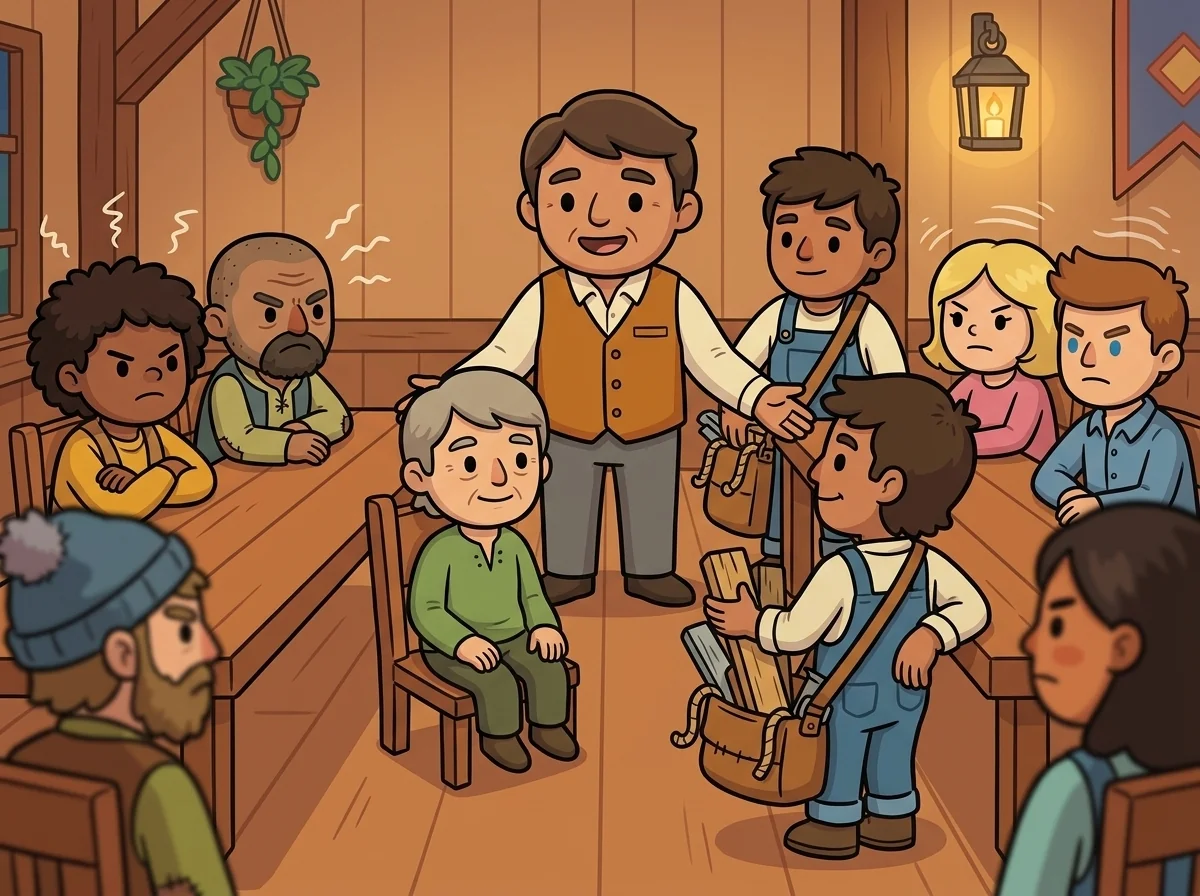
Then Cordis stepped in, because the moment it heats, respect is what keeps it a conversation. "It's going to get warm — that's fine, hard things should feel like something," said Cordis. "But there's a line, and I keep it: you can be as passionate as you like about the issue, and you may not attack the person. Disagree with the idea; never with the neighbor's worth." When the garden side snapped that the meadow side were "selfish hoarders," Cordis stopped it gently but firmly: "The want isn't selfish — it's a want for something shared. Say what you need, not what they are." This is the second discipline, and the load-bearing one: the enemy of a hard conversation is not disagreement, it's contempt — the moment one side decides the other is not just wrong but bad, the bridge burns and no one crosses. Keep the disagreement about the problem, and the room stays a place where a solution can still be found.
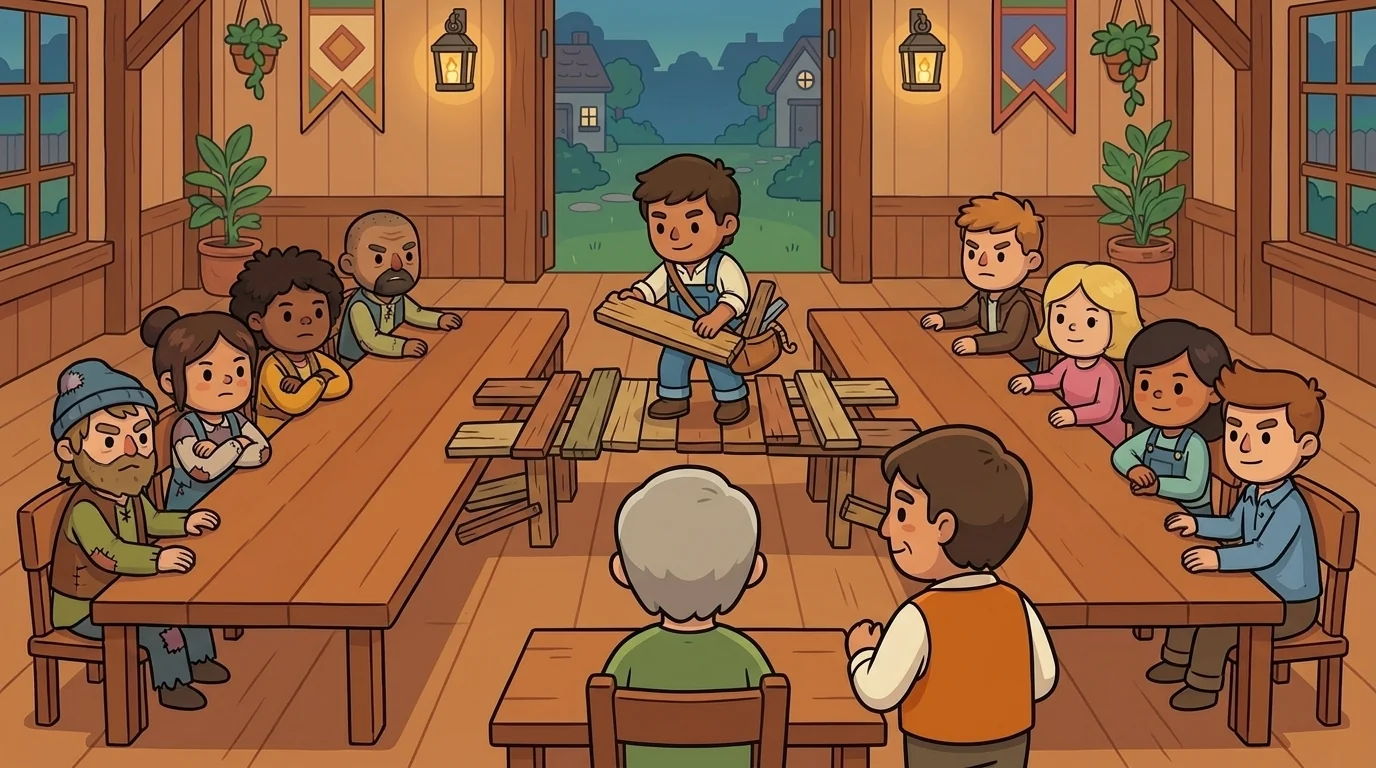
And then Span looked for the bridge — the workable middle neither side had seen while they were shouting. "Now that we know what each side truly needs — an open shared place, and room for the landless to grow food — let's find the shape that carries both across." Span sketched it: keep the greater part of the commons open meadow, and turn one corner, the rough unused corner by the wall, into shared garden plots any family could claim. Not the whole meadow. Not no gardens. A bridge. "A bridge isn't the meadow side winning or the garden side winning," said Span. "It's the structure that honors both true wants at once. You can almost always build one — but only after Verdis has surfaced the real wants and Cordis has kept the room whole. Skip either, and there's nothing to build a bridge between but two cartoons and a grudge."
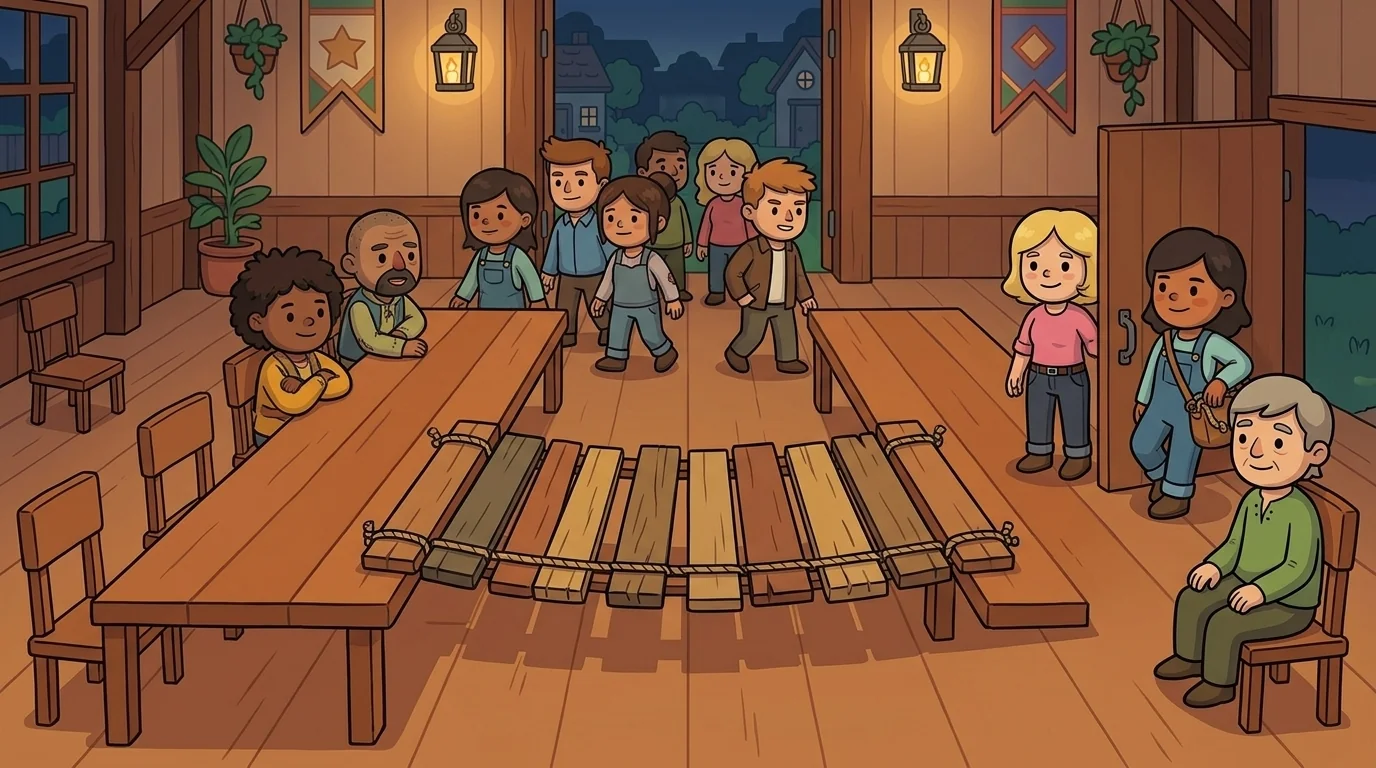
And so the town had its hard conversation — and came out the other side not split, but stitched: a mostly-open commons with a corner of garden plots, a solution neither side had walked in wanting and both could walk out defending. It had stayed warm. It had gone somewhere.
"Good listening," said Cordis. "Good keeping-us-whole," said Span. "Good bridge," said Verdis.
There is a grown-up hope buried in this, and it is worth holding onto: that two sides can truly disagree — not pretend-disagree, not misunderstand each other, but genuinely want different things — and still reach a fair way forward, so long as someone listens without pre-judging, someone guards the respect, and someone builds the bridge. Disagreement is not the enemy of a community; it is the ordinary weather of one. Contempt is the enemy. Handle a hard conversation with those three hands — hear the real want, keep the room whole, build the bridge — and disagreement stops being the thing that breaks a town and becomes the thing that, worked well, makes it wiser.
The CivicForge ensemble
Verdis, Cordis and Span is part of CivicForge's distributed-narrative cast. Each character embodies a different curricular primitive; together they teach the full subject.
-

Verdis
Justice — the patient listener who weighs sides; bear with wooden scale + spectacles
-

Aera
Liberty (open-window) — keeper of open windows; snowy owl on shuttered window frame
-
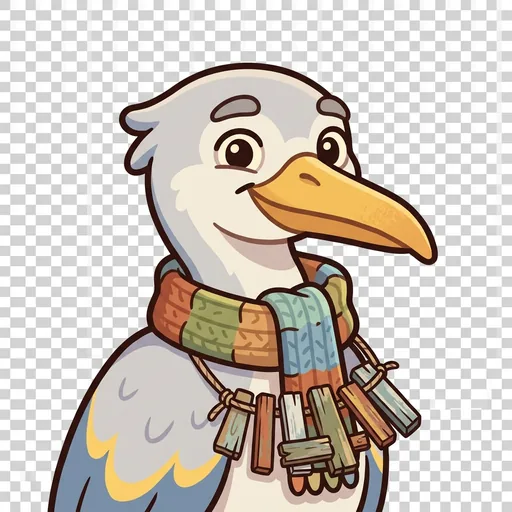
Span
Equity — the bridge-builder; heron with mismatched planks for mismatched riverbanks
-

Cordis
Civility — disagreement-without-disrespect host; striped badger with mismatched cups + bow tie
-

Kindle
Participation — the door-opener; prairie dog at a half-open door pointing outward
-

Tellus
Stewardship — the long-view caretaker; ancient tortoise planting trees they will never sit under
-

Level
Rule of law — the line reads level whoever holds it, even the one who set it; mountain goat with a stone level + plumb-bob
-
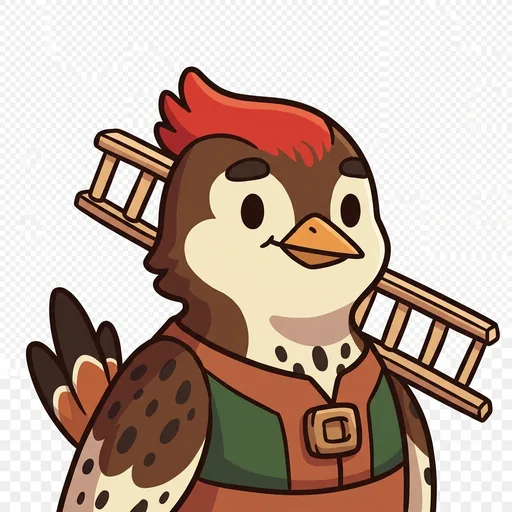
Rung
Due process — climb every step in order, never skip to the verdict; woodpecker climbing a trunk rung by rung
-
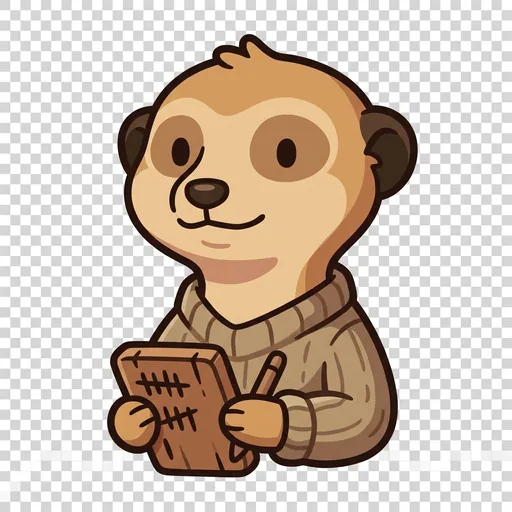
Muster
Consent of the governed — nothing proceeds until everyone's gathered and the yes is real; meerkat counting raised paws from the burrow-mound
-

Herald
Transparency — a decision no one can see isn't finished; crane keeping an open notice-board in the square