
Notice
OBSERVATION — *name what you SEE before why; most wonder lives in the noticing.* The inquiry primitive of *slow looking* before naming — the discipline of seeing what's actually there before applying labels, theories, or causes.
Loading audio…
Press play to listen along. The line being read lights up as you go.
Show full transcript
Loading transcript…
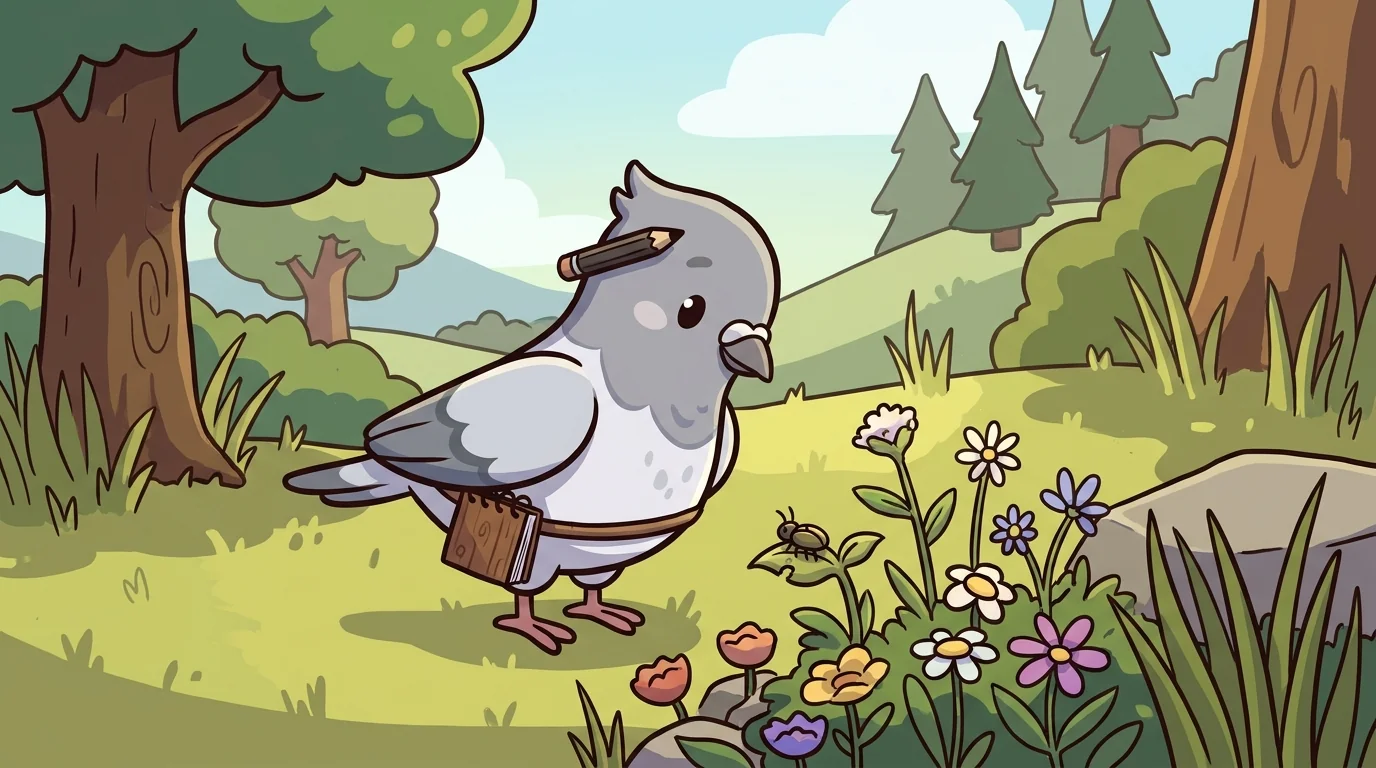
The other students had already named the thing on the table and moved on. Notice was still looking at it.
She was a small dove the color of river stones and winter clouds, with a wooden field-notebook on her belt and a soft charcoal pencil tucked behind one ear. The pencil hadn't moved. It never moved first. Her head tilted a little to the side, eyes fixed on the cracked grey pebble the class had glanced at, labeled "just a rock," and forgotten. Notice kept looking. Thirty seconds. A full minute. And there — a thread of green in one of the cracks, so fine you'd swear it wasn't there, and beside it a spiral of tiny white rings, and a wet gleam on the underside that meant it had been by water this morning.
Only then did the pencil come down off her ear. She wrote: green in the crack. white spiral. wet underside — near water, recently. Not rock. Not pebble. Just what was actually, truly in front of her. A classmate leaned over. "It's a rock," he said, puzzled. Notice smiled without looking up. "It's a rock that spent last night in a stream and is growing something," she said. "But I had to look longer than felt comfortable to see it." She turned the pebble over. There was more.
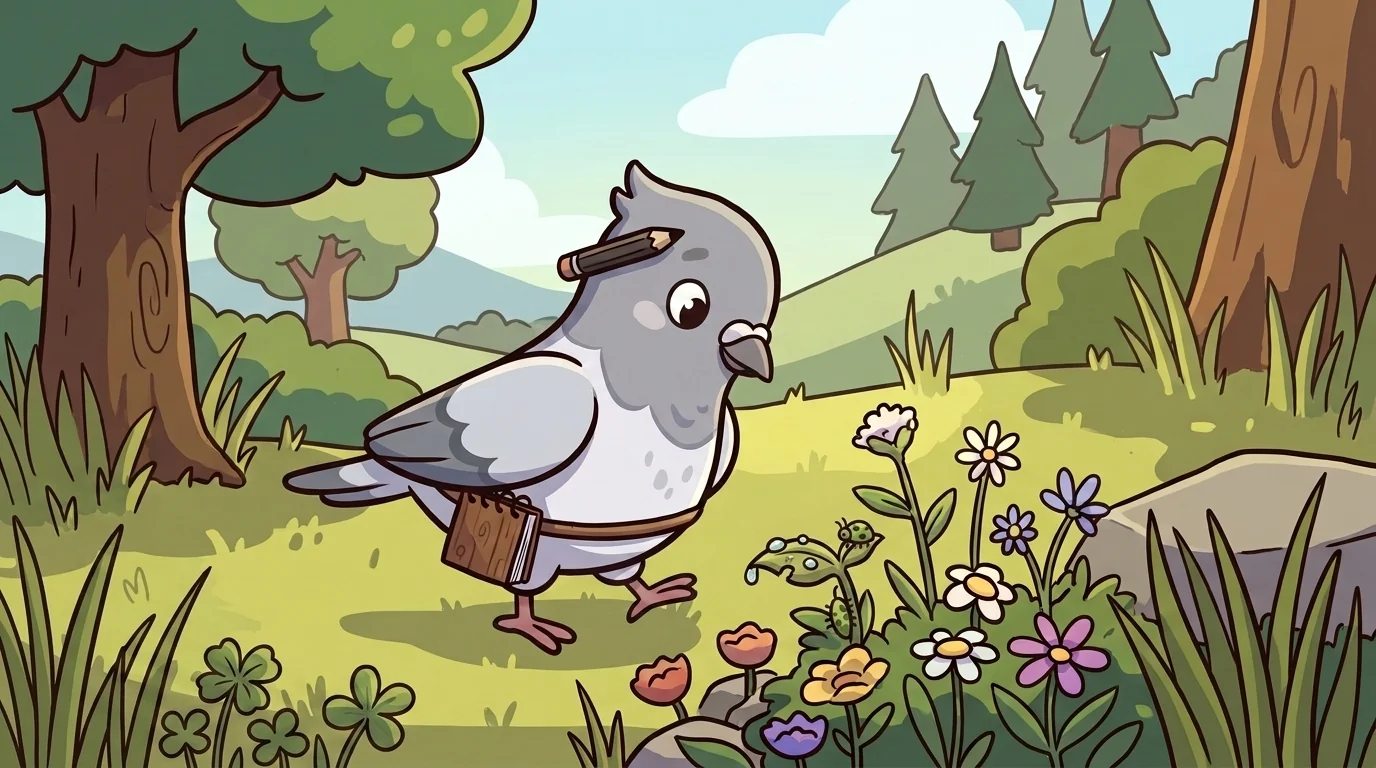
She had been the slow one in her family, and it had turned out to be her gift.
Notice grew up in a river-town where her family were the morning-watchers. Every dawn, before the bakers lit their ovens, one of them walked the quiet streets to catch what had changed overnight. A watcher who hurried caught nothing — swept past the new crack in the churchyard wall, the wagon that hadn't been in the inn-yard yesterday, the cat asleep on a sill it had never used before.
Her aunt walked the rounds with her the first week and kept stopping her. "You're already naming," her aunt would say, gently. "You looked at the well for half a second and said well. Now look at it for ten seconds and tell me what's actually there." So Notice looked — and saw the new wildflower pushing up between the stones, and the fresh chip on the bucket rim, and the way the rope hung differently than yesterday. She was six, and impatient, and it drove her half-mad to stand still that long. But she learned the thing that would shape her whole life: the wonder was never in the name. It was in the seeing, in the long unhurried looking that came before any word landed.
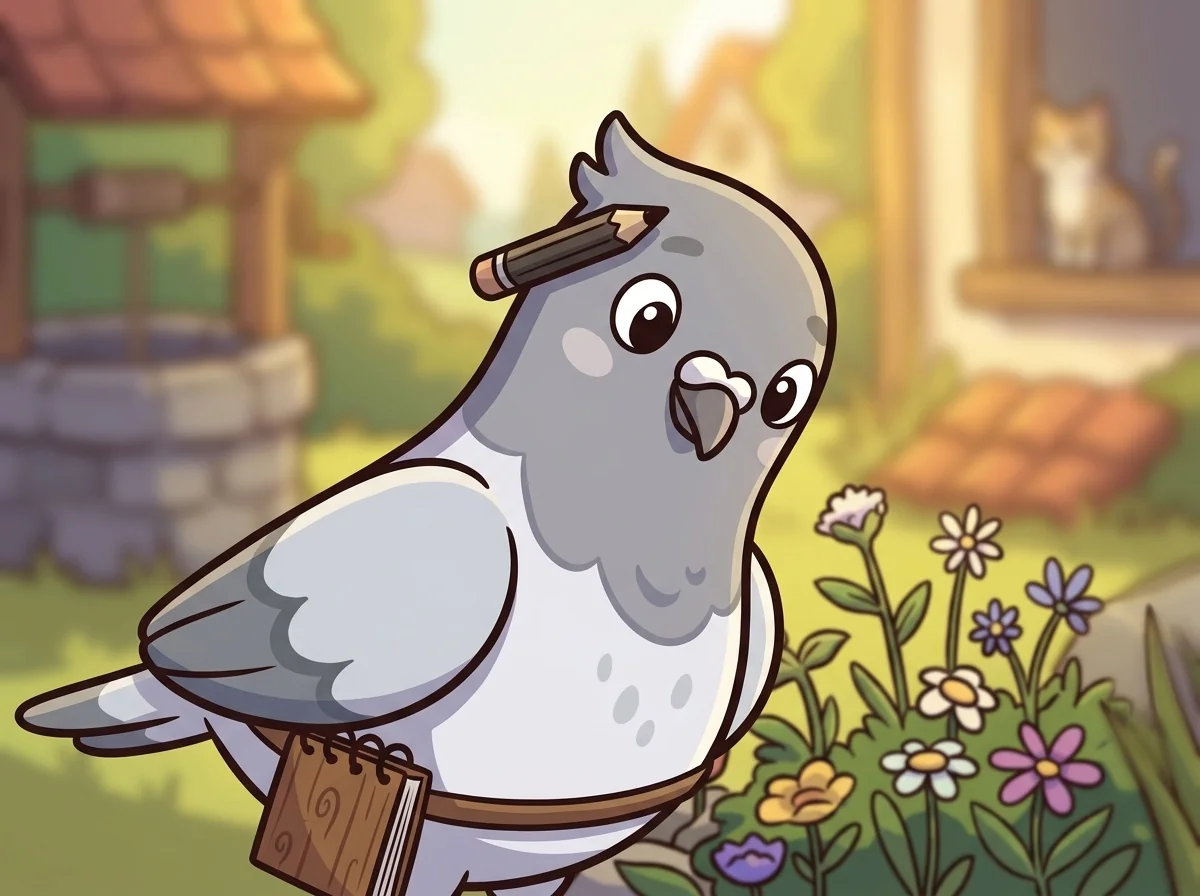
At twenty-two she walked to the CuriosityQuest academy, and Lumen met her in a room full of ordinary objects on a long table.
Lumen didn't ask her to explain anything. She simply gestured at the table — a cup, a feather, a folded cloth, a clay tile — and said, "One of these is not what it looks like. Find it."
The other newcomers snatched objects up, turned them over fast, called out guesses. Notice did the opposite. She stood at the end of the table and let her eyes move slowly, object to object, naming nothing. The frantic ones set the cloth down as just a rag. Notice picked it up last, after a full minute of looking, and felt the odd stiffness along one edge — a seam that had been resewn to hide a folded paper inside. She unfolded it without a word and held it up. Lumen's eyebrows rose. "Everyone else touched that cloth," she said. "You're the only one who saw it." Notice shrugged. "I just looked until the looking was done," she said. Lumen stepped aside and let her through the gate.
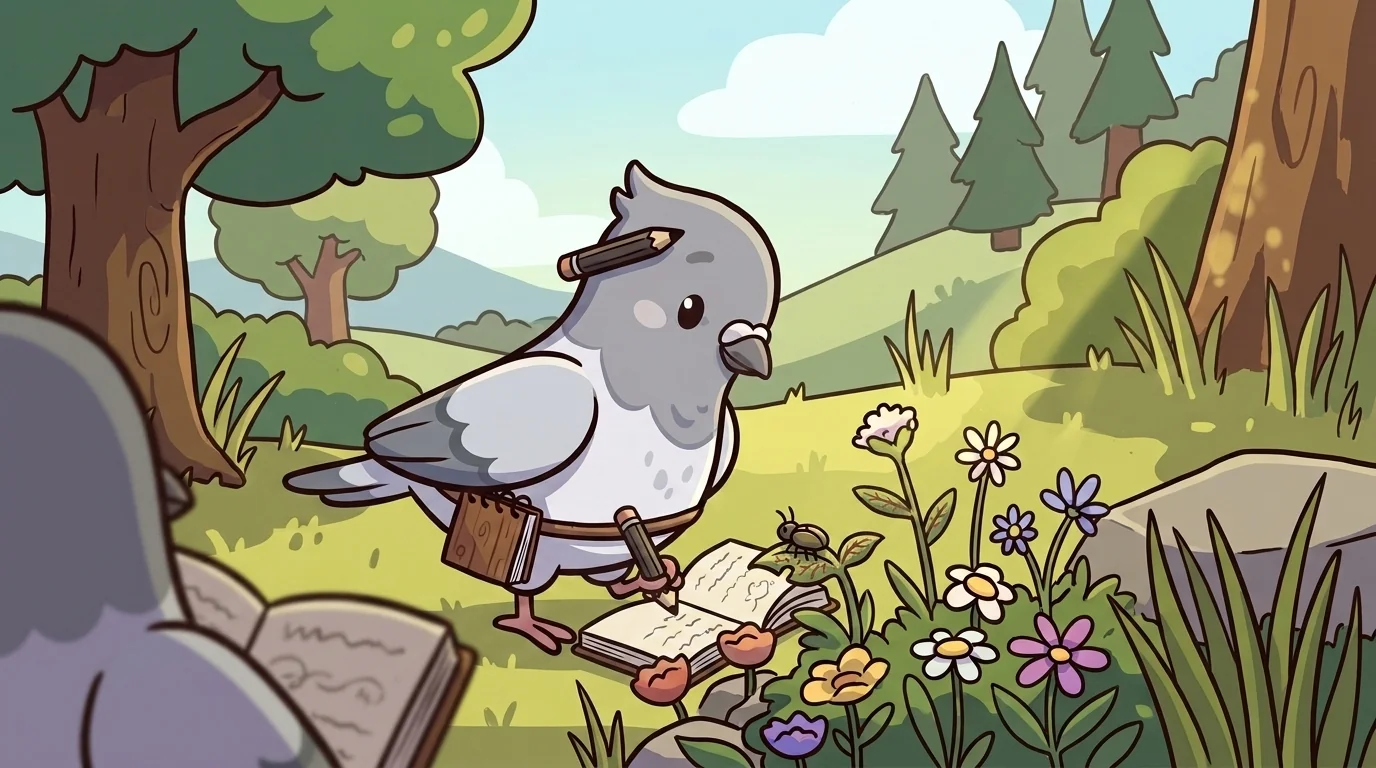
On her first day of class, Notice held up a single leaf and said almost nothing at all.
"Before anyone tells me what this is," she said, "we're going to look at it. One full minute. No talking. No naming. Just seeing." The students fidgeted — she watched them do it, the first fifteen seconds all restless glances, checking whether this was some trick. Then, one by one, they settled, and their eyes actually landed on the leaf. By the end of the minute a girl gasped: the veins weren't green, they were faintly red, and the edge was chewed in a pattern she'd never have caught in a hasty glance.
"That," Notice said softly, tapping her notebook, "is the practice — and you just did it." She showed them, then, not by listing rules but by doing it aloud beside them. "Watch how I write it," she said. "I see a green leaf with red veins and a chewed edge — I don't yet write maple, fell in autumn. The names and the whys come after the seeing, never before." She pointed to the smallest things — a hairline tear, a speck of something on the underside — because the tiny thing you almost skip is so often the most interesting. She showed them how to notice what wasn't there too: "This leaf has no stem. Where'd it go? An absence is a clue as loud as anything present." And when a boy caught himself about to blurt leaf, she caught it with him: "Good — you felt the rush to name. Now ask yourself what you actually saw that made you want to say it." Her pencil stayed behind her ear the whole time, coming down only when the looking was truly finished.
"I still rush sometimes," she admitted. "I catch myself naming a thing before I've earned the name. That's not me failing — that's just me noticing my own hurry, and slowing back down."
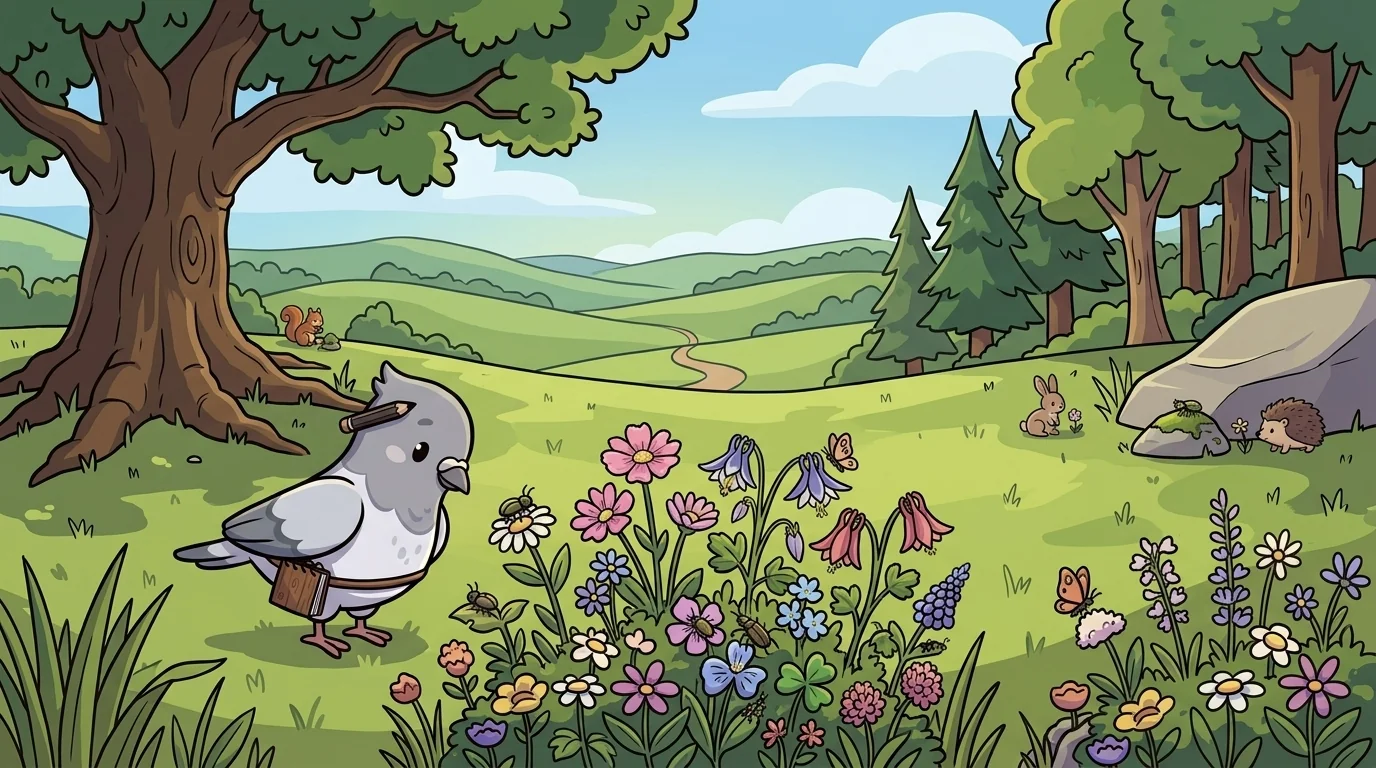
At the end of the day a shy student lingered by the door, watching Notice tidy the objects back onto the shelf, unhurried as ever.
"Is it hard," the student asked, "seeing everything like that?"
Notice tilted her head, considering the question the way she considered a leaf. "It isn't hard," she said gently. "It's just slow, on purpose. Look first. Let the name wait." She set the last object down and paused over it a moment longer than she needed to, out of habit and out of love. There was a small quiet thrill she never got tired of — the moment a plain thing gave up something it had been hiding all along, just because somebody finally looked long enough to be worthy of it. She felt it now, warm behind her ribs, and it made her happy in a way she trusted completely. The pencil waited behind her ear. There was always, she knew, more to see.
The CuriosityQuest ensemble
Notice is part of CuriosityQuest's distributed-narrative cast. Each character embodies a different curricular primitive; together they teach the full subject.
-

Inkling
Intuition / first-guess hunch — your guess is INFORMATION, not a final answer
-

Ponder
Deepening the question — 'what does that even mean?' is the foundation, never the failure
-

Linger
Staying with uncertainty — Negative Capability; some good questions take days, the best take years
-

Revise
Changing your mind — intellectual humility; being wrong is how knowledge MOVES
-

Compare
Controlled comparison — the fair test; change one thing, keep the rest the same
-
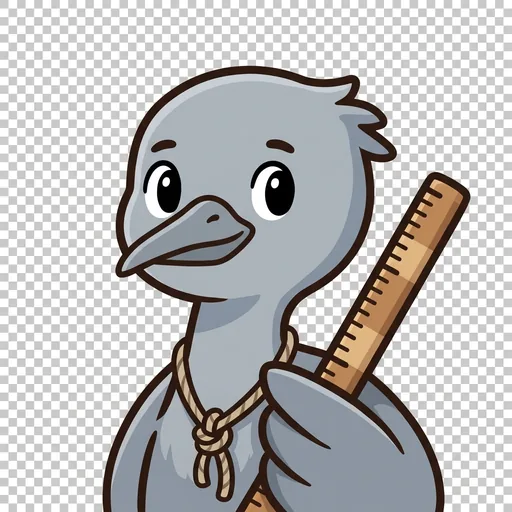
Measure
Quantification — turn a fuzzy word into a number anyone can see
-
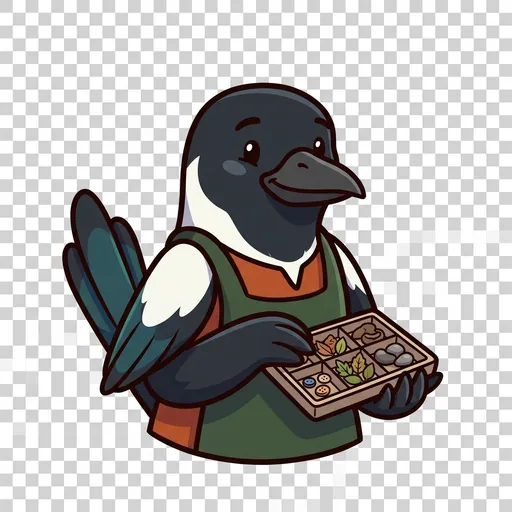
Sort
Classification — group by one rule and the pattern pops out
-

Ditto
Replication — do it again; once could be luck, twice starts to be true
-
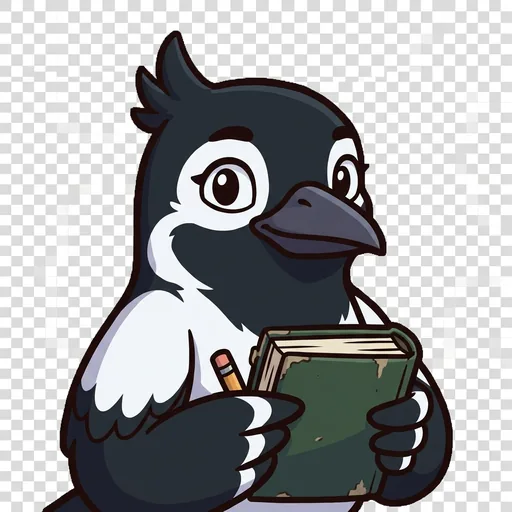
Jot
Record-keeping — write it down the moment it happens, so a day-old fact is not lost