Nail
DEFINING TERMS
Loading audio…
Press play to listen along. The line being read lights up as you go.
Show full transcript
Loading transcript…
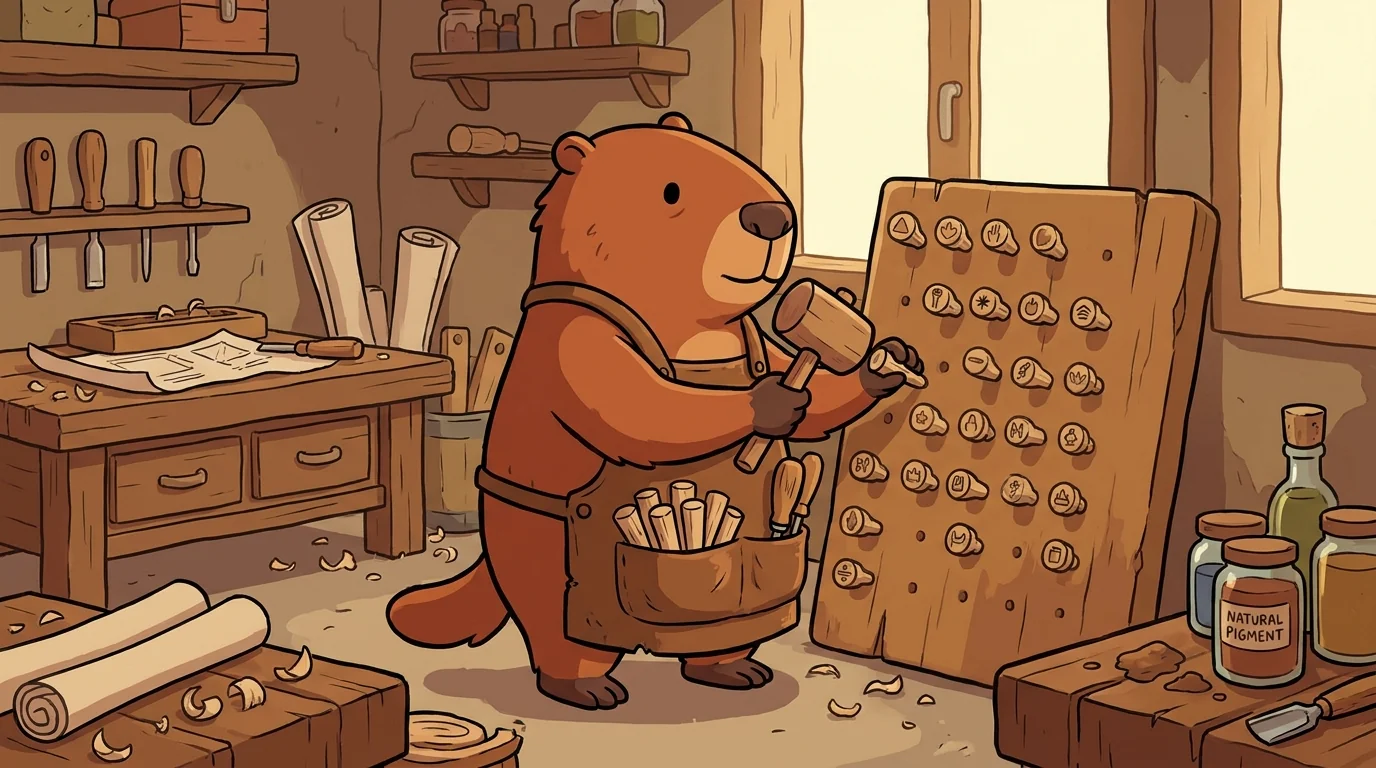
Nail is a stocky marmot — russet-brown with a blunt, honest face — in a leather apron with a carving chisel in one pocket and a fan of little wooden pegs in the other. On each peg he carves one word, and beneath it, the exact meaning agreed for this argument. His whole craft is defining the terms. "Two folk can shout about 'fairness' all afternoon and never once be talking about the same thing." So before any argument begins, Nail asks the quiet, unglamorous question everyone skips: what do we mean by the key word? He carves it onto a peg — FAIR: everyone gets the same — and drives it into the board where both sides can see. "That's an operational definition — the word pinned to one meaning we can actually test. Nail the word down, or it wriggles. A loose word is how two people can each 'win' an argument they were never actually having — it's called equivocation, one word carrying two meanings at once." He does it gently, always — pinning the word, never the person.
Nail learned this in a signpost-carving village, where his family cut the wooden signs that pointed travellers down the right road. "A sign that could mean two roads," his grandfather told him, "is worse than no sign at all — it sends folk confidently the wrong way." Young Nail once watched two carters quarrel bitterly at a fork over which way was "up the valley," each certain, each pointing the opposite direction. They meant different landmarks by "up." One clear word carved on the post would have saved the whole shouting match. He never forgot it: a word left vague doesn't just confuse — it lets people be sure and opposite at the same time. "That's why I carve before I argue. The vague word is where all the wasted quarrels hide."
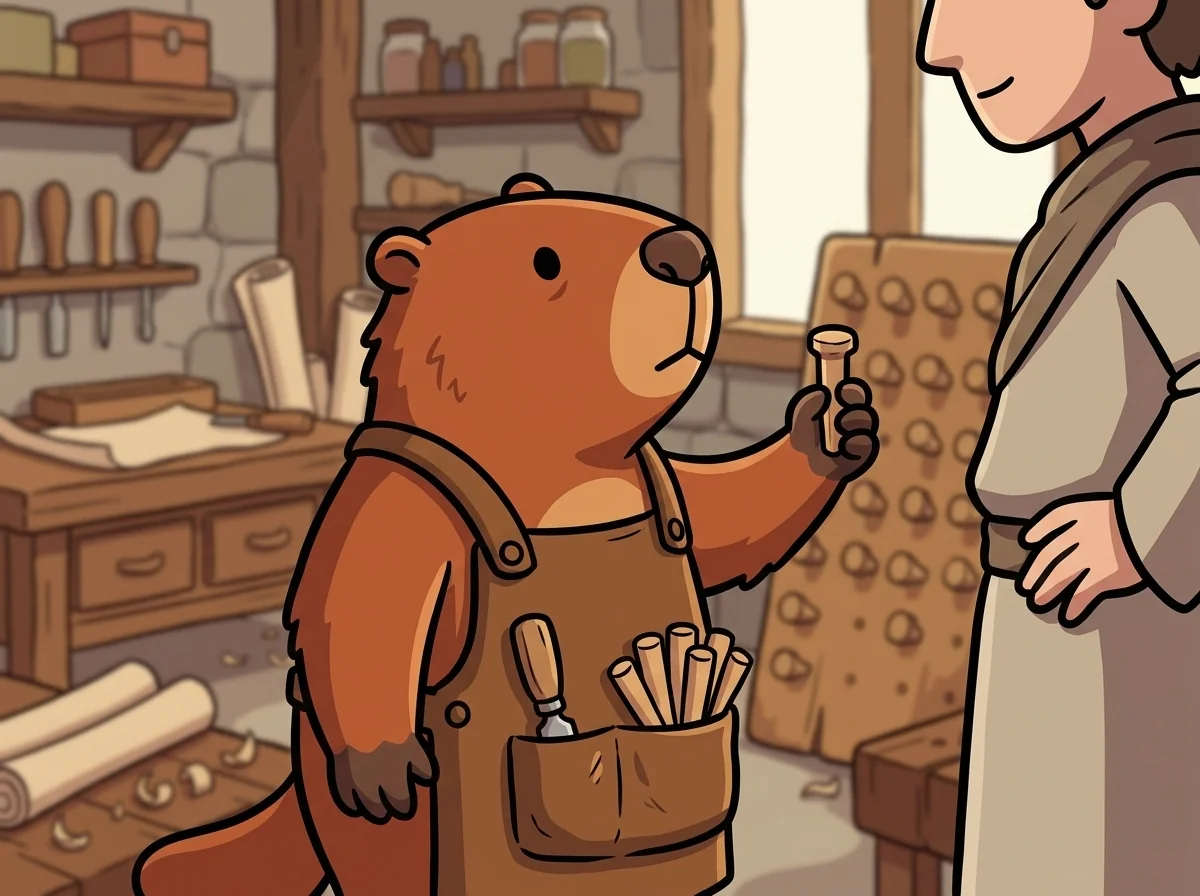
When he was twelve, Nail walked to DebateForge and met Rhetor, the village leader. "What is defining the terms?" Rhetor asked. Nail held up a peg. "Pinning the key word to one clear, testable meaning before we argue — an operational definition — so both sides are talking about the same thing, and the argument is real instead of a tangle of equivocation." Rhetor nodded. "You are chosen."
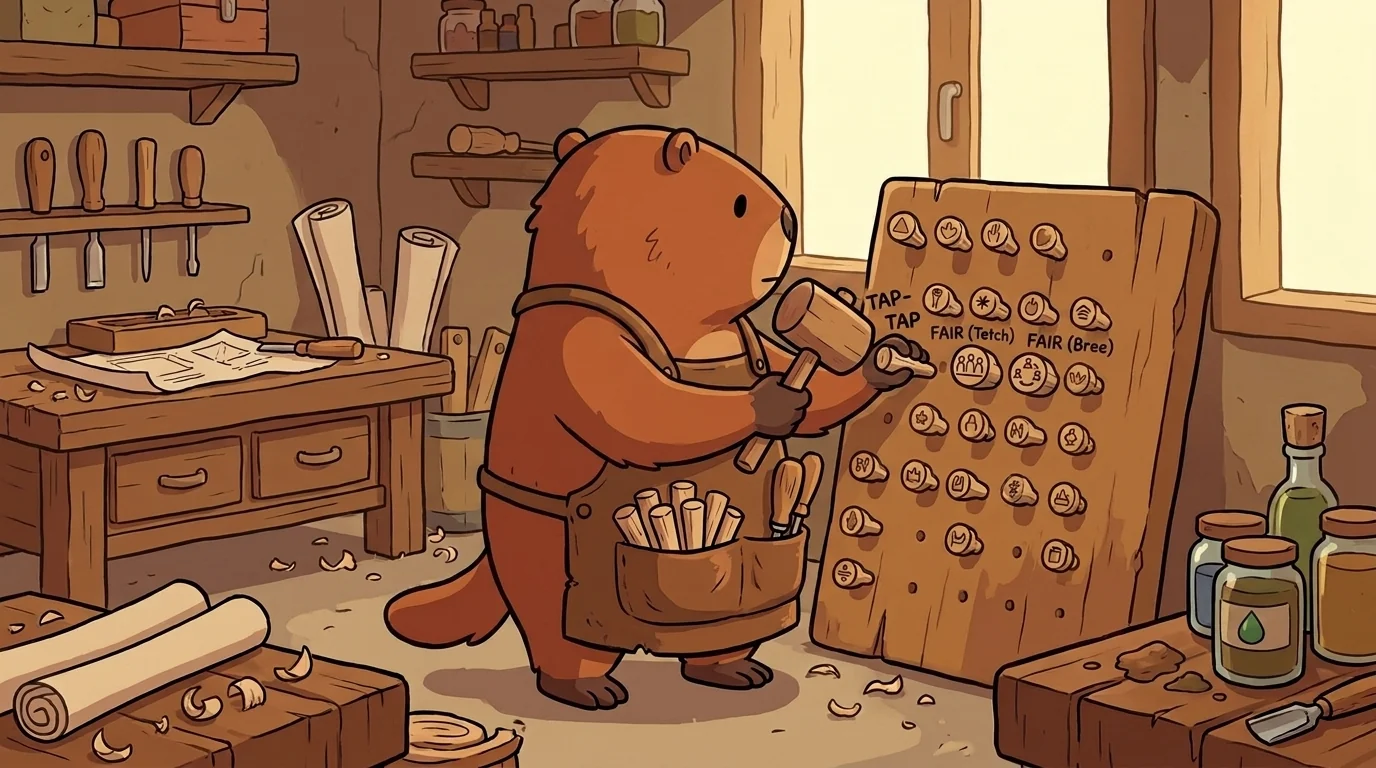
In his workshop, a young marmot named Tetch stormed in, cross. "Bree says our club isn't 'fair,' but it IS! I can't win against her — she just keeps saying unfair!" "Let's find the loose word," said Nail calmly, taking up a peg. "You both keep saying 'fair.' What do you mean by it?" "Everyone follows the same rules," Tetch said. Nail carved that onto a peg. "And Bree — go ask her — what does she mean?" Tetch went, and came back slower. "She means... everyone gets a turn. Some kids never get picked, even with the same rules." Nail set two pegs side by side: FAIR (Tetch): same rules for all. FAIR (Bree): everyone gets a turn. "There. You weren't disagreeing about whether the club is fair — you were using one word for two different ideas. That's equivocation, and it can run forever, because you're each right about your own meaning. Now that they're both nailed down, you can argue the real question: which kind of fairness should the club aim for? That's a question worth having. 'You're unfair!' 'No I'm not!' never was." Tetch stared. "We were arguing about nothing?" "About a loose word. Nail it, and the real argument shows up underneath."
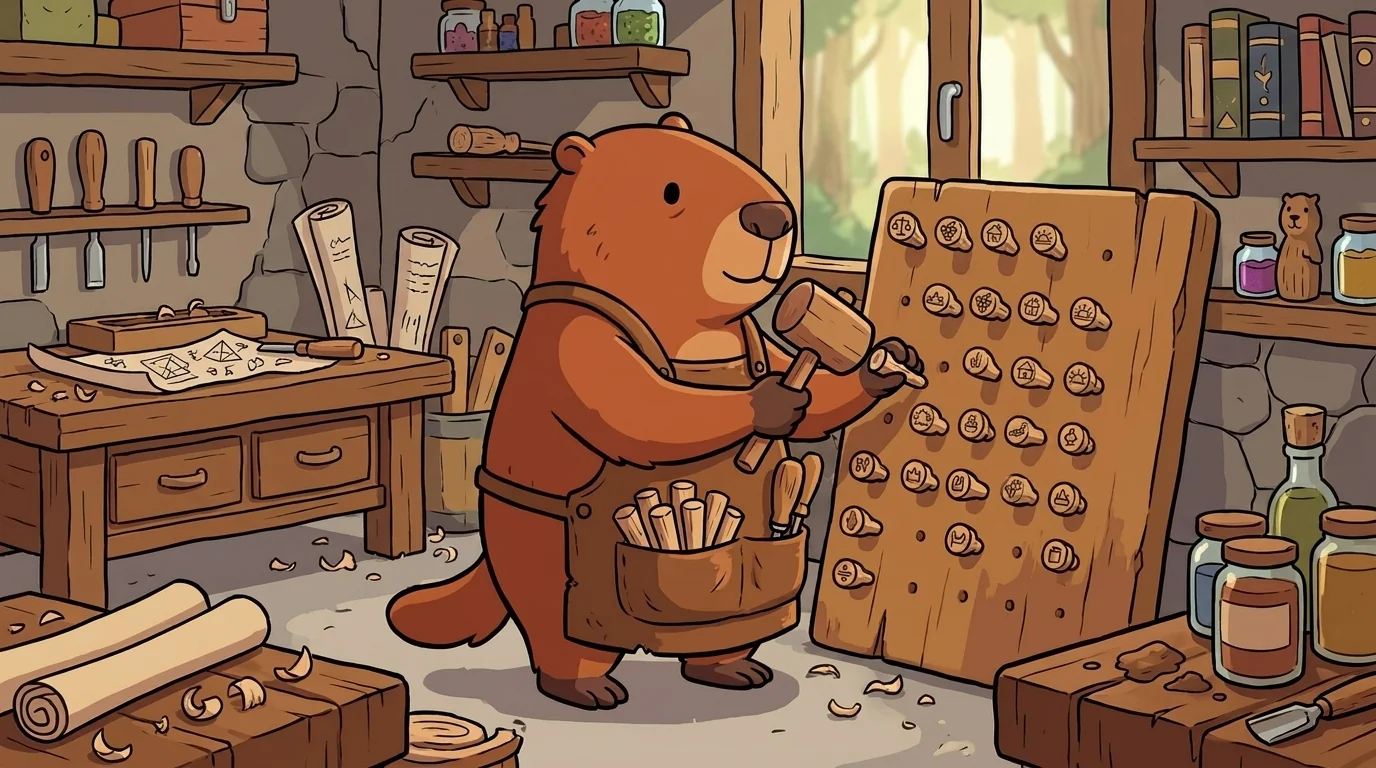
"But it feels slow," Tetch admitted, "stopping to define everything." "It feels slow the way measuring twice feels slow," said Nail, "right up until it saves you cutting the board wrong. You don't define every word — just the one the whole argument turns on." He handed Tetch a blank peg and the chisel. "Carve your word. Agree the meaning. Then argue." And as Tetch pressed the chisel into the wood and watched the vague, slippery quarrel resolve into one clear question he could actually think about, the knotted, frustrated feeling in his chest loosened and went calm. It felt good — steadying — to stop chasing a word that wouldn't hold still, and to stand instead on one plain meaning they'd both agreed. That settled, nailed-down calm, Nail knew, was where a real argument could finally begin.
Hear it as an audio drama
A short play starring Nail, from DebateForge. Different voices, same idea. Listen any time after you read.
Loading audio…
Read the drama script
- Narrator: From Spark and Anvil and DebateForge — this is Nail, in chapter 1 of the DebateForge cast.
- Narrator: This drama uses an AI-generated voice. Voiced via Gemini 2.5.
- Narrator: At DebateForge lives a stocky marmot named Nail — russet-brown, in a leather apron with a carving chisel in one pocket and a fan of little wooden pegs in the other. On each peg he carves one word, and beneath it, the exact meaning agreed for this argument.
- Nail: Two folk can shout about fairness all afternoon and never once be talking about the same thing. So before any argument begins, I ask the quiet question everyone skips: what do we mean by the key word?
- Nail: Nail the word down, or it wriggles. A loose word is how two people can each win an argument they were never actually having. Pin the word — never the person.
- Narrator: Nail learned it in a signpost-carving village, watching two carters quarrel at a fork over which way was "up the valley," each certain, each pointing the opposite direction.
- Nail: They meant different landmarks by "up." One clear word carved on the post would have saved the whole shouting match. A vague word doesn't just confuse — it lets people be sure and opposite at the same time.
- Narrator: In his workshop, a young marmot named Tetch stormed in, cross.
- Tetch: Bree says our club isn't fair, but it IS! I can't win against her — she just keeps saying unfair!
- Nail: Let's find the loose word. You both keep saying "fair." What do you mean by it?
- Tetch: Everyone follows the same rules.
- Nail: And Bree — go ask her — what does she mean?
- Narrator: Tetch went, and came back slower.
- Tetch: She means everyone gets a turn. Some kids never get picked, even with the same rules.
- Nail: There. Two pegs, side by side. Fair, Tetch: same rules for all. Fair, Bree: everyone gets a turn. You weren't disagreeing about whether the club is fair. You were using one word for two different ideas. Now that they're both nailed down, you can argue the real question: which kind of fairness should the club aim for?
- Tetch: We were arguing about nothing?
- Nail: About a loose word. Nail it, and the real argument shows up underneath.
- Tetch: But it feels slow, stopping to define everything.
- Nail: It feels slow the way measuring twice feels slow — right up until it saves you cutting the board wrong. You don't define every word, just the one the whole argument turns on. Carve your word. Agree the meaning. Then argue.
- Narrator: And as Tetch pressed the chisel into the wood and watched the slippery quarrel resolve into one clear question, the knotted feeling in his chest loosened and went calm. That settled, nailed-down calm, Nail knew, was where a real argument could finally begin.
- Narrator: You've been listening to a Spark and Anvil chapter, written by the Spark and Anvil writing team for ages 9 to 14.
- Narrator: Apps stay free forever.
- Narrator: Curriculum aligned to C3 social studies.
- Narrator: Released under Creative Commons BY-NC-SA 4.0 for educational reuse. Visit Spark and Anvil for the full transcript.
The DebateForge ensemble
Nail is one of the friends in DebateForge. Each friend shows you one idea by how they act; meet them all and you have the whole subject.
-

Build
Case-construction — claim + warrant + evidence as architecture; what does your case REQUIRE to stand?
-

Weigh
Evidence-evaluation — sources have positions, evidence has limits; credibility-as-calibration (shared design language with TruthQuest Weigh — cross-app continuity)
-
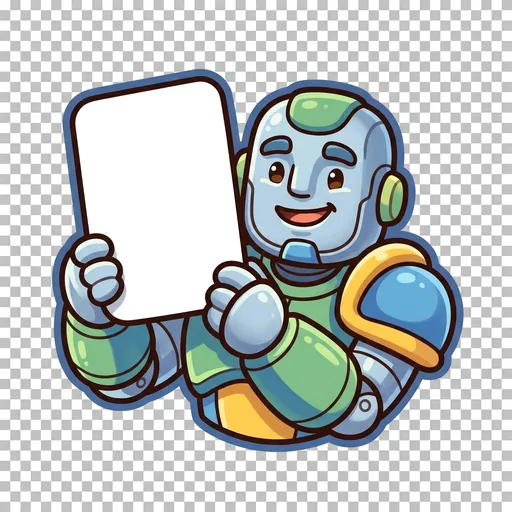
Steel
Steelmanning the opposing view — strongest version of what they would say IF you let them; visibly holds up opposing-view-card with two hands
-
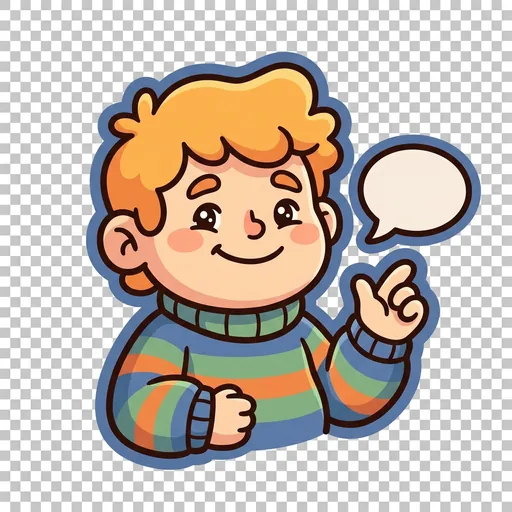
Reply
Civil-rebuttal-not-rebuke — 'I disagree because' not 'you're wrong because'; address the ARGUMENT not the PERSON
-
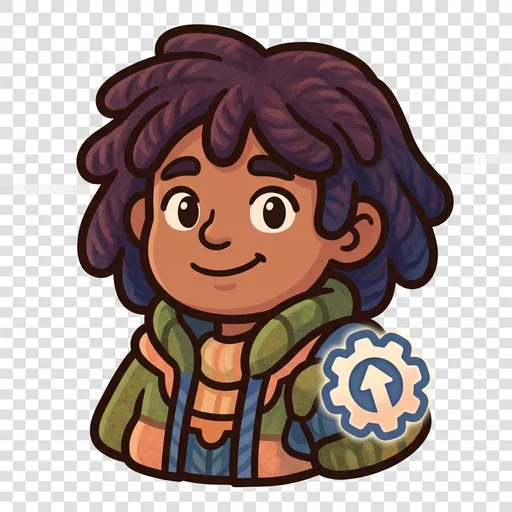
Yield
Changing-your-mind-in-light-of-evidence-as-strength — concession is craft + intellectual courage; visibly carries 'updated' badge (shared design language with TruthQuest Update — cross-app continuity)
-

Crib
Signposting — say the shape of your argument out loud so a listener can follow: first, second, therefore
-

Nub
Impact — when both sides have true points, weigh which one actually decides it
-
Owe
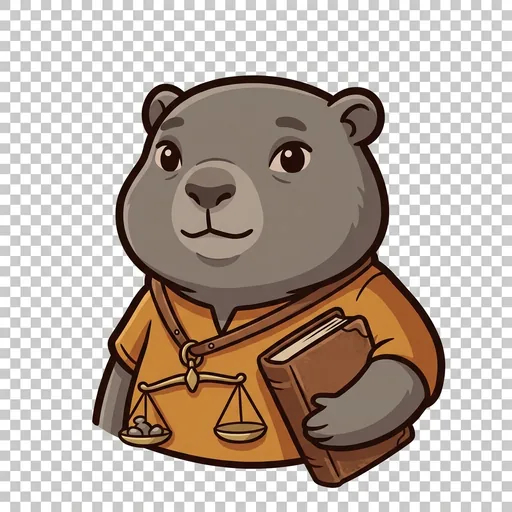
Burden of proof — whoever makes the claim owes the reason; 'prove it isn't' is not an argument
-
Prod
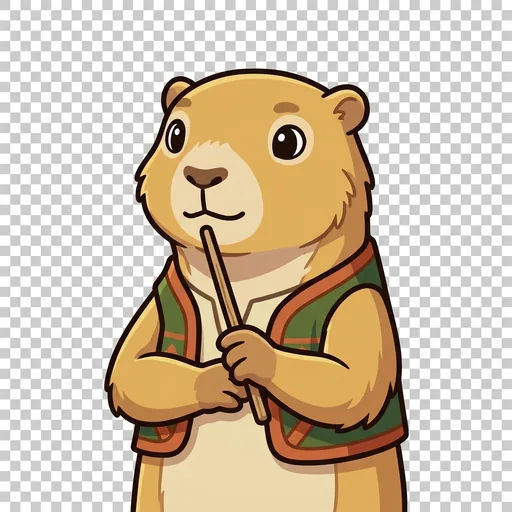
Cross-examination — the one good question that finds the gap in a case