
Span
DEEP-TIME + GEOLOGICAL CHRONOLOGY — *scale-of-scales* (WHEN did this organism live?). The paleontology primitive of *holding the scale of Earth's history* — 4.5 billion years for the planet, 540 million for complex life, 66 million since dinosaurs.
Loading audio…
Press play to listen along. The line being read lights up as you go.
Show full transcript
Loading transcript…
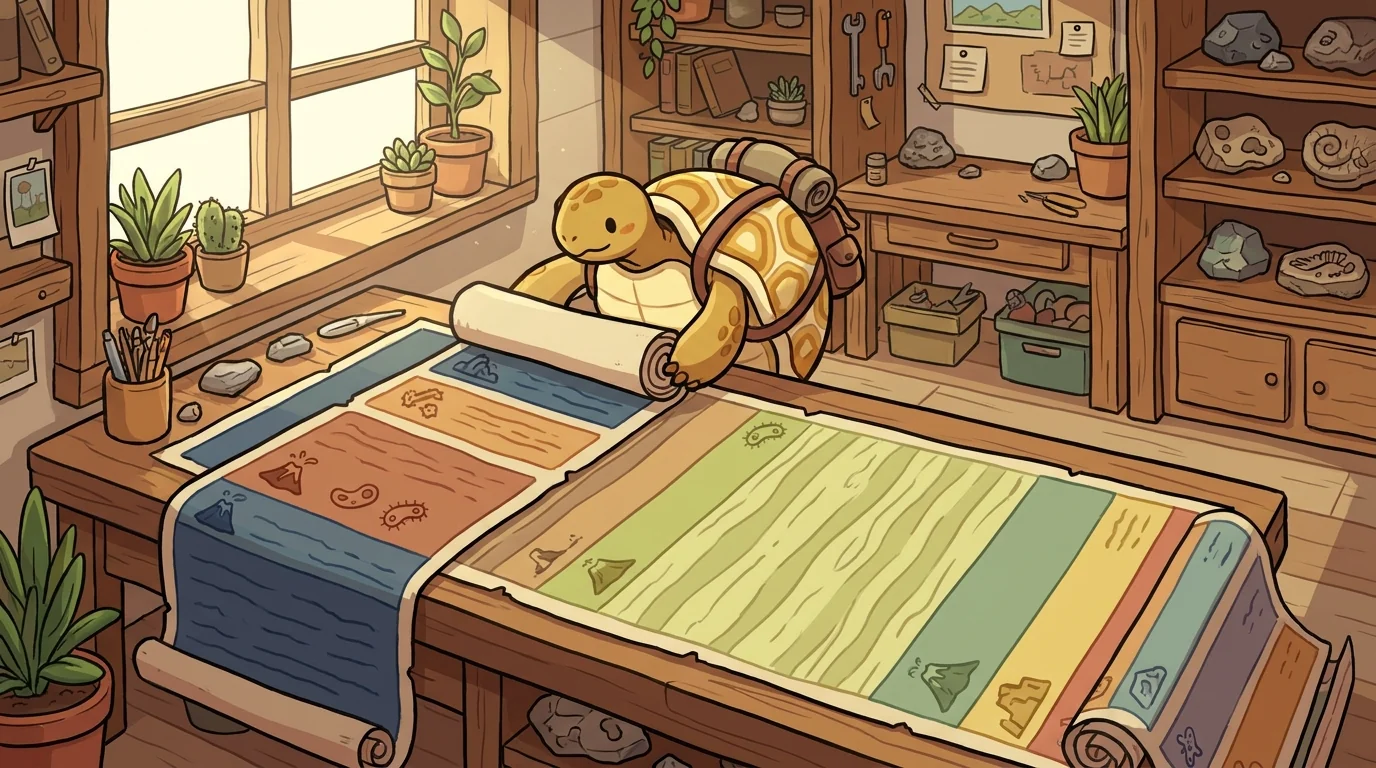
Span knelt at one end of the longest table in the museum and began, very slowly, to unfold her ruler. She was a gold-and-cream tortoise-tween, and she did everything slowly, but this was slow even for her — because the ruler, a fan-fold scroll, kept going. It ran the length of the table. It reached the far edge and she pinned it with a stone and kept unfolding onto a second table pushed up against the first.
A cluster of students trailed her down the length of it, reading the periods laid out in their true, proportional widths. The molten-Earth beginning took a whole arm's span by itself. The long, patient middle, when life was only tiny cells, ran on and on and on. The children kept expecting the dinosaurs, the mammoths, themselves — and the scroll kept not arriving there.
"When?" Span said, tapping the great stretched-out sheet. "That's my only question. When did a creature live? People think they know time. They don't, not really — not this kind." She reached the very end and held up the last sliver, a ribbon barely wider than her claw. "All of human history. Every king, every war, every grandmother — here. This much." The students went quiet. Span smiled, not sadly. "Isn't that astonishing?"
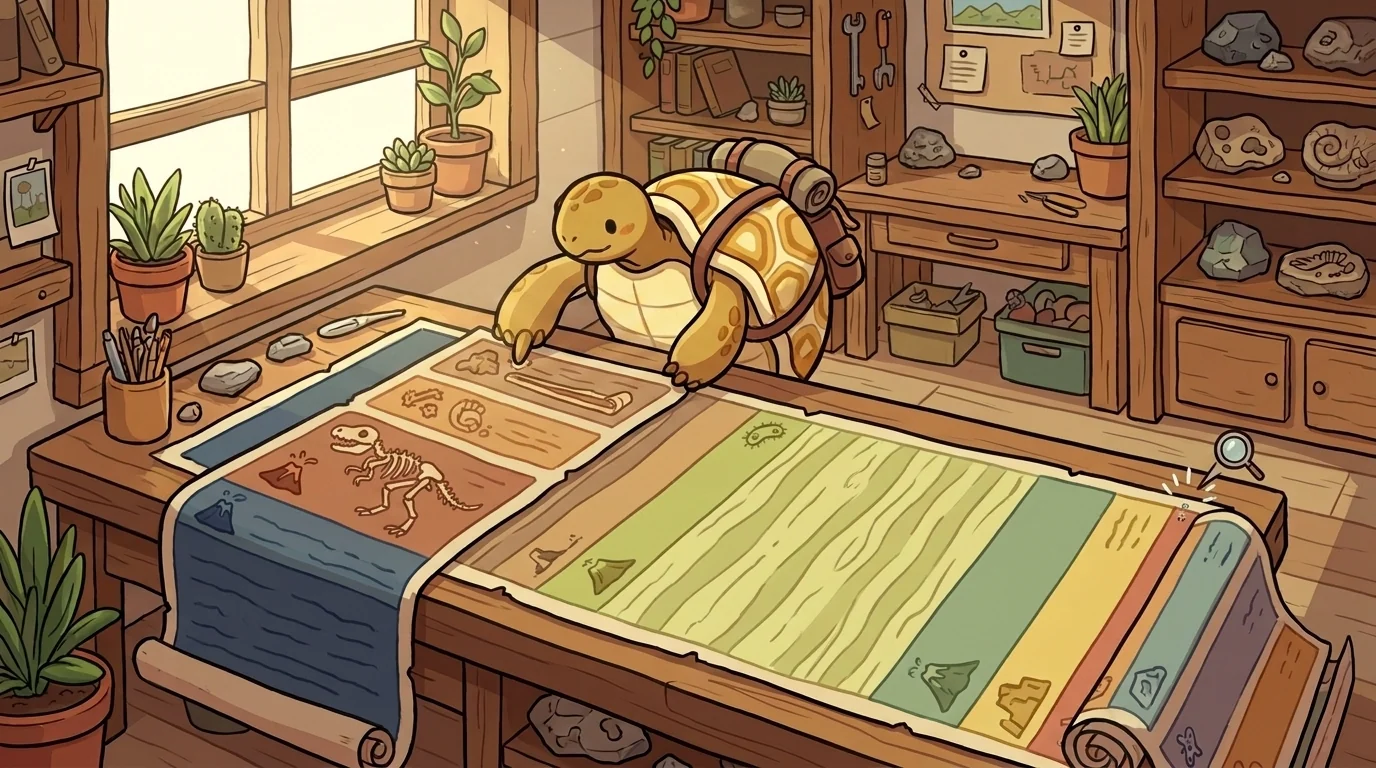
Span had been taught the long view before she could count past a hundred. Her family were the almanac-keepers of their village — the tortoises who kept the running record of weather and harvests and births, going back generations in careful ink.
When she was six, she asked her grandmother why anyone needed a book of old weather. Her grandmother didn't answer with words. She set two records side by side on the table: one a single year, one a hundred years bound together.
"Look at the one year," she said. "Tell me — is this a wet place or a dry one?"
Span studied it. That year had been dry. "Dry," she said.
Her grandmother slid the hundred-year record over. "Now look again."
Span turned the thick pages, and slowly a pattern rose out of them that no single year could show: wet decades and dry decades turning like slow breath, floods that came round again and again on a rhythm longer than any one life. The dry year she'd been so sure about was just one small dot inside a great swing.
"A short look only sees what's under your nose," her grandmother said. "A long look sees the shape of things." Span sat with the hundred years open in her lap for a long time, feeling how the wide view made her small and, somehow, more careful — like being handed something that had been kept safe for ages and would be handed on again.
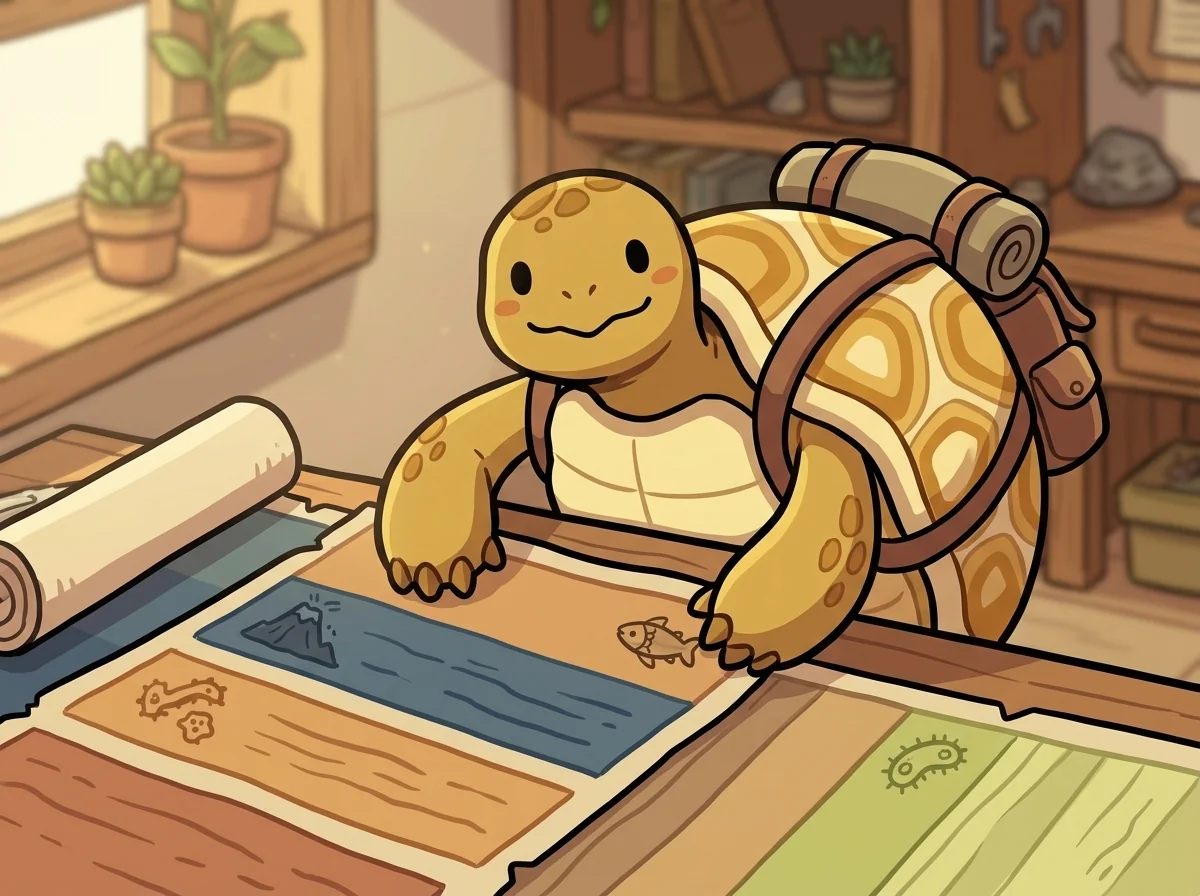
Span walked to the FossilForge academy at twenty-two with the folded ruler strapped across her shell. Professor Petra, whose own shell was even older and more polished, did not ask for a definition. She simply set a trilobite fossil on the bench and asked, softly, "When?"
Span didn't answer in words either. She unstrapped the ruler and let it fall open across the bench — one length, then another, past the molten beginning, past the long age of tiny cells — and walked her claw slowly to a point near the very end and stopped.
"Here," she said. "Cambrian. Five hundred million years ago. Early complex life." Then she drew her claw the tiny remaining distance to the scroll's edge — a fingernail's width. "And here is us. That's the gap. That's what he lived inside of." She looked up, calm. "I'd rather show it than say it. Words make it a number. The scroll makes you feel how much before there was."
Professor Petra ran a wrinkled claw along the enormous unrolled sheet, all the way back to its start, and was quiet a while. "Then unroll it for them," she said. "They need to feel it too."
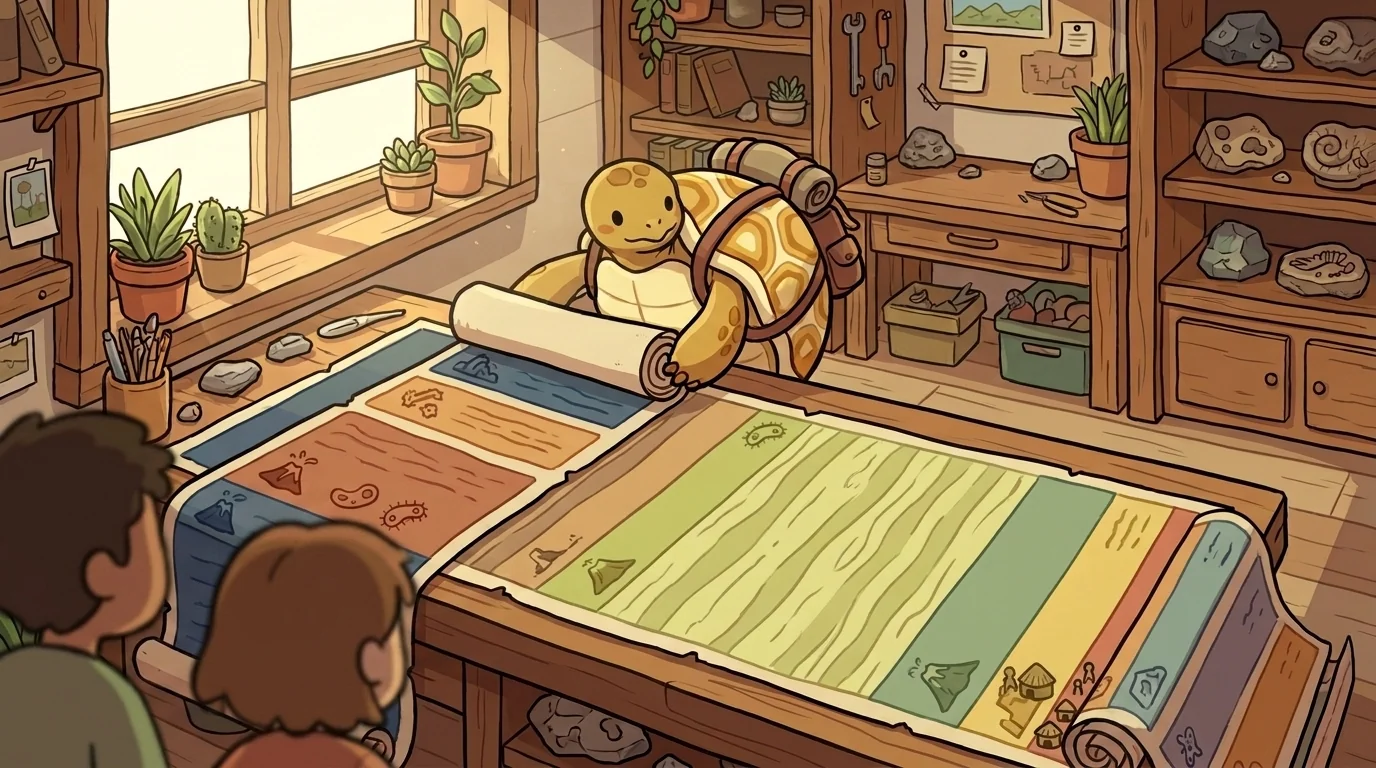
In her workshop she opened the same way each morning: the long, slow unfurling of the scroll across the benches until the children's eyes went wide watching it go and go. Then she taught them how to use it — not to memorize, but to find their footing in the vastness.
"Unroll it every time," she told them. "You can't hold this in your head. You have to see it stretched out." She beckoned a young hedgehog with a fossil shell. "Now — put your creature on the ruler. When did it live? Walk your claw there and stand it up."
The hedgehog crept his claw along, hunting, and finally set the shell down near the end. "Devonian?"
"Devonian," Span agreed. "Now compare. How long did his family last?" She traced the wide band of dinosaur time. "The dinosaurs ruled for a hundred sixty-five million years. We've been here less than half a million. Lay those side by side and look."
The hedgehog looked, and looked, and got very quiet, and shrank back a little from the table. Span noticed at once. She gentled her voice for him alone. "If it feels like too much, we don't have to hold all of it," she said. "Fold the far parts away — just keep the Devonian, just your one creature. The rest waits. The scroll is patient, and so am I." She refolded two arm-lengths of time, and the shrunken world felt manageable again, and the hedgehog leaned back in.
"And here's the thing I most want you to keep," Span said to the whole circle, spreading her claws over the enormous sheet. "This much before you doesn't make you tiny and pointless. It's the opposite. You're a rare little now, sitting at the very end of an unimaginably long story — and that makes what you do with your now matter more, not less. When the size of it takes your breath away, that feeling has a name. It isn't fear. It's awe."
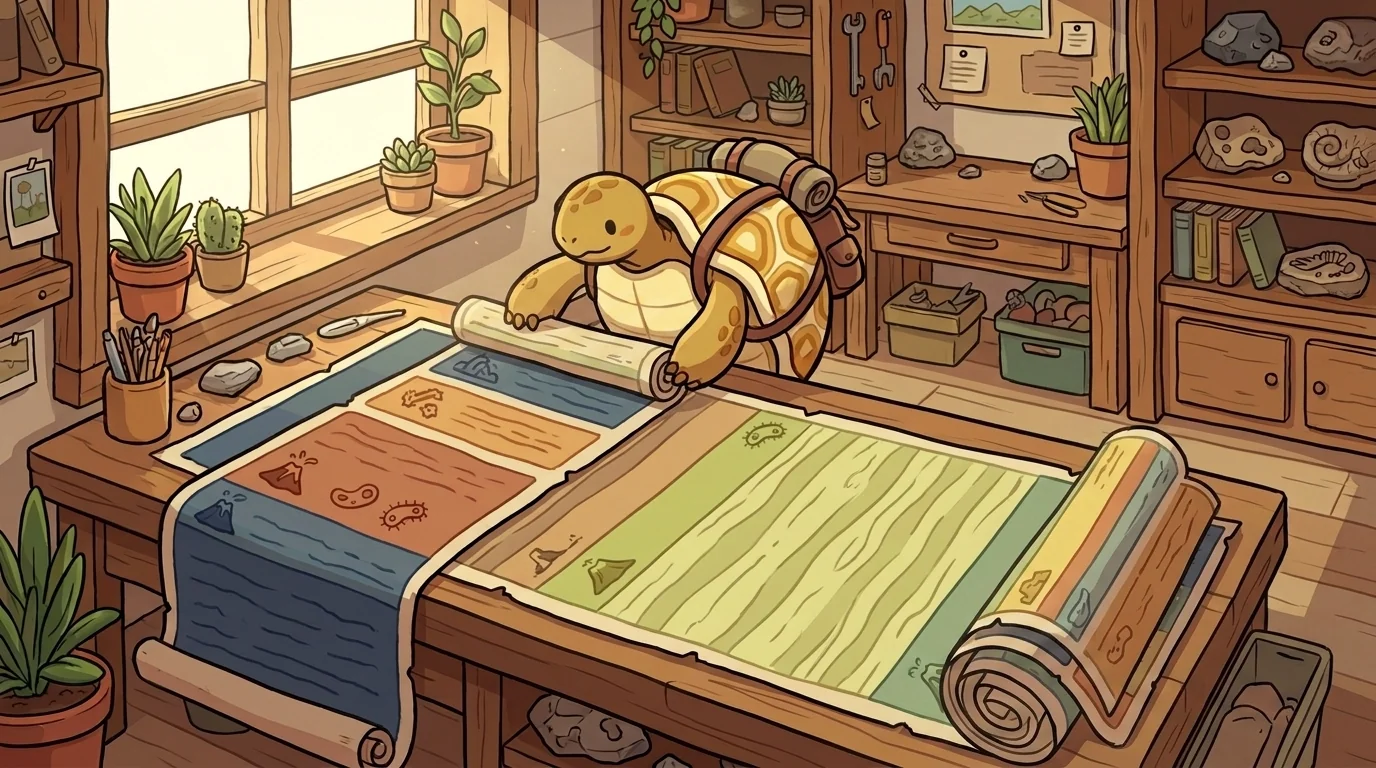
The hedgehog considered the scroll, then Span. "Doesn't it scare you? Being so small in all of that?"
Span shook her head slowly. "It used to feel like it might," she admitted, "until I understood what the big feeling actually was." She touched the fingernail-wide sliver of human time, fondly, the way you'd touch something precious because it was small. "It's not the fear of being lost in something huge. It's the wonder of getting to be here at all — one bright speck near the end of four and a half billion years." She began, unhurried, to fold the great ruler back along its creases, length by length. "Small," she said softly, "and amazed, and here. That's a good thing to be."
The hedgehog watched the vast scroll shrink back into a neat little packet in her paws, and found he wasn't frightened at all — just wide open inside, the way you feel looking up at a sky full of stars and, for once, not looking away.
The FossilForge ensemble
Span is part of FossilForge's distributed-narrative cast. Each character embodies a different curricular primitive; together they teach the full subject.
-

Seam
Taxonomic + fossil-type classification — family-resemblance-matching (what KIND of organism?)
-
Branch
Morphological adaptation + evolutionary change — branching-not-laddering
-
Field
Paleoenvironment + ecosystem reconstruction — fossils-as-a-place-story
-

Last
Mass extinctions + extinction-event reasoning — witness-and-choose (cross-app cameo with EcoSphere Brink)
-

Blank
The incomplete record — the fossil record is a story with most of its pages missing
-
Guise
Convergent evolution — unrelated creatures arriving at the same outward form
-
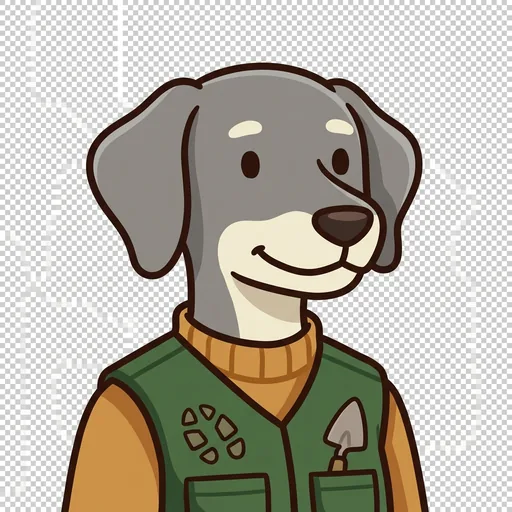
Imprint
Trace fossils — fossils of behaviour not bodies: footprints, burrows, trails
-
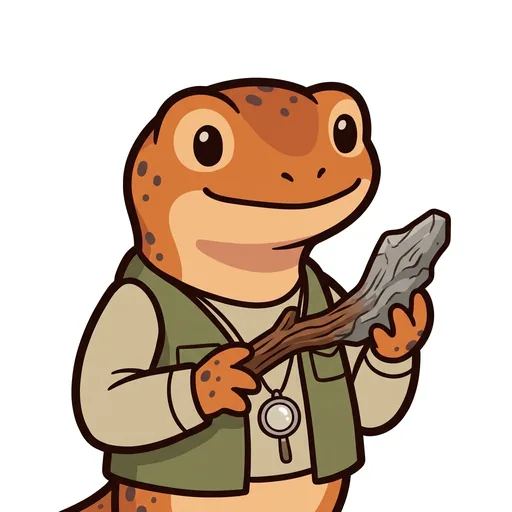
Seep
Fossilization — how a living thing rarely becomes a fossil: quick burial, slow mineral swap
-
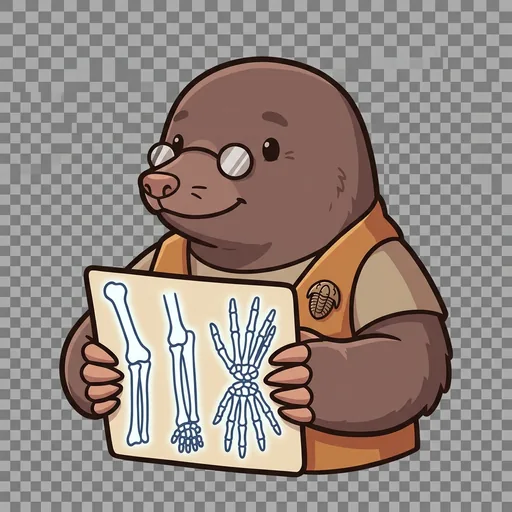
Underframe
Homology — the same underlying skeleton, in the same order, beneath different forms