
Braid
SOUND TEXTURE — the music made by repeated sounds woven through a line: alliteration (repeated first sounds — "soft summer silence") and assonance (repeated vowel sounds — "the low golden glow"). These echoes braid a line together and make it pleasing to say aloud.
Loading audio…
Press play to listen along. The line being read lights up as you go.
Show full transcript
Loading transcript…
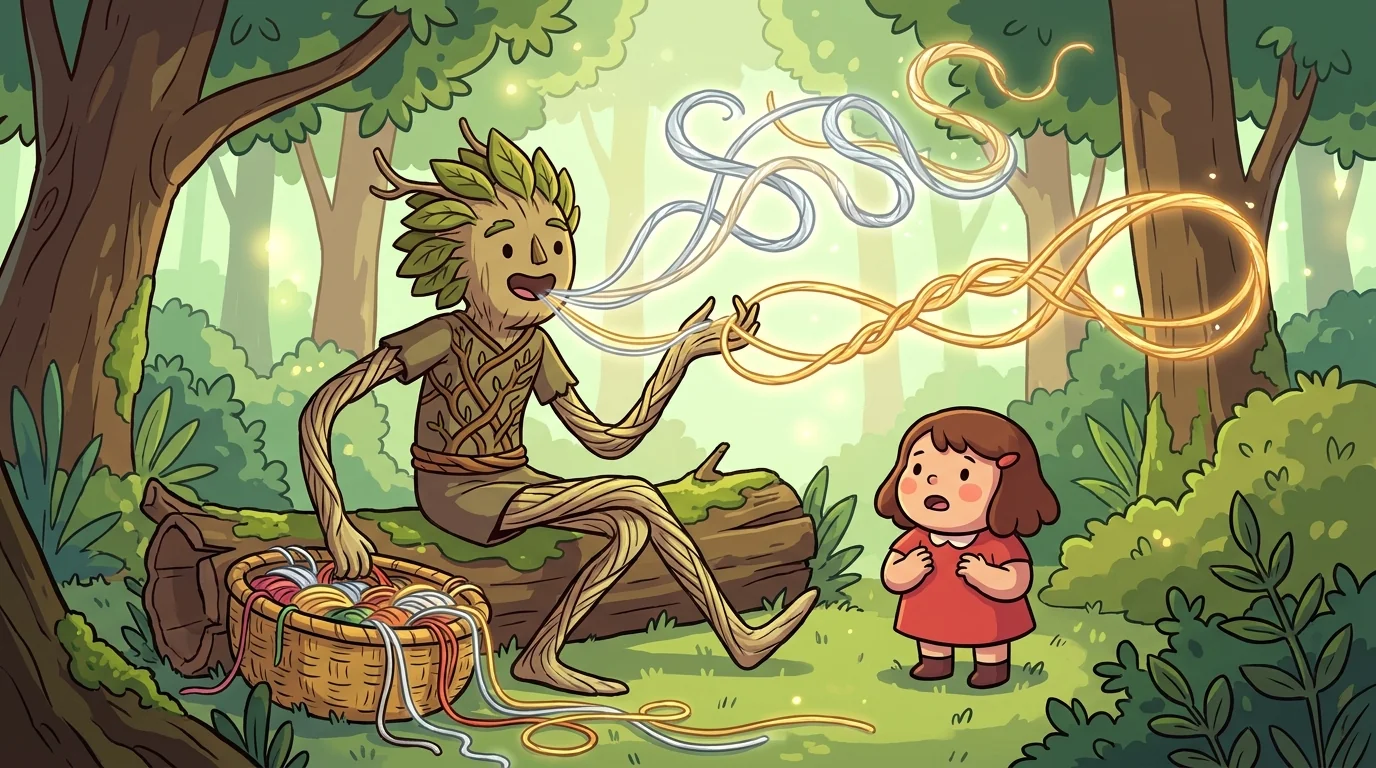
Cherry found the weaver’s basket tipped over in the warm grass of the pine grove, where bright wool spilled out like melted crayons. Beside the basket sat Braid, a slender creature with long, nimble fingers that never seemed to stop moving.
Braid wasn't weaving the wool, though; they were weaving the air itself.
"Soft summer silence," Braid murmured.
As the words left their mouth, three silvery threads spun into the sunlight and twisted together, humming like tiny wires. The sound didn't just vanish into the trees. It hung there, a shimmering braid of silver that floated just above the pine needles.
Cherry stopped, careful not to step on the music. "Your words make actual threads," she said, her voice quiet.
Braid didn't look up, but their fingers flicked, catching a loose strand of blue wool from the grass. "They do," they said. "Repeated sounds twist a line together, like strands of thread. My name is Braid. I keep the sound texture—the music of echoing sounds."
They wove another line: "the low golden glow."
This time, the threads weren't silver. They were warm, heavy gold, and they twined through the air, round and humming like bumblebees.
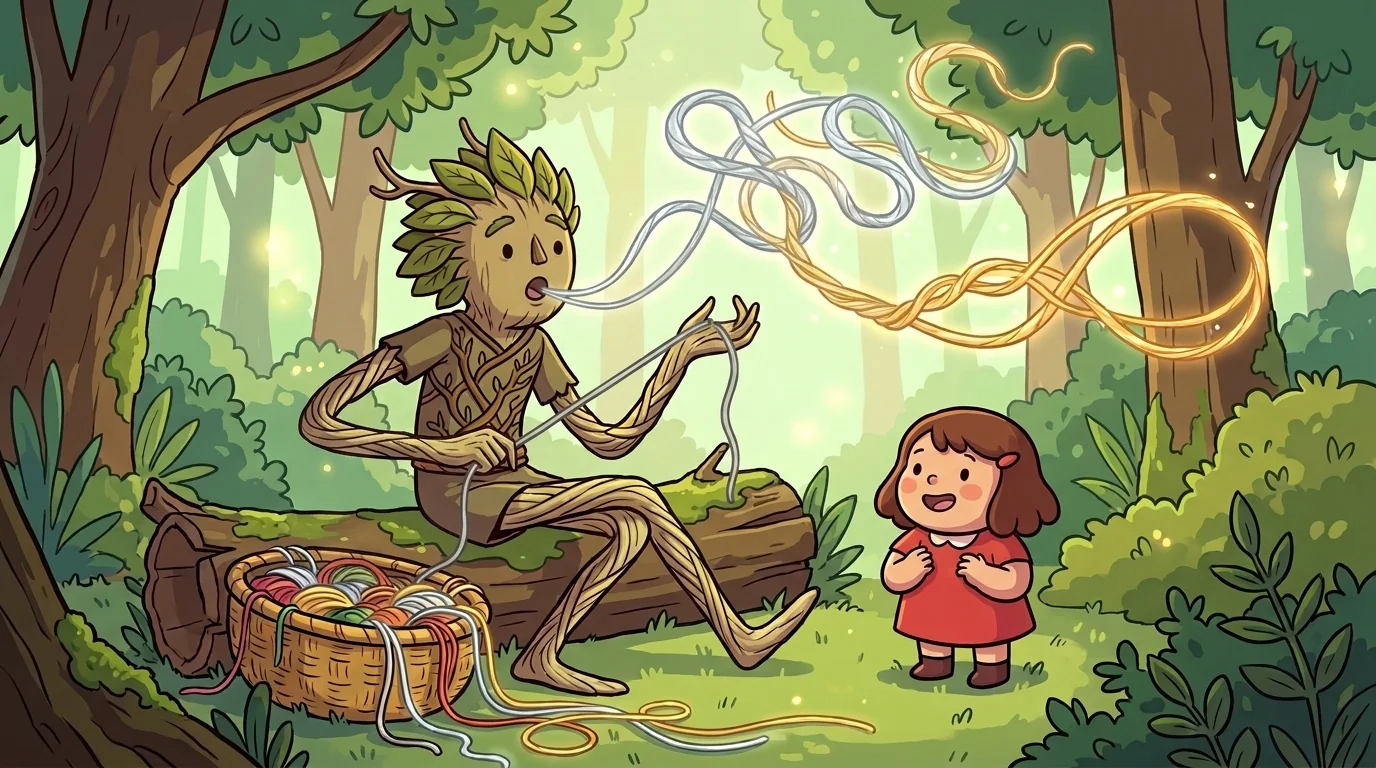
"When the first sounds repeat—soft summer silence—that's one kind of braid," Braid explained, gesturing to the silver ribbon. "When the vowel sounds repeat inside the words—low golden glow—that's another. Either way, the echoes weave the line together and make it lovely to say."
Cherry sat on a dry log, watching the gold thread slowly fade into the shadows. "Show me the difference it makes," she said.
Braid nodded and decided to weave a plain line first. "A quiet bird sat in a tree," they said.
A gray, dusty thread drifted out of their mouth. It didn't braid, and it didn't float. It just lay flat in the dirt like a dead worm.
"No music," Braid said, shaking their head. "It’s a perfectly fine picture, but the mouth gets bored. Now, watch what happens when we thread in some echoes."
Braid leaned forward, their eyes bright. "A silent sparrow settled, still."
Silvery s-threads exploded from their lips, zipping through the air and wrapping around each other. The sound hissed softly, like wind through dry grass, and the line sang.
"Same picture," Braid said. "But the second one is woven. The repeated sounds give the line a music your mouth enjoys. Read it aloud, Cherry. Feel how the sounds hold hands."
Cherry repeated the line. "A silent sparrow settled, still."
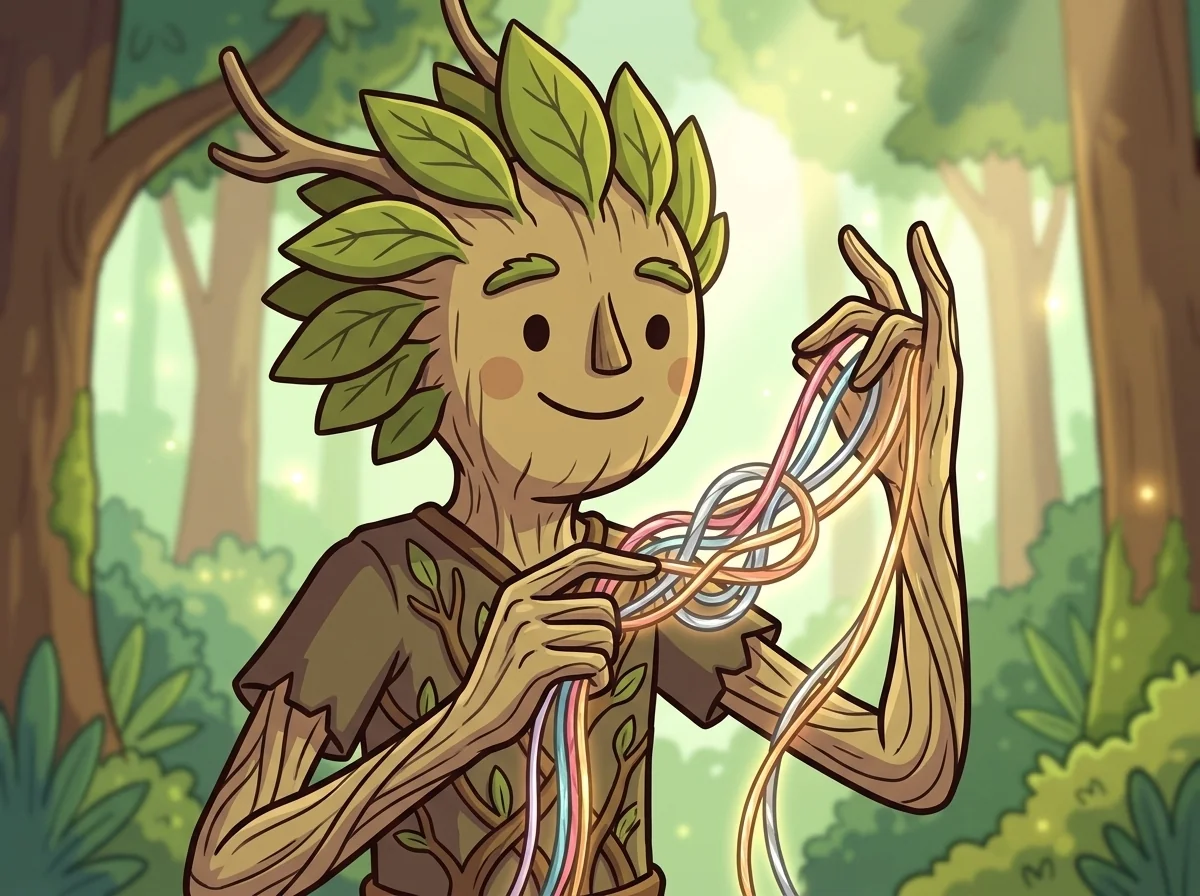
The s sounds danced on her teeth, cool and sharp. She had spent weeks teaching children the rigid shapes and counts of poems, but those lines often felt like math homework. This was different. This was the physical feel of the words, a texture that made her want to say the line again.
"I travel around to coach children in short poems," Cherry said, leaning closer. "Their lines are correct, but they are flat to say aloud. I think you could teach them to weave a little music in. You could make a line a pleasure in the mouth."
Braid gathered up the spilled wool, winding a bright red strand around their wrist. "I'll come," they said, smiling. "I do love a well-woven line, and children have such loud, messy voices. I'll teach them to braid their sounds."
They walked along the dusty road that wound between the hills, Braid carrying the basket of wool balanced on one hip. Every now and then, Braid would pluck a word from the air and twist it, testing its weight. They passed a field of rye, and Braid whispered, "The wide white wind." A pale ribbon of light spun across the road, smelling faintly of dry straw. Cherry watched it go, feeling a strange sort of magic in the afternoon heat. It wasn't the kind of magic that changed the weather or turned stones to gold. It was smaller, quieter, and somehow more real.
So Braid joined Cherry's travels, and the lines in her lessons began to sing.
The schoolhouse was a small wooden building with open windows that let in the sound of crickets. Inside, a dozen children sat on benches, their slates covered in chalk marks. They looked tired, their shoulders slumped from a long morning of spelling drills. Cherry stood at the front, holding up a card with a short poem written on it. The children read it in a flat, mechanical drone, their voices completely devoid of life.
When Cherry taught her classes, Braid showed them how to weave. They would stand by the chalkboard, their fingers tracing patterns in the air as the children spoke.
"Pick a sound and echo it through your line," Braid told the students. "A few s's, a few soft m's, or a repeated vowel. Then read it aloud and feel the braid."
A girl named Lyra tried first. "The pale snail trailed a gray path," she said.
Golden and gray threads spun out, weaving a neat, tight ribbon that floated near her shoulder. Lyra laughed, touching her lips in surprise.
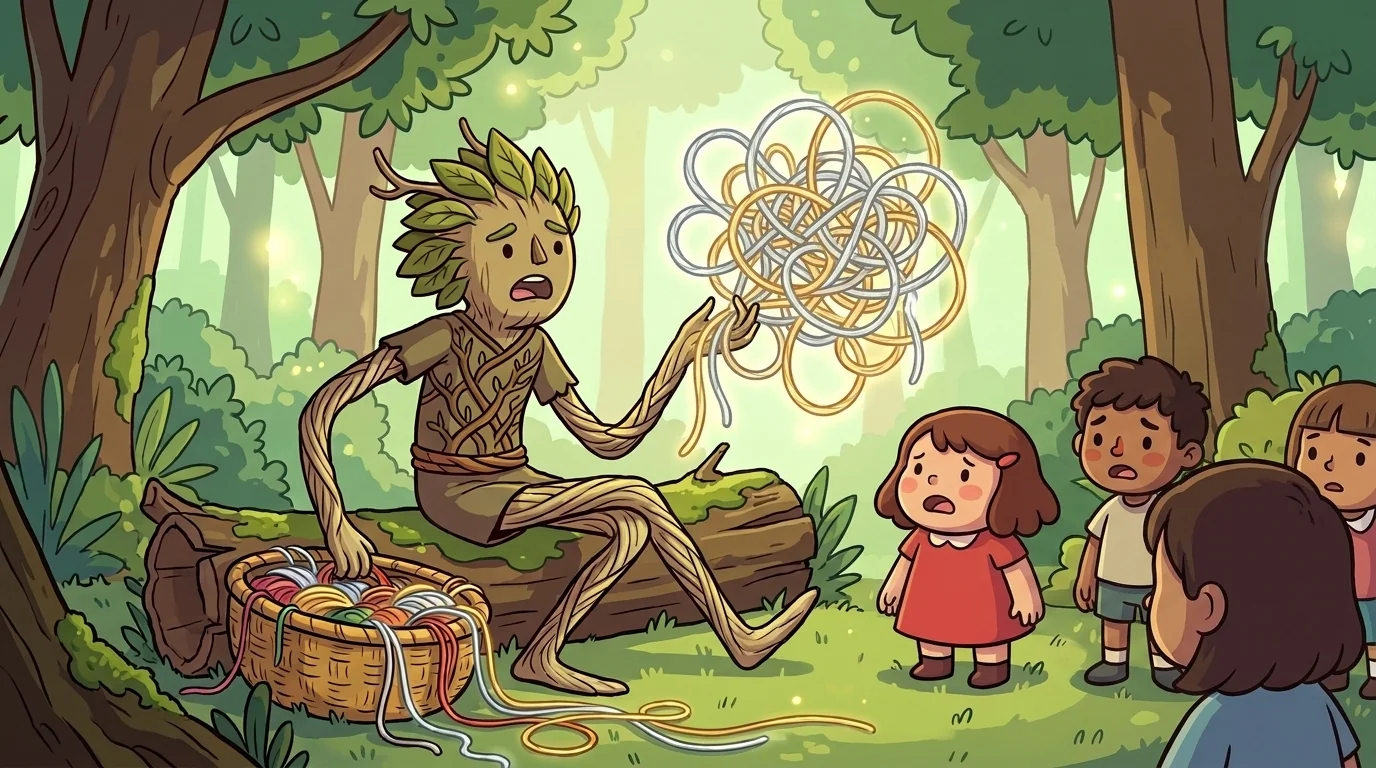
But then a boy named Toby decided he wanted the thickest braid in the class. He took a deep breath, puffed out his chest, and shouted, "Six slippery snakes slid silently southward, sizzling!"
Braid gasped, but it was too late.
A massive, tangled knot of silver thread erupted from Toby's mouth. It didn't weave; it bunched up into a messy ball of static. The threads wrapped around Toby's tongue, and he choked on his own words, his face turning red as he tried to finish.
"Stop, stop!" Braid cried, rushing forward.
They reached into the air and began to pull at the silver mess, their nimble fingers working quickly to loosen the grip of the letters.
"Feel how it trips you?" Braid asked, gently untangling the knot. "Too many echoes and the braid becomes a knot. A tongue-twister, not music."
Toby rubbed his jaw, looking slightly embarrassed. "My mouth hurts," he said.
"Of course it does," Braid said. "You stuffed the whole basket into one line. Let's loosen it up."
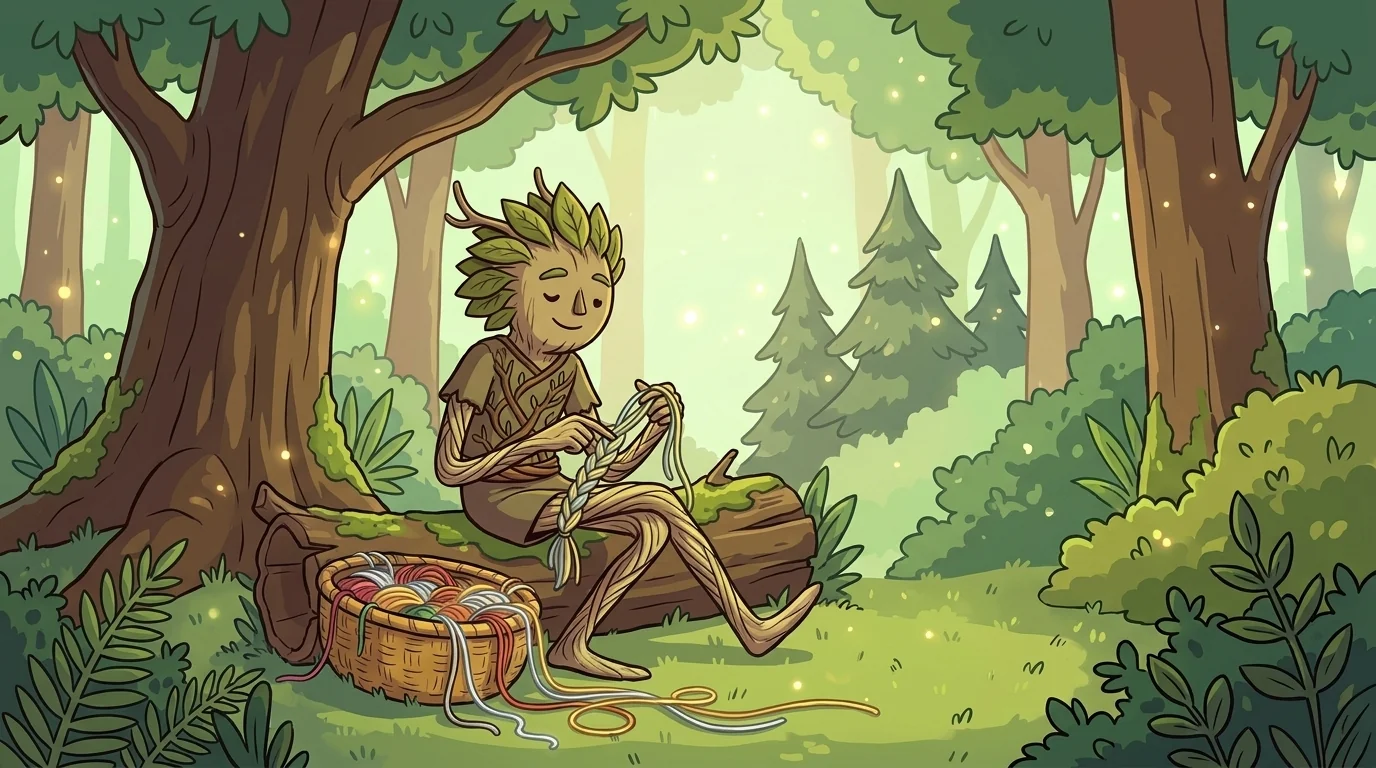
Braid pulled out most of the silver threads, leaving just a few. "Six snakes slid southward," they suggested.
The line smoothed out immediately. The silver threads relaxed into a gentle, elegant wave that drifted out the open window.
"That's it," Braid said. "Just enough repeated sound to weave a music. Not so much it tangles. A few bright threads, not the whole basket."
After the lesson, Braid sat alone under the big oak tree in the schoolyard. The other children had gone home, their voices fading down the dirt road. Braid idly wove a soft, simple braid of three colors, humming a tune without words.
For a long time, Braid had carried a quiet worry. They wondered if the thing they cared about even mattered. After all, a poem was supposed to tell a story or share a deep thought. Surely the meaning of the words was what counted, not how they felt inside a person's mouth. They had half-believed their gift was just a silly game, a bit of useless decoration.
But as the orange light of sunset filtered through the leaves, Braid looked at the simple braid in their hands.
The sound of a line wasn't just decoration. It was part of the meaning itself. A line that was beautiful to say was a line a child would remember. It would stay with them, living in the body long after the mind forgot the exact details. The music was the part of the poem that let the mouth join in the fun.
Helping Toby find his rhythm wasn't just a lesson. It was a warm, hand-woven kind of joy.
A glad contentment threaded through Braid, soft as the wool between their fingers. The sound was never just sound. It was the music that made the meaning a pleasure. Braid wove their three quiet threads together, humming, and let the silence rest.
The HaikuQuest ensemble
Braid is part of HaikuQuest's distributed-narrative cast. Each character embodies a different curricular primitive; together they teach the full subject.
-
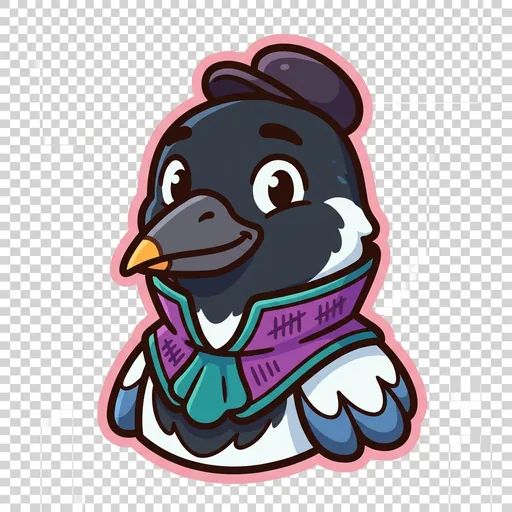
Count
Syllable count / count-discipline — magpie-tween whose beak-tap enacts the rhythmic underpinning of every counted form
-
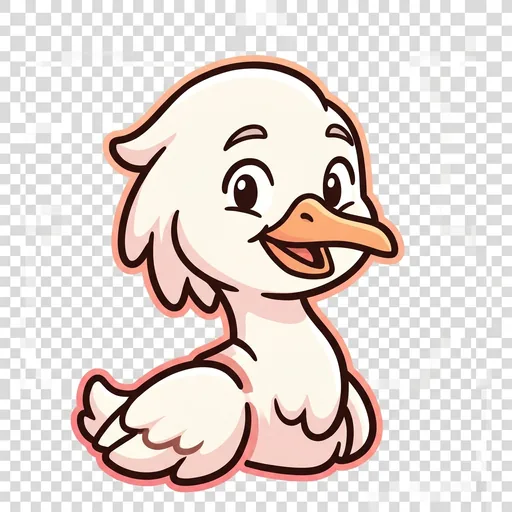
Pause
Kireji / cut / productive break — snowy-egret-tween whose perpetually-mid-step body IS the kireji in physical form
-
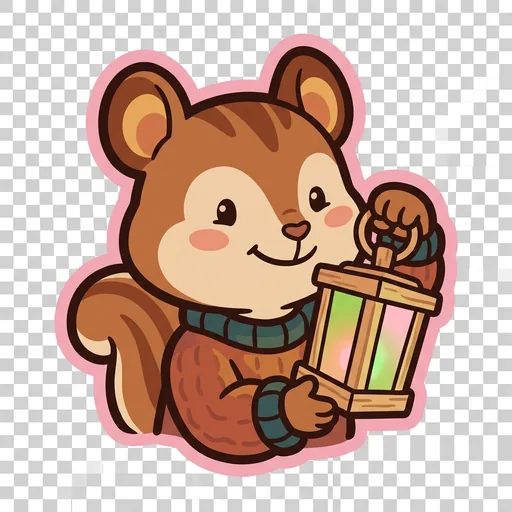
Lantern
Season-word / anchoring image — chipmunk-tween whose wooden lantern visibly shifts color with the season
-
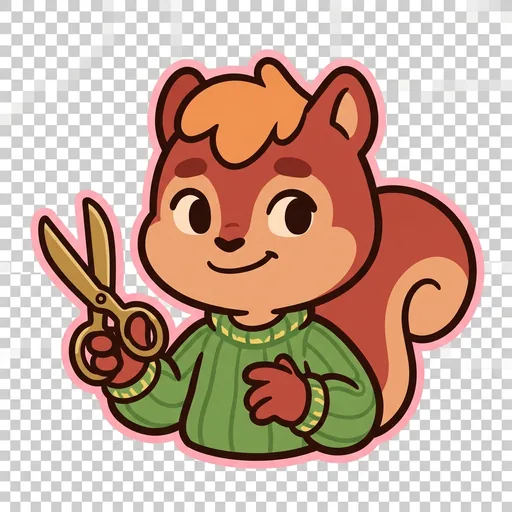
Trim
Brevity / saying-less — red-squirrel-tween with brass scissors who snips redundant words to find the smaller-stronger version
-

Flint
Juxtaposition — flinty badger-creature who strikes two smooth stones to make a spark; two images set side by side make a third meaning leap up in the gap
-
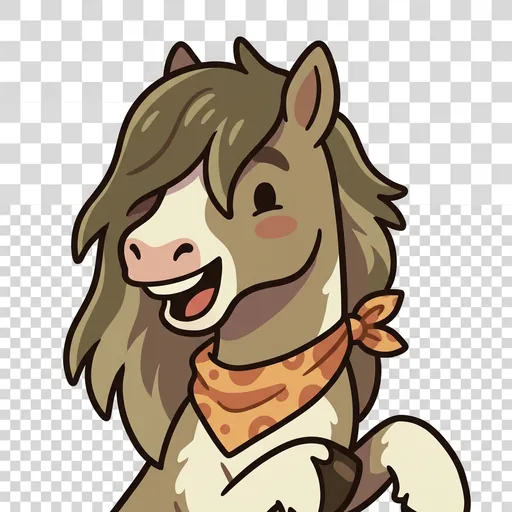
Gallop
Meter / the stressed beat — long-legged pony-creature whose hooves fall da-da-DUM; not how MANY beats (that's Count) but which ones to stomp (esp. the limerick)
-
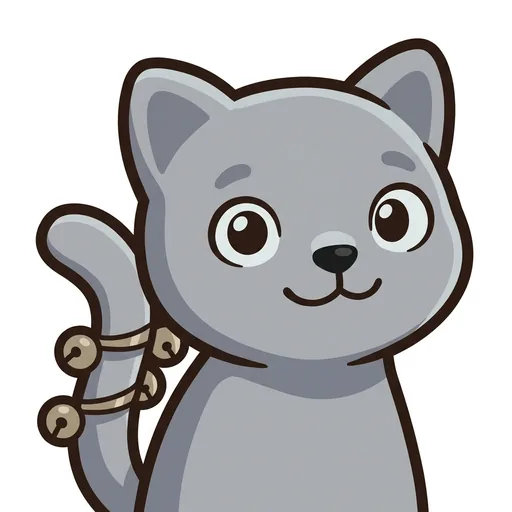
Bell
Rhyme — silver creature with tuned tail-bells that chime the same note when end-sounds match; a forced rhyme jammed in just to chime is worse than none
-
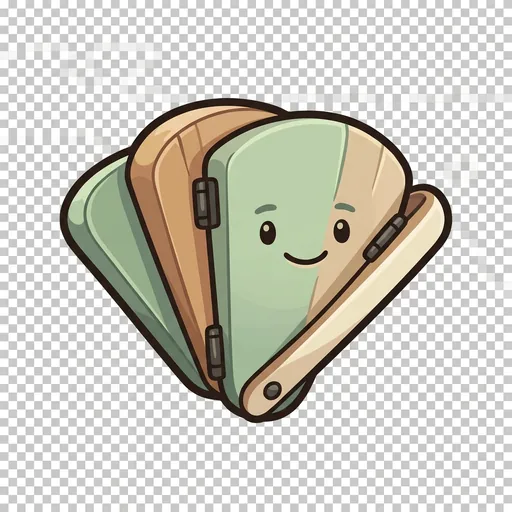
Hinge
The line break — folding-door creature who holds a small pause at the end of each line; the end of a line is a little stage, so end on a word that earns it
-
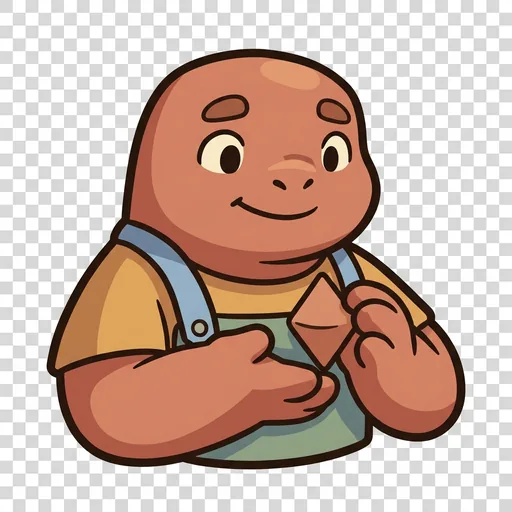
Mold
Shape on the page — clay-colored creature who builds a poem's silhouette (a cinquain's 2-4-6-8-2 diamond); shape is meaning you can see from across the room