
Hinge
THE LINE BREAK — where a line of a poem ends and the next begins. The break is a tiny pause, a turn, a held breath. Breaking a line in the right place can surprise the reader, stress a word, or make a small poem swing open like a door.
Loading audio…
Press play to listen along. The line being read lights up as you go.
Show full transcript
Loading transcript…
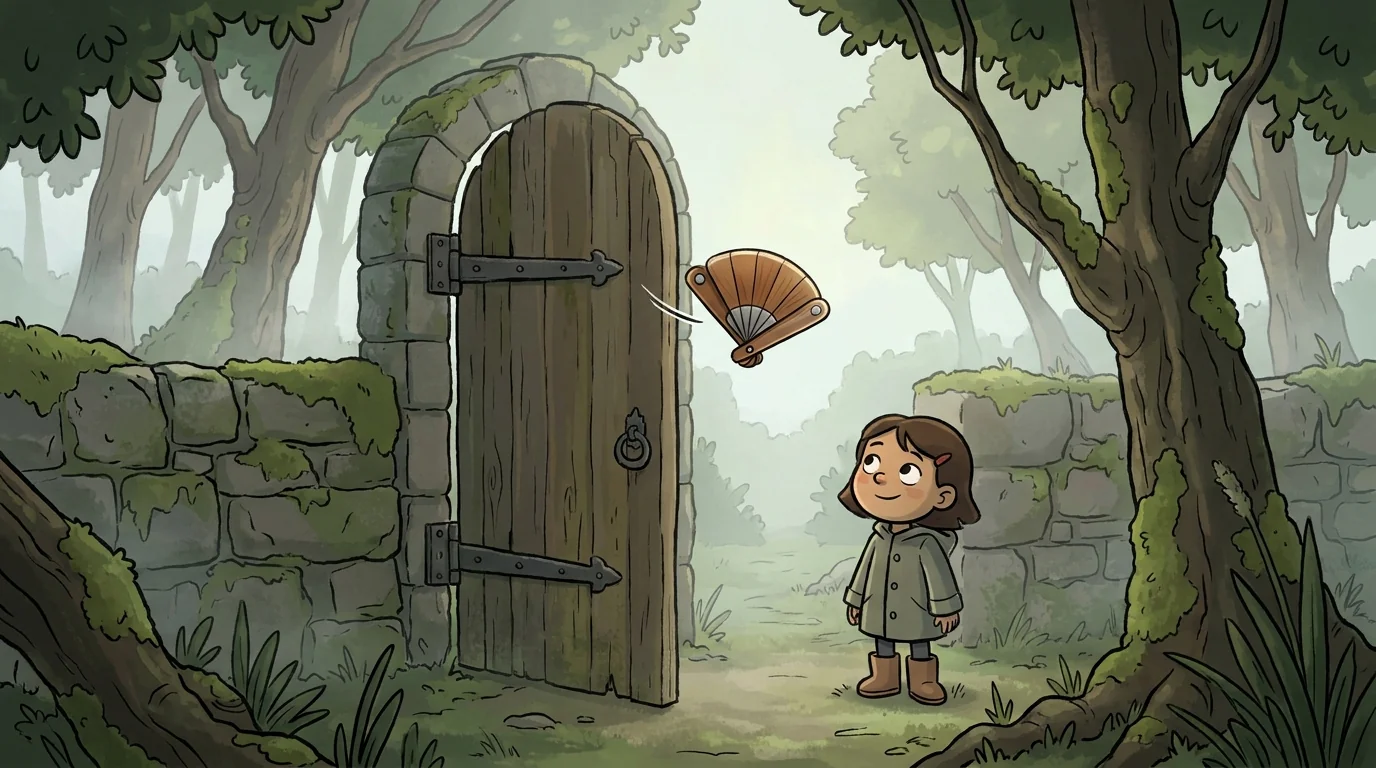
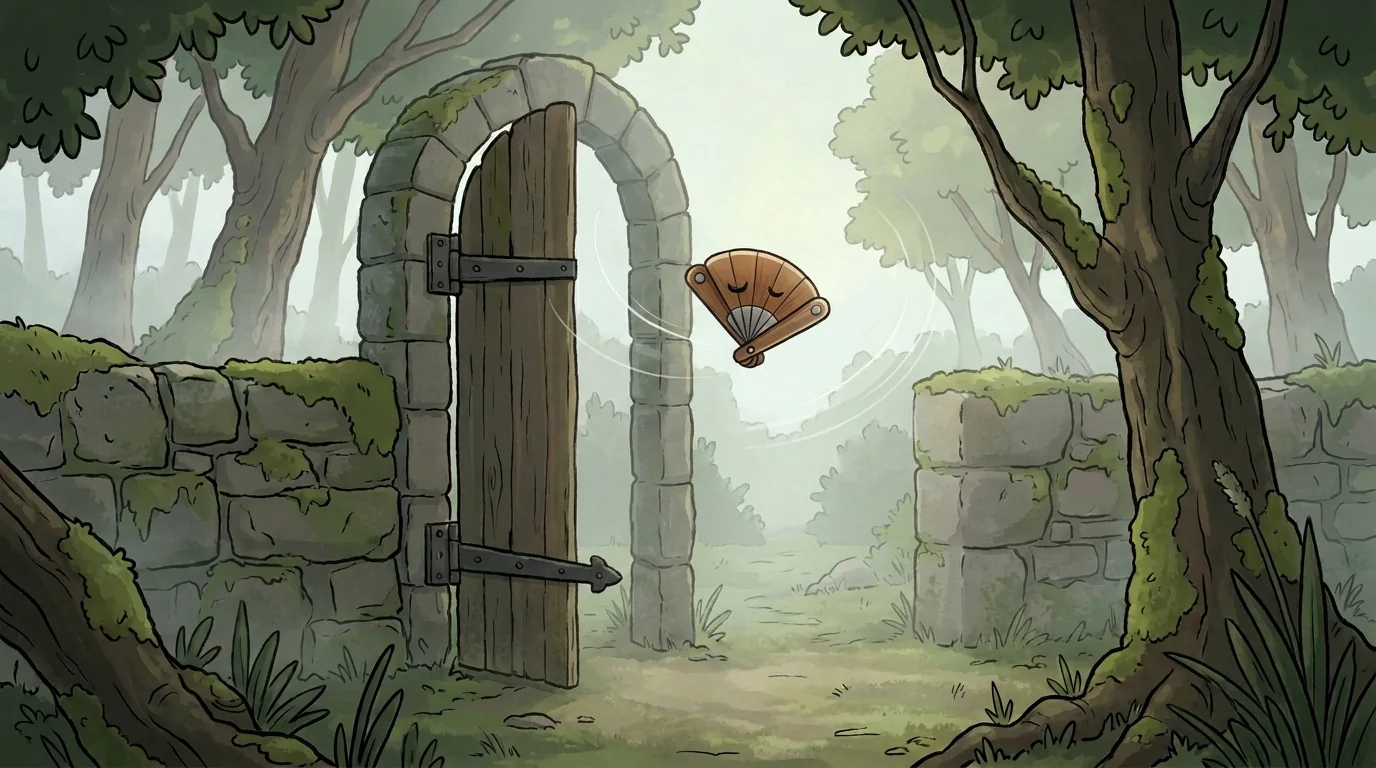
The garden gate at the edge of the plum grove had lost its latch years ago. It hung by a pair of weathered brass fittings against gray cedar, swinging an inch or two whenever the wind pushed through the valley. Morning mist drifted low between the damp trunks, smelling of wet mulch, cold stone, and crushed mint.
Cherry walked along the overgrown path with her canvas notebook tucked under one arm. She heard the rhythm before she saw anything moving in the fog. It was a faint, wooden click, followed by a soft creak and a held silence.
Creak. Swing. Pause. Creak. Swing. Pause.
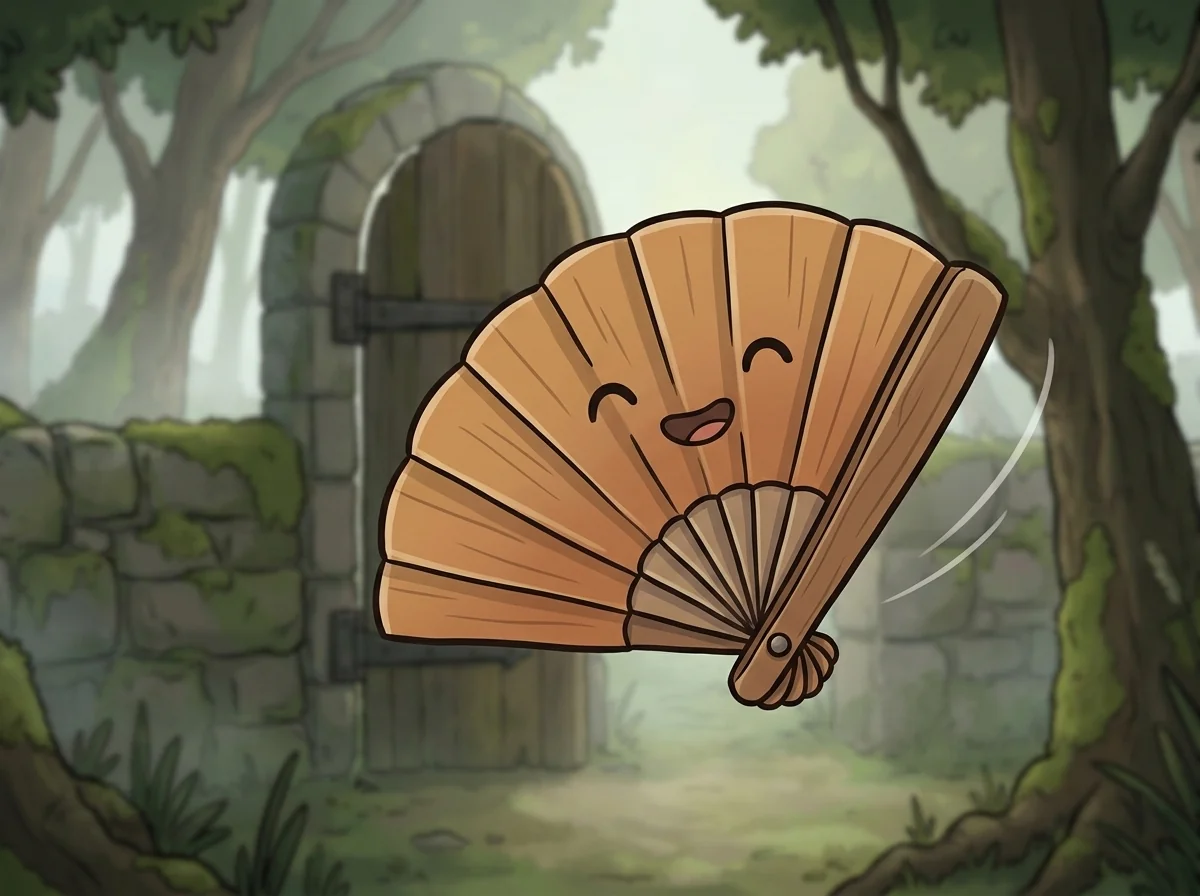
Perched directly on the top rail of the gate was a creature no taller than an inkwell. She looked like a polished folding screen carved from smooth boxwood. Her body swung open on miniature joints, held perfectly still at the widest arc of the turn, and then eased closed again. At the peak of every swing, she did not wobble or stall. She simply held the moment like a clean, deliberate breath.
"You stop at the top of every swing," Cherry said, leaning her forearms against the damp fence rail.
The creature swung open, held herself suspended in the cool morning air, and met Cherry's gaze.
"I do," she said, her voice quiet, dry, and entirely unhurried. "The pause is the whole point. My name is Hinge."
She swung out once more, catching the breeze, and drifted into another motionless beat before closing.
"I keep the line break," Hinge said. "That is the exact place where one line of a poem ends and the next begins."
She let herself swing shut with a crisp wooden tap.
"Right there," Hinge added. "That little held breath at the edge of the white page is my work. When readers hit the end of a line, they do not simply tumble forward into the next phrase. They pause for a fraction of a second, and then the next line swings open."
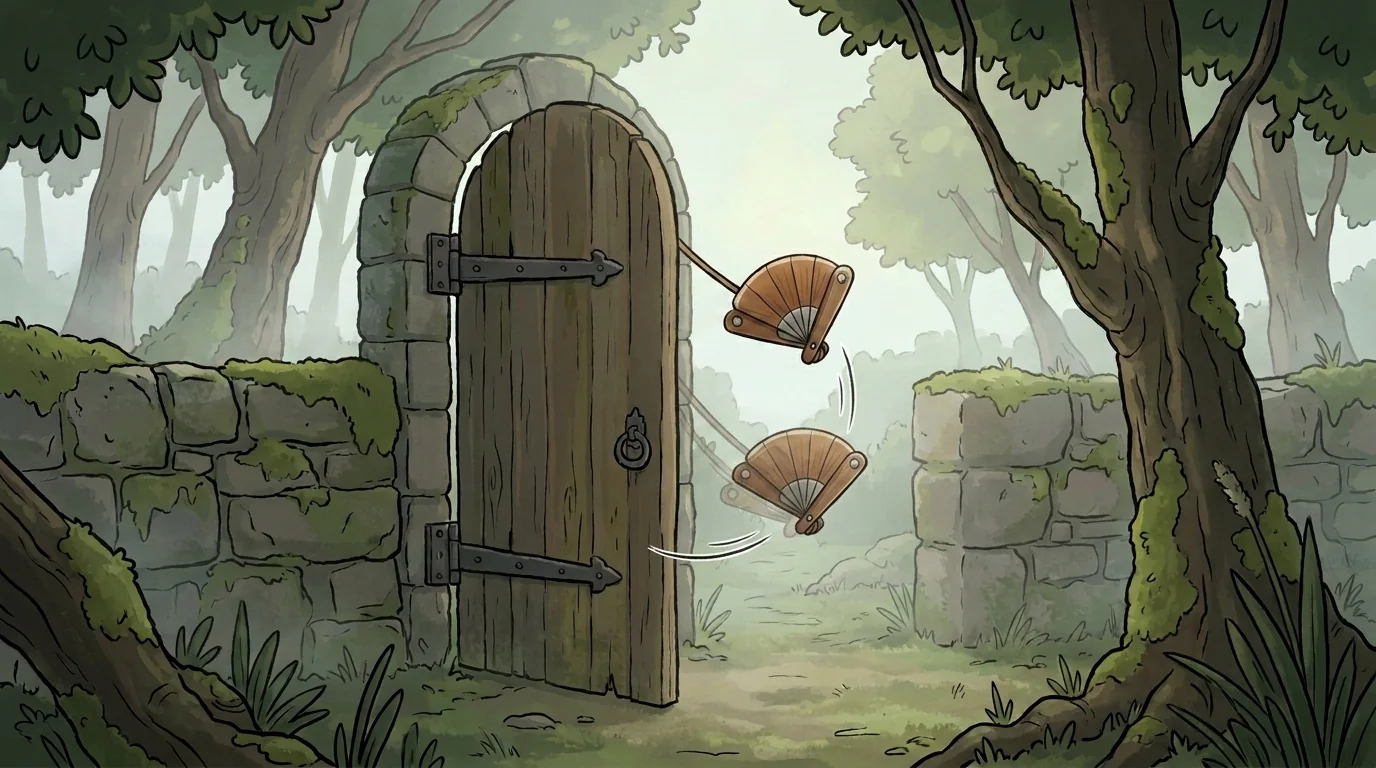
Cherry tapped the brass ring of her pencil against the notebook cover. "Most writers think the words do all the heavy lifting."
"Most people are in a terrible hurry," Hinge replied, tilting her wooden frame. "Watch what happens when you pull the hinges off a front door. The timber falls flat, and the wind blows right through the house."
Hinge balanced on the cedar post and folded her panels together until she was narrow as a pocket knife.
"Listen to this sentence," Hinge said. "The cat sat on the warm windowsill."
She spoke the words in one flat, unbroken rush. The sentence slid past like water through a smooth metal pipe. Nothing snagged in the imagination. Nothing stayed behind.
Then Hinge took a slow breath, swung open, and held herself wide.
"The cat sat," she said, and held the swing. She swung again. "On the warm," and held the swing. She swung a third time. "Windowsill."
The difference changed the whole temperature of the morning. The exact same seven words felt weighted, deliberate, and visual. The pause after sat made the listener picture the crouch of the animal on the floor. The pause after warm let the heat of the afternoon sun soak into the wood before the ledge even appeared in the mind.
"Same words," Hinge said, easing closed with a satisfying click. "Where I break them changes what you feel. If you break before a surprise, the surprise lands harder. If you break after a quiet image, the reader leans forward into the gap. A line break is a tiny shelf where an idea can rest before moving on."
Cherry turned her pencil over in her fingers. She had spent weeks teaching meter, rhythm, and counted syllables. Syllables were about sound and weight. Rhyme was about memory and echo. But this was about silence, the small white gap where a reader turned the corner of a stanza.
"I teach young writers in the village pavilion," Cherry said. "They write all the way to the red margin line on their looseleaf paper. When they run out of paper, they simply drop down to the next row. They let the manufacturer of the notebook decide where their thoughts end."
Hinge shuddered, her brass pins rattling in quiet horror. "Letting the stationery make artistic choices. How dreadful."
"Come travel with me," Cherry offered. "Teach them how to break a line on purpose."
Hinge swung wide open, steady as an oak door in summer. "I will pack my silences. Let us go rescue their margins."
In the pavilion behind the library, four students sat around a scarred pine worktable. A boy named Julian had spread three sheets of lined paper across the grain. His pencil moved in furious gray scribbles, tracking straight across the blue rules until he hit the far right edge of the page. Whenever a word was too long to fit, he chopped it in half with a jagged hyphen and shoved the rest onto the next line.
Hinge sat quietly on top of Julian's wooden pencil box, watching his hand race.
"Read your second stanza aloud, Julian," Cherry said gently. "Read it exactly the way your pencil laid it down."
Julian cleared his throat, leaned over his paper, and began to read.
"The storm clouds broke over the mount- ains and flooded the dark val- ley below."
Every time Julian hit a break, Hinge swung open and froze in midair like a gate caught in a sudden latch. The pauses landed like speed bumps in the middle of a smooth gravel path. Mount. Long silence. Ains. Val. Long silence. Ley.
Julian stopped, scowling at his paper. "That sounded ridiculous. It sounded like my voice tripped over a rock."
"Your voice is fine," Hinge remarked from the pencil box. "Your line break is broken. You let the edge of the wood pulp cut your thoughts in two. A reader pauses at the end of every line, whether you want them to or not. When you break a word in half, you force the reader to pick up the broken pieces."
Julian rested his chin on his knuckles. "So where am I supposed to stop?"
"Where the thought takes a step," Hinge said. "Show me where the picture shifts."
Julian took his rubber eraser and scrubbed out the messy margins. He rearranged the phrases with steady, dark strokes:
"The storm clouds broke over the mountains and flooded the dark valley below."
He read the lines again. This time, Hinge swung in smooth, measured arcs. The pauses fell cleanly after broke and mountains. The images rested on solid ground, stepping forward one by one without stumbling.
"It feels like walking down stone steps," Julian admitted. "Instead of tumbling down a hill."
"Precisely," Hinge said. "You are building the staircase."
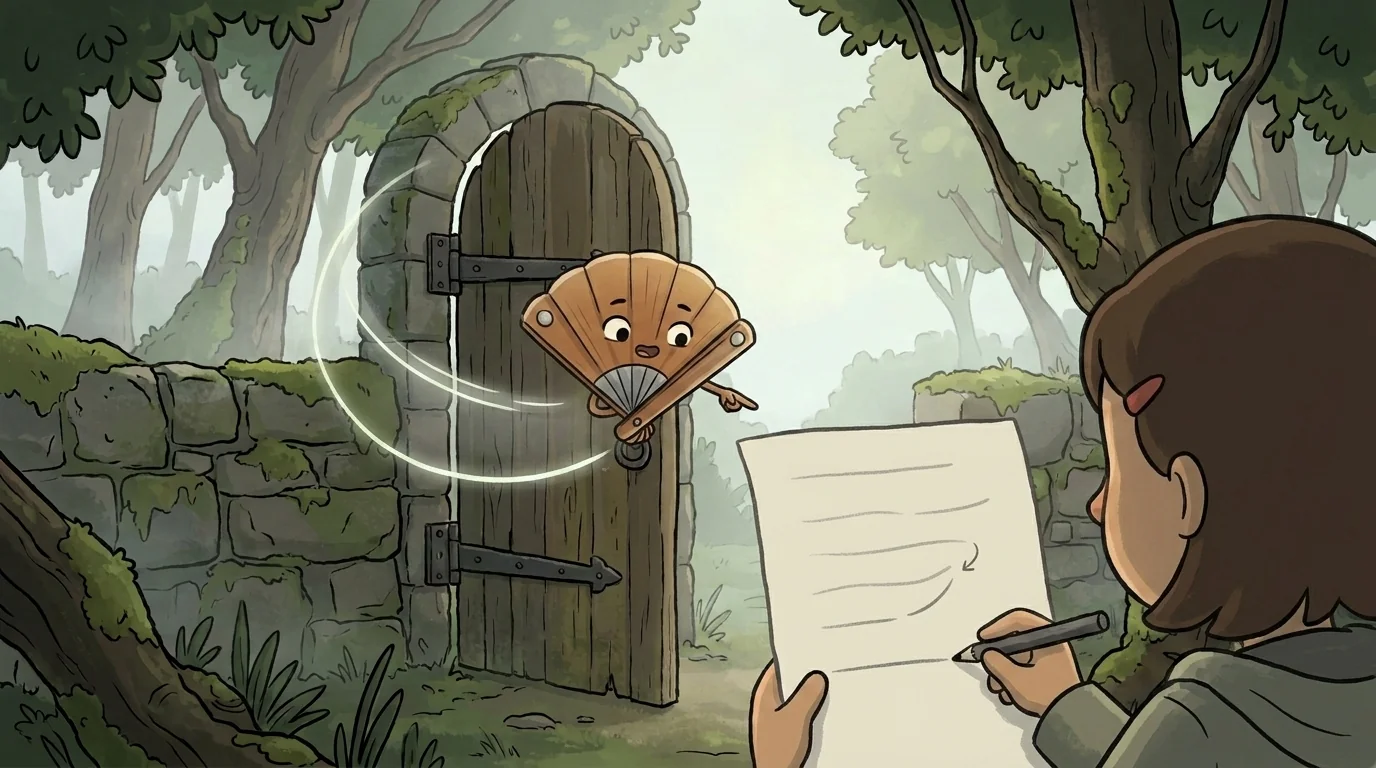
Across the table, a girl named Maya tapped her chin with her pencil. "What if I end the line on a small word? What if I end it on and or the?"
Hinge tilted forward on her wooden base, her panels clicking lightly.
"Here is the secret," Hinge told her. "The end of a line is a little stage. Whatever word sits right before the white space gets a bright spotlight. The reader's eye lingers on that final word while traveling all the way back across the page to start the next line."
Maya looked doubtful. She adjusted her wire-rimmed glasses and scribbled two lines on a scrap piece of paper:
"We walked into the dark and frightening woods."
"Read that aloud," Hinge commanded softly. "Feel where the weight falls."
Maya read the lines. Her voice paused on the word and for a brief, awkward second. The conjunction hung in the air, hollow and weak, before she dropped down to find the rest of the thought.
"The word and did not earn that spotlight," Hinge pointed out. "It is just connective tissue. It is a hinge that forgot how to hold a door. Now move the break."
Maya drew a neat line through the phrase and rewrote it underneath:
"We walked into the dark and frightening woods."
When Maya read the revision, her voice rested naturally on dark. The brief silence after the word let the shadows gather in the room before the trees even appeared. The break did not merely divide the sentence; it deepened the mood of the entire scene.
"You see?" Hinge said. "The word at the ledge carries the echo. Don't waste the spotlight on clutter. End your line on a word that deserves to ring in the quiet."
By late afternoon, the workshop had cleared out. The students had packed their graphite-smudged papers into their canvas bags, leaving behind only eraser shavings and cedar scent.
Cherry sat on the edge of the pavilion steps, watching the sun dip low behind the orchard branches. Hinge rested beside her on the cool granite, swinging slowly in the evening breeze.
Creak. Swing. Pause.
For years, Hinge had felt like an insignificant piece of hardware. She was not the sturdy stone wall. She was not the heavy timber of the garden gate, and she was not the path that carried travelers through the trees. She was merely the joint in between, the tiny mechanical pause that people passed through without ever looking down.
She had often wondered if a life made only of pauses could truly matter.
Watching the purple dusk settle over the grass, Hinge swung open and held her breath. The pause was not an empty void or an absence of meaning. It was the frame that held the picture in place. Without the break, language was just a relentless, rushing noise that never gave the mind room to see what it was reading.
"You changed the way they saw their pages today," Cherry murmured, closing her notebook.
Hinge swung gently shut, her polished wood clicking softly against the stone step.
"I gave them room," Hinge said.
She swung open once more, held the quiet evening air between them, and was glad to be the breath between the lines.
The HaikuQuest ensemble
Hinge is part of HaikuQuest's distributed-narrative cast. Each character embodies a different curricular primitive; together they teach the full subject.
-
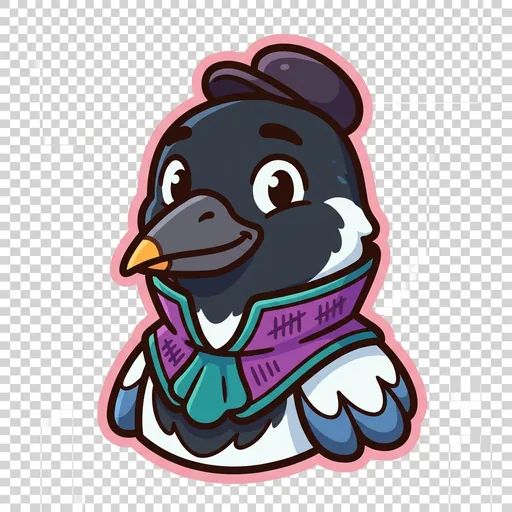
Count
Syllable count / count-discipline — magpie-tween whose beak-tap enacts the rhythmic underpinning of every counted form
-
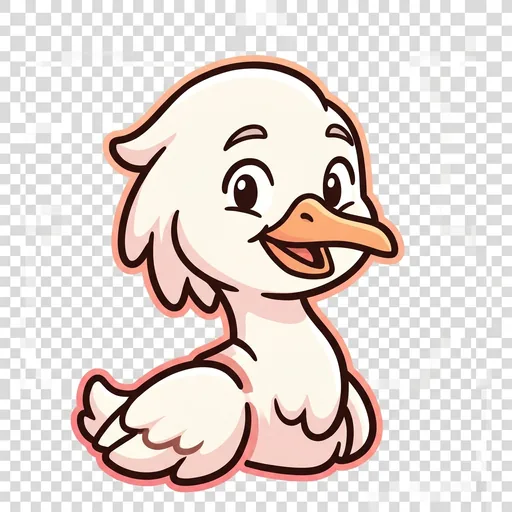
Pause
Kireji / cut / productive break — snowy-egret-tween whose perpetually-mid-step body IS the kireji in physical form
-
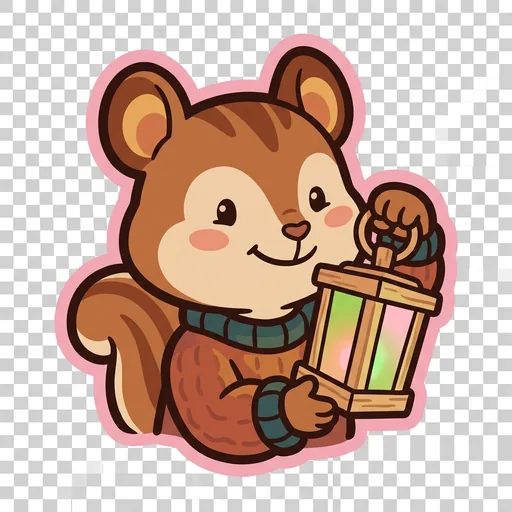
Lantern
Season-word / anchoring image — chipmunk-tween whose wooden lantern visibly shifts color with the season
-

Trim
Brevity / saying-less — red-squirrel-tween with brass scissors who snips redundant words to find the smaller-stronger version
-

Flint
Juxtaposition — flinty badger-creature who strikes two smooth stones to make a spark; two images set side by side make a third meaning leap up in the gap
-
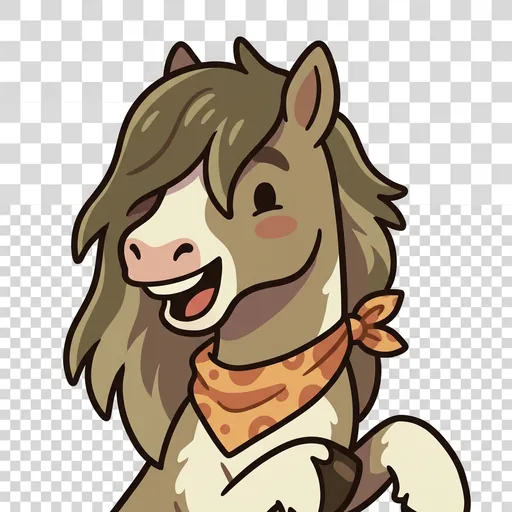
Gallop
Meter / the stressed beat — long-legged pony-creature whose hooves fall da-da-DUM; not how MANY beats (that's Count) but which ones to stomp (esp. the limerick)
-
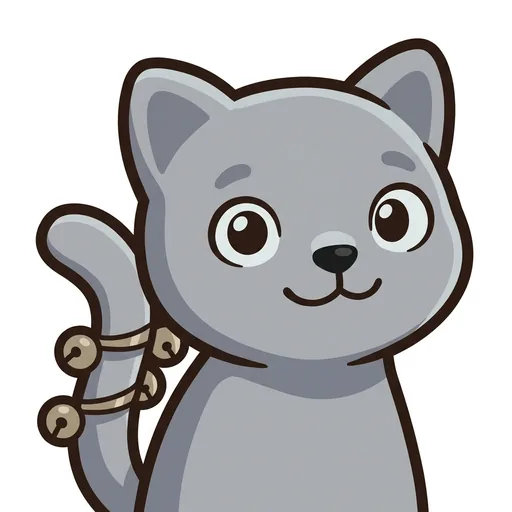
Bell
Rhyme — silver creature with tuned tail-bells that chime the same note when end-sounds match; a forced rhyme jammed in just to chime is worse than none
-
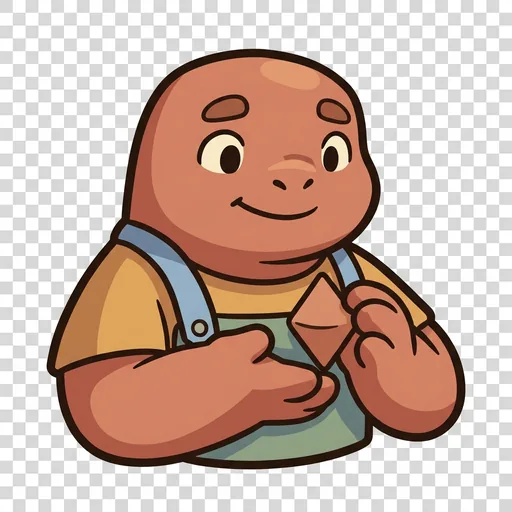
Mold
Shape on the page — clay-colored creature who builds a poem's silhouette (a cinquain's 2-4-6-8-2 diamond); shape is meaning you can see from across the room
-
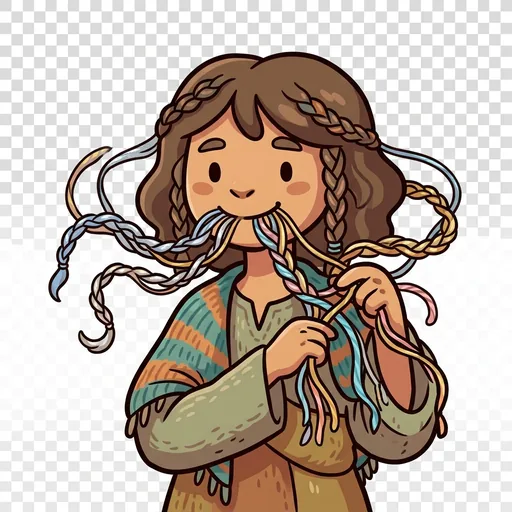
Braid
Sound texture — nimble creature who weaves repeated sounds through a line (alliteration + assonance); enough echo makes music, too much makes a tongue-twister knot