Hooke
HOOK — *the highest value per tile is the affix. Set one letter on the front or back of a word already on the board and a whole new word appears: ART becomes CART, ART becomes ARTS. You spend a single tile and score a whole word — the most efficient move in the game.*
Loading audio…
Press play to listen along. The line being read lights up as you go.
Show full transcript
Loading transcript…
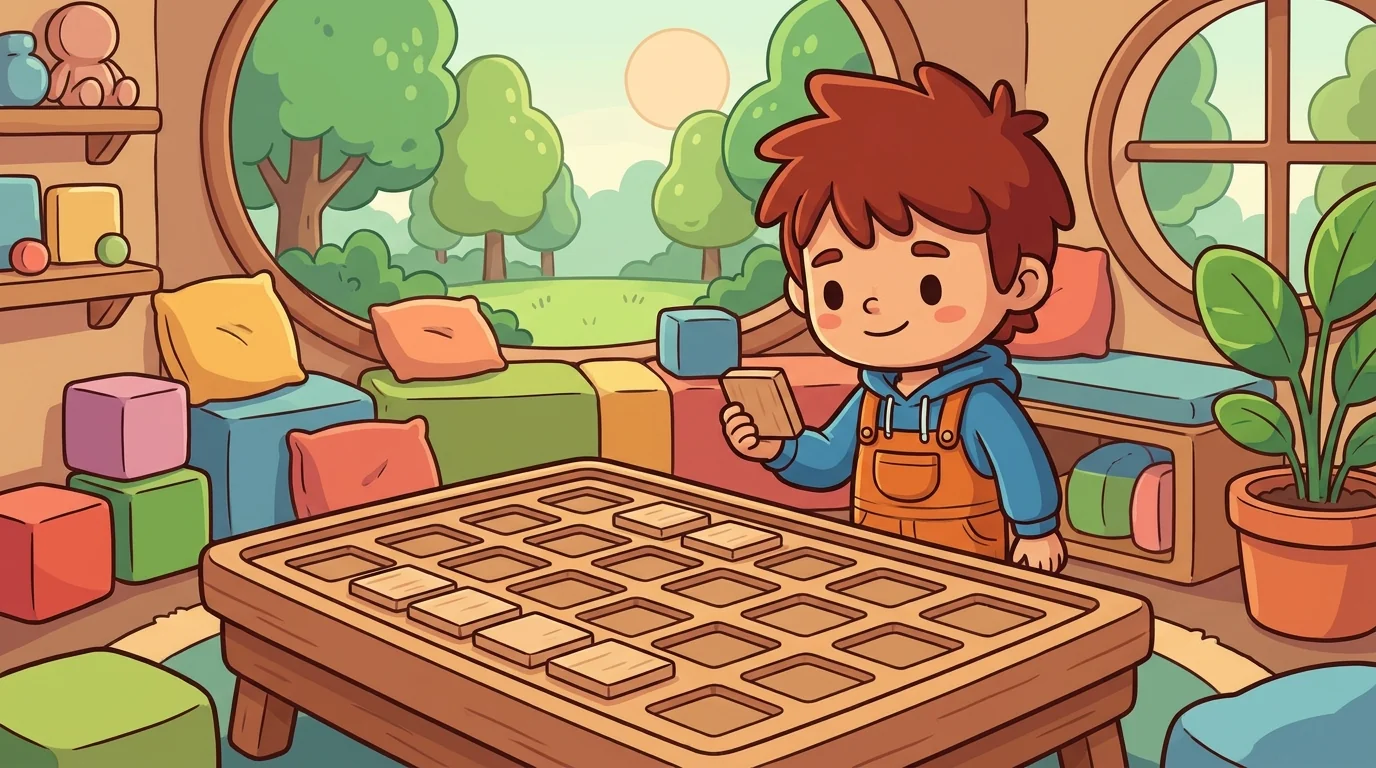
Hooke is the friend who looks at a crowded board and sees the words that aren't there yet. While other players hunt for an empty stretch to lay down something long and fancy, Hooke studies the words already sitting there — the ones everyone else has moved on from. And here is the idea she wants named out loud: a played word is not finished. It's a doorway with one tile missing. To read the board her way, you stop seeing "done words" and start seeing hooks — the front and back edges where a single letter would make a brand-new word.
That reframe is the whole move. Everyone else sees a full board and feels crowded out. Hooke sees a full board and feels rich, because every finished word is a free head start she can borrow.
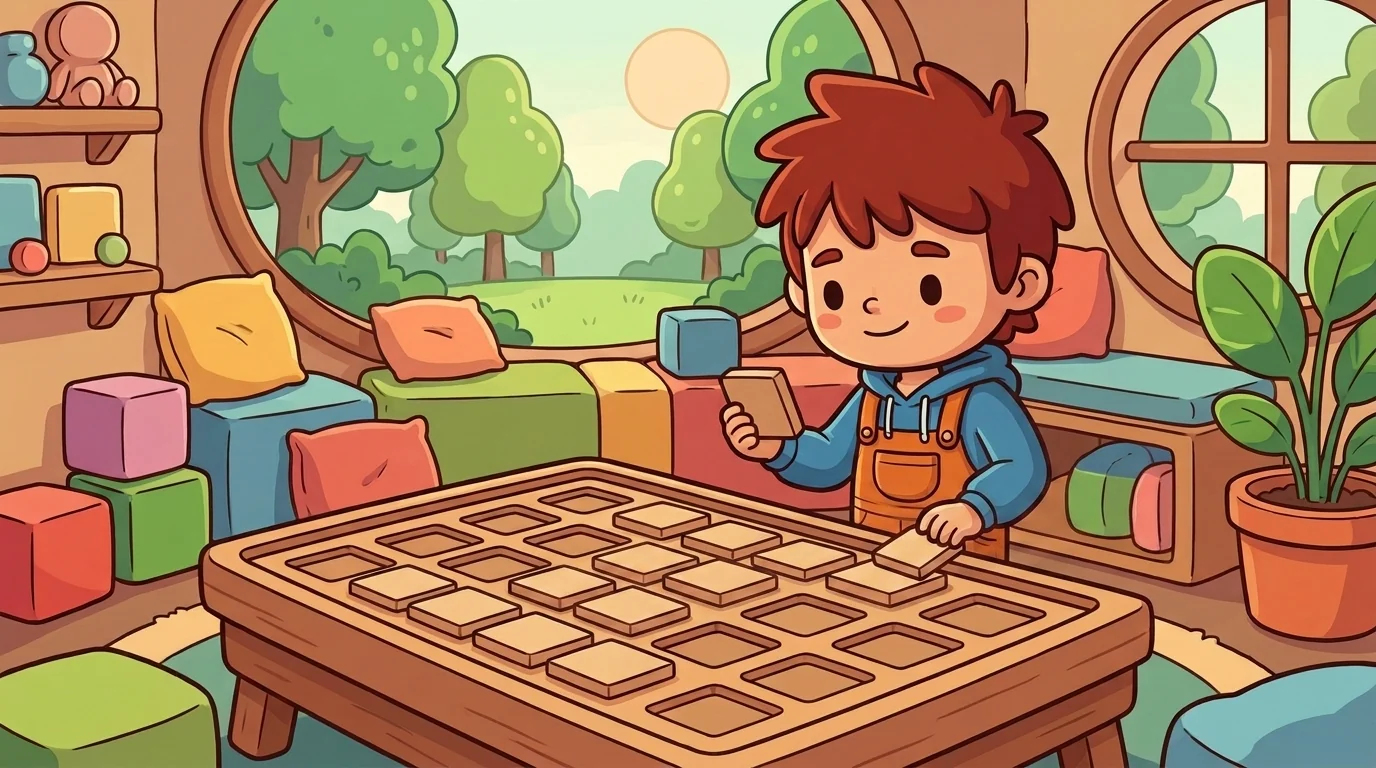
Her favorite thing in all of Wordloom is the reason the hook is so powerful: it is the most efficient move in the game. Most turns you spend several tiles to build one word. A hook flips that ratio on its head — you spend one tile and score a whole word. The value-per-tile is enormous.
One day the board showed a small tired word: ART. Everyone had finished with it. Hooke leaned in, delighted, and slid a C onto the front. CART. Then, laughing, she showed the other edge too — an S on the end. ARTS. "One tile," she grinned. "One tile does all of that. Front edge or back edge — always check both, because a word usually hooks two ways, and one of them scores more."
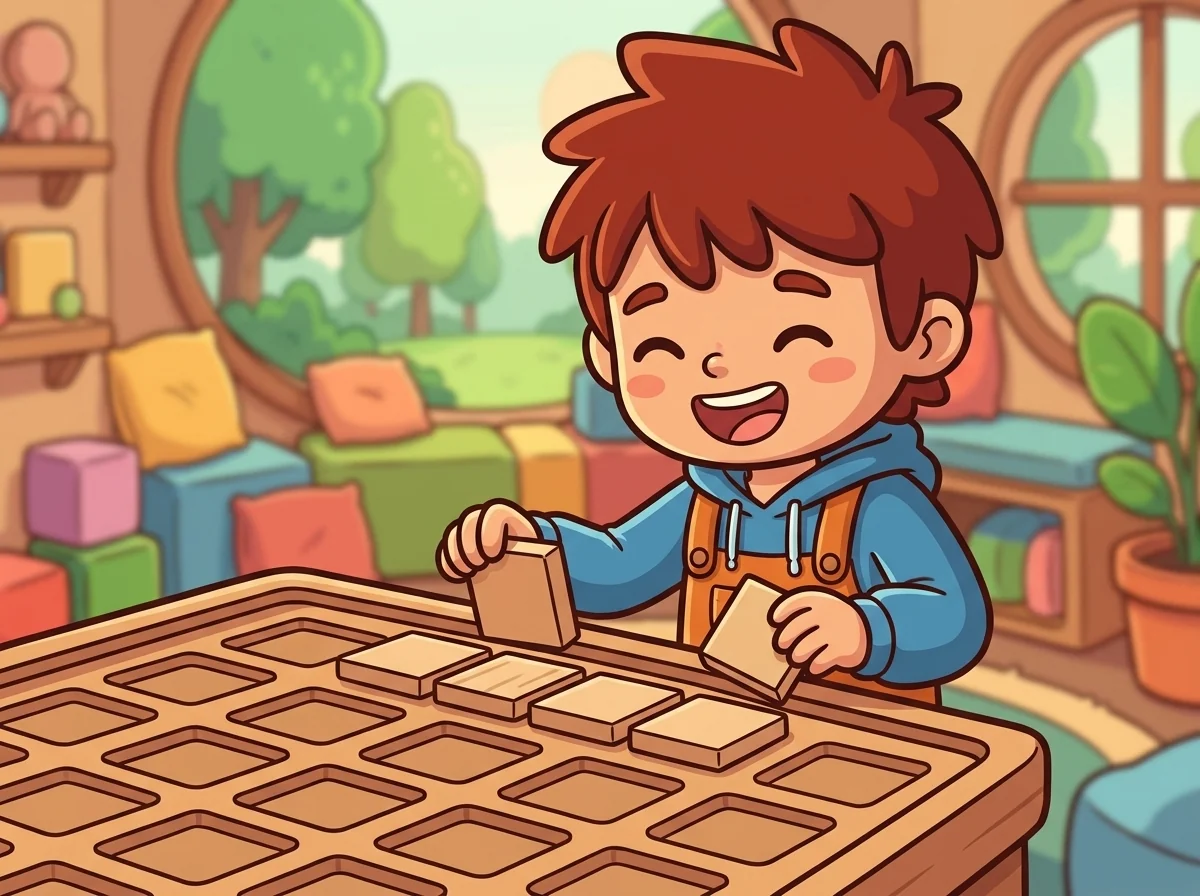
A player next to her sighed. He had a handful of odd leftover letters and was sure he couldn't make anything worth playing. Hooke didn't tell him he was wrong — she never does. She just pointed at the board. "You don't have to build a whole word out of nothing," she said kindly. "That's the hard, expensive way. Look at what's already here and finish someone else's word into a new one. Run your leftover letters along the front and back edges of the board words and ask: does any single tile turn this into something real?"
His shoulders came down. He hadn't been out of moves at all — he'd been trying to do the costly thing when the cheap, clever thing was sitting right in front of him.
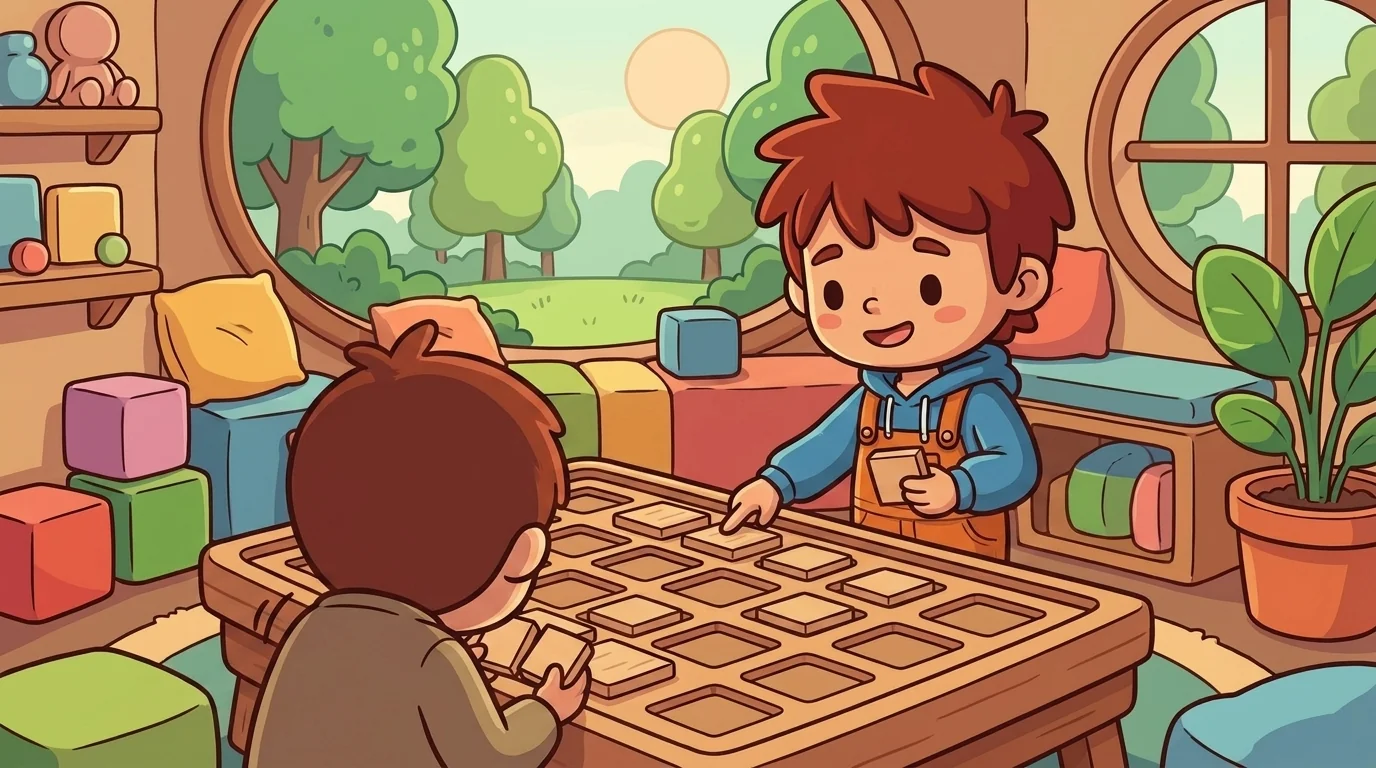
He found an H on his rack and, on the board, a word that read EAT. He set the H on the front. HEAT. A real word, a real score, from one small tile. Say it with Hooke, out loud: "One small tile, a whole new word." He looked as pleased as if he'd played something enormous — and in the way that matters, he had, because he'd gotten a whole word's worth of points for the price of a single letter.
Hooke felt the quiet gladness she always feels when someone gets it: the relief of watching a player stop straining and start reading the board — seeing the hooks that were there the whole time.
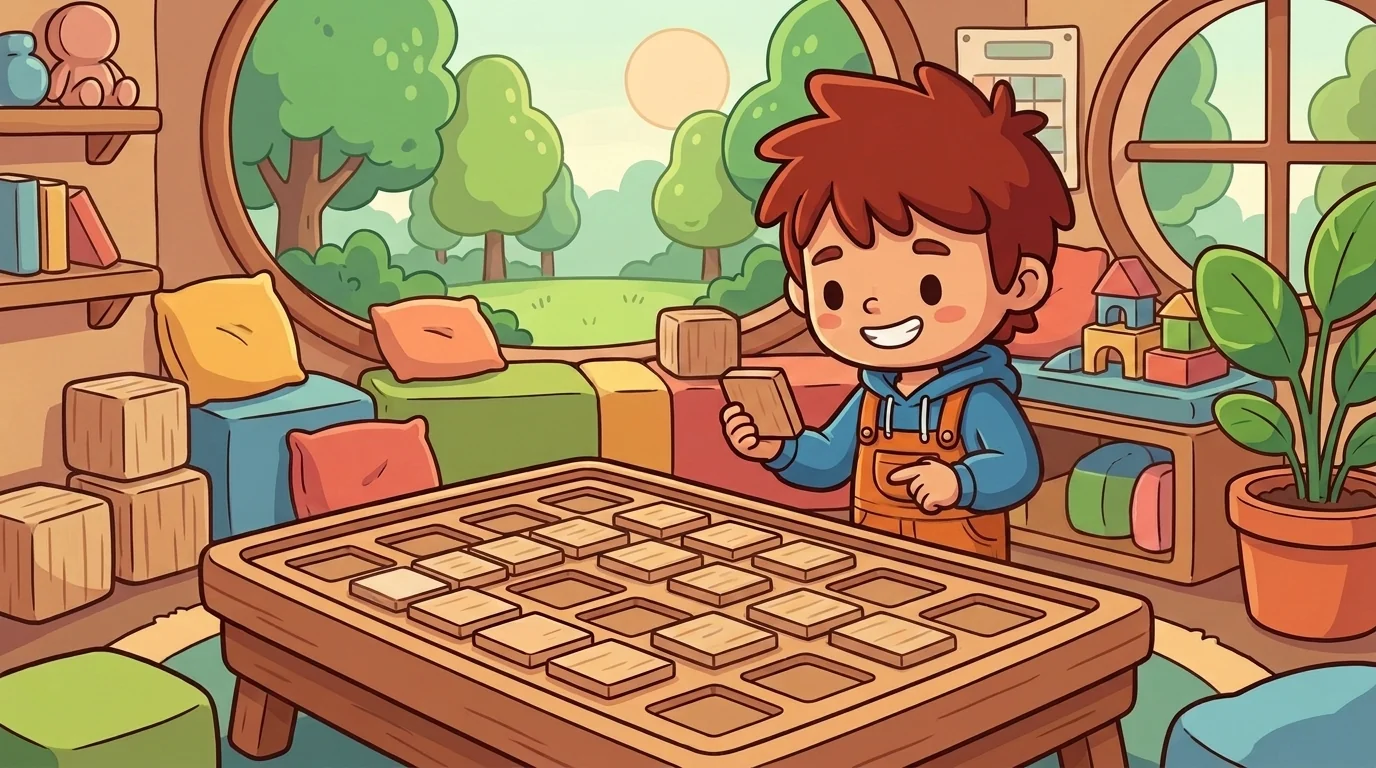
That is the hook, and beneath the generosity it is a genuine strategy: the affix is the highest value-per-tile move in the game, so read the board's finished words as unfinished and spend one tile for a whole word. Hooke never wastes what other players leave behind; she builds on it, front edge and back. When your rack looks thin and the board looks full, that is exactly her moment. Find a word already sitting there, run your loose tiles along its edges, add the one that fits, and watch a whole new word stand up for almost nothing.
The LexiTales ensemble
Hooke is part of LexiTales's distributed-narrative cast. Each character embodies a different curricular primitive; together they teach the full subject.