
Lex
UNTRANSLATABLE WORDS (Advanced) — every language bottles concepts no other captures in a single word. The Advanced version names it: a LEXICAL GAP (a meaning one language lexicalizes as a single word and another can only paraphrase), and its deeper significance under (weak) LINGUISTIC RELATIVITY — that a language's ready-made words make certain ideas easier to notice, name, and think with. These words are evidence that each language carves up experience a little differently, richly — never a deficiency in the languages that need a phrase. Always a gift, never a gap in worth.
Loading audio…
Press play to listen along. The line being read lights up as you go.
Show full transcript
Loading transcript…
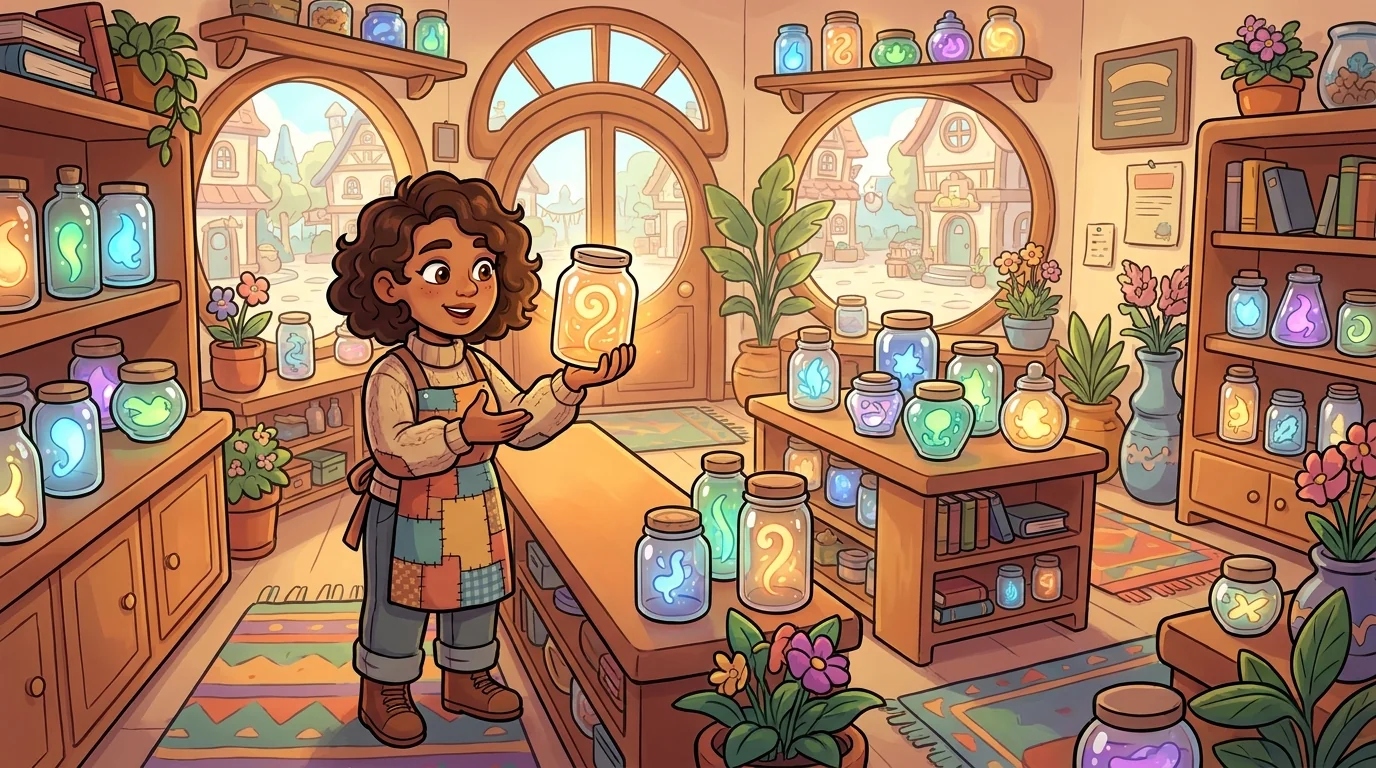
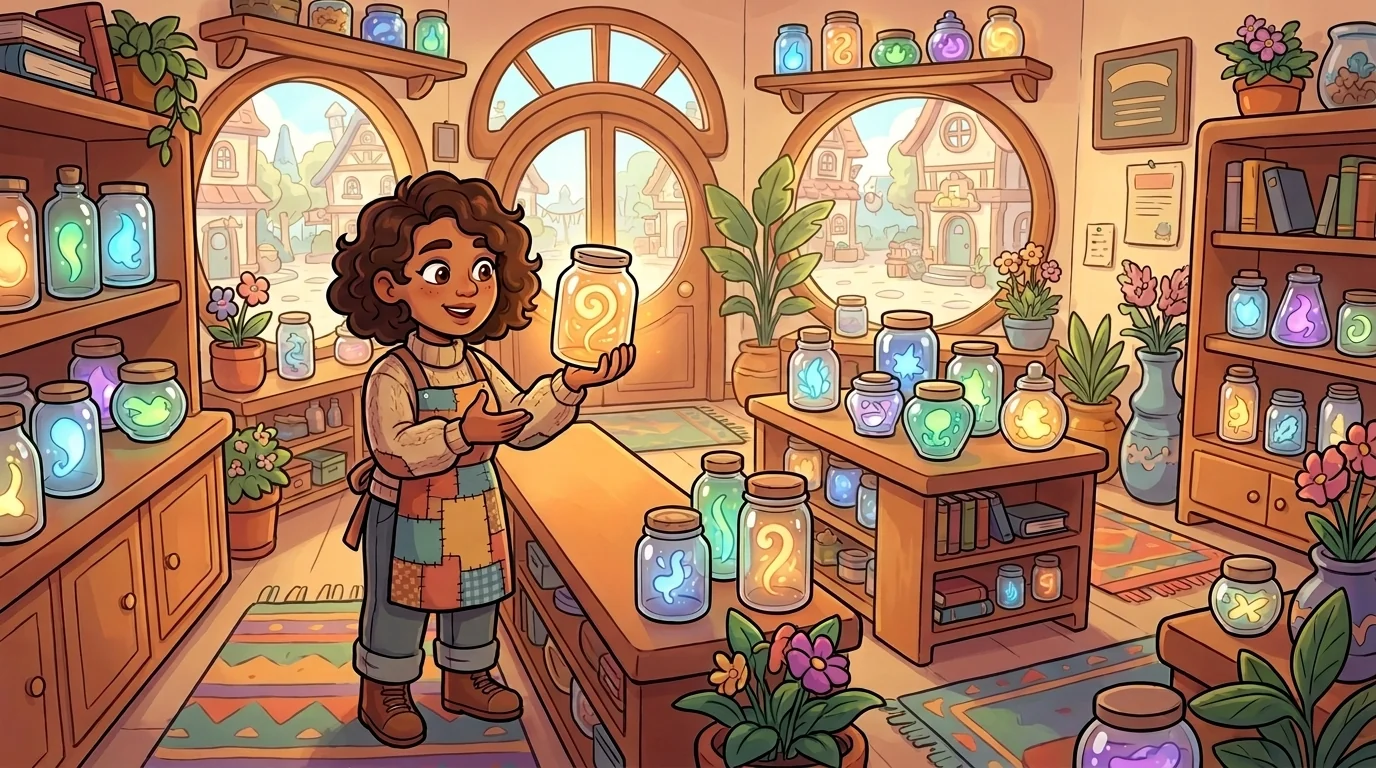
Lex was a traveling word-collector, twinkly-voiced and endlessly curious, forever moving among her glowing jars — and each jar held a single word that no other language could say in one breath. She'd lift one to the light like a firefly. "This one," she'd say, "takes a whole sentence to explain in English — a specific feeling, a certain quality of light, a kind of relationship — but in the language it comes from, it's one word. People call these 'untranslatable.' I call them treasures."
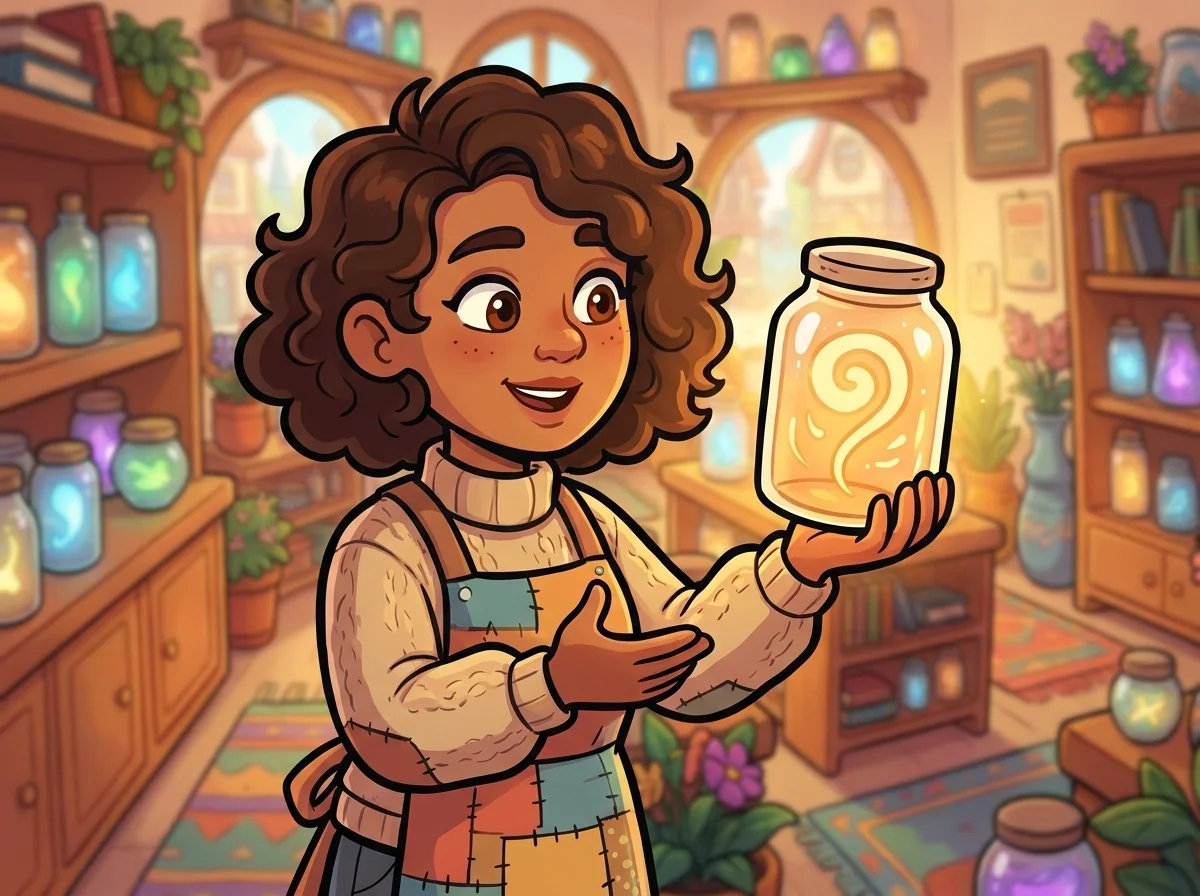
"Grown-up linguists have a precise name for what's happening," she went on, because the Advanced version trades wonder for wonder-with-a-name. "It's a lexical gap. A concept that one language has packed into a single word, and another language can only reach by paraphrase — by circling it with a whole phrase. The word isn't magic and it isn't untranslatable in meaning — you can always explain it. What's special is that one language decided this particular slice of experience was worth its own word, ready to hand, while another leaves it as a phrase you have to build fresh each time."
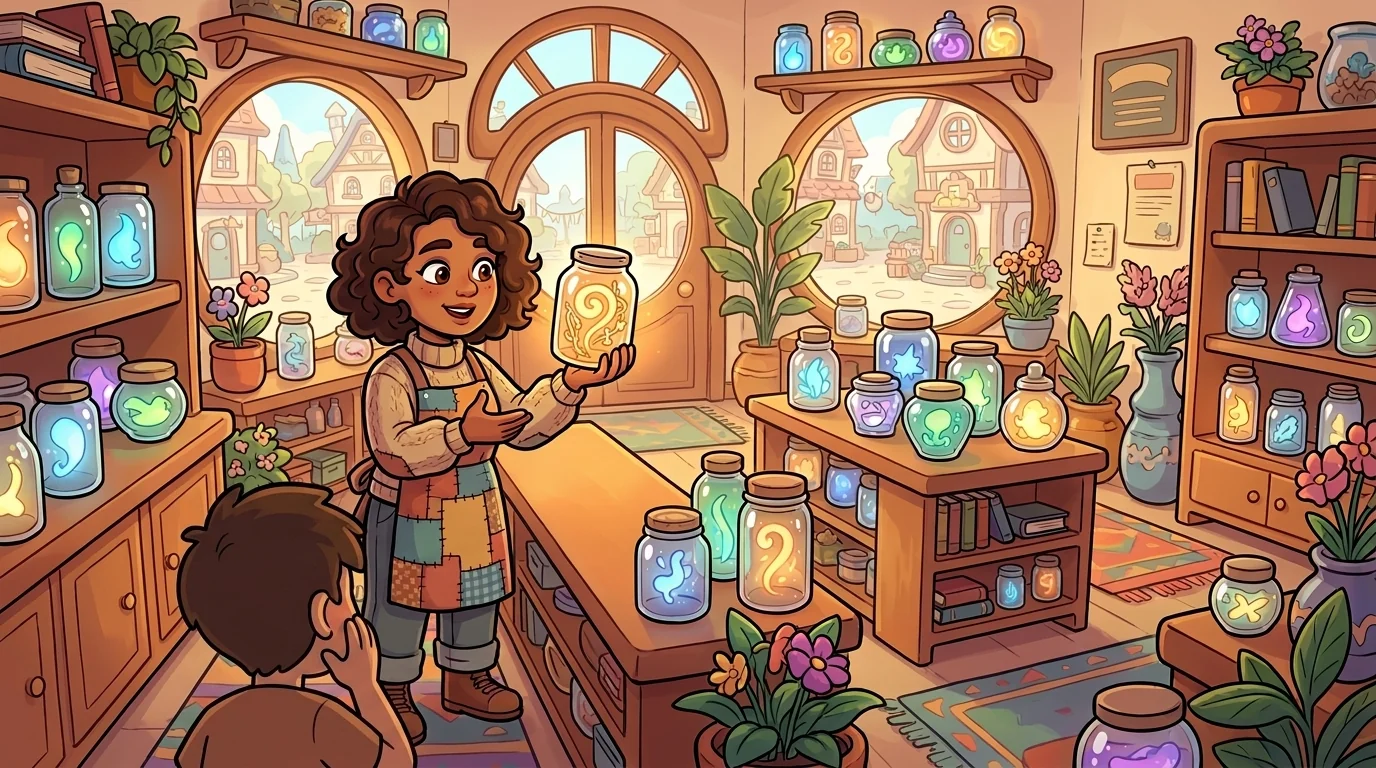
And she named why that matters more than it first seems, carefully, because this is where the idea can tip into nonsense if you're not precise. "Here's the real significance — and I'll say the careful version, because the loud version is wrong," Lex said. "Having a ready-made word for something makes it a little easier to notice, to name, and to think with — the word is a handle. Linguists call this idea linguistic relativity, and the honest, evidence-backed version is the gentle one: your language doesn't trap your mind or make a thought impossible — people feel and understand things they have no single word for all the time. But the words a language hands you nudge what's easy to reach for. A language with a precise word for a feeling makes that feeling easier to spot and share."
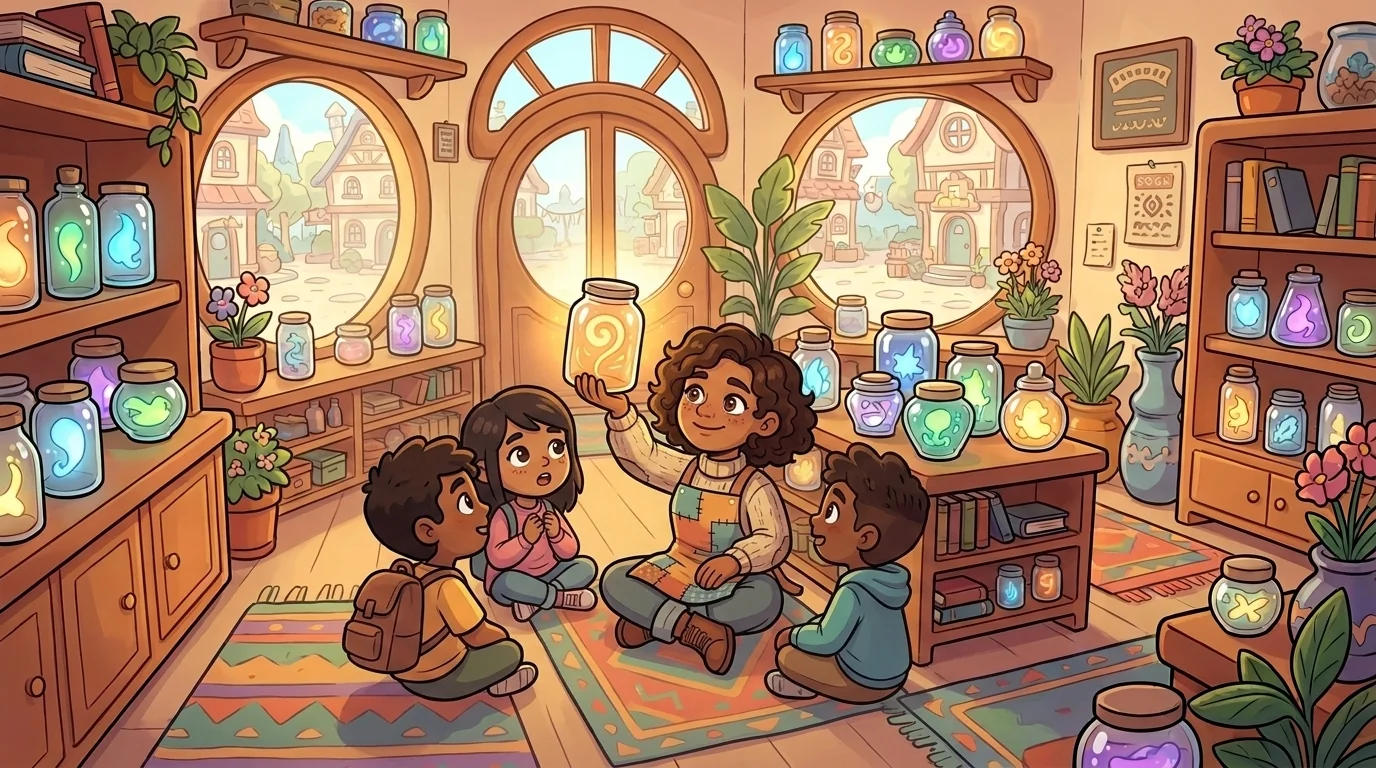
Then she guarded the gate she guards most fiercely, because untranslatable words get twisted into a ranking, and a ranking is a lie. "Now hear this, because people get it exactly backwards," Lex said, her twinkle going firm. "An untranslatable word is never proof that one language is richer and another poorer. Every language is full of these — every single one bottles feelings and moments the others can only paraphrase, and every single one paraphrases things others have a word for. It goes all directions at once. So the right feeling isn't 'my language is missing something.' It's 'look how many different ways the world's languages have chosen to notice the world.' A word you need a whole sentence for is a gift the other language is handing you — never a gap in yours."
She set the jar gently back on its shelf, where it glowed among a hundred others from a hundred tongues, none brighter than the rest. "So collect them," Lex said. "Not to rank languages — never that — but because each one is a tiny window into what some community, somewhere, decided was worth naming. A lexical gap in your language isn't a hole. It's an invitation: here's a slice of being alive that another language noticed carefully enough to give a name, and now, because you learned the word, you can notice it too. That's the whole treasure. Every language is rich. Every language is generous. And every word no other tongue can bottle is one more way of being human, kept safe in a jar, glowing."
The LinguaQuest ensemble
Lex is part of LinguaQuest's distributed-narrative cast. Each character embodies a different curricular primitive; together they teach the full subject.
-

Bough
Language families (genetic descent — Indo-European / Sino-Tibetan / Afro-Asiatic / Niger-Congo / Austronesian)
-

Drift
Sound change (phonological evolution — Grimm's Law, vowel shifts, palatalization)
-

Glyph
Writing systems (alphabetic / abjad / abugida / syllabic / logographic — and how each captures speech)
-

Bridge
Cognates and loanwords (shared roots across languages; trade-route borrowings)
-

Cant
Sociolinguistics — dialect, register, code-switching, formal/informal speech
-

Sign
Signed languages — full natural languages spoken with hands, face, and space; each Deaf community's own, never 'just gestures'
-
Swoop
Tone — pitch that changes a word's meaning (tonal languages); precise and sophisticated, never 'sing-song' or 'exotic'
-

Weft
Word order / syntax — languages arrange words differently (SVO/SOV/verb-first); no order is 'backwards,' each is complete
-

Nook
Endangered languages + revitalization — keeping fading languages safe; decline is from histories of harm, never the speakers' fault; communities lead the revival