
Nook
ENDANGERED LANGUAGES (Advanced) — a language becomes endangered when fewer children learn it as a first language. The Advanced version names the mechanism and the response: INTERGENERATIONAL TRANSMISSION is the true measure of health (a language lives when it passes parent-to-child), most endangerment traces to HISTORIES OF HARM (forced schooling, suppression) rather than natural fading, and communities respond with DOCUMENTATION (recording the language) and REVITALIZATION (bringing it back into daily and childhood use, e.g. language nests). A language is a whole way of seeing; saving one saves a world. Told with truth and hope — never pity.
Loading audio…
Press play to listen along. The line being read lights up as you go.
Show full transcript
Loading transcript…
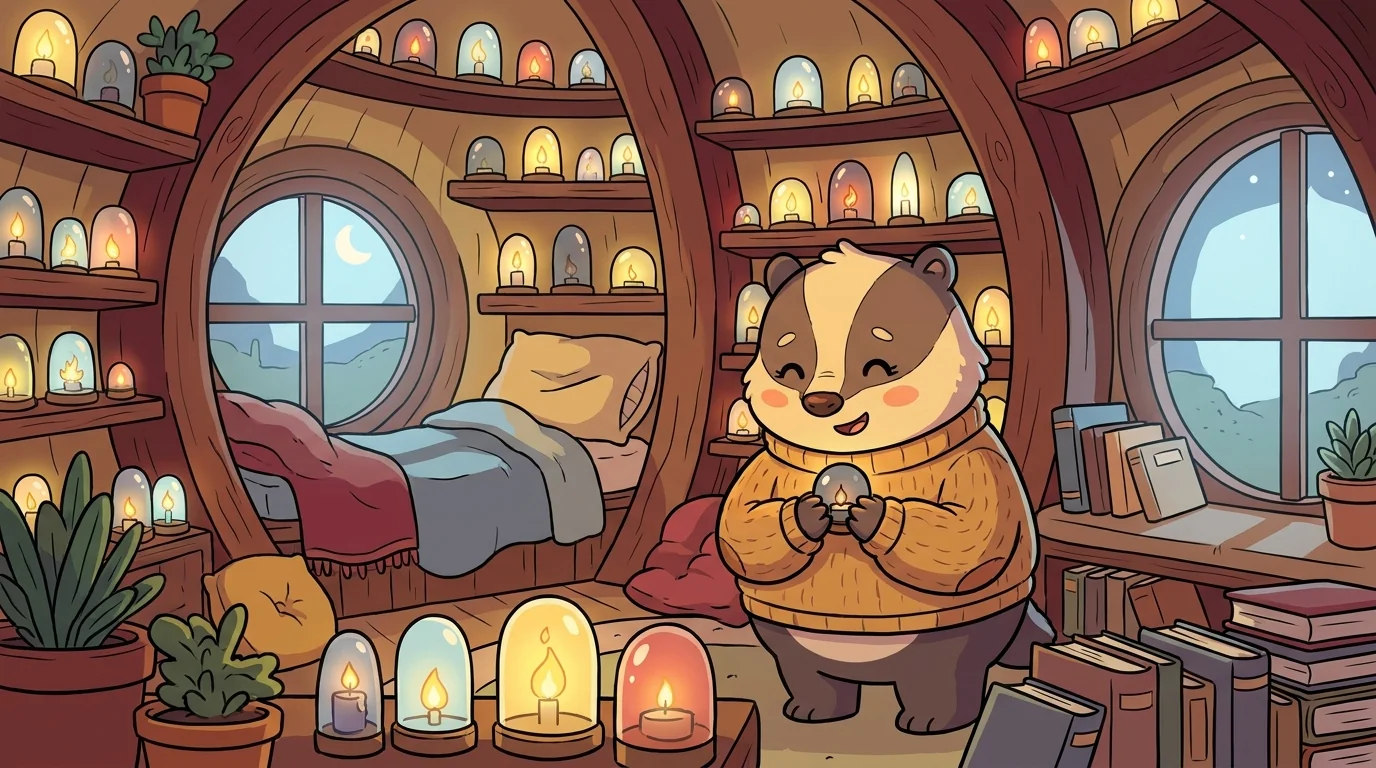
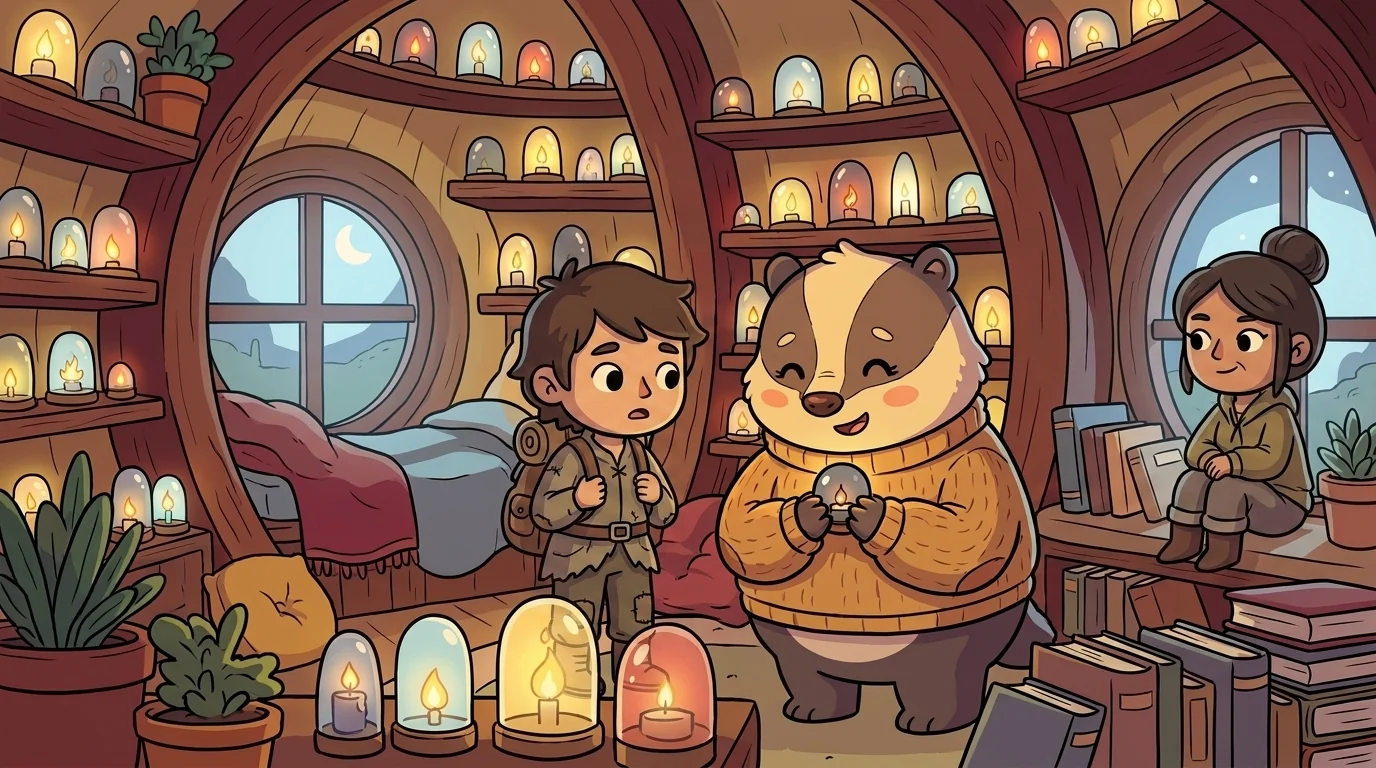
Nook was a caring keeper-creature of the world's quiet edge, gentle and watchful, and in her lamp-lit nook she tended rows of small flickering lights — each one a language spoken by fewer and fewer people. She never spoke of them sadly. "Each of these," she said, cupping a hand around a flame to steady it, "is a whole way of seeing the world — its own words, its own stories, its own way of noticing. Some are burning low. And my work — our work — isn't to mourn them. It's to help keep them lit."
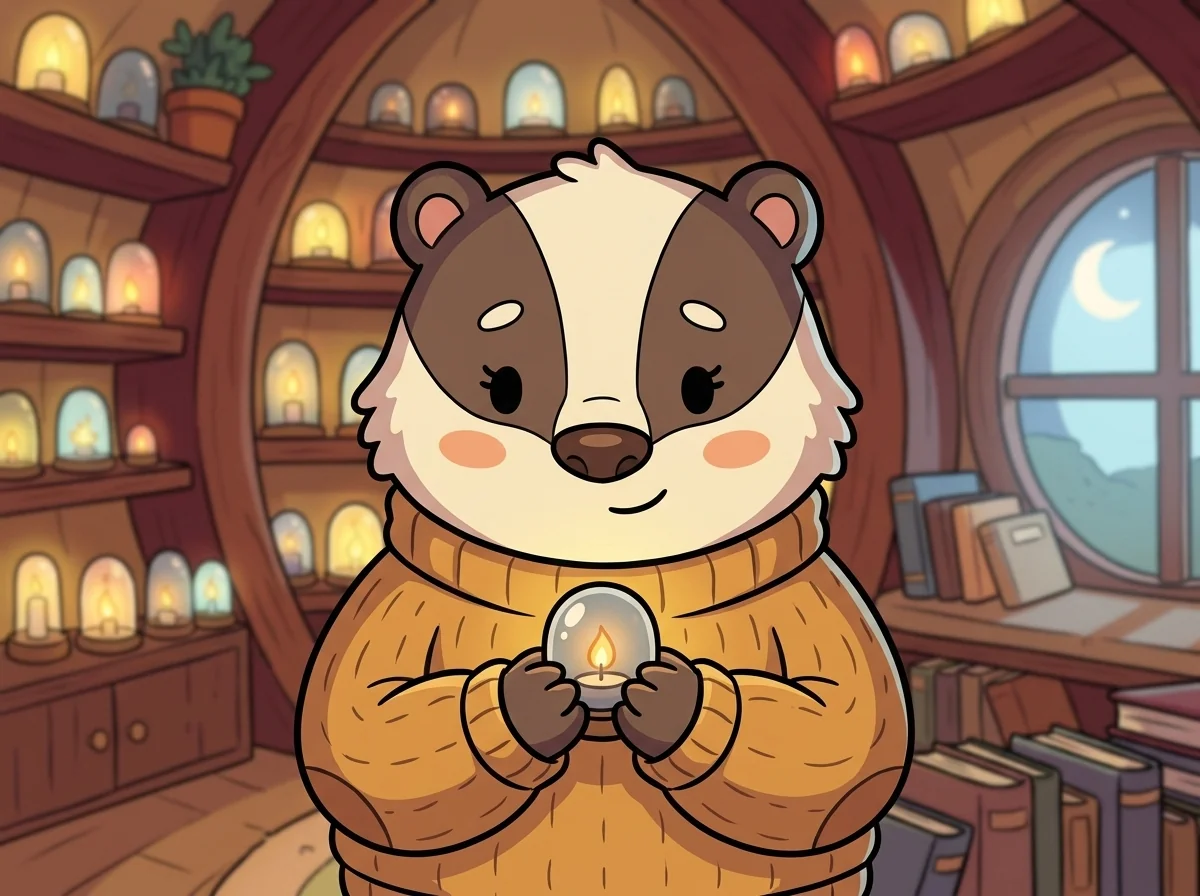
"Let me name what 'endangered' actually means, precisely," she said, because the Advanced version measures instead of just worrying. "It is not simply about how many speakers a language has. The truest measure of a language's health is intergenerational transmission — whether children are still learning it as their first language, at home, from the people who love them. A language with a million adult speakers but no children learning it is in far more danger than a small one that every child in its community still grows up speaking. A language lives when it passes from one generation to the next. It falls quiet when that passing stops — when the children learn only some other language instead."
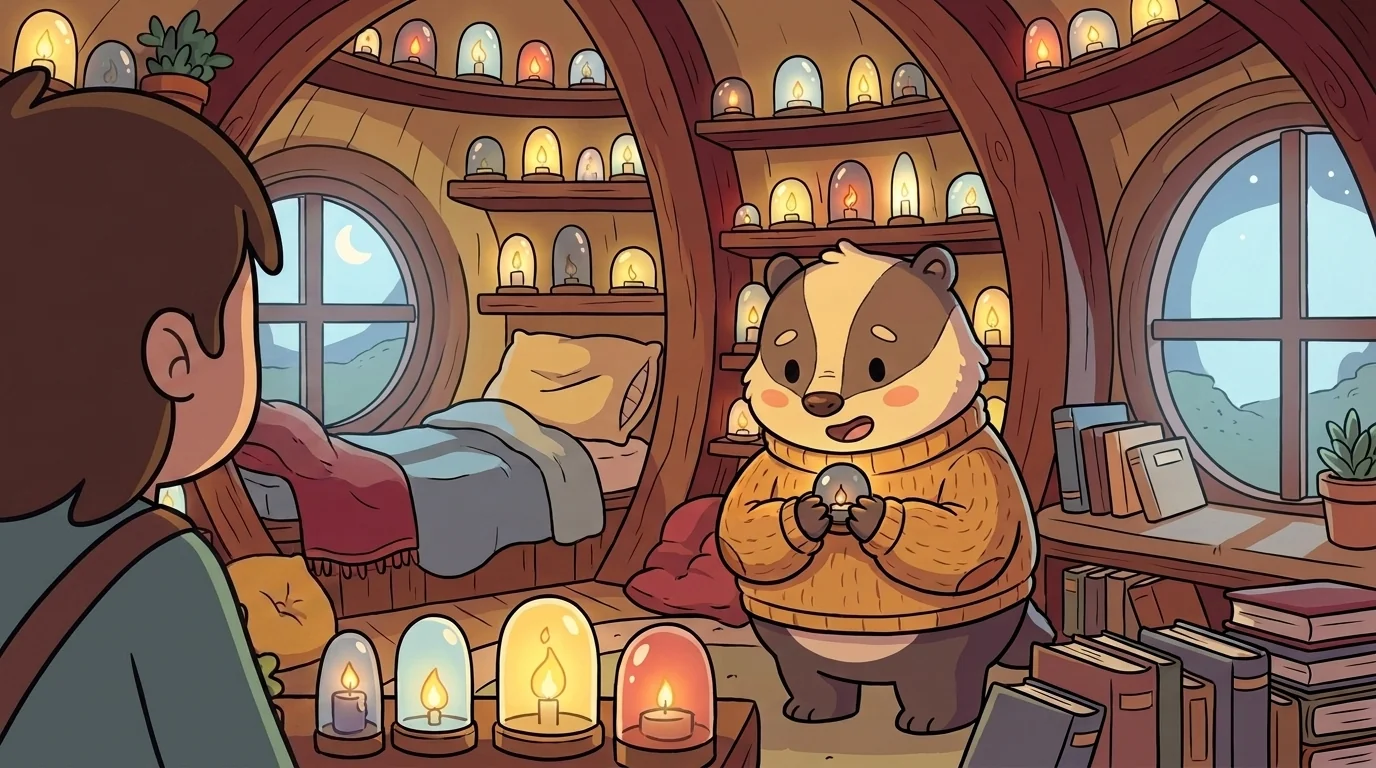
Then she told the hard truth plainly, because leaving it out would be its own kind of disrespect. "And here is the part people are sometimes tempted to soften, but shouldn't," Nook said, her voice steady. "Most endangered languages didn't just fade on their own, the way people imagine — as if it were natural, nobody's doing. Most were pushed. Through histories of harm: children taken to schools where their language was forbidden and punished, communities pressured or forced to abandon their tongue for a more powerful one. Saying that isn't dwelling on sadness — it's telling the truth about why, because you can't help bring something back if you pretend nothing knocked it down. The languages didn't fail. They were harmed."
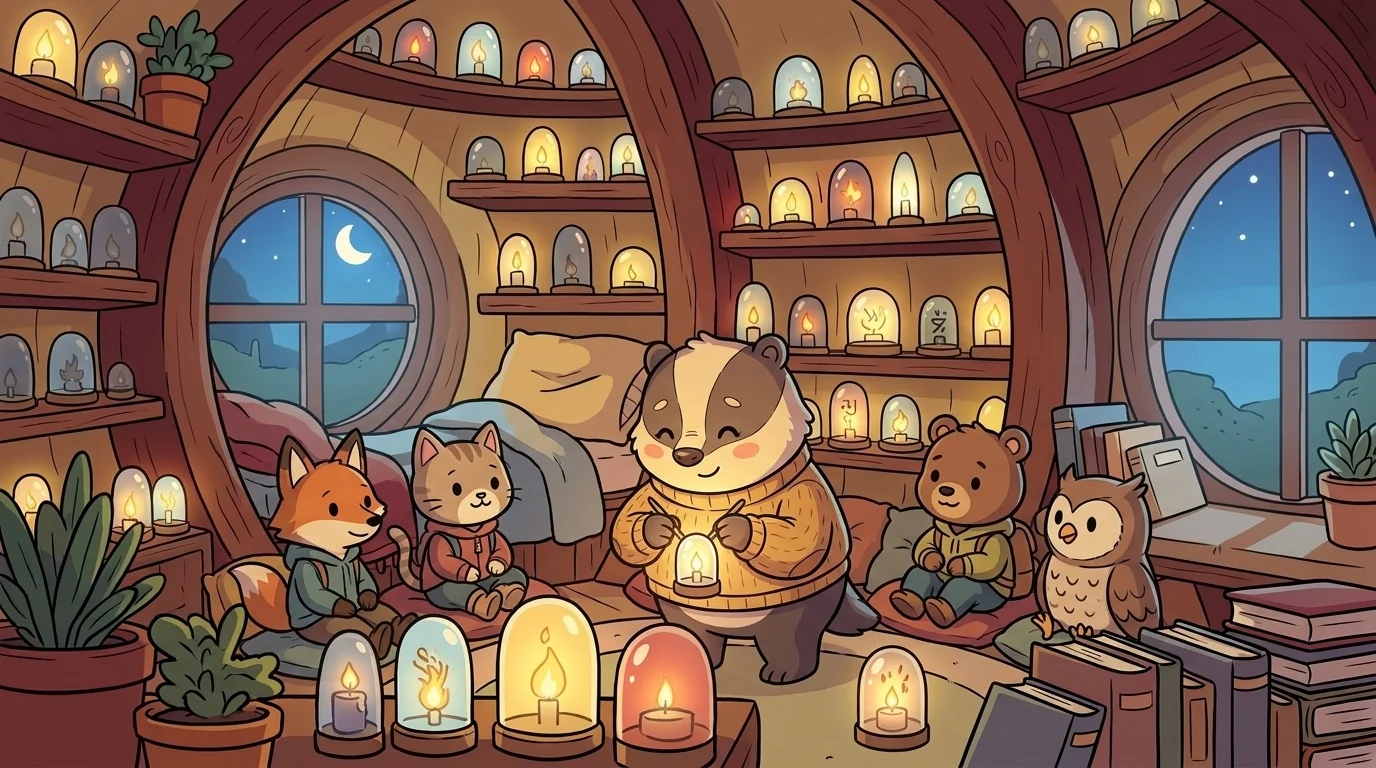
But she turned quickly and firmly to the hope, because hope is where the truth of this actually lives now. "And here is the part that matters most," Nook said, her lights seeming to brighten. "Everywhere these languages have been pushed low, communities are pushing back — and it's working. There's documentation: recording elders, writing down words and stories, so the knowledge is safe. And there's revitalization: bringing the language back into daily life and, above all, back to children. Some communities run 'language nests,' where the littlest ones spend their days immersed with fluent elders, so the language passes to a new generation again — the transmission restarts. Languages people called 'lost' have come back this way, spoken by children who are the first in generations to grow up in them."
And she gave the young ones the whole of it, gently but with her chin up. "So here's how to hold this," Nook said. "Never with pity. Pity looks down — it feels sorry for a community and then does nothing. What these communities deserve is respect, and what they're doing deserves your standing with them. A language isn't a museum piece to feel wistful about. It's a living thing a community is actively, stubbornly, hopefully keeping alive — its way of seeing, its jokes, its lullabies, its name for the thing no other language has a word for. When a language comes back, a whole world comes back with it. That's why I keep the lights. Not to grieve the low ones — to help them climb again. Truth about how they were dimmed. Hope, and hands, for how they rise."
The LinguaQuest ensemble
Nook is part of LinguaQuest's distributed-narrative cast. Each character embodies a different curricular primitive; together they teach the full subject.
-
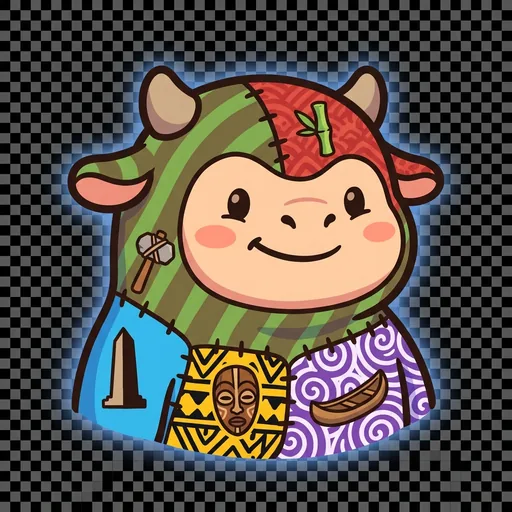
Bough
Language families (genetic descent — Indo-European / Sino-Tibetan / Afro-Asiatic / Niger-Congo / Austronesian)
-
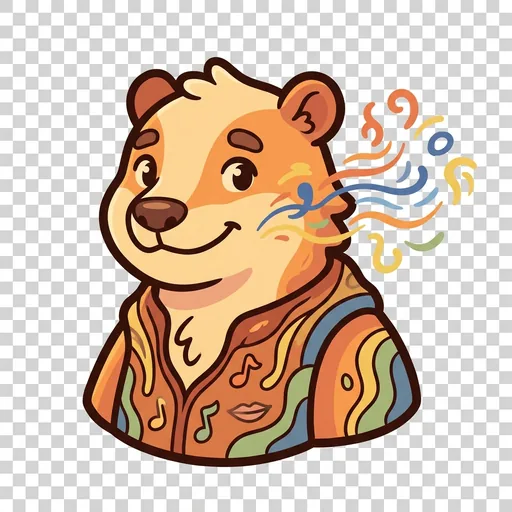
Drift
Sound change (phonological evolution — Grimm's Law, vowel shifts, palatalization)
-

Glyph
Writing systems (alphabetic / abjad / abugida / syllabic / logographic — and how each captures speech)
-
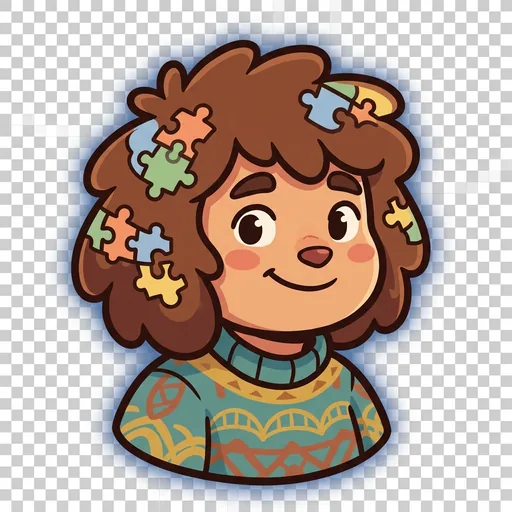
Bridge
Cognates and loanwords (shared roots across languages; trade-route borrowings)
-
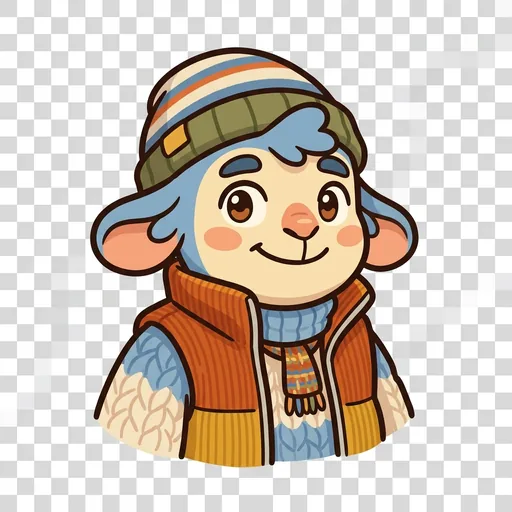
Cant
Sociolinguistics — dialect, register, code-switching, formal/informal speech
-
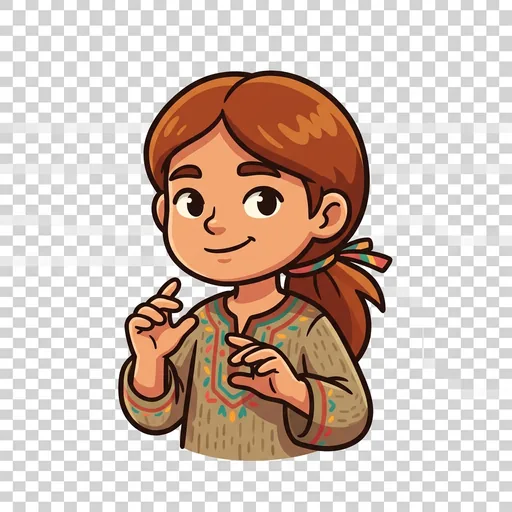
Sign
Signed languages — full natural languages spoken with hands, face, and space; each Deaf community's own, never 'just gestures'
-
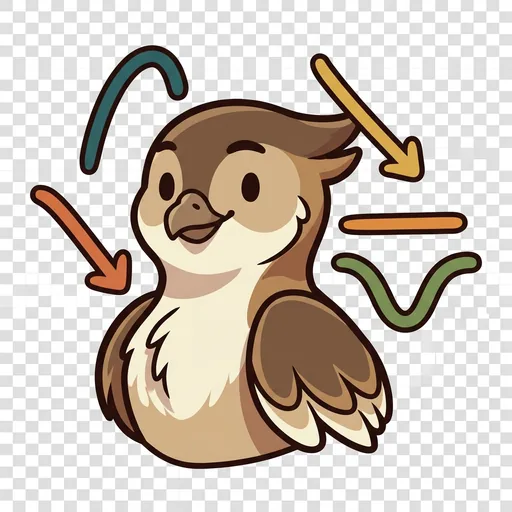
Swoop
Tone — pitch that changes a word's meaning (tonal languages); precise and sophisticated, never 'sing-song' or 'exotic'
-
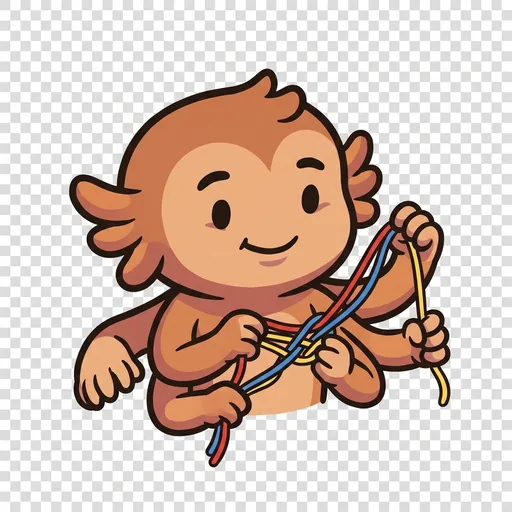
Weft
Word order / syntax — languages arrange words differently (SVO/SOV/verb-first); no order is 'backwards,' each is complete
-
Lex
Untranslatable words — words no other language has in one breath; not a gap in your language but a gift another can offer