
Sign
SIGNED LANGUAGES (Advanced) — languages produced with the hands, face, and space instead of sound. The Advanced version names why they are FULL natural languages: they have their own PHONOLOGY (built from handshape, location, movement, palm orientation, and facial expression — the sub-parts that combine like sounds), their own GRAMMAR that uses SPACE and simultaneity in ways speech can't, and their own poetry. They are NOT gesture, NOT mime, and NOT a hand-spelled version of the surrounding spoken language — each Deaf community has its own distinct signed language with no one-to-one map to any spoken one.
Loading audio…
Press play to listen along. The line being read lights up as you go.
Show full transcript
Loading transcript…
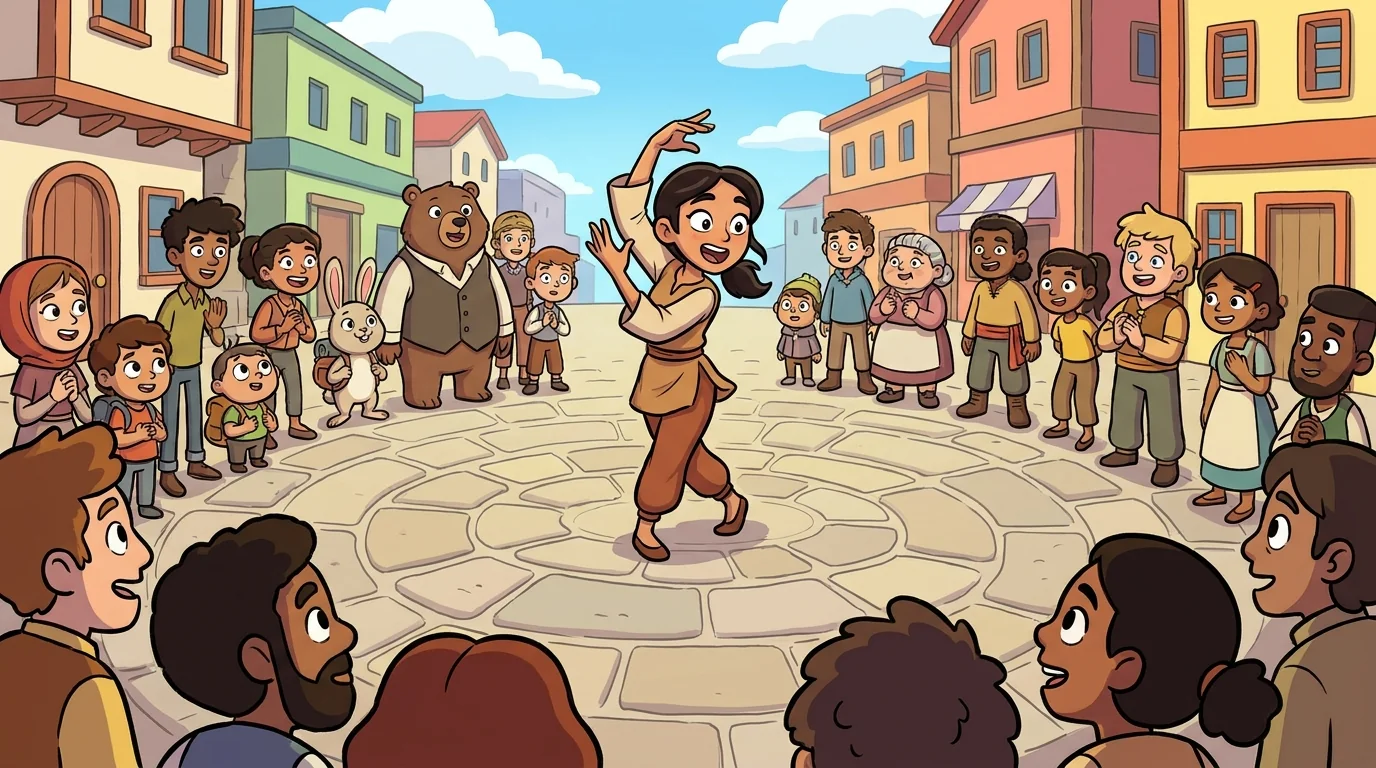
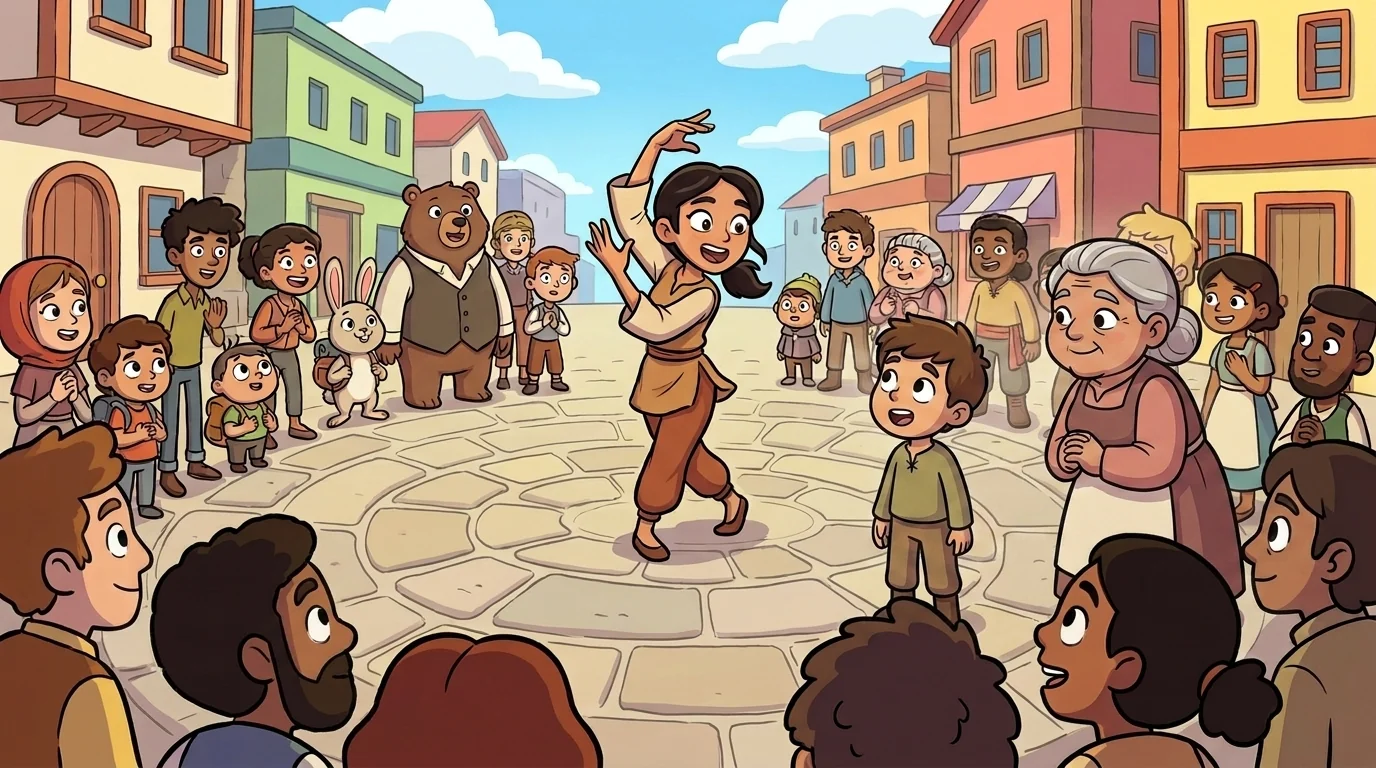
Sign had expressive hands and a face that moved like weather, and she could tell a whole story in perfect silence, shaping it out of motion and space. "My language doesn't use sound at all," she said, her hands drawing the words as she spoke them. "It lives in the hands, the face, and the space around me. And the first thing to understand — the thing people get wrong most — is that it is a full, complete language, every bit as rich as any spoken one. Not gestures. Not mime. A language."
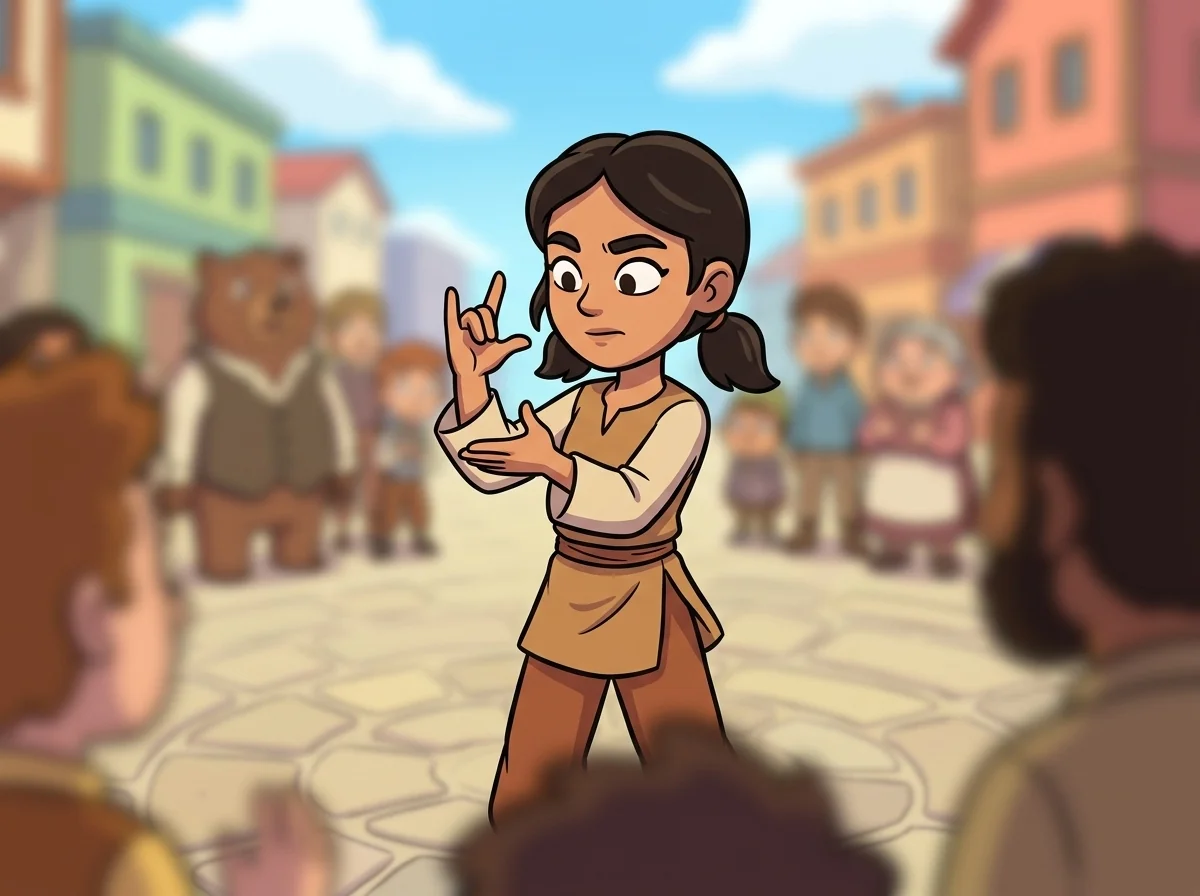
"Let me show you it has parts, the way spoken words do," she said, because the Advanced version proves the point with structure. "A spoken word is built from smaller pieces — the sounds you swap to turn 'bat' into 'pat.' A signed word is built the same way, from its own set of pieces: the handshape you use, the location where you sign it, the movement it makes, the way your palm faces, and the facial expression riding along with it. Change just one of those — the same movement at a different location, or the same shape with a different palm — and you've made a different word. Linguists call this system a signed language's phonology. Yes — a silent language has a phonology, because phonology was never really about sound. It's about the small contrasting parts that build words, and signed languages have them fully."
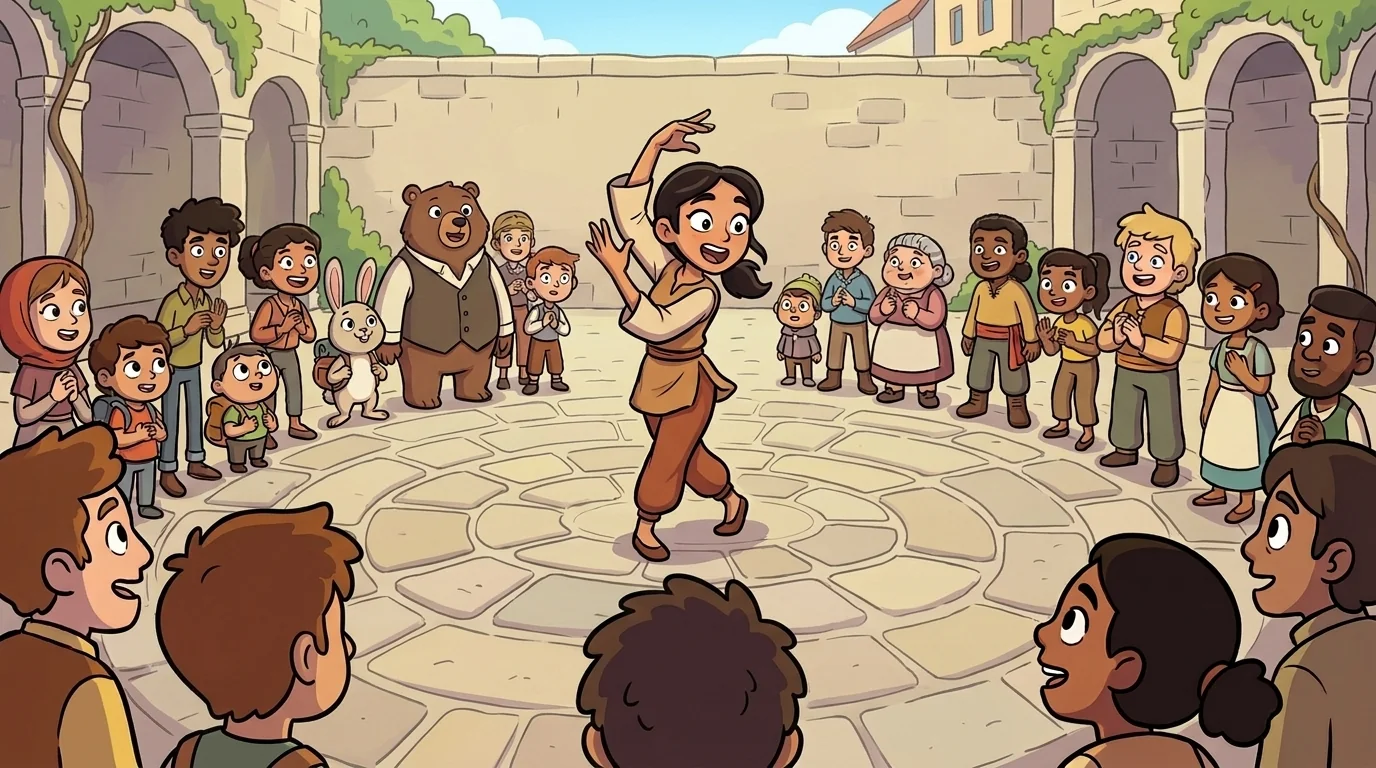
Then she opened her arms to the space around her, because this is where signed languages do something spoken ones simply can't. "And the grammar uses space," Sign said. "I can set a person here, on my right, and a second person there, on my left, and then show exactly who did what to whom just by the direction my hands travel between them — no separate words needed. I can show two things happening at the same time with my two hands at once, where a spoken language has to say them one after another. The grammar isn't spoken grammar wearing gloves. It's its own system, built to use the two things speech doesn't have: space and simultaneity."
Now she gently corrected the errors she corrects most often, because respect lives in the details. "So let me retire a few wrong ideas," Sign said, kindly but firmly. "It is not 'just gestures' — gestures are the loose hand-waving everyone does; a signed language is a structured system with phonology and grammar. It is not mime — mime paints a picture, but a signed word is a fixed word, not a drawing. And — this is the big one — it is not a hand-spelled version of the spoken language around it. My signed language is its own language, with its own grammar that often looks nothing like the local spoken one. Fingerspelling — spelling a word letter by letter — exists, but it's a small tool inside the language, not the language itself."
And she landed it on the truth that matters most, hands settling into stillness. "Here's the part to carry," Sign said. "There isn't one signed language for the whole world, any more than there's one spoken one. Deaf communities in different places have their own distinct signed languages — full, separate tongues, each grown by its own community, often unrelated to the spoken language next door and unrelated to each other. They have their own idioms, their own humor, their own poetry that plays with handshape and rhythm the way spoken poets play with sound. So when you see someone signing, you're not watching 'speech with hands.' You're watching a complete human language — one of many — carried in motion and space. Full stop."
The LinguaQuest ensemble
Sign is part of LinguaQuest's distributed-narrative cast. Each character embodies a different curricular primitive; together they teach the full subject.
-
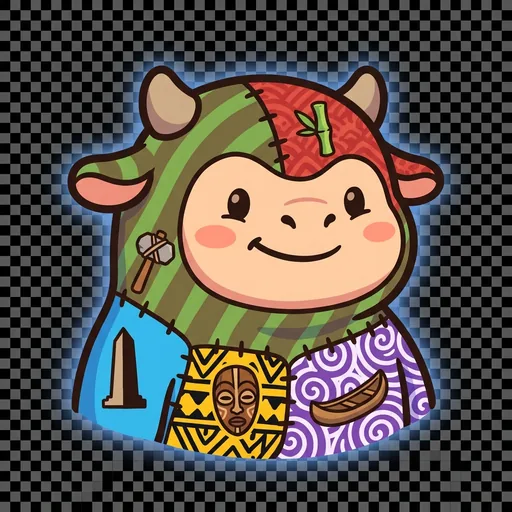
Bough
Language families (genetic descent — Indo-European / Sino-Tibetan / Afro-Asiatic / Niger-Congo / Austronesian)
-
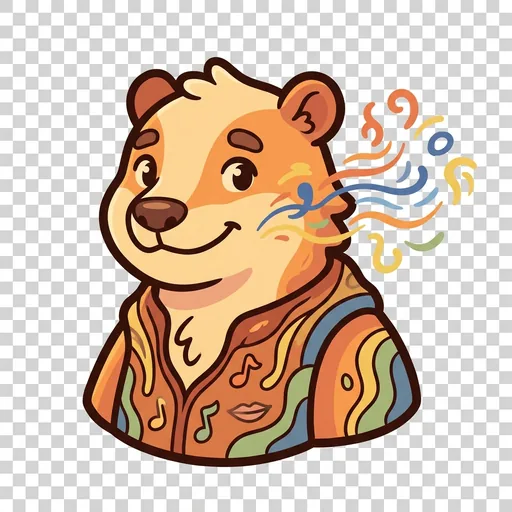
Drift
Sound change (phonological evolution — Grimm's Law, vowel shifts, palatalization)
-
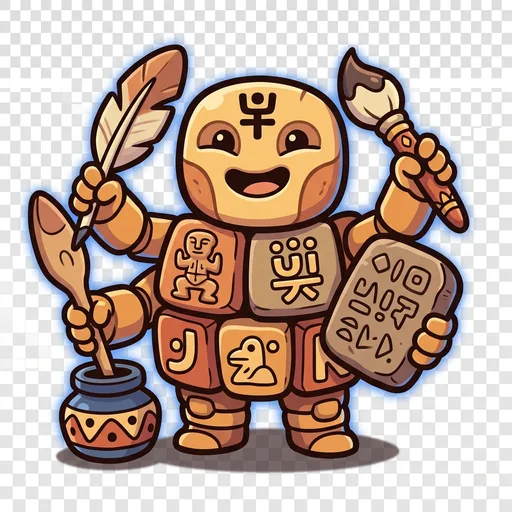
Glyph
Writing systems (alphabetic / abjad / abugida / syllabic / logographic — and how each captures speech)
-
Bridge
Cognates and loanwords (shared roots across languages; trade-route borrowings)
-
Cant
Sociolinguistics — dialect, register, code-switching, formal/informal speech
-
Swoop
Tone — pitch that changes a word's meaning (tonal languages); precise and sophisticated, never 'sing-song' or 'exotic'
-
Weft
Word order / syntax — languages arrange words differently (SVO/SOV/verb-first); no order is 'backwards,' each is complete
-
Lex
Untranslatable words — words no other language has in one breath; not a gap in your language but a gift another can offer
-

Nook
Endangered languages + revitalization — keeping fading languages safe; decline is from histories of harm, never the speakers' fault; communities lead the revival