
Words We Have No Word For
WORDS WE HAVE NO WORD FOR (Advanced) — untranslatable words and endangered languages are the same treasure seen twice. The Advanced version braids them: each language holds unique LEXICALIZED concepts (Lex's lexical gaps) — and those concepts live only as long as the language does (Nook's intergenerational transmission). So an endangered language isn't just fewer speakers; it's the potential LOSS of ways-of-seeing that exist NOWHERE ELSE. Documentation and revitalization protect not just words but the distinct noticings they carry. Truth + hope, never pity; every language equally a treasury.
Loading audio…
Press play to listen along. The line being read lights up as you go.
Show full transcript
Loading transcript…
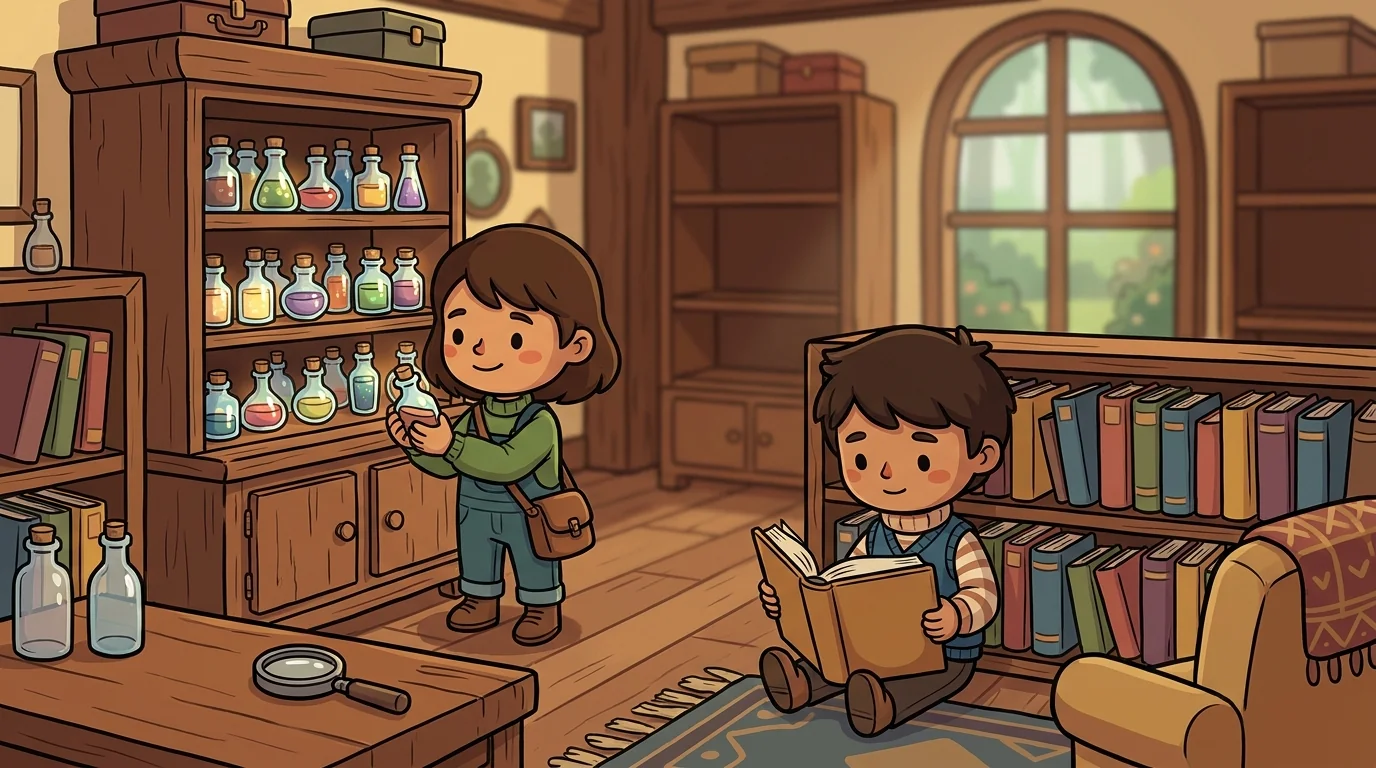
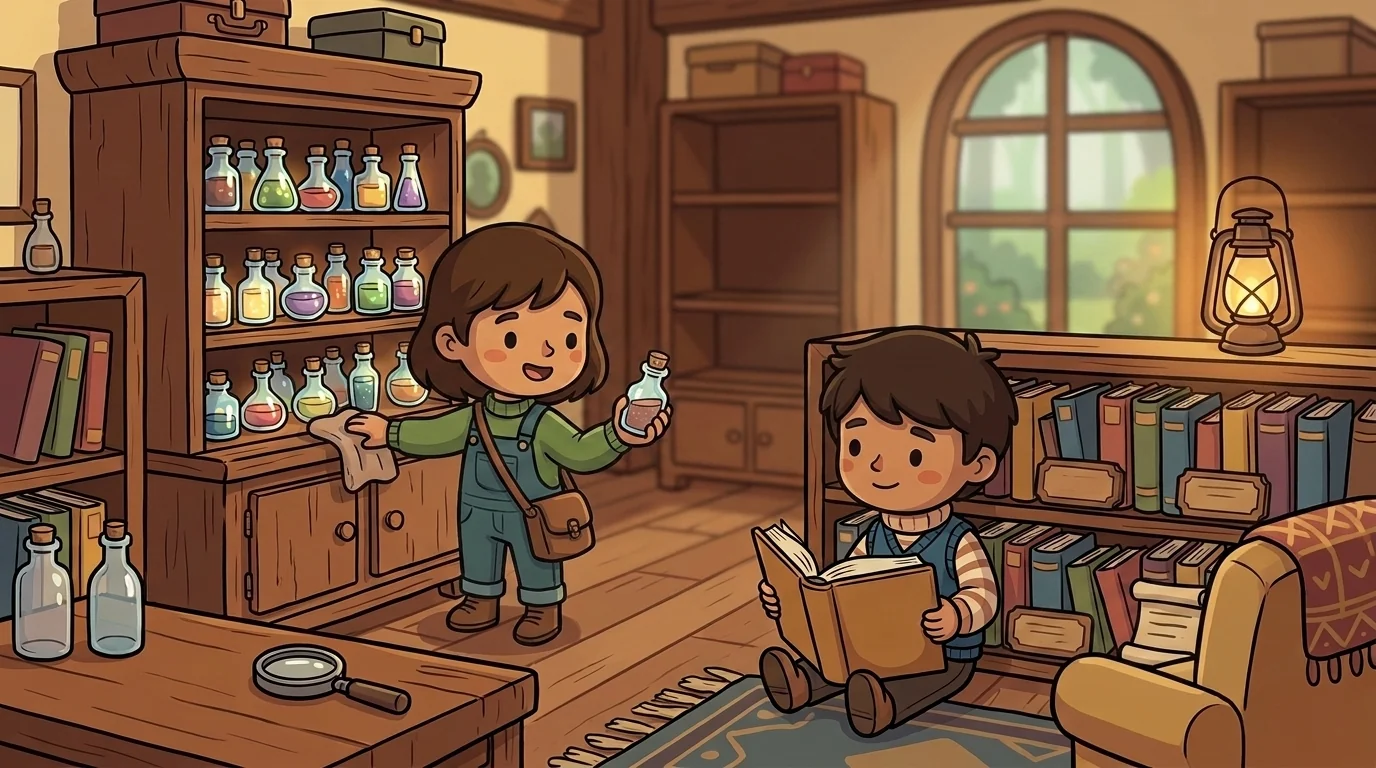
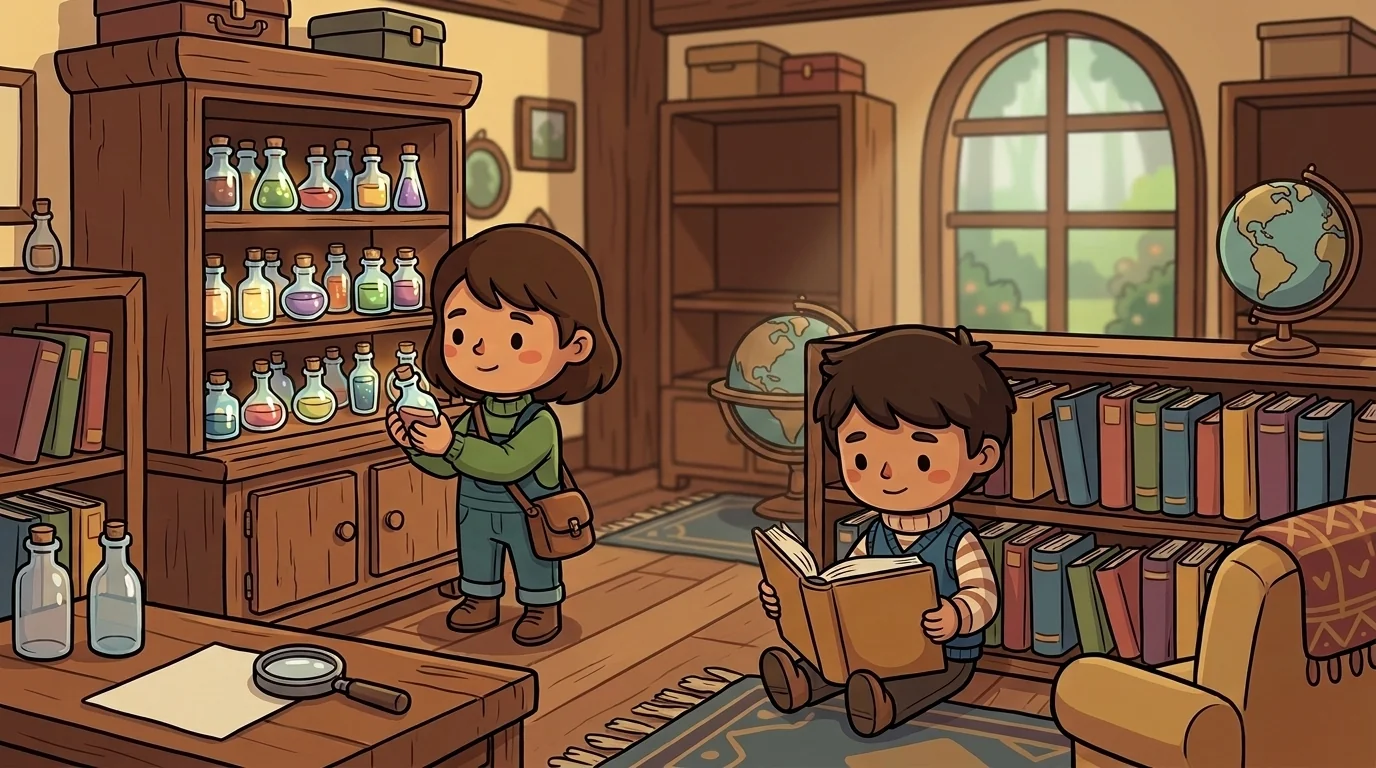
Lex the word-collector and Nook the light-keeper had always worked near each other without quite seeing they did the same work — until the evening they set a glowing jar beside a flickering light and understood. "You collect words no other language can say in one breath," said Nook. "You tend languages spoken by only a few," said Lex. "And I think," said Nook slowly, watching the jar and the flame together, "we've been protecting the same treasure from two different sides."
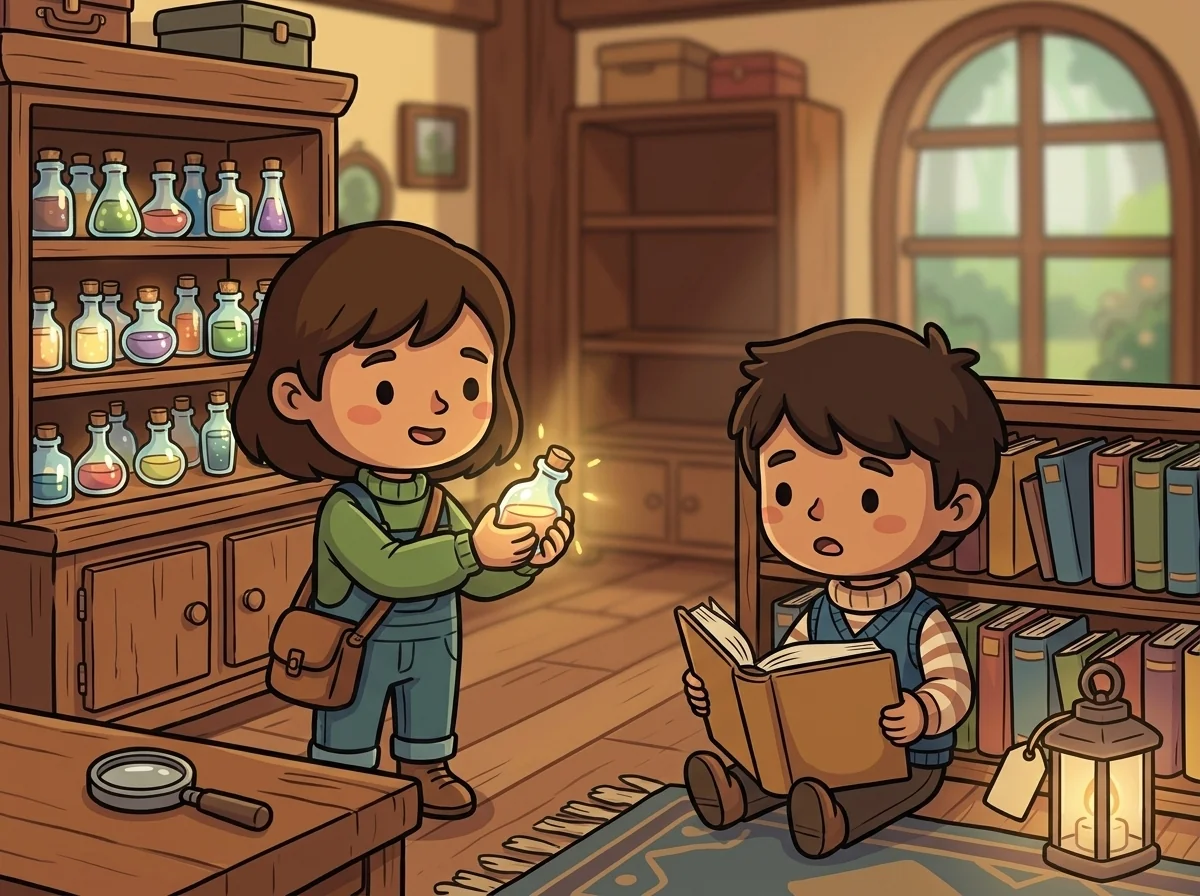
"Start with my jars," said Lex, lifting one. "Every language lexicalizes different slices of experience — packs certain feelings, moments, relationships into a single ready-made word, where another language needs a whole sentence. That's a lexical gap, and it's a gift: proof that this community noticed this particular thing carefully enough to give it a name. A word for a specific kind of light, a specific ache, a specific closeness — bottled, ready to hand, in this tongue and no other." She turned the jar, and the word inside glowed. "It's a way of seeing — made portable, made shareable — but only if the language that holds it is alive to say it."
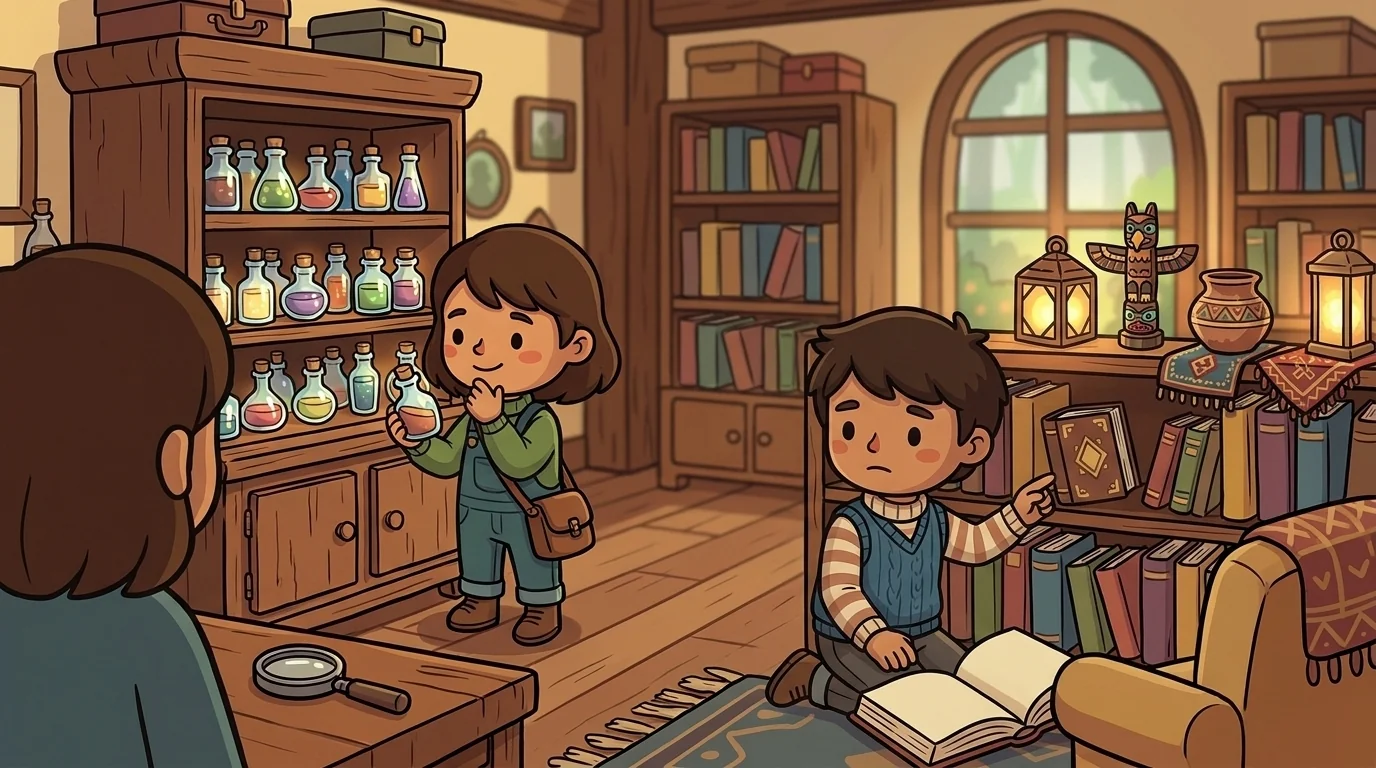
"And that," said Nook, cupping her flame, "is where my lights come in — and where the two of us are really one story. A word like Lex's doesn't float free in the air. It lives inside a language, and a language lives only through intergenerational transmission — through children growing up speaking it. So here's the thing people miss about an endangered language: it isn't only fewer speakers. Every one of these low-burning lights is a whole treasury of Lex's kind of words — unique noticings, unique names for unique slices of being alive — that exist in that language and nowhere else on Earth. When a light goes dark, it isn't one word that's lost. It's an entire way of seeing the world, with all its irreplaceable words inside."
"Which is exactly why documentation and revitalization matter so much," said Lex, setting her jar beside Nook's flame. "When a community records its elders, writes down its stories, brings its language back into daily life and back to its children — it isn't just saving a language in the abstract. It's keeping alive every one of these one-of-a-kind words, every distinct noticing, every name for the thing no other tongue ever bottled. Protect the language, and you protect the treasury. Let the language go quiet, and every treasure in it goes quiet too — not translated away, gone."
And here the two of them said the part they most wanted the young ones to carry, gently, chins up. "So hold this the right way," said Nook. "Not with pity. These aren't sad little languages to feel sorry for. Each one is a treasury — as rich as any language on Earth, holding words the biggest languages in the world can only paraphrase. Feeling sorry for them looks down. What they deserve is awe — and standing with the communities working, stubbornly and hopefully, to keep them lit." "And know this goes every direction," Lex added. "Your language is a treasury too, full of words others can't bottle. Every language is. There's no rich language and poor language — only a whole world of tongues, each noticing the world its own irreplaceable way."
They stood together, the jar and the flame side by side, one warm light between them. "That's the treasure we both guard," said Lex. "Words we have no word for," said Nook, "kept alive by the languages — and the people — brave enough to keep saying them." And the jar glowed, and the flame climbed a little higher, and neither of them, that evening, felt the smallest bit sad — only fierce, and hopeful, and glad to be standing on the same side of the same treasure.
The LinguaQuest ensemble
Words We Have No Word For is part of LinguaQuest's distributed-narrative cast. Each character embodies a different curricular primitive; together they teach the full subject.
-
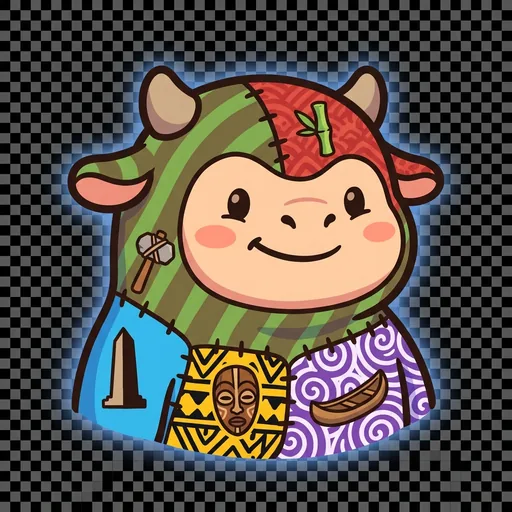
Bough
Language families (genetic descent — Indo-European / Sino-Tibetan / Afro-Asiatic / Niger-Congo / Austronesian)
-
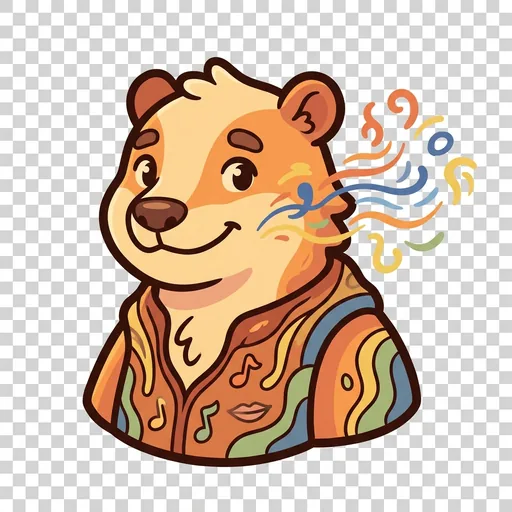
Drift
Sound change (phonological evolution — Grimm's Law, vowel shifts, palatalization)
-

Glyph
Writing systems (alphabetic / abjad / abugida / syllabic / logographic — and how each captures speech)
-
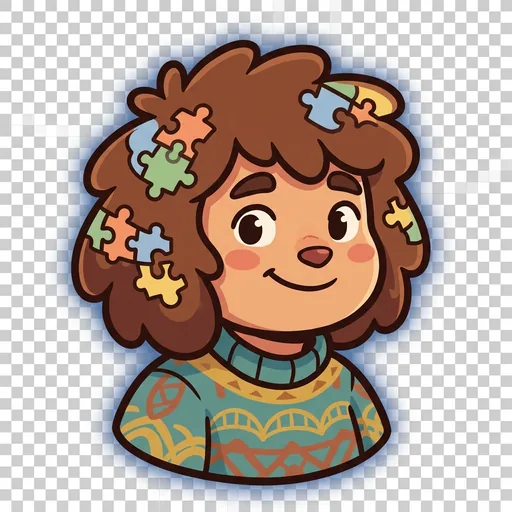
Bridge
Cognates and loanwords (shared roots across languages; trade-route borrowings)
-
Cant
Sociolinguistics — dialect, register, code-switching, formal/informal speech
-
Sign
Signed languages — full natural languages spoken with hands, face, and space; each Deaf community's own, never 'just gestures'
-
Swoop
Tone — pitch that changes a word's meaning (tonal languages); precise and sophisticated, never 'sing-song' or 'exotic'
-
Weft
Word order / syntax — languages arrange words differently (SVO/SOV/verb-first); no order is 'backwards,' each is complete
-
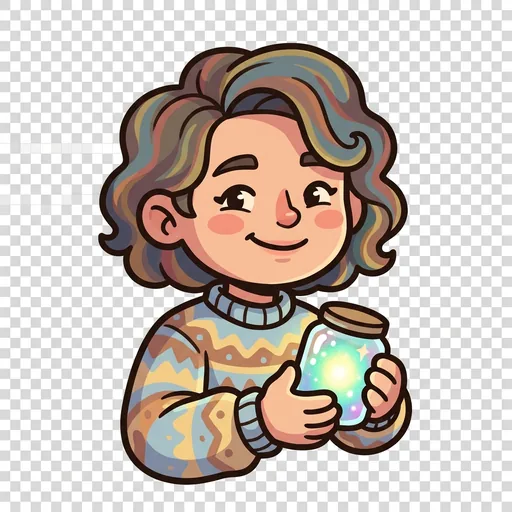
Lex
Untranslatable words — words no other language has in one breath; not a gap in your language but a gift another can offer
-

Nook
Endangered languages + revitalization — keeping fading languages safe; decline is from histories of harm, never the speakers' fault; communities lead the revival