
Forgo
FORGO — the true cost of any choice is the value of the next-best alternative you give up (opportunity cost); because time, money, and attention are all scarce, every 'yes' is also a 'no.' Naming the trade-off makes the choice deliberate, and it matters most when you have least.
Loading audio…
Press play to listen along. The line being read lights up as you go.
Show full transcript
Loading transcript…
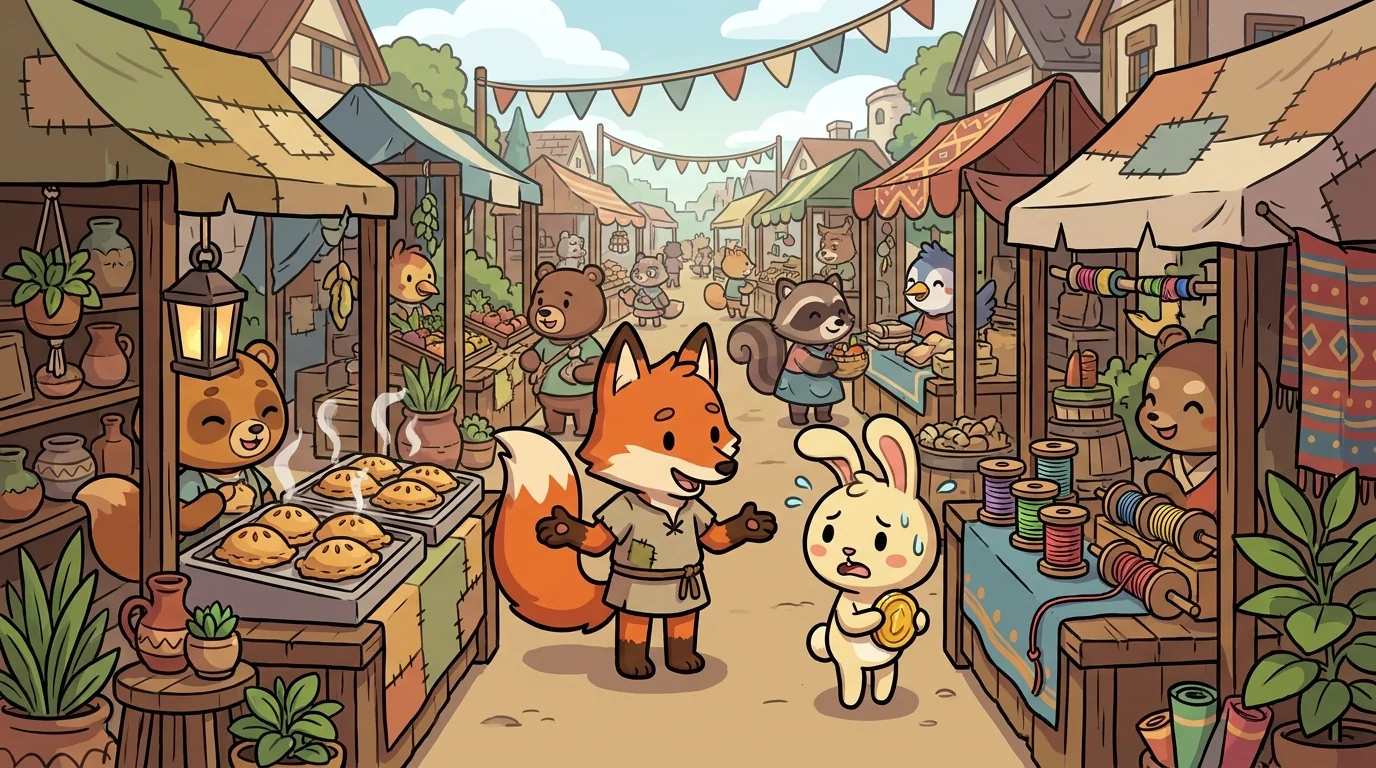
At the busy community market, a fox named Forgo was helping a flustered young rabbit who had exactly one coin and two wants: a warm hand-pie from one stall, a spool of kite-string from the next. "Just tell me which is the better deal!" the rabbit begged. "They're both fair prices," Forgo said. "That's not the hard part. The hard part is this: whichever you pick, the real cost isn't the coin — it's the other thing. Buy the pie, and its true price is the kite you don't fly today. Buy the string, and its true price is the pie you don't eat. Economists call it opportunity cost — the value of the next-best thing you give up. It never shows on the price tag, but it's the truest price there is." The rabbit stared. "So every choice costs two things — the coin, and the thing I didn't pick?" "Now you're seeing it."
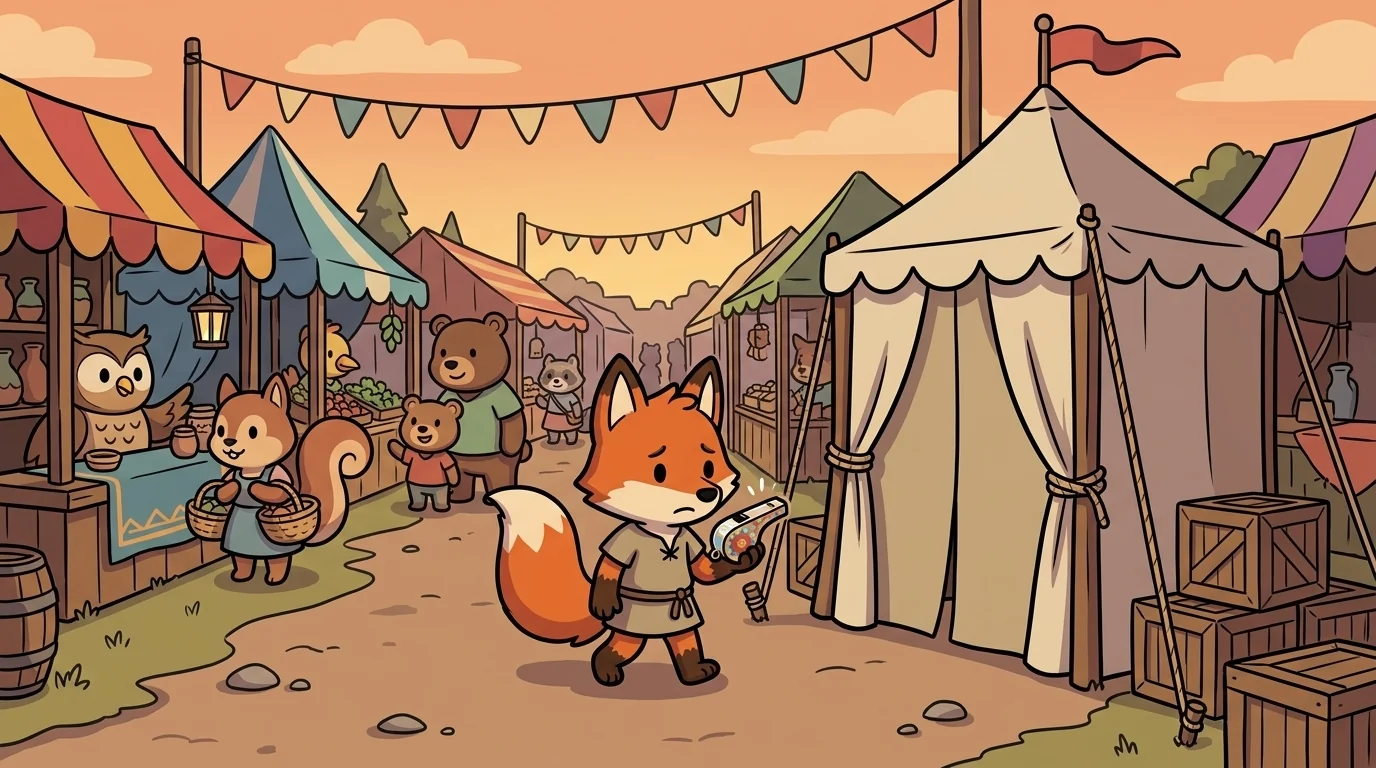
Forgo had learned the hidden price the hard way, as a kit — a single afternoon, a single coin, spent quickly on a shiny whistle, and only later passing the puppet show that had been the whole reason for coming, now sold out and packed away. The whistle was fine. But Forgo hadn't chosen the whistle over the puppet show — Forgo had grabbed the first bright thing and never looked at what the grab was costing. Standing outside the folded-up tent, Forgo felt a particular ache — not for the coin, spent fair and square, but for the thing given up without ever being weighed. The thing you didn't pick doesn't send you a bill, Forgo realized. It just quietly isn't yours. From then on, before every choice, Forgo named the road not taken aloud — so the giving-up would be a choice, not an accident.
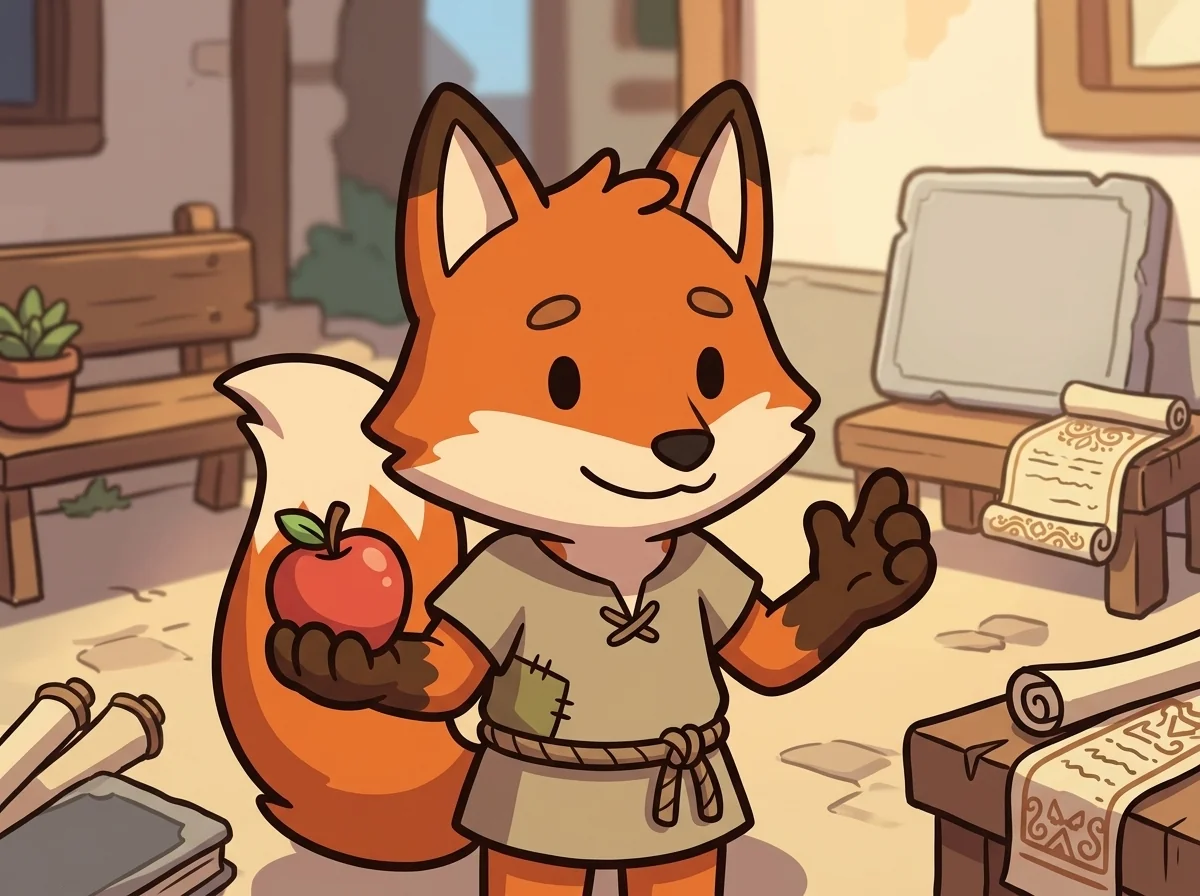
At the academy, Stake asked, "What is opportunity cost?" Forgo held up an apple and a pear. "If I choose the apple, the pear is its price. Not the coins — the pear. Every yes is also a no to something, and the opportunity cost is that no, made visible. And here's why it exists at all: scarcity. Time, coins, attention — they all run out, so choosing one use always means forgoing another. There's no such thing as a free choice; there's only a choice whose cost you've named, or one whose cost you're ignoring." Forgo set the pear down deliberately — "I am giving up the pear" — then took the apple. "Now the choice is honest. I didn't just gain an apple; I know exactly what it cost." Stake nodded the way someone nods at a thing simply true. "You are appointed."
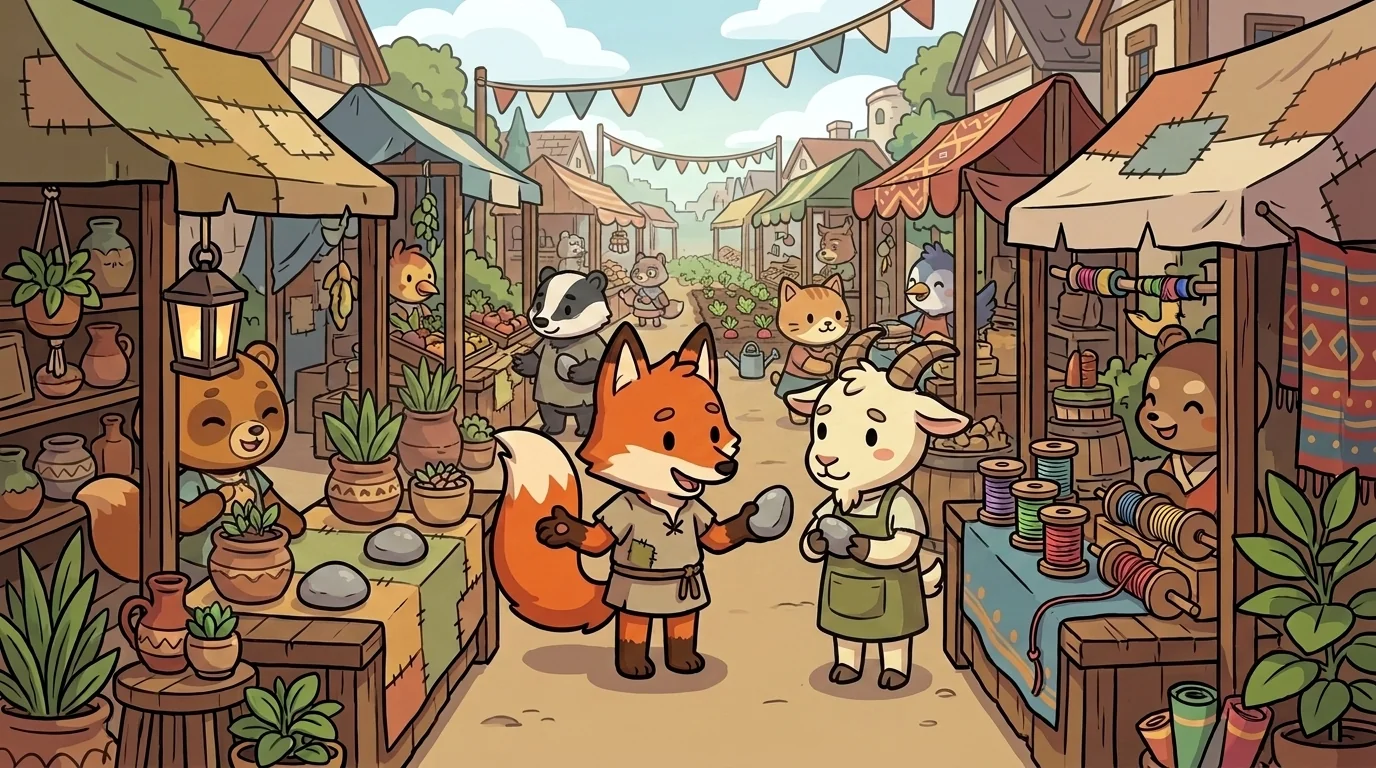
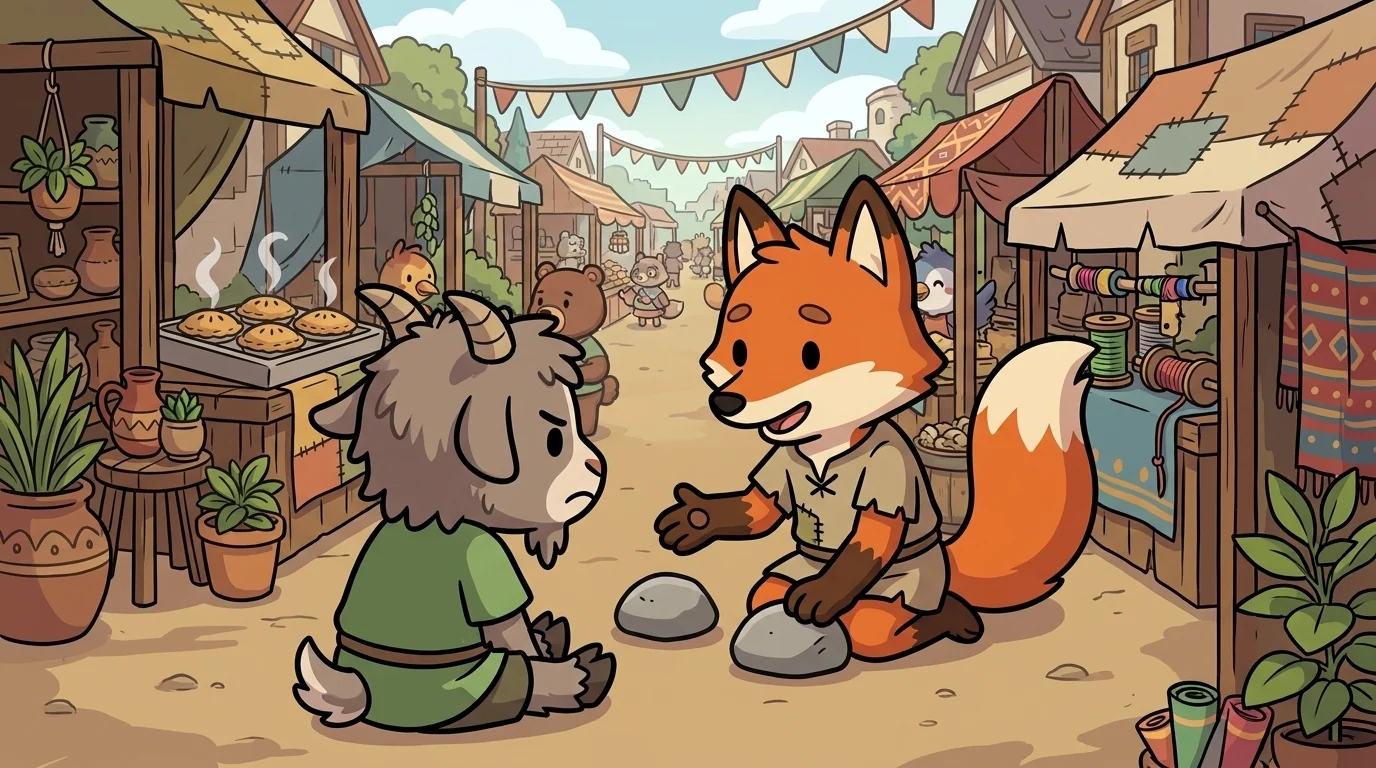
A young goat kicked the dirt, frustrated. "If I have to think about everything I'm not buying every time I buy anything, I'll never enjoy anything! And besides — some people barely have a choice at all. Isn't this a rich kid's game?" Forgo sat down, gentle. "That last part matters, so hear me first. Opportunity cost isn't about how much you have — it's about the fact that resources run out for everyone, at every size of purse. Naming what you give up isn't a fancy game for people with lots to spend. It's most useful when you have little, because then every trade-off counts double, and you deserve to make it on purpose instead of by accident. It was never a judgment about who has more; it's a tool that belongs to everybody." Forgo picked up two stones. "And you don't have to weigh everything — just the choices that matter. Name the next-best thing, once, out loud, then choose and let the other go." The goat stopped kicking. "So it's not about feeling bad for what I give up. It's about choosing on purpose." "Choosing on purpose," Forgo agreed. "That's the whole of it."
Later the goat said last month they'd used market coins on garden seeds instead of a game — thought about the game, planted the seeds anyway, and now there was food coming up and it didn't feel like a loss. "That's the quiet gift hiding in all this," Forgo said warmly. "When you name what you give up and choose anyway, you stop feeling robbed by your own decisions. You feel steady about them — full, not cheated. Naming the cost doesn't make choosing sadder. It makes it yours — and a choice that's truly yours sits easy, long after the coin is spent." The goat took a stone and went to weigh a trade-off that mattered.
The MarketQuest ensemble
Forgo is part of MarketQuest's distributed-narrative cast. Each character embodies a different curricular primitive; together they teach the full subject.
-
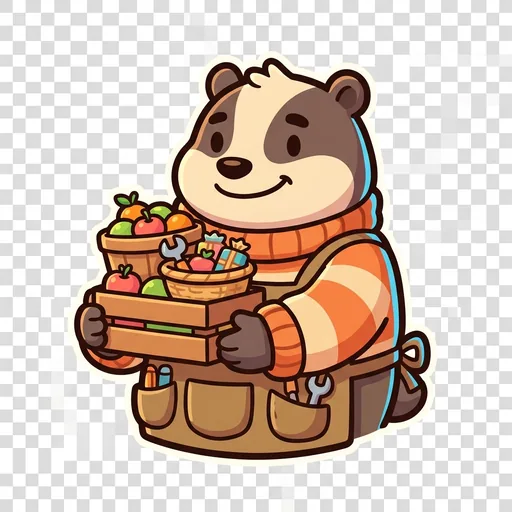
Stock
Supply — producer decisions, scarcity, what gets brought to market
-

Crave
Demand — consumer preferences, needs vs wants, price-sensitivity
-

Even
Price equilibrium — where supply meets demand, the conversation point
-
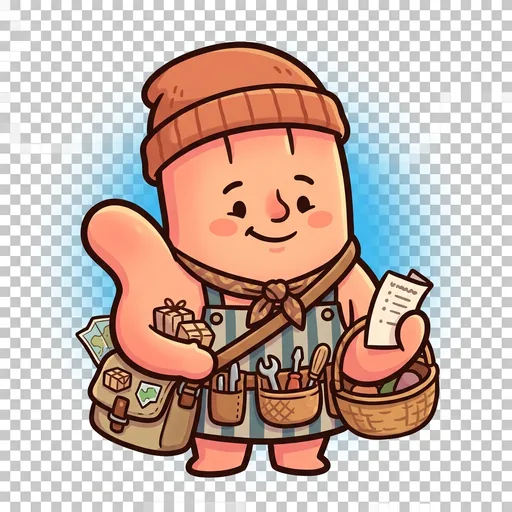
Hand
Market roles — producer + consumer + distributor, visible labor
-

Tide
Market events — shocks + policy + trade flows read as patterns
-
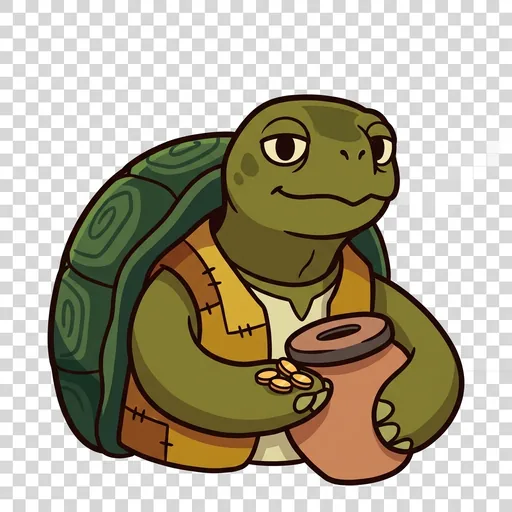
Seed
Saving + interest — set a little aside on purpose; patience grows a small store into a larger one; tortoise with a clay saving-jar
-

Knack
Specialization + trade — do the thing you do best, trade for the rest, and both sides end up with more; beaver brokering bread-for-baskets
-
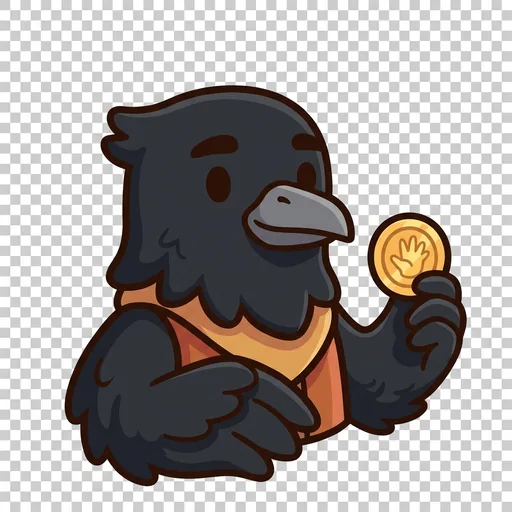
Coin
Money as a medium of exchange — a trusted token that lets any trade happen without a perfect match; crow unsticking a barter jam
-
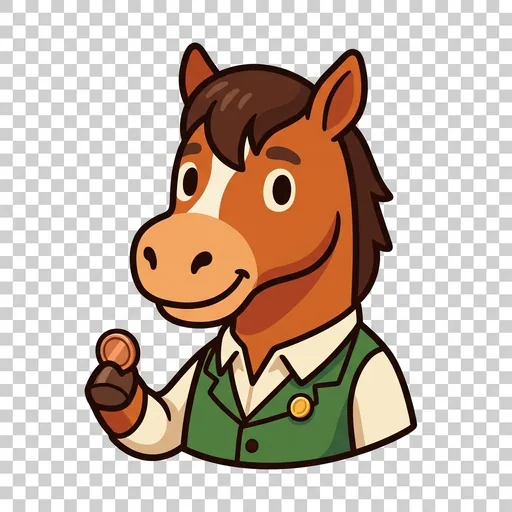
Spur
Incentives — people move toward rewards and away from costs; change the nudge, change the choice; horse aiming small fair nudges