
Spur
SPUR — people respond to incentives (rewards and costs at the margin), often without noticing; change the incentive and you change the choice. But people follow the incentive you ACTUALLY build, not the one you meant — so a badly-aimed reward produces perverse results. A fair incentive is honest, open, and needn't be money.
Loading audio…
Press play to listen along. The line being read lights up as you go.
Show full transcript
Loading transcript…
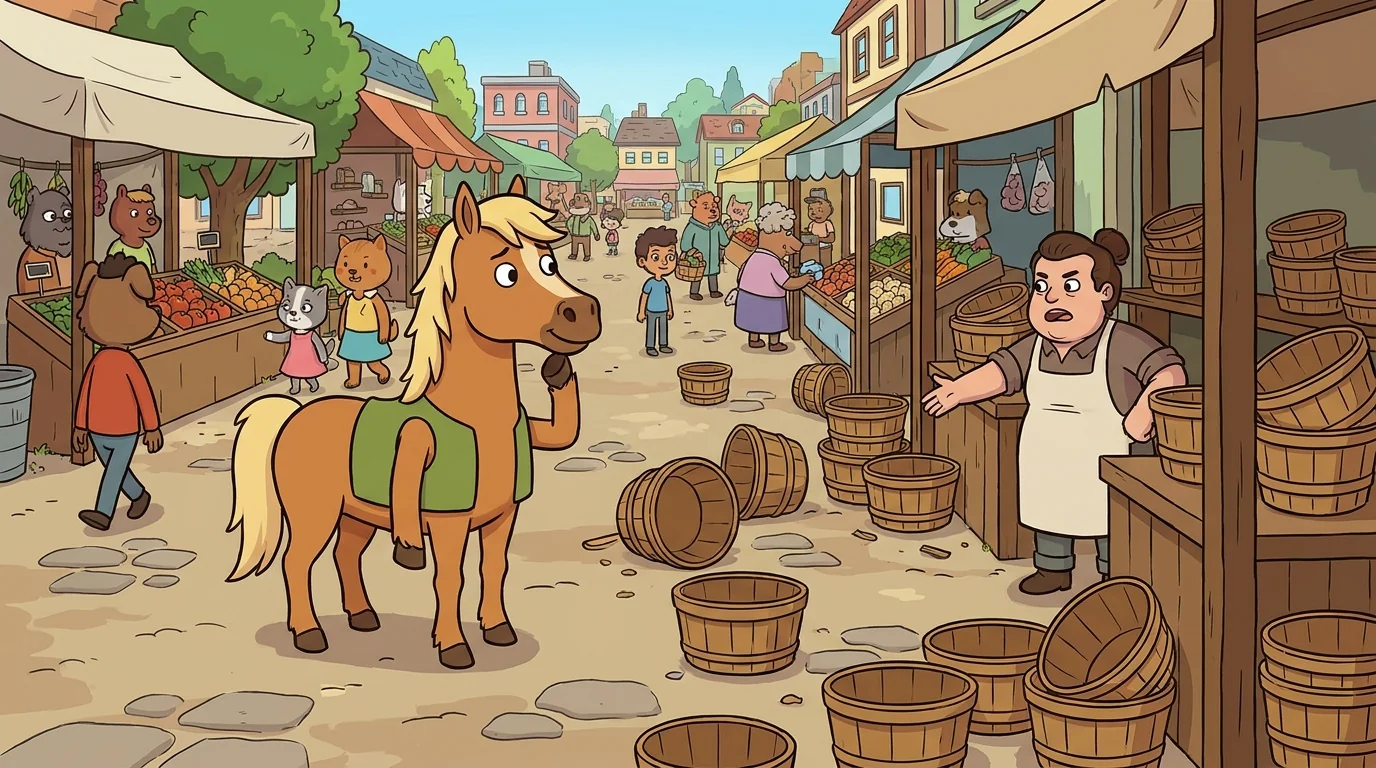
At the community market, a horse named Spur watched a puzzle: the lane was always littered with borrowed baskets nobody returned, and no amount of grumbling signs — PLEASE RETURN YOUR BASKETS — ever changed it. The basket-keeper was ready to give up. "I've scolded, begged, posted notices. People just don't care!" "They care," Spur said. "You're asking with words when you could ask with a nudge. Give back one small coin for every basket returned." The keeper did — and within a day the lane was clear, every basket back, cheerfully. "See? Nothing changed about the people — they're the same folks who ignored the signs. What changed was the incentive: the little reward or cost sitting behind a choice. People move toward rewards and away from costs, almost without noticing. If you want different behavior, don't scold louder. Change the nudge." The keeper stared at the tidy lane. "A single coin did what a season of signs couldn't?" "A single coin, aimed right."
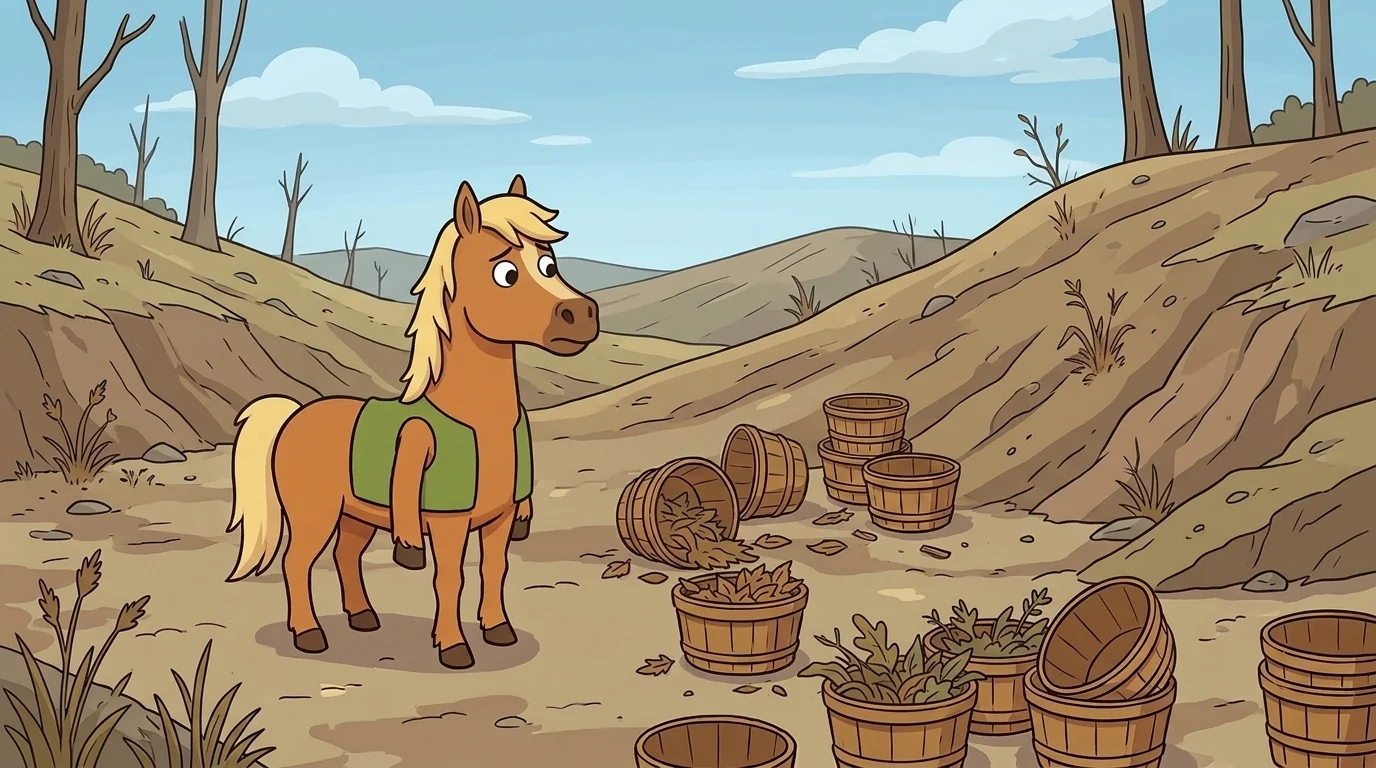
Spur had learned to watch incentives after seeing a kind idea go wrong. Long ago the market wanted folks to bring in wild herbs, so it offered a reward for every basket delivered — generous, well-meaning. But it aimed the nudge badly: people raced to fill baskets with any herbs, including the rare slow-growing ones, and padded them with leaves that weren't herbs at all. The reward was real, so people chased it — straight past what the market actually wanted. The gardens were stripped; the good intention backfired. People respond to the nudge you actually build, young Spur understood, not the one you meant to build. A reward for "baskets" got baskets; a reward for "healthy gardens" would have gotten healthy gardens. (Grown-ups have a name for this trap: when a measure becomes the target, people optimize the measure and lose the thing it was standing for.) From then on Spur asked of every rule: not "what do we want," but "what is this actually rewarding?"
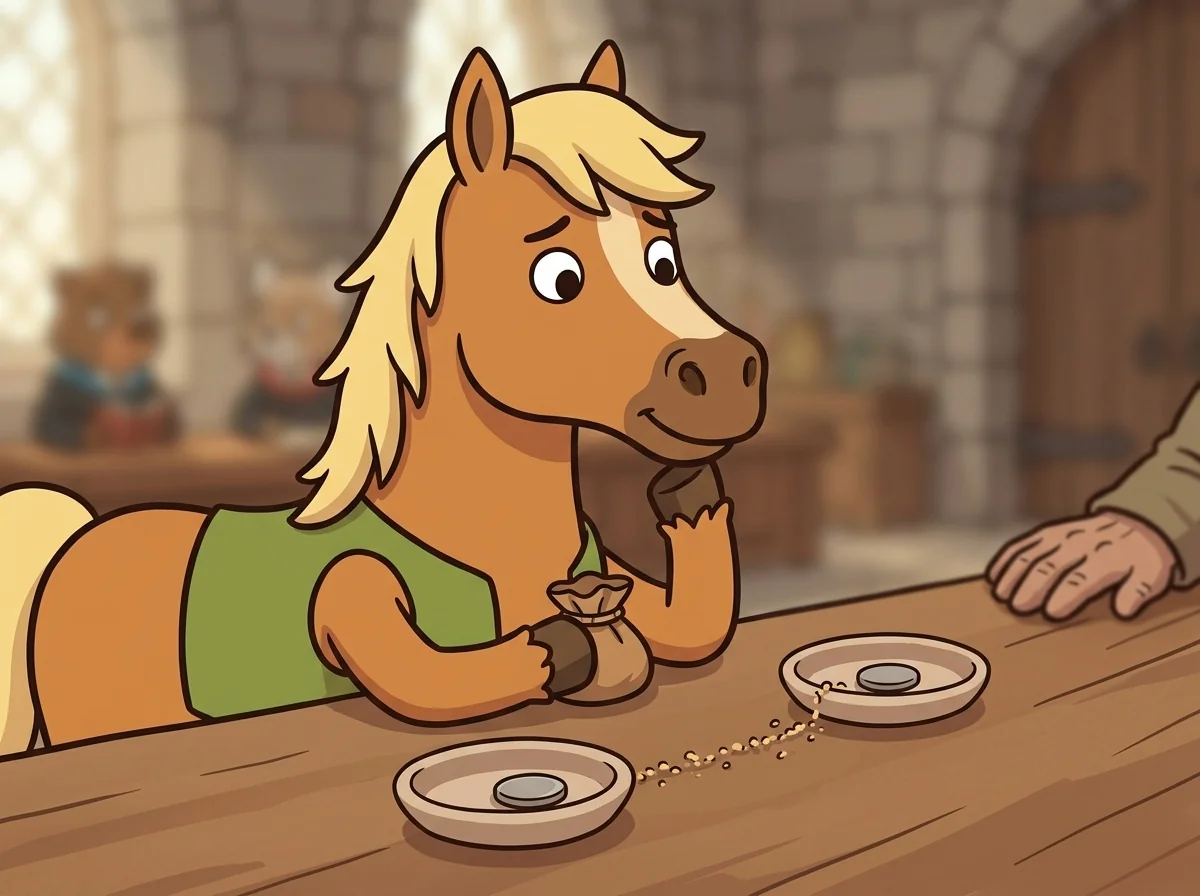
At the academy, Stake asked, "What are incentives?" Spur set out two dishes — one with a coin, one empty — and laid a crumb-trail toward the coin. "An incentive is anything that makes a choice a little more or less worth it at the margin. A reward pulls people toward a thing; a cost pushes them away. The trick is honesty about what you're actually rewarding — because people follow the real nudge every time, not the one in your heart. Aim it well and a tiny incentive turns a whole market. Aim it badly and your best intention strips the hillside." Stake looked at the crumb-trail and nodded at the wisdom of aiming carefully. "You are appointed."
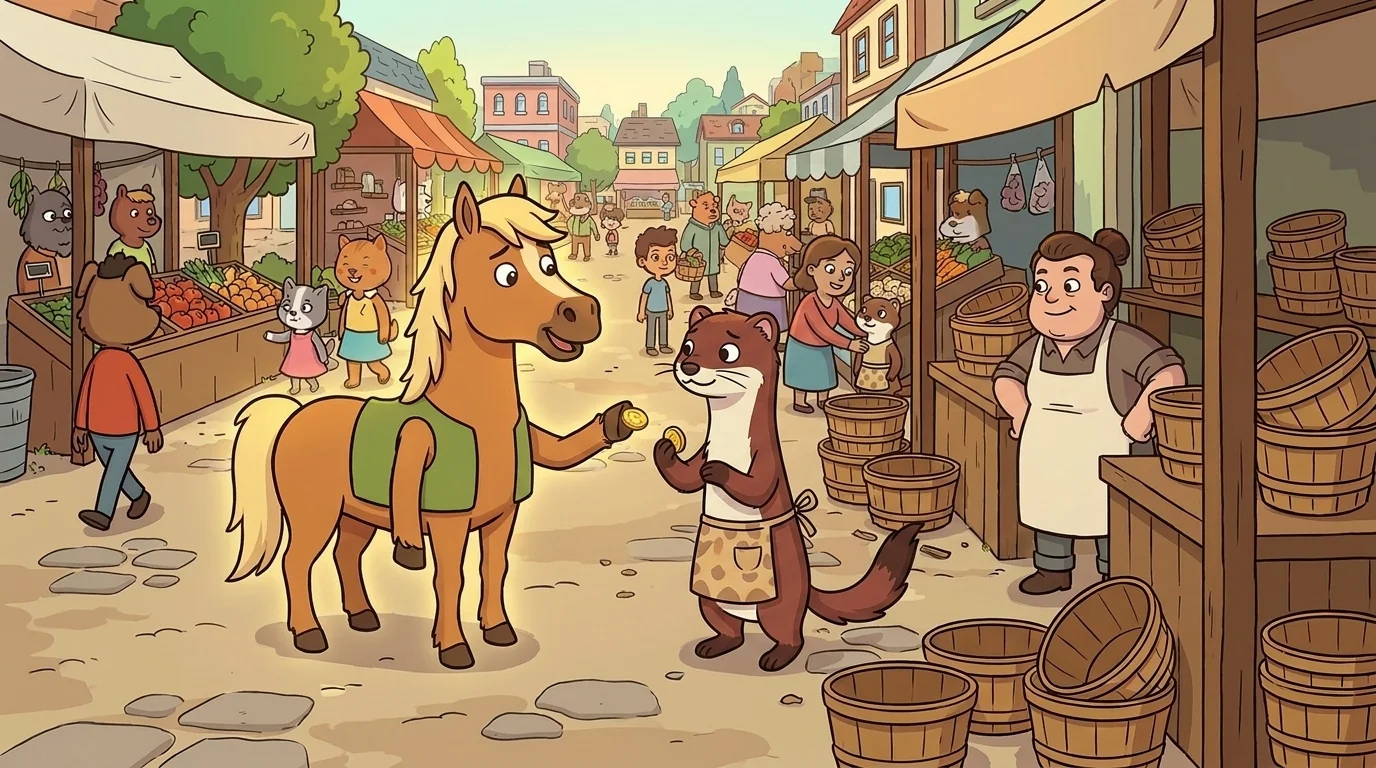
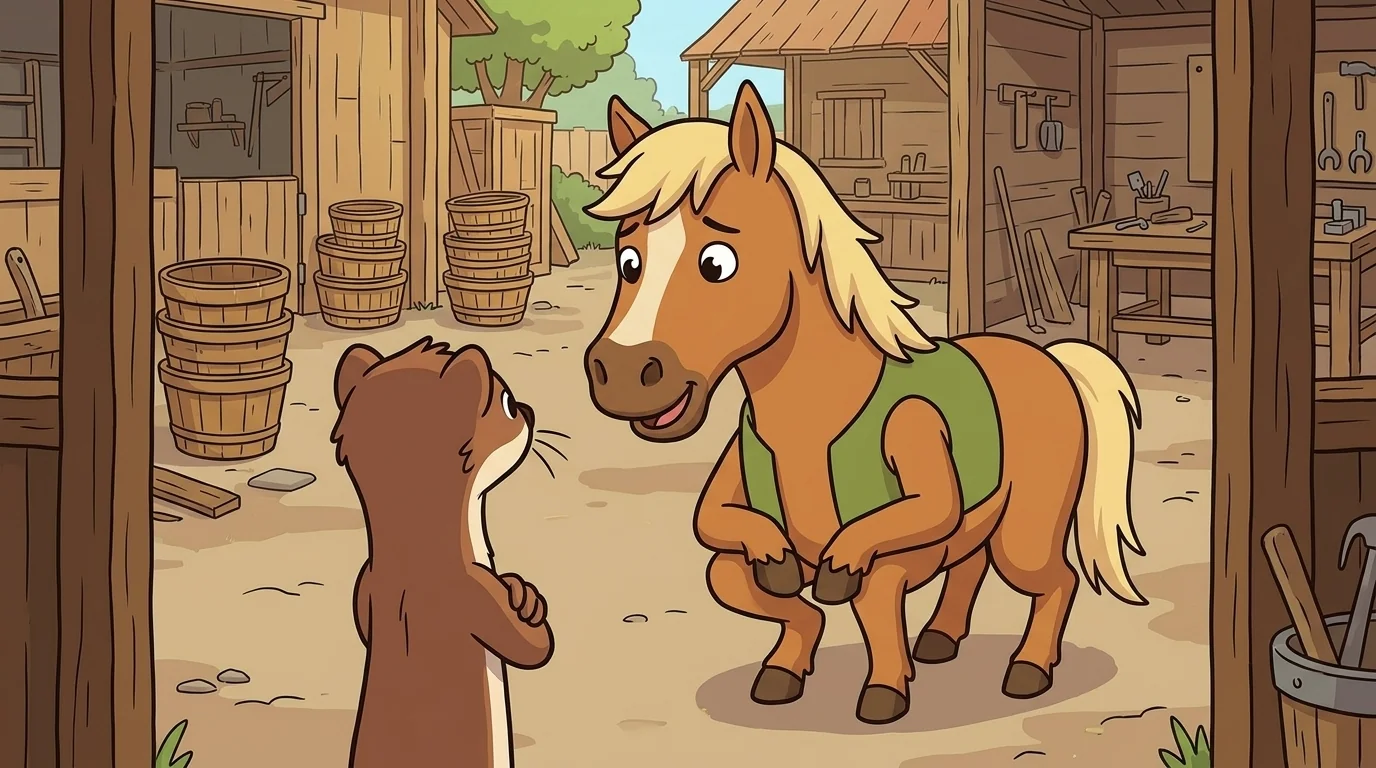
A young stoat narrowed their eyes. "This sounds like tricking people. If you can nudge anyone to do anything with rewards, isn't that manipulation? Sneaky and gross?" Spur lowered a big gentle head. "I understand why it feels that way, so let me be straight. Incentives already exist everywhere, whether anyone designs them or not — the sun rewards early risers, hunger nudges us to eat, a smile rewards kindness. You can't switch them off. So the real question isn't 'should we use nudges' — it's 'will the nudges around us be fair and honest, or careless and hidden?' Understanding incentives is how you spot when someone's nudging you unfairly — and how you build ones that are kind and open. And they're not only about coins: a thank-you, a fair turn, a bit of recognition move people just as much as money, sometimes more. A good incentive doesn't trick anyone. It makes the kind choice the easy choice, out in the open, where everyone can see it." The stoat softened. "So it's not sneaky if it's fair and everyone can see it." "Fair and in the open," Spur said. "That's the whole difference between a nudge and a trick."
Later the stoat said their aunt never yelled at them to help at the stall — she just noticed when they did and said so, warm, in front of people, and they ended up helping all the time, because it felt good to be seen doing it. "That's an incentive at its best," Spur glowed. "Not a bribe, not a trick — a nudge made of kindness, out in the open, that made the good thing feel good. When you understand incentives, you can be the aunt: build the little nudges that make kindness easy and fairness rewarding, for a whole market of people. That's not manipulation. That's care, aimed well." Spur nudged a coin over. "Go make the kind choice the easy choice for someone today." The stoat pocketed it and went off to make helping feel good for somebody else.
The MarketQuest ensemble
Spur is part of MarketQuest's distributed-narrative cast. Each character embodies a different curricular primitive; together they teach the full subject.
-
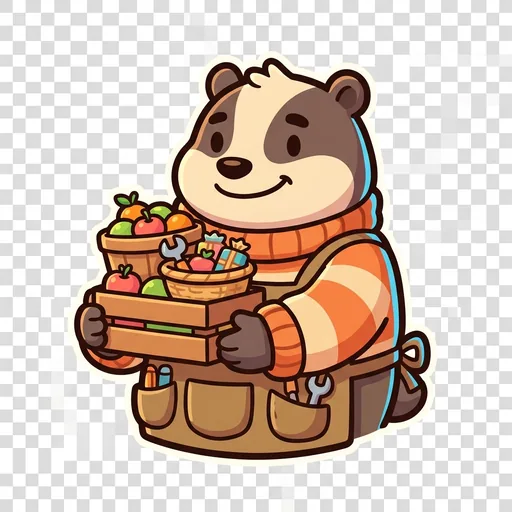
Stock
Supply — producer decisions, scarcity, what gets brought to market
-

Crave
Demand — consumer preferences, needs vs wants, price-sensitivity
-

Even
Price equilibrium — where supply meets demand, the conversation point
-
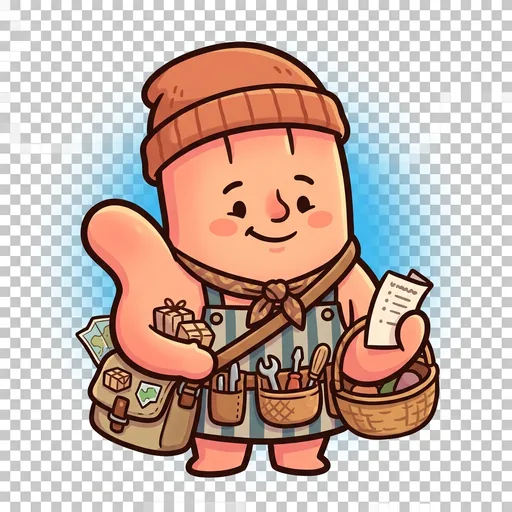
Hand
Market roles — producer + consumer + distributor, visible labor
-
Tide
Market events — shocks + policy + trade flows read as patterns
-
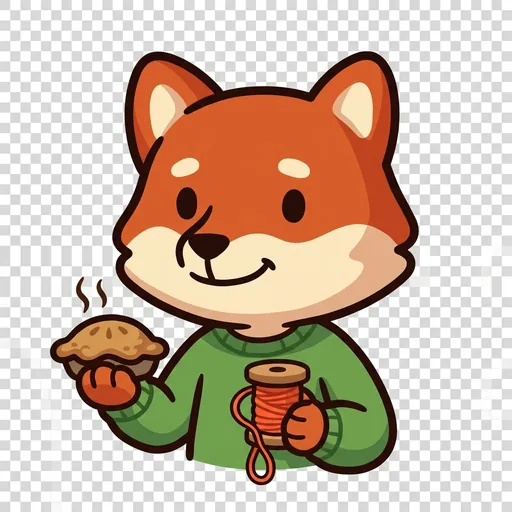
Forgo
Opportunity cost — every choice has a hidden price tag: the next-best thing you didn't pick; fox weighing two everyday choices
-
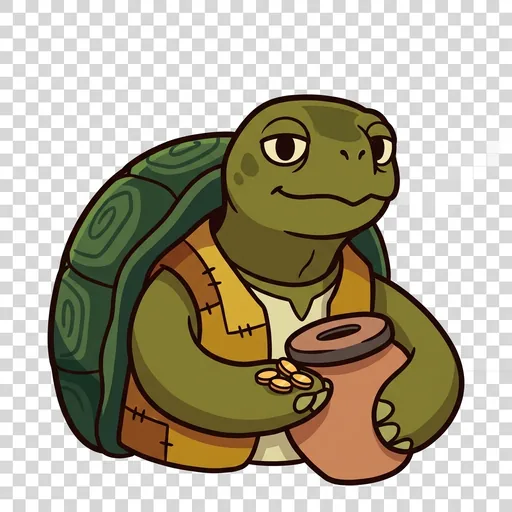
Seed
Saving + interest — set a little aside on purpose; patience grows a small store into a larger one; tortoise with a clay saving-jar
-
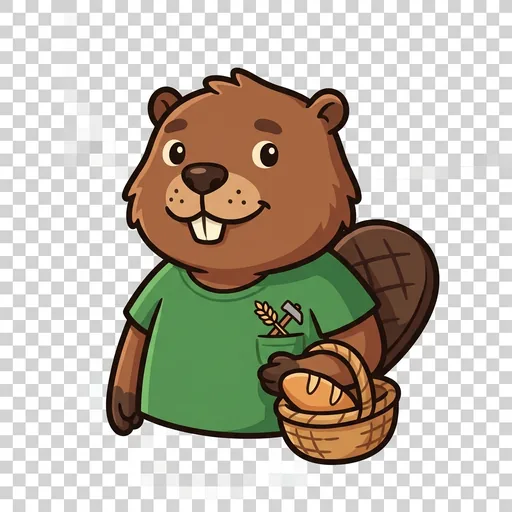
Knack
Specialization + trade — do the thing you do best, trade for the rest, and both sides end up with more; beaver brokering bread-for-baskets
-
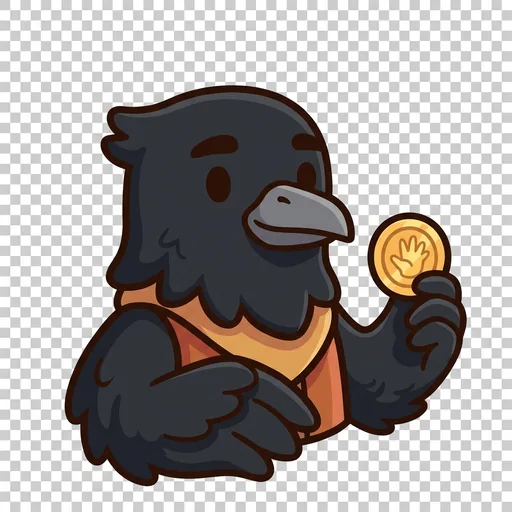
Coin
Money as a medium of exchange — a trusted token that lets any trade happen without a perfect match; crow unsticking a barter jam