Stock, Crave and Even
WHERE THEY MEET
A story read by Stock, Crave and Even
Loading audio…
Press play to listen along. The line being read lights up as you go.
Show full transcript
Loading transcript…
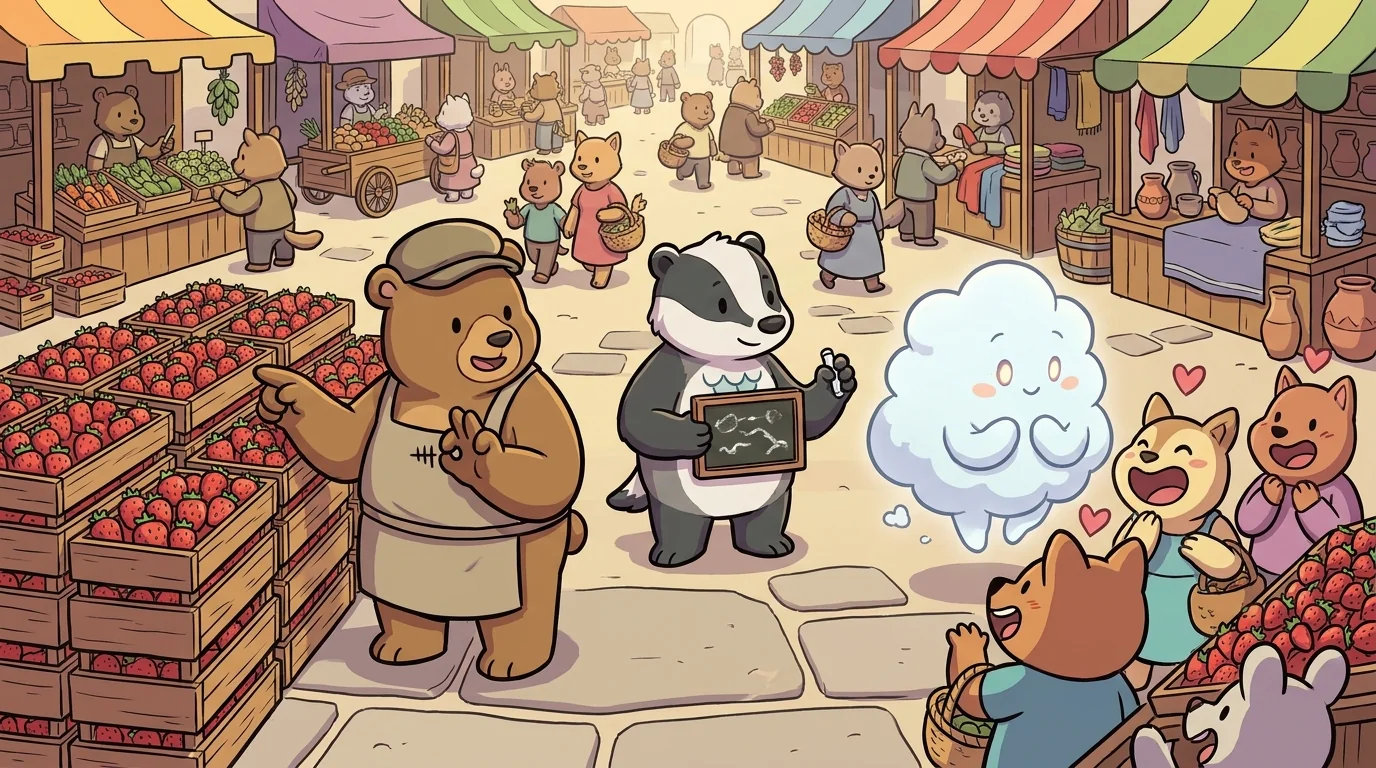
Market day, and the square was filling — carts and stalls and baskets, sellers laying out goods, buyers wandering in with coins in their pockets and wants in their hearts. Moving through it all, keeping the whole living thing in balance, were three who understood the market better than anyone — because they were it. Stock counted the crates coming in: how much of everything had been brought. Crave drifted among the buyers, feeling how badly each thing was wanted. And Even walked the middle, where the two great forces met, holding a little chalkboard of prices that never stopped changing. "Strawberry season," said Stock, nodding at a wall of red crates. "Lot of berries today." "And everyone wants them," said Crave, watching the buyers' eyes light up. "Then let's see where it settles," said Even, chalk ready.
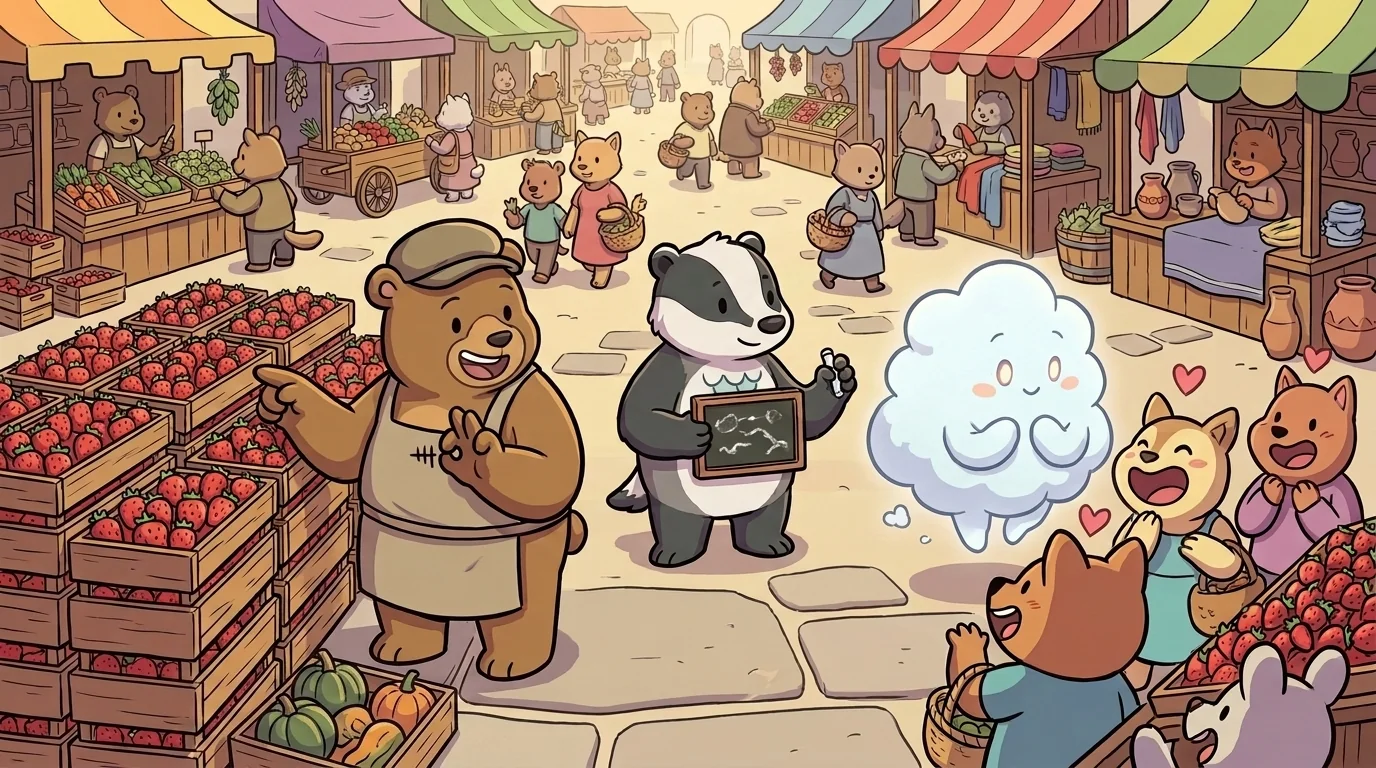
Stock spoke first, because a market begins with the question how much is there? Stock's whole nature was supply — how much of a thing gets made and brought to sell — and Stock knew the amount was never an accident; it came from the choices of everyone who produced. "This morning the farmers had a choice. Berries sold well last week, so more of them planted, picked, and hauled berries in today. When something's worth bringing, more of it shows up — that's the law of supply: a higher price draws out a larger quantity." Stock pointed to a lonely half-crate of winter squash. "Squash sold badly, so barely anyone bothered. Supply isn't a fixed thing — it's a living answer to 'is it worth bringing?' Today, for berries, the answer was a great big yes."
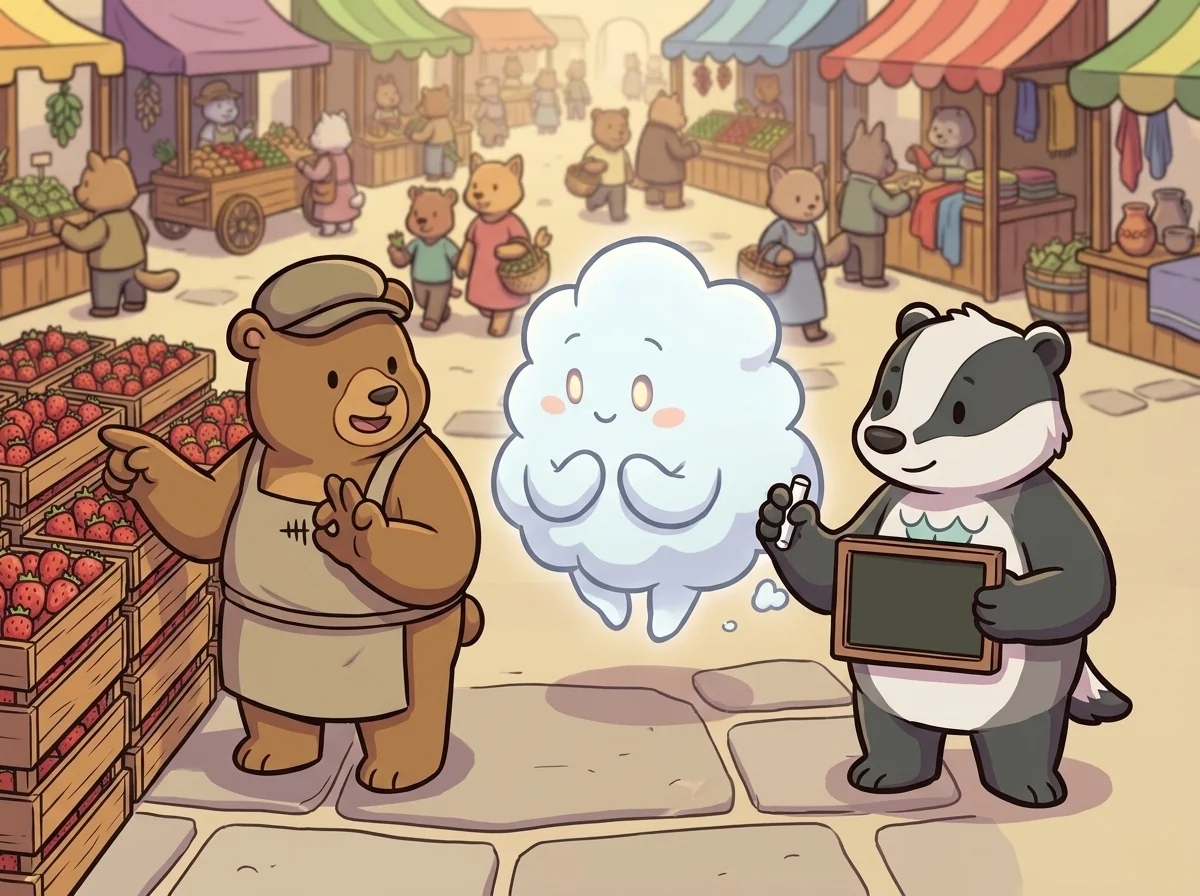
Then Crave moved through the buyers, because a pile of goods means nothing until you know how much do people want it? Crave's whole nature was demand — the pull of what people want and how much they'll give up to get it — and Crave felt it like weather. "The berries — everyone wants these. Sweet, in season, kids tugging sleeves. Strong want. But watch the edges: if the price climbs too high, some buyers sigh and walk away. They want berries, but not at any price. And squash?" Crave drifted past the lonely crate. "Barely a flicker." Crave turned back. "That's the law of demand: wanting bends with the price — the higher the cost, the fewer who'll pay; the lower, the more who reach. Demand isn't a single number. It's a whole sliding scale of how many, at what price."
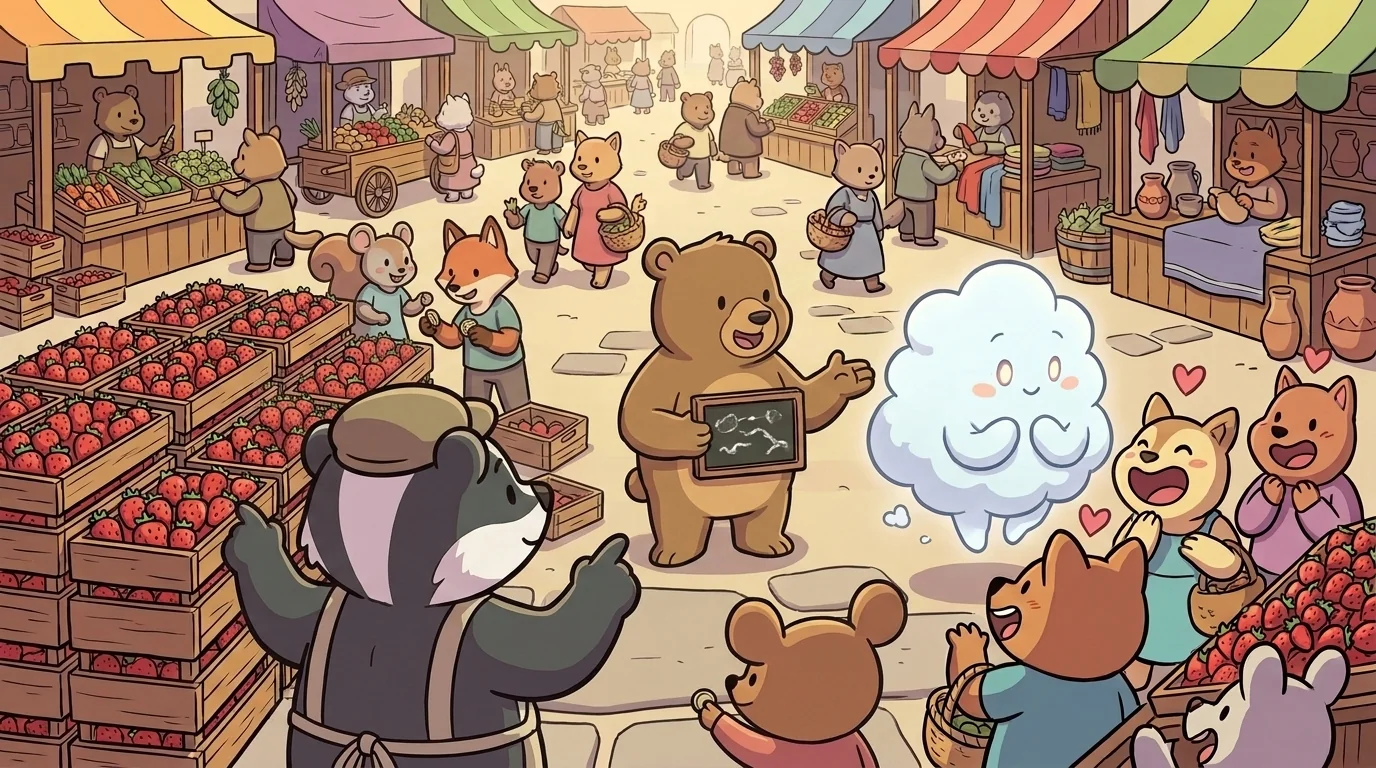
Now the two great forces faced each other — a big supply of berries, a strong-but-bendable want — and Even stepped into the middle to do the one thing neither side could do alone: find where they agree. "Neither Stock nor Crave sets the price. I don't even set it — it settles, right where the amount for sale matches the amount people will buy. We call that the equilibrium." Even worked the little board. "Price the berries too high, and crates sit full while buyers walk off — that's a surplus, too much supply for the takers, and it pushes the price down. Price them too low, and every berry's snatched in a minute while latecomers find empty crates — a shortage, too much want for the berries, and it pushes the price up. But here — right here — the berries for sale and the berries wanted finally match. Crates empty just as the last willing buyer pays. Not one side winning. Both agreeing." And because berries were plentiful today, that meeting point sat low and friendly — lots of supply, so a gentle price.
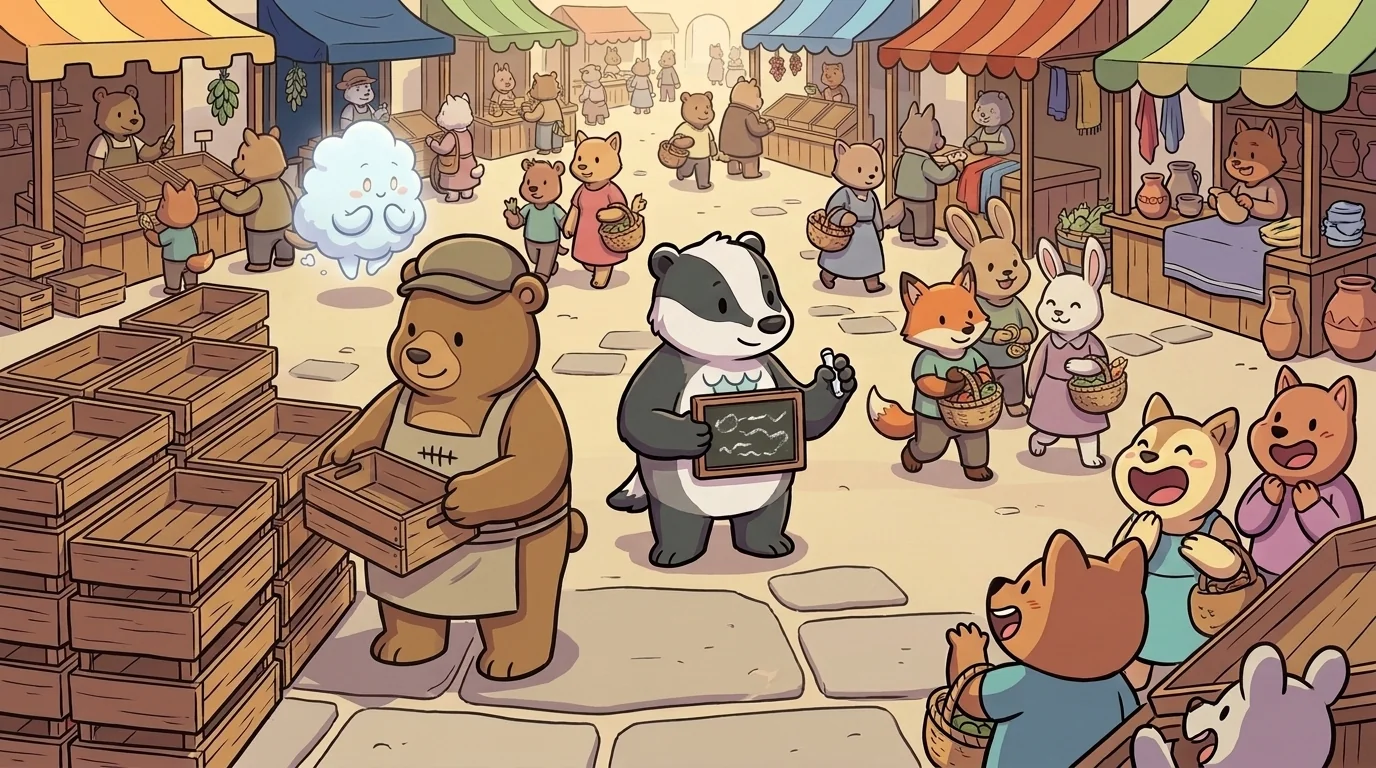
By the end of market day it had all balanced without a single person in charge. The berries found their price — the one where sellers were willing to sell and buyers willing to buy — the crates emptied, the coins changed hands, and nobody had decided the number. It emerged, out of a thousand small wants and a thousand small offerings, meeting in the middle. "Good supply," said Crave. "Good demand," said Even. "Good meeting point," said Stock, folding an empty crate. There is a quiet wonder in watching a whole fair thing emerge from lots of people acting on their own — no one in charge, no one deciding, and yet it balances, the way a flock wheels together with no leader calling the turns. A price isn't handed down. It's the place where how much there is and how much it's wanted shake hands — and a surplus or a shortage isn't a failure, it's the market's own signal, nudging the price back toward the meeting point. Once you can see that, you never look at a price tag the same way again. You see the whole living market standing quietly behind it.
Hear it as an audio drama
A short play starring Stock, Crave and Even, from MarketQuest. Different voices, same idea. Listen any time after you read.
Loading audio…
Read the drama script
- Narrator: From Spark and Anvil and MarketQuest — this is Stock, in chapter 1 of the MarketQuest cast.
- Narrator: This drama uses an AI-generated voice. Voiced via Gemini 2.5.
- Narrator: Market day. Carts and stalls and baskets, sellers laying out goods, buyers wandering in with coins and wants. Moving through it all, keeping the whole living thing in balance, were three who understood the market better than anyone — because they were it.
- Stock: I am Stock — supply. This morning the farmers had a choice. Berries sold well last week, so more of them planted, picked, and hauled berries in today. When something's worth bringing, more of it shows up. That's the law of supply.
- Stock: And the squash sold badly, so barely anyone bothered. Supply isn't fixed — it's a living answer to 'is it worth bringing?'
- Crave: I am Crave — demand. The berries? Everyone wants them, sweet and in season, kids tugging sleeves. But watch the edges: if the price climbs too high, some buyers sigh and walk away. They want berries, but not at any price.
- Crave: That's the law of demand: wanting bends with the price. The higher the cost, the fewer who'll pay; the lower, the more who reach. Demand isn't one number — it's a whole sliding scale of how many, at what price.
- Even: And I am Even. Neither Stock nor Crave sets the price. I don't even set it — it settles, right where the amount for sale matches the amount people will buy. We call that the equilibrium.
- Even: Price too high, and crates sit full while buyers walk off — a surplus, and it pushes the price down. Price too low, and every berry's snatched while latecomers find empty crates — a shortage, and it pushes the price up.
- Even: But right here — where the berries for sale and the berries wanted finally match, crates emptying just as the last willing buyer pays — that's the meeting point. Not one side winning. Both agreeing.
- Narrator: And because berries were plentiful today, that meeting point sat low and friendly.
- Crave: Good supply.
- Even: Good demand.
- Stock: Good meeting point.
- Narrator: There's a quiet wonder in watching a fair thing emerge from lots of people acting on their own — no one in charge, and yet it balances, the way a flock wheels together with no leader calling the turns.
- Narrator: A price isn't handed down. It's where how-much-there-is and how-much-it's-wanted shake hands — and a surplus or shortage is just the market's own signal, nudging the price back toward the meeting point.
- Narrator: You've been listening to a Spark and Anvil chapter, written by the Spark and Anvil writing team for ages 9 to 14.
- Narrator: Apps stay free forever.
- Narrator: Curriculum aligned to Council for Economic Education standards.
- Narrator: Released under Creative Commons BY-NC-SA 4.0 for educational reuse. Visit Spark and Anvil for the full transcript.
The MarketQuest ensemble
Stock, Crave and Even is one of the friends in MarketQuest. Each friend shows you one idea by how they act; meet them all and you have the whole subject.
-
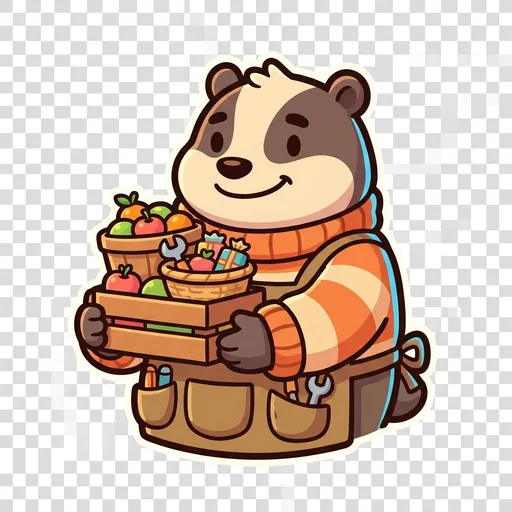
Stock
Supply — producer decisions, scarcity, what gets brought to market
-

Crave
Demand — consumer preferences, needs vs wants, price-sensitivity
-

Even
Price equilibrium — where supply meets demand, the conversation point
-
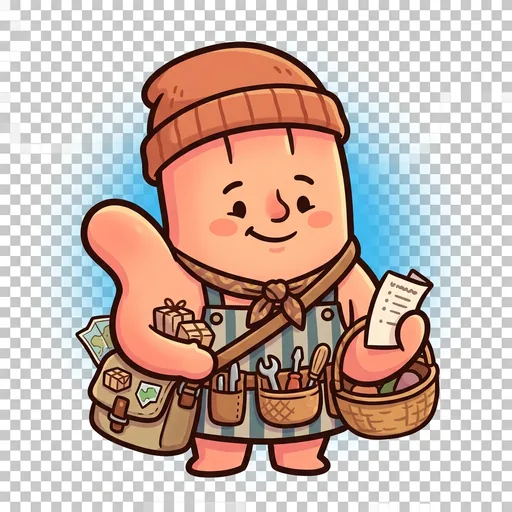
Hand
Market roles — producer + consumer + distributor, visible labor
-

Tide
Market events — shocks + policy + trade flows read as patterns
-
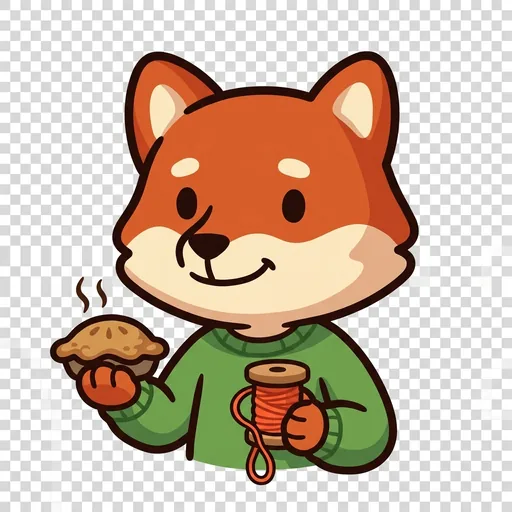
Forgo
Opportunity cost — every choice has a hidden price tag: the next-best thing you didn't pick; fox weighing two everyday choices
-

Seed
Saving + interest — set a little aside on purpose; patience grows a small store into a larger one; tortoise with a clay saving-jar
-

Knack
Specialization + trade — do the thing you do best, trade for the rest, and both sides end up with more; beaver brokering bread-for-baskets
-
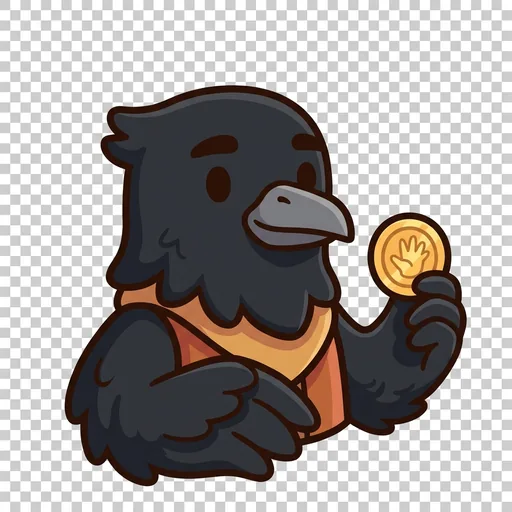
Coin
Money as a medium of exchange — a trusted token that lets any trade happen without a perfect match; crow unsticking a barter jam
-
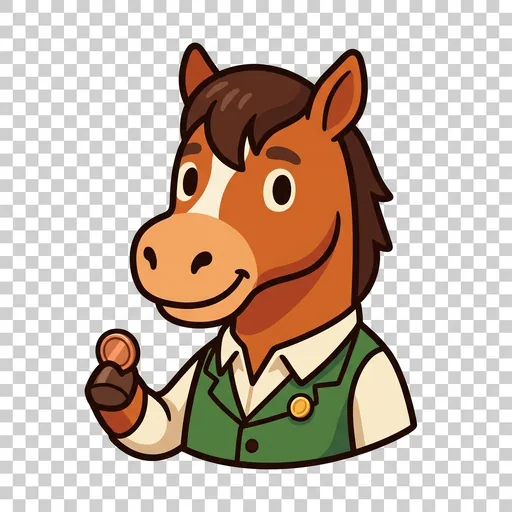
Spur
Incentives — people move toward rewards and away from costs; change the nudge, change the choice; horse aiming small fair nudges