Sovereign and Trickster
ORDER AND INVERSION
A story read by Sovereign and Trickster
Loading audio…
Press play to listen along. The line being read lights up as you go.
Show full transcript
Loading transcript…
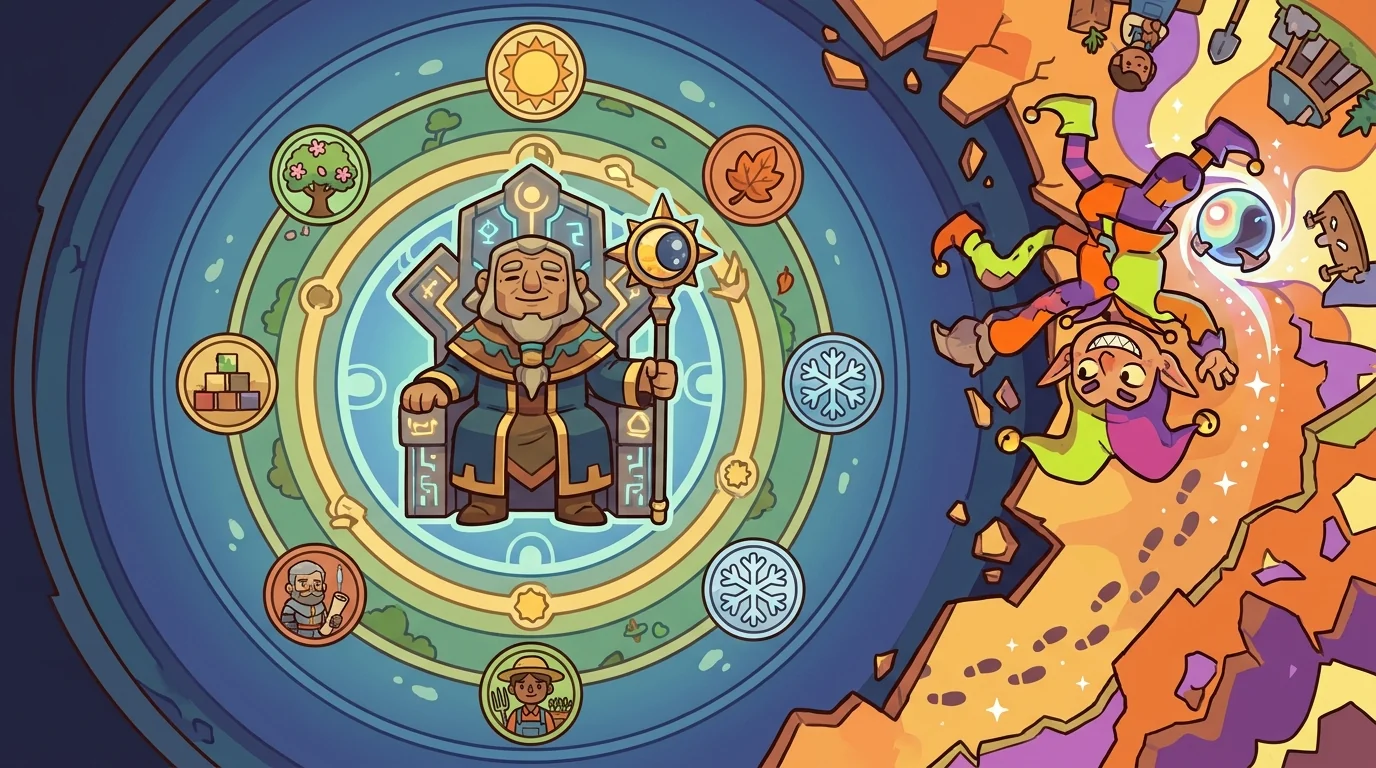
Two figures had circled each other in stories since the very first story was told, and they could not have been more opposite, and neither could do without the other.
The Sovereign sat at the exact center of things, keeping everything in its right place.
The Trickster darted along every edge and boundary, forever slipping across the lines the Sovereign drew.
"I keep the order," said the Sovereign, calm and steady. "The seasons in their turn, the roles in their place, the center holding."
"And I," said the Trickster, grinning from a boundary, "keep the order honest. Watch — you'll see why you need me."
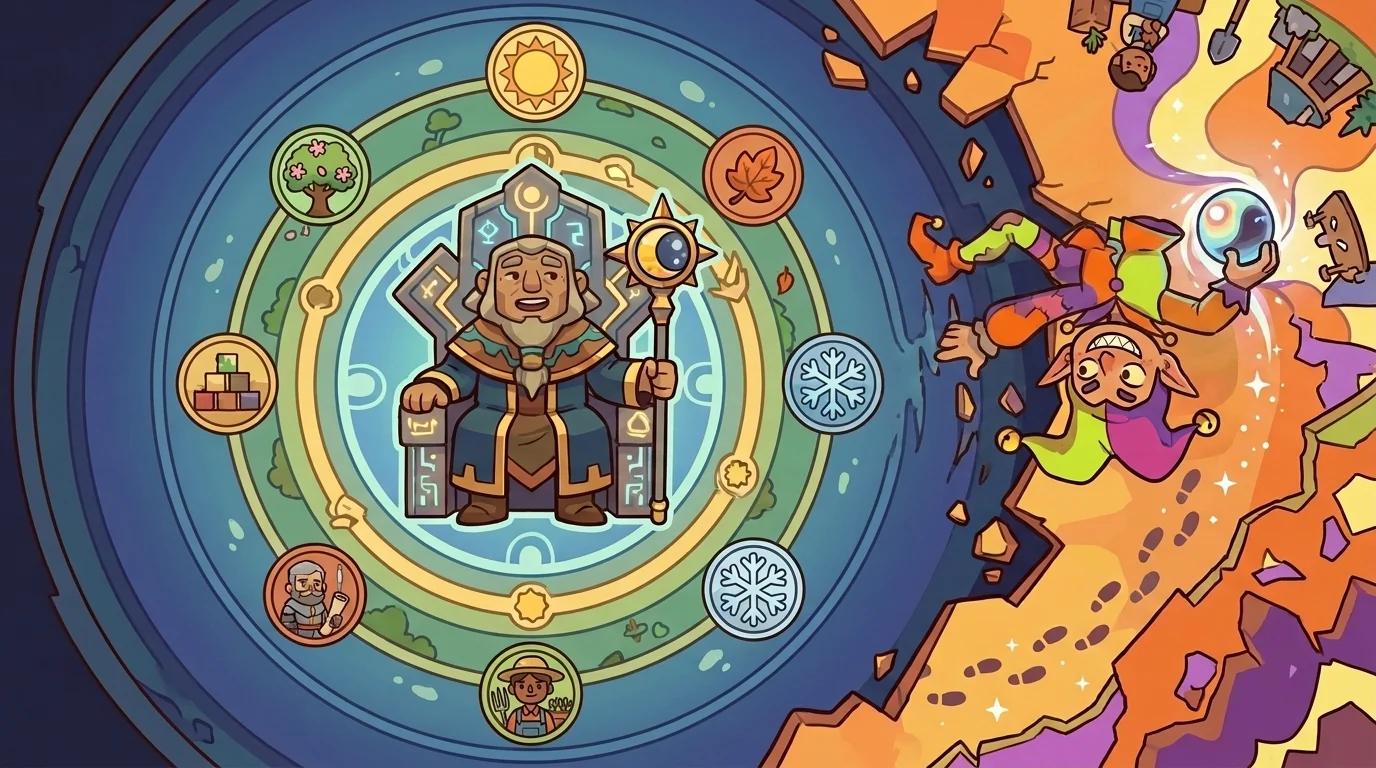
The Sovereign spoke first, from the still center — because most of what makes a world livable is the quiet work of holding order.
"People forget how much steadiness they stand on," said the Sovereign, unmoving at the center. "That the sun will rise, that roles are known, that the center holds and things don't simply fly apart. That's my craft — keeping the cosmic order, holding the middle steady so that life can happen around it." The Sovereign's presence was calm and grounding. "A world with no Sovereign is chaos — nothing you can count on, no ground under your feet. The order-keeper is why there's a stable place to stand at all. Every myth needs the figure at the center who holds things together." The Sovereign paused. "But — and I will admit this, because it's true — order has a danger in it. Held too long, unquestioned, it starts to feel like the only way things could ever be. People forget that some of the rules are real and necessary, and some are just habits wearing a crown. And that—" the Sovereign almost smiled "—is where I need the one I like least."
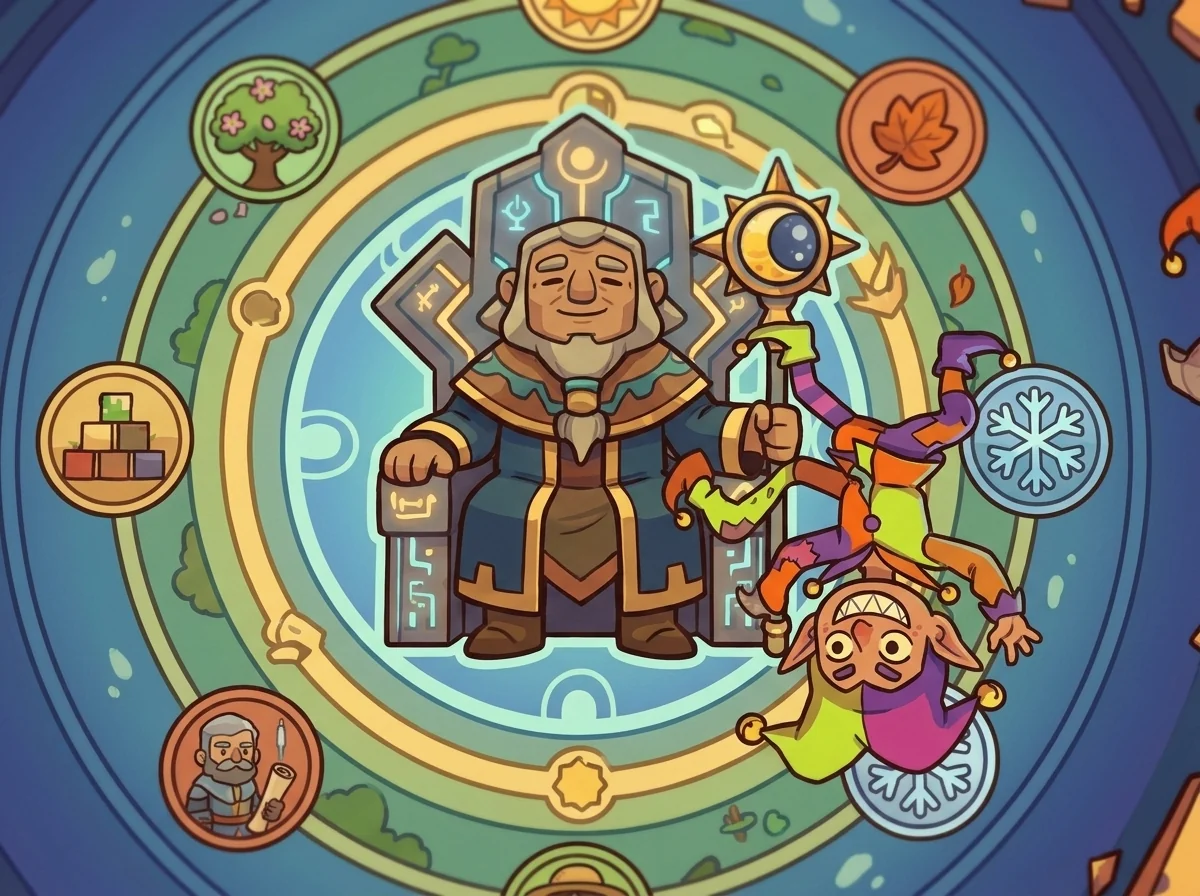
Then the Trickster crossed a boundary just to prove the point — because the Trickster's whole nature is to break a line and show what it was really made of.
"See, the Sovereign's order is mostly good," said the Trickster, tumbling across a rule. "But some of those lines aren't laws of the universe — they're just habits everyone stopped questioning. And I'm the one who crosses them, turns them upside down, and makes everybody suddenly see them." The Trickster flipped a small rule inside out. "I put the fool on the throne for a day. I let the small creature outsmart the mighty one. I ask the question nobody's allowed to ask. And yes — it makes a mess, and yes, I get in trouble for it. But in the mess, something gets revealed: 'wait — why did we always do it that way? Was that ever a real rule, or just one we forgot to question?'" The Trickster grinned. "That's teaching through inversion. I don't break the order to destroy it. I break a piece of it to show which pieces were real and which were only habit. A world with no Trickster gets stuck — its habits harden into cages, and nobody remembers they can be opened."
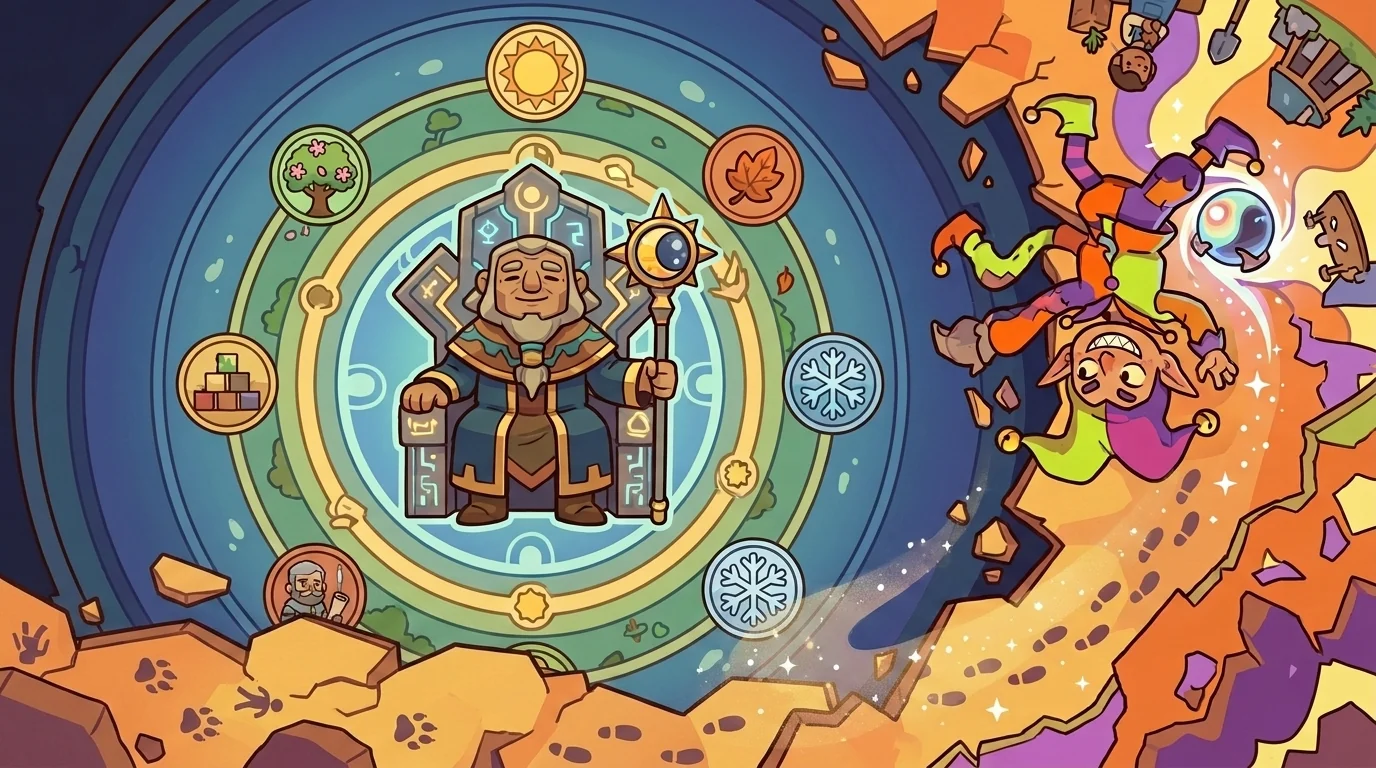
And that was the secret the oldest stories knew: the two of them, so opposite, were really a balance — and each kept the other from becoming a disaster.
"Without me," said the Sovereign, "you'd be pure chaos — clever, funny, and unlivable."
"And without me," said the Trickster, "you'd be a beautiful cage — steady, and slowly suffocating."
They regarded each other, the still center and the restless edge, with something that was almost respect. "The order needs the boundary-crosser to stay honest," said the Sovereign. "And the boundary-crosser needs the order to have something worth crossing," said the Trickster. "Break everything, and there's nothing left to break. Hold everything, and there's nothing left alive."
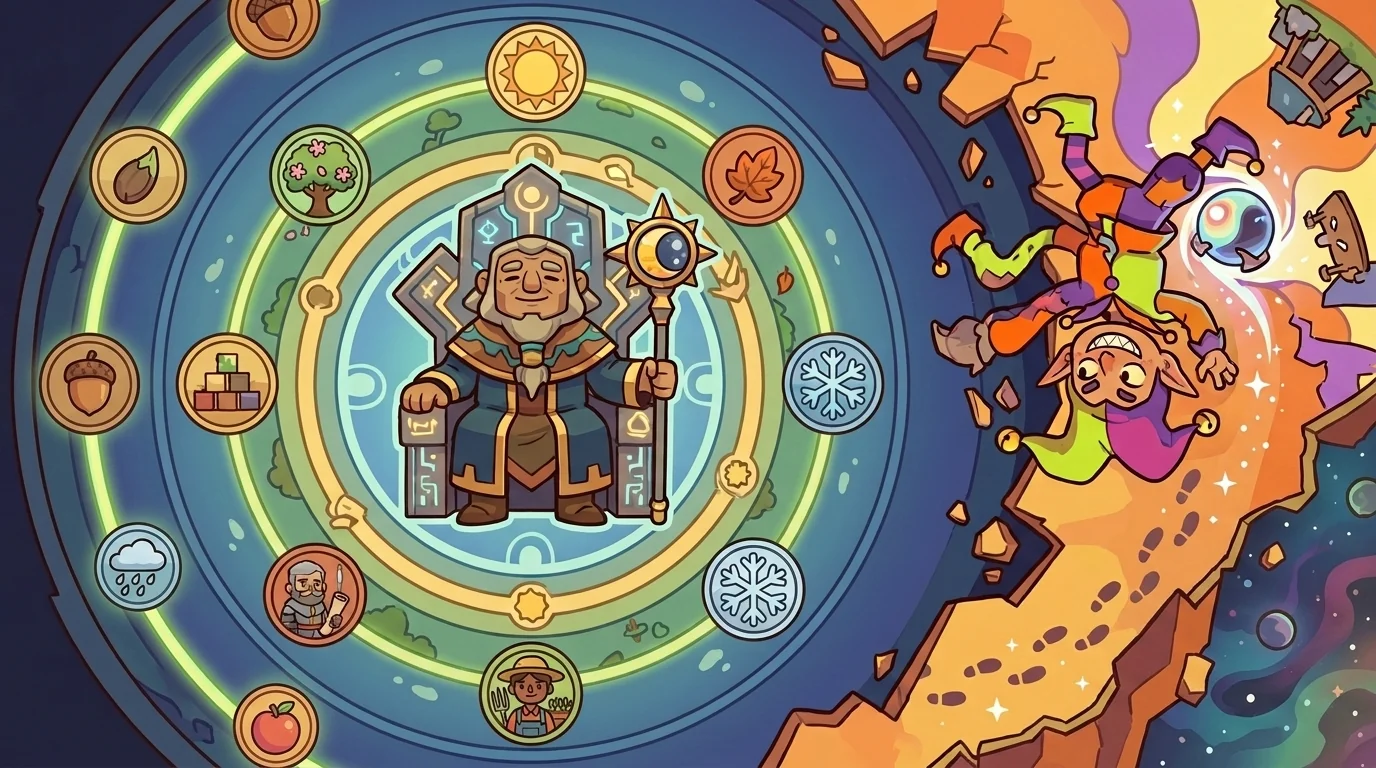
And so they go on, in story after story — the one who holds the center and the one who dances on the edges — not enemies, exactly, but partners in a very old balance, each keeping the other from tipping the whole world over.
"Good order," said the Trickster.
"Good inversion," said the Sovereign.
There is a wise old truth folded into this pair: that a good life, and a good world, needs both — the steadiness that holds the center, and the mischief that keeps the center honest. Too much order alone hardens into a cage; too much chaos alone dissolves into noise. The myths knew it long before we did, which is why they never let one win. And learning to hold both in yourself — to value the steady rules and to keep asking which of them are real — is one of the oldest kinds of wisdom there is: knowing when to hold the center, and when, with a grin, to turn it upside down.
Hear it as an audio drama
A short play starring Sovereign and Trickster, from MythForge. Different voices, same idea. Listen any time after you read.
Loading audio…
Read the drama script
- Narrator: From Spark and Anvil and MythForge — this is Sovereign, in chapter 1 of the MythForge cast.
- Narrator: This drama uses an AI-generated voice. Voiced via Gemini 2.5.
- Narrator: This story covers old stories and origin myths. Parents may want to listen first.
- Narrator: Two figures have circled each other since the very first story was told, and they could not be more opposite — and neither can do without the other.
- Sovereign: I keep the order. The seasons in their turn, the roles in their place, the center holding. That is my craft.
- Trickster: And I keep the order honest. Watch — you'll see exactly why you need me.
- Narrator: The Sovereign spoke first, from the still center — because most of what makes a world livable is the quiet work of holding order.
- Sovereign: People forget how much steadiness they stand on. That the sun will rise, that roles are known, that the center holds and things don't simply fly apart. A world with no Sovereign is chaos — no ground under your feet.
- Sovereign: But order has a danger in it. Held too long, unquestioned, it starts to feel like the only way things could ever be. People forget that some rules are real and necessary — and some are just habits wearing a crown. And that is where I need the one I like least.
- Narrator: Then the Trickster crossed a boundary just to prove the point — because the Trickster's whole nature is to break a line and show what it was really made of.
- Trickster: The Sovereign's order is mostly good. But some of those lines aren't laws of the universe — they're just habits everyone stopped questioning. And I'm the one who crosses them, turns them upside down, and makes everybody suddenly see them.
- Trickster: I put the fool on the throne for a day. I let the small creature outsmart the mighty one. I ask the question nobody's allowed to ask. Yes, it makes a mess — and in the mess, something gets revealed: wait, why did we always do it that way? Was that ever a real rule, or one we forgot to question?
- Trickster: That's teaching through inversion. I don't break the order to destroy it. I break a piece of it to show which pieces were real and which were only habit. A world with no Trickster gets stuck — its habits harden into cages, and nobody remembers they can be opened.
- Narrator: And that was the secret the oldest stories knew: the two of them, so opposite, were really a balance — each keeping the other from becoming a disaster.
- Sovereign: Without me, you'd be pure chaos — clever, funny, and unlivable.
- Trickster: And without me, you'd be a beautiful cage — steady, and slowly suffocating.
- Sovereign: The order needs the boundary-crosser to stay honest.
- Trickster: And the boundary-crosser needs the order to have something worth crossing. Break everything, and there's nothing left to break.
- Sovereign: Hold everything, and there's nothing left alive. Good inversion.
- Trickster: Good order.
- Narrator: And so they go on, story after story — the one who holds the center and the one who dances on the edges — not enemies, but partners in a very old balance. A good world needs both: the steadiness that holds the center, and the mischief that keeps the center honest. Learning to hold both in yourself — to value the steady rules and to keep asking which are real — is one of the oldest kinds of wisdom there is.
- Narrator: You've been listening to a Spark and Anvil chapter, written by the Spark and Anvil writing team for ages 9 to 14.
- Narrator: Apps stay free forever.
- Narrator: Curriculum aligned to Common Core English Language Arts.
- Narrator: If anything in this story brought up big feelings, talking to a trusted adult helps. You can also reach support lines anytime.
- Narrator: Released under Creative Commons BY-NC-SA 4.0 for educational reuse. Visit Spark and Anvil for the full transcript.
The MythForge ensemble
Sovereign and Trickster is one of the friends in MythForge. Each friend shows you one idea by how they act; meet them all and you have the whole subject.
-

Trickster
The boundary-crosser who teaches through inversion. Recurs across nearly all traditions (Anansi, Coyote, Loki, Hermes, Maui, Ijapa).
-

Hero-King
The reluctant ruler called to a journey (Campbell's central figure: Gilgamesh, Odysseus, Arjuna, Beowulf, Cuchulain).
-
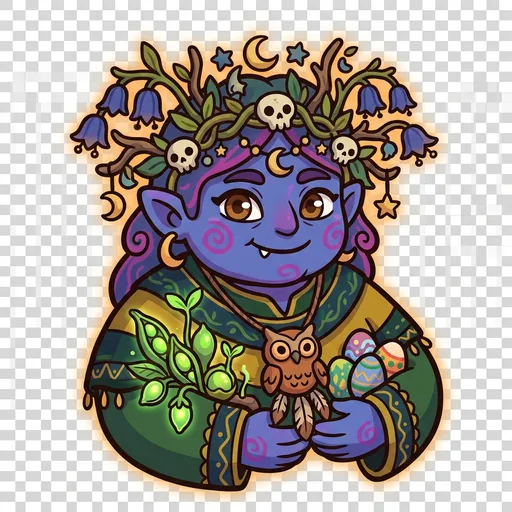
Devouring-Mother
The death-and-renewal force: endings that make room for new beginnings (Hel, Coatlicue, Hecate).
-

Wise-Elder
The mentor-figure who knows the path but cannot walk it for the hero (Athena, Odin-as-wanderer, Krishna-as-advisor).
-
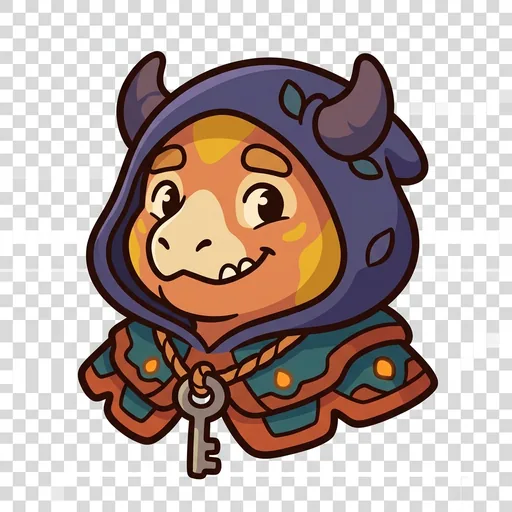
Threshold-Guardian
The figure that tests whether the hero is ready to cross (Sphinx, Cerberus, the dragon at the gate, the riddling stranger).
-

Shadow
The repressed-self / dark-mirror (Jungian core archetype; surfaces as the hero's nemesis-who-is-also-them: Loki/Baldr, Set/Osiris, Cain/Abel framings).
-

Anima/Animus (paired)
The complementary-other-self (Jungian); represented as a pair-character that always appears together, embodying the inner-other-gendered-self pattern that surfaces across many t...
-
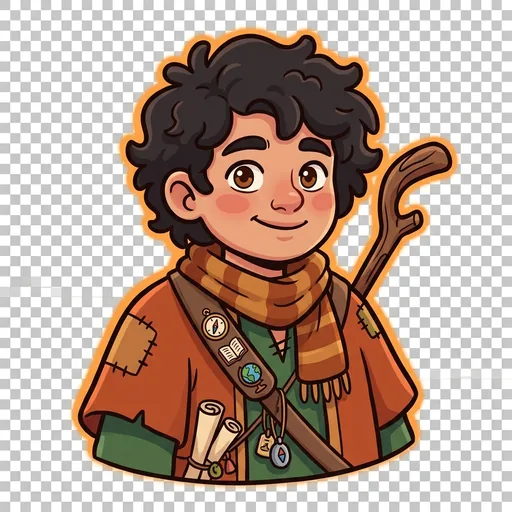
Wanderer
The traveller without a fixed home who carries stories between peoples (Odysseus on his long voyage, the storyteller far from home).
-
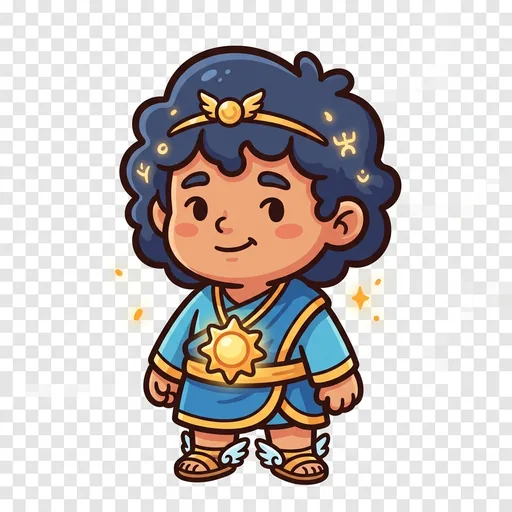
Child-Divinity
The newborn-with-power archetype (infant Krishna, baby Hermes, child Horus, divine-child motif).
-
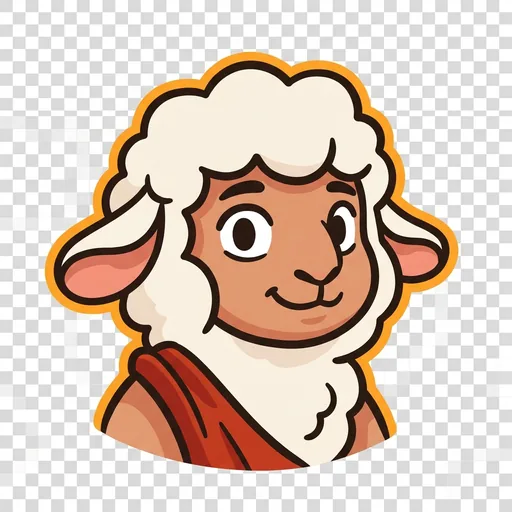
Sacrificial-Lamb
The figure whose loss enables renewal (cross-traditional: dying-and-rising deities, scapegoat figures, voluntary-sacrifice motif).
-
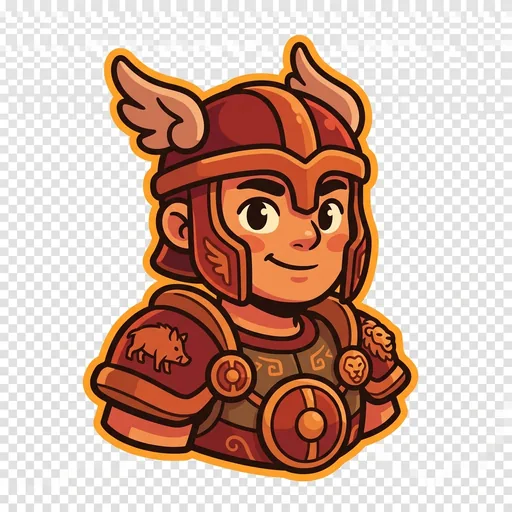
Warrior
The conflict-pattern-bearer (Ares, Tyr, Sekhmet-aspect, the warrior-figure across many traditions).
-
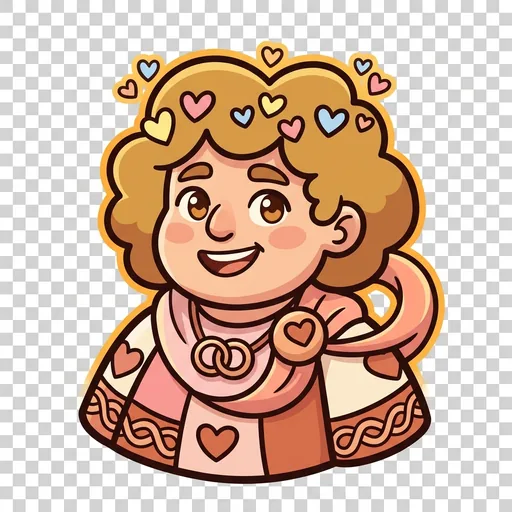
Lover
The relational-bond-bearer (Aphrodite-aspect, the romantic-mythic pair, the bond-that-shapes-the-world archetype).
-

Sovereign
The cosmic-order-keeper archetype (Zeus-aspect, Odin-as-ruler, Ra-as-cosmic-king, Quetzalcoatl-aspect).
-
Magician
The transformation-bearer (Hermes-Trismegistus, Tezcatlipoca-aspect, Merlin, the alchemist-figure, the shape-shifter pattern).

