Crest
MAIN IDEA
Loading audio…
Press play to listen along. The line being read lights up as you go.
Show full transcript
Loading transcript…

Crest grew up on a mountain.
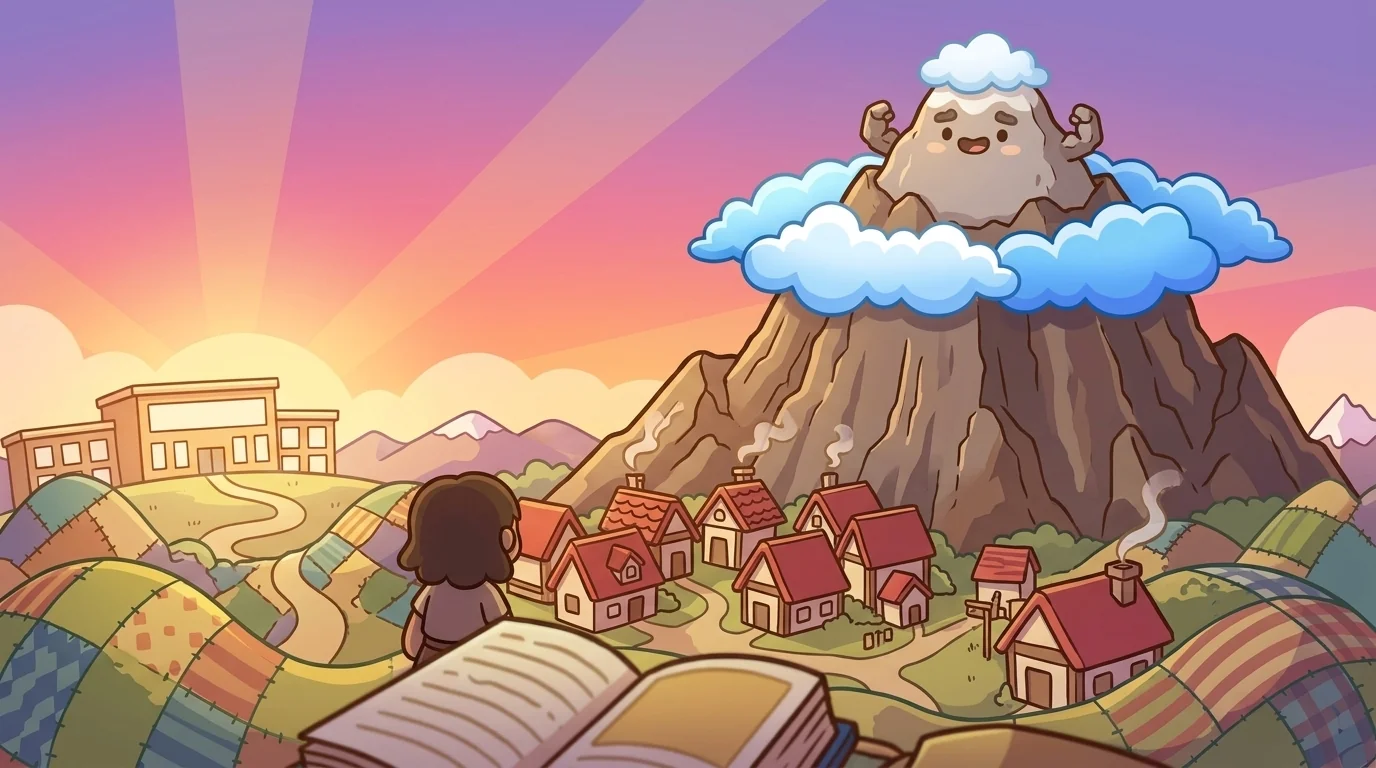
The mountain was Mount Comprehension — a real geographical feature in the kingdom's word-woods region, the highest peak in the small range that surrounded the ReadQuest academy's grounds. The mountain had a clearly visible peak — a single sharp pointed summit, visible for miles in every direction. Travelers from distant towns navigated by the peak. The peak was the most-defining feature of the local landscape. Other mountains in the range were taller in certain directions, but Mount Comprehension's peak was the most-recognizable. When the local map-makers wanted to show the region, they drew the peak first. Everything else was oriented around it.

Crest grew up in the village at the foot of the mountain. The village was called Footpath. Footpath sat on the southern slope of the mountain. Most of the village's children — Crest included — had spent their childhoods looking up at the peak. The peak was always there. It was the first thing visible at dawn (sunlight caught it before reaching the valley). It was the last thing visible at dusk (the peak still glowed pink when the village below was already dark).
What Crest understood — from a very early age — was that the peak was the central feature. You could describe the mountain by describing other features (the southern slope, the northern ridge, the tree-line, the snow-line, the rocky outcrop, the alpine meadow) — and these descriptions would be accurate. But if you wanted to convey what the mountain was, you had to point to the peak. The peak was the thing the mountain was most about. The peak was the main idea.
Crest applied this to passages when she was thirteen and started formal schooling at ReadQuest academy. The teacher, on the first day, had said: "Reading a passage is like looking at a landscape. You see many details. But every passage has a peak — the central message. Finding the peak is the foundation of comprehension."

Crest had raised her hand. She had said: "Like Mount Comprehension."
The teacher had said: "What?"
Crest had said: "My mountain has a peak. The peak is the most-defining feature. You can describe the mountain by describing other features — but if you want to convey what the mountain is, you point to the peak. Passages work the same way. Every passage has a peak — the main idea. Many details surround it. The details are real. But the peak is the thing the passage is most about."
The teacher had been delighted. She had said: "That is exactly right. Have you considered teaching?"
Crest had not. She had thought about it for several years. By eighteen she had decided. She went to the academy's teacher-track. She joined the faculty at twenty-one. She has been teaching main-idea identification for eleven years.
In her classroom, she begins every first-day lesson the same way. She brings, on a small wooden table, a topographic model of Mount Comprehension (a small carved-wood model she made herself; it shows the peak clearly with the surrounding features arranged around it). She turns to the class. She says: "This is Mount Comprehension. The peak is the highest point. The peak is the thing the mountain is most about. If you had to describe this mountain to someone in a single sentence, you would say: it has a sharp pointed peak. The peak is the central feature. Everything else organizes around it."
She then writes a short passage on the board. She asks: "What is this passage most about? Not what it mentions — what it is most about. What is the peak?"
The students try. They identify the main idea. Crest gently corrects when they confuse details (mentioned facts) with the main idea (the thing the passage is most about). She uses the mountain-model. She points at the peak. She points at the slopes. She says: "The slopes are details. The peak is the main idea. Both are part of the mountain. Only one is the answer to what is this most about."

The students — always — find this clarifying. They had often confused main idea with supporting details. Crest's mountain-and-peak distinction makes the difference visceral.
When students ask Crest whether finding the main idea is hard, Crest always says the same thing:
"It is not hard. It is finding the peak. Look at the passage. Ask: what is this most about? The answer is one or two sentences. It is the central message. It is the peak. Everything else in the passage is slopes — important, but not the peak. Find the peak first. The rest will organize around it."
She still carries the topographic model. The children sometimes ask to hold it. She always lets them. She has, over eleven years, guided perhaps four thousand children to find perhaps forty thousand main ideas. The peaks, she says, are always there. You just have to look up. And every time a child's face relaxes — that little moment when the confusion melts and they finally feel sure — Crest feels a warm, steady gladness, the same calm she felt as a girl looking up at her mountain. That feeling, she thinks, is what reading is really for: not the finding, but the quiet relief of knowing where you are.
Hear it as an audio drama
A short play starring Crest, from ReadQuest. Different voices, same idea. Listen any time after you read.
Loading audio…
Read the drama script
- Narrator: From Spark and Anvil and ReadQuest — this is Crest, in chapter 1 of the ReadQuest cast.
- Narrator: This drama uses an AI-generated voice. Voiced via Gemini 2.5.
- Narrator: Crest is a teacher who grew up looking at a mountain named Mount Comprehension.
- Narrator: It had a single, sharp summit. The peak was the most-defining feature of the entire landscape.
- Crest: The peak is the main idea. It is the one central thing the passage is most about.
- Crest: The other sentences are like the slopes and trees. They are supporting details, not the peak itself.
- Narrator: When Crest was a girl at ReadQuest academy, her teacher asked the class to find a passage's central message.
- Crest: I raised my hand. I said the central message is the peak. Everything else is just the slopes around it.
- Narrator: The teacher was delighted. She said that was exactly right and that Crest should consider teaching.
- Narrator: Now, Crest is the teacher. In her classroom, she keeps a small wooden model of Mount Comprehension.
- Crest: I ask my students: what is this passage most about? Not what it mentions, but what it is most about.
- Crest: Don't get lost on the slopes. Just find the one central peak. That is the main idea.
- Narrator: The peak is one or two sentences. It's the central message. It's what makes the passage whole.
- Crest: Look up. The peak is always there.
- Narrator: You've been listening to a Spark and Anvil chapter, written by the Spark and Anvil writing team for ages 9 to 14.
- Narrator: Apps stay free forever.
- Narrator: Curriculum aligned to Common Core English Language Arts.
- Narrator: Released under Creative Commons BY-NC-SA 4.0 for educational reuse. Visit Spark and Anvil for the full transcript.
The ReadQuest ensemble
Crest is one of the friends in ReadQuest. Each friend shows you one idea by how they act; meet them all and you have the whole subject.
-

Hunch
Inference (reading between the lines)
-

Anchor
Evidence / textual citation
-

Plume
Author's purpose / voice / tone
-

Frame
Text structure (compare-contrast, sequence, cause-effect, problem-solution, description)
-

Pith
Vocabulary in context (deriving word meaning from surrounding text)
-
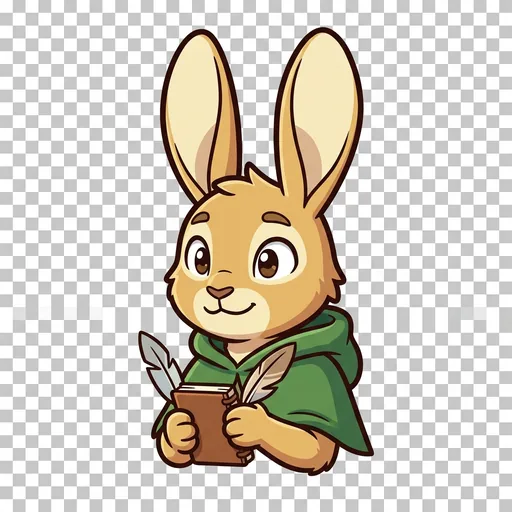
Yonder
Predicting — alert young-hare creature who reads the trail's clues to guess what's around the bend; a wrong guess just means the story surprised you
-
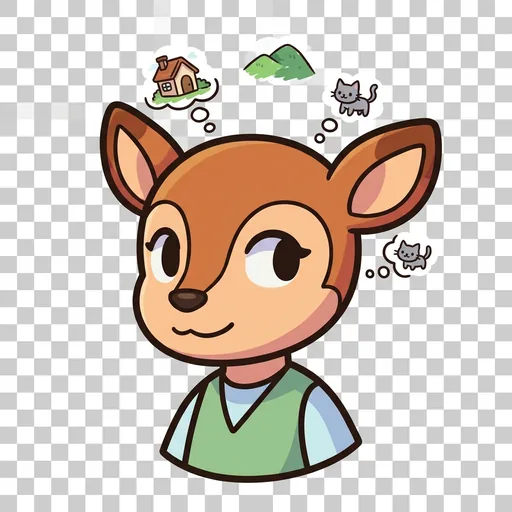
Vista
Visualizing — dreamy young-deer creature who turns words into a movie in the mind; the writer gives the words, the reader gives the pictures
-

Nettle
Questioning the text — question-quilled hedgehog who pokes a passage with why/how/what-if; asking questions means you're awake, not that you don't understand
-
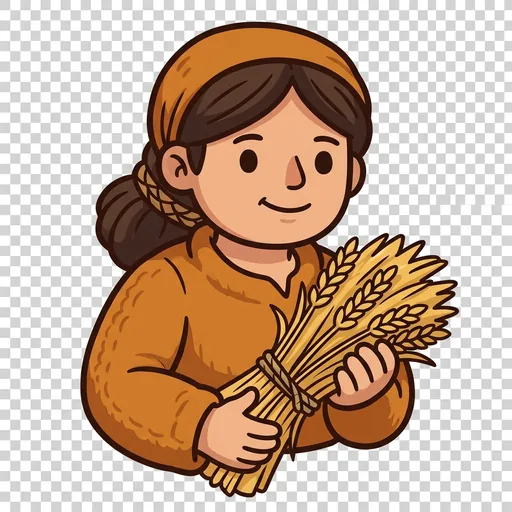
Sheaf
Summarizing — warm-handed harvester who gathers a whole passage into one tidy armful, keeping the important middle and letting loose details fall