
Aim and Vast
BUILDING A SHOT — a shot is two choices at once: where the camera stands (Aim's angle — low, high, level) and how much it shows (Vast's size — wide, medium, close). Low-and-close makes a subject tower and intimate; high-and-wide makes it tiny and alone. The two choices MULTIPLY into the feeling.
Loading audio…
Press play to listen along. The line being read lights up as you go.
Show full transcript
Loading transcript…
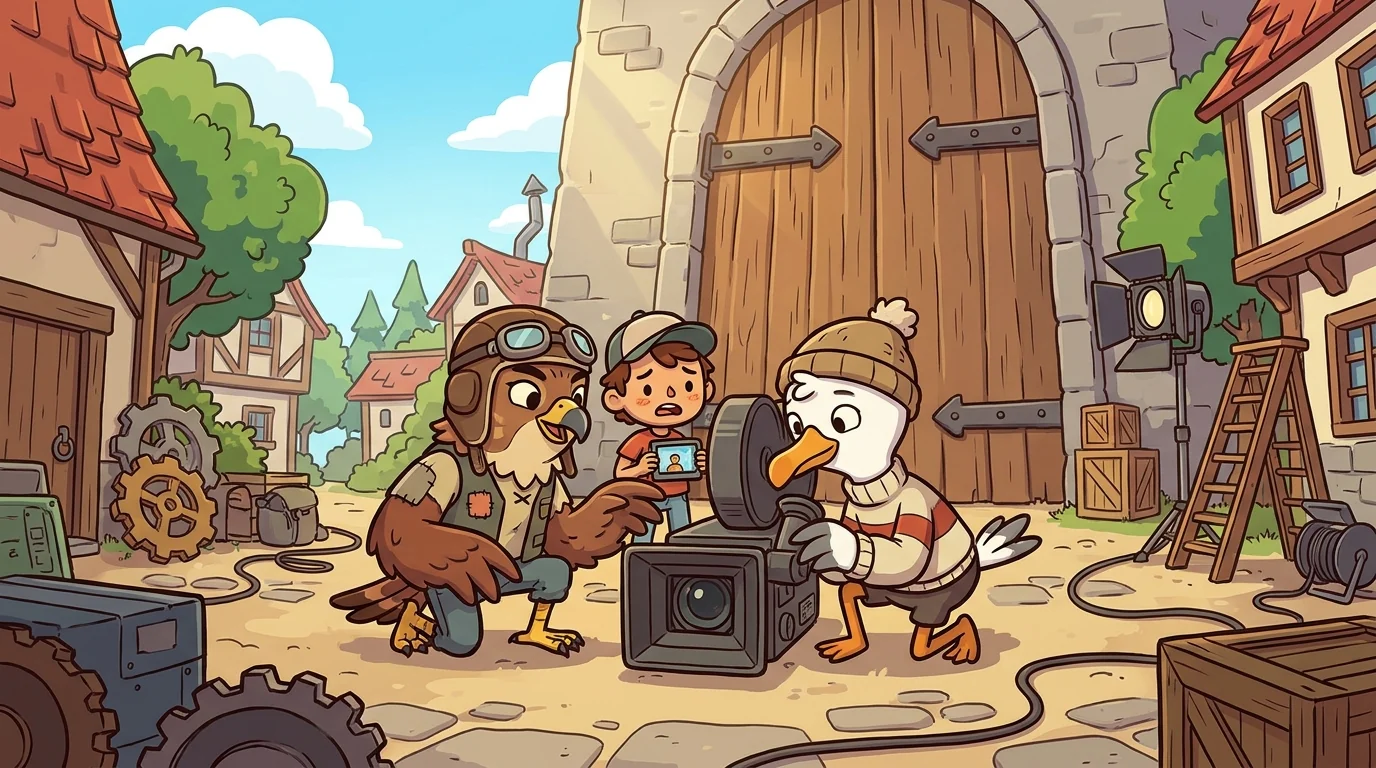
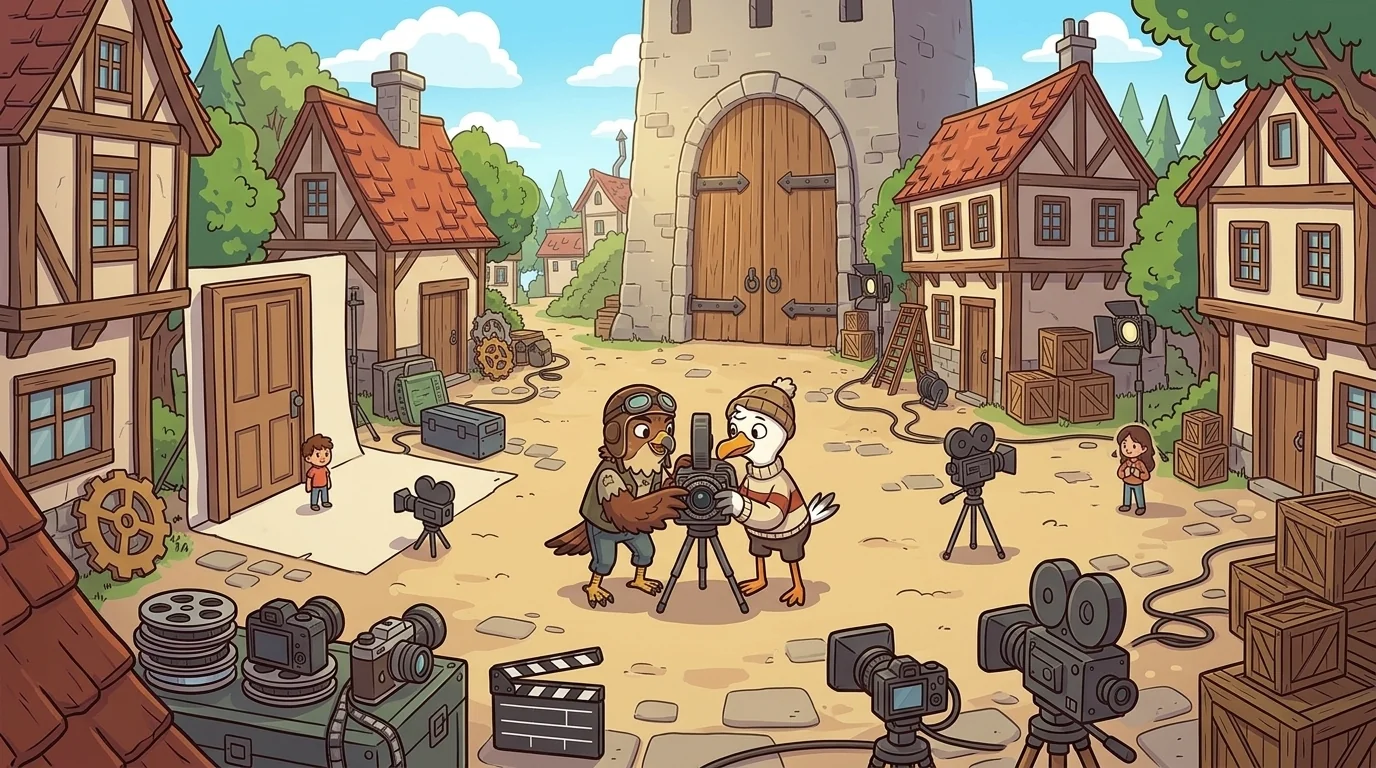
A kid came to the Reelforge courtyard one morning with a single problem and, without meaning to, brought two teachers to the same spot. The scene was about a small child standing before a towering ancient door — a moment meant to feel enormous, the child brave and tiny at the threshold of something huge. But the footage felt like nothing. So the kid went first to Aim, the falcon-tween who knew where a camera should stand, and then, still stuck, to Vast, the albatross-tween who knew how much a camera should show — and the two of them, who had always worked in different corners of the yard, ended up crouched over the same viewfinder. And each, at first, was sure they alone had the fix.
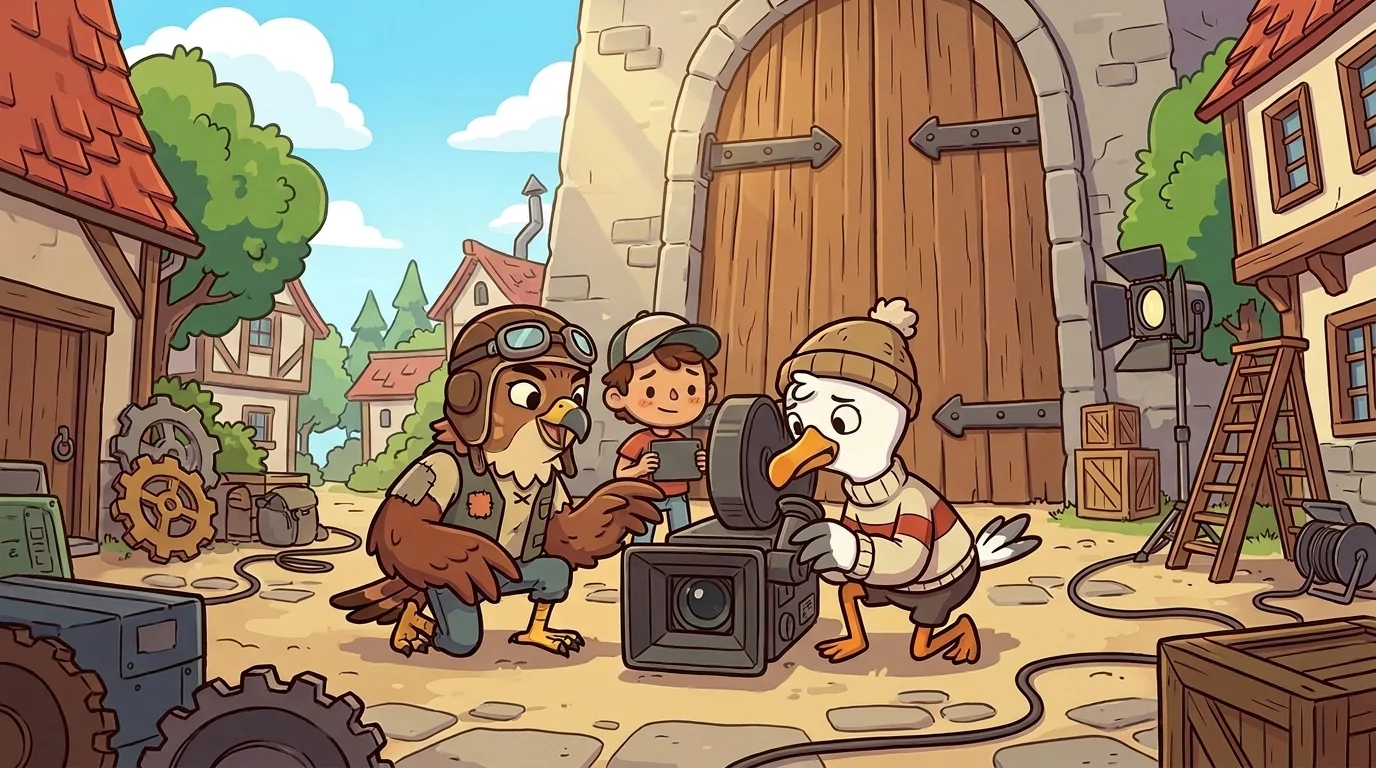
Aim did his half — the angle. "The footage feels flat because you shot it at eye level," he said. "Level says nothing — it's neutral, a bystander's height. This door is supposed to loom." He dropped the camera low, near the child's feet, and tilted it up at the door. Instantly the door reared up, vast and imposing, and the child — seen from below — gained a little heroic bravery, chin up against the giant. "Low angle," Aim said. "Stand beneath a thing and it towers; the subject gains power. Stand above and look down, and the subject shrinks, gets vulnerable. Where I put the camera decides who has the power in the frame." He sat back, pleased. "There. Fixed." But the kid squinted — better, yes, but still not enormous. Something was missing.
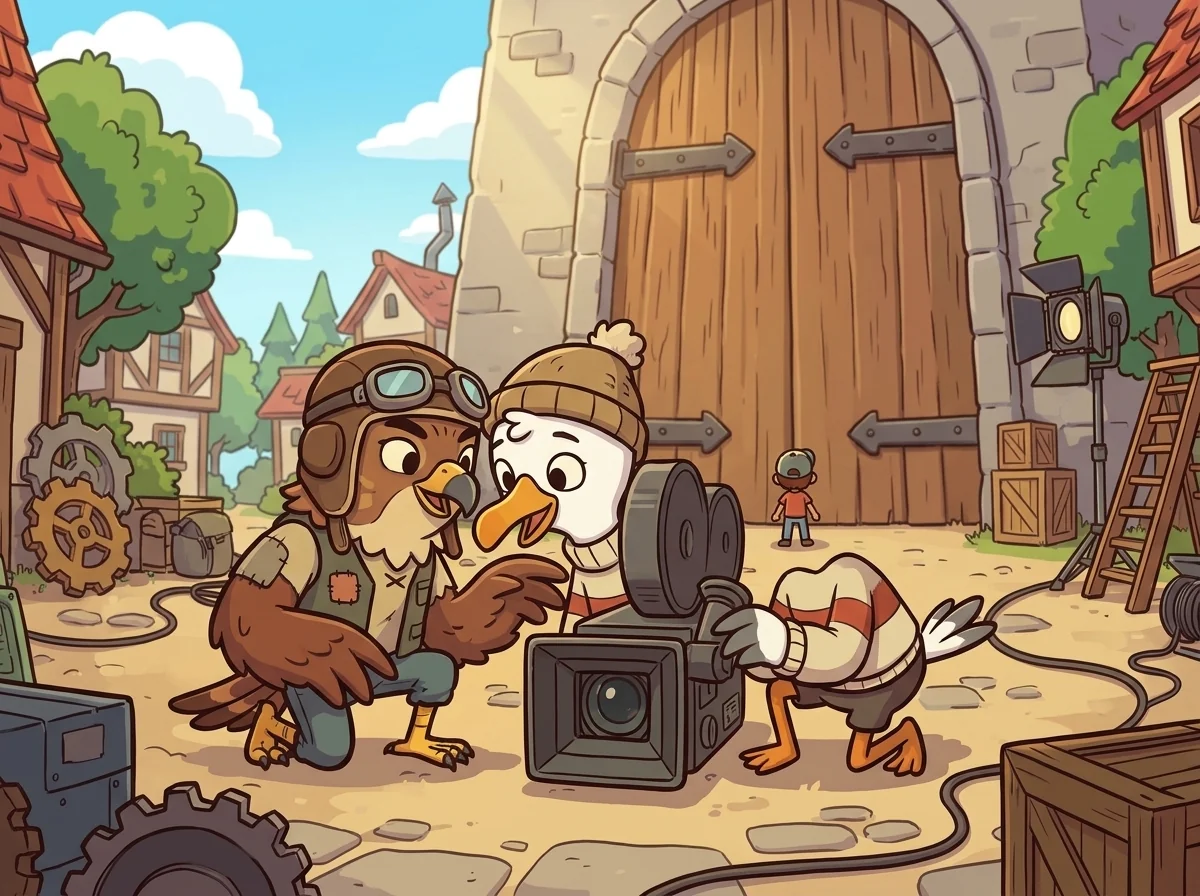
Then Vast did her half — the size. "Your angle's right," she said, "but look how much you're showing. You're in a medium shot — we see the child and a chunk of door, cozy and contained. Nothing here feels vast, because you haven't let it be vast." She pulled the frame wide — the whole soaring door top to bottom, the whole echoing hall, the child a small brave speck at the base of it. The loneliness and scale flooded in. "Wide shot," Vast said. "Show the whole world and the subject is small inside it — that's awe, that's solitude, that's enormous." She sat back too, satisfied. But now the kid frowned again: it looked huge now — but the child had become too small, a speck you couldn't feel with. The bravery Aim's angle had found was lost in all that space.
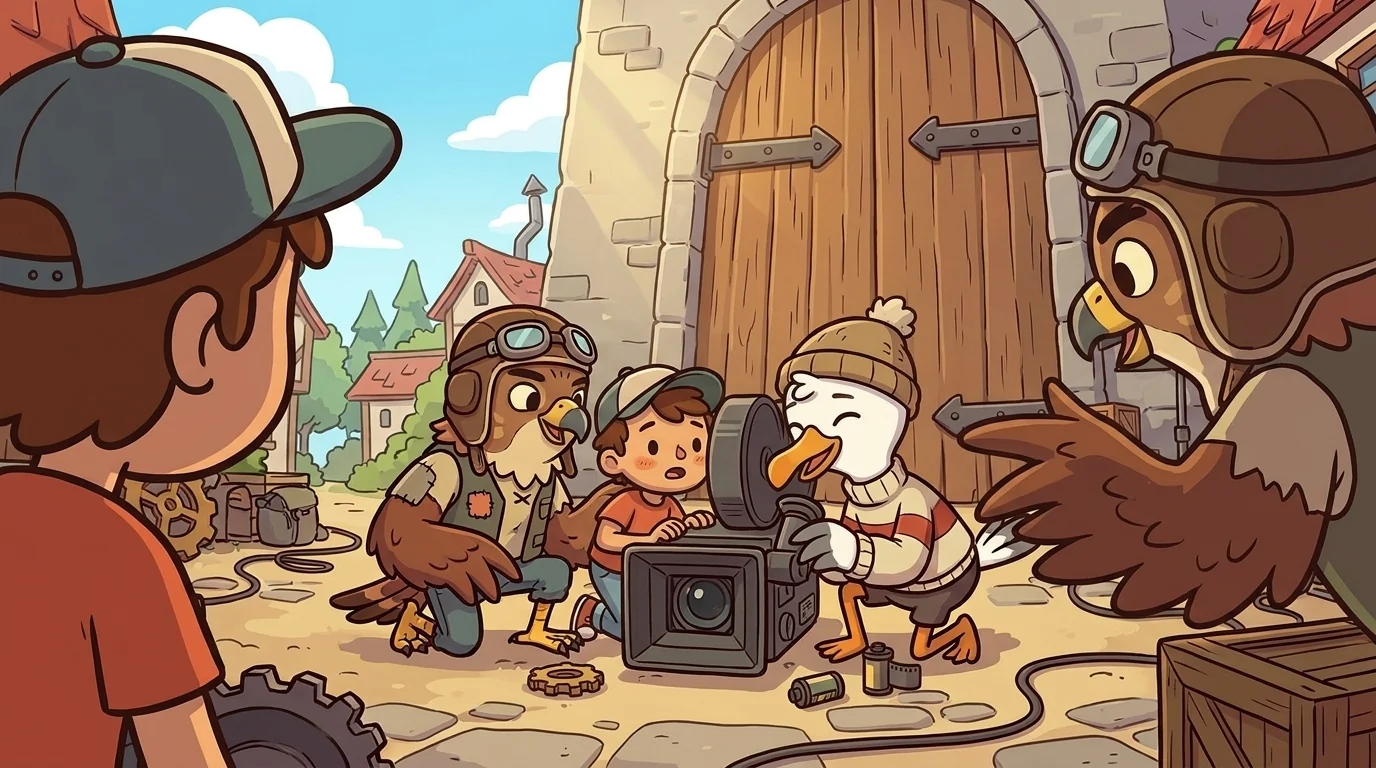
And that was the moment the two of them saw it — that neither choice was the shot. "Oh," said Aim slowly. "Your wide made it huge, but it swallowed the kid I made brave." "And your low angle made the kid brave," said Vast, "but my wide made them too tiny to feel it." They looked at each other, and then combined their choices instead of taking turns. Low angle and — not a full wide, but a wide-ish medium that kept the child big enough to care about while still letting the door loom overhead. Suddenly it landed: the door towering (Aim's up-tilt), the child small-but-present-and-brave (Vast's carefully-chosen size), the awe and the heart, both at once. "It's not angle or size," Aim said, wonder in his voice. "It's angle times size. Low-and-close would make the kid tower and fill the frame — intimate power. High-and-wide would make them tiny and doomed. Every pairing is a different feeling — the two choices don't add, they multiply." Vast nodded. "One of us could never build a shot. It takes both dials, set together."
"So a shot isn't one decision," the kid said, the whole thing clicking. "It's two — where the camera stands and how much it shows — and the feeling comes from how they combine?"
"That's the secret of it," Aim said, and Vast grinned beside him. They built the finished shot together — his low up-tilt, her chosen size — and the towering door and the small brave child arrived in the frame exactly as the story had always meant them to. Under the quiet, the two of them felt the same settled gladness: not the flatness of an eye-level medium that said nothing, not the cold hugeness of a wide with no one to love or the trapped closeness of an angle with no room to breathe, but a built, balanced, two-dials-together rightness — the ease of a falcon who knew where to stand and an albatross who knew how much to show, discovering that a shot is neither of their choices alone but the product of both. That built-together, angle-times-size feeling, steadier than either dial turned by itself, was to Aim and Vast exactly why they'd ended up at the same viewfinder — and stayed.
The ReelForge ensemble
Aim and Vast is part of ReelForge's distributed-narrative cast. Each character embodies a different curricular primitive; together they teach the full subject.
-
Draft
Storyboarding — pre-visualization; 'Draw it first. Then film it.'
-
Aim
Camera angles + framing — 'Where the camera stands changes the story.'
-

Bright
Lighting design — 'Three lights. Different feelings.'
-

Buzz
Sound design — foley + ambient + dialogue — 'Sound is the other half.'
-
Snip
Editing — timeline + transitions + pacing — 'Cut here. Not there.'
-

Whole
Multi-scene narrative — 'Beginning. Middle. End.'
-
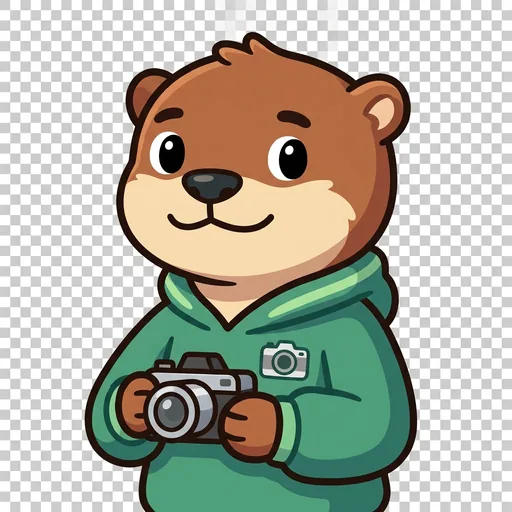
Dolly
Camera movement — the push-in, the follow, the reveal — 'Move the camera to move the eye.'
-
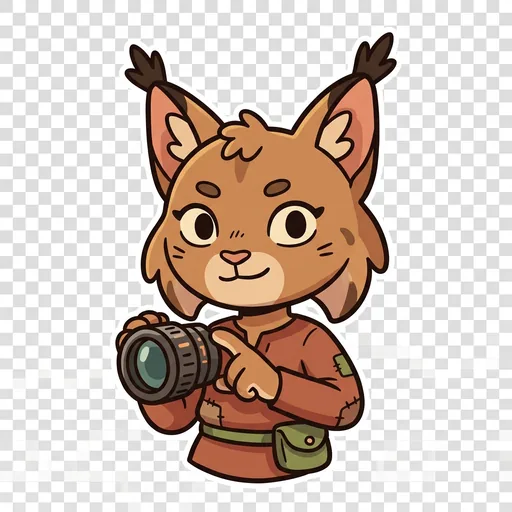
Sharp
Focus + depth of field — 'Where the eye lands.'
-
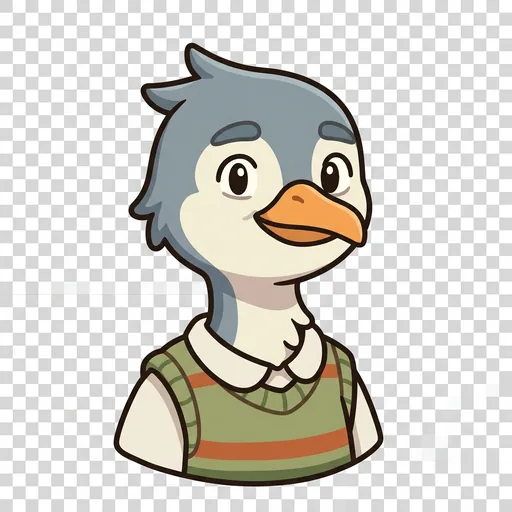
Stir
Blocking + performance — 'The body carries the scene.'
-
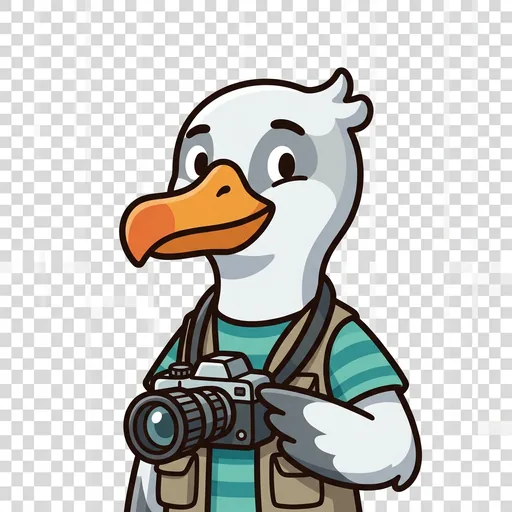
Vast
Shot size — wide, medium, close — 'How much you see changes how you feel.'