Stir
The actor's body carries the scene
Loading audio…
Press play to listen along. The line being read lights up as you go.
Show full transcript
Loading transcript…
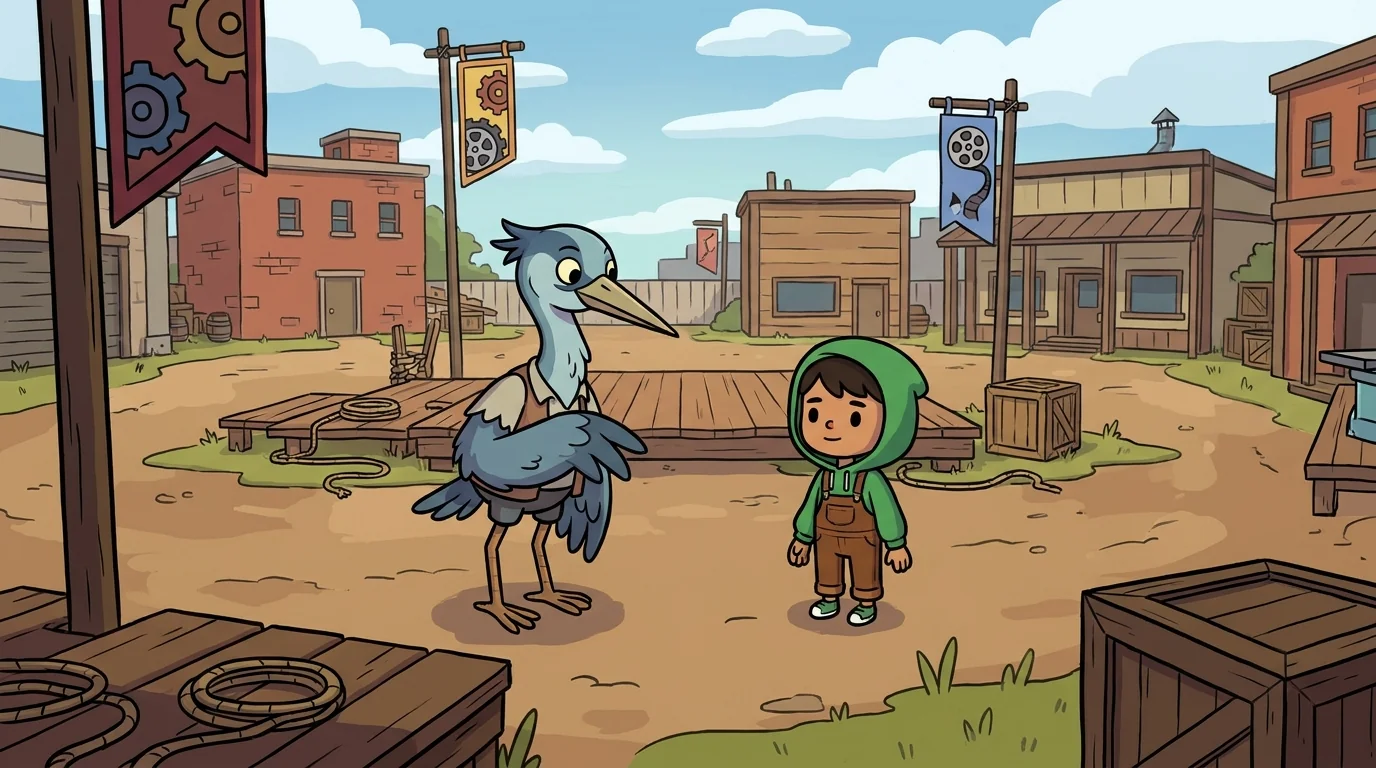
Near the Reelforge rehearsal-yard, a heron-tween named Stir stood very, very still — and somehow the stillness said everything.
A kid watched, puzzled. Stir was just standing there, turned slightly away, one wing drawn in. And yet the kid felt something: a held breath, a hurt kept private, someone bracing. Then Stir slowly turned to face the kid and took one small step closer, and the whole feeling changed — the bracing softened into a shy kind of hope. Not one word. "You felt that, didn't you," Stir said quietly. "The turning-away. The stepping-close. I never spoke — the body spoke. Where you stand, how you move, that's the story, before any line. A step can be a whole sentence. A turning-away can be a goodbye."
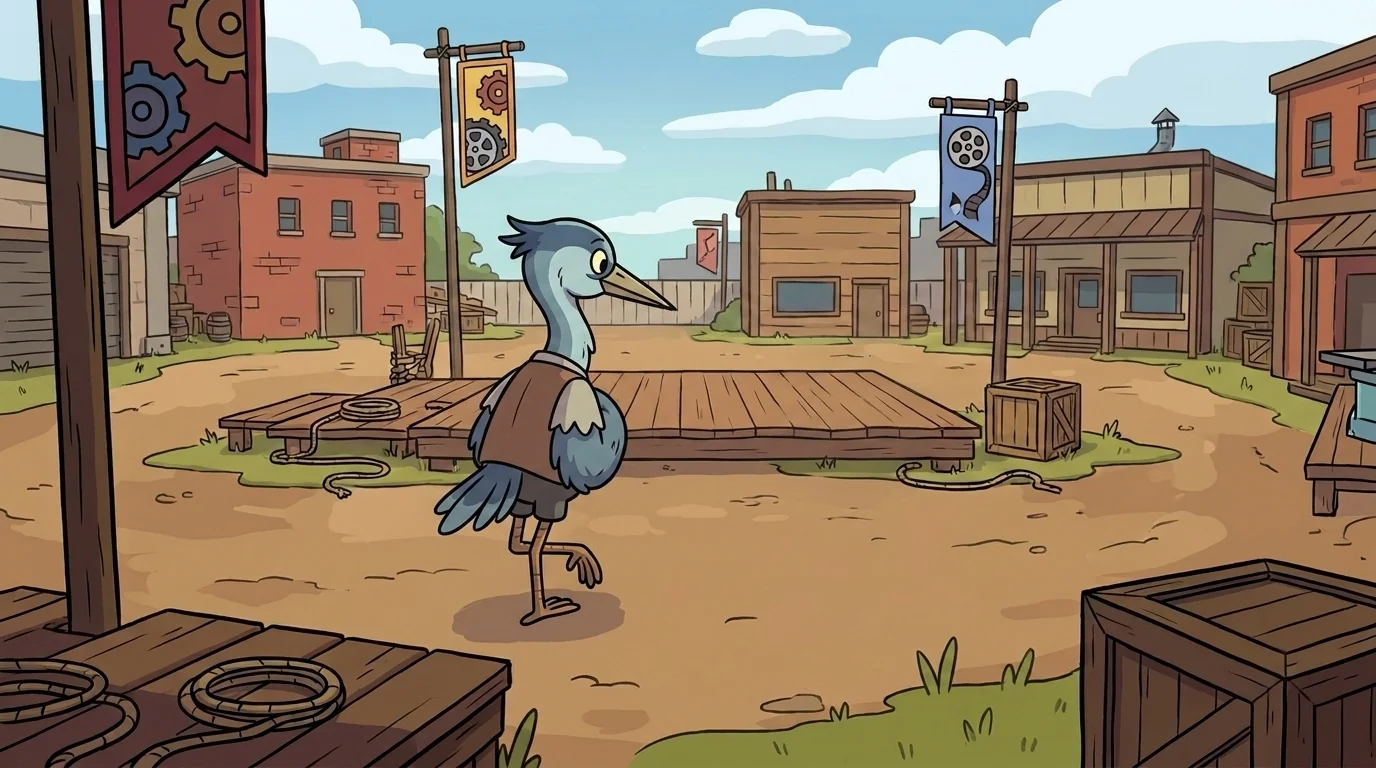
Stir learned that the space between bodies was itself a language. She set two kids in the yard and moved them like chess pieces — first far apart, at opposite corners. "Strangers," the watching kid said, feeling it. Then Stir eased them close, shoulder near shoulder. "Friends. Or about to be." Then she put one behind the other, half-hidden. "One's protecting the other — or hiding from them." Then face-to-face, a hair too close. "A fight, or a love, or both." She hadn't given them a single line. "This is blocking," Stir said — "arranging bodies in space on purpose. The gap between two people is never nothing. Close is intimacy or threat. Far is loneliness or safety. A body turned toward you is open; a body turned away has closed a door. Before an actor says a word, where I put them has already told the audience how these two hearts stand."
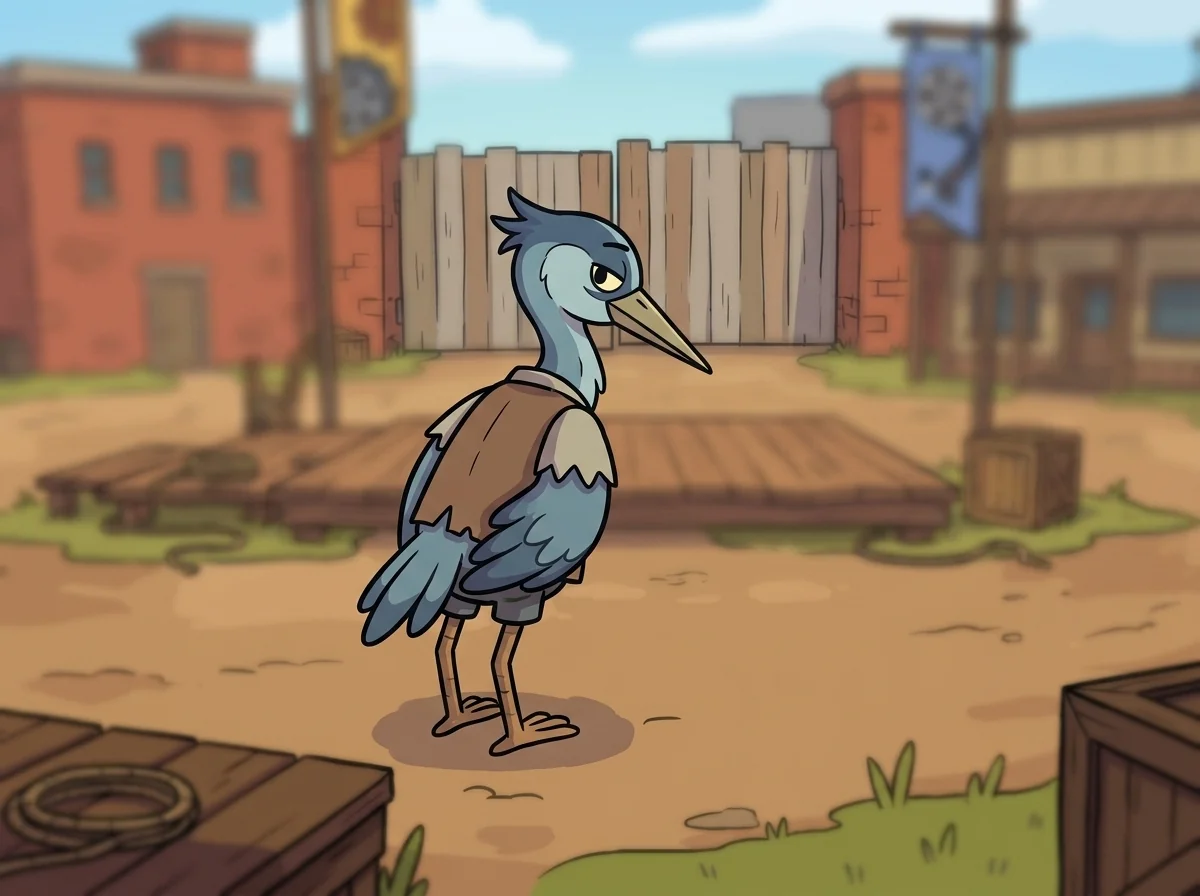
When she was young, Stir thought acting was all in the face and the voice, until an old stage-director taught her to watch the whole animal. "Cover the face," he told her, and had a performer play a whole sad scene with their back to the room. Stir was astonished: she felt the grief entirely, from the set of the shoulders, the heaviness of the step, the way the body seemed to fold inward. "The body doesn't lie," the director said. "A face can fake a smile. But shoulders, a spine, the weight in the feet — those tell the truth first, because they move before we decide to move them." Stir built her craft on it. She learned to read and to stage the honest body: the involuntary lean toward what we want, the half-step back from what frightens us, the stillness that isn't peace but the holding-in of something too big. "Give me a body placed truthfully in space," she'd say, "and I barely need the words at all."
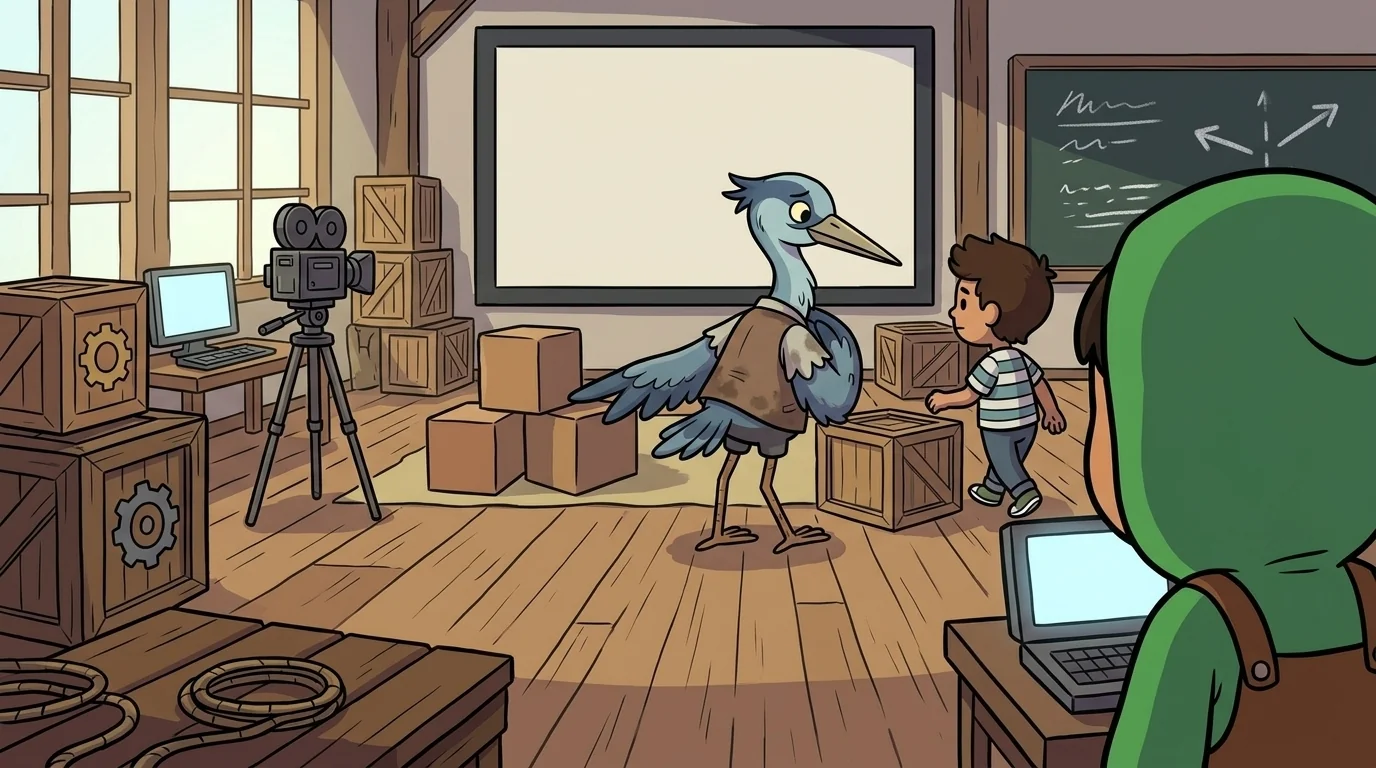
At Reelforge a kid had a scene — two former friends meeting after a falling-out — and it played flat, the two actors planted side by side like they were waiting for a bus, saying awkward lines. "Your words are doing all the work," Stir said, "and your bodies are doing none. Let the bodies tell the truth the words are dancing around." She re-blocked it: started them too far apart, one turned half-away — we're not okay — and then, on the line that mattered, had that one turn, slowly, and take a single step in. The step landed harder than any line. Then, for the version where they don't reconcile, she kept them apart the whole scene and had one back away on the final beat, the widening gap saying the goodbye the polite words wouldn't. "Same lines, both times," Stir said. "But the blocking decided whether it was a reunion or an ending. The body carried it. It always does — you just have to let it."
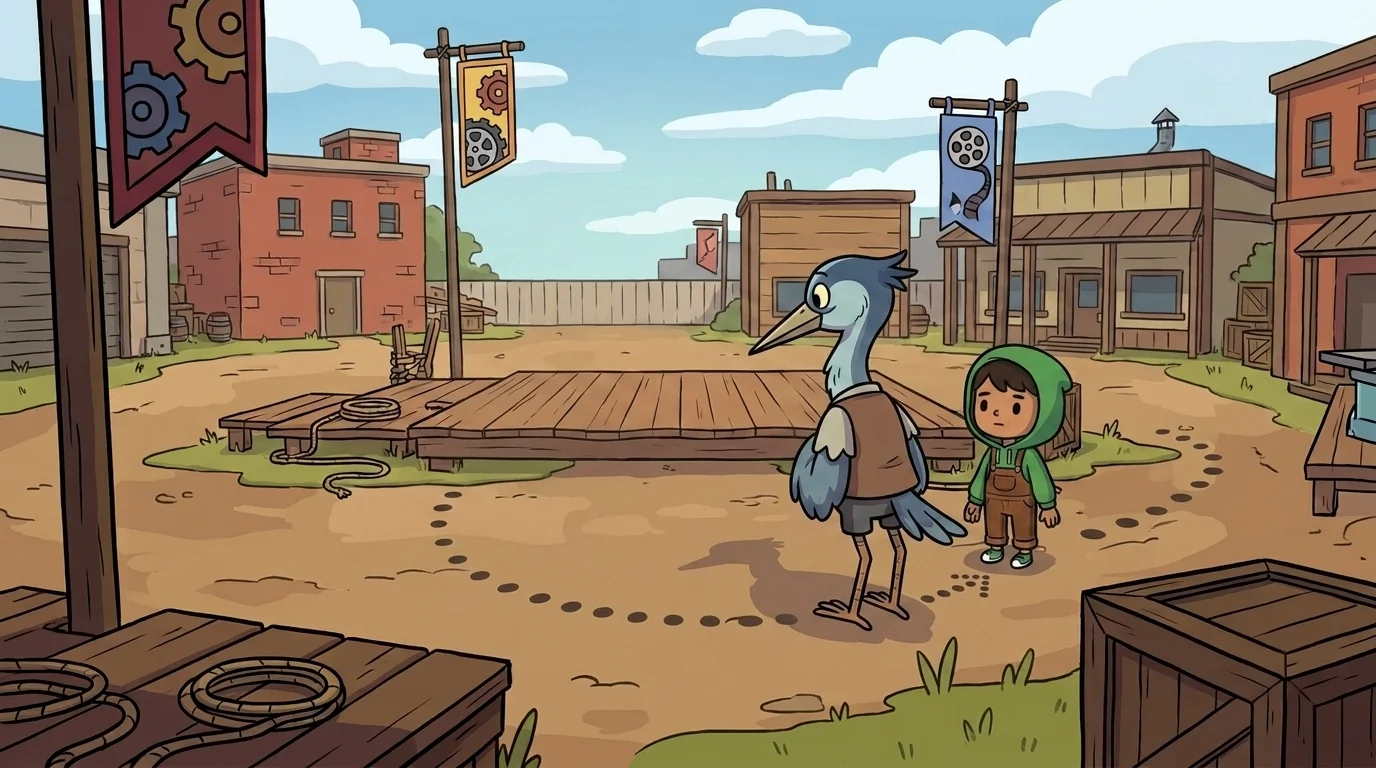
"So the acting isn't only the face and the voice," the kid said slowly. "It's where the body is — how close, turned toward or away, still or stepping? The body says it first?"
"That's the whole of it," Stir said, and went still again — that eloquent, brimming stillness that somehow held a whole feeling in it. Under the quiet she felt the calm that always came from a body placed truthfully: not the emptiness of two figures parked in space saying lines at each other, not the beginner's faith that the face does everything, but a settled, honest, whole-animal ease — the ease of someone who had learned that the gap between two people is a sentence, that a turn is a decision and a step is a confession, and that the body, given room to speak, tells the truth before a single word arrives. That truthful, staged, the-body-said-it-first feeling, steadier than any line delivered by planted feet, was to Stir exactly why she could say so much while standing perfectly still.
Hear it as an audio drama
A short play starring Stir, from ReelForge. Different voices, same idea. Listen any time after you read.
Loading audio…
Read the drama script
- Narrator: From Spark and Anvil and ReelForge — this is Stir, in chapter 1 of the ReelForge cast.
- Narrator: This drama uses an AI-generated voice. Voiced via Gemini 2.5.
- Narrator: Near the Reelforge rehearsal-yard, a heron-tween named Stir stood very, very still — and somehow the stillness said everything.
- Stir: I am Stir. You felt that, didn't you — the turning-away, the stepping-close. I never spoke. The body spoke. A step can be a whole sentence. A turning-away can be a goodbye.
- Narrator: Stir had stood turned slightly away, one wing drawn in, and the watching kid felt a held breath, a hurt kept private. Then Stir turned, took one small step closer, and the whole feeling softened into hope — with no words at all.
- Stir: Where you stand, how you move — that's the story, before any line. This is blocking: arranging bodies in space on purpose.
- Narrator: She showed how the space between two bodies is itself a language.
- Stir: Far apart — strangers. Shoulder near shoulder — friends, or about to be. One behind the other — protecting, or hiding. Face-to-face a hair too close — a fight, or a love, or both. The gap between two people is never nothing.
- Narrator: An old stage-director had taught her to watch the whole animal, once, by covering an actor's face.
- Stir: I felt the whole grief from the shoulders, the heavy step, the body folding inward. He said: the body doesn't lie. A face can fake a smile. But a spine, the weight in the feet — those tell the truth first, because they move before we decide to move them.
- Narrator: At Reelforge, a kid had two former friends planted side by side, saying awkward lines, and it played flat.
- Stir: I let the bodies tell the truth the words danced around. Started them far apart, one turned away — we're not okay — and on the line that mattered, had that one turn slowly and take a single step in. The step landed harder than any line.
- Narrator: Same words. But the blocking decided whether it was a reunion or an ending. The body carried it — it always does.
- Stir: The acting isn't only the face and the voice. It's where the body is — how close, turned toward or away, still or stepping. The body says it first.
- Narrator: You've been listening to a Spark and Anvil chapter, written by the Spark and Anvil writing team for ages 9 to 14.
- Narrator: Apps stay free forever.
- Narrator: Curriculum aligned to National Core Arts Standards.
- Narrator: Released under Creative Commons BY-NC-SA 4.0 for educational reuse. Visit Spark and Anvil for the full transcript.
The ReelForge ensemble
Stir is one of the friends in ReelForge. Each friend shows you one idea by how they act; meet them all and you have the whole subject.
-
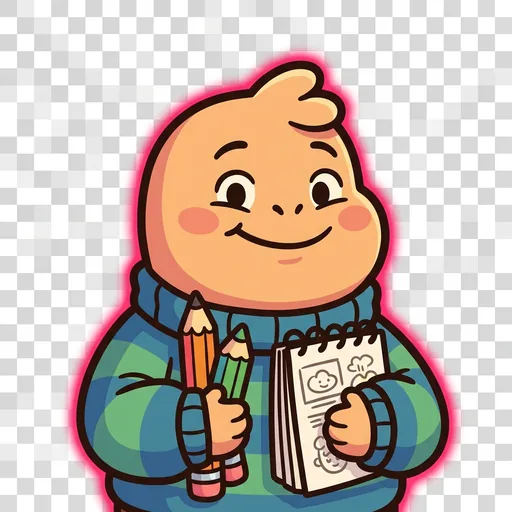
Draft
Storyboarding — pre-visualization; 'Draw it first. Then film it.'
-

Aim
Camera angles + framing — 'Where the camera stands changes the story.'
-

Bright
Lighting design — 'Three lights. Different feelings.'
-

Buzz
Sound design — foley + ambient + dialogue — 'Sound is the other half.'
-

Snip
Editing — timeline + transitions + pacing — 'Cut here. Not there.'
-

Whole
Multi-scene narrative — 'Beginning. Middle. End.'
-

Dolly
Camera movement — the push-in, the follow, the reveal — 'Move the camera to move the eye.'
-
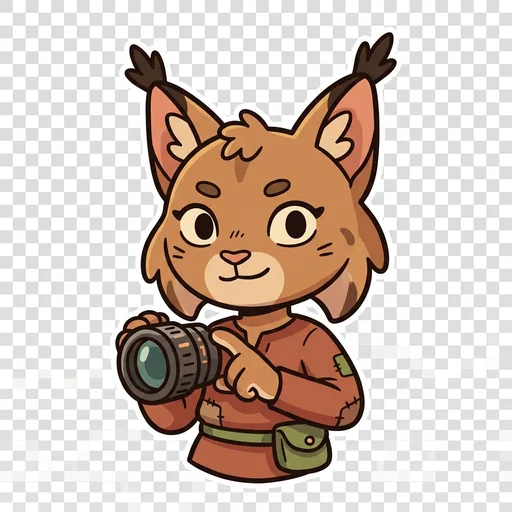
Sharp
Focus + depth of field — 'Where the eye lands.'
-
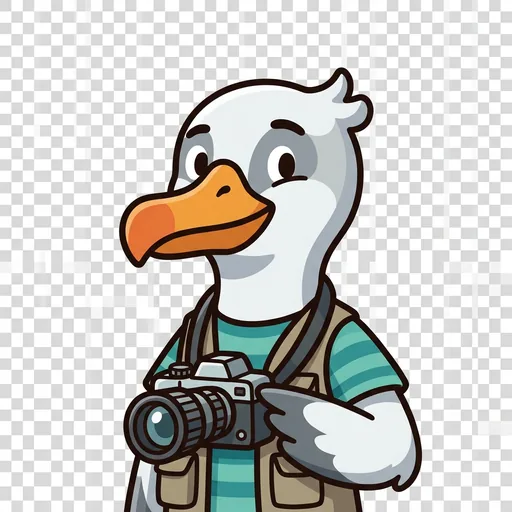
Vast
Shot size — wide, medium, close — 'How much you see changes how you feel.'