
Branch and Tick
WHAT ELSE, AND WHEN — a clue never means just one thing until you've checked: Branch asks "what else could explain this?" for every clue, and Tick puts every event in order on the clock — and the true explanation is the one that survives both the alternatives and the timeline
A story read by Branch and Tick
Loading audio…
Press play to listen along. The line being read lights up as you go.
Show full transcript
Loading transcript…
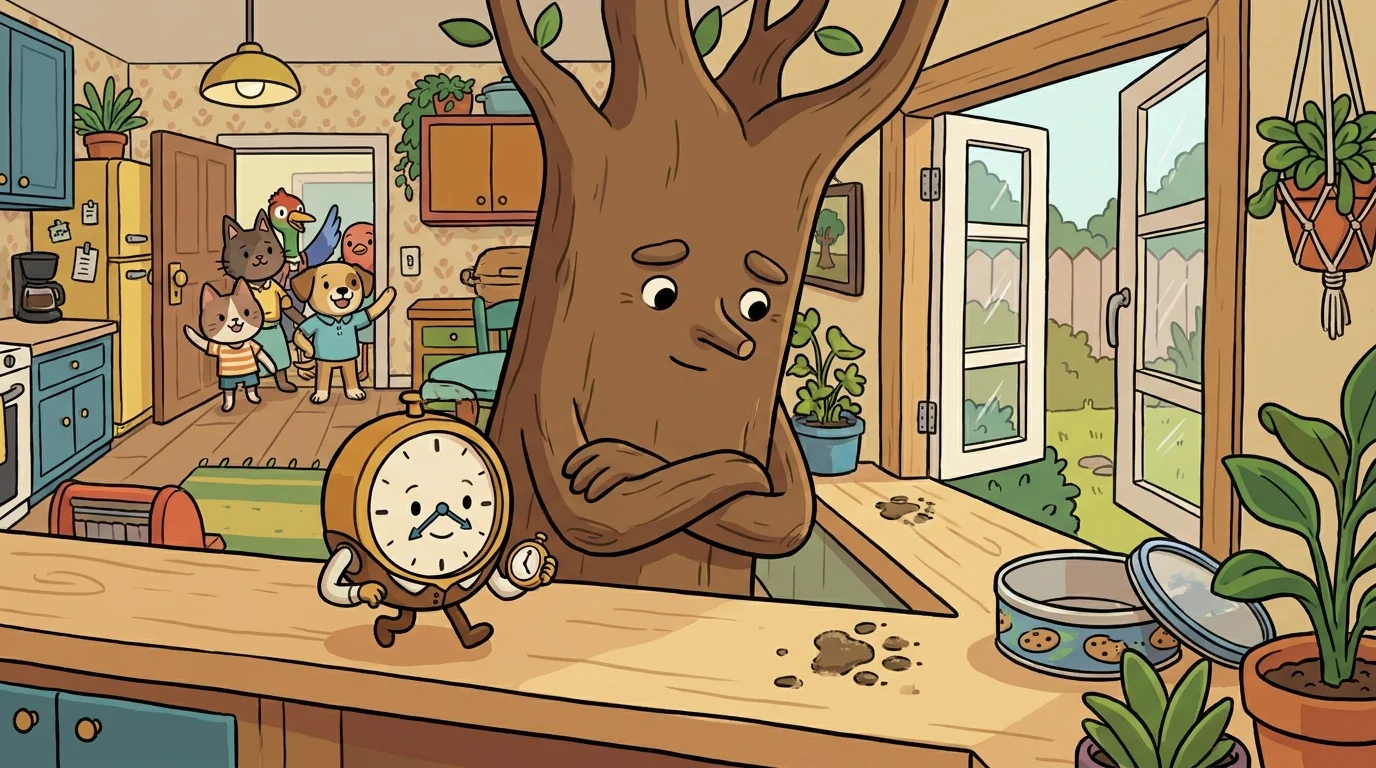
It looked, at first glance, completely obvious. The window was open. The cookie tin was empty. And there on the sill sat a single muddy pawprint. "The cat did it," everyone said at once. "Open-and-shut. Climbed in, ate the cookies. Case closed."
"Maybe," said Branch, not moving.
"When, though?" said Tick, tapping a small clock.
The two looked at each other. They shared a habit — refusing to close a case just because it looked closed — because "obvious" is a report about how familiar a story feels, not about whether it's true. So while everyone else was ready to blame the cat and go home, Branch and Tick sat down with the pawprint and got quietly to work.
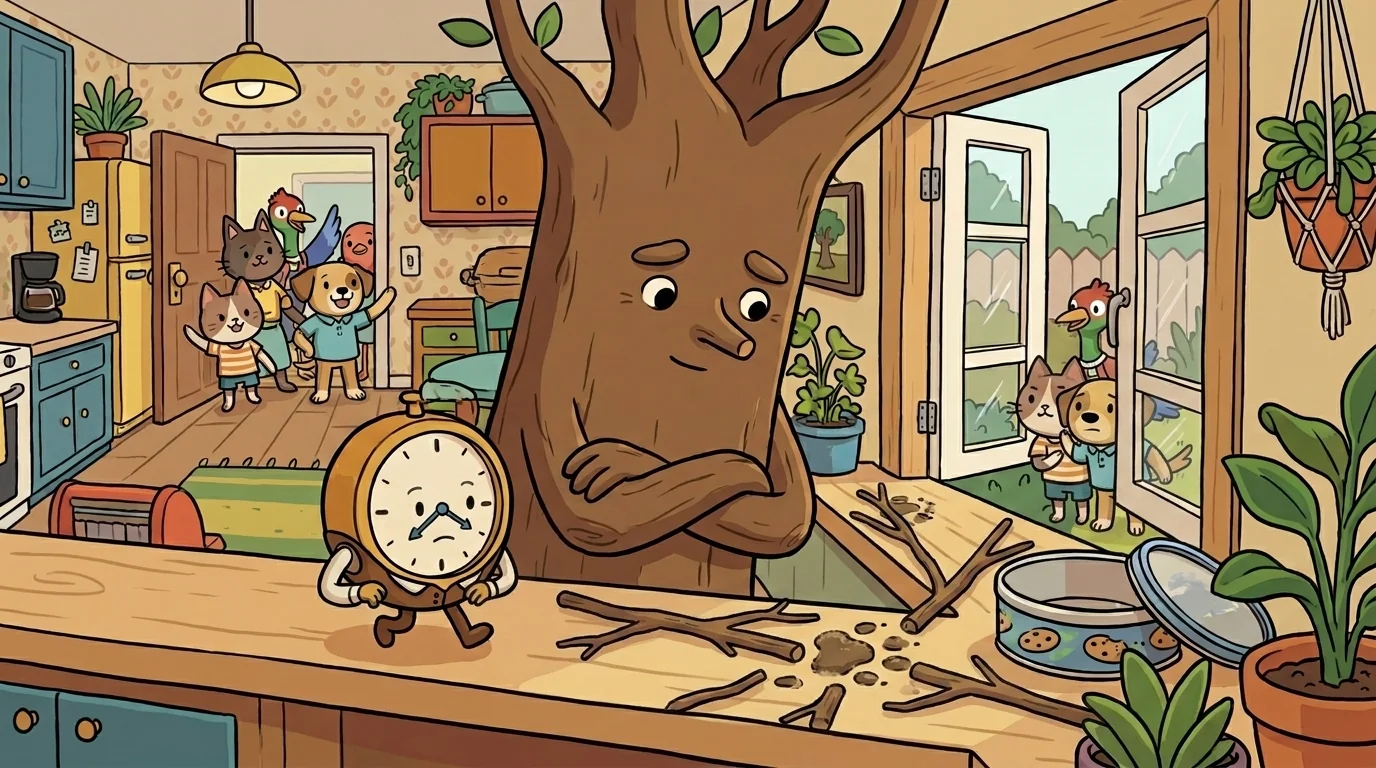
Branch went first, because Branch's whole discipline was refusing the first easy answer. For every clue, ask: what else could explain this? Branch would not let one obvious story stand until every live rival had been checked — this is reasoning to the best explanation, and it fails the instant there's only one explanation in the running. "The pawprint means the cat was here," Branch agreed. "But does it mean the cat ate the cookies? Those are two different claims, and we've quietly merged them. Let's separate what we see from what we're assuming." And Branch laid out the branches, unhurried, one at a time. Branch one: the cat ate the cookies. Branch two: the cat came in after the cookies were already gone, and the empty tin and the print are two unrelated facts that happen to sit near each other — a coincidence we're mistaking for a cause. Branch three: someone ate the cookies, opened the window to frame the cat, and the cat wandered in later. Branch four: there were never cookies in that tin today at all. "Four explanations. All fit what we can see. That's the trap — the obvious one isn't wrong for being obvious, but it isn't right for coming first. Each branch gets tested before we trust any."
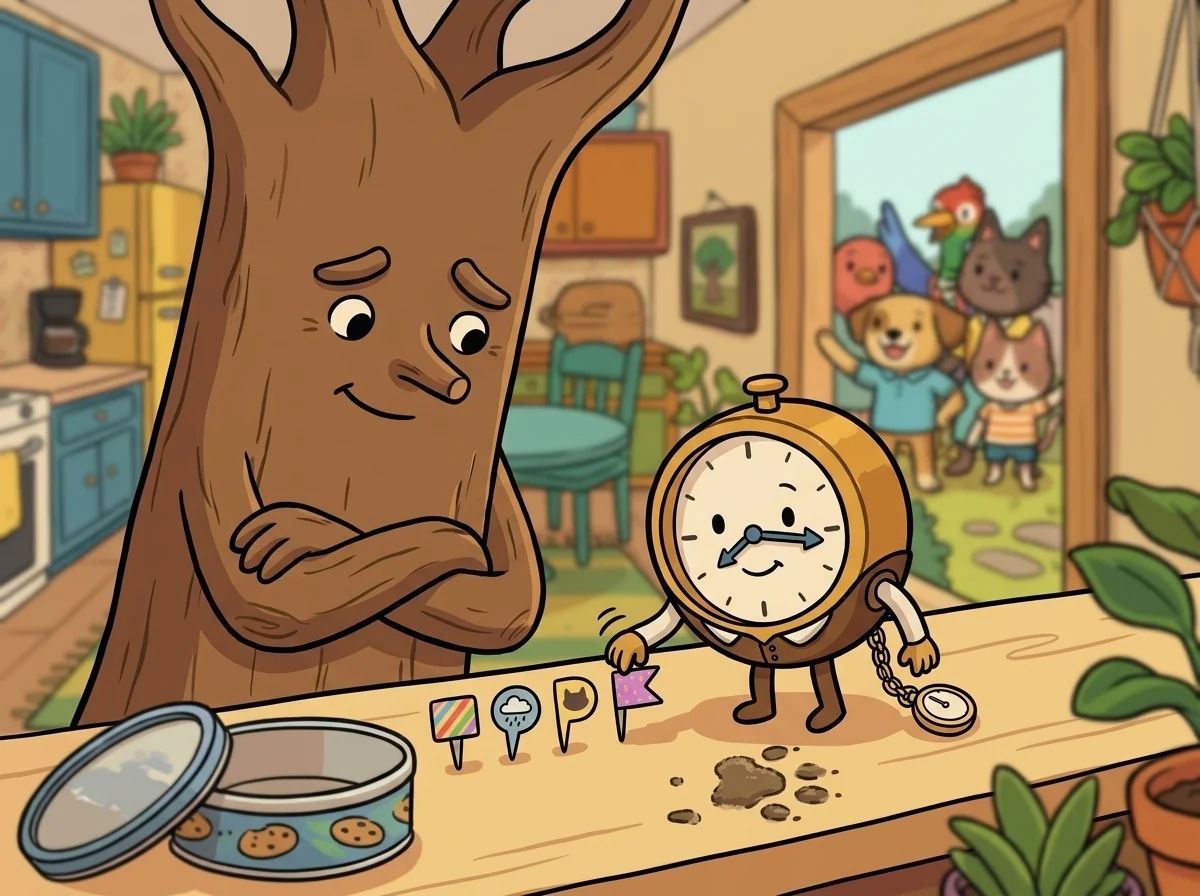
This was where Tick stepped in, because the way to test a branch is against the clock. Tick's discipline: put every event in order; the sequence rules out the impossible. So Tick pinned each known fact to a time. The cookies were counted full at three — Grandpa saw them. The window was found open at five. The mud outside stayed dry until the four o'clock rain, so the print could not exist before four. And the cat had been shut in the sunroom, everyone agreed, from three until half past four. "There," said Tick, laying it in order. "Now watch what the timeline does to Branch's four stories. I'm not going to argue anyone guilty — I'm going to let the clock delete whatever it makes impossible."
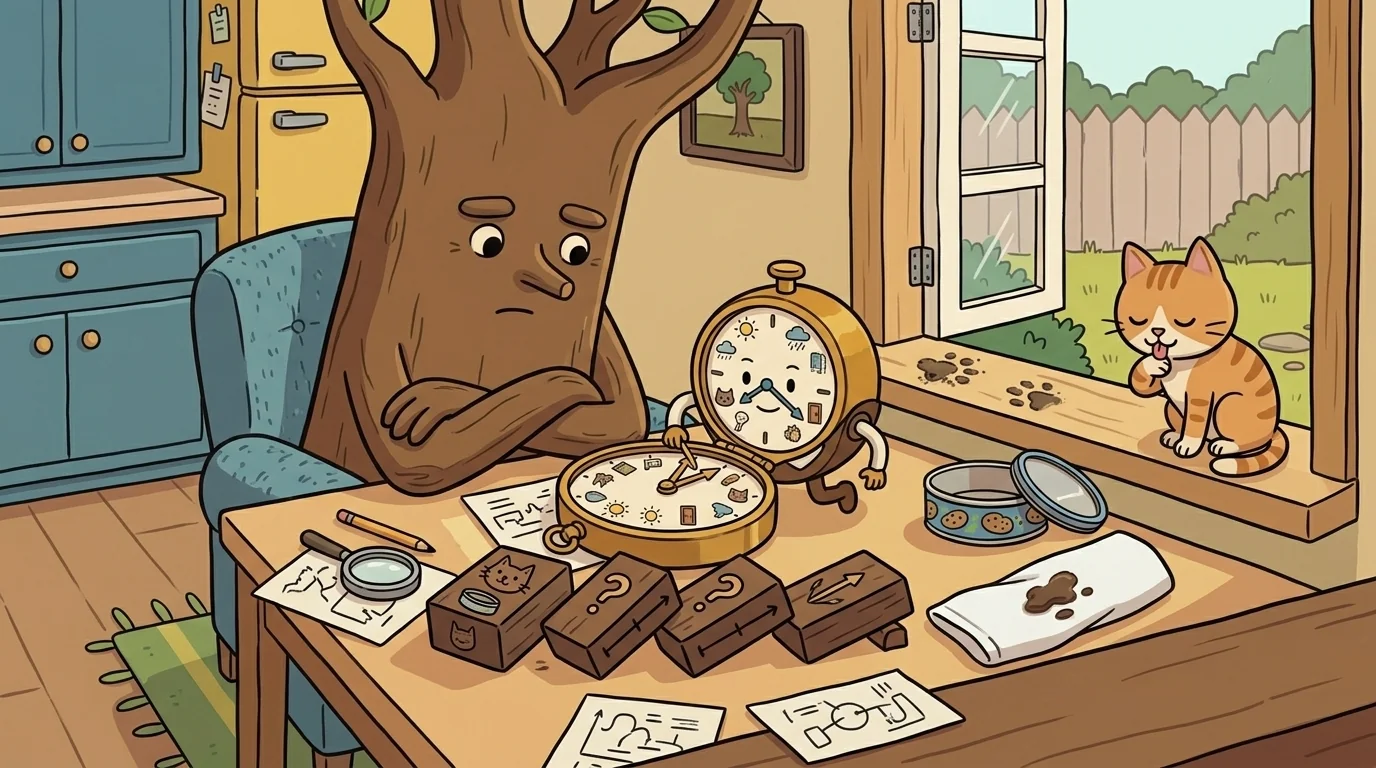
So together they walked each branch across the timeline, and one by one the clock knocked them down. Branch one — the cat ate the cookies. But the cat was locked up until 4:30, the print couldn't exist before the 4:00 rain, and — most telling — Grandpa's own note said the tin was already empty at 4:15, before the cat was ever loose. "The cat can't have," said Tick. "It wasn't even out. The clock says no." Branch one fell. Branch two and four fell on checking too — the tin had been full at three, and the print was real, so neither the coincidence nor the no-cookies story held. But Branch three — someone ate the cookies before 4:15, then opened the window — survived. It broke no clock; it fit every time. And then a small quiet clue clicked in: chocolate on the little brother's sleeve, from before lunch. "There it is," said Branch softly. "The one explanation that survives both filters — the alternatives and the timeline. Not the loud first answer. The one still standing after every test." The cat, entirely innocent, washed its paw.
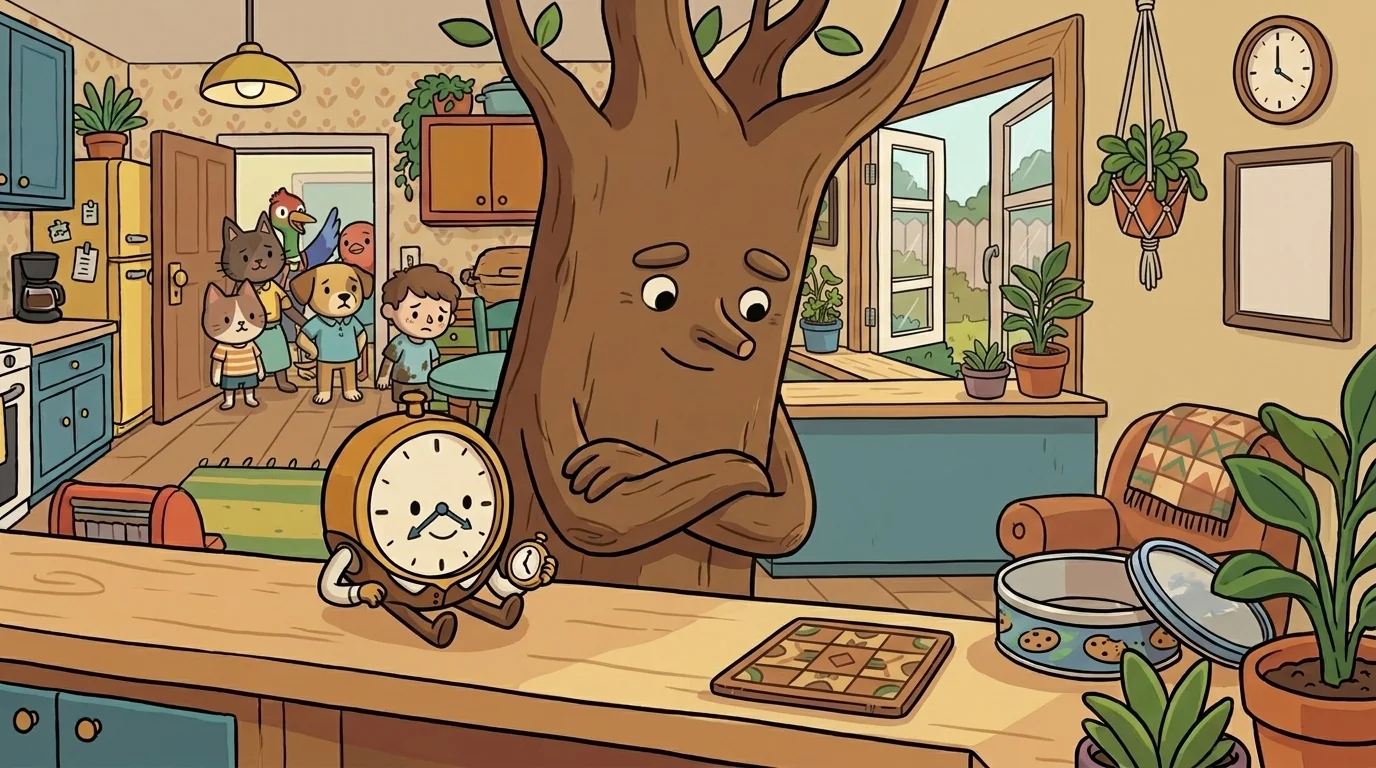
They laid it out plainly for the family — not the obvious story, the true one, checked against every rival explanation and every tick of the clock — and even the little brother admitted it, sheepish, sleeve and all. "Good branches," said Tick. "Good clock," said Branch. There is a calm that comes from not jumping — from letting the first loud certain answer wait while you quietly ask what else, and when. It is harder than blaming the cat; it costs patience, and a willingness to be less sure for a little longer. But the answer you reach that way is one you can stand on, because it didn't merely sound right — it survived, filtered through the two independent tests that a single clue can never pass alone. And there is a real, steadying satisfaction in that: the truth found slowly, tested and true, instead of grabbed at and wrong. Branch supplies the rivals; Tick supplies the constraint; and only where both agree does an explanation earn the name of an answer.
The SleuthLab ensemble
Branch and Tick is part of SleuthLab's distributed-narrative cast. Each character embodies a different curricular primitive; together they teach the full subject.
-

Loop
Impression evidence — fingerprints, shoeprints, toolmarks (class vs individual evidence)
-

Fiber
Trace evidence — fibers, hairs, paint, glass (Locard's exchange principle)
-

Drop
Chemical evidence — chromatography, pH, spectroscopy (test-don't-guess)
-

Stroke
Document analysis — handwriting, ink, paper (comparison methodology)
-

Witness
Biological + digital evidence — DNA + digital footprints (statistical-match, not certainty)
-

Seal
Chain of custody — bag it, label it, log every hand it passes through; a broken chain can't be trusted; otter with evidence bags + logbook
-
Sketch
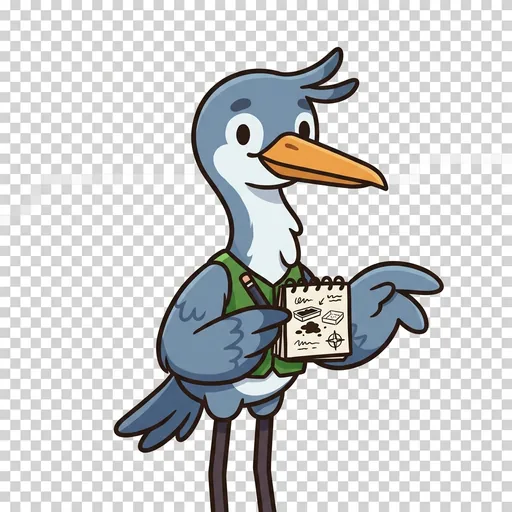
Scene documentation — record the scene before anyone touches it; the scene only tells its story once; heron with a measuring notebook
-

Tick
Timeline reconstruction — put every event in order on the clock; the sequence is where the answer hides; mouse with a paper timeline
-

Branch
Alternative explanations — ask 'what else could explain this?' and test each branch before choosing; squirrel with a whiteboard of possibilities
-

Account
Testimony reliability — ask open questions and listen; memory is fragile and a confident witness isn't always correct; rabbit with a gentle notebook