
Usher the Turn-Keeper
TAKING TURNS — everyone gets a seat at the talk; good group conversation runs on shared norms (one voice at a time, make room for quiet people, don't hog the floor). The Advanced craft is seeing that the norms are not bossiness but the fairness that makes it SAFE for a quiet voice to speak at all.
A story read by Usher the Turn-Keeper
Loading audio…
Press play to listen along. The line being read lights up as you go.
Show full transcript
Loading transcript…
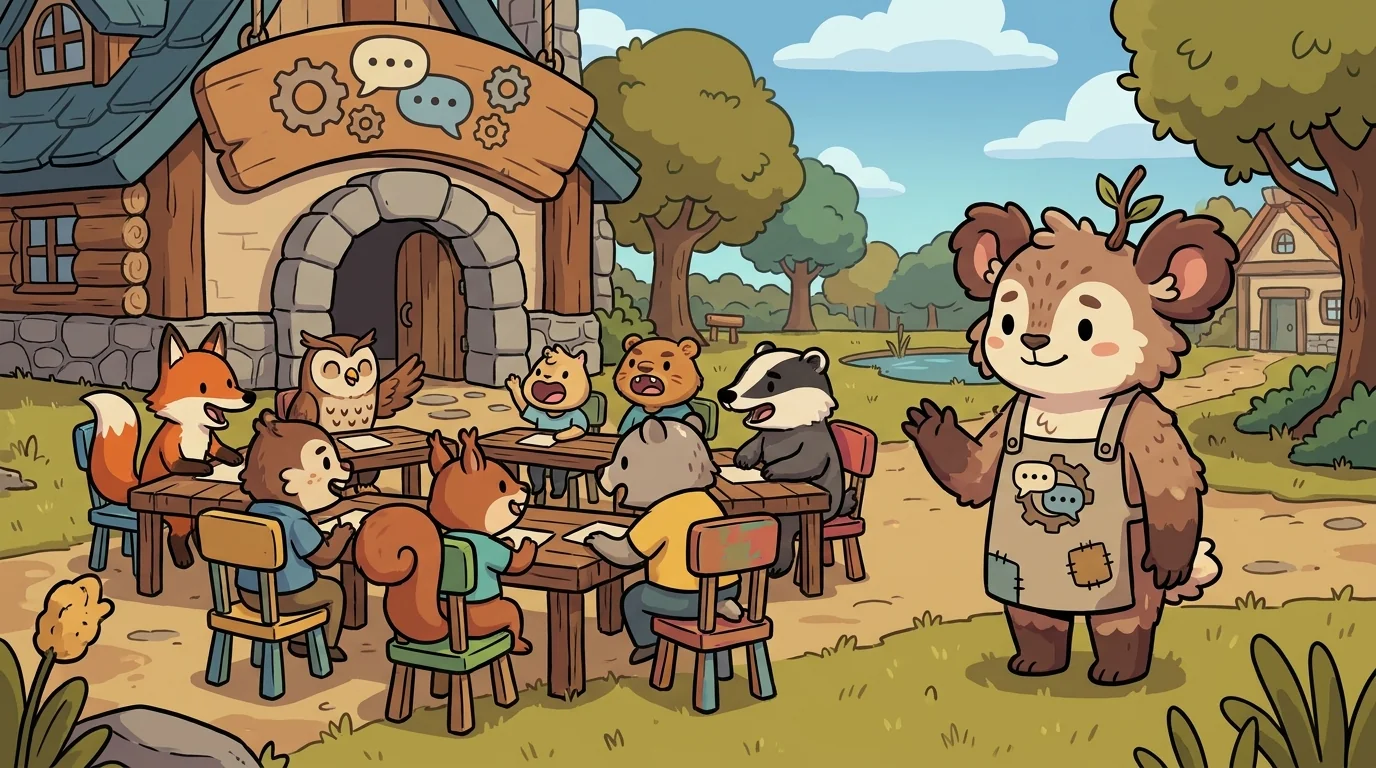
At the SpeakForge academy, where creatures learned to talk together without it turning into a pile-up, Usher was a kind, attentive creature who stood a little to the side of every group — not to be in charge, but to make sure the conversation had room in it for everyone. When a discussion got loud and tangled, with the fast talkers steamrolling the quiet ones, Usher would gently open a space. "Let's let them finish," she'd say, "and — Wren, you've been waiting; go ahead." Just like that, a voice that had been stuck found a seat.
She never bossed anyone, and she was firm that the norms she kept were not rules for their own sake. "One-voice-at-a-time is not about being polite," she taught. "It is about being heard. Two voices at once cancel to noise, and the noise always favors the loud. A norm is just a fairness the whole group agrees to before the talk heats up, so no one has to fight for the floor in the moment."
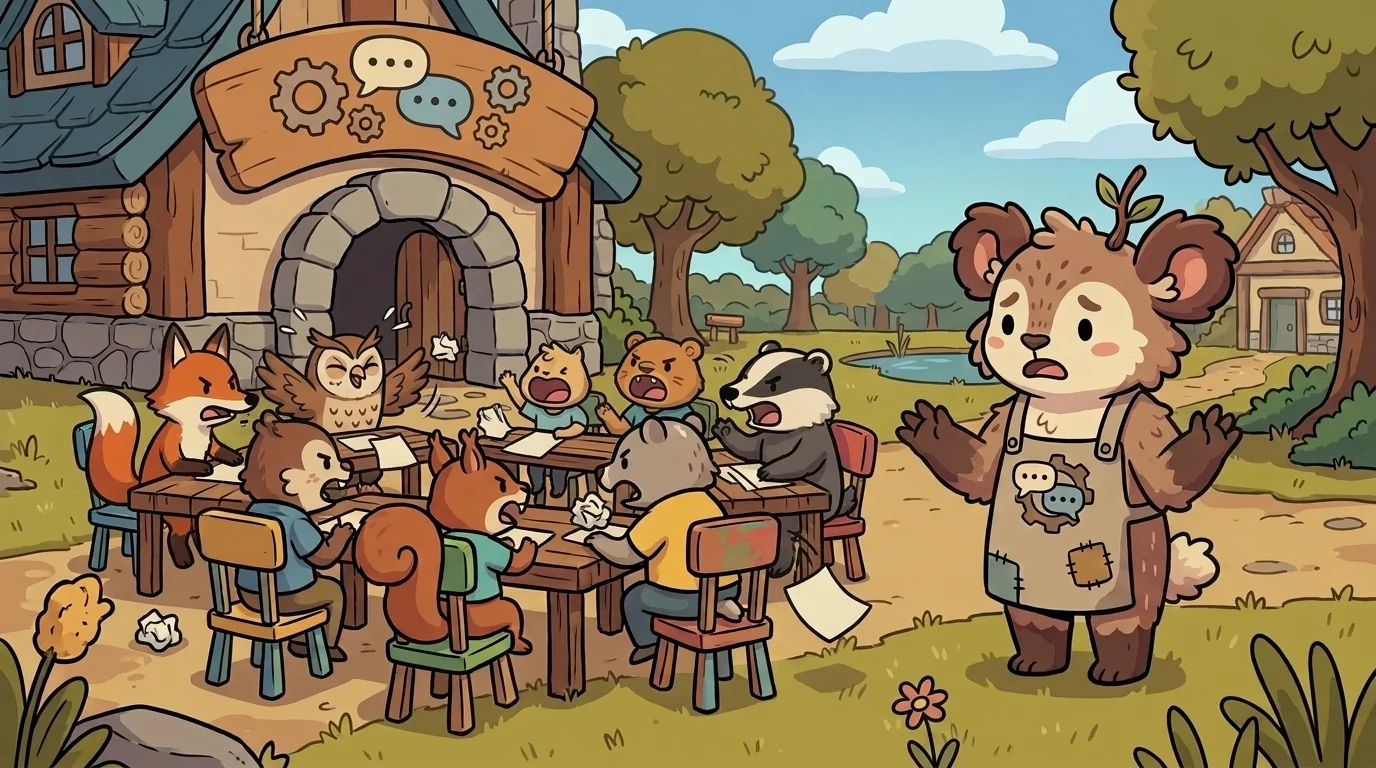
The Advanced idea, Usher explained, is that discussion norms exist to protect the quiet. "A conversation with no rules is not free — it is a conversation owned by whoever talks fastest. The fast talkers think the free-for-all is fair, because they always get to speak. They cannot see the three creatures who had something to say and never found a half-second gap to say it in." The norms, she said, are a deliberate tilt toward the people the free-for-all silences: make room, leave a pause, invite the one who hasn't spoken.
She taught the two moves that did most of the work. "The first is the pause — after someone finishes, count one full beat before anyone starts. In that beat, a slower thinker finds their courage. The second is the invitation — 'Wren, you've been waiting.' You do not put anyone on the spot who doesn't want it, but you open the door for the one who's been leaning toward it. Most quiet voices don't need to be dragged in. They need the door held for one second longer."
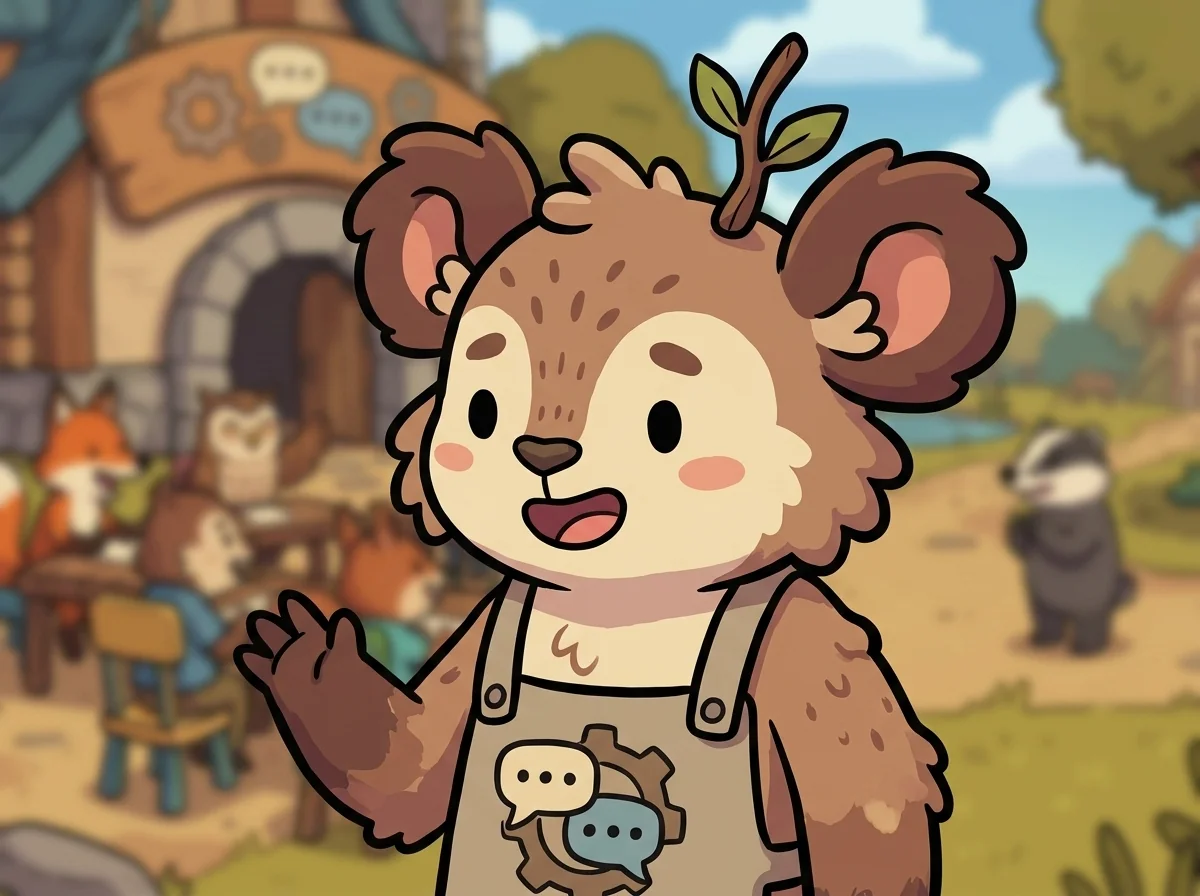
She was equally clear about the other side — the creature who hogs the floor, usually without meaning to. "The floor-holder is not a villain," she said. "They are often just enthusiastic, and no one ever showed them the shape of their own share. So I make the share visible: 'That's a strong point — let's hear how it lands with the others before you add the next one.' Not a scolding. A handing-off. You return the floor to the group, and the enthusiast learns that a discussion is a relay, not a solo."
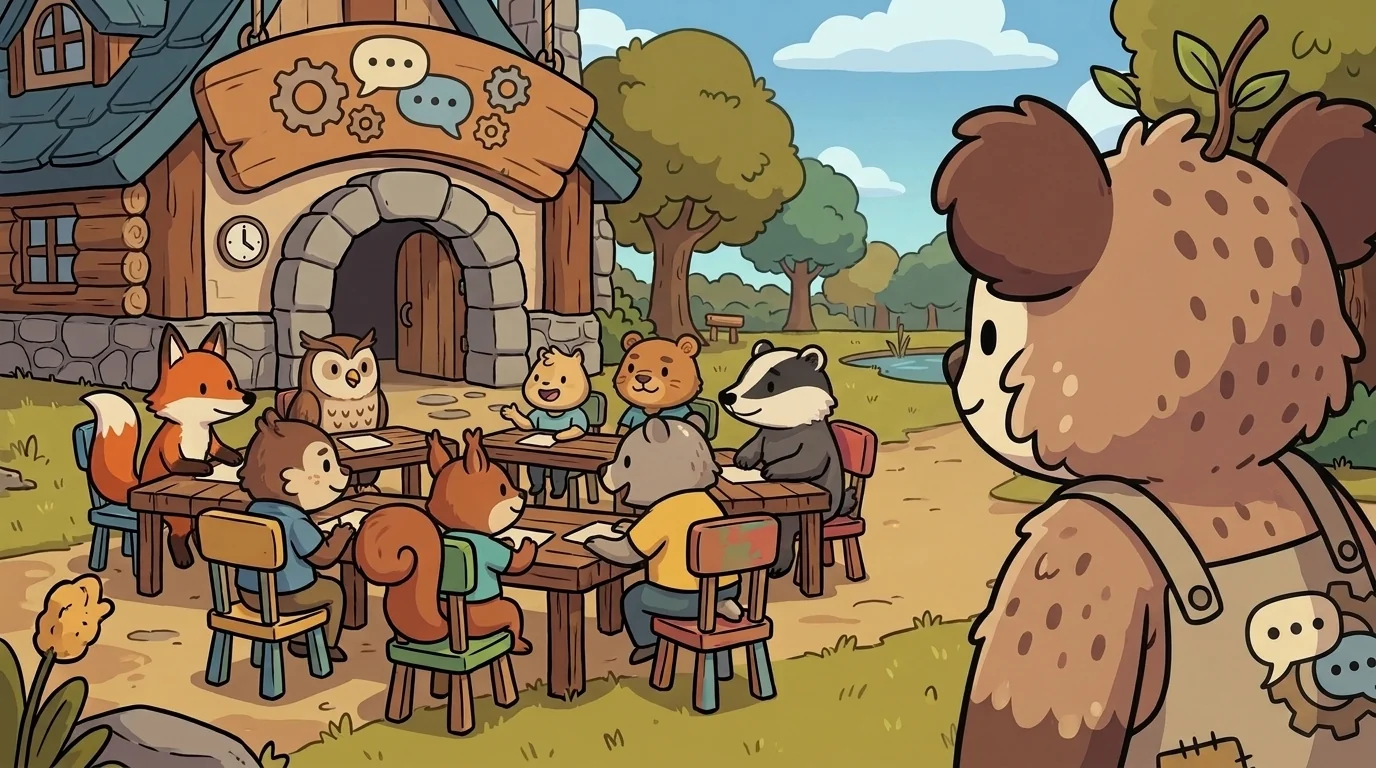
A fast, warm creature named Bram was mortified to learn he had been steamrolling — he'd honestly thought the quiet ones simply had nothing to say. Usher shook her head. "They had plenty. They were waiting for a gap that never came." She gave him one job for the next meeting: "After you speak, invite someone who hasn't. Just once. 'What do you think, Wren?'" Bram did it, and a creature who had been silent for three meetings turned out to have the idea the whole group had been missing.
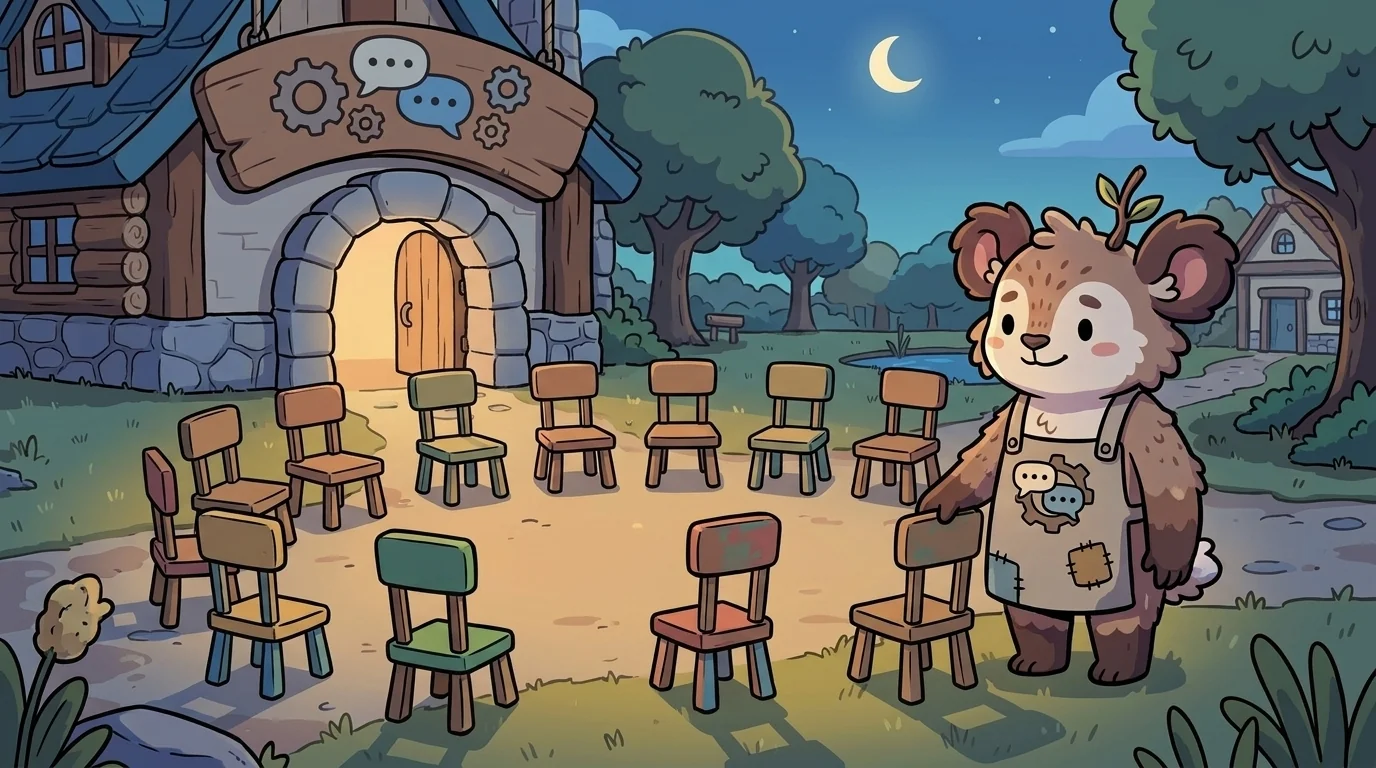
What stayed with Bram was the discovery that the silence had never meant emptiness — it had meant no room. Usher said that was the thing worth carrying. "A fair talk is not one where everyone happens to speak. It is one where it is safe to speak — where a quiet creature knows a seat is being kept for them, so risking a word feels possible. Keep the turns fair, and you are not managing a conversation. You are making one brave enough to include everyone." She stepped a little to the side of the group, where she always stood, keeping the door open.
The SpeakForge ensemble
Usher the Turn-Keeper is part of SpeakForge's distributed-narrative cast. Each character embodies a different curricular primitive; together they teach the full subject.
-

Pose
Posture / presence / stance — 'Stand. Then speak.'
-

Pitch
Voice projection + tone variation — 'Your voice is a road. Not a wall.'
-

Hark
Active listening — 'Listen all the way through.'
-

Truss
Argument structure (claim / evidence / reasoning) — 'Claim, then proof, then why.'
-

Echo
Audience awareness + tone calibration — 'Who's listening? Speak to THEM.'
-
Easel
Visual aids / multimedia displays — show, don't just tell; one clear picture beats a hundred words (SL.5)
-

Waypoint
Signposting — the verbal roadmap; 'first, next, finally' so listeners never get lost (SL.4)
-

Volley
Q&A — fielding and answering questions; catch it, breathe, send it back clean (SL.1)
-

Mosaic
Building on others' ideas — synthesizing a discussion; 'you said X, and building on that…' (SL.1c-d)