
Rafter and Block
HEARD AND SEEN — a performance only works if it reaches the audience two ways: Rafter is projection (filling the whole theater with a supported voice, no shouting) and Block is blocking (arranging where actors stand and move so the story stays clear and readable from every seat). Named directly: projection + blocking, sightlines, the whole house.
A story read by Rafter and Block
Loading audio…
Press play to listen along. The line being read lights up as you go.
Show full transcript
Loading transcript…
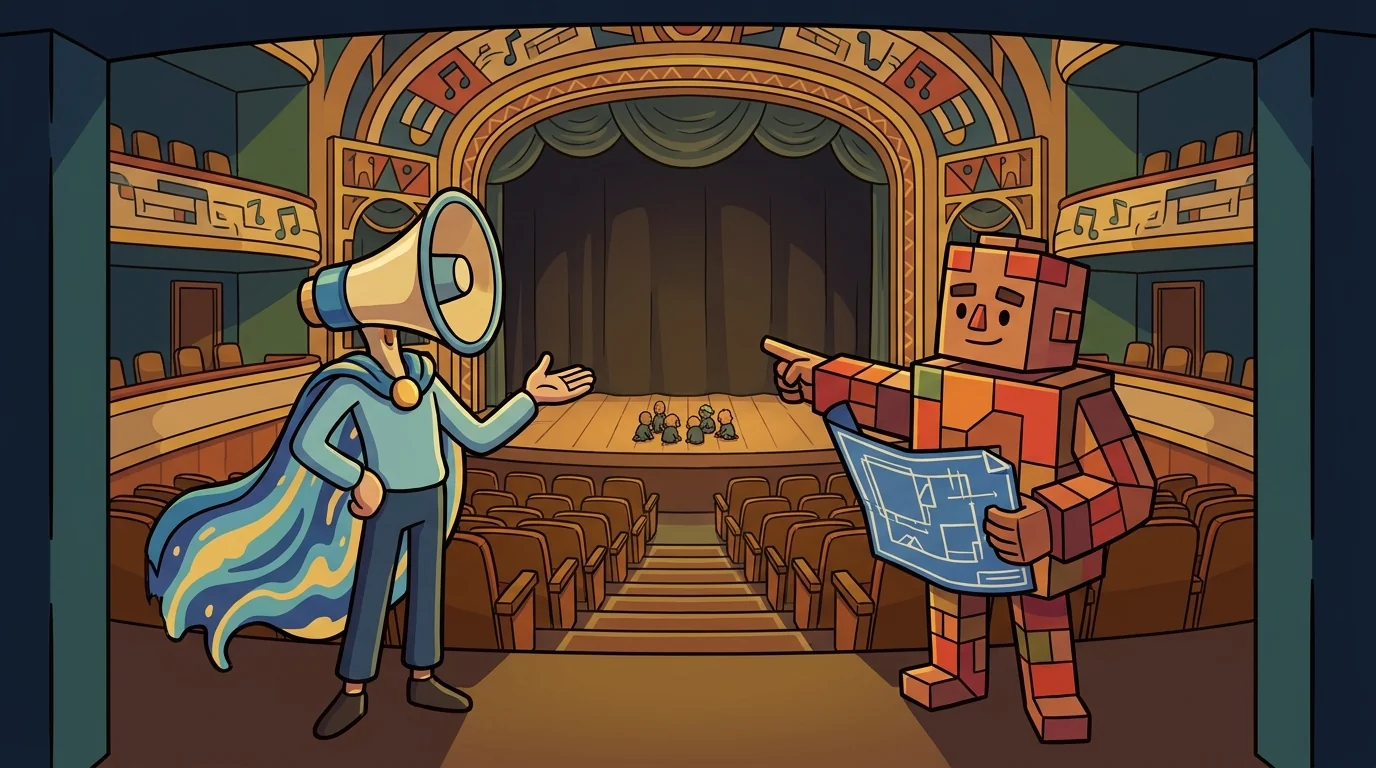
The young actors had built a beautiful scene — full of want and subtext, alive and true — and then they'd performed it in a whisper, huddled in a clump at the very back of the stage, and the people in the back rows of the theater had seen and heard nothing.
Rafter the crane and Block the wolf stood at the back wall of the empty house, where they'd gone to watch, and turned to each other. "They can't be heard," Rafter said, one wing on his big supported chest. "That whole scene died in the last twenty rows — no projection, all throat, no breath behind it." Block, crouched with her figurines, shook her striped head at the stage. "And they can't be seen," she said. "They bunched dead center, all in a clump, half of them with their backs to the house. Even if I could hear them, I couldn't read them." They looked at each other, and the same thought landed in both.
"All that good work," Rafter said.
"Lost before it reached a single seat," said Block.
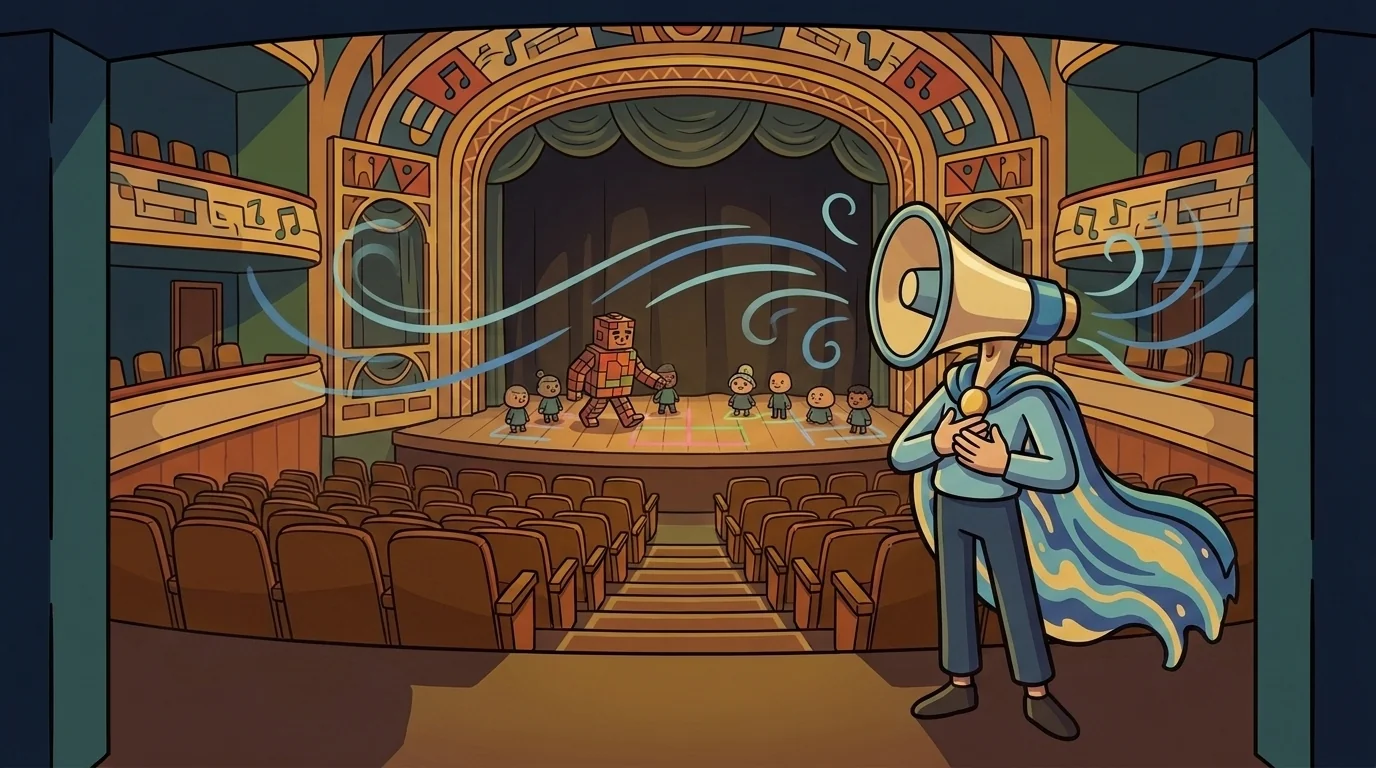
"It's two different problems," Block said, setting her figurines on the boards. "Say yours first."
Rafter gestured at the huddled cast. "Heard. A scene has to reach the back row, and they're whispering from the throat, so it dies at their feet. The fix is projection — support the voice from the breath, aim it past the audience at the back wall, carry it without a shout." He drew one enormous slow breath. "But being heard isn't enough, is it. I could make every one of them audible in the last row, and you'd still have a problem."
"I'd still have a mess," Block agreed. "Seen. Look at how they're standing — a clump, center, some facing upstage, backs to the house. Blocking is where the actors move, and theirs is unreadable. Sightlines blocked, faces hidden, no shape to the picture." She nudged a figurine, opening the clump. "I could give them perfect blocking — clear sightlines, faces out, spread so the eye can read the story — and if they're still whispering into their collars —"
"— the beautiful blocking is silent," Rafter finished. "Seen, but not heard."
They looked at each other. "Neither one alone gets the work to the audience," they said together.
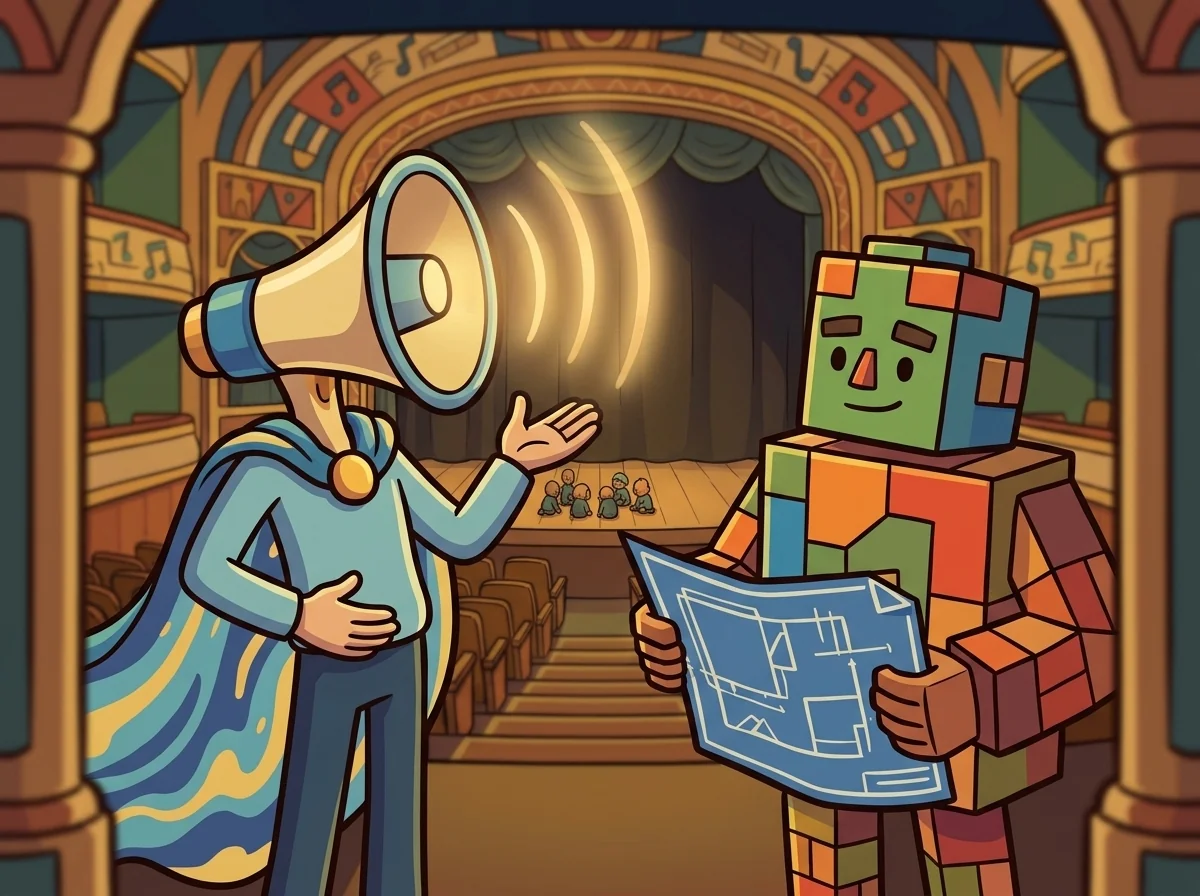
So they fixed it together, and the dead scene came back to life from the back wall forward.
Block moved first — spreading the clump, turning faces out toward the house, giving the two leads clear sightlines to every seat, breaking the flat huddle into a readable shape with space and levels. "Now the eye can follow it," she said. "Now the story has a shape you can read from anywhere in the house."
Then Rafter worked the voices — hands on stomachs, breath dropped low, each actor aiming past the front rows at the back wall, carrying instead of yelling. "Now it reaches," he said. "Now the quietest true line lands in the last seat, warm and clear, no strain."
From the back wall, they watched the same scene they'd just seen die — and this time every word arrived and every picture read. The good work, at last, made it all the way to the back row.
"Heard," said Rafter, satisfied.
"And seen," said Block.
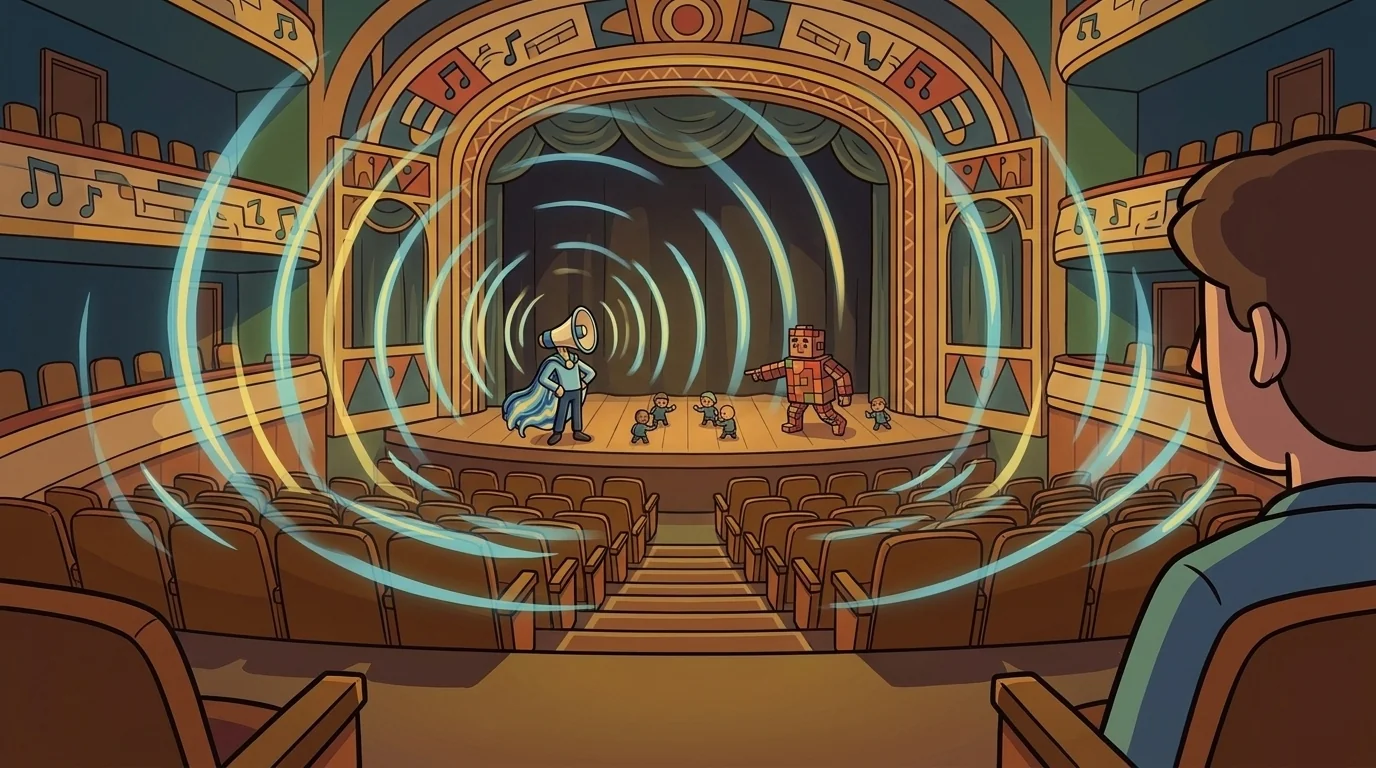
A young actor, wiping the relief off her face, came to the back wall where they stood. "I don't get it," she said. "We did the exact same scene. Same lines, same feelings. Why did it work now and not before?"
"Because before, the work never arrived," Block said. "It was all real — up close, on the stage, it was beautiful. But a performance isn't for the people on stage. It's for the people in the seats. And it only counts if it reaches them."
"Two ways," Rafter added. "It has to reach their ears — that's my half, projection. And it has to reach their eyes — that's Block's half, blocking. Miss either one, and all your want and subtext and truth stays trapped up on the stage, and the back row goes home having received nothing." He set a gentle wing on her shoulder. "You didn't make the scene better just now. You made it reach."
The actor looked out at the empty seats, all the way to the back wall. "So the whole house is the real stage," she said slowly.
"The whole house," they said, together again, and grinned at doing it.
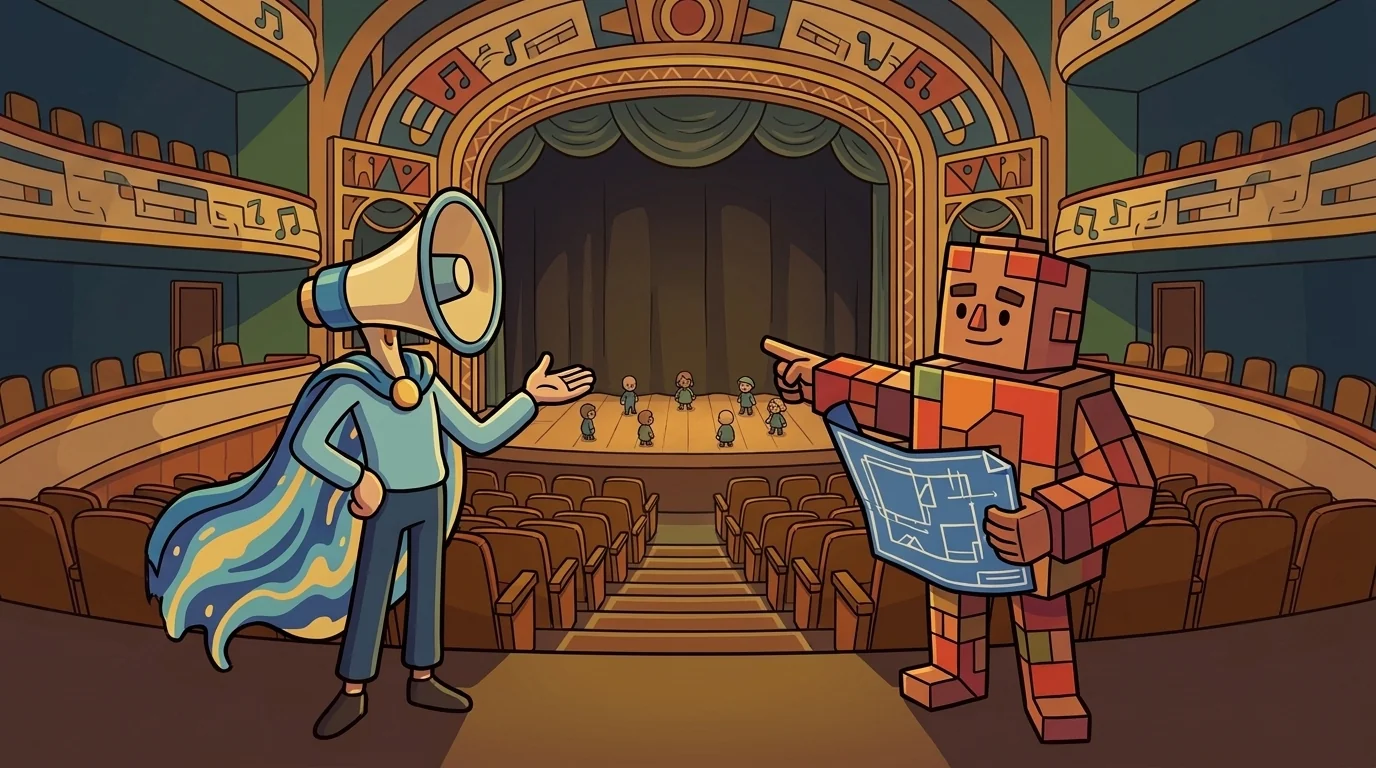
Later, when the hall had emptied, Rafter and Block stayed at the back wall, looking down the long room toward the stage.
"I only ever listened for whether they could be heard," Rafter admitted. "I'd have fixed every voice and left them in a clump with their backs to us — perfectly audible, and impossible to read."
"And I only ever watched whether they could be seen," Block said. "I'd have given them flawless blocking and left them whispering — a gorgeous silent picture nobody could hear." She gathered her figurines. "It takes the two of us. Ears and eyes. Both, or the back row gets nothing."
Rafter drew his slow enormous breath, aiming his gaze all the way to the stage. "A performance isn't done when it's good," he said. "It's done when it reaches — heard and seen, all the way to the last seat in the house." And a quiet gladness rose in them both, the warmth of two crafts clasping into one whole delivery: that beautiful work only becomes a performance when it travels the whole length of the house — carried to every ear, arranged for every eye — and that neither, alone, ever makes the journey.
The StageForge ensemble
Rafter and Block is part of StageForge's distributed-narrative cast. Each character embodies a different curricular primitive; together they teach the full subject.
-

Face
Acting — character work through voice, body, and emotional life
-

Pen
Playwriting — turning ideas into scripts with character, conflict, structure
-

Block
Blocking — directing actors through stage geography
-

Rig
Stagecraft — the technical-theater craft that makes the visible-stage possible
-

Riff
Improvisation — the live-performance craft of Yes, and...
-
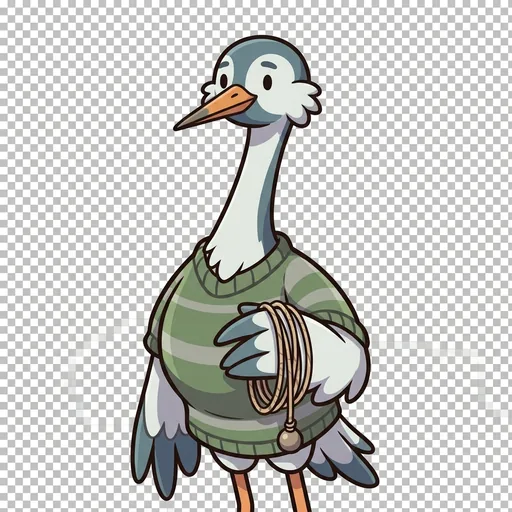
Rafter
Projection — making your voice reach the back row without shouting, by supporting it with breath so even a quiet line lands in the last seat
-

Yearn
The objective — what a character wants in a scene, badly enough to drive every line and move; the engine under a performance
-

Undertow
Subtext — the real meaning running under the spoken line; what a character truly means beneath the words they actually say
-

Freeze
Tableau — a frozen stage picture the whole cast holds so the audience can read the moment like a painting
-

Hitch
Pacing and timing — the rhythm of a scene and the deliberate pause that makes a line land, the held beat before the joke or the truth
-

Opening Night
The whole company on stage together — how acting, objective, subtext, tableau, and timing combine so one live scene truly comes alive