
Hitch
PACING & TIMING — the rhythm of a scene: when to rush, when to slow, and the deliberate pause (the held beat) that makes a line land. Named directly: tempo-rhythm, the beat, the rest, the pause before the punch, comic and dramatic timing.
Loading audio…
Press play to listen along. The line being read lights up as you go.
Show full transcript
Loading transcript…
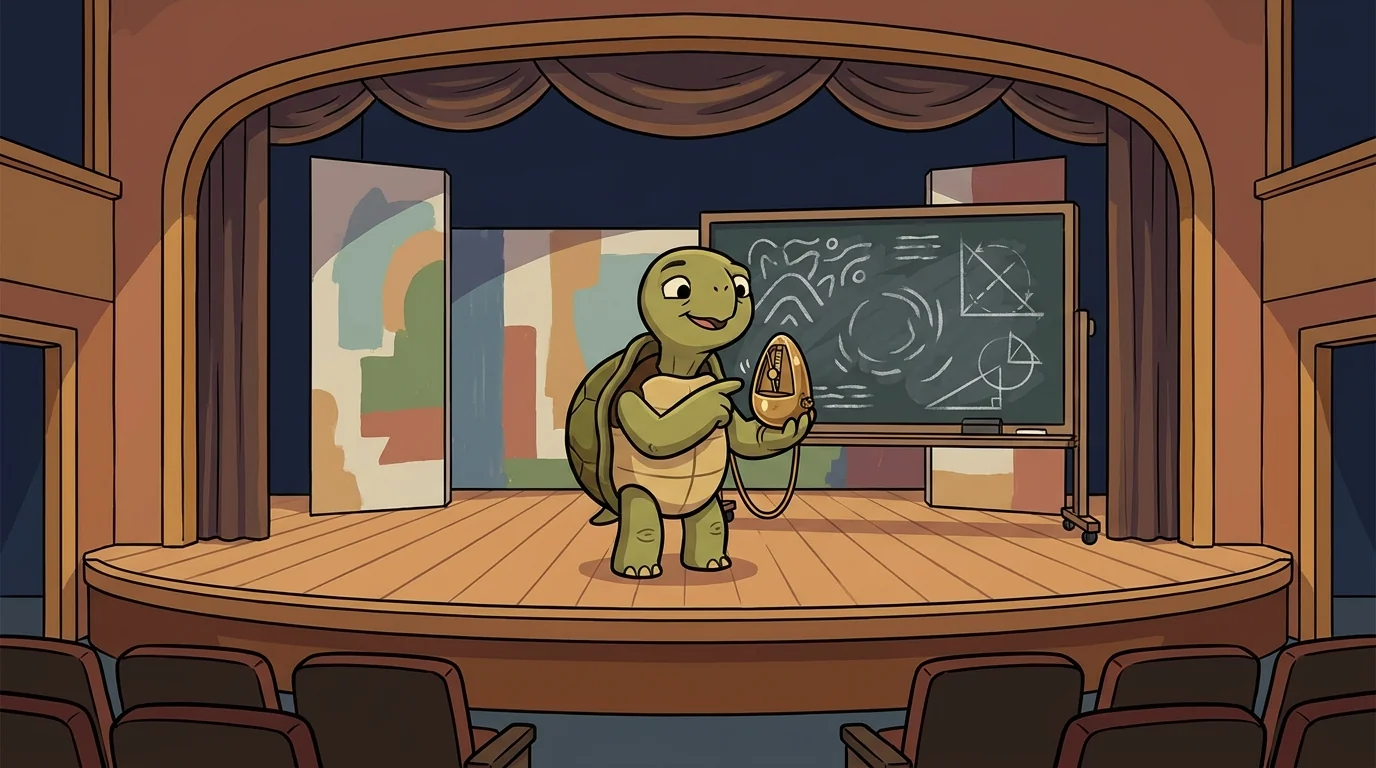
Hitch was a tortoise-tween, unhurried to his bones, and he had turned slowness into an art — a phrase, then a small deliberate silence, then the next phrase, and somehow those little silences made everything he said land twice as hard.
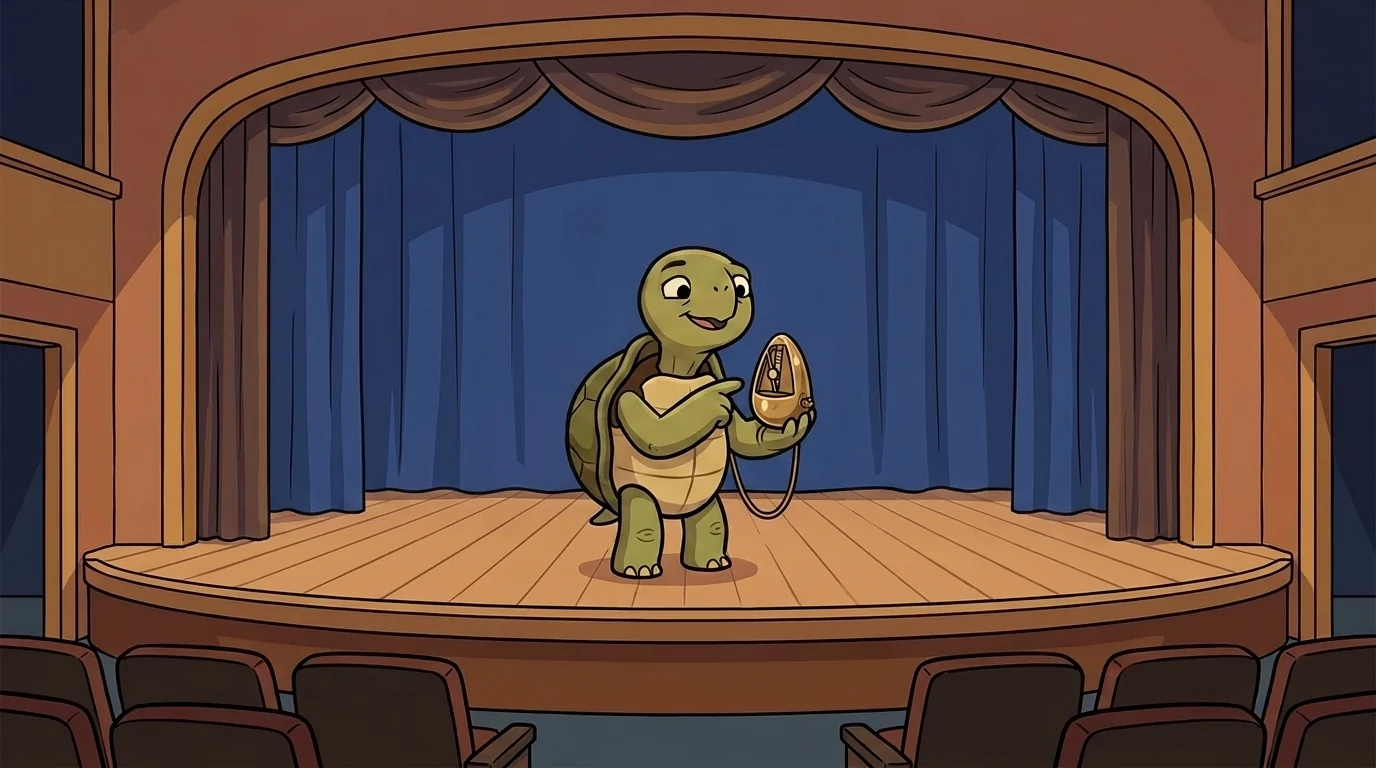
On a cord at his side he carried a slow brass metronome-egg that ticked at a walking pace, and he'd set it going during scenes — not to speed anyone up, but to teach them where the rests went. "The music of a scene isn't only the notes," he'd say, tapping the egg. "It's the rests between them." He watched a young actor rattle a whole speech out at one flat gallop. "You said every word," he told her gently, "at exactly the same speed, with no space anywhere. So the audience heard a wall of words and couldn't tell which one mattered." He set the egg ticking. "A scene has tempo-rhythm — where it rushes, where it slows, where it stops. Say it all the same, and it all disappears. The important word only lands if you make a little room around it."
The actor frowned. "But if I pause, won't it feel slow? Like I forgot my line?"
"There's a difference," Hitch said, "between a pause that's empty, and a pause that's full."
Hitch had learned about the power of the rest long before he knew the words tempo or beat.
He'd grown up among drummers — a family who kept time for dances — and the first thing they'd taught him was not a beat but a silence. His uncle had handed him a drum and said, "Now don't hit it," and made him wait, and wait, until the whole room was leaning in — and then the single strike had hit like thunder, because the silence had loaded it. Hit the drum every instant and it's noise. Leave a rest, and the next hit means something.
Hitch hadn't understood the size of that at six. He'd wanted to fill every gap. It turned out his uncle had been teaching him that timing lives in the rests — that a held silence is not empty, it's loaded — without either of them ever using the word.
He walked to StageForge, because a place devoted to the live scene ought to know that a pause can be as loud as a line.
Curtain, the old mentor who ran the workshops, didn't ask him for credentials. He handed Hitch a flat, lifeless joke and said, "Make it land."
Hitch read the joke once, at a gallop — flat, dead, nothing. Then he read it again, and this time, right before the last word, he stopped — a held beat, the metronome-egg ticking once into the silence — and then landed the last word. Curtain barked a laugh, surprised out of him. "Same words," Hitch said. "The only thing I added was the rest before the last one. The pause is what loaded it."
Curtain looked at the metronome-egg, still ticking. "You didn't speed it up or slow it down all over," he said. "You put the silence in exactly one place."
"Timing isn't slow or fast," Hitch said. "It's when. One held beat, in the right spot, does what a hundred extra words can't."
He nodded, slow and certain. "Then you'll teach the rests here. The silences that make the notes matter."
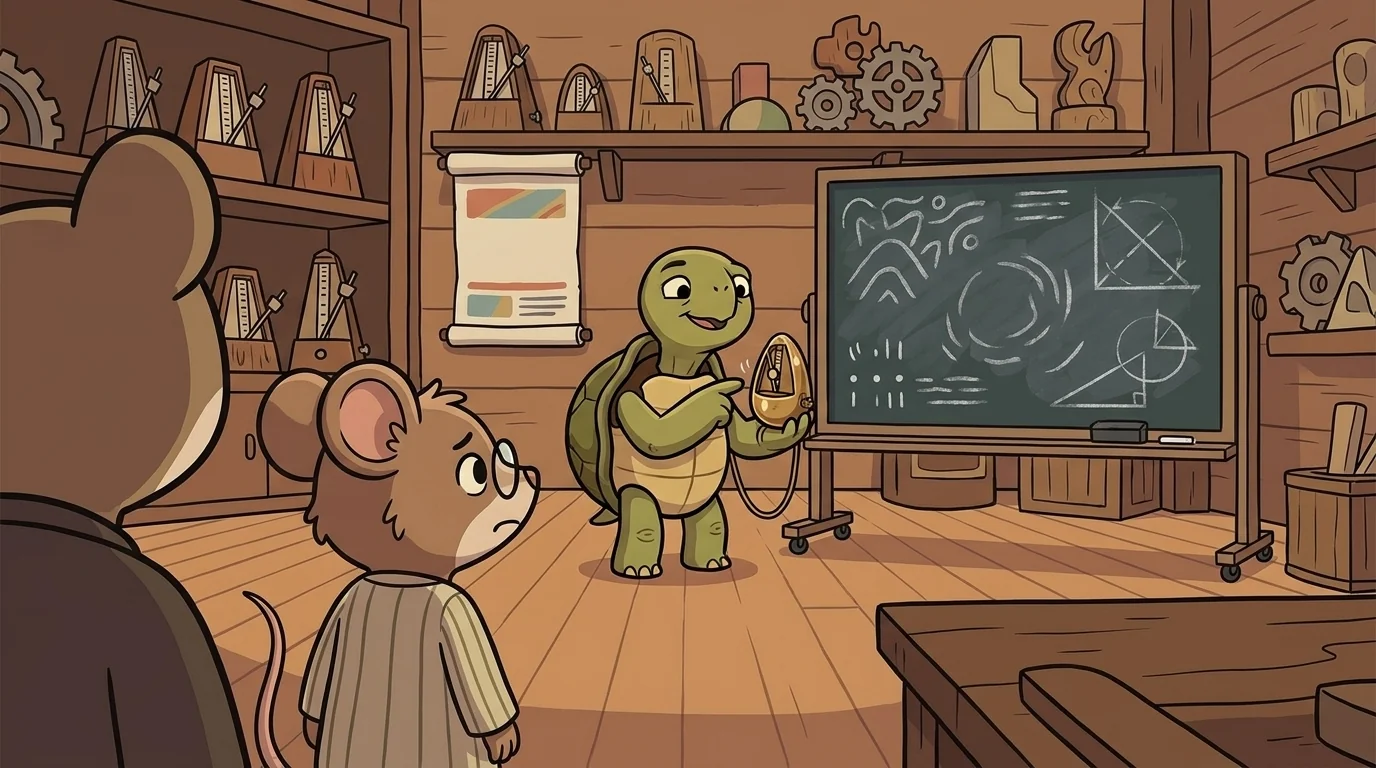
Hitch's corner filled with young actors who thought faster meant better, or that a pause meant they'd frozen up.
A boy raced through his big emotional line one afternoon, terrified of the silence, and it came out as a mumbled blur. "I got it all out!" he said.
"You did," Hitch agreed. "All of it, in one breath, at one speed, so none of it had room to mean anything." He set the metronome-egg ticking, slow. "Try it again. And right before the word that matters most — hold. Let one tick of the egg go by in silence. Trust the silence. Then say the word."
The boy tried. He reached the important line — "I never wanted you to go" — and, gritting his teeth, he held before go, one tick of silence, the whole imagined audience leaning in — and then the word dropped into the quiet and rang.
The boy blinked. "...Whoa. It felt like it echoed."
"That's the truest thing you've felt today," Hitch said warmly. "The silence didn't make you look lost. It made them lean in. An empty pause is when you've forgotten your line. A full pause is when you're making them wait for the thing that matters — and the waiting is what makes it land." He tapped the egg. "Rush everything, and nothing lands. Hold the beat before the truth, and the truth arrives."
Later, when the hall had gone quiet and the egg's ticking was the only sound, the boy came back, thoughtful.
"How do I know where to put the pause?" he said. "How do I know which beat to hold?"
Hitch thought about the loaded drum, and the whole room leaning in.
"Feel for the moment the scene has been walking toward," he said. "Every scene is heading somewhere — a truth, a turn, a joke, a decision. That's the beat you protect with a little silence. You don't sprinkle pauses everywhere; that's just slow. You find the one thing the whole scene is building to, and you give it room to arrive." He let the egg tick once, into the quiet between them. "The rest is where the meaning gathers. Rush past it and you spend the moment before it's ripe. Hold it — just long enough — and the audience gathers there with you, and the line lands in a room that's finally ready to hear it."
The boy nodded slow, and Hitch watched something settle in him — the same steadiness Hitch had felt the day a single drumbeat hit like thunder because the silence had loaded it. He drew his old slow breath, and a quiet gladness rose behind his shell: to teach a hurrying young one that the rests are where the meaning lives — that was an unhurried joy, and he had all the time in the world for it.
The StageForge ensemble
Hitch is part of StageForge's distributed-narrative cast. Each character embodies a different curricular primitive; together they teach the full subject.
-

Face
Acting — character work through voice, body, and emotional life
-

Pen
Playwriting — turning ideas into scripts with character, conflict, structure
-

Block
Blocking — directing actors through stage geography
-

Rig
Stagecraft — the technical-theater craft that makes the visible-stage possible
-

Riff
Improvisation — the live-performance craft of Yes, and...
-
Rafter
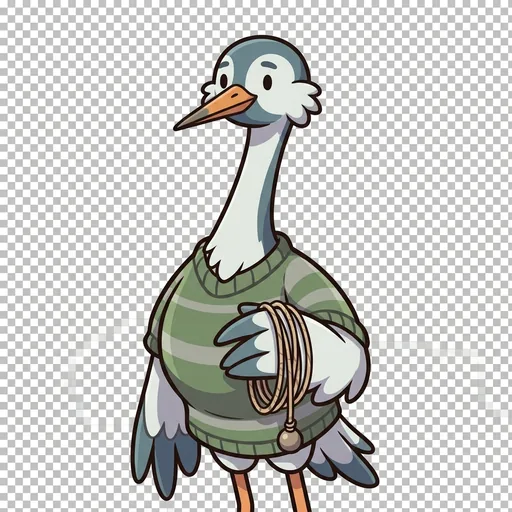
Projection — making your voice reach the back row without shouting, by supporting it with breath so even a quiet line lands in the last seat
-

Yearn
The objective — what a character wants in a scene, badly enough to drive every line and move; the engine under a performance
-

Undertow
Subtext — the real meaning running under the spoken line; what a character truly means beneath the words they actually say
-

Freeze
Tableau — a frozen stage picture the whole cast holds so the audience can read the moment like a painting
-
Opening Night
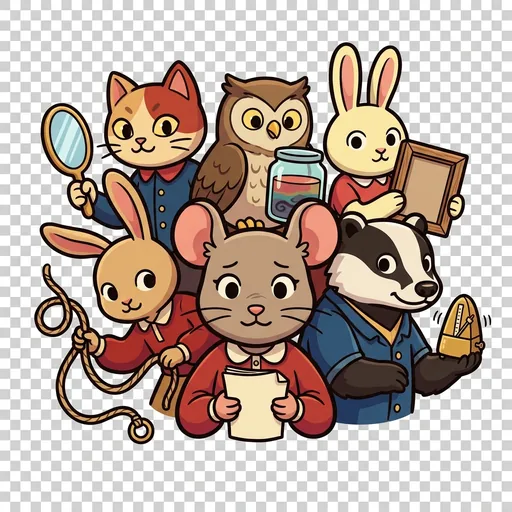
The whole company on stage together — how acting, objective, subtext, tableau, and timing combine so one live scene truly comes alive