Wick
Gas collapses
Loading audio…
Press play to listen along. The line being read lights up as you go.
Show full transcript
Loading transcript…
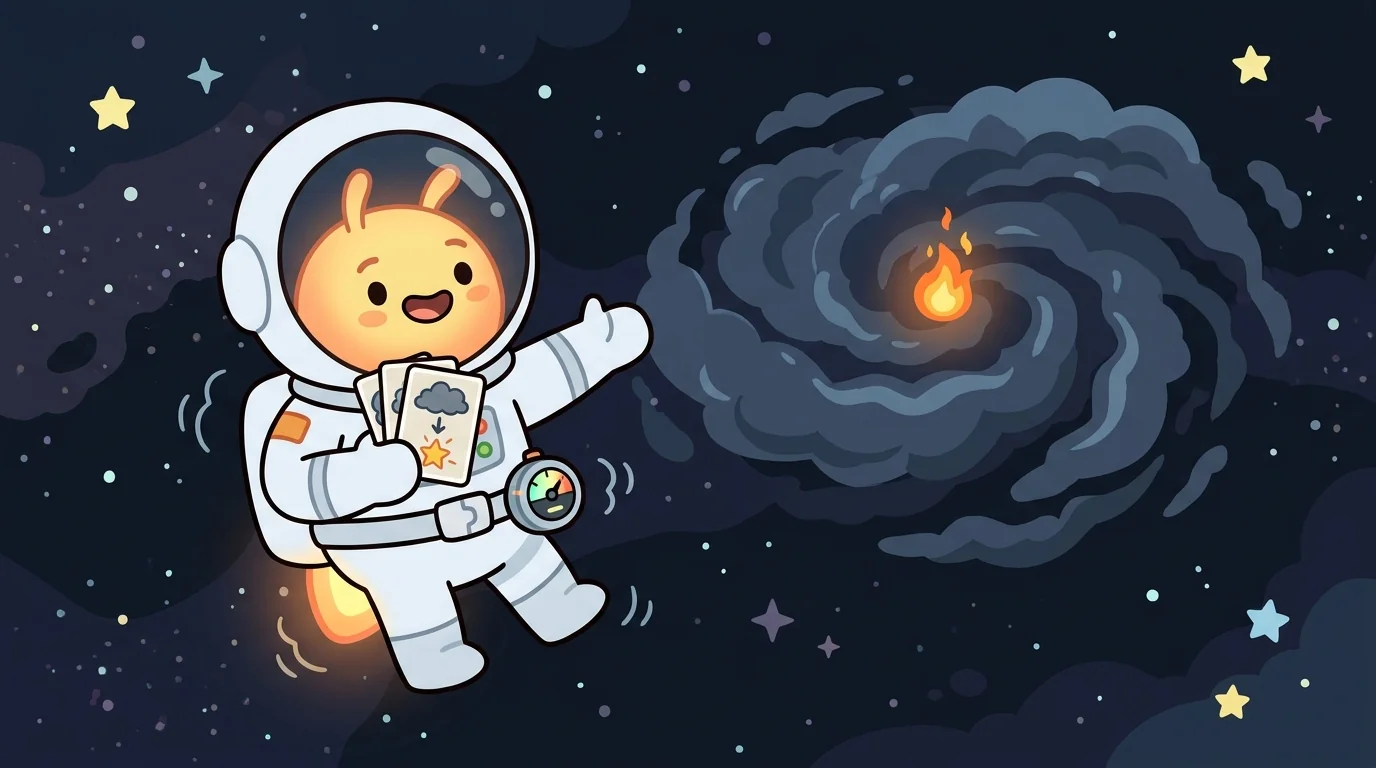
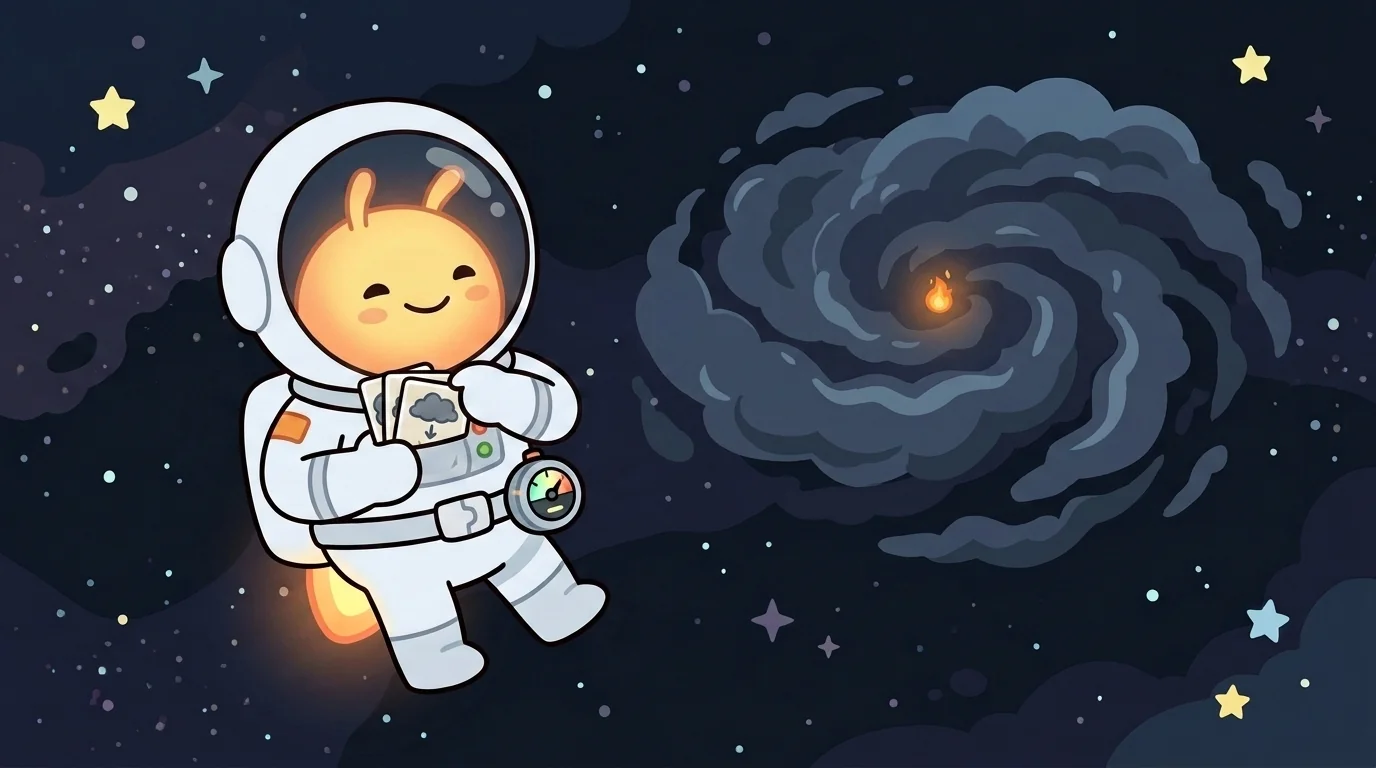
Wick floated in the deep, dark quiet of space — a tiny, glowing creature who looked like a firefly larva in a chunky white cartoon astronaut suit that made little poof sounds when they moved. Their soft glow was warm cream, with a gentle ember light at the core.
Wick loves watching new stars begin. "Gas collapses; pressure builds; the spark lights," they often hum — their favorite saying, and the secret to how every star is born. They carry a stack of protostar-cards showing each step, and a small round gravity-collapse-tracker clipped to their belt. And more than anything in the whole wide universe, Wick loves the moment a cold, dark cloud finally catches fire and becomes a shining star.
Wick fell in love with star-births the very first time they saw one.
"I was so small," Wick likes to say, glow going soft with the memory. "I was drifting past this huge, cold, gray cloud — a nebula — and honestly, it looked like nothing. Just dust and gloom. I almost floated right past it." But something made Wick stop and wait. And wait. For a long, long time, nothing happened — the cloud just hung there, dark and quiet. "I nearly gave up," Wick admits. "I thought, this cloud is never going to do anything."
Then, deep in its heart, a single spark caught — pop! — and the whole dark cloud lit up from the inside, a brand-new star blazing to life. "I have never forgotten how that felt," Wick says. "That a thing so cold and dark and nothing-looking had a whole star waiting patiently inside it. From that day on, I knew my job: to float beside the quiet clouds, and wait, and watch for the spark. Because it always comes, if you're patient enough to stay."
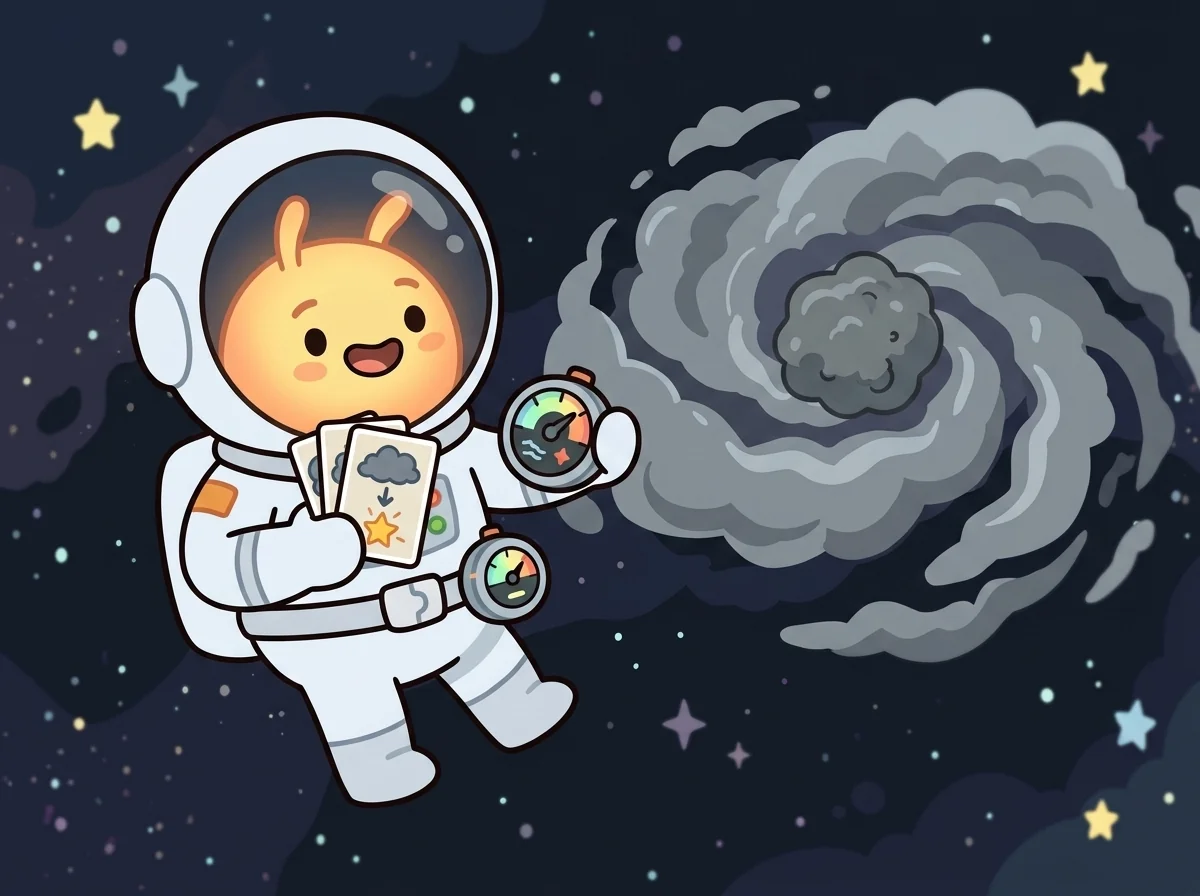
Today, Wick hovered near just such a giant cloud — a wispy gray blanket glittering with specks of space dust. To anyone else it looked like a whole lot of nothing. But Wick knew better: this was a star nursery. A small sprite named Pip drifted up. "Whatcha watching, Wick? Looks empty."
"Not empty," Wick whispered, antennae wiggling. "A star is getting born in there. Watch that lump — see how it's pulling itself together? Almost ready."
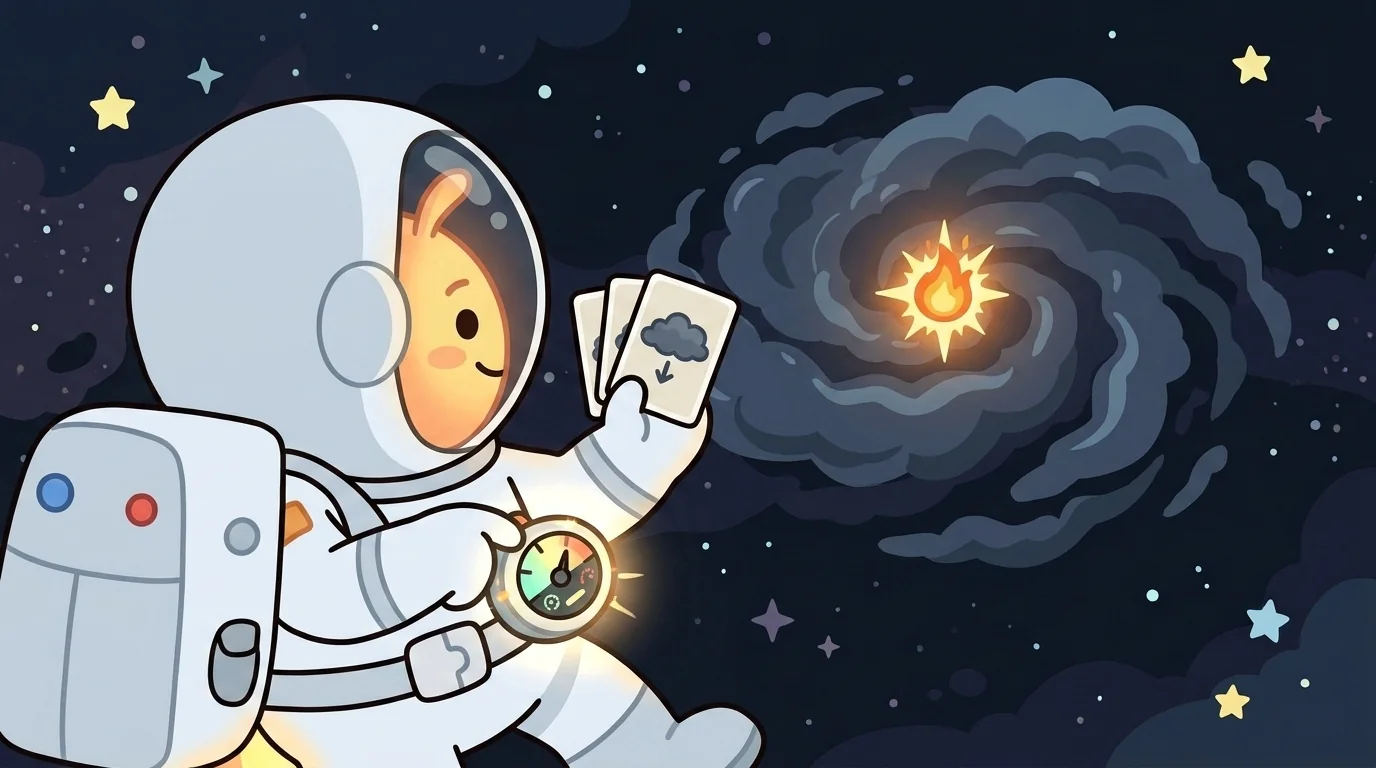
Wick tapped the tracker — whirr-click — and a tiny screen lit up, showing the cloud shrinking fast. "Gravity's doing its job," Wick said, pulling out the first card: a big fluffy cloud. "Stage one — a cold gas cloud, a nebula. Gravity pulls it tighter and tighter, and it collapses, squishing in on itself." A second card showed the center glowing red. "The core gets hot from all that squishing — like rubbing your hands together fast." Wick rubbed two tiny gloved hands and a spark flew off. "They get warm, right? Well, the middle of that cloud gets millions of degrees." Wick's own glow brightened. This was the best part. The lump in the nebula pulsed; the tracker beeped loud. "Core temperature: ten million degrees!" chirped a tiny voice. "Hot enough to fuse hydrogen!" Wick breathed. "Time for the spark!" The lump shimmered — a tiny flash burst from its center — POP! — and it began to glow steadily. "YES!" Wick cheered, doing a happy spin, the chunky suit poofing. "Gas collapses; pressure builds; the spark lights! A protostar ignites — it becomes a main-sequence star!" Pip's mouth hung open. "It was in there the whole time?" "The whole time," Wick said. "Just waiting."
"How did you know it would light up?" Pip asked, still staring at the fresh new star.
"Because they always do," Wick said, "if you wait long enough. Thousands of years, sometimes millions. But the spark always comes."
Wick tucked the protostar-cards away and floated a little closer to the new star. Its light was still faint — just there, a warm, steady glow where a moment ago there'd been only cold and dark. And a happy warmth spread through Wick's whole glowing body, gentle and complete: the deep, patient gladness of having waited beside the quiet, and stayed, and been there at the exact moment the spark caught. This was Wick's joy — not the hurry, but the waiting, and then the light. Another star, born. And Wick would happily wait a thousand years to see the next one.
Hear it as an audio drama
A short play starring Wick, from StarForge. Different voices, same idea. Listen any time after you read.
Loading audio…
Read the drama script
- Narrator: From Spark and Anvil and StarForge — this is Wick, in chapter 1 of the StarForge cast.
- Narrator: This drama uses an AI-generated voice. Voiced via Gemini 2.5.
- Narrator: Wick is a protostar-tween, a firefly larva of a being, still gathering their form in a glowing astronaut tunic.
- Narrator: In a vast, dark simulation, they clutch special cards that show the secret magic of how stars are born.
- Wick: Gas collapses; pressure builds; the spark lights. This is the fundamental rhythm.
- Wick: I am Wick. What I teach is protostar. It's the craft of how stars ignite.
- Wick: It begins with a nebula, a big cold cloud. Gravity is a tiny, patient hand pulling the dust together.
- Narrator: Over millions of years, the cloud shrinks and tightens, spinning like a cosmic whirlpool as the center grows hotter.
- Wick: As it gets squished, the pressure builds. It’s like a giant cosmic pressure cooker, getting hotter and hotter.
- Narrator: Wick watches their gravity-tracker as the core temperature climbs past thousands of degrees, then into the millions.
- Wick: And then, at ten million Kelvin, the hydrogen atoms fuse! The protostar ignites! It becomes a real star!
- Narrator: A triumphant chime sounds. A brilliant burst of light appears on Wick's final card, illuminating their radiant smile.
- Wick: It's a lesson in patience, in pressure, and in the incredible potential hidden in the quietest corners of the universe.
- Narrator: Gas collapses. Pressure builds. The spark lights. That's the whole craft of a star.
- Narrator: You've been listening to a Spark and Anvil chapter, written by the Spark and Anvil writing team for ages 9 to 14.
- Narrator: Apps stay free forever.
- Narrator: Curriculum aligned to Common Core and Next Generation Science Standards.
- Narrator: Released under Creative Commons BY-NC-SA 4.0 for educational reuse. Visit Spark and Anvil for the full transcript.
The StarForge ensemble
Wick is one of the friends in StarForge. Each friend shows you one idea by how they act; meet them all and you have the whole subject.
-

Glow
Main-sequence star (hydrogen fusion / stable)
-
Swell
Red giant (helium fusion / expanded outer layers)
-
Pinch
Stellar collapse + neutron star / supernova compaction
-

Ember
White dwarf / stellar remnant (cooling final state)
-
Brawn
Stellar mass — how heavy a star is at birth decides its whole life story
-
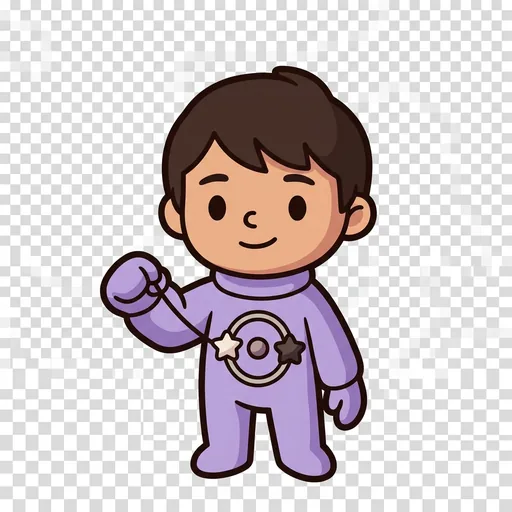
Waltz
Binary stars — most stars are not alone; they circle a partner in a slow gravitational dance
-
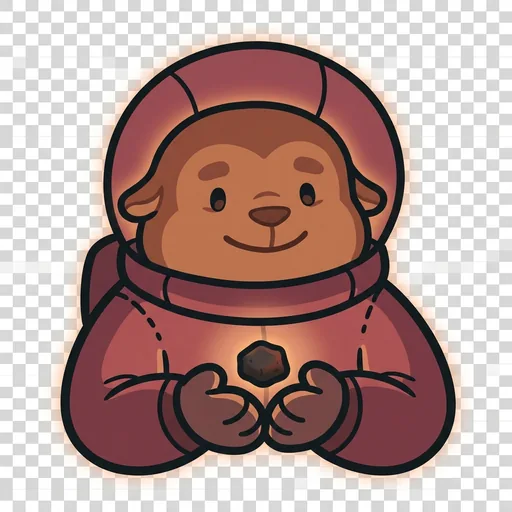
Smolder
Brown dwarf — a clump of gas too light to ignite; warm and dim, almost-but-not a star
-
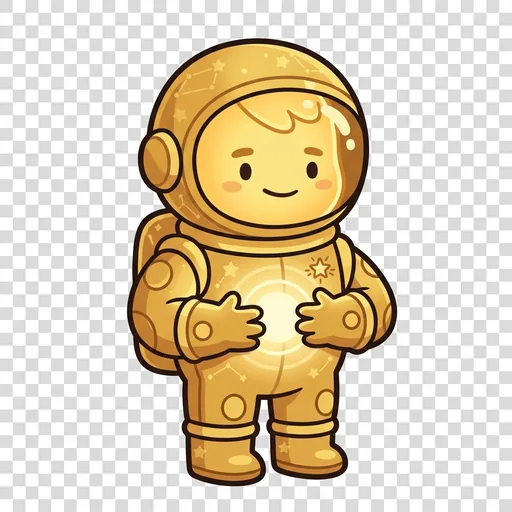
Quiver
Variable stars — stars that pulse brighter and dimmer in a steady, measurable beat
-
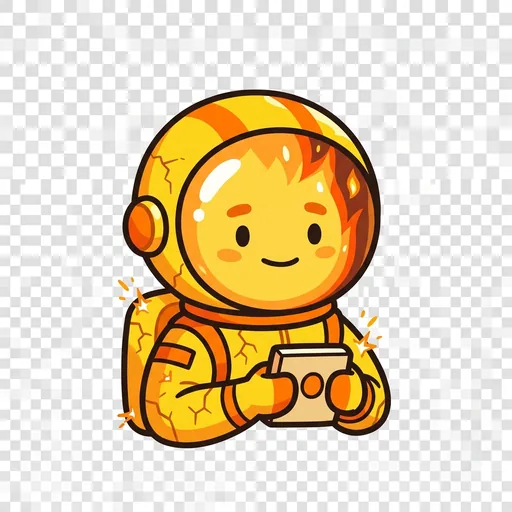
Flare
Stellar flares and starspots — a star's stormy magnetic surface weather