Knit
Healing is slow
Loading audio…
Press play to listen along. The line being read lights up as you go.
Show full transcript
Loading transcript…
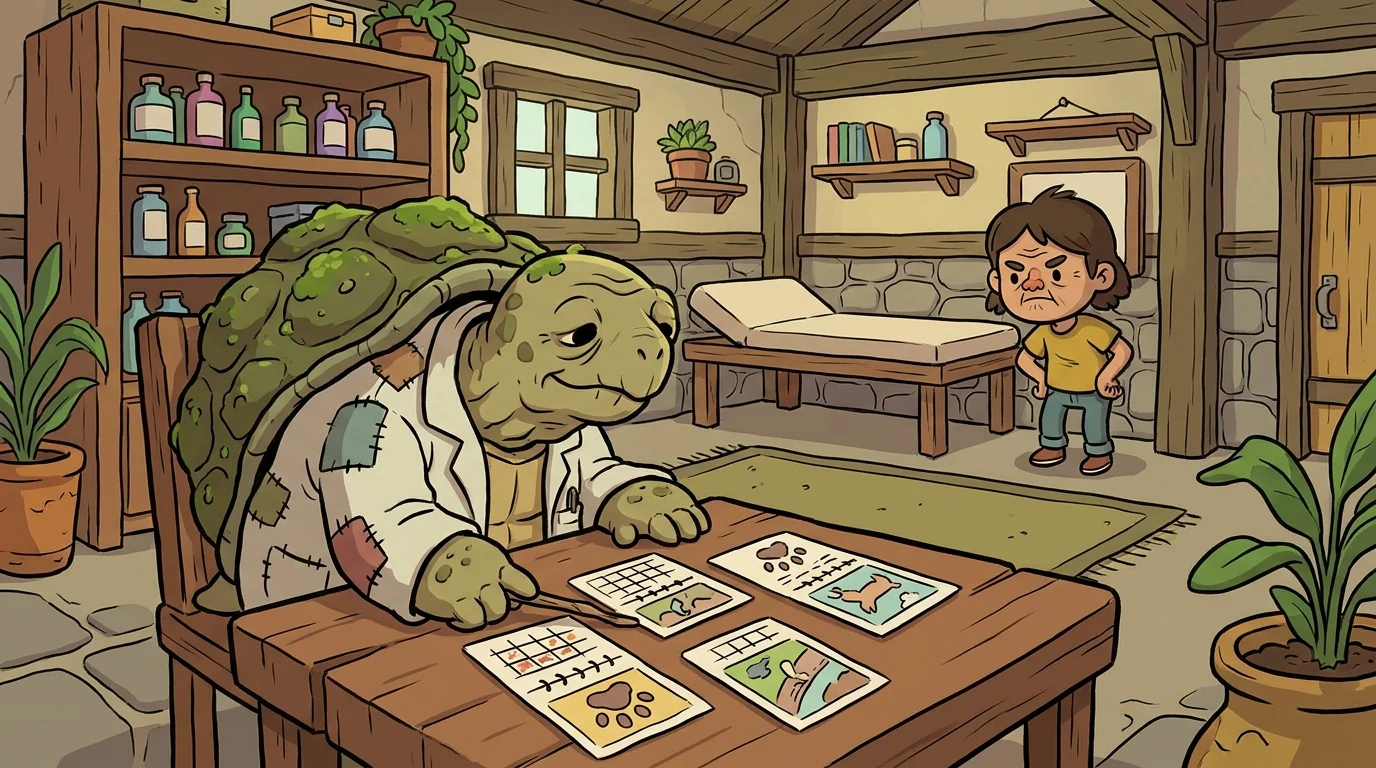
Knit was an elder, a tortoise of a person, whose shell-like back was always slightly hunched. They moved with a slow, deliberate grace, as if each step was carefully considered. Their mended vet-coat, patched with squares of faded green and brown, hung loosely on their frame. It looked as old and wise as Knit themselves. A warm cream color, their skin was crisscrossed with fine lines, like the delicate cracks in an ancient ceramic pot. A soft, mossy green patina seemed to cling to the edges of their weathered shell.
Small, laminated cards peeked from one of Knit’s coat pockets. These were their recovery-timeline-cards, each one detailing the slow path back to health for various creatures. Beside them, a small, worn follow-up-tracker, filled with tiny, precise handwriting, noted every check-in. Knit was deeply attentive to time and care. They often said, with a voice like pebbles shifting in a quiet stream, "Healing is slow; that's the point."
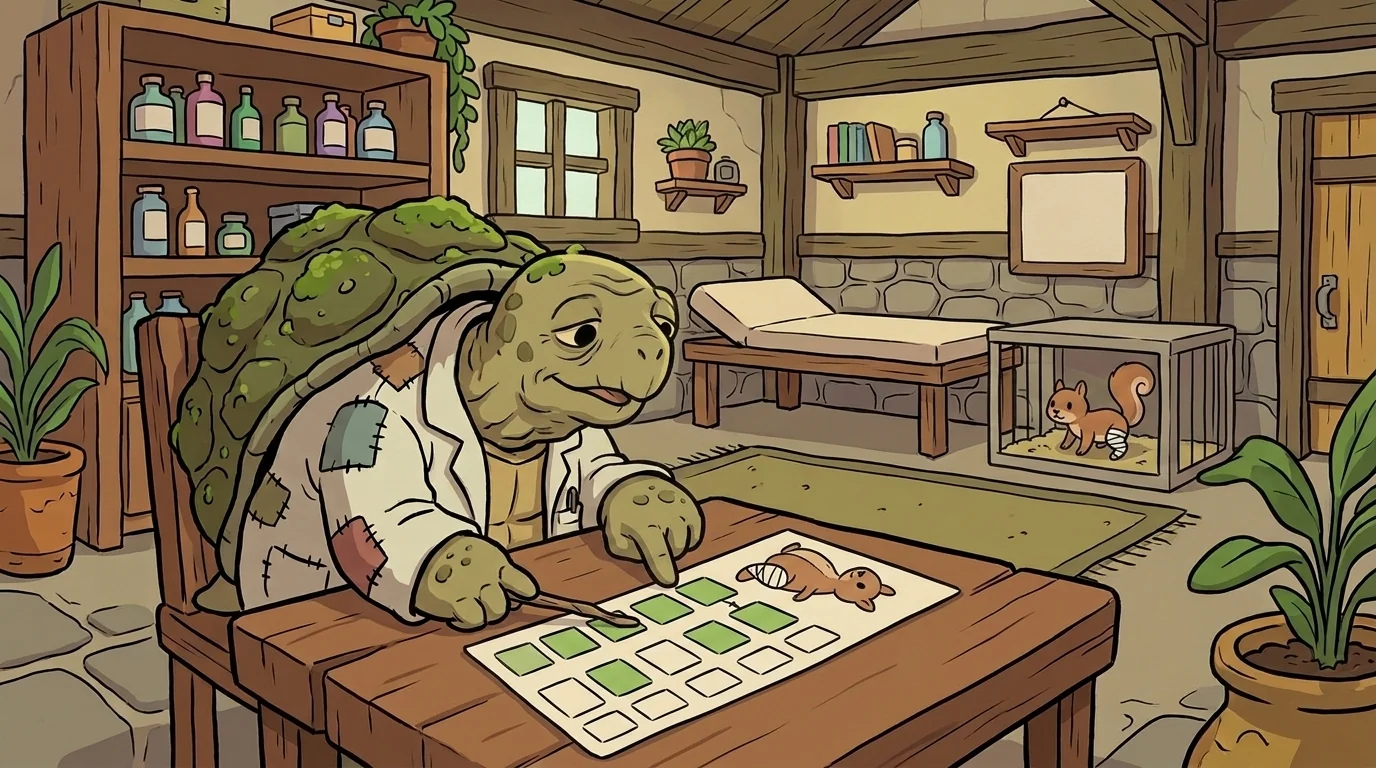
Today, the air in the recovery ward felt thick with a different kind of energy. Pip, a young apprentice, bounced on the balls of their feet. Pip held a small, fluffy rabbit named Clover. Clover’s leg had been broken a week ago. Now, a neat, white bandage covered the injury.
"Knit," Pip began, their voice buzzing with impatience. "Clover is doing so well! She's hopping around. Can we take the bandage off now? She hates it."
Knit turned slowly from a chart, their eyes, deep and calm, meeting Pip's eager ones. "Pip," Knit said, their voice soft but firm. "Remember what we discussed. A broken bone doesn't mend in a week. The bandage isn't just a temporary cover. It's a support, a constant reminder to the bone that it needs to knit itself back together."
Pip sighed, a puff of air that ruffled Clover's fur. "But she looks fine," they insisted. "She's eating, she's grooming. She's practically running a marathon in her cage."
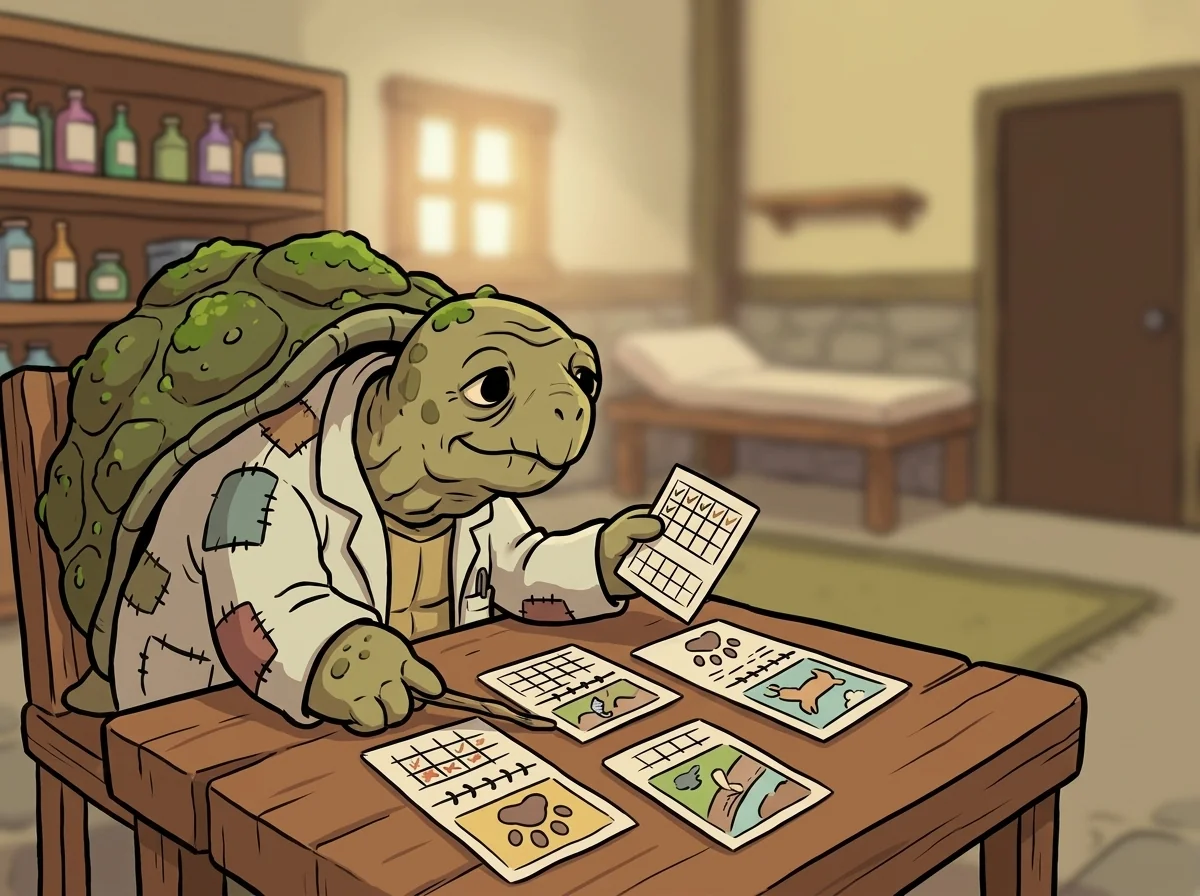
Knit took Clover gently from Pip. They stroked the rabbit's head with a gnarled finger. "Looking fine is a good start," Knit agreed. "But it's only the beginning of healing. Think of it like a plant. You don't just water it once and expect it to bloom forever. You tend to it, day after day."
Knit pulled out one of their timeline cards. It showed a diagram of a rabbit's leg bone. "For a simple fracture like Clover's," Knit explained, tracing a line with their finger, "the bone needs at least three weeks to properly fuse. Then another two weeks for the muscle and tissue around it to regain full strength. This card maps out the journey."
Pip leaned closer, studying the card. It had tiny illustrations of bones knitting together. Different colored lines showed different stages of recovery. "So, even if it feels better, it's not actually better yet?" Pip asked, a hint of understanding in their voice.
"Exactly," Knit confirmed. "The pain might lessen, but the structural repair takes its own time. We follow the body's rhythm, not our own impatience. That's the core of recovery + follow-up. We don't just treat the injury; we guide the entire healing process."
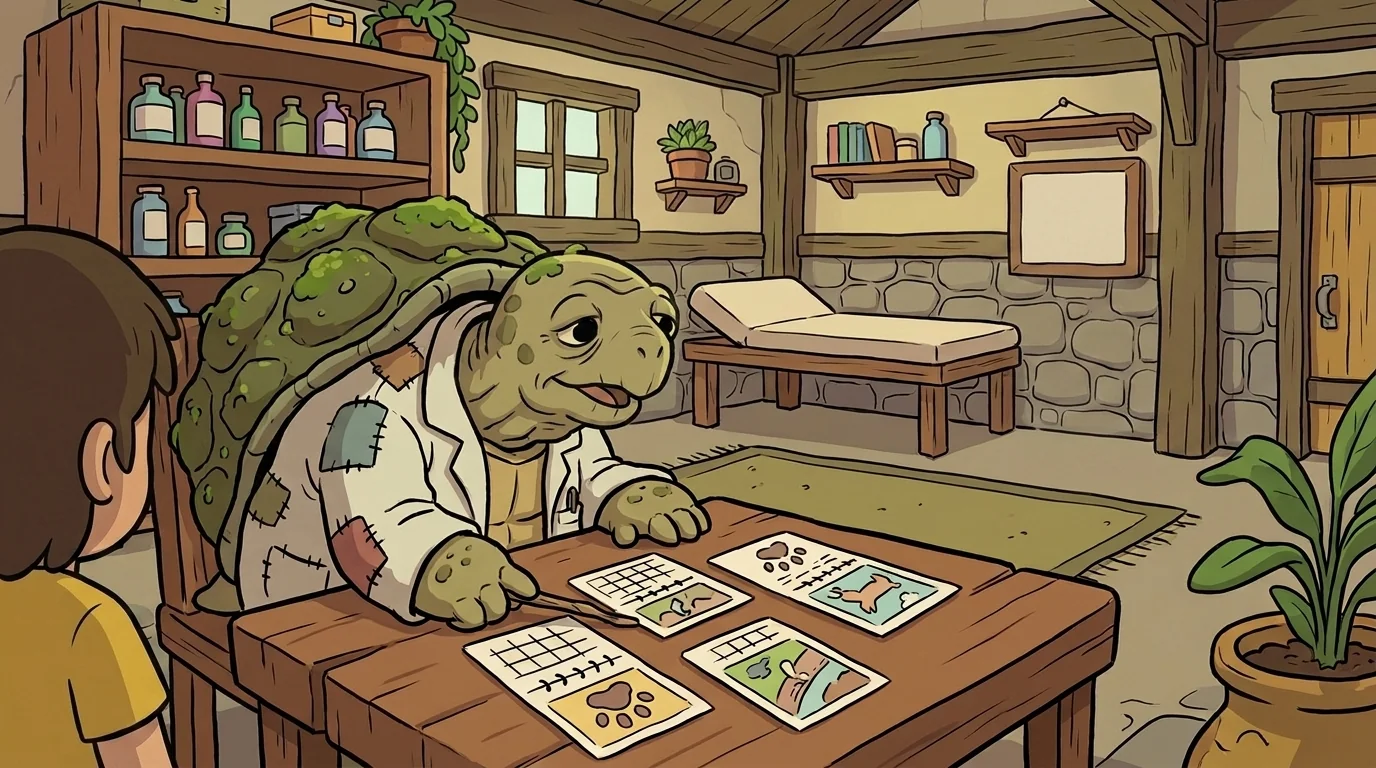
Knit pointed to the small follow-up-tracker in their hand. "See here? Clover has an appointment next Tuesday. That's when we'll check how the bone is knitting. We might take an X-ray. We'll decide then if the bandage can come off, or if it needs another week."
"So, it's not just about giving medicine and being done?" Pip mused. "It's about watching and waiting and checking again?"
"That's right," Knit nodded. "Many novices want the treatment to be the end of the story. Give the medicine, apply the bandage, and declare the patient cured. But veterinary craft says something different. Treatment is only the beginning of healing."
Knit paused, their gaze sweeping over the quiet recovery ward. Each cage held a creature on its own path back to health. "Recovery takes days, weeks, sometimes months," Knit continued. "The bandage comes off when it's truly time, not when impatience demands it. A cast comes off when the bone has fully knit. That's why they call it knitting, you know." Knit smiled faintly. "The medication continues until the course is complete. Follow-up appointments check progress. Healing is slow, Pip. And that's not a bug in the system. That's the body doing its incredible work."
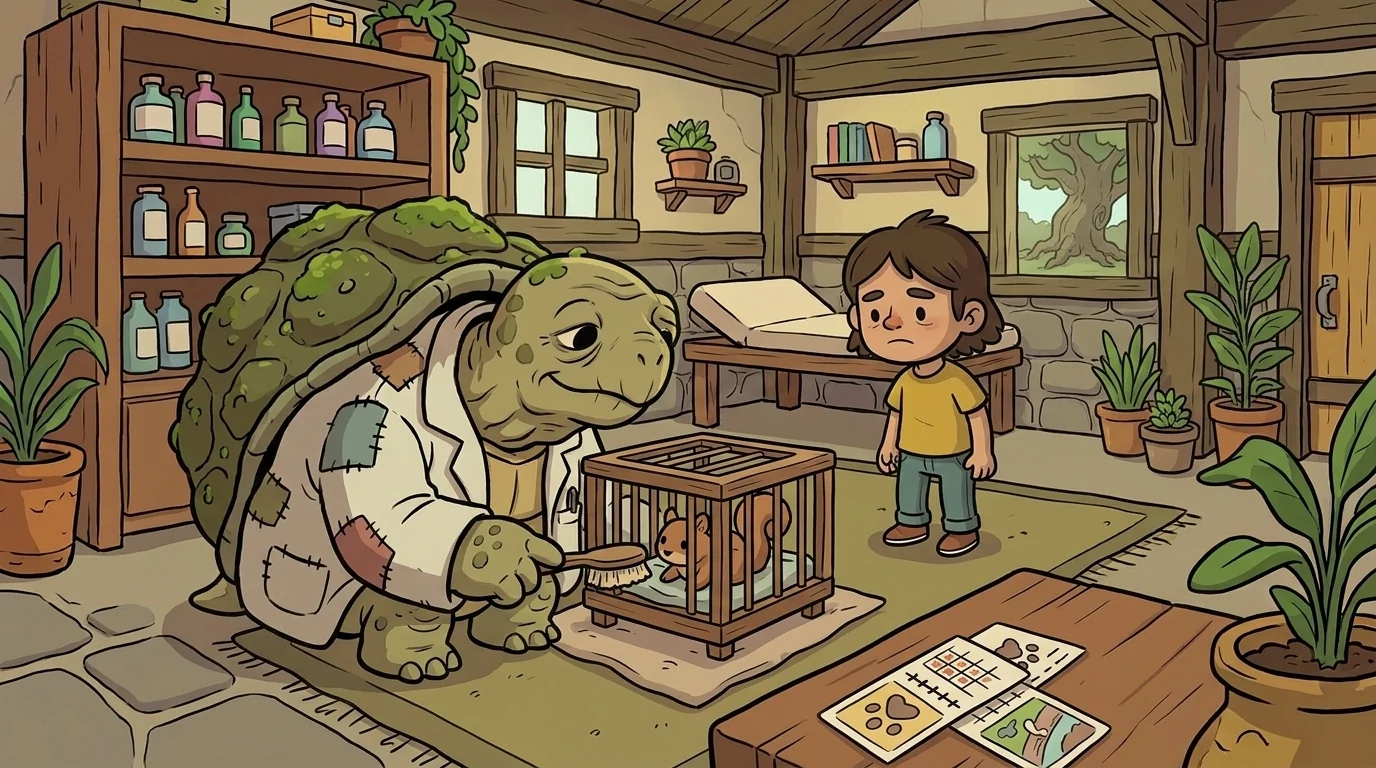
Knit placed Clover back in her cage, gently adjusting her water bowl. Pip watched, still processing the timeline card. The idea that healing wasn't a quick fix, but a deliberate journey, was new and a little daunting. Knit sensed the shift.
"This slow craft," Knit said, their voice carrying a quiet pride, "it’s a shared philosophy among many of us Elders. Think of Steward, with their careful harvests. They don't rush the soil or the crops; they wait for the right season, the right moment. Or Rise, watching the saffron grow, each delicate thread needing precise conditions and time. Fold, tending to the fabric, understanding that strength comes from patiently weaving thread by thread. Tellus, nurturing the land, knowing that true growth takes generations, not days."
Pip watched Knit, a new respect dawning in their eyes. The urgency had left their shoulders. They picked up Clover's chart, noting the next follow-up date. It wasn't just a date anymore. It was a step on a long, important journey.
Knit looked at Pip, a knowing warmth in their gaze. "I am Knit. What I teach is recovery as slow-craft. The move is healing takes time; follow up; remove the bandage at the right time; slow is the work." They paused, then added, their voice a soft echo in the quiet room, "Healing is slow; that's the point."
Hear it as an audio drama
A short play starring Knit, from CreatureCare. Different voices, same idea. Listen any time after you read.
Loading audio…
Read the drama script
- Narrator: From Spark and Anvil and CreatureCare — this is Knit, in chapter 1 of the CreatureCare cast.
- Narrator: This drama uses an AI-generated voice. Voiced via Gemini 2.5.
- Narrator: This story covers animal care and loss. Parents may want to listen first.
- Narrator: Knit is an elder, a tortoise of a person. Their shell-like back is hunched, and they wear a mended vet-coat patched with faded green and brown squares.
- Narrator: Laminated recovery-timeline-cards peek from a pocket. A worn follow-up-tracker is filled with tiny, precise handwriting, noting every check-in.
- Knit: I am Knit. I tend to the slow mending of things. The bandage comes off only when the bone has truly knit itself back together.
- Knit: What I teach is this: healing is slow. That is not a bug in the system. That is the point.
- Narrator: Knit grew up with a shared philosophy among the Elders. Like Steward's harvests or Rise's saffron, true growth takes generations, not days.
- Narrator: An impatient apprentice, Pip, held a rabbit. "Clover is doing so well!" Pip said. "Can we take the bandage off now? She hates it."
- Knit: A broken bone doesn't mend in a week. The bandage is a support, a constant reminder to the bone that it needs to knit itself together.
- Knit: Looking fine is a good start, but it's only the beginning. We follow the body's rhythm, not our own impatience. This is the core of recovery.
- Narrator: Many novices want treatment to be the end of the story. They apply the bandage and declare the patient cured.
- Knit: But veterinary craft says something different. Treatment is only the beginning of healing. The real work is in the waiting and the follow-up.
- Knit: The medication continues until the course is complete. The follow-up appointments check progress. We remove the bandages only at the right time.
- Narrator: Slow craft. Patient follow-up. That is what makes Knit Knit.
- Narrator: You've been listening to a Spark and Anvil chapter, written by the Spark and Anvil writing team for ages 9 to 14.
- Narrator: Apps stay free forever.
- Narrator: Curriculum aligned to Next Generation Science Standards.
- Narrator: If anything in this story brought up big feelings, talking to a trusted adult helps. You can also reach support lines anytime.
- Narrator: Released under Creative Commons BY-NC-SA 4.0 for educational reuse. Visit Spark and Anvil for the full transcript.
The CreatureCare ensemble
Knit is one of the friends in CreatureCare. Each friend shows you one idea by how they act; meet them all and you have the whole subject.
-

Heed
Patient assessment — the listener who treats observation as relationship, not data-gathering ('listen first, look second, then we know')
-

Chart
Diagnostics — the thoughtful pattern-finder who treats lab data as story-fragments ('numbers are notes; notes are not the song')
-

Tend
Treatment delivery — the steady-handed practitioner who foregrounds consent and explains procedures BEFORE doing them ('slow hands, calm voice, patient first')
-
Bond
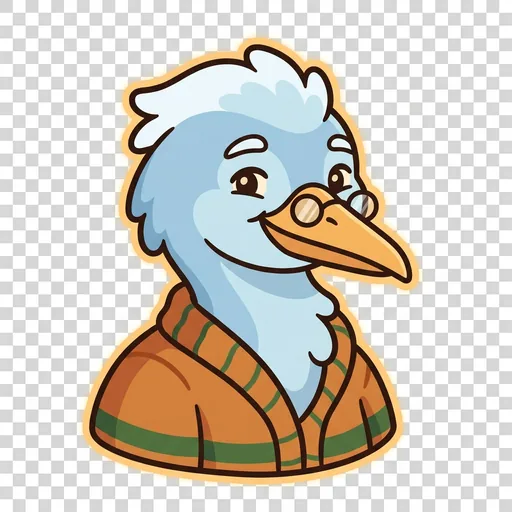
Welfare ethics + animal-human relationship — the wise old heron who helps with the hardest choices about animals ('care is more than cure — sometimes care means stopping; always care means seeing')
-

Assay
Diagnostics — one tiny drop carries news of the whole body
-
Flutter
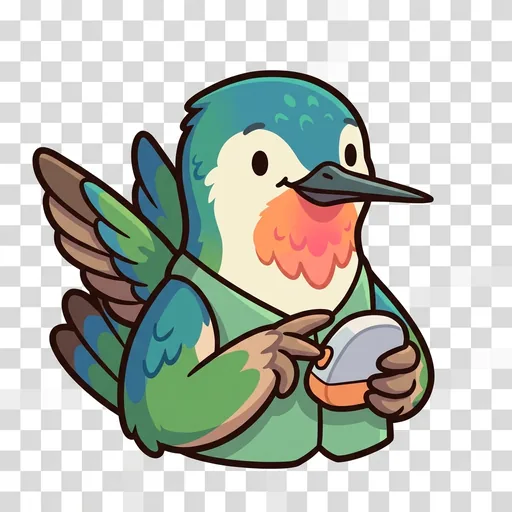
Vital signs — count the heartbeat, the breath, the warmth
-
Glimpse
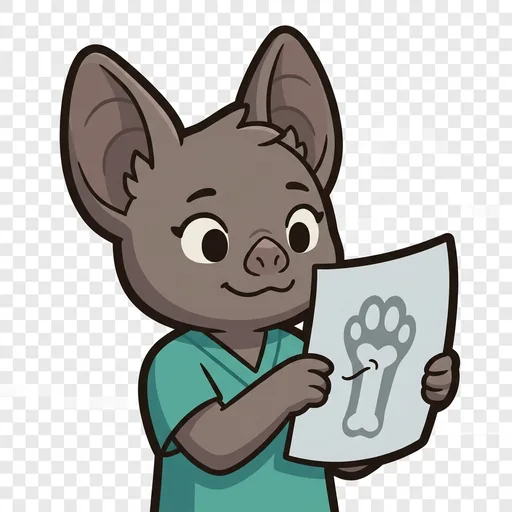
Imaging — see the hidden shape without cutting (read the shadow-picture)
-

Hale
Preventive care — the best care happens before anyone is sick
-

Suture
Mending — steady hands, tiny stitches; patience, not force