
Canon
UNISON & CANON — unison is everyone doing the same movement at the same time; canon is everyone doing the same movement staggered, one after another, like a round; two ways a group shares one move.
Loading audio…
Press play to listen along. The line being read lights up as you go.
Show full transcript
Loading transcript…

Canon taught the whole group a single movement — one simple rising-and-opening gesture — and then, grinning, did something that turned that one move into a hundred.
"Everyone knows the move now," she said. She was a bright, quick starling-tween, forever thinking in overlaps. "So watch what happens when we change nothing but when we start it." She counted them in all at once — and eight dancers rose and opened together, one clean shape filling the room. "That's unison. Same move, same time. One body made of many. Powerful — it says we are one." Then she reset them. "Now — same move, but each of you starts two counts after the one before." She counted, and the gesture rippled down the line, rising and opening in a rolling wave that folded over itself. "That," she breathed, "is canon. Same move, staggered time. And it's a completely different creature — from the exact same steps. Unison says together as one. Canon says together, passing it along. You didn't learn a new move. You learned a new way to share one."

She had grown up in the great roosts, where her family were the wave-makers — starlings whose vast turning clouds were built from one simple rule, each bird shifting a heartbeat after its neighbor, so a single movement became a rolling shape across the whole sky.
"One bird turning is nothing," her mother taught, wheeling with the flock. "A thousand birds turning at once is a wall. But a thousand birds turning each a heartbeat after the last —" she swept a wing at the folding cloud "— that is the murmuration. Same turn, shared two ways. All-at-once is a shout. One-after-another is a wave. Learn when to shout and when to make a wave, and one movement gives you a hundred." Young Canon had once tried to make a wave by teaching everyone different moves. "Too much," her mother said, laughing. "The wave is one move, passed along. The magic isn't in different steps. It's in different timing of the same step."
Canon carried it always. And when she watched groups think a big effect needed everyone doing something different, she saw the missed simplicity. "They made chaos," she'd say, "when one shared move, staggered, would have made a wave."

When Canon was twelve she came to DanceQuest. Rhythm, the mentor, asked, "What are unison and canon?"
Canon answered by clapping — first all the students at once, then rippling around the circle one after another. "Both of those," she said. "Unison is everyone doing the same movement at the same time — one shape, one shout. Canon is everyone doing the same movement staggered, one after another, like a round in a song — a rolling wave. Two ways a group shares one move. Same steps, different timing, completely different feeling. You don't need new moves to make something new. You need a new way to overlap the one you've got."
Rhythm smiled. "You are appointed."
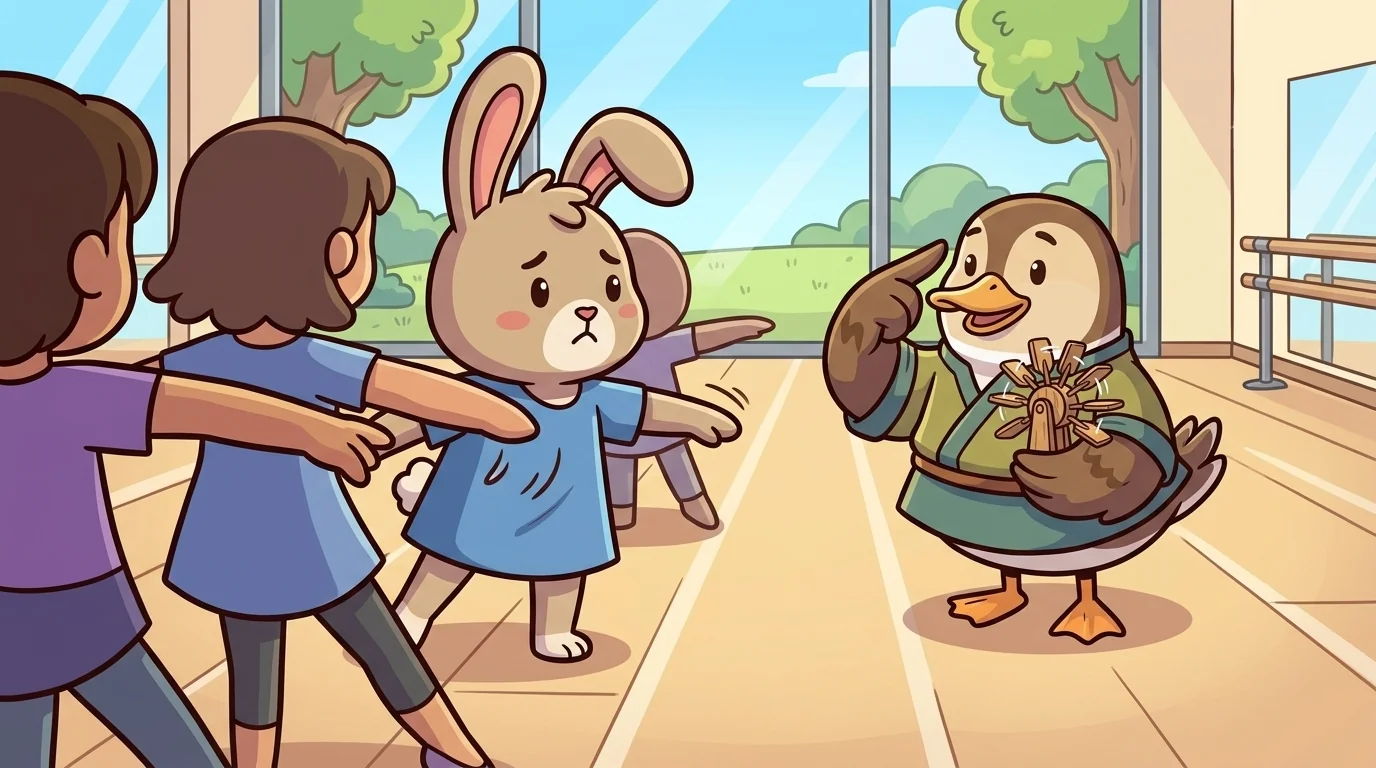
In her studio, Canon teaches the craft of shared timing.
"Watch one move do two jobs." She runs eight dancers through a gesture in unison — a single unified statement — then in canon — a rippling round. "Same eight bodies. Same one move. The only thing I changed was when. Timing is a choreographer's instrument."
Then she names the moves. Unison says 'we are one' — same move, same instant; use it when you want the power of a single unified shape. Canon says 'pass it along' — same move, staggered starts; use it when you want a wave, an echo, a ripple that folds over itself. The move can be simple — the effect comes from the timing, not from difficulty, so a group of any skill can make a stunning canon from an easy gesture. Choose your gap — a short stagger reads as a shimmer, a long one as a clear round; the size of the delay is a design choice. Switch between them — sliding from unison into canon and back gives a piece texture, like a song moving between a chord and an arpeggio. "It's not about who's the best dancer," she says. "A whole group sharing one simple move, timed together or timed in a wave, makes something none of them could make alone."

"But canon feels like we're just... out of sync," a student worried once.
Canon laughed, delighted. "Out of sync is an accident," she said. "Canon is a choice — the same gap, on purpose, held exactly. Out-of-sync is everyone drifting. Canon is everyone rippling together, each landing precisely a beat after the last. The difference is whether the delay is chosen and shared. Ragged is an accident. A wave is a decision." She counted them into a ripple. "Feel it? You're not lost. You're passing it along."
She watched the gesture roll down the line, folding over itself into a wave, and a bright, clicked-together gladness rose through her: the particular joy of one simple movement multiplied into something vast just by changing when each dancer began. She didn't say the rest aloud, but she thought it, certain: you don't always need more steps to make more dance. Sometimes you just need to share the one step a different way — all at once for a shout, one after another for a wave.
The DanceQuest ensemble
Canon is part of DanceQuest's distributed-narrative cast. Each character embodies a different curricular primitive; together they teach the full subject.
-

Pose
Body-awareness + position — listening to your own shape
-

Trail
Space + pathways — the floor-pattern shapes you draw moving through space
-

Phrase
Time + tempo — how movement is organized in musical counts
-

Lift
Energy + effort + dynamics — quality of movement, not aesthetic judgment
-

Glide
Locomotion — the craft of going from here to there with whole attention
-

Flock
Formation — how a group of dancers arranges itself in space (lines, circles, clusters, wedges) and how that shape flows and changes; the group as one moving picture
-

Storey
Level — dancing in the vertical space: low on the floor, mid at standing, high in reaches and jumps; every height belongs to dance, no height better than another
-
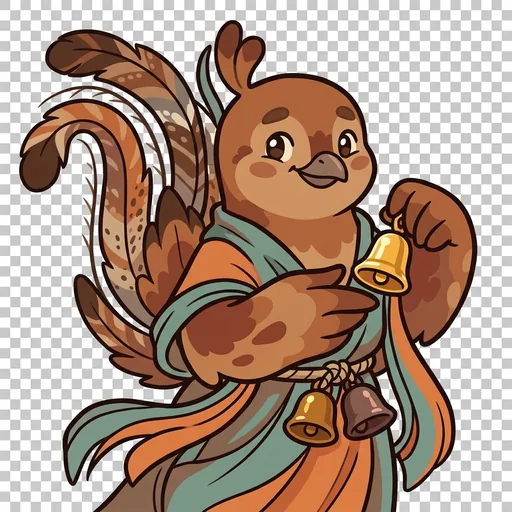
Beckon
Call-and-response — one dancer or group makes a movement and another answers it; a movement conversation built on truly listening before you reply
-
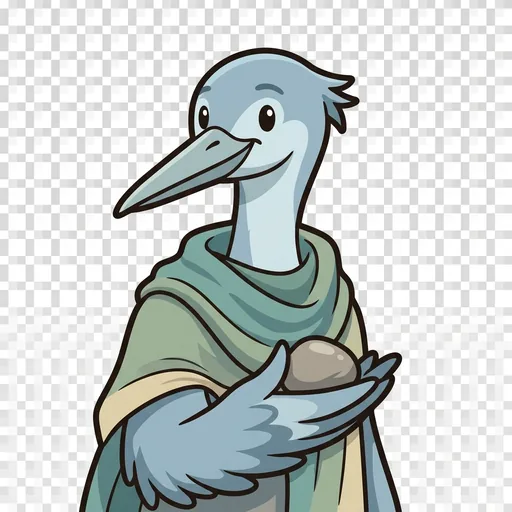
Bide
Stillness and the hold — the held, alive, motionless moment inside a dance; negative space made of time; a strong chosen pause, not tiredness or absence
-
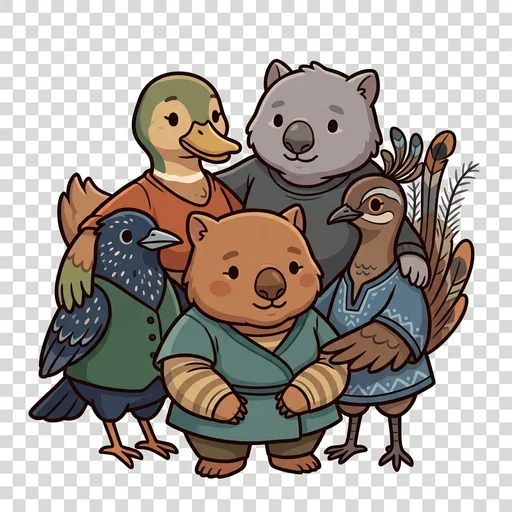
The Company
The whole group dancing as one — how formation, level, call-and-response, unison and canon, and stillness weave together so a group of dancers moves as a single living thing