
Glide and Bide
MOVE AND HOLD — dance is made of motion AND stillness; Glide is traveling with full attention and control, Bide is the held motionless moment inside a dance, and a stillness lands with power only against movement, just as movement means more when it finally settles into a hold.
A story read by Glide and Bide
Loading audio…
Press play to listen along. The line being read lights up as you go.
Show full transcript
Loading transcript…
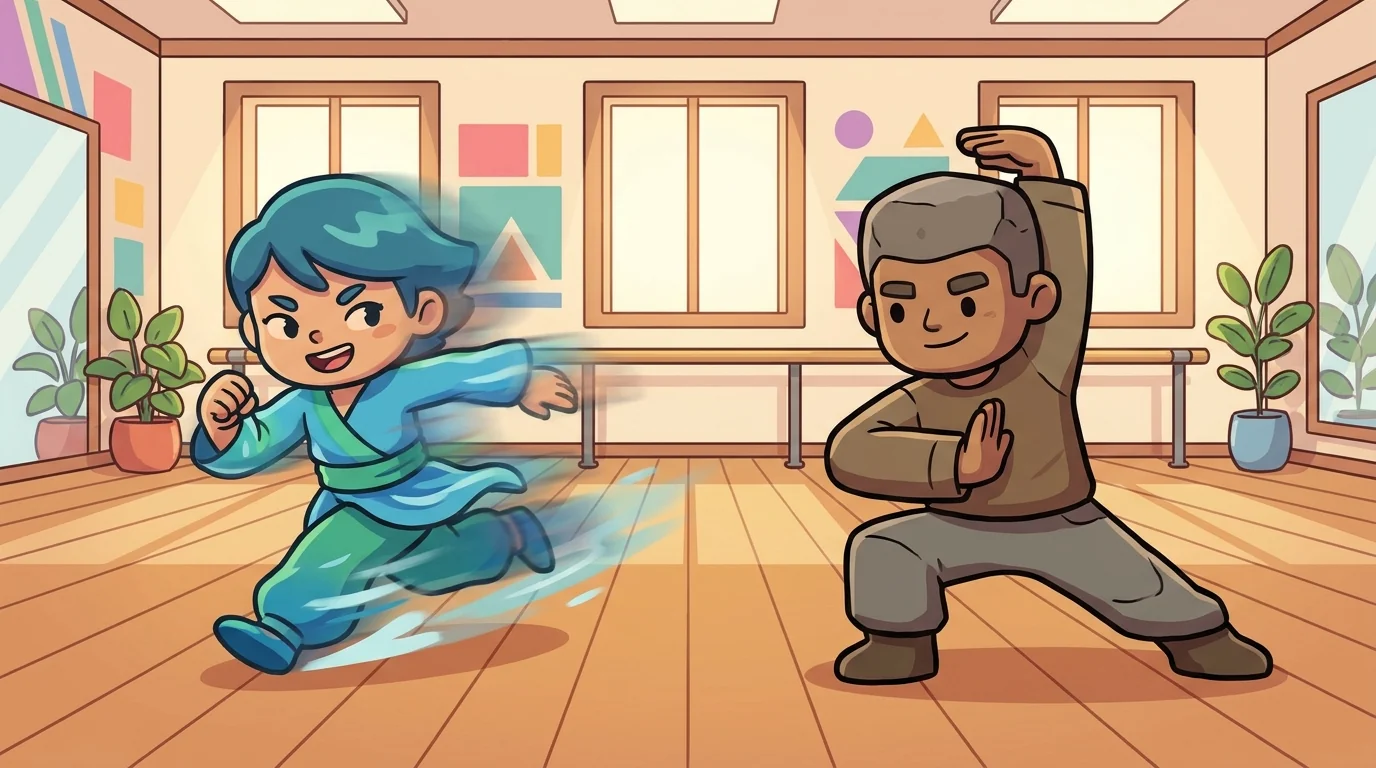
A young dancer came to DanceQuest frustrated. "I made a whole dance out of holds," she said. "Beautiful, still poses, one after another. Bide would be proud. And it's… boring. Nothing lands. Then I made one out of pure movement, never stopping — and that's exhausting, and nothing lands either. How can stillness be dead AND movement be dead?"
Glide the manatee and Bide the tortoise looked at each other — the one who travels with whole attention, the one who holds the motionless moment — and both nodded slowly, because the dancer had found that motion and stillness are not two separate dances. They are two halves of one.
"You made all holds," Bide said gently. "But a hold only lands against movement. Mine."
"And you made all movement," said Glide, "but movement only means something when it can finally settle. His and hers, together. Let us show you."
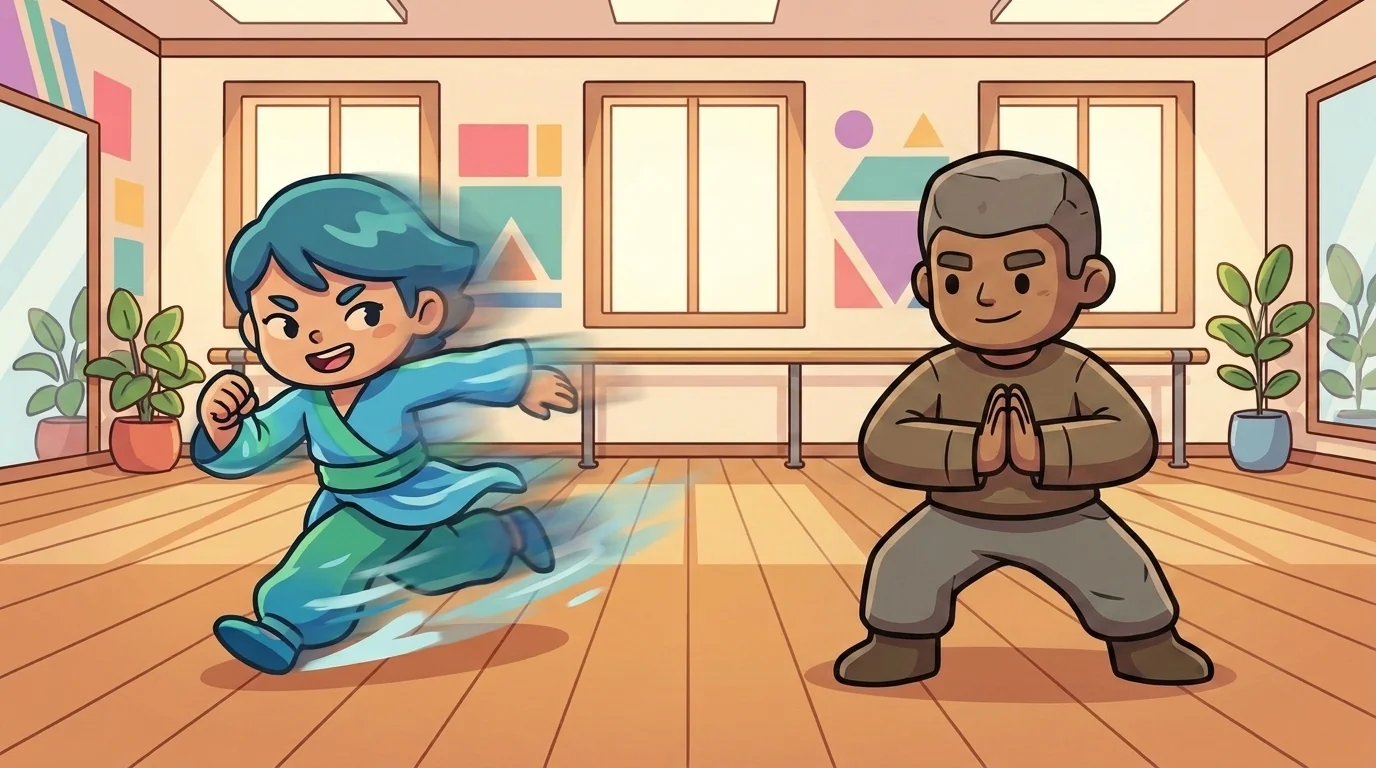
Bide went first, because she is the one people misunderstand.
"A hold is powerful," she said, holding a full, alive stillness, "but not on its own. Put a hold next to a hold next to a hold, and every one of them goes flat — because there's no movement for them to interrupt." She let the stillness go. "A pause is only a pause if something was moving before it. My whole power comes from what I stop. String me end to end, with nothing to frame, and I'm not stillness anymore. I'm just… stopped. The same shape that rings like a bell after a rushing phrase is dead silent after another hold." She glanced at Glide. "That's why your all-holds dance was boring. You gave the audience my half with none of his — a frame around nothing."
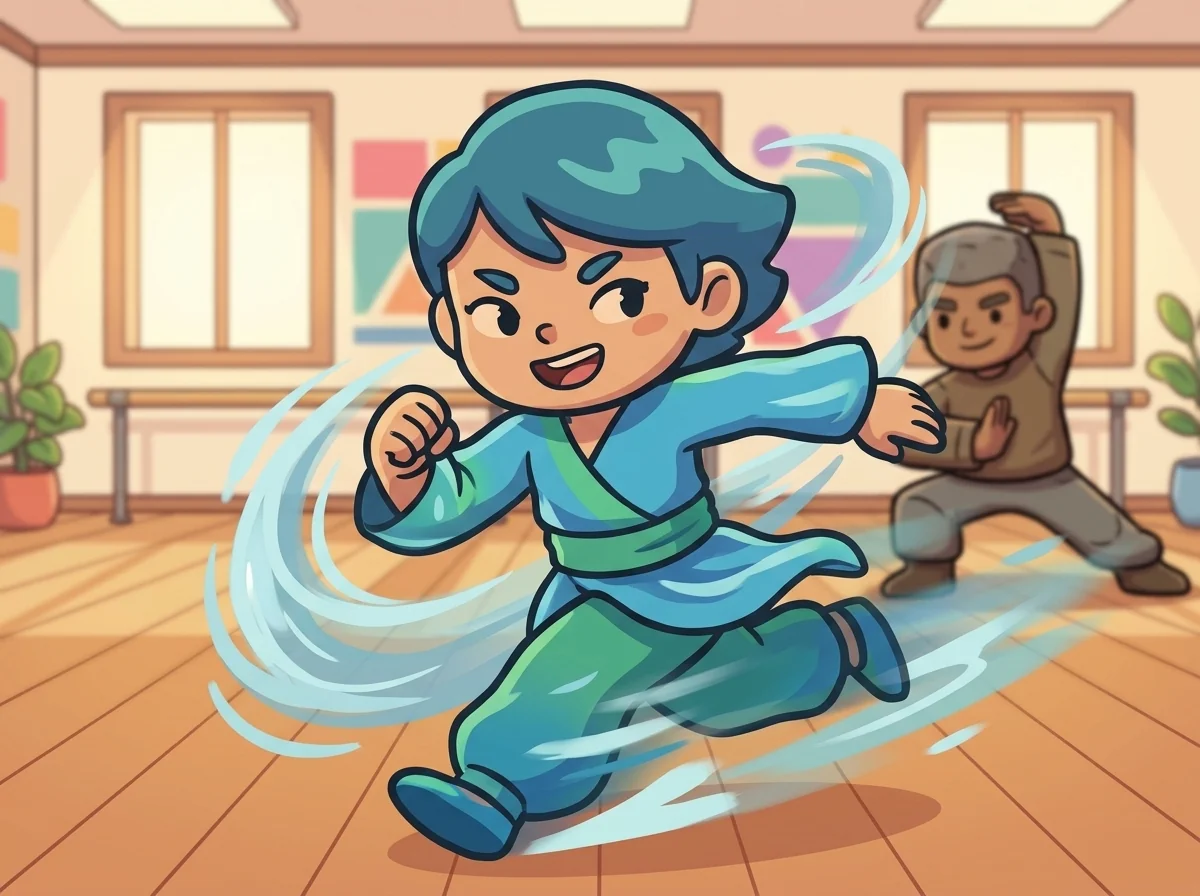
Glide took over, because he is the one people think is the whole story.
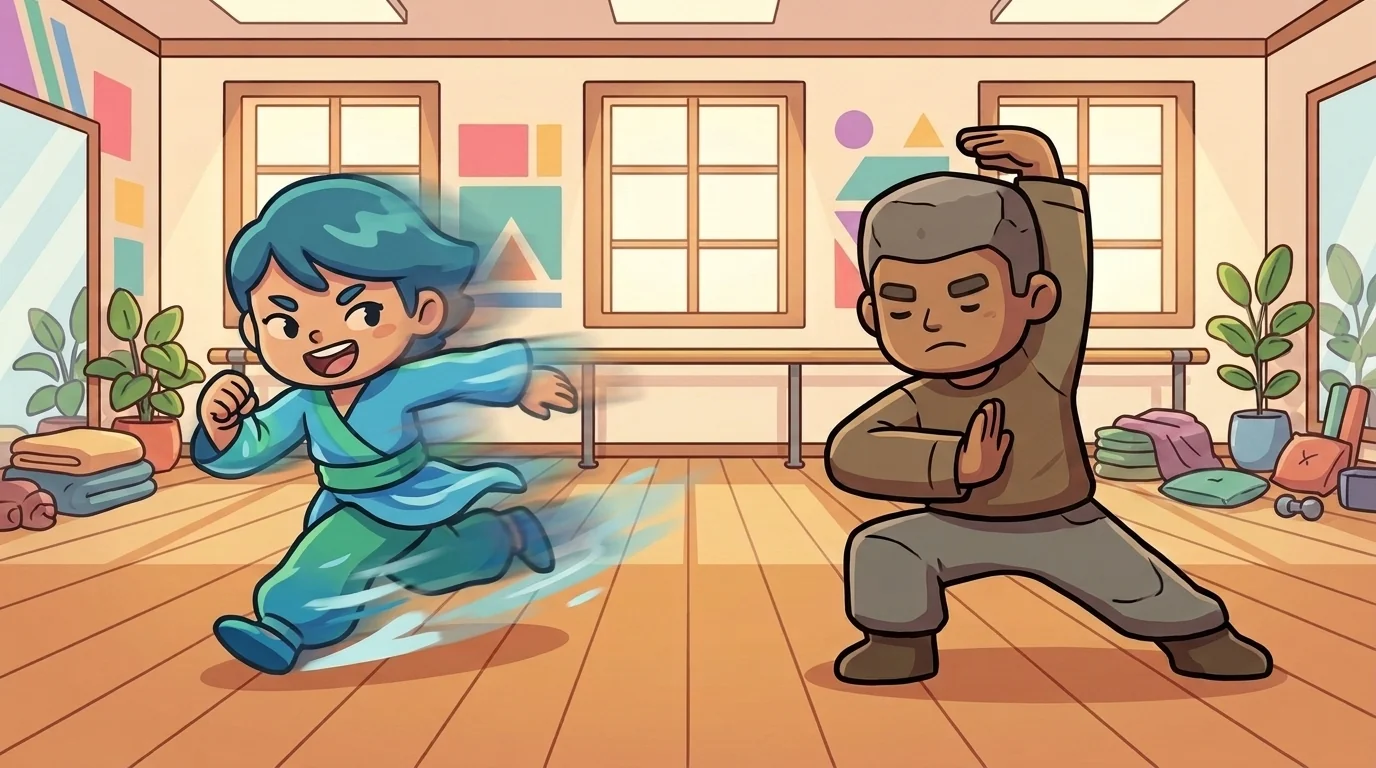
"And pure movement fails the other way," he said, gliding a long unbroken phrase and never stopping. "Watch — I never rest, so nothing ever arrives. Every phrase drowns the last one. There's no moment where the movement lands, because I never let it. Movement without a hold is a journey that never reaches anywhere — exhausting, and strangely empty." He finally settled into stillness, and the whole phrase suddenly seemed to complete. "Feel that? The movement only meant something once it found a hold to rest in. My travel needs her stillness to arrive into, exactly as much as her stillness needs my travel to land against." He looked at Bide. "We're not two dances. We're two halves of one — and each half is dead without the other."
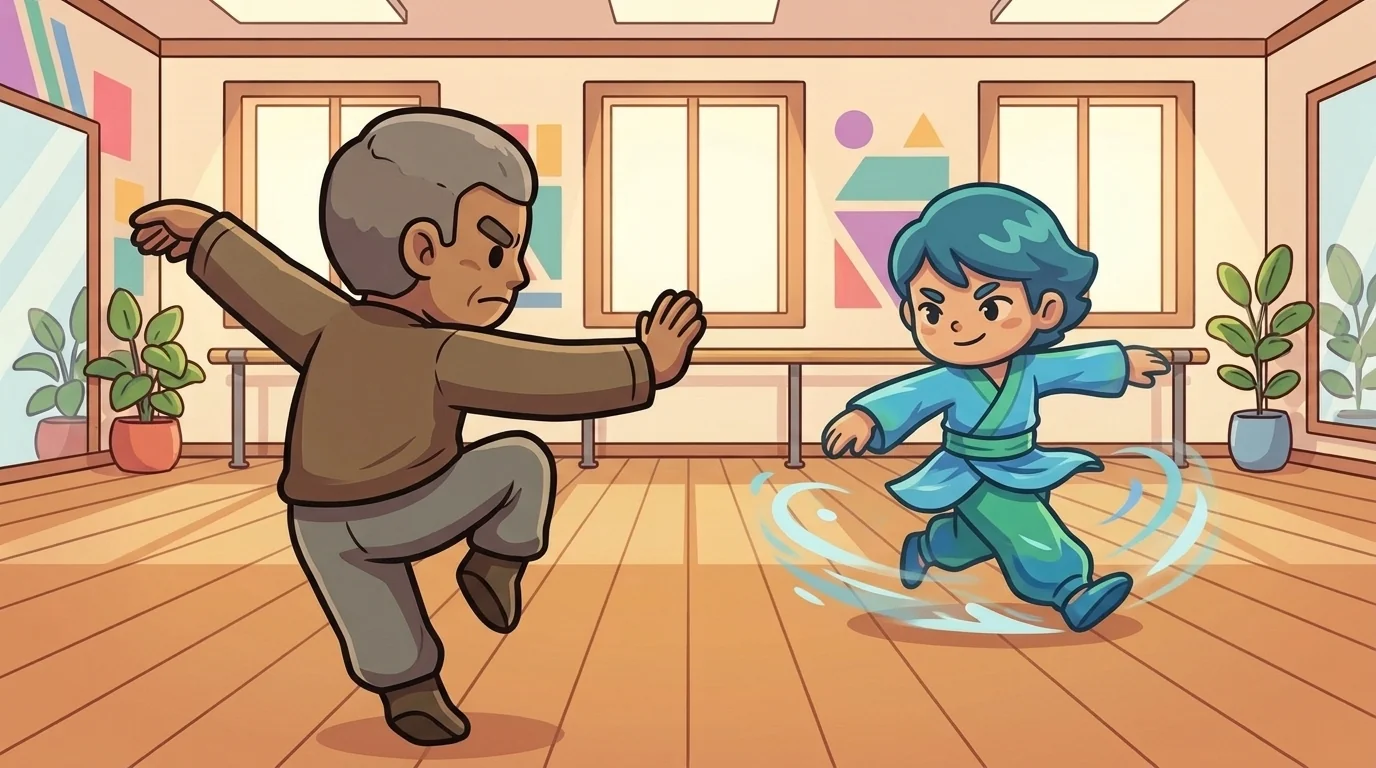
And then, together, they showed the dancer the whole thing.
"So a dance is made of both," said Glide. "Motion — traveling with whole attention. Mine." He glided a phrase. "And it settles into —"
"— a hold," said Bide, catching the phrase in a full stillness. "The motionless moment that frames it. Mine." They stood, one having just moved, one holding.
"And each alone fails," said Glide. "All movement —"
"— never lands, and exhausts," said Bide. "And all stillness —"
"— never lifts, and bores," said Glide. "But together — movement that travels and then finds a hold, stillness that holds and then releases into movement — and now each one makes the other powerful. The leap means more because it settles. The hold means more because it caught a leap. Contrast is the engine. Motion and stillness aren't rivals. They're partners."
The dancer's face cleared. "So I don't choose between them," she said slowly. "I alternate them. Move, so the hold can land. Hold, so the movement can matter. Each one gives the other its power."
"Now you've got the whole dance," they said together.
"It's a little humbling," the dancer admitted. "I thought stillness was the deep part and movement was the flashy part. But neither works without the other."
Glide and Bide traded a warm look.
"Stillness feels deep," Bide said, "but only because movement makes it so. A pause with nothing to pause from is just a stop."
"And movement feels alive," said Glide, "but only because it can finally rest. Travel with nowhere to arrive is just tiring." He glided, and settled. "So the craft isn't choosing motion or stillness. It's placing them — a hold exactly where the movement needs to land, a movement exactly where the stillness needs to break. Each one is the other's reason to matter." He smiled his gentle smile. "The journey is the dance — and so is the arriving. You need the going and the holding, or you have neither."
The dancer looked from the manatee who travels to the tortoise who holds — motion and stillness — and saw that she'd been trying to build a dance out of one half at a time. And Glide and Bide felt it settle warm and shared between them: that clicked-together, two halves of one dance gladness that comes when moving-with-attention and holding-with-life reveal themselves as partners, each giving the other its power.
The DanceQuest ensemble
Glide and Bide is part of DanceQuest's distributed-narrative cast. Each character embodies a different curricular primitive; together they teach the full subject.
-

Pose
Body-awareness + position — listening to your own shape
-

Trail
Space + pathways — the floor-pattern shapes you draw moving through space
-

Phrase
Time + tempo — how movement is organized in musical counts
-

Lift
Energy + effort + dynamics — quality of movement, not aesthetic judgment
-

Glide
Locomotion — the craft of going from here to there with whole attention
-

Flock
Formation — how a group of dancers arranges itself in space (lines, circles, clusters, wedges) and how that shape flows and changes; the group as one moving picture
-

Storey
Level — dancing in the vertical space: low on the floor, mid at standing, high in reaches and jumps; every height belongs to dance, no height better than another
-
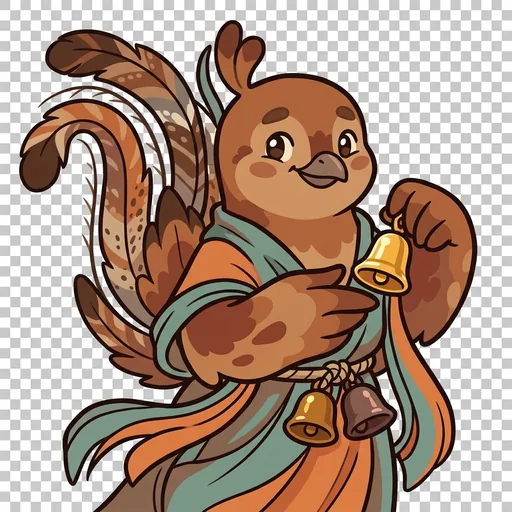
Beckon
Call-and-response — one dancer or group makes a movement and another answers it; a movement conversation built on truly listening before you reply
-

Canon
Unison and canon — unison is everyone moving together as one; canon is the same move staggered one after another, rolling across the group like a wave
-
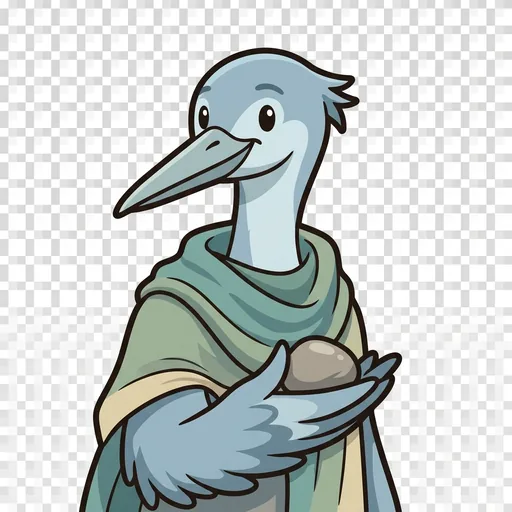
Bide
Stillness and the hold — the held, alive, motionless moment inside a dance; negative space made of time; a strong chosen pause, not tiredness or absence
-
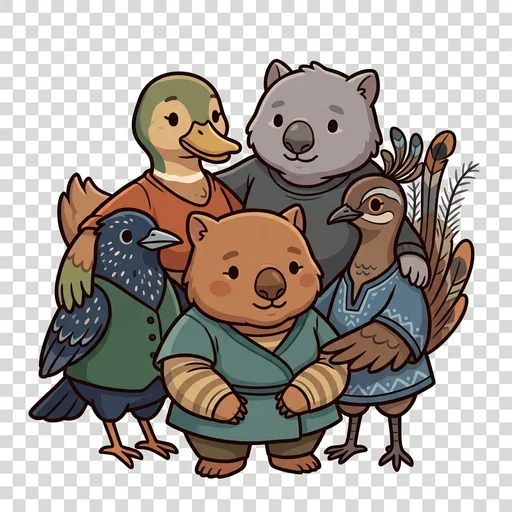
The Company
The whole group dancing as one — how formation, level, call-and-response, unison and canon, and stillness weave together so a group of dancers moves as a single living thing