
Pose, Storey and Trail
WHERE THE BODY IS — dance happens in space three ways at once; Pose is feeling the shape your body makes (proprioception), Storey is the level you move at — low, middle, or high — and Trail is the pathway you carve across the floor; together they place you, fully, in the space.
A story read by Pose, Storey and Trail
Loading audio…
Press play to listen along. The line being read lights up as you go.
Show full transcript
Loading transcript…
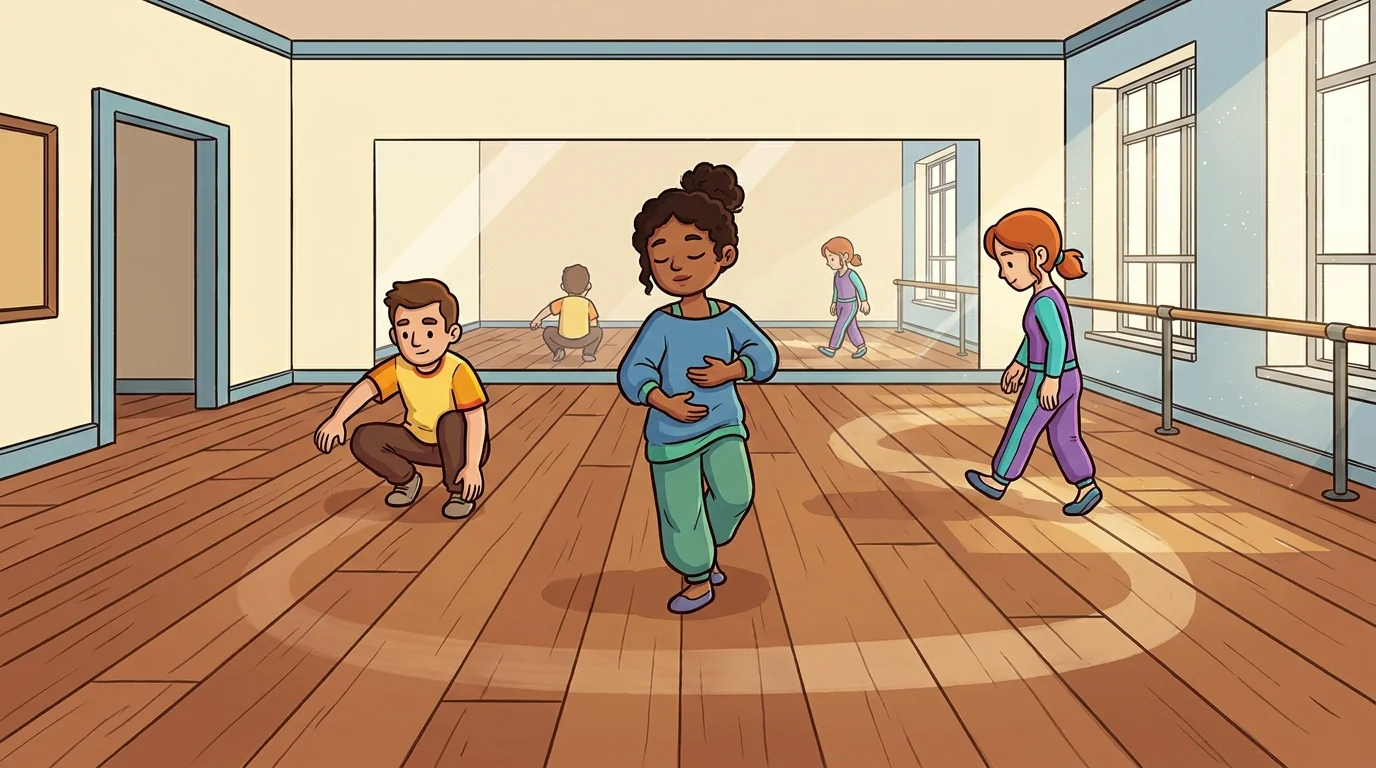
A young dancer came to DanceQuest feeling oddly lost. "I know my steps," she said. "But when I dance I feel… nowhere. Like I'm just doing shapes in a blank. People say 'use the space' and I don't even know what that means. How do I actually be somewhere when I dance?"
Pose the octopus, Storey the tree frog, and Trail the snail looked at each other — the one who feels the shape, the one who chooses the height, the one who draws the path — and each smiled, because the dancer had asked the exact question the three of them answer together.
"Being in the space isn't one thing," said Pose. "It's three, all at once. And you've been trying to feel it with only one."
"The shape you're making," said Pose. "The height you're at," said Storey. "The path you're tracing," said Trail. "All three. That's where the body is."
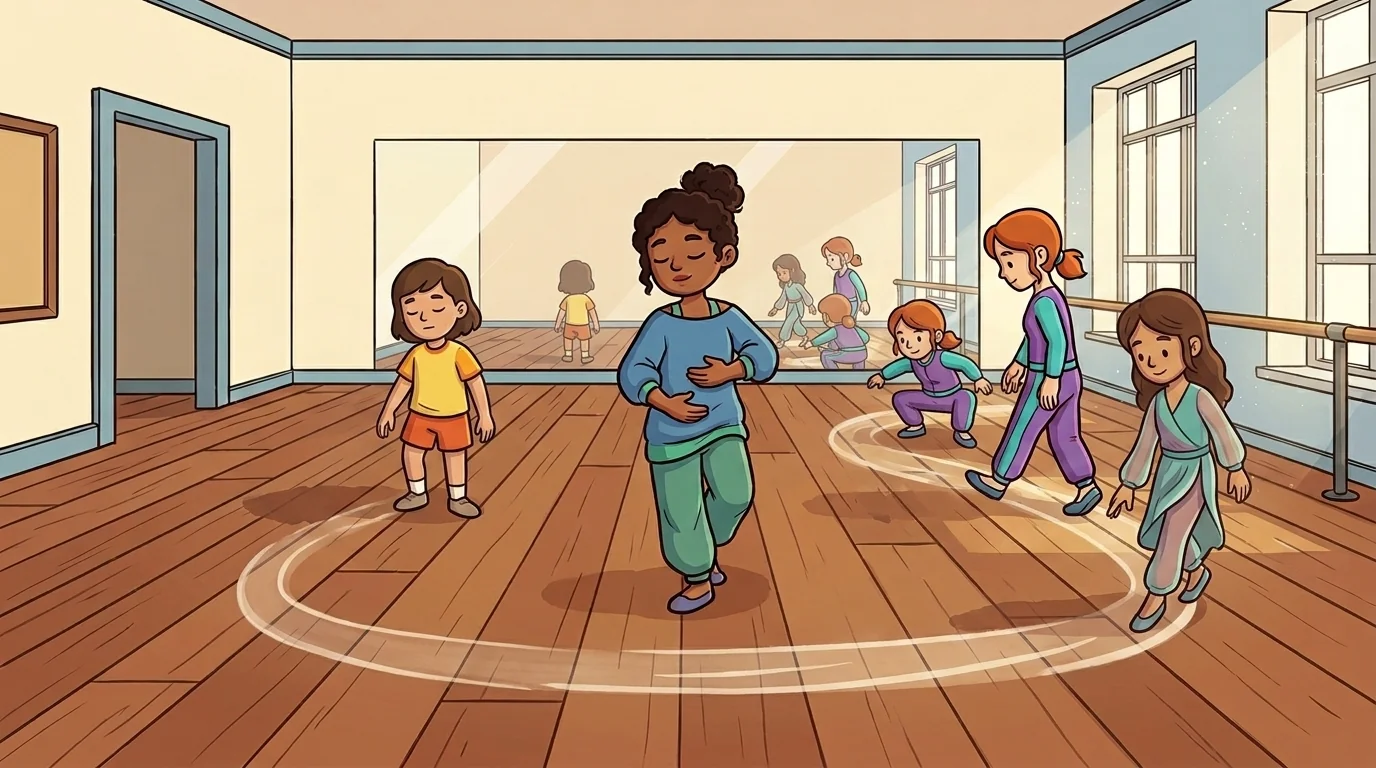
Pose went first, because it starts closest to home — inside your own skin.
"Before you can be in the space," Pose said, curling a limb and clearly feeling every part of it, "you have to feel the shape you're making. That's proprioception — your body's sense of itself, without looking. Where are your arms? Is your back curved or long? Are you open or closed? Most dancers watch a mirror to know their shape. I feel it, from the inside." She held a shape with her eyes closed. "If you don't feel your own shape, you're guessing at where you are — and guessing feels like being nowhere. Knowing your shape from the inside is the first way you're placed: you're this shape, here." She glanced at the others. "But my shape alone doesn't tell you the height, or the path. That's theirs."
Storey took over, because the next question is how high.
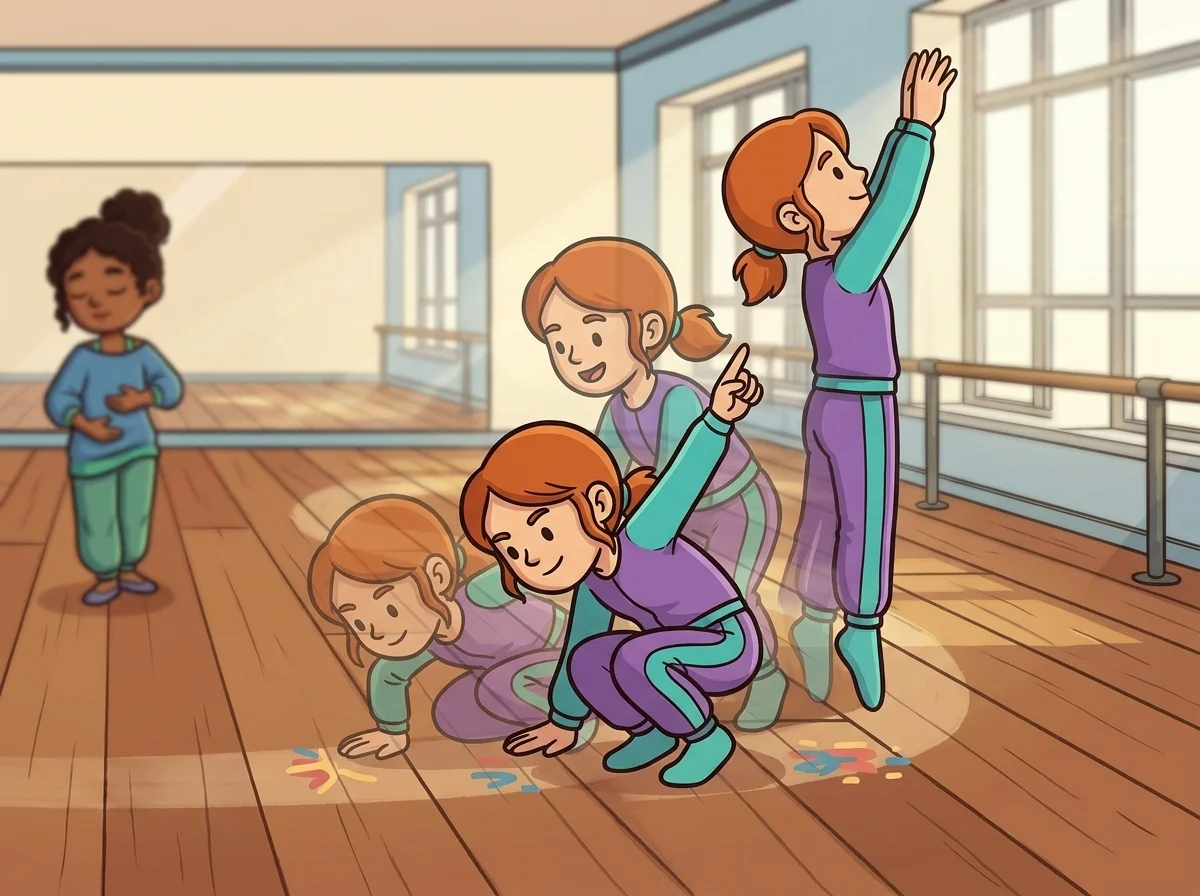
"Now — that shape is at a height," Storey said, sinking low, then rising tall in the same shape. "Low on the floor, mid at standing, high in a reach. That's level. The same shape means different things at different heights — low is close and hidden, high is open and reaching. When you feel your shape and your level together, you're placed two ways: this shape, at this height." She dropped low. "The dancer who feels 'nowhere' is usually stuck at one height, not noticing they could be low or high. Add the vertical, and the blank starts to become a room." She looked at Trail. "But shape and height still don't say where you're going. That's his."
Trail finished it, because the last question is along what path.
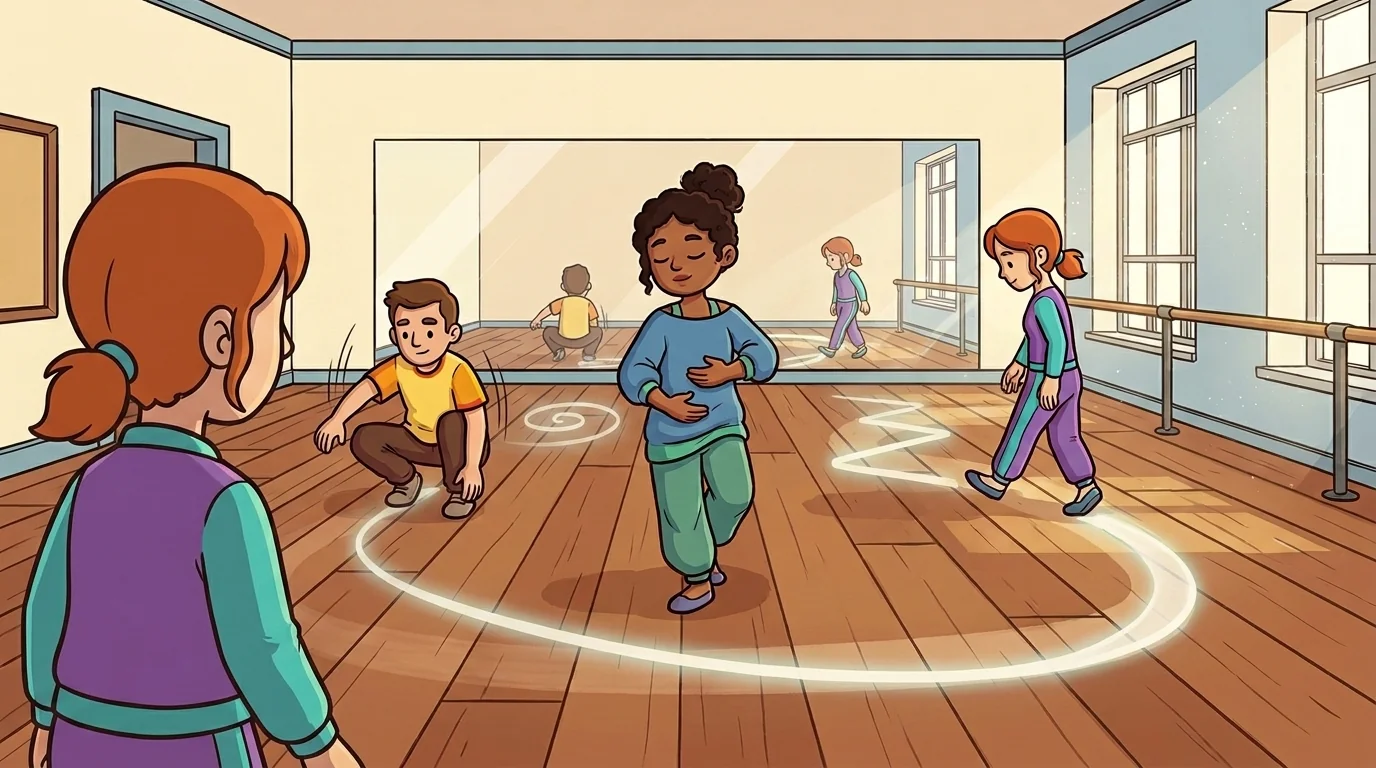
"And your body, in its shape, at its height, is traveling — along a path," Trail said, gliding a slow curving line across the floor and leaving, in the dancer's imagination, a visible trail behind him. "Straight, curved, spiral, zigzag. That's pathway. The floor is a page, and your feet are drawing on it. A straight path feels certain; a spiral feels searching; a curve feels gentle. When you feel your shape, your height, and your path all at once —" he completed his curve "— now you're fully placed. This shape, at this height, moving along this path. That's what 'use the space' means. Not one of the three. All three, together."
And then, together, they showed her the whole thing.
"So being in the space is three at once," said Pose. "The shape — felt from inside. Mine."
"The height — low, middle, high," said Storey. "Mine."
"The path — the line you draw on the floor," said Trail. "Mine." They stood in a small triangle around her.
"And each alone leaves you half-lost," said Pose. "Shape with no sense of height or path —"
"— is a lovely statue that doesn't know where it is," said Storey. "And height and path with no felt shape —"
"— is traveling around a room without knowing what your own body's doing," said Trail. "But together — feel your shape, know your height, trace your path, all at once — and you're not nowhere anymore. You're placed. Fully, calmly, here."
The dancer's face cleared. "So 'use the space' means feel all three," she said slowly. "My shape, my level, my path — together. That's what being somewhere is."
"Now you're in the space," they said together.
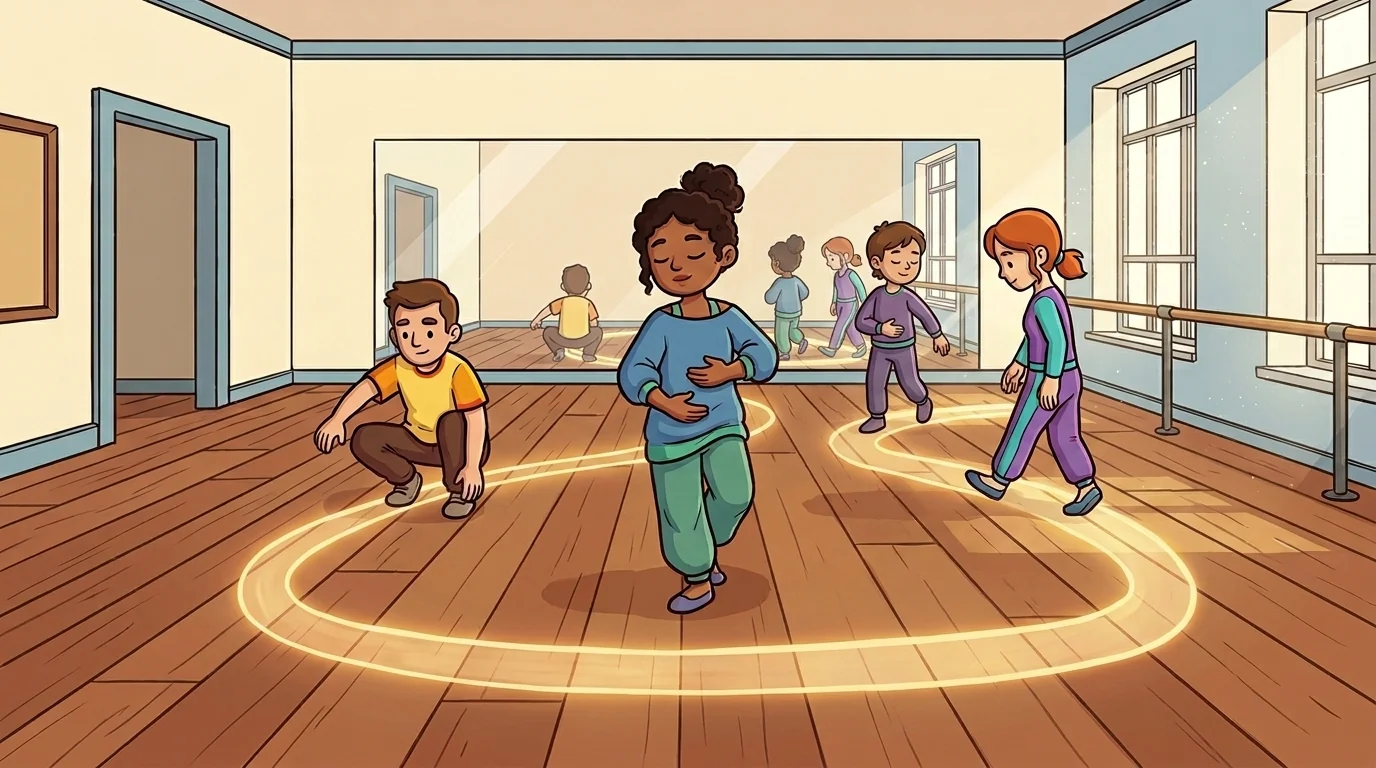
"It's a relief, honestly," the dancer admitted. "I thought 'being nowhere' meant I was a bad dancer. It just meant I was only feeling one of the three."
The three traded a warm look.
"Feeling lost in space isn't a flaw in you," Pose said gently. "It's just three senses, and you were using one. Add the other two and the lostness goes."
"And none of this is about how you look," said Storey. "It's about how you feel your own placement — shape, height, path — from the inside." Trail nodded, drawing a last slow curve. "The audience sees a dancer who belongs in the space. But you don't get there by watching yourself. You get there by feeling all three at once — and any body can feel its own shape, choose its own height, and draw its own path."
The dancer looked from the octopus who feels the shape to the tree frog who chooses the height to the snail who draws the path — placed in space — and felt, maybe for the first time, exactly where she was. And Pose, Storey, and Trail felt it settle warm and shared among them: that clicked-together, fully placed gladness that comes when shape, level, and pathway reveal themselves as the three ways a body is, all at once, truly somewhere.
The DanceQuest ensemble
Pose, Storey and Trail is part of DanceQuest's distributed-narrative cast. Each character embodies a different curricular primitive; together they teach the full subject.
-
Pose
Body-awareness + position — listening to your own shape
-
Trail
Space + pathways — the floor-pattern shapes you draw moving through space
-

Phrase
Time + tempo — how movement is organized in musical counts
-
Lift
Energy + effort + dynamics — quality of movement, not aesthetic judgment
-

Glide
Locomotion — the craft of going from here to there with whole attention
-
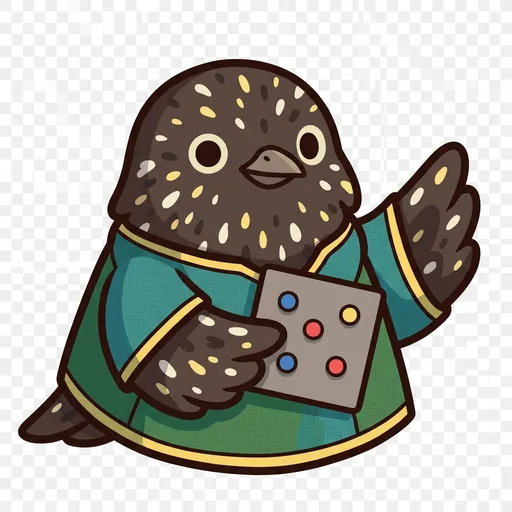
Flock
Formation — how a group of dancers arranges itself in space (lines, circles, clusters, wedges) and how that shape flows and changes; the group as one moving picture
-
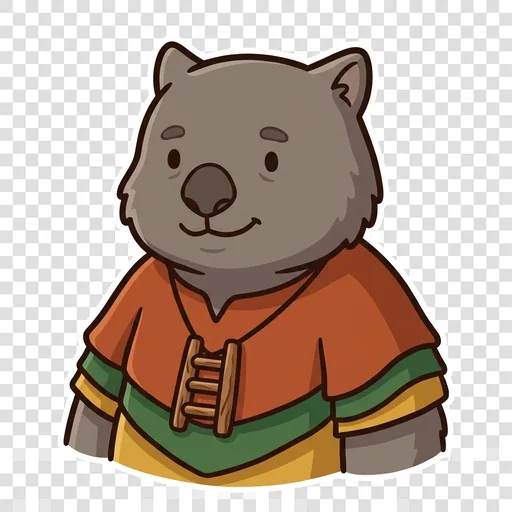
Storey
Level — dancing in the vertical space: low on the floor, mid at standing, high in reaches and jumps; every height belongs to dance, no height better than another
-
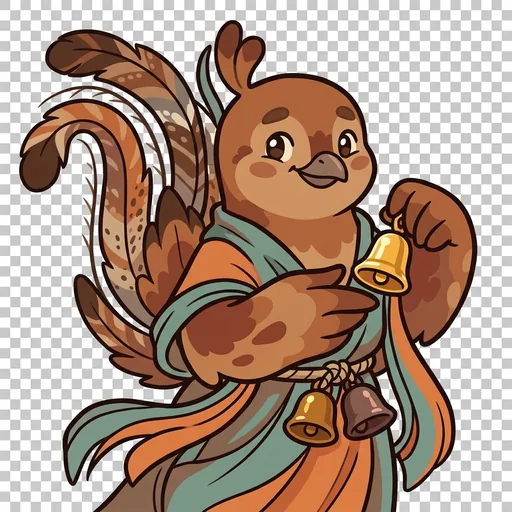
Beckon
Call-and-response — one dancer or group makes a movement and another answers it; a movement conversation built on truly listening before you reply
-
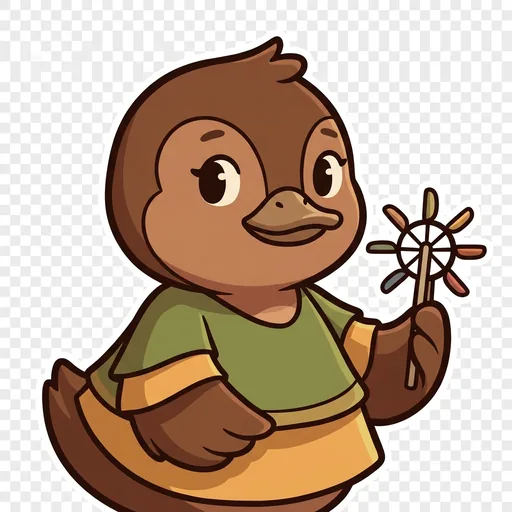
Canon
Unison and canon — unison is everyone moving together as one; canon is the same move staggered one after another, rolling across the group like a wave
-
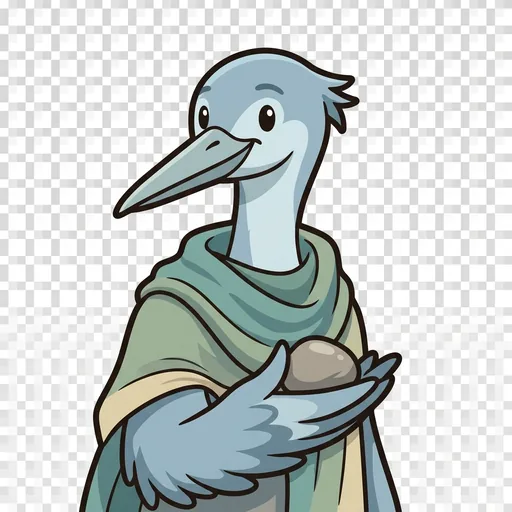
Bide
Stillness and the hold — the held, alive, motionless moment inside a dance; negative space made of time; a strong chosen pause, not tiredness or absence
-
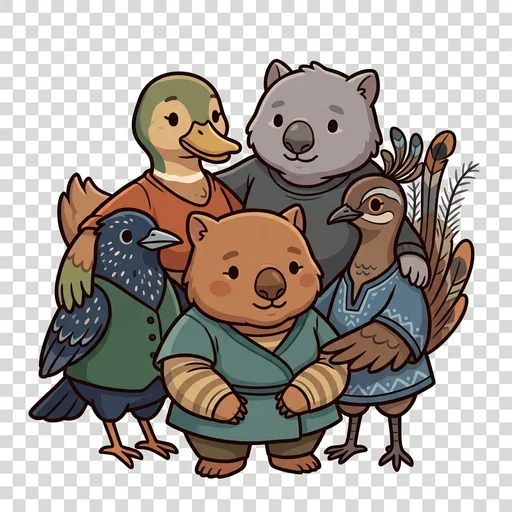
The Company
The whole group dancing as one — how formation, level, call-and-response, unison and canon, and stillness weave together so a group of dancers moves as a single living thing