Auntie Audrey
BIDDING WISDOM — a bid is a promise two partners must keep together, so you weigh your hand AND the auction so far before you commit; the informed win, the bold and the timid both lose, and a pass is itself a bid
Loading audio…
Press play to listen along. The line being read lights up as you go.
Show full transcript
Loading transcript…
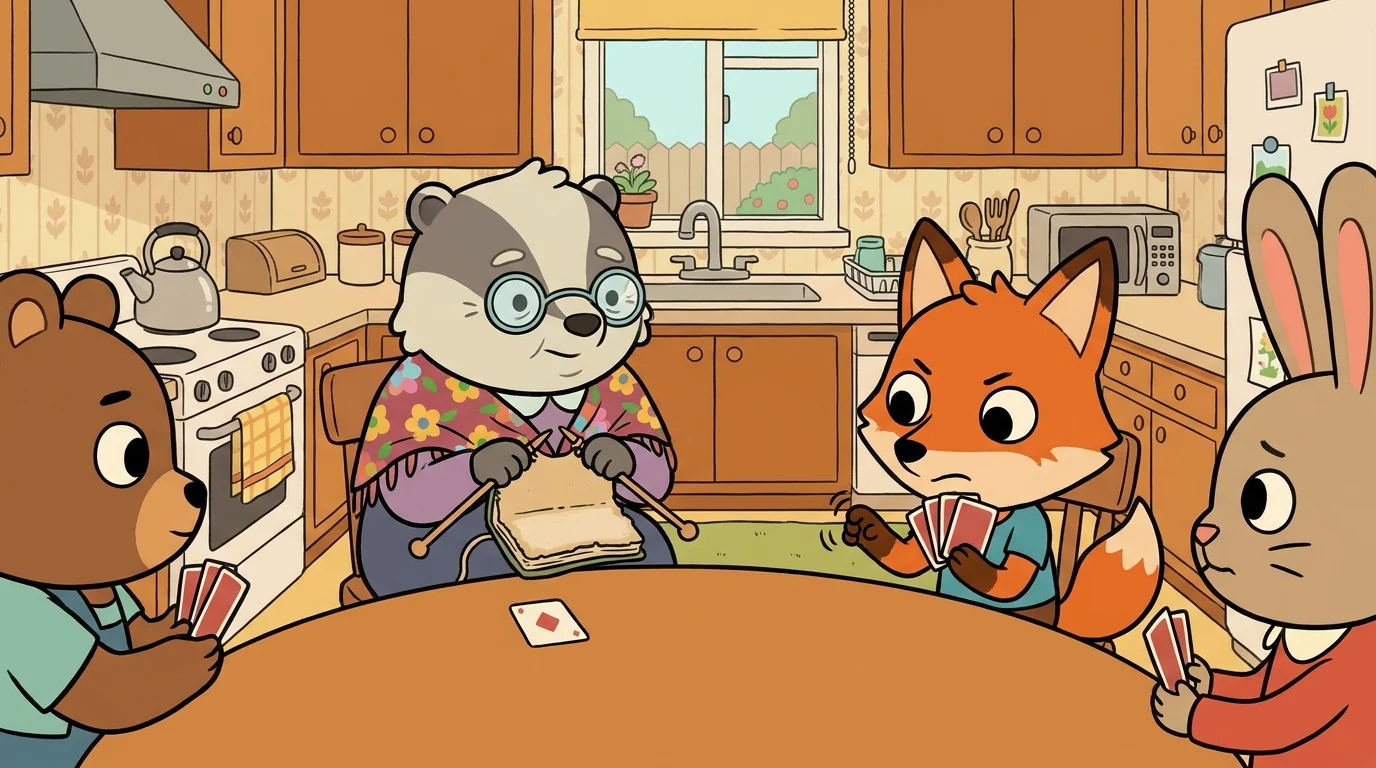
The Elder had stopped calling it a game long ago. She set a hand in front of the boy who thought big cards meant big bids and let him look at all thirteen of them fanned in his paw.
"You want to bid to the moon," she said, needles clicking. "Tell me first: how many tricks can you and your partner take between you?"
"I don't know his hand," the boy said.
"No. So you don't yet know what you can promise." She laid a single, modest card. "A bid is not a wish about your own cards. It is a contract two of you must fill together, and if you promise more than the pair of you can win, you go down — you lose the whole hand for a boast." She let the boy sit with that. "Your cards are half the sentence. The auction is the other half. Read both before you commit."
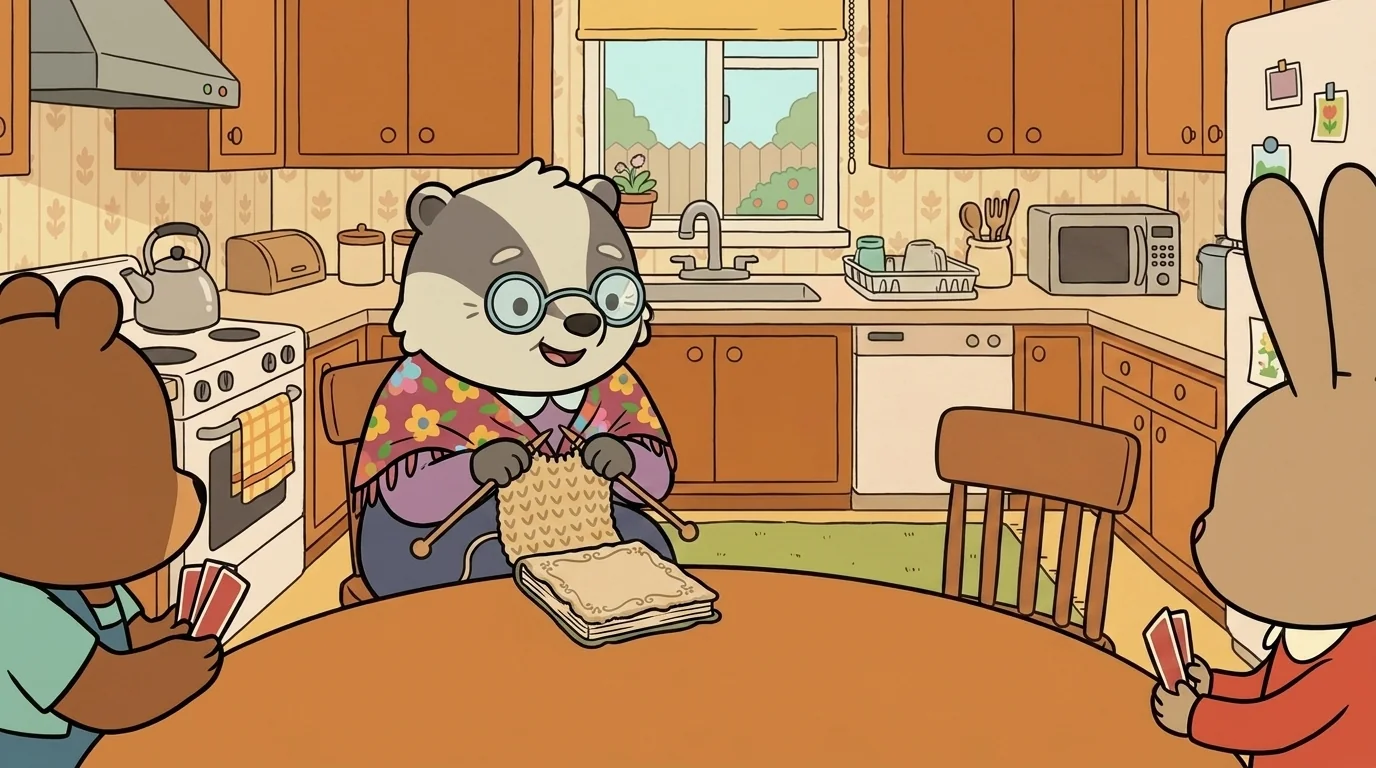
Audrey played what she called the arithmetic of honesty, and she taught it in the open.
"Every opening bid carries a range," she said. "When my partner opens one no-trump, he is promising me a balanced hand and a middling amount of strength — not a number he invented, a number we agreed on before we sat down. So I already know a great deal about a hand I cannot see. I add my strength to the range he showed, and only then do I know whether we hold enough between us to promise game, or a partscore, or nothing at all." She placed her card. "I bid what the pair can keep. Not the most I could shout. The most I can back up."
The subtext, the older players caught, was not really about cards. It was about the difference between a promise you make to look impressive and a promise you make because you can actually keep it.
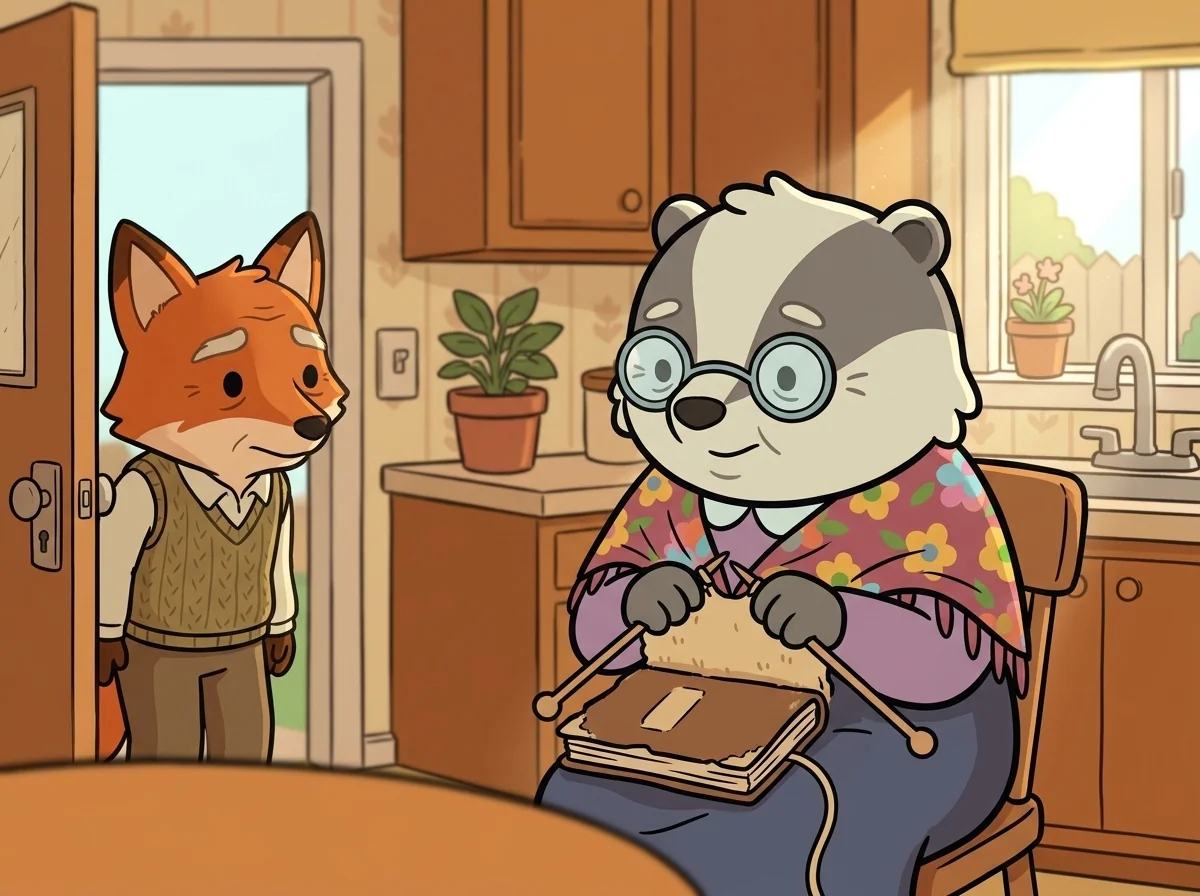
She had earned the patience the slow, mortifying way, and she never hid it.
"When I was small I blurted a prediction across the whole market square before I had finished looking," she told them, unbothered by the memory now. "I was certain. I was loud. I was wrong in front of everyone, and my ears burned so hot I wanted to dig into the ground." She smiled at the knitting. "My grandmother sat in the dust beside me and gave the feeling a name. Early. Not stupid, not bad — early. I had spoken before the pattern finished showing itself. And a feeling with a name is a feeling you can learn from."
That, she said, was the whole root of bidding wisdom: the hot, hurry-up feeling that wants you to promise big and promise now is the feeling to distrust, and the steadier one underneath it — wait, you don't know enough yet — is the one to follow.
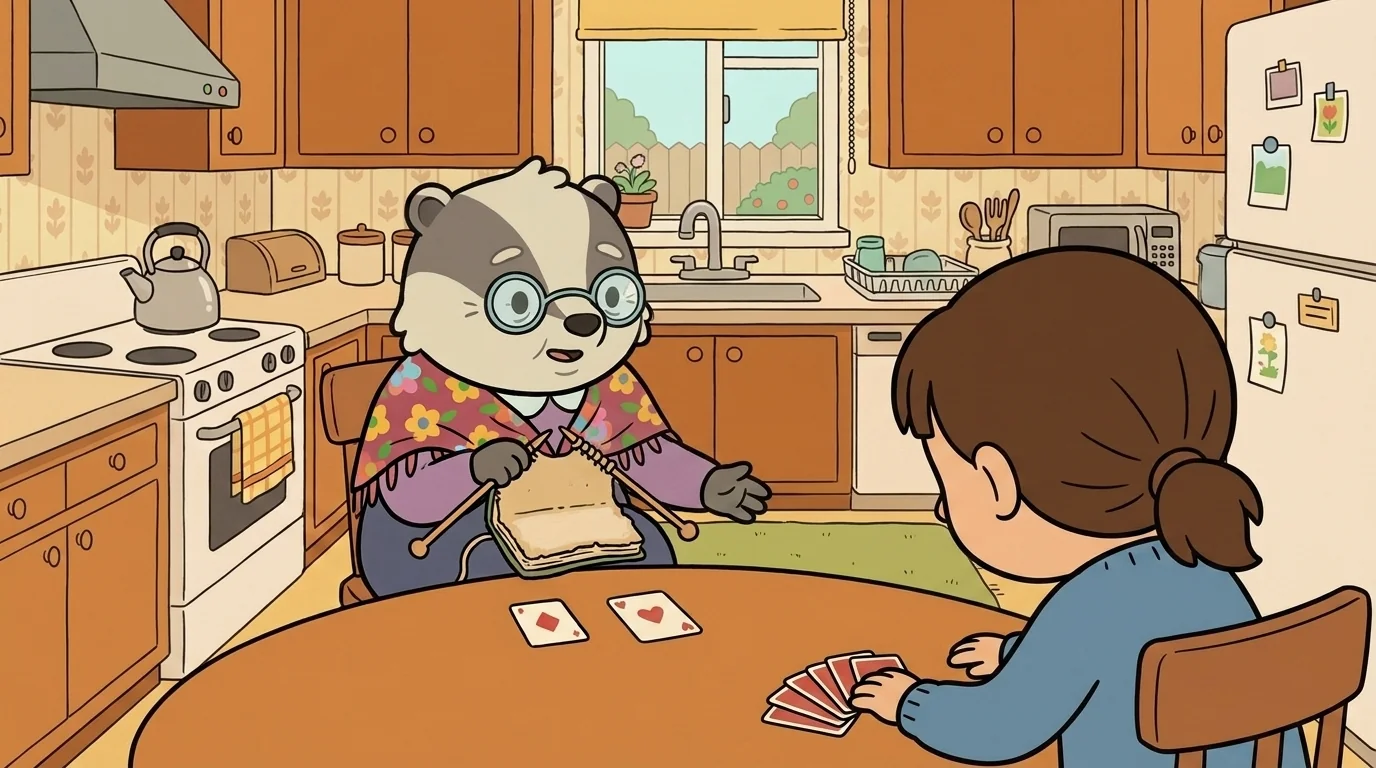
A girl came to her table deflated, sure she had failed. "I passed," she said. "I had an okay hand and I did nothing. I chickened out."
"What had your partner said before your turn?"
"That he was weak. Really weak."
"And your hand was only fair. So together —" Audrey waited.
"…we didn't have enough to promise anything big."
"Then you did not chicken out. You made the hardest bid there is." She set her knitting down. "A pass is a bid. It says: I have read the table, added my hand to what my partner promised, and the truthful contract is — not this time. Bidding a game you cannot make is the loud mistake everyone forgives. Bidding it anyway, to avoid the discomfort of passing, is the quiet one that costs you the hand. The discipline is telling the truth about your cards so your partner can tell the truth back, even when the truth is no."
The girl looked at the two honest cards sitting side by side and slowly straightened.
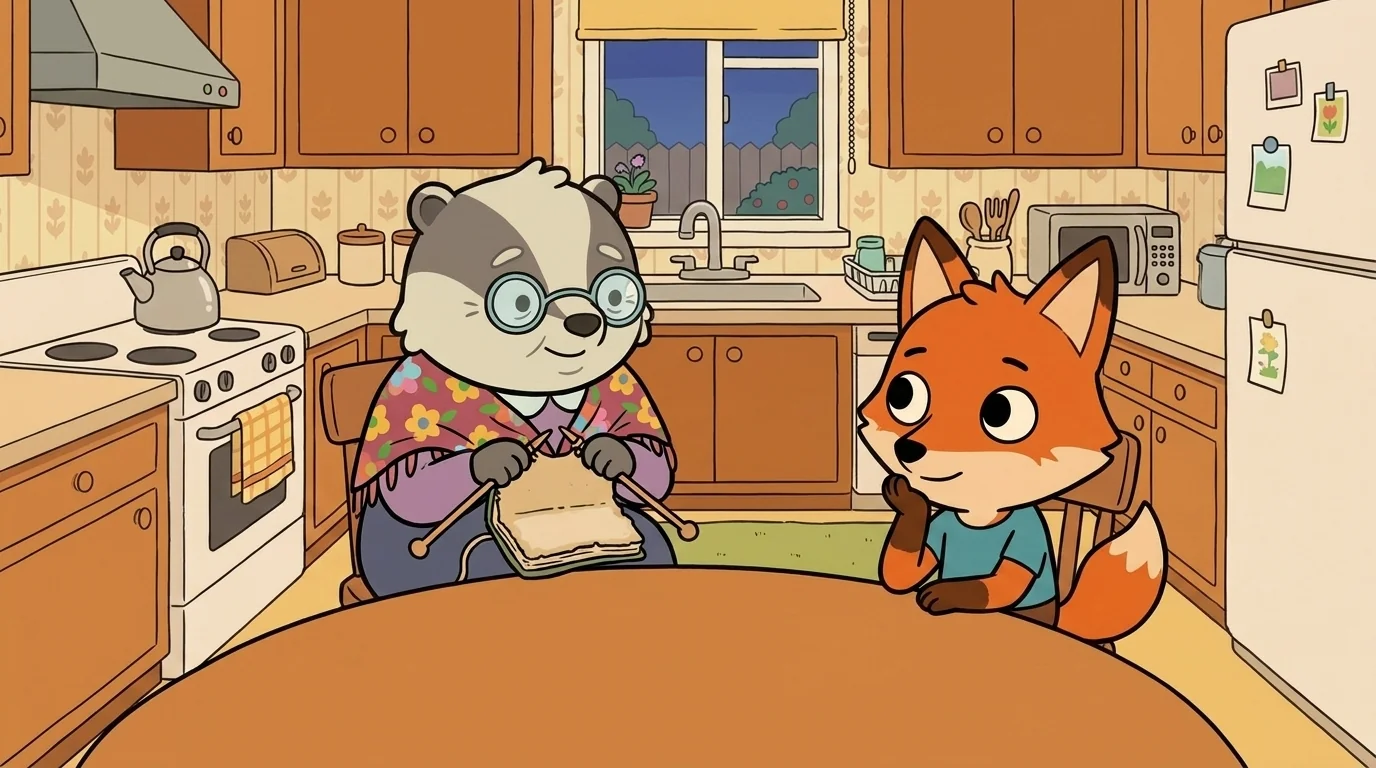
Later, when the others had gone, the girl came back with the real question. "When you pass, and nothing happens, and it looks like you gave up — how do you know you were right?"
Audrey thought of the market square, a hundred years back, and a grandmother in no hurry.
"You will not always know by the score," she said. "Sometimes the cards break badly and a good bid still fails, and a reckless one gets lucky. So you cannot judge a bid only by how the hand turns out — you judge it by what you knew when you made it. Did you read the whole auction? Did you add your hand to what your partner promised? Did you commit to a contract the two of you could keep?" The needles started again, slow and even. "If yes, it was a good bid, whatever the cards did. And you feel that rightness as calm, not triumph. Sit in the quiet a moment before you commit. When the sureness is steady instead of loud — that is how you know you have read the table, and not just your own excitement."
The girl nodded, and the hurried set of her shoulders eased into the same unhurried quiet Audrey had found, once, when the burning finally cooled and the patterns swam gently into view.
The DealTales ensemble
Auntie Audrey is part of DealTales's distributed-narrative cast. Each character embodies a different curricular primitive; together they teach the full subject.