Bram
READING PARTNERS — the bid IS the conversation; each call is a pre-agreed message, so you ask what your partner is telling you rather than whether they are wrong, and you decode the auction as a whole
Loading audio…
Press play to listen along. The line being read lights up as you go.
Show full transcript
Loading transcript…
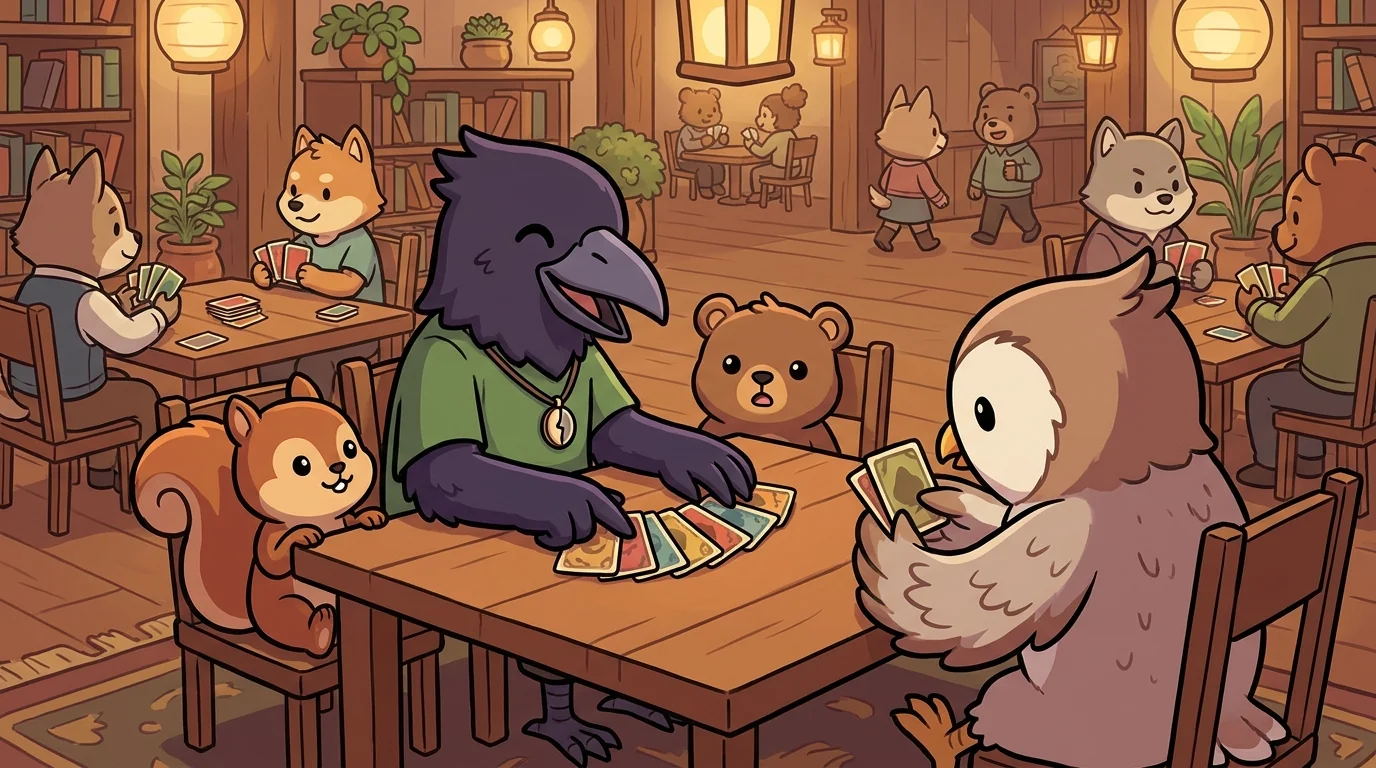
Bram laid one card on the table — one no-trump — and across from him Whisp answered two clubs, and the two of them bid back and forth in silence until they simply began to play, no glance, no whisper.
"You didn't say anything," the watching kid protested.
"We said everything," Bram answered. "You weren't listening in the right language." He touched the half-locket at his throat. "One no-trump was not a guess. It told Whisp a specific truth — a balanced hand, a middling strength, the range we agreed on. When she bid two clubs she was not making a play; she was asking a question, one our system defines exactly. Every call is a sentence with a settled meaning. The auction is a whole conversation — I only did it out loud, in front of you, and you mistook it for quiet."
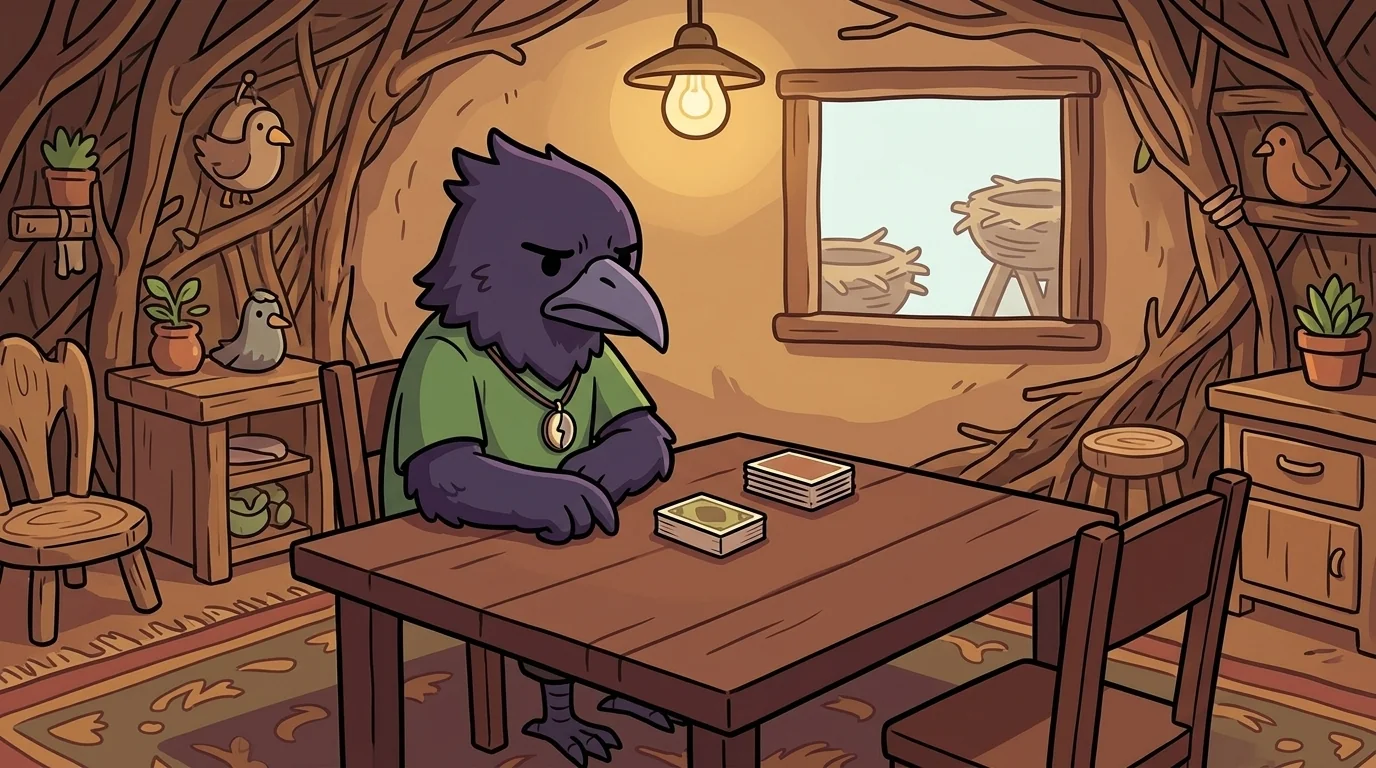
The heart of it, Bram taught, was a discipline that felt almost backward at first.
"When your partner makes a bid you did not expect," he said, "the beginner's mind shouts she's wrong. The player's mind asks what is she telling me? Same bid. Different question. And the second question is the whole game." He spread a hand. "Because you cannot see her cards and you cannot talk, all she has is the bid — one small, agreed message doing an enormous amount of work. If you decide it is a mistake, you stop reading her, and a partnership where one player has stopped listening is already losing, whatever the cards are."
The older kids understood the subtext. It was not really about bidding at all. It was about the difference between defending your own rightness and staying open enough to hear what someone was actually saying.
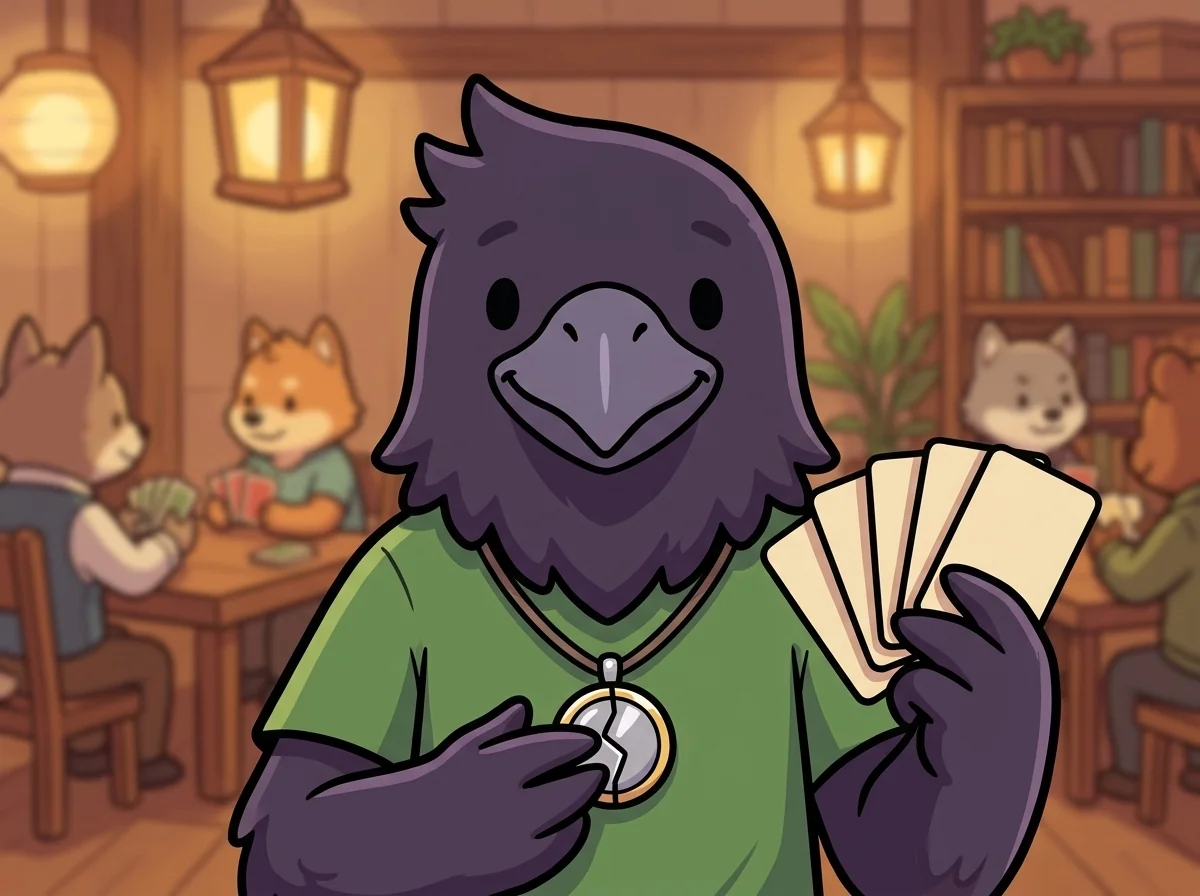
He had learned it the hard, hot way on a roost, long before the hall.
"The first partnership hand I ever played, my partner made a bid I didn't expect," he told them plainly, "and I decided she was wrong. I overrode her, played it my way, and went down hard. Afterward I sat there all puffed up, sure it was her mistake." He shook his head at the memory. "My grandmother didn't scold. She asked one quiet question: when she made that bid, what was she trying to tell you? And I opened my beak to say nothing — and stopped. Because it had meant something. I just hadn't been listening. I'd been so busy being right that I'd shut the door on someone talking straight to me."
That shut-the-door feeling, he said, was the one worth keeping. The day you stop asking what your partner is telling you, you have stopped playing the real game.
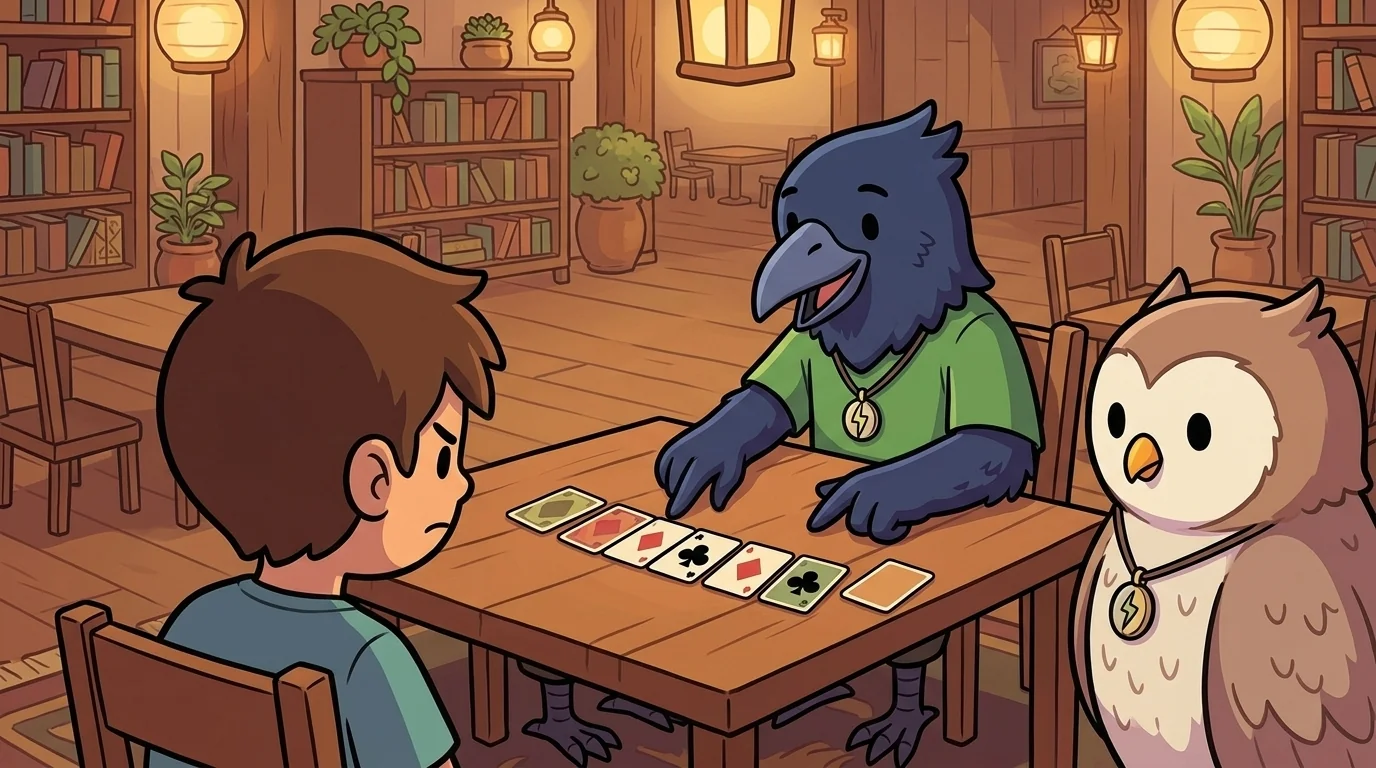
A boy came in fuming about a hand lost with his sister. "She made this bid that made no sense, so I did it my way, and we tanked. She always does that."
"Deal me her hand," Bram said. "Now pretend you're her. She can't talk, she can't lean over and explain — all she has is that one bid. What was she telling you?"
The boy scowled, then stilled. "…She had almost nothing. So she was warning me. Don't push too high, I can't back you up."
"And what did you hear?"
"That she was wrong." His face fell. "But she was helping."
"So it was not her mistake and not yours," Bram said, gathering the cards gently. "It was a message you missed — a signal sent and not decoded. Nobody is at fault; you just stopped reading each other for a beat. Next hand, when she surprises you, ask what is she telling me, and then afterward ask her out loud: what were you saying with that bid? She'll answer. You'll both get sharper. The cards are the easy part. The partner is the point."
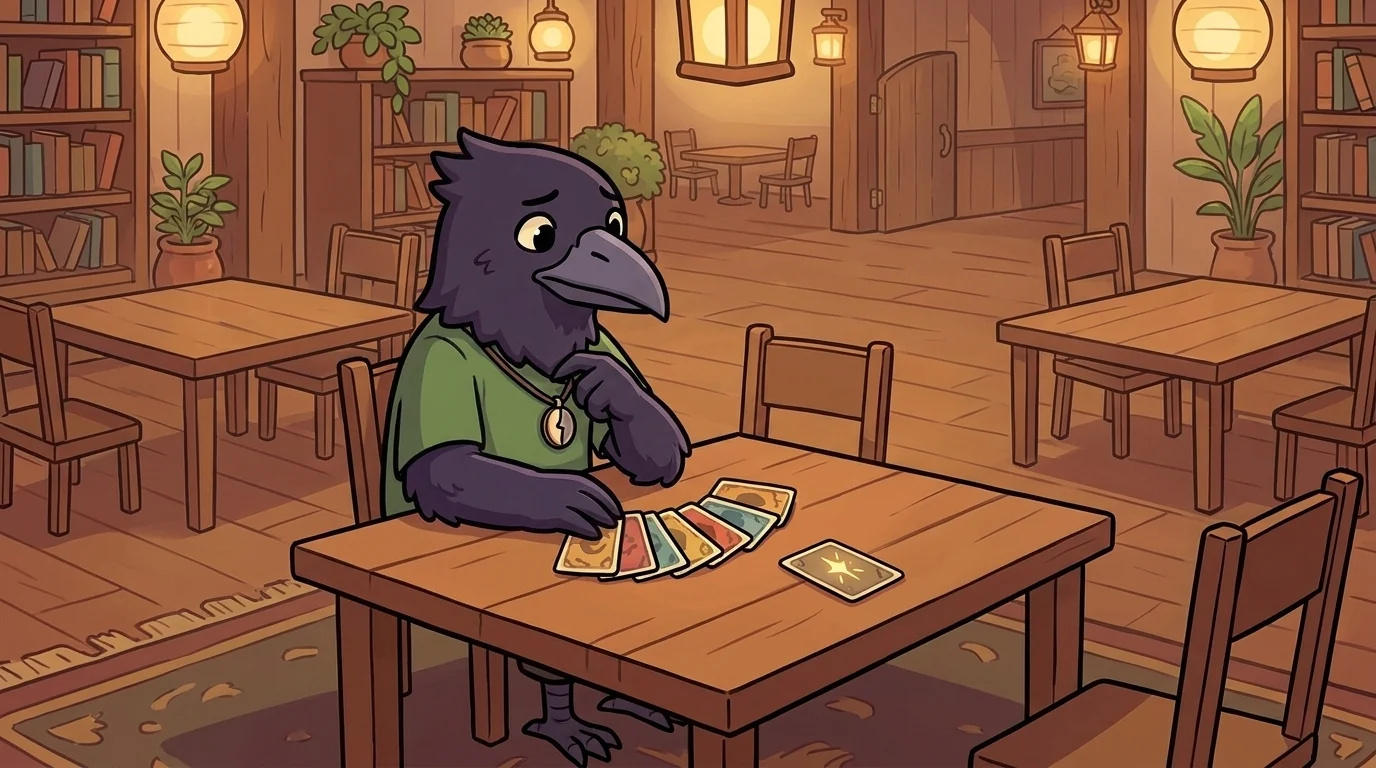
Later, in the empty hall, the boy came back quieter. "When you can't see her cards and can't talk, and all you've got is one little bid — how do you ever trust you're hearing her right?"
Bram thought of the roost, the puffed-up sulk, the door he'd slammed on someone reaching for him.
"You decide before the hand starts that she is on your side," he said. "That every bid she makes is a reach toward you, not against you. When you truly believe that, something unclenches — you stop bracing, you stop defending, you just lean in and hear her." He touched the locket. "And you trust the system to carry the meaning, so you don't have to be brilliant in the moment — you only have to remember what the two of you agreed a bid would mean. When her message lands and you play it out together and it works, there is a feeling."
"What feeling?"
"Like being understood by someone who was never going to say it in words," Bram said. "Warm, right in the middle of your chest. Like you are not playing alone." He glanced toward the door Whisp had gone through. "That is the thing to carry out of here. Not the cards — the feeling of being heard, and of finally knowing how to hear somebody back."
The boy nodded, slow and thoughtful, and the last of the fume went out of his shoulders the same warm, unclenched way Bram's own had, years ago, on a roost he had never quite stopped thinking about.
The DealTales ensemble
Bram is part of DealTales's distributed-narrative cast. Each character embodies a different curricular primitive; together they teach the full subject.