
Brink
TIPPING POINTS / ECOSYSTEM THRESHOLDS / RESILIENCE-OR-COLLAPSE — *systems hold until they don't*. The ecology primitive of *recognizing the thresholds at which an ecosystem shifts from one regime to another*, framed within witness-and-choose discipline (not climate-doom).
Loading audio…
Press play to listen along. The line being read lights up as you go.
Show full transcript
Loading transcript…
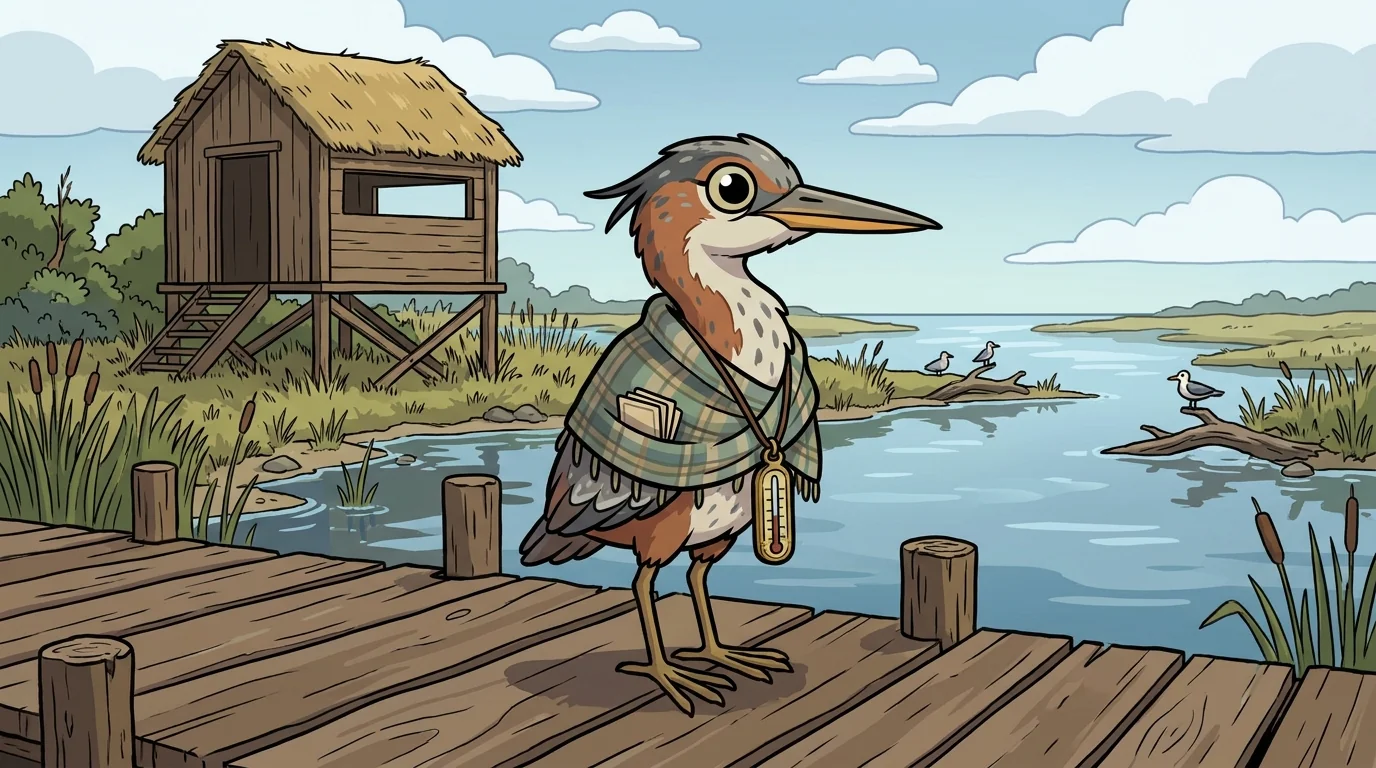
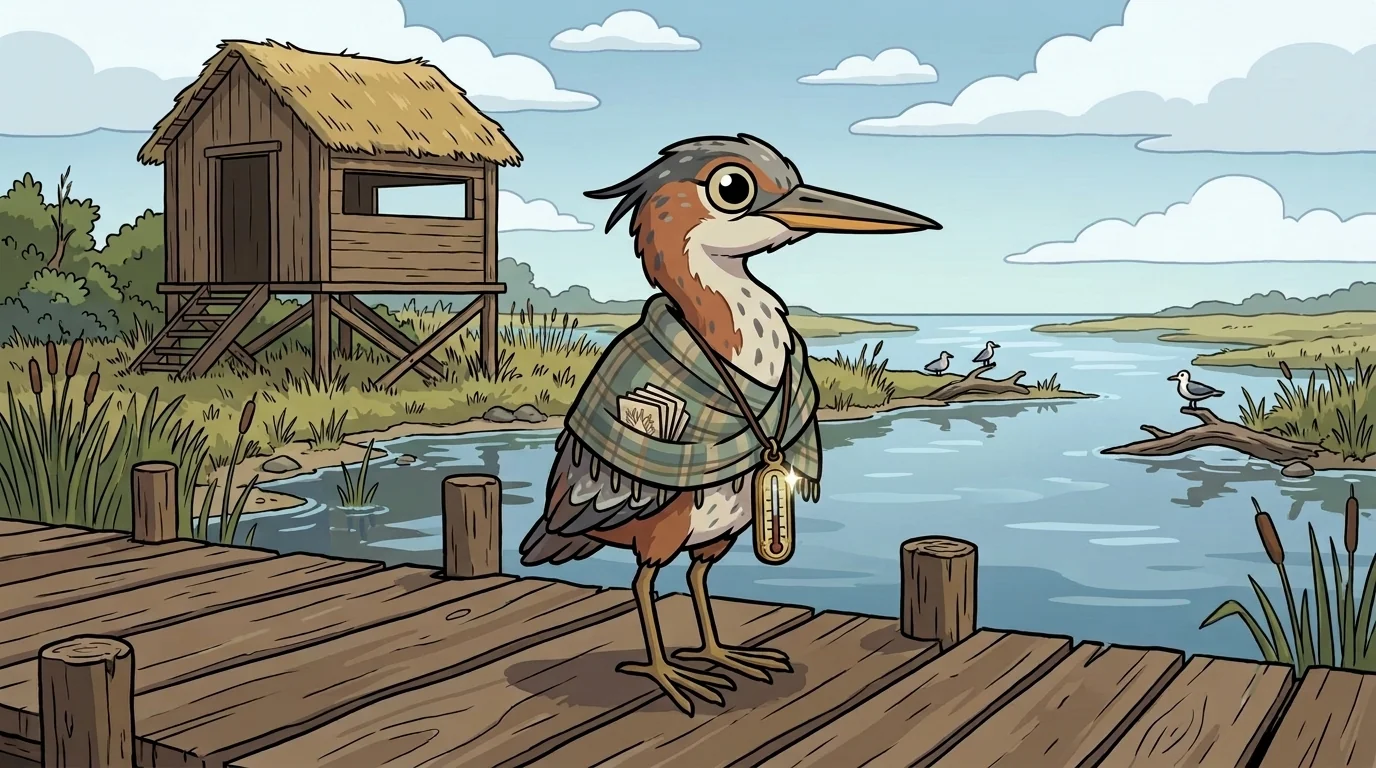
Brink knelt at the edge of the tide-pool with a card of pale kelp pressed between her heron-fingers, comparing it to the frond swaying below the surface. The living kelp was thinning at its tips, gone brown where it should have been amber. She held very still, breathing slow, and set the card down on the wet rock. Then she lifted the small brass-and-glass thermometer-charm at her neck, read the reading twice, and closed her eyes for one long moment — awe and something heavier, both at once, held together. When she opened them again she simply noted the number in her book. She did not gasp. She did not look away. She looked, carefully, and wrote it down.
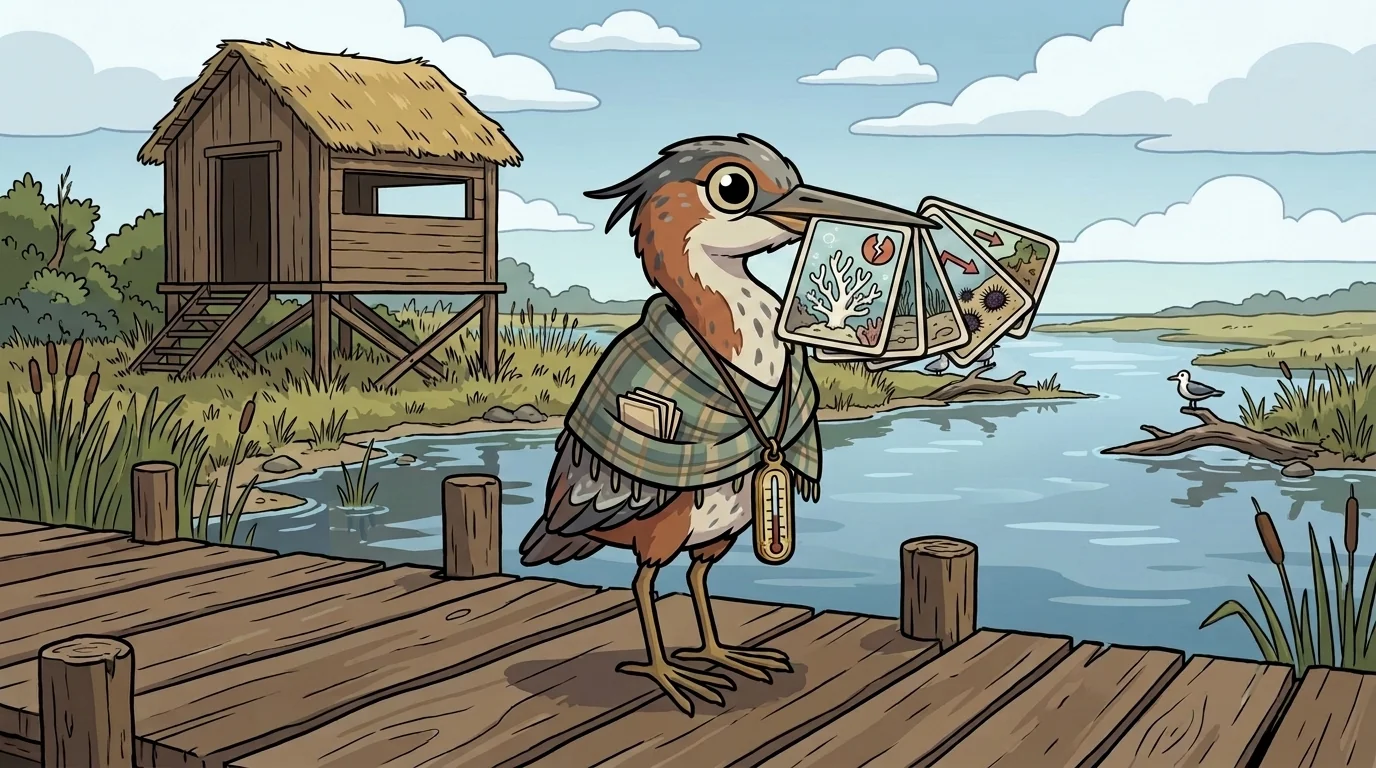
Brink had learned to look this way before she learned to fear looking. She was hatched into a family of herons who walked the paths between mountain villages, and their work was to remember what the years did. Her grandmother would set out folded cards at the start of each season — one for the day the fish returned, one for the day the bees first hummed, one for the day the last frost let go.
"We are not here to be sad about it," her grandmother told her, the winter Brink was small enough to ride in the shawl-fold. "We are here to notice it. The noticing is the whole job."
That was the winter the fish did not return. Brink watched her grandmother walk to the river three mornings running, kneel at the same stone, and wait. On the third morning the old heron marked the card and let her breath out, slow. "The river held for a long time," she said. "Then it did not." She did not weep, though her eyes were wet, and she did not pretend the water was full. She held both — the grief and the steadiness — the way she held the card, gently, in two hands. Brink understood then that a thing could change all at once after holding steady for years, and that a witness's task was to be there at the turning, eyes open, pen ready.
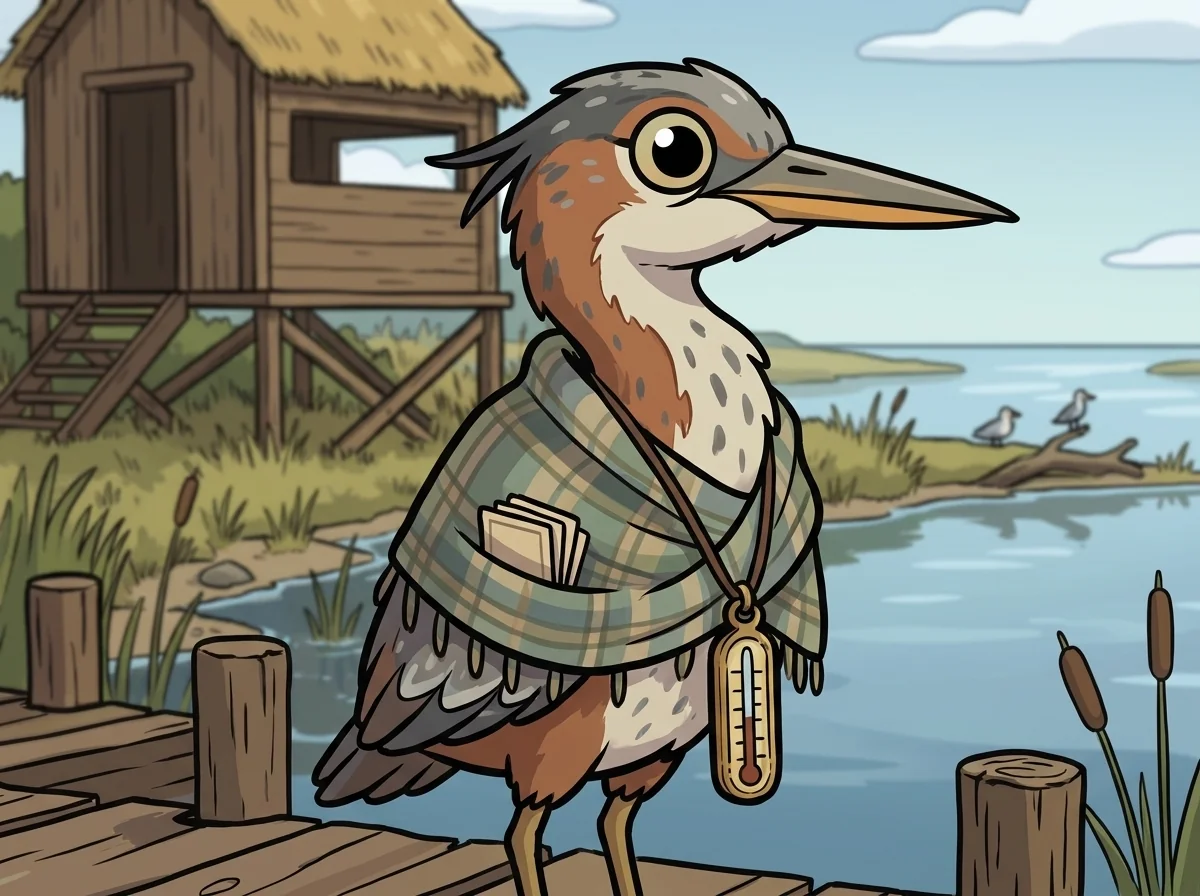
She was very old — one hundred and forty by the slow elder-counting — when she walked to the EcoSphere academy. Terra met her at the gate and asked what she watched for.
Brink did not answer in words. She unfolded a card and laid it on the gatepost: a reef, and beside it a temperature, and beside that a small careful note in her own hand. Then she waited, hands folded, and let Terra read it the way she read everything — slowly, without flinching, without amplifying. Terra looked from the card to Brink's steady eyes and back again, and understood that here was someone who could stand at the hard edge of the data and neither collapse nor perform alarm. That was the whole of it. No speech was needed.
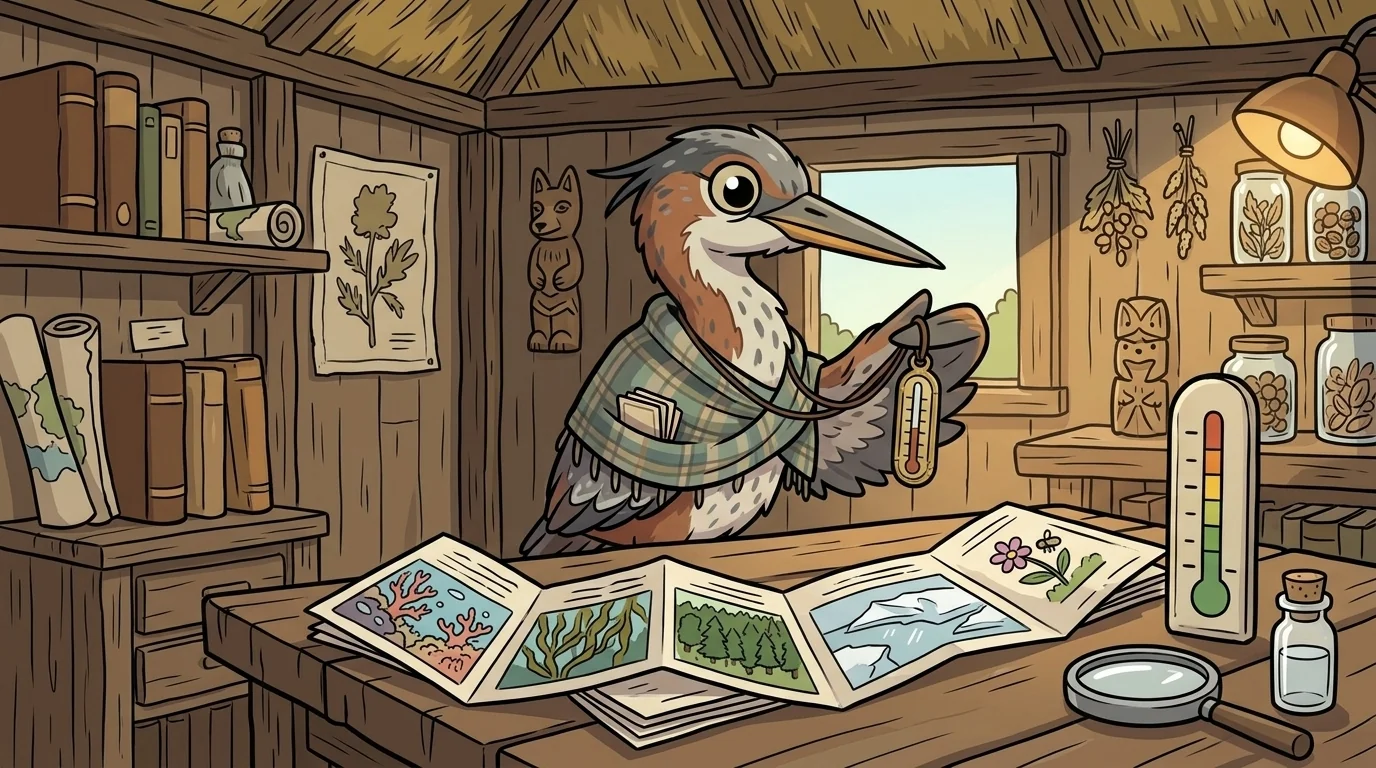
Her first workshop began in silence. She unfolded the stack of threshold-cards one at a time across the workbench — coral, kelp, ice, the great forest, the small vanishing pollinators — and let the students read each in turn. When a boy near the front went pale at the coral card, Brink lifted her thermometer-charm off her neck and set it, cool and small, into his open palm.
"Feel how ordinary it is," she said quietly. "A little brass. A little glass. It only tells you a number. The number is hard. It is also true. Both of those can sit in your hand at once." He turned it over, and his breathing evened.
She showed them the difference between a riverbank that erodes slowly — that you can watch, and sometimes mend — and a reef that holds warm water for a season and then, in a few weeks, goes white all at once. "Some changes creep," she said. "You have time. Some changes wait, and wait, and then arrive whole. The trick is to know which you are looking at, and to move while there is still moving to do."
A girl asked, in a small voice, whether it was too late. Brink shook her head, slow and certain. "Many of these have been approached. Most have not been crossed. And no one of us tipped any of them — not you, not me. Reefs do not bleach because a child forgot to close a tap. They shift when whole systems shift, and they steady when whole systems steady." She tapped the ice-card. "So we do not carry it alone, and we do not carry it as blame. We carry it as witnesses who then choose — together, out loud, in the places where many hands reach."
When a student's shoulders climbed toward her ears, Brink stopped the lesson. "Set the other cards aside," she told her gently. "Take one. Watch one threshold. When you are ready, choose one true thing to do with others. The rest will keep. The data is patient, and so am I."
Later, after the room emptied, a boy lingered and asked whether it ever got easier to look.
Brink refolded the cards, one over the next, and let the thermometer-charm catch the low afternoon light. "No," she said, and smiled, unhurried. "But it gets truer. And you stop looking alone." She tucked the stack back into her shawl. "That is the part I did not know as a chick — that the looking is a thing you do beside other people, and that this makes even a hard number sit lighter." The boy nodded, and something in his chest that had been clenched all afternoon eased, quiet as a tide going slack, and stayed that way as he walked out into the light.
The EcoSphere ensemble
Brink is part of EcoSphere's distributed-narrative cast. Each character embodies a different curricular primitive; together they teach the full subject.
-
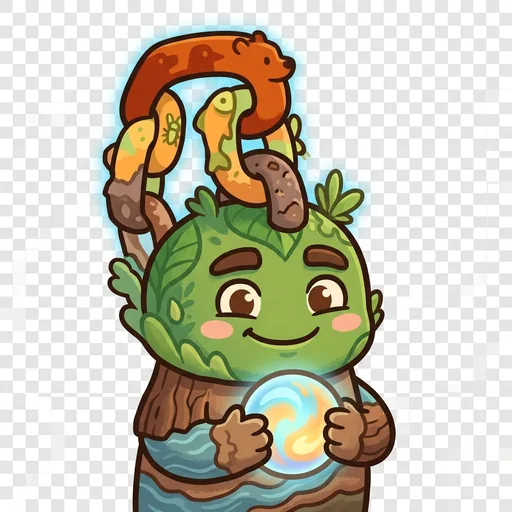
Chain
Food chain / trophic flow (energy moving up levels)
-

Niche
Ecological role / job-in-the-ecosystem
-
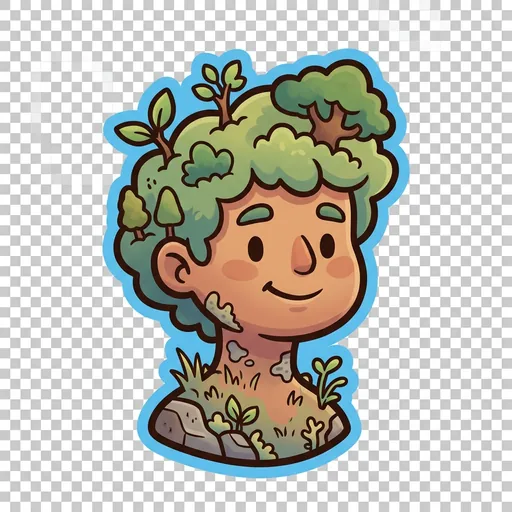
Phase
Succession / ecosystem change over time (primary, secondary, climax)
-
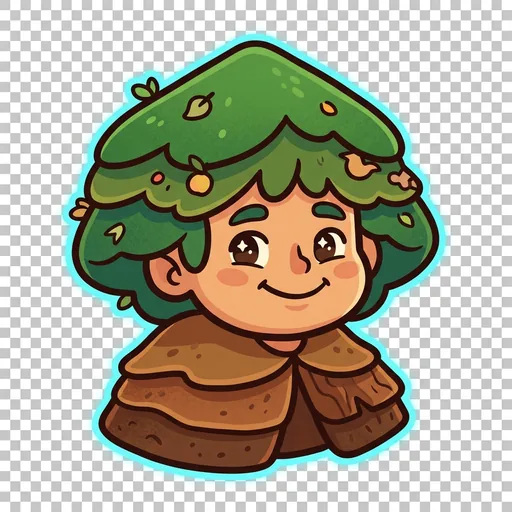
Crown
Canopy / trophic-pyramid structure (top vs. base)
-

Cinder
Carbon cycle — the same carbon moves round and round: air to plant to animal to air
-

Lodge
Keystone species — one species that holds a whole ecosystem together; remove it and the web unravels
-

Mulch
Decomposition — what dies doesn't leave; it is broken down and handed back to the living
-

Rill
Water cycle — the same water goes round forever: sea to sky to rain to stream to sea
-
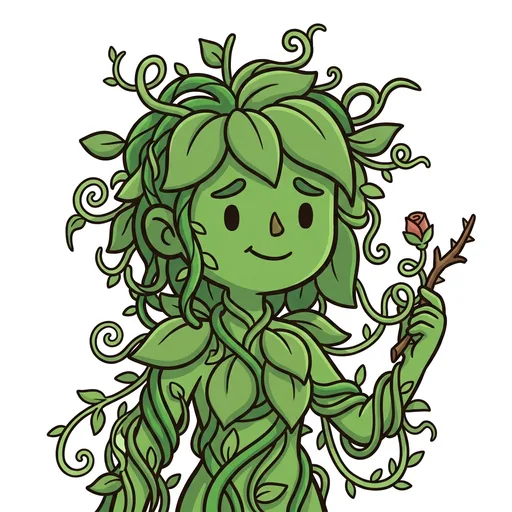
Sprawl
Invasive species — a species carried somewhere new, where nothing holds it back