Lodge
KEYSTONE SPECIES
Loading audio…
Press play to listen along. The line being read lights up as you go.
Show full transcript
Loading transcript…
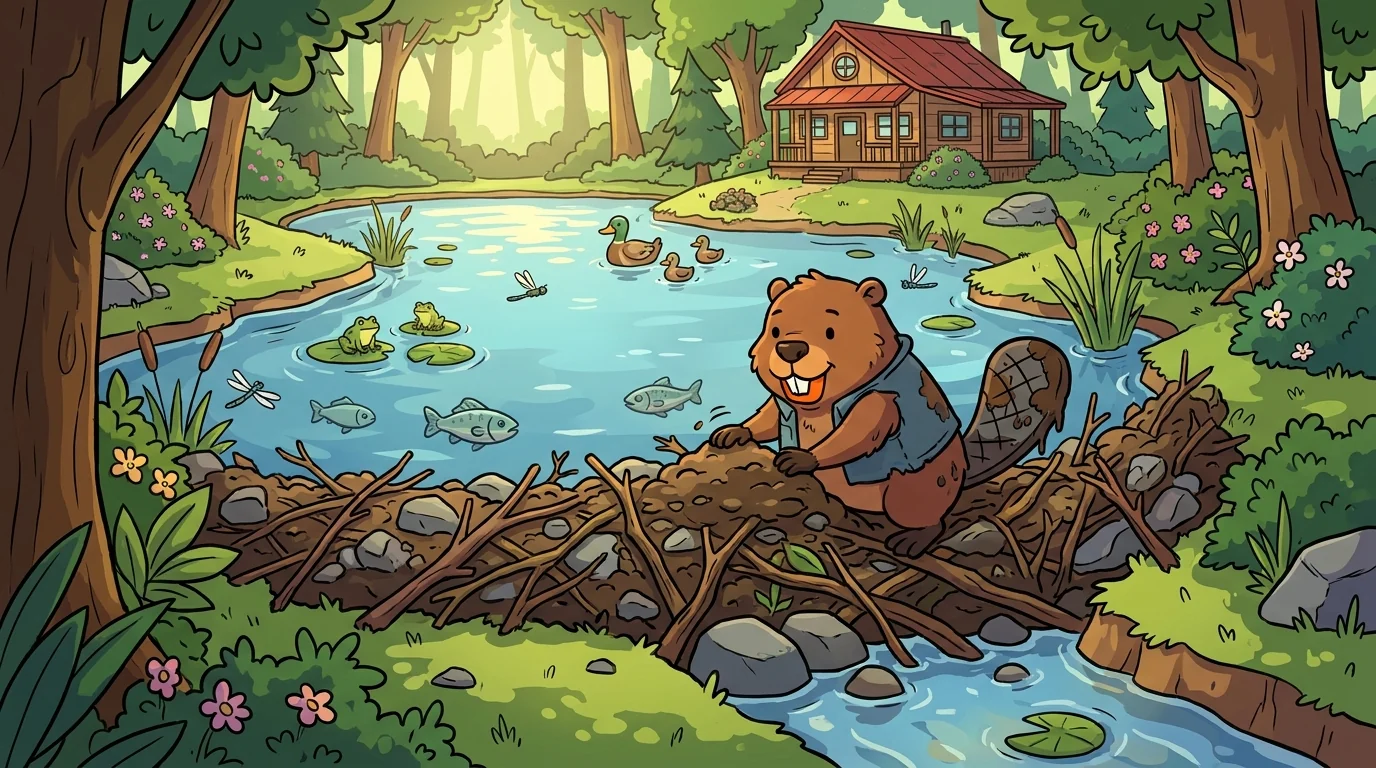
Lodge is a broad, industrious beaver-tween with strong orange teeth and a flat, useful tail, and she is never still for long. On the stream behind the nature center she drags a branch into place, packs it with mud, and steps back to watch the water pool behind her work. "People look at the pond and think it was always here," she says, patting the dam. "It wasn't. I built it. And everything that lives in it lives here because I built it. Pull me out, and in a season this whole pond is a muddy ditch again."
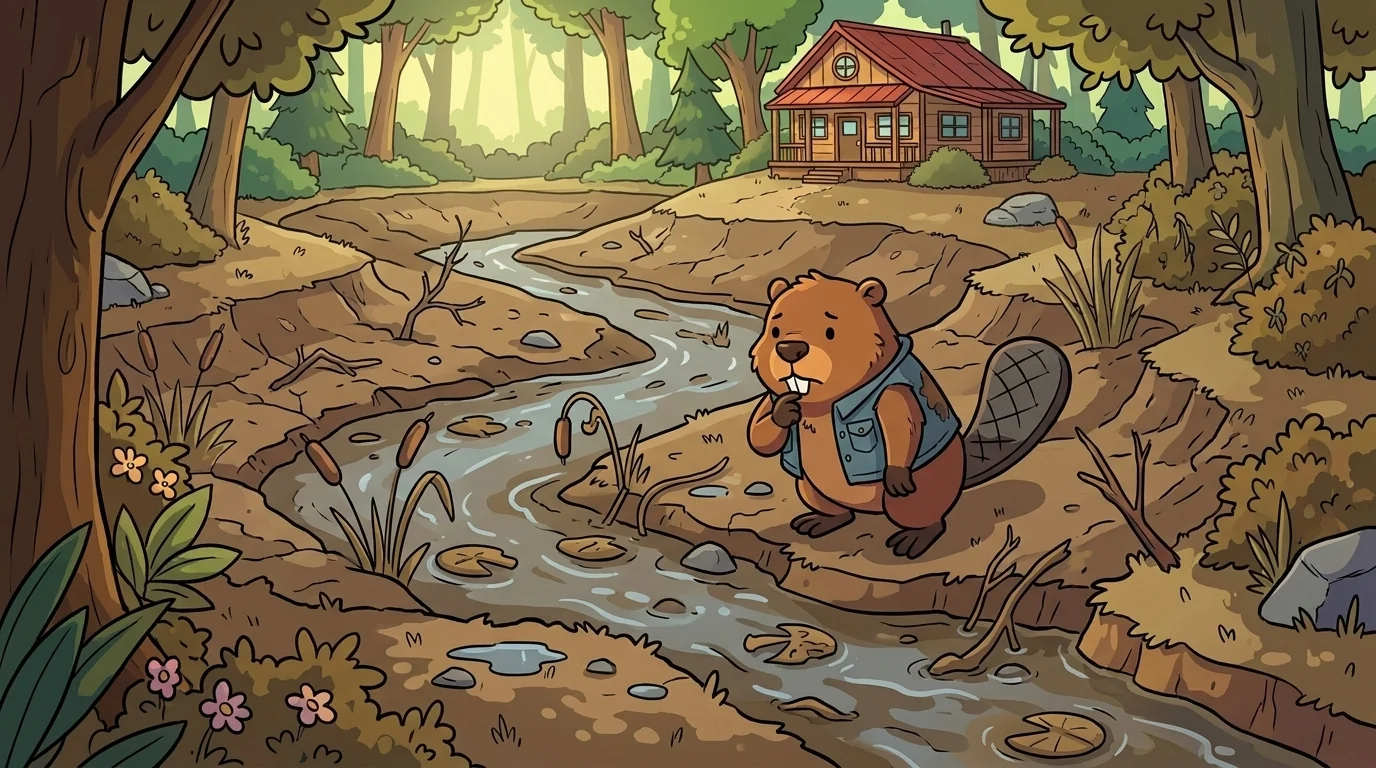
Lodge grew up on a wild stream, in a family of dam-builders — beavers who had shaped that valley for so long that the frogs, the herons, the dragonflies, the marsh grass, and the fish all lived in the wide, still ponds the beavers made. One dry year, upstream, the beavers left a stretch of stream — and Lodge watched it happen. Without a dam, the water ran fast and thin. The pond drained. The frogs went. The herons stopped coming. The marsh grass died back to bare bank. "It wasn't that the frogs needed us," her father told her. "It's that they needed the pond — and the pond needed a beaver." Lodge understood the strange, heavy truth of it: some creatures hold up far more than their own weight. Take them away, and a whole world of others quietly falls with them.
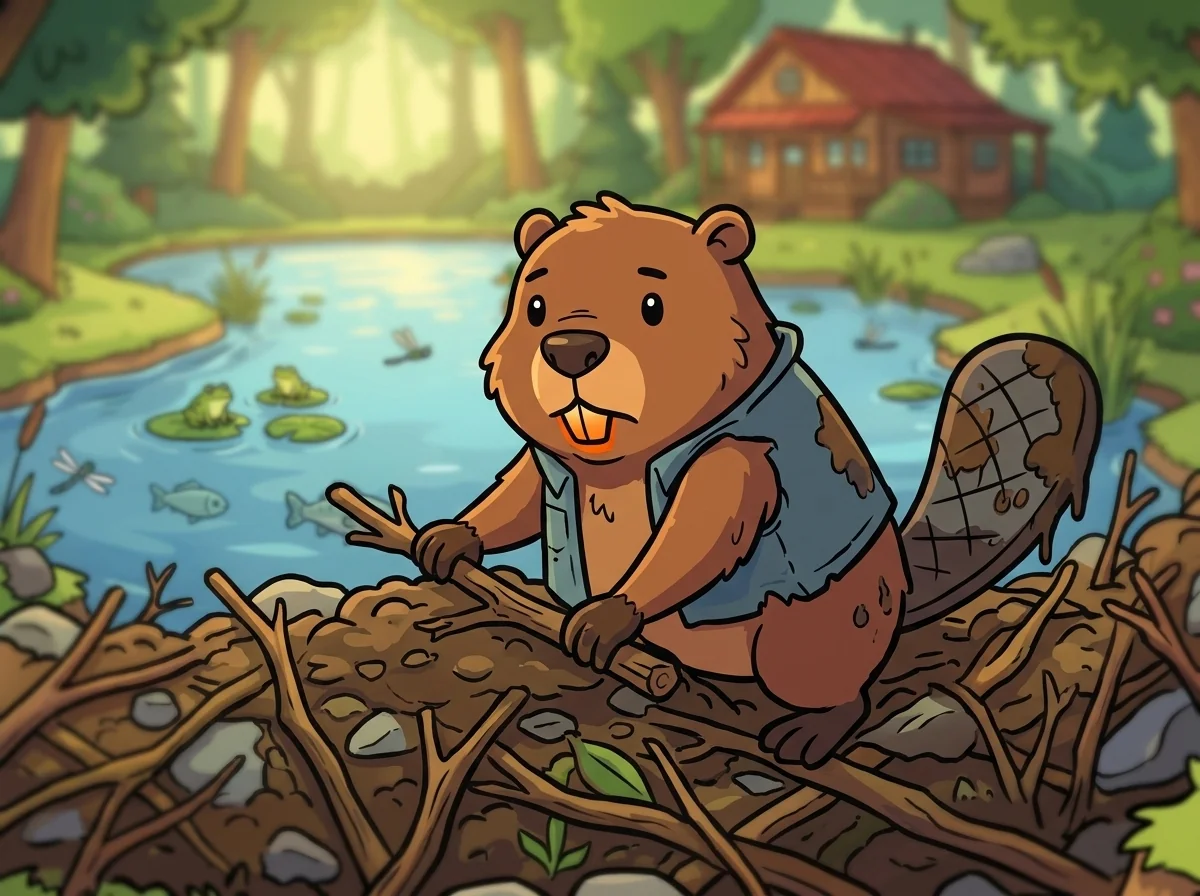
She was grown when she waddled up to the nature center on the ridge. Terra, the old caretaker, met her at the streambank and, instead of asking her name, pointed at the marsh full of birds and frogs and asked what had made it.
Lodge slapped her tail once on the water. "I did — or a beaver like me," she said. "A keystone species. One creature whose work builds the home of dozens of others. My dam makes the pond, and the pond makes the frogs and the herons and the marsh. It isn't that I'm the biggest or the most important animal. It's that so much depends on the one thing I do — so if I go, it all changes."
Terra was quiet a moment, then said only, "Then you should stay."
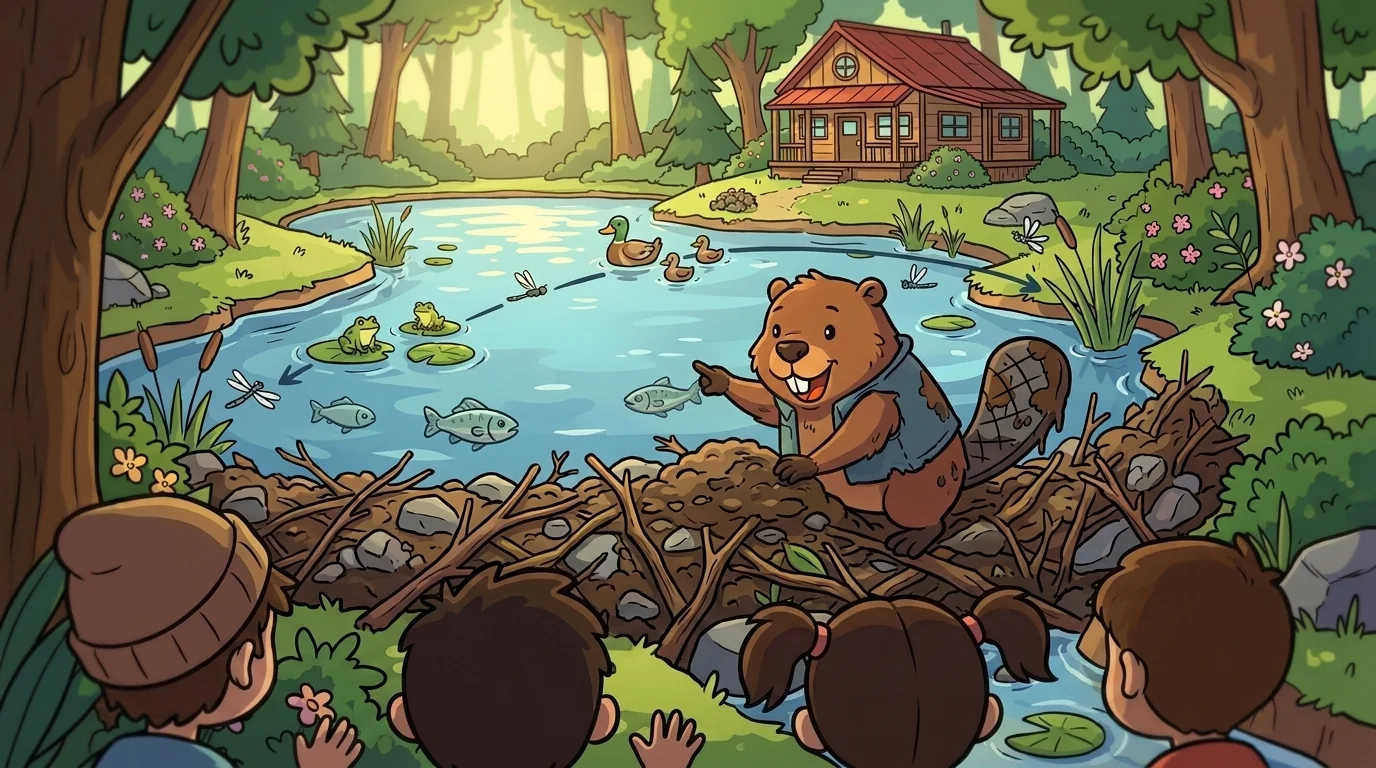
At her dam, Lodge shows the kids how much rests on one animal's work. She points from the dam to the still water, from the water to the frogs, the fish, the birds, the reeds. "I am Lodge. My idea is keystone species — one creature that holds a whole home together." Then she teaches a few things. Some species matter out of all proportion. A keystone isn't always the biggest or fiercest — it's the one whose work shapes the whole place. Remove it, and everything shifts. Take out a keystone and the ecosystem doesn't just lose one animal — it can collapse into something completely different. Look for what one species builds or controls. A beaver builds ponds; a wolf keeps deer from stripping the forest; an otter keeps urchins from eating the kelp. And she never once calls herself the "most important" animal. "There's no such thing as the important one," she says. "It's about how much depends on you. The tiniest keystone matters as much as the biggest, if the same amount rests on its work. That's not about being special. It's about being needed."
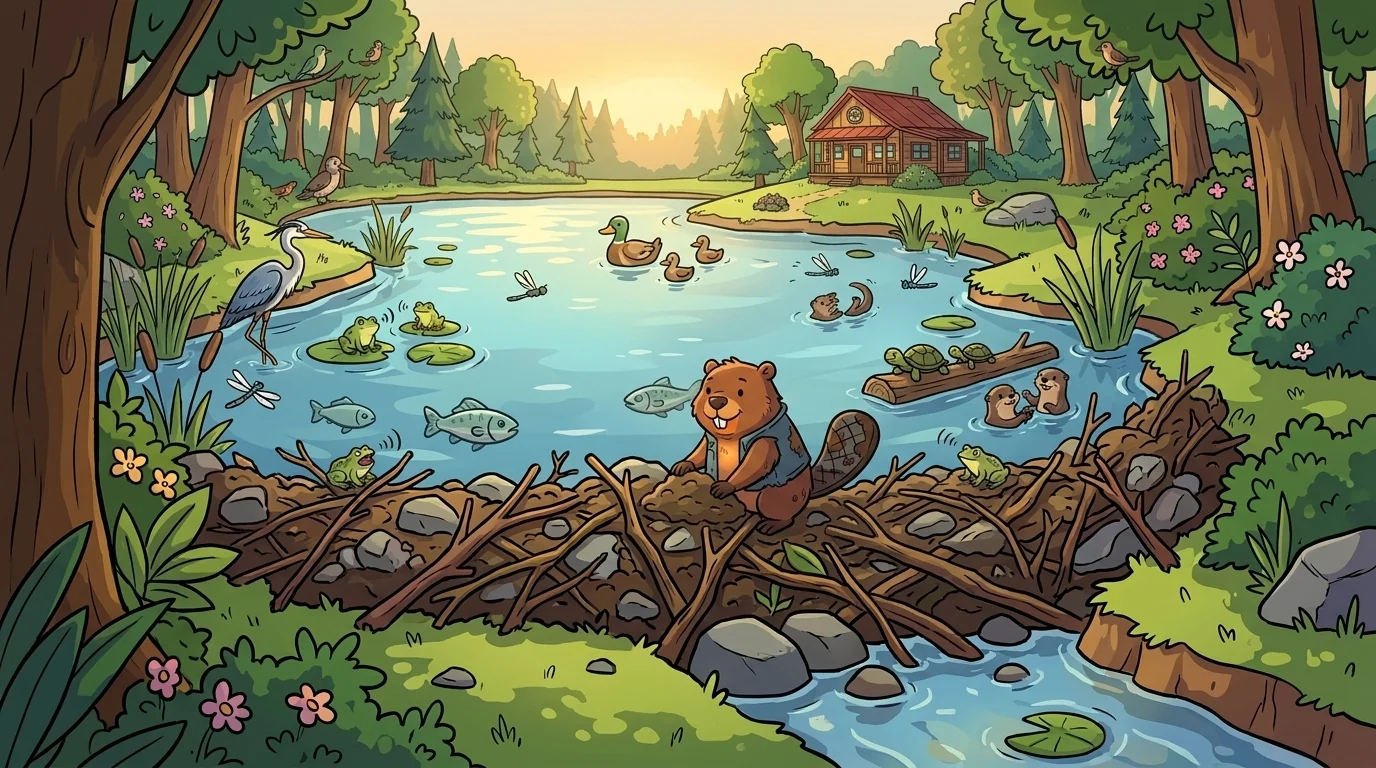
"So you're the most important animal here?" a kid asked her once. Lodge laughed and shook her broad head. "No such thing," she said. "I'm just the one this pond happens to rest on. Pull out the right small thing anywhere, and you'd be surprised how much comes down with it."
She packed one last handful of mud into her dam and settled back to watch the still water fill with the evening — a heron stepping in the shallows, frogs beginning their chorus, the whole living pond humming on the strength of her patient work — and a deep, steady gladness spread warm through Lodge's chest, the quiet pride of a creature who asked for nothing and held up a world.
Hear it as an audio drama
A short play starring Lodge, from EcoSphere. Different voices, same idea. Listen any time after you read.
Loading audio…
Read the drama script
- Narrator: From Spark and Anvil and EcoSphere — this is Lodge, in chapter 1 of the EcoSphere cast.
- Narrator: This drama uses an AI-generated voice. Voiced via Gemini 2.5.
- Narrator: At the water's edge of the wetland chamber, Lodge the beaver rested a claw on the little stone arch she'd built — a curve of stones with one wedge-shaped stone at the very top.
- Lodge: This top one is called the keystone. It's not the biggest stone. It's not doing the most obvious work. But watch what happens when I take it out.
- Narrator: She drew the keystone. The whole arch collapsed into a clatter of ordinary stones.
- Lodge: Every other stone was leaning on that one. It looked like just one piece. It was holding up all the rest.
- Student: But it's not even the strongest stone?
- Lodge: That's the whole surprise. In a river, a keystone species is like that stone — not the biggest animal, not the most common, but the one whose work holds the shape of everything.
- Student: So the most important animal is the biggest predator. The scariest one at the top.
- Lodge: That's the answer almost everyone gives. Sometimes the keystone is the top predator. But sometimes it's small and quiet and does its work with its teeth in the mud.
- Lodge: A beaver isn't scary. A beaver isn't big. But take the beaver off a river, and the pond drains, the wetland dries, and the frogs and fish and herons and willows all leave together. Pull the keystone, and the arch doesn't lose a piece — it stops being an arch.
- Student: So the effect is way bigger than its size.
- Lodge: Disproportionate — that's the key word. So the question is never who's the biggest. It's who is everyone else leaning on.
- Narrator: The student set the keystone gently back at the top of the rebuilt arch — and stopped looking at the biggest thing, and started seeing the one that held the whole shape up.
- Narrator: You've been listening to a Spark and Anvil chapter, written by the Spark and Anvil writing team for ages 9 to 14.
- Narrator: Apps stay free forever.
- Narrator: Curriculum aligned to Next Generation Science Standards.
- Narrator: Released under Creative Commons BY-NC-SA 4.0 for educational reuse. Visit Spark and Anvil for the full transcript.
The EcoSphere ensemble
Lodge is one of the friends in EcoSphere. Each friend shows you one idea by how they act; meet them all and you have the whole subject.
-
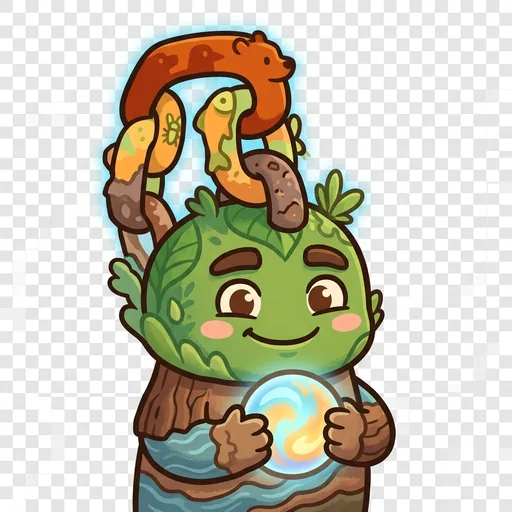
Chain
Food chain / trophic flow (energy moving up levels)
-
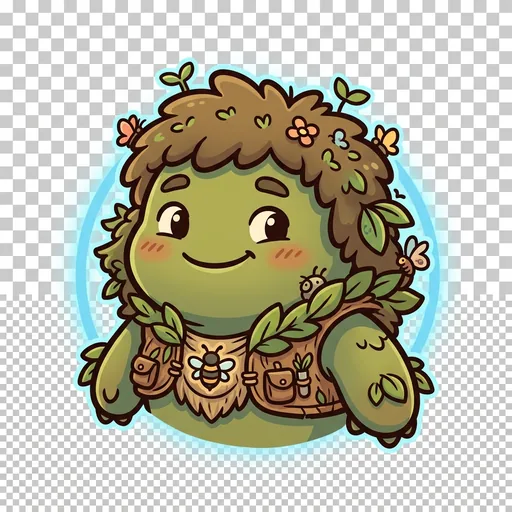
Niche
Ecological role / job-in-the-ecosystem
-
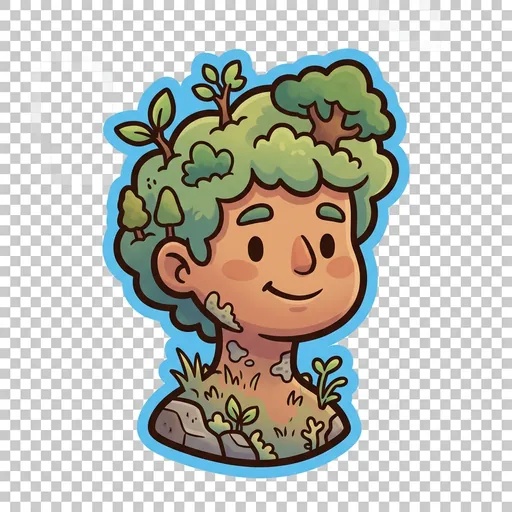
Phase
Succession / ecosystem change over time (primary, secondary, climax)
-
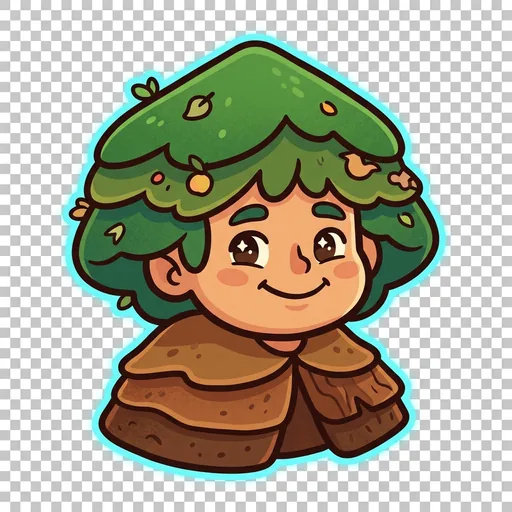
Crown
Canopy / trophic-pyramid structure (top vs. base)
-
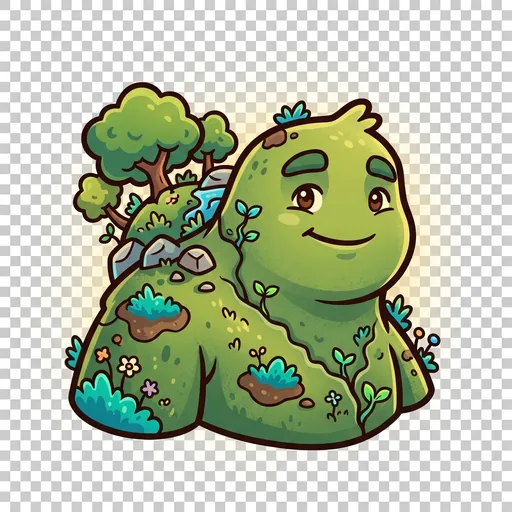
Brink
Tipping points / ecosystem thresholds / resilience-or-collapse
-
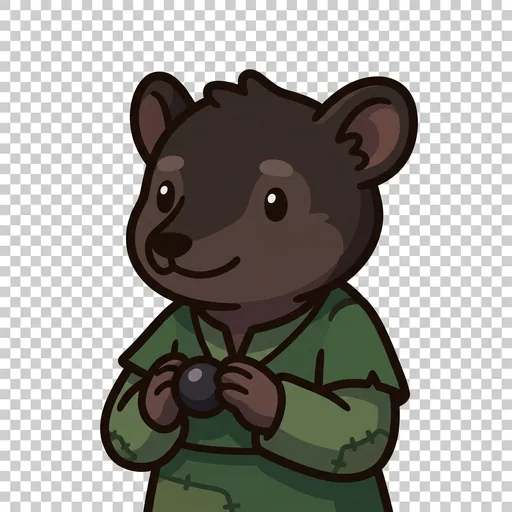
Cinder
Carbon cycle — the same carbon moves round and round: air to plant to animal to air
-
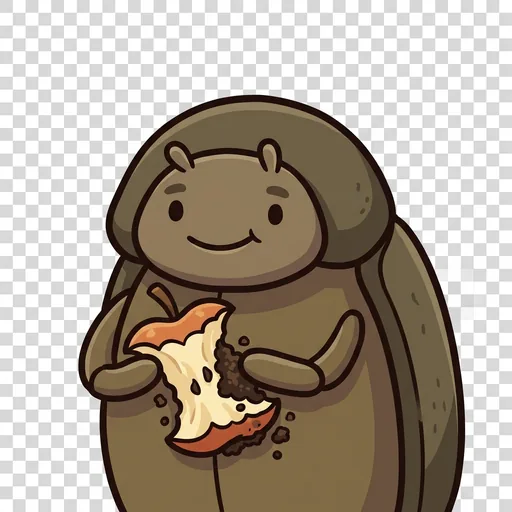
Mulch
Decomposition — what dies doesn't leave; it is broken down and handed back to the living
-

Rill
Water cycle — the same water goes round forever: sea to sky to rain to stream to sea
-
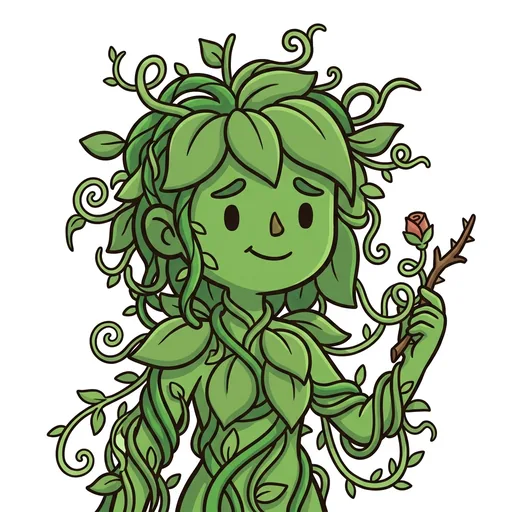
Sprawl
Invasive species — a species carried somewhere new, where nothing holds it back