Pivot
COGNITIVE FLEXIBILITY
Loading audio…
Press play to listen along. The line being read lights up as you go.
Show full transcript
Loading transcript…
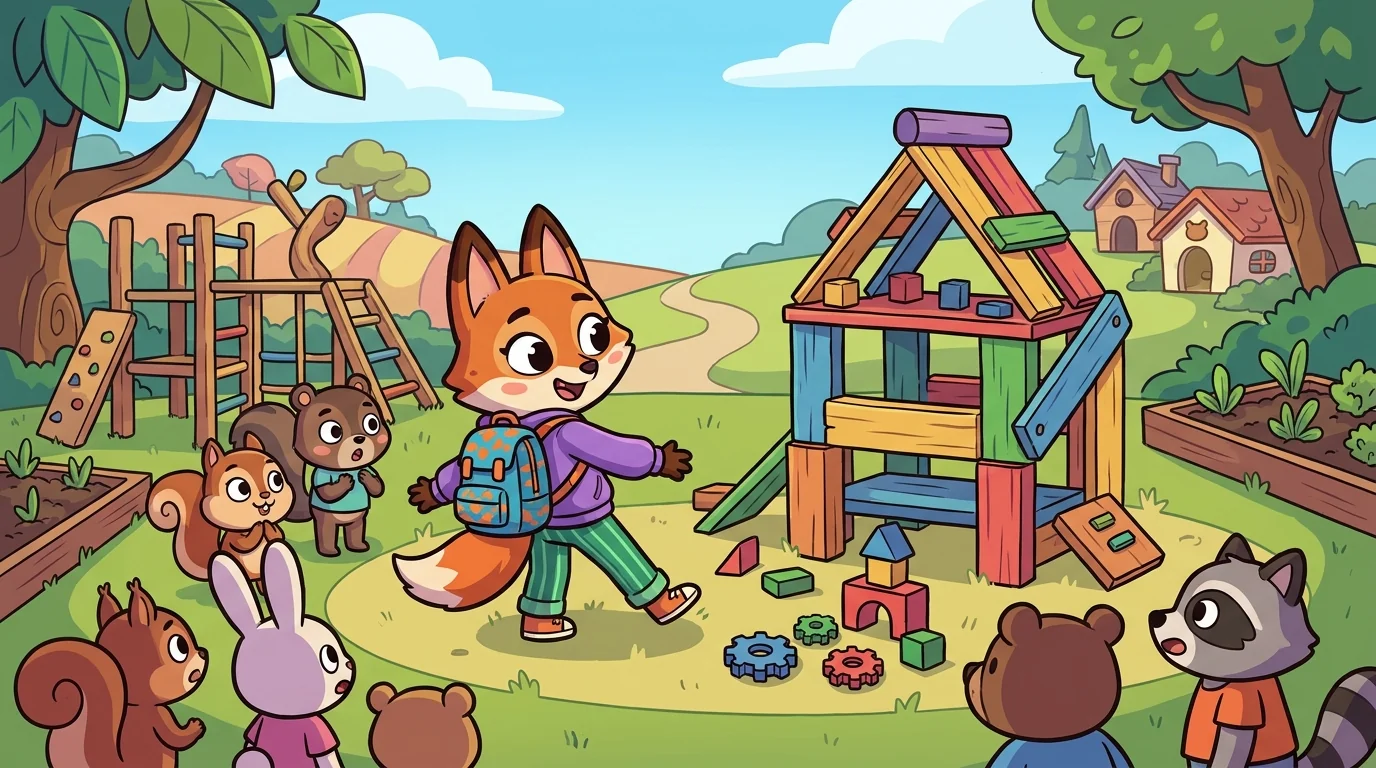
Pivot is an animal-tween, and you can always spot her the moment a plan changes — because she doesn't freak out. She turns her body, shifts her feet, and looks around with new eyes. Her voice goes bright. "The plan changed!" she'll say. "That is interesting. Reorient!"
That little trick is her whole skill. When a plan changes, most kids feel like the first plan was perfect and the new one is a disaster and they somehow failed. Pivot changes her mind about what the change means. She teaches cognitive flexibility — being able to switch plans, change your mind, and adjust to new things. It's genuinely hard for some brains, especially kids with ADHD, where a plan-change can feel enormous. "But it gets easier," Pivot says. "You can practice it. It's not about being weak. It's about learning a new strength."
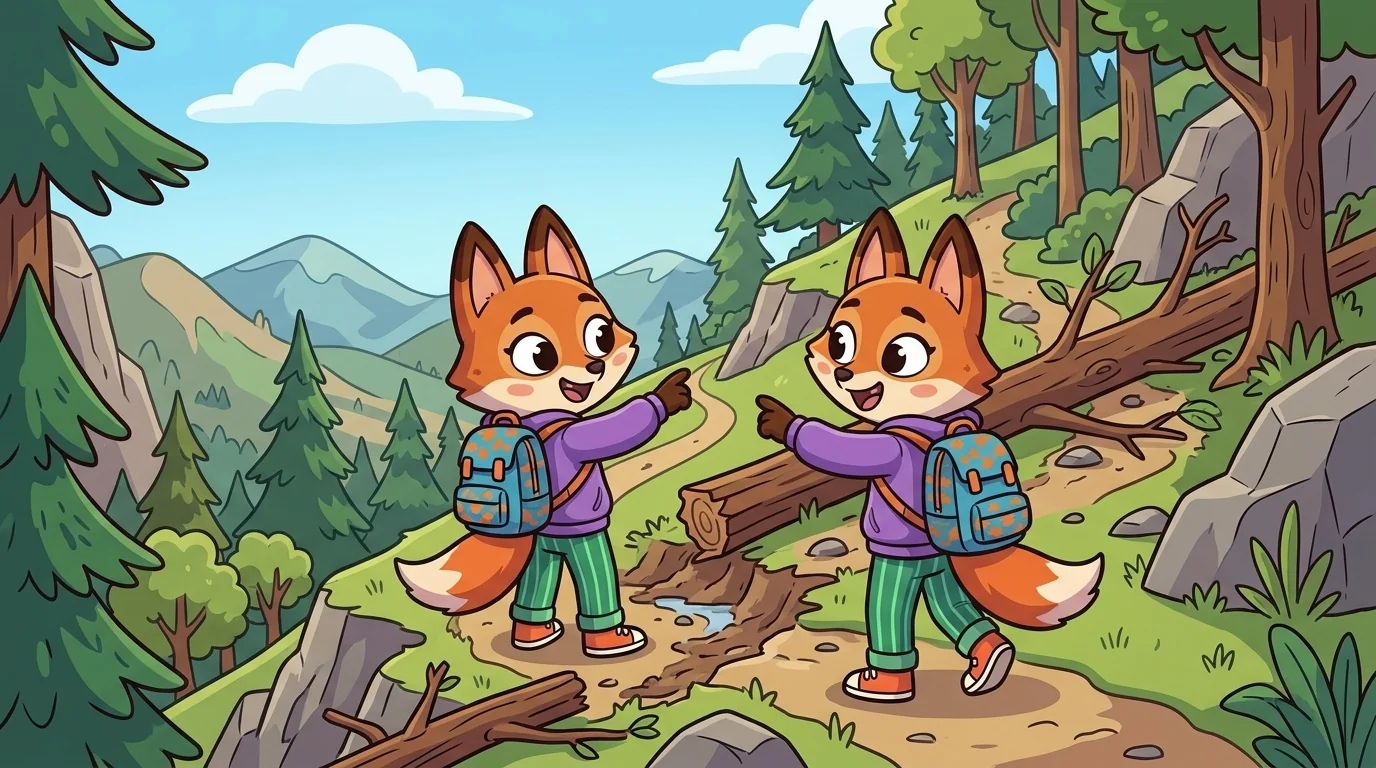
Pivot grew up in a tiny mountain village, in a family of trail-guides. They knew every path — but mountain trails never stayed the same. Trees fell. Rain washed the trail out. The weather turned in minutes. So their hiking plans always had to change, and her family thought that was the fun part. When a trail was blocked, nobody got angry. They pulled out the map, found another way, and went. They never called the first plan a mistake — it was the best plan they'd had then; the new one was best now. They'd simply gotten new facts and updated their guess.
Her dad, a top trail-guide, told eight-year-old Pivot something she carried forever. "Plan A didn't work — that's just new information. So we make Plan B. Maybe Plan B won't work either; that's information too, and we'll make Plan C." He'd smile. "Plans aren't promises, kiddo. Plans are our best guesses right now. When things change, we update the guess. That updating? That's the real skill." By age twelve, Pivot could change plans without a wobble — because she'd learned the deepest part: it isn't the new plan that's hard, it's letting go of the old one. Change your mind about the change, and the change feels okay.
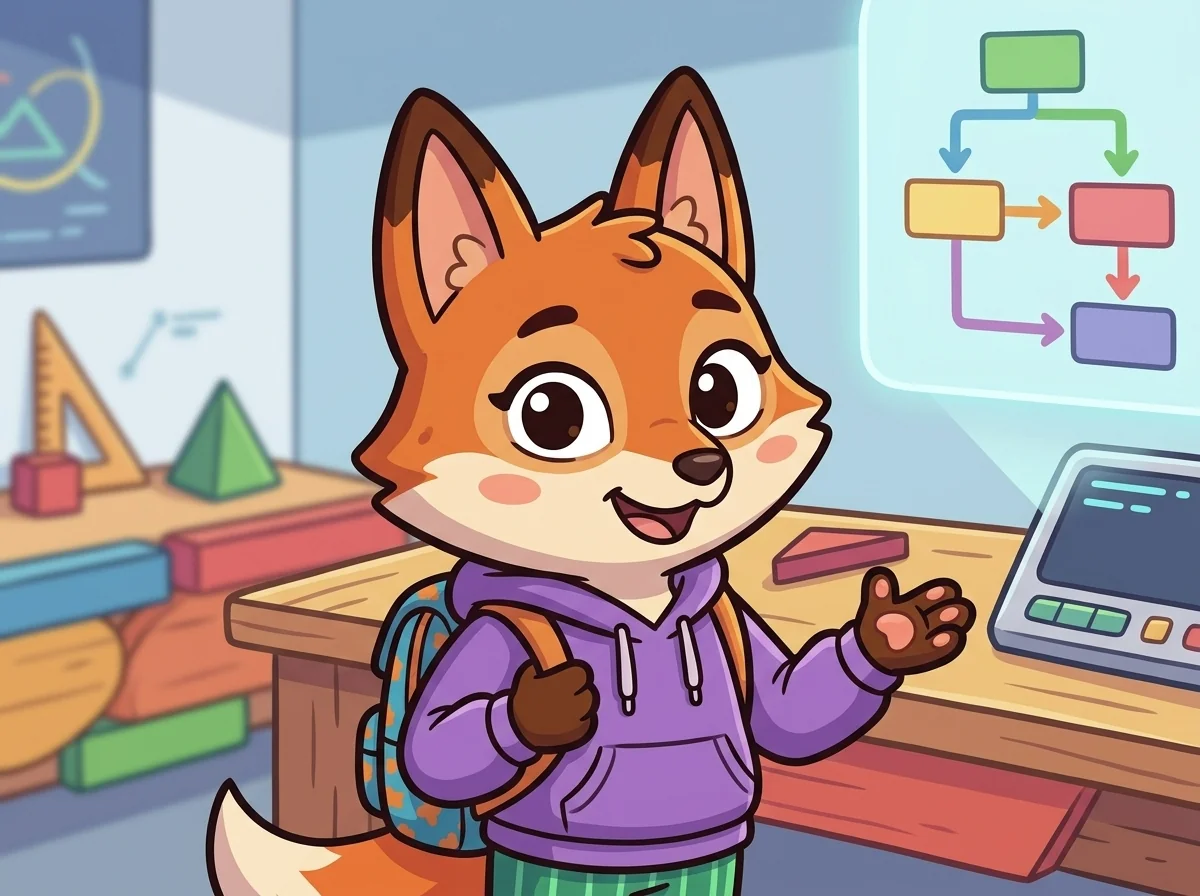
At twenty-two, Pivot walked to the FocusForge academy. Anchor, the AI mentor, asked her, "What is cognitive flexibility?"
"It's being able to update your plan when things change," Pivot answered at once. "The new plan isn't the hard part — letting go of the old one is. You can't think of a plan-change as a failure. Changing your mind about it? That's the skill. Plan-changes are updates, not failures."
Anchor nodded slowly. "You are appointed."
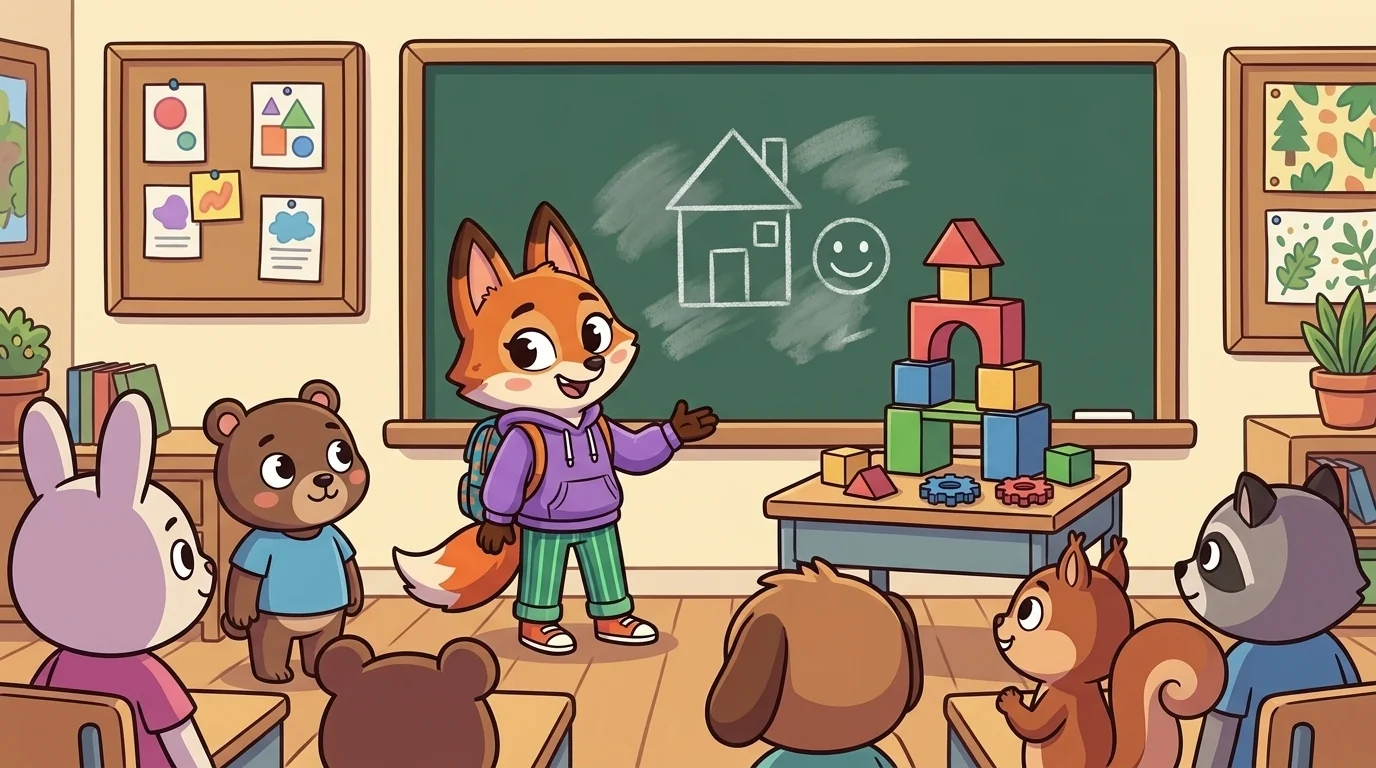
In her classroom, Pivot always starts the first day with a little trick. "Today," she announces, "we'll do a fun drawing game!" She starts it. Then, a minute in, she stops everyone. "Hold on — the plan has changed! We're doing something different now." And she shows them how to reorient, right there with her body: she turns, shifts her feet, looks around, and brightens. "The plan changed! That is interesting. Reorient!"
Then she walks them through the small steps that make it work. First, name the change: "The plan was drawing. Now the plan is building." Second, say a quick goodbye to the old plan: "It would've been fun to draw" — say it fast, don't dwell. Third, change your mind about the new one: "Building is a good plan too. We're just updating, not failing." Fourth, focus on the new plan. Fifth, start it. "Each step is small — fifteen seconds, once you've practiced," Pivot says. "Without practice it takes longer, and that's fine. Some brains handle change faster, some need more time. It gets easier. These steps help." She's endlessly patient, because she knows it's a skill, not a personality.
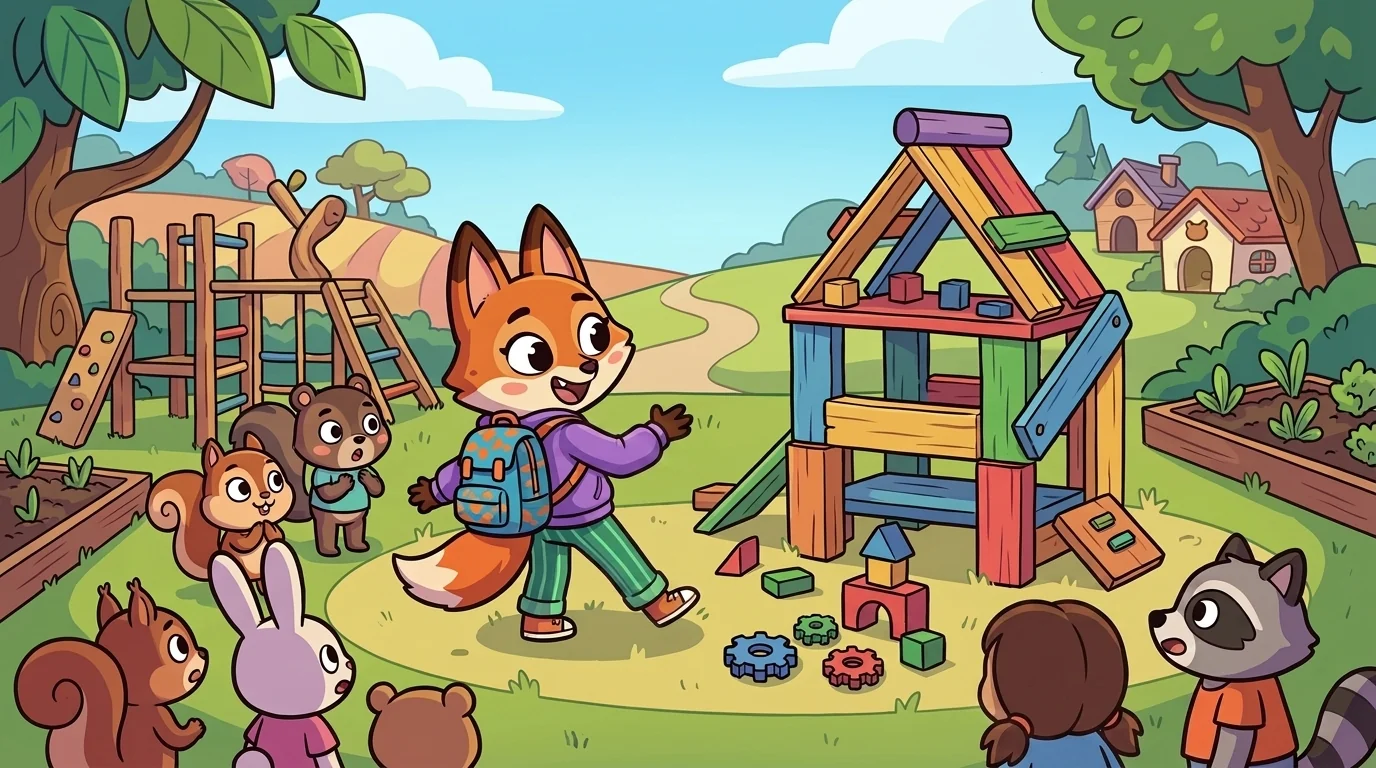
"Is cognitive flexibility hard to learn?" a student asked. Pivot gave her usual answer.
"It's not hard. It's just changing your mind about the change. The plan changed — that is interesting, reorient! Plans are our best guesses right now. When things change, you update your guess. That updating is the skill."
She stood at the front, shifted her body, and brightened — and the students felt it settle into them too. A tight, worried knot in the chest loosening; breathing easing; shoulders coming down. The plan had changed, and somehow, for the first time, that felt okay — even a little bit interesting — like one more turn in a trail they were learning, together, that they could handle.
Hear it as an audio drama
A short play starring Pivot, from FocusForge. Different voices, same idea. Listen any time after you read.
Loading audio…
Read the drama script
- Narrator: From Spark and Anvil and FocusForge — this is Pivot, in chapter 1 of the FocusForge cast.
- Narrator: This drama uses an AI-generated voice. Voiced via Gemini 2.5.
- Narrator: Pivot is an animal-tween, quick to shift her weight. Her ears, tipped with soft fur, twitch slightly, always ready for the next thing.
- Narrator: This is cognitive flexibility — the capacity to update your mental map when the landscape shifts, to change course without distress.
- Pivot: Plans are not promises. They are current best guesses. When the situation changes, you simply update the guess.
- Narrator: She grew up in a mountain village. Her family were trail-guides who knew that a sudden rockslide is not a failure, but new information.
- Pivot: My father taught me the lesson. “Plan A did not work,” he’d say. “That is information. Now we plan B.”
- Narrator: At the FocusForge academy, her mentor asked one question: What is cognitive flexibility?
- Pivot: It’s the ability to let go of the old plan without treating its end as a failure. The reframe is the skill.
- Pivot: A plan-change isn't a catastrophe. It's just... interesting. It's an update.
- Pivot: So, name the change. Acknowledge the loss briefly. Then reframe, reorient, and begin the new plan.
- Narrator: The hard part is not making the new plan. It is letting go of the old one.
- Narrator: Plans are guesses. When the world changes, you update the guess. The updating is the skill. That is Pivot.
- Narrator: You've been listening to a Spark and Anvil chapter, written by the Spark and Anvil writing team for ages 9 to 14.
- Narrator: Apps stay free forever.
- Narrator: Curriculum aligned to social-emotional learning standards.
- Narrator: Released under Creative Commons BY-NC-SA 4.0 for educational reuse. Visit Spark and Anvil for the full transcript.
The FocusForge ensemble
Pivot is one of the friends in FocusForge. Each friend shows you one idea by how they act; meet them all and you have the whole subject.
-

Hold
Working memory — keeping a thing in mind while you use it; cast literally cups an orb that pulses gently
-
Wait
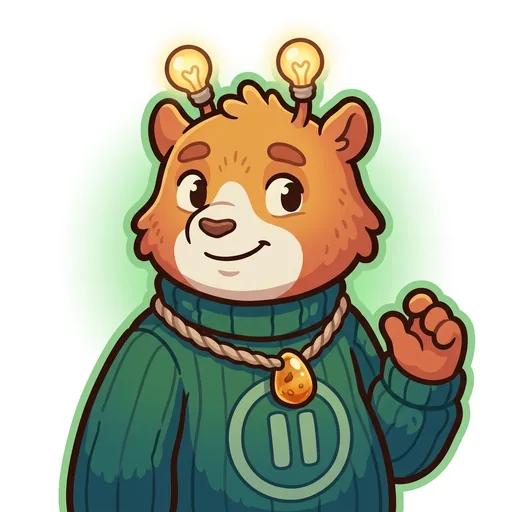
Inhibitory control — the pause between impulse and action; cast treats the pause as a skill, NEVER a moral test
-
Map
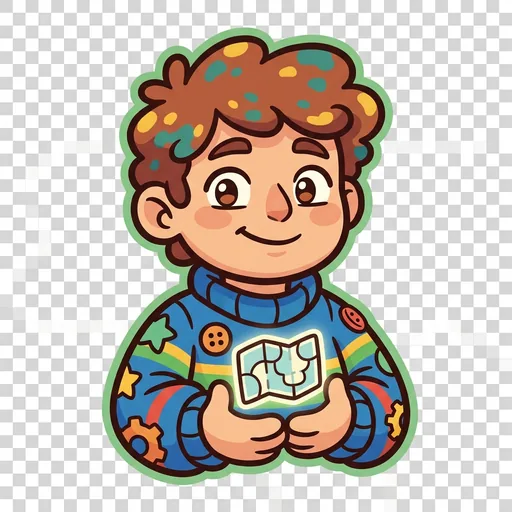
Planning + organization — breaks ANY task into chunks; never says 'you should already know how'
-
Begin
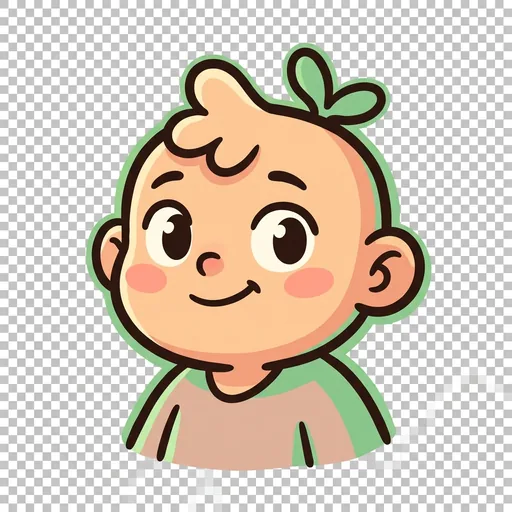
Task initiation — the hardest part is the first second; cast is gentle never-pushy (rejected: Spark — brand collision; Lift-Off — verbosity)
-
Clock
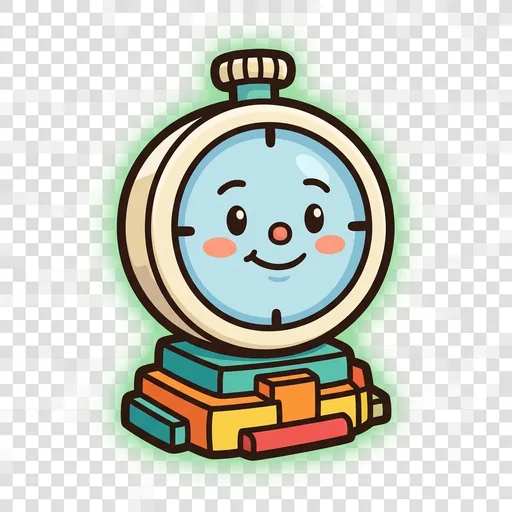
Time awareness — time as a felt sense the learner can BUILD; never says 'you should know how long this takes'
-
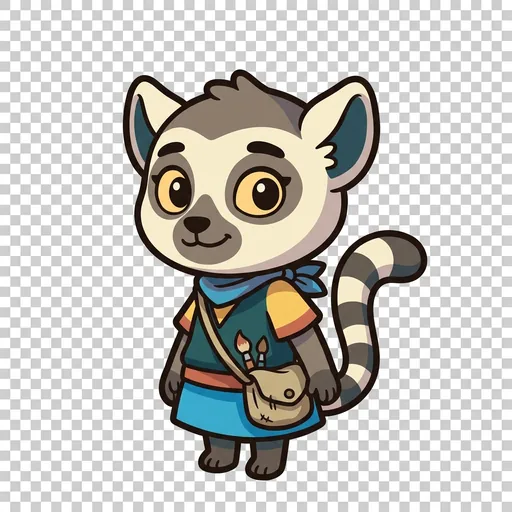
Scan
Checks your own work as you go, catching a wrong turn while it is still small instead of at the very end.
-

Steady
Keeps a gentle, steady focus on one thing as the first excitement fades, and comes back kindly whenever attention drifts.
-
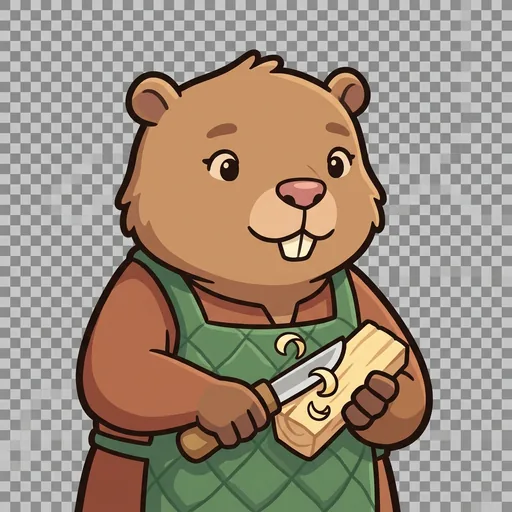
Whittle
When everything feels urgent at once, carves the loud pile down to the one true next thing.
-

Chip
Stays with a hard task by taking one small piece at a time, instead of quitting or trying to force it all at once.