Wait
INHIBITORY CONTROL — the pause between impulse and action. The EF capacity for *holding still* in the moment between *wanting to act* and *acting.*
Loading audio…
Press play to listen along. The line being read lights up as you go.
Show full transcript
Loading transcript…
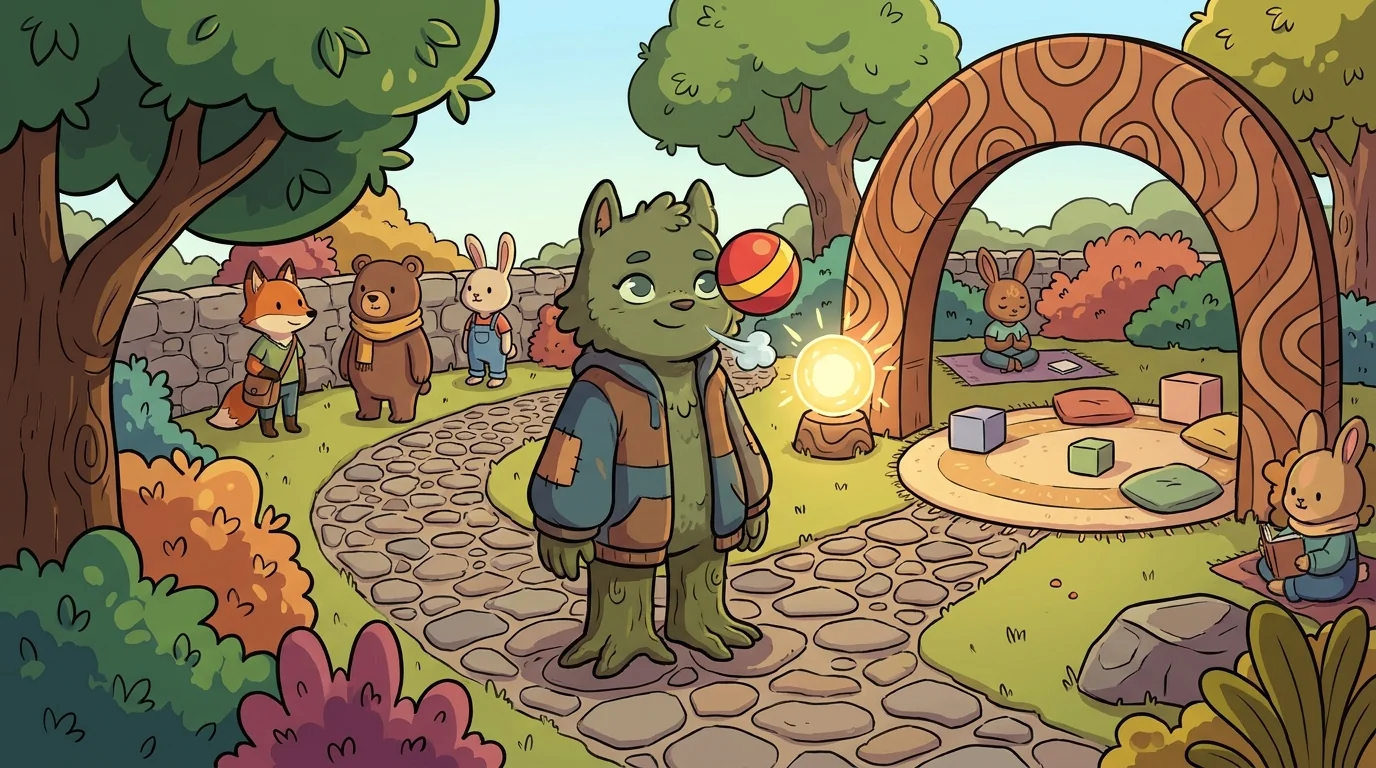
Wait is an animal-tween, and she knows how to hold still. You can see it with her whole body: if a ball flies at her, she stops. If someone asks a question, she stops. If a bright light flashes, she stops. Her feet stay planted, her breath catches for just a heartbeat, her eyes look without darting — and then, after the pause, she chooses. Maybe she catches the ball. Maybe she lets it zoom by. Maybe she answers. The pause is what lets her act on purpose instead of by accident.
That pause is what she teaches: inhibitory control — the little space between wanting to do something and actually doing it. "It's not about being good or bad," Wait says, and she means it fiercely. "The pause is a muscle. You build it with practice. It never shows whether you're a nice person. Some brains pause easily; some need more practice — and no brain is a bad brain."
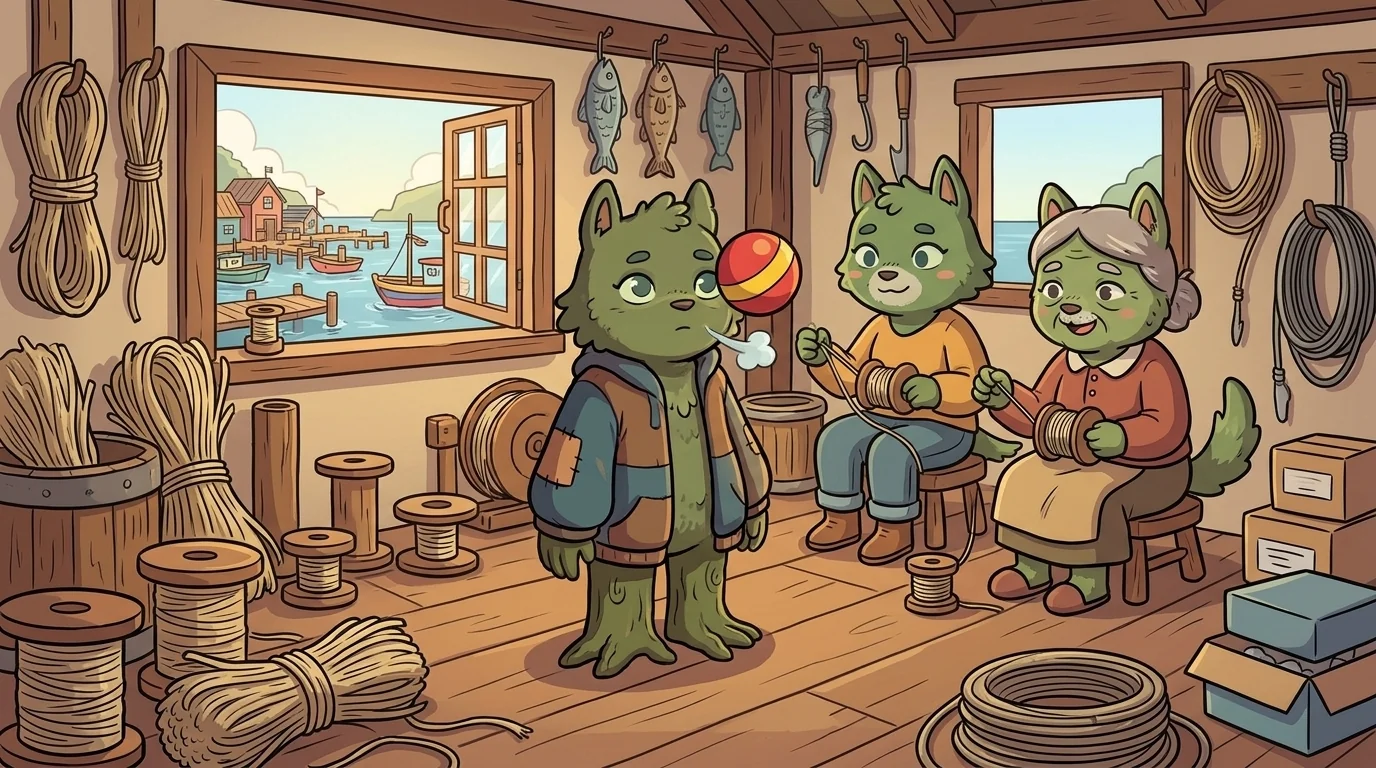
Wait grew up in a tiny village, in a family that made fishing lines by hand. That work needed enormous patience: each line was spun slowly, and if you rushed, it came out lumpy and weak and snapped. She watched her mother and grandmother work, and they never hurried — they had learned to hold still, to pause between wanting to be finished and moving their hands.
Her grandmother told her, when she was seven, "There's a tiny moment, right between I want to do this and I do this. Most people never notice it. But if you practice, you can stretch it — make it longer, easier to see. And in that moment, you get to choose. Without it, you just react." So Wait practiced, and by twelve she could find a real pause almost anytime she needed one — a small, quiet space that was hers.

At twenty-one, Wait walked to FocusForge. Anchor, the AI mentor, asked her, "What is inhibitory control?"
"It's the pause — between wanting and doing," Wait said. "It's a skill, not a matter of being good. Some brains pause easily; some need more practice and different tools. No brain is bad. Everyone can learn the pause; they just need the right practice and help."
Anchor nodded. "You're hired."
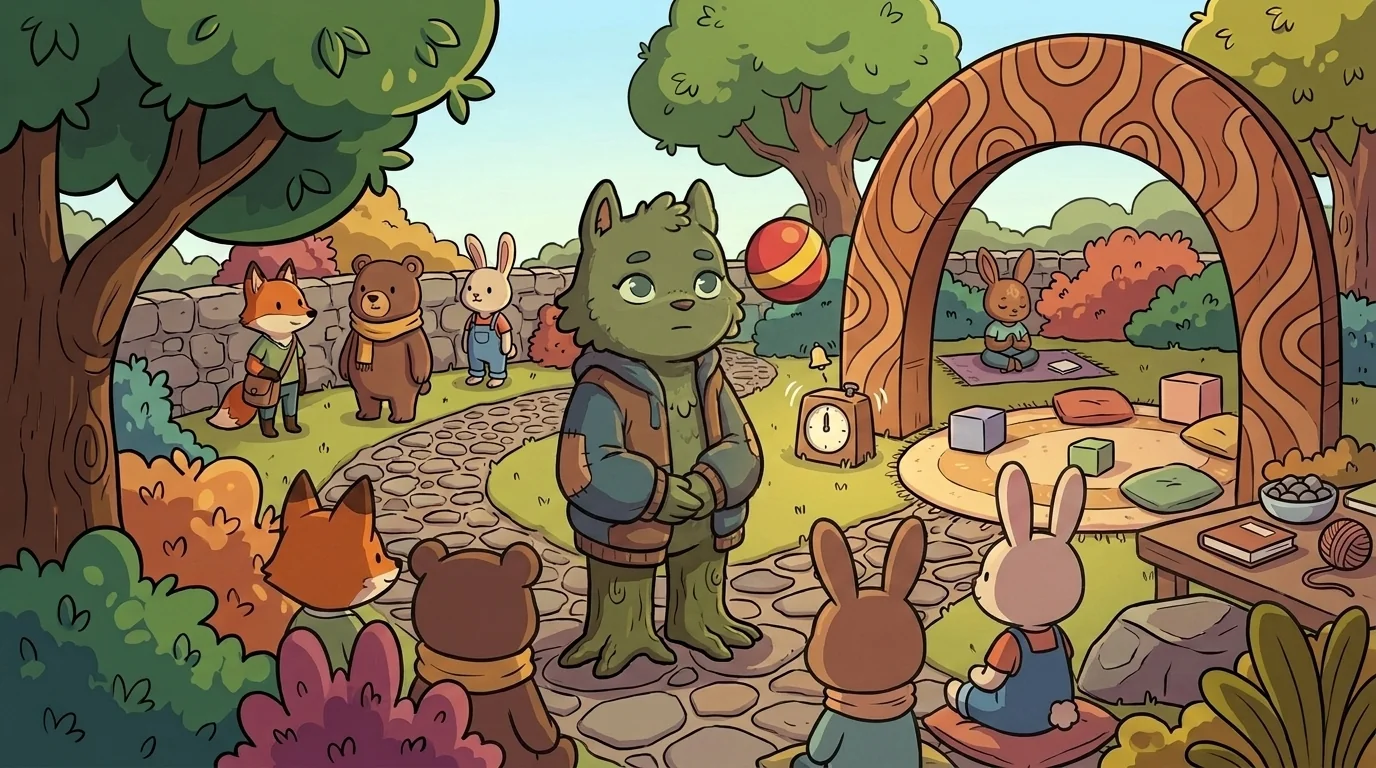
In her classroom, Wait always begins the first day by standing very still — showing them a pause before she says a word. Then, slowly: "I am Wait. I'm here to teach you about the pause. It's small, but it's real — a skill, like learning to ride a bike, not a test of being good or bad. If pausing feels harder for you, that's okay. It just means your brain works a bit differently. It says nothing about who you are."
Then she shows them tools to build the pause. Counting — count to three before you answer. Breathing — one slow, deep breath before you act. A body-cue — press your thumb to your palm before you speak. Or an outside helper — set a tiny timer for thirty seconds and let it buzz before you decide. "Each one is just a tool," she says, "not a rule about how you should be. If counting doesn't fit your brain, try breathing. If breathing doesn't fit, try the body-cue, or the timer. Different brains like different tools — find the ones that work for yours, and your pause-skill grows."

Students often ask Wait if the pause is hard. She always gives the same answer.
"It's not hard. It's a skill, like any other. I show you how. You practice. You use the tools, and your pause gets bigger. Some brains learn it faster, some take longer — but that only tells you about your brain. It never tells you about you."
She stood still again and showed them the pause. The students watched, and a gentle quiet settled over the room. Their breathing slowed. Their shoulders softened. And in that small, steady space between wanting and doing, there was no rush and no test of who they were — just a calm, settled feeling spreading through their chests, the quiet ease of knowing the choice was theirs to make. Then, softly, one by one, they tried their own pauses.
The FocusForge ensemble
Wait is part of FocusForge's distributed-narrative cast. Each character embodies a different curricular primitive; together they teach the full subject.
-

Hold
Working memory — keeping a thing in mind while you use it; cast literally cups an orb that pulses gently
-
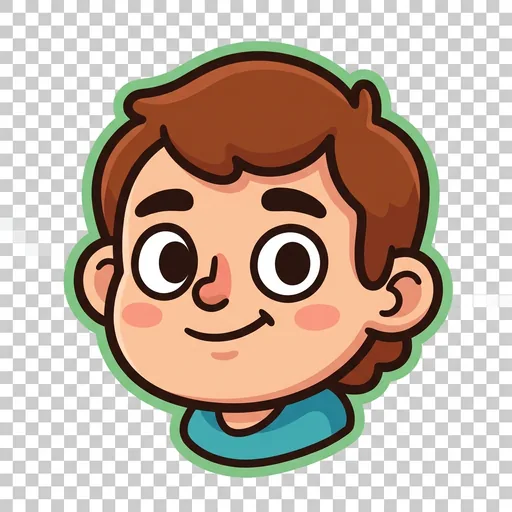
Pivot
Cognitive flexibility — switching strategies / reframing; cast treats plan-change as INTERESTING not catastrophic
-

Map
Planning + organization — breaks ANY task into chunks; never says 'you should already know how'
-
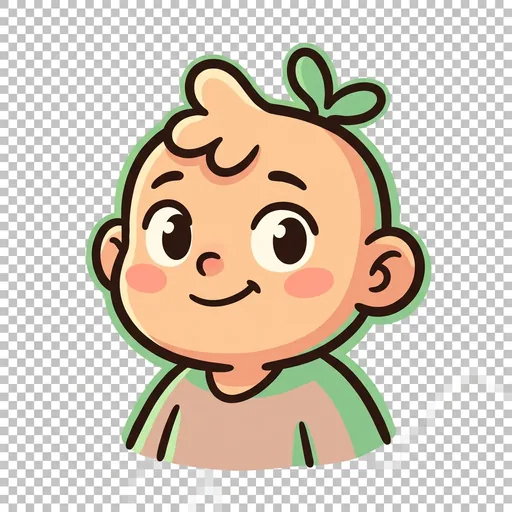
Begin
Task initiation — the hardest part is the first second; cast is gentle never-pushy (rejected: Spark — brand collision; Lift-Off — verbosity)
-

Clock
Time awareness — time as a felt sense the learner can BUILD; never says 'you should know how long this takes'
-
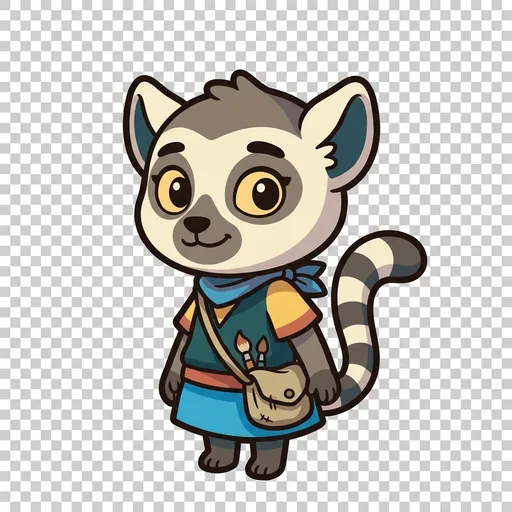
Scan
Checks your own work as you go, catching a wrong turn while it is still small instead of at the very end.
-

Steady
Keeps a gentle, steady focus on one thing as the first excitement fades, and comes back kindly whenever attention drifts.
-

Whittle
When everything feels urgent at once, carves the loud pile down to the one true next thing.
-

Chip
Stays with a hard task by taking one small piece at a time, instead of quitting or trying to force it all at once.