Rungs and Skein
HOW A WHOLE LONG CODE FITS IN A TINY CELL
Loading audio…
Press play to listen along. The line being read lights up as you go.
Show full transcript
Loading transcript…
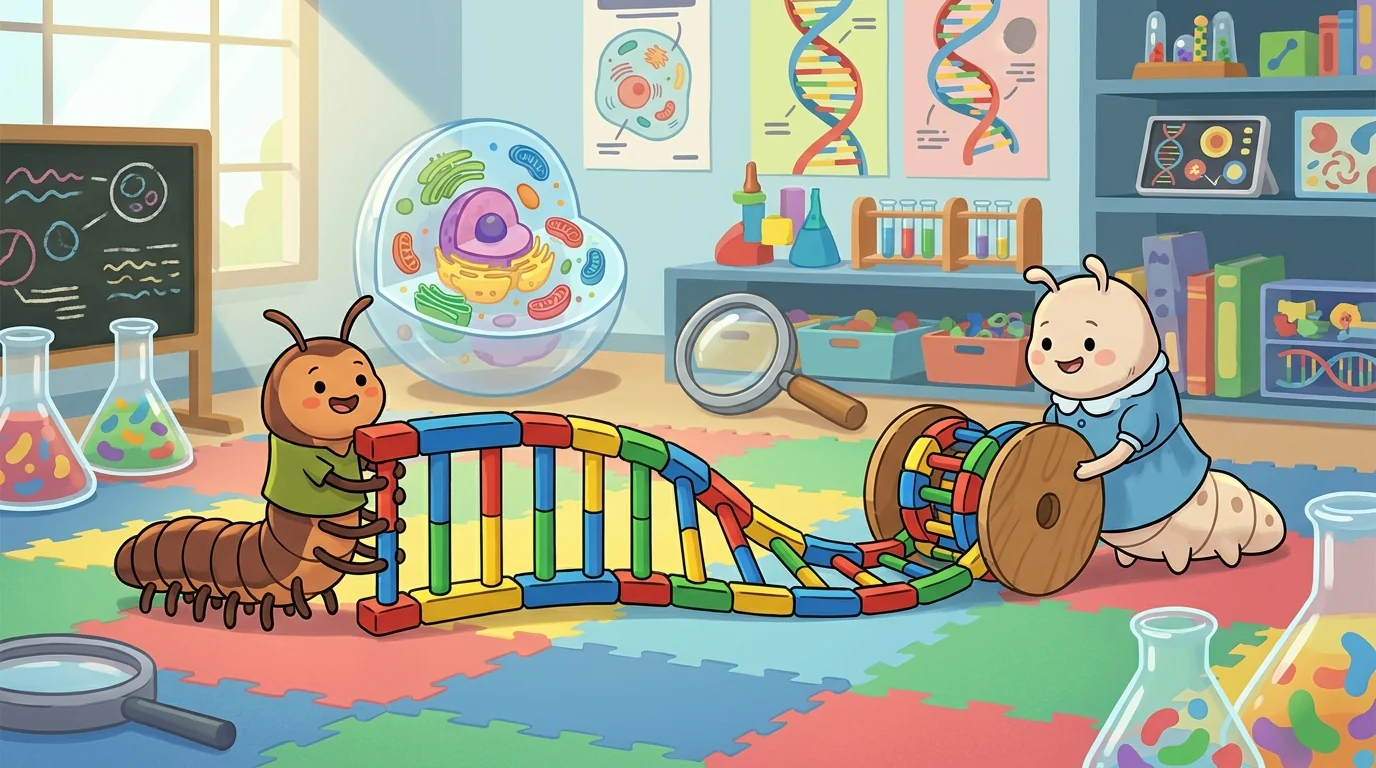
Rungs the millipede and Skein the silkworm laid a single strand of DNA-model between them — Rungs at one end with her paired-block ladder, Skein at the other with her winding-spool. On its own, the puzzle seemed impossible: an arm's-length of code, tucked inside a cell too small to see. But between the two of them it made perfect sense. And there was what they'd learned to show together: how a code longer than your arm fits inside something you can't even see — because it is an orderly paired ladder, and it is wound up small.
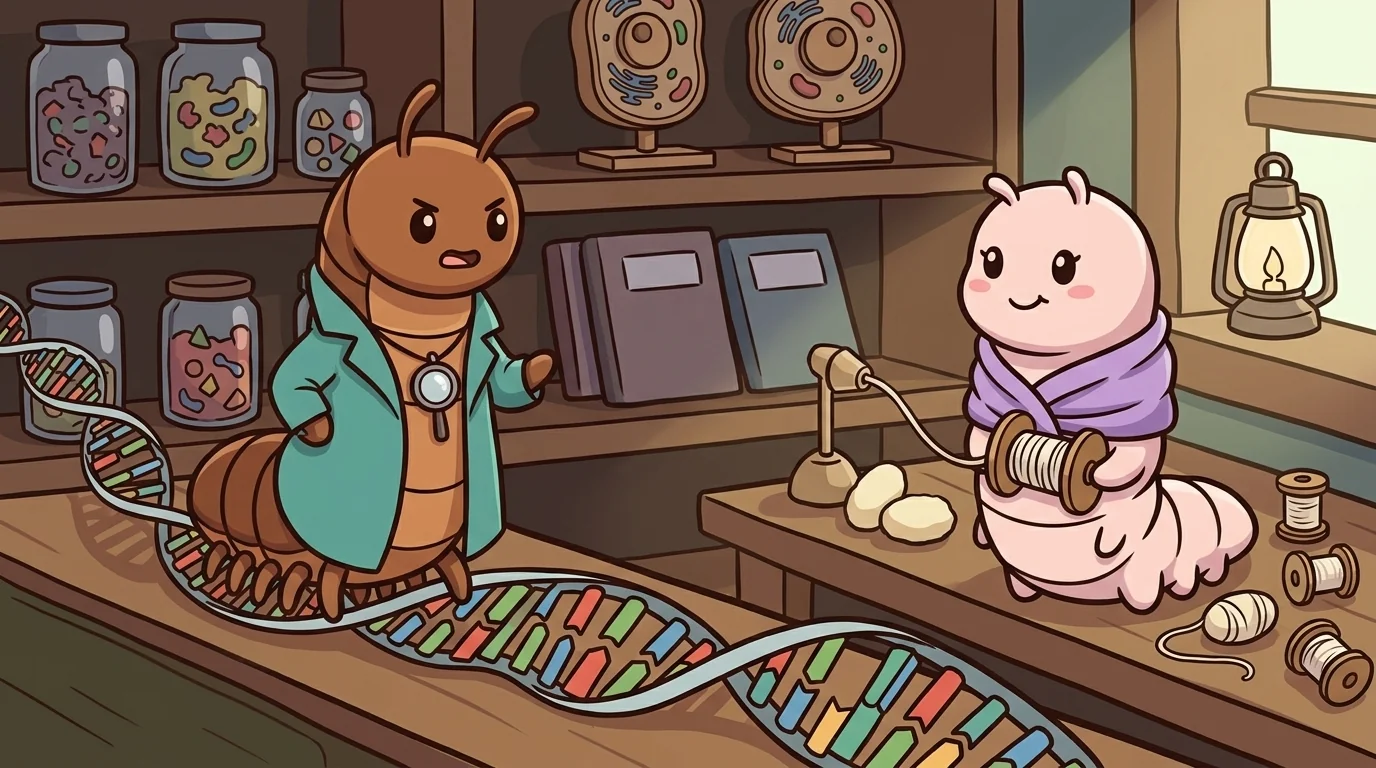
Rungs went first, because her half is the ladder. She ran her legs along the model: two rails twisting, and between them, rung after rung, each a pair — A with T, G with C. "This is what the code actually is," she said. "A long, long ladder of pairs — every letter holding hands with its one partner. That's my half: the ladder that holds the whole code, orderly all the way up." She stretched it out — and out, and out. "But look how long it is. All this, from just one cell. It's thinner than anything, but longer than your arm. Orderly, yes — but there's no way this fits inside a tiny cell just lying loose like this. It'd be a hopeless sprawl. Being an orderly ladder isn't enough to fit. That's Skein's half."
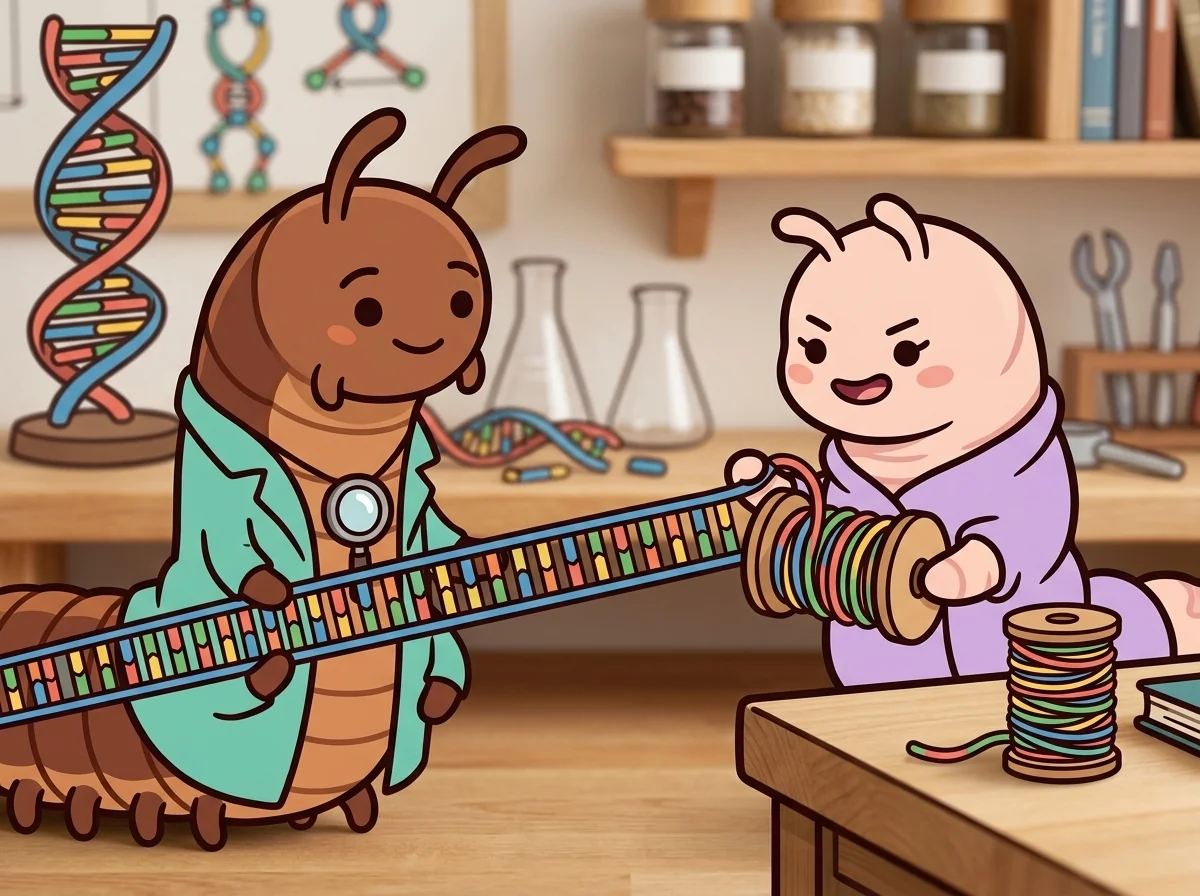
Skein made it fit. She took the end of Rungs' long ladder and began to wind it around her spool, loop after patient loop. "Rungs makes the orderly ladder — I wind it up so it fits," she said. "The same arm's-length of ladder, coiled tighter and tighter into a neat little bundle — a chromosome — small enough to tuck inside a cell." She held up a seed-sized wound bundle. "That's my half: the winding that makes the impossibly long fit the impossibly small." Then she nodded at Rungs' ladder. "But my winding only works because it's her ladder — orderly, paired, all in a line. If I tried to wind a random knotted mess, I'd just make a worse knot. It's because the ladder is neat and orderly that I can wind it up neat, and unwind exactly the piece we need. Her order is what makes my winding possible."
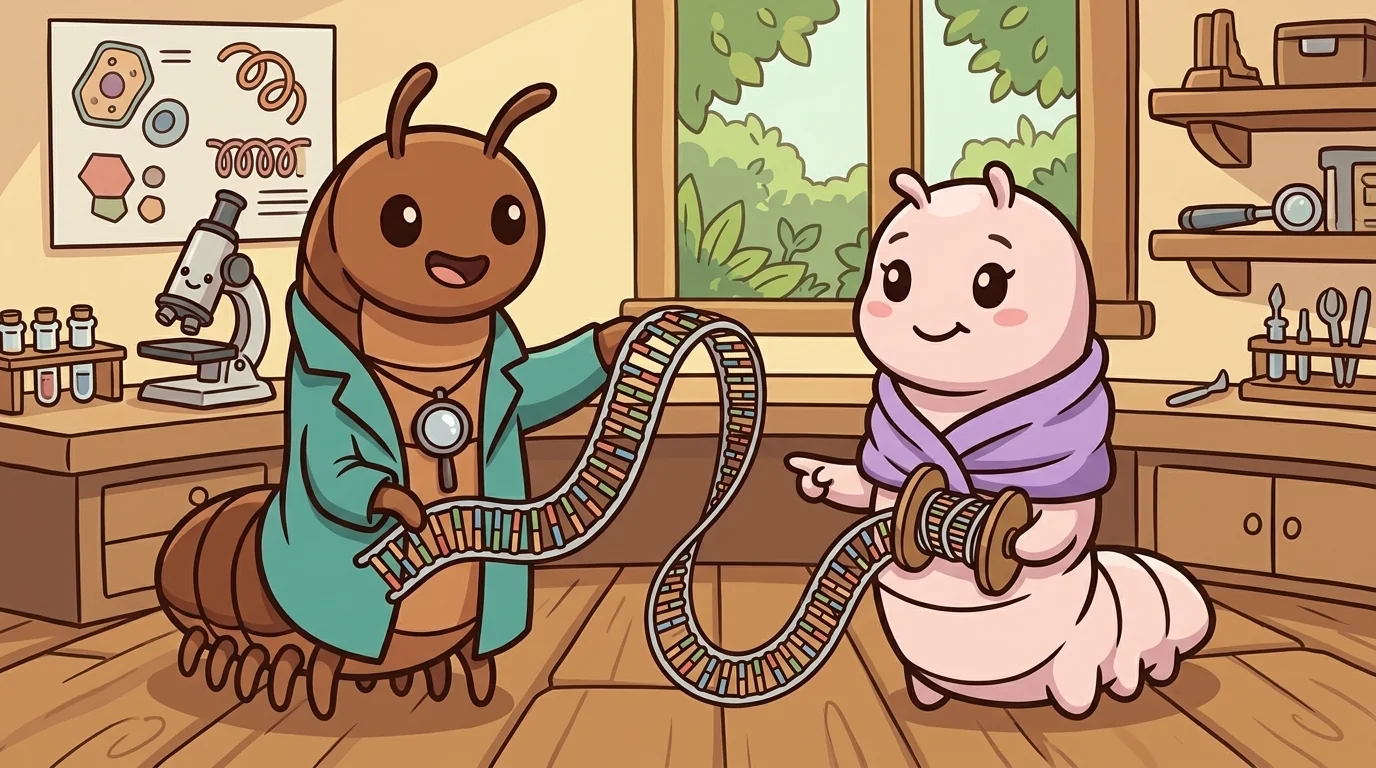
Then they did the move that is theirs — the one neither can do alone. They followed one length of code all the way: Rungs showed it was a long orderly ladder of pairs, and Skein wound that very ladder, loop by loop, into a small dense chromosome that tucked easily into a cell — and then, to read a gene, Skein unwound just that one stretch, and Rungs read its rungs, and wound it back. Long code, made to fit, still readable. They showed each half alone: Rungs' ladder unwound was a sprawl that fit nowhere; Skein's winding of a random mess was just a tighter knot. Orderly ladder and careful winding, together — and the whole code fit, and stayed readable. "My ladder alone is too long to fit," Rungs said. "My winding alone, without her order, is just knotting," Skein said. "Together — an arm's-length of code fits in a cell, and unwinds just where you need it." One long strand, between a millipede and a silkworm, tucked its whole vast code into a space too small to see.
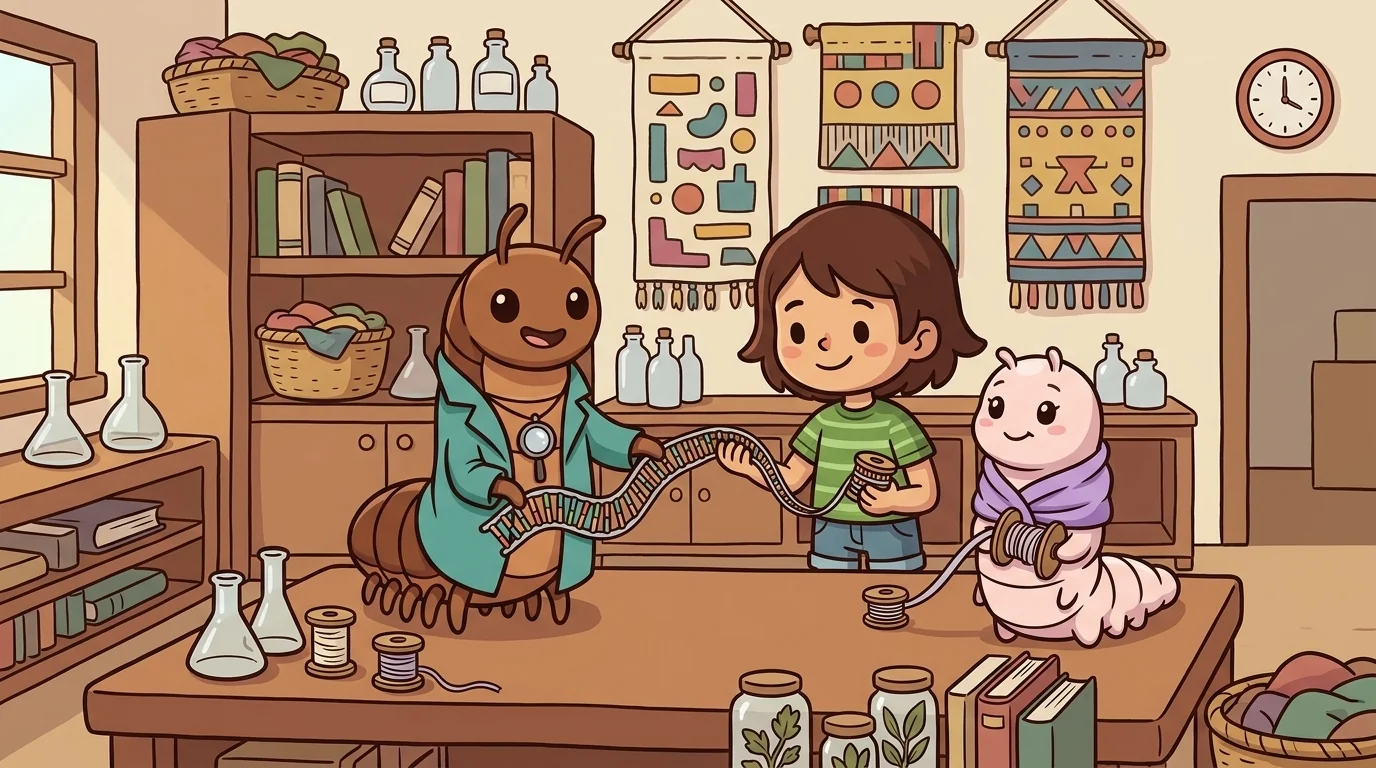
"So it's the orderly ladder and the winding — you need both for it to fit and still be readable?" Pip asked, holding the wound little bundle in one hand and the stretched ladder in the other.
"A ladder that won't wind is a sprawl. Winding with no order is a knot," Rungs said, and Skein nodded. Pip tried it — stretched the ladder out neat but couldn't fit it anywhere; then wound a tangled mess and couldn't find anything in it — and each time the old this-is-impossible feeling crept back. But this time two friends worked it together: "First I'll lay it out as an orderly paired ladder," said Rungs; "then I'll wind that orderly ladder small, and unwind just what you need," said Skein — and as Pip laid it orderly AND wound it small together, the long code fit neatly into a tiny cell and opened right up where they needed to read. And they felt it — a settled, shared-wonder gladness of an impossibly long code fitting in an impossibly small cell, because it was both orderly and well-wound, and neither idea alone could explain it — the deep satisfaction of a huge thing made to fit, and the quiet truth of order and packing, together, are how the enormous becomes small. That it-all-fits gladness was — to Rungs and Skein both — the whole joy of the long code that fits in a cell.
The TraitForge ensemble
Rungs and Skein is one of the friends in TraitForge. Each friend shows you one idea by how they act; meet them all and you have the whole subject.
-

Suds
DNA extraction
-

Bead
Gene as discrete inheritable unit
-
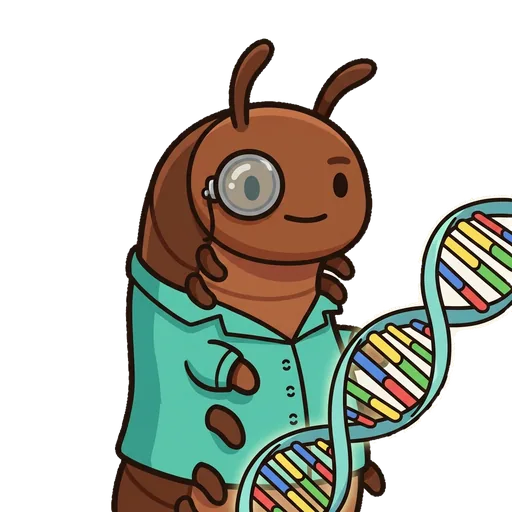
Rungs
DNA structure / base-pairing
-
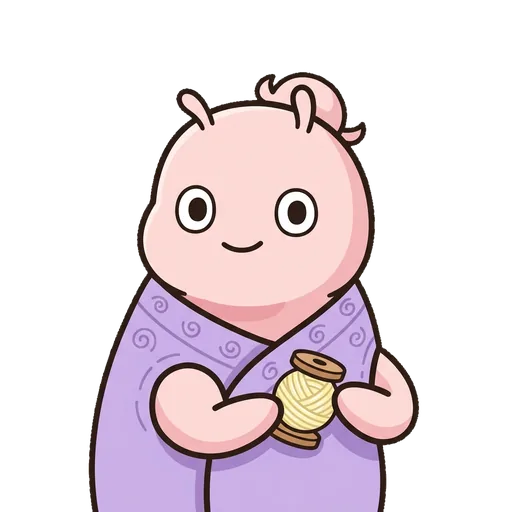
Skein
Chromosome packaging
-
Match
Allele pairing (Punnett crosses)
-
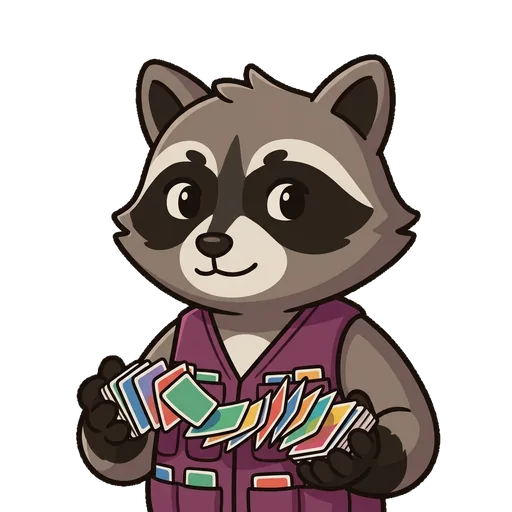
Deal
Recombination / why siblings differ
-
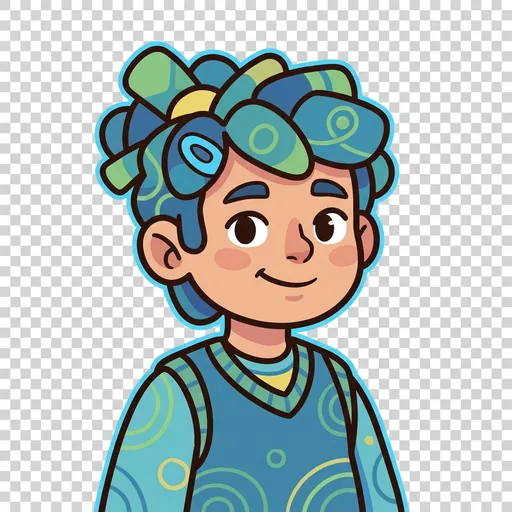
Trace
Lineage / heredity across generations
-
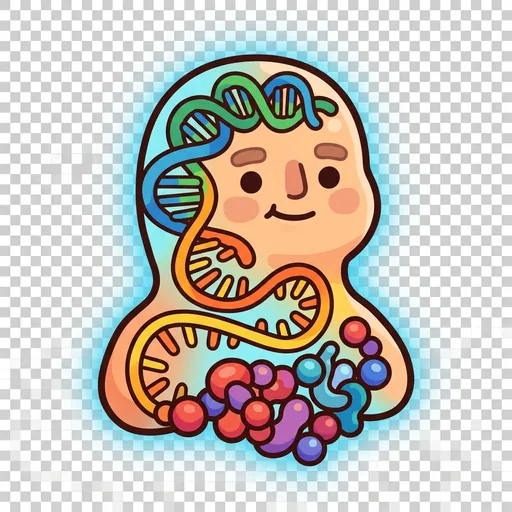
Script
DNA → RNA → protein (the genetic code as a recipe)
-
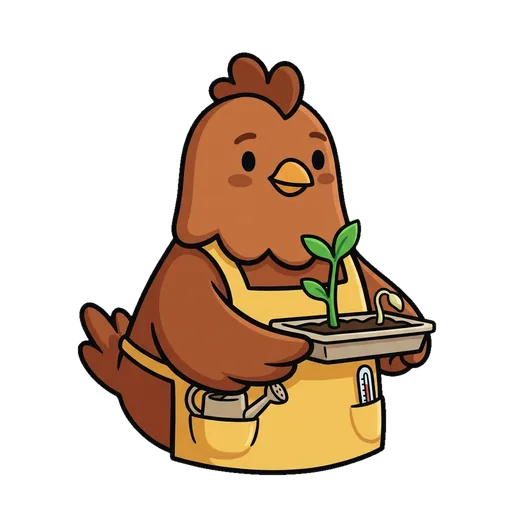
Nurture
Environment shapes genes / nature and nurture
-
Snip
Mutation + CRISPR (variation + intervention)
-
Scruple
The bioethics decision; just because we CAN change a gene does not decide whether we SHOULD, so ask who it affects, what could go wrong and whether it can be undone