Pào
The cannon moves like a chariot, but to capture it must jump exactly one piece, the screen
A story read by Pào
Loading audio…
Press play to listen along. The line being read lights up as you go.
Show full transcript
Loading transcript…
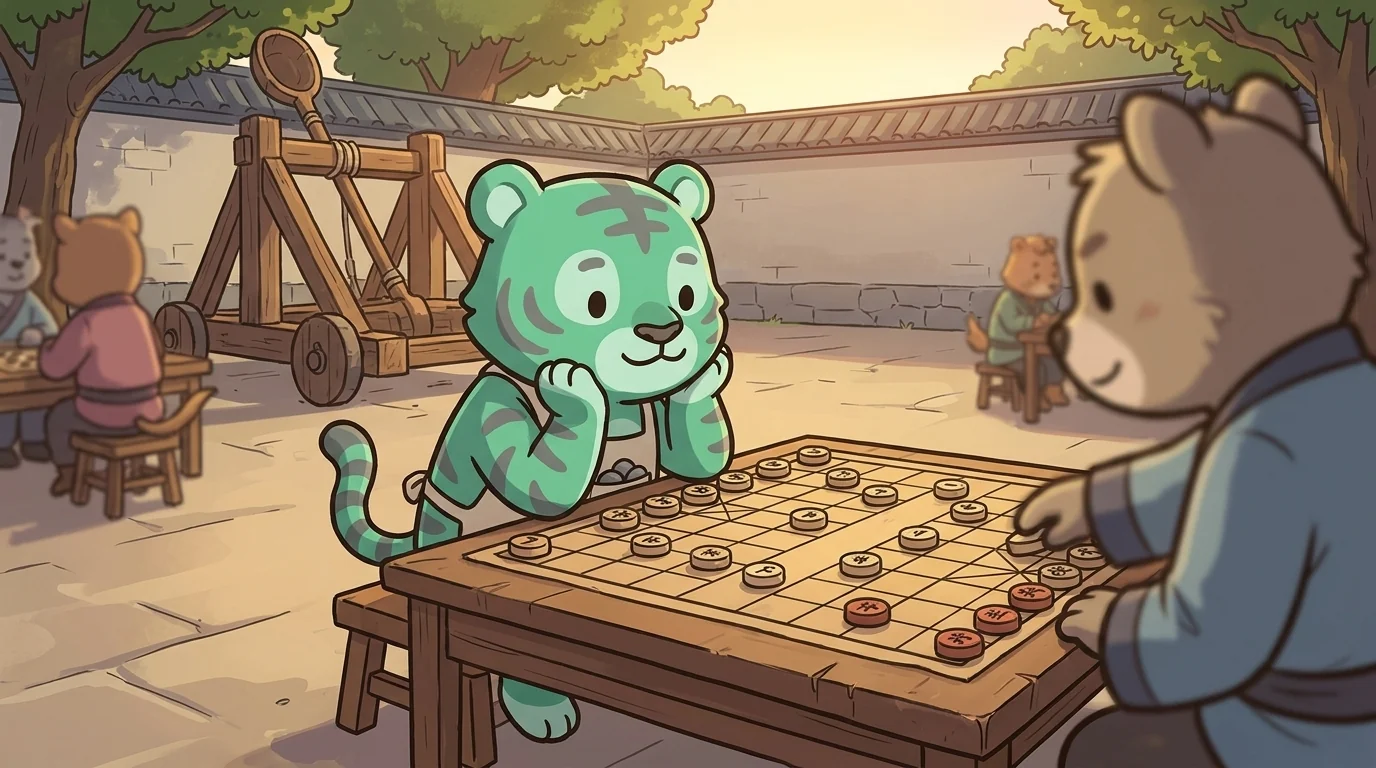
The courtyard hall was quiet, filled with the dry click of wooden pieces against polished pine. Outside, a cold rain tapped on the roof above the old wooden catapult that stood under its own little shelter in the corner of the yard. Inside, nobody was rushing anymore. The middle of a long game always brought this kind of silence.
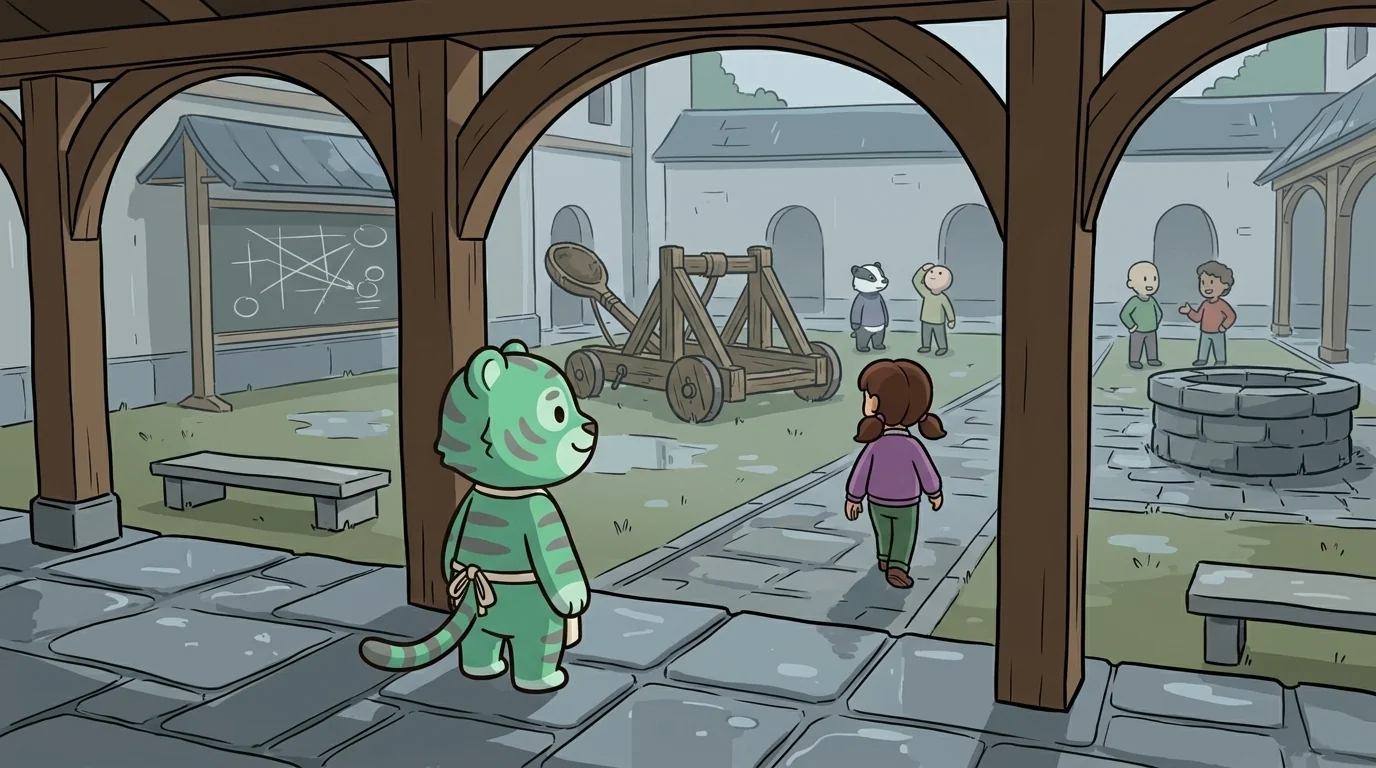
Pào sat with her chin resting in her paws, studying the nine-by-ten grid. She was small for a tiger cub, with jade-green fur and soft grey stripes, and she wore a canvas apron whose front pocket clicked with smooth river stones. She was the keeper of the catapult. She oiled its rope every morning and had never once fired it at anything, which was, she said, exactly the point. She did not look fierce. She looked like someone who was waiting.
Across the table, Knight Lu slid a soldier forward. He sat back with a confident little nod. Lu liked angles and sudden leaps; he thought he was building pressure toward her palace.
Pào had been waiting for that soldier for six moves.
"Thank you," she said, and Lu's ears flattened, because she said it so kindly.
She slid her cannon straight down the file. It vaulted over his soldier and landed on the horse standing behind it, lifting it off the board.
"You jumped my own piece," Lu said slowly.
"The cannon captures by jumping," Pào said. "Exactly one piece between it and the target. It doesn't matter whose. Your soldier was the screen, and you put it there yourself." She set the captured horse at the edge of the board, carefully, the way you set down something that mattered. "Nobody sees it the first time. That's not a flaw in you. It's how the cannon hides."
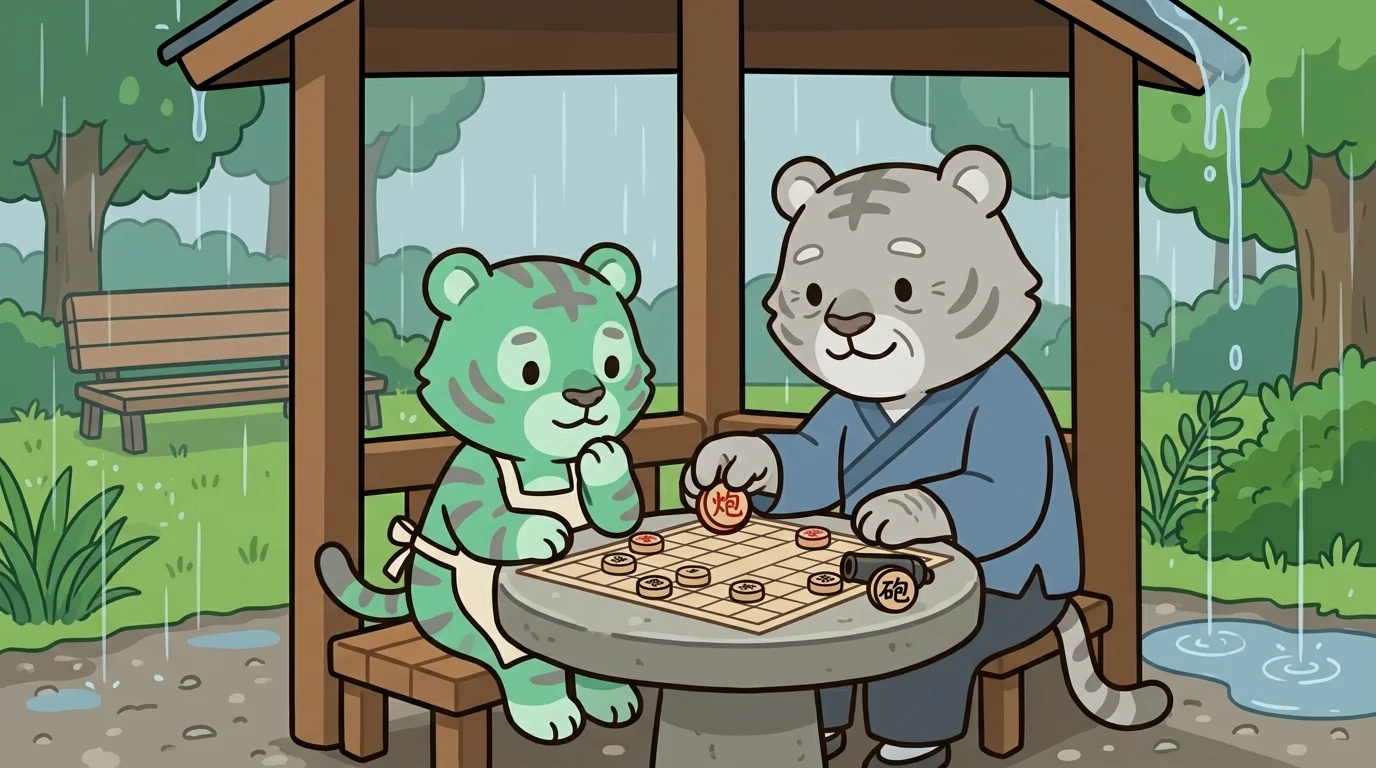
She had learned the cannon at her grandmother's stone table in the park, on an afternoon when the rain drummed on the shelter roof and the old men at the next table had given up and gone home.
Her grandmother played xiangqi without hurry and without showing off, and never for money, though strangers sometimes slid coins across the stone and asked her to play for them. She always slid the coins back. "The board is the prize," she would say.
Little Pào had watched for hours and understood almost nothing. Everyone said the cannon was the cleverest piece on the board. To her it looked like a chariot that couldn't make up its mind. "It moves in a line," she complained, "but it can't take anything in a line. That's broken."
Her grandmother didn't argue. She turned a red cannon over in her fingers and showed Pào the character carved on it: 炮. Then she turned a black cannon over: 砲.
"The same sound," she said. "Pào. Look at the left side."
On the red piece, a small shape like flames. On the black piece, a small shape like a stone.
"Long before gunpowder came to the battlefield, this piece was a catapult," her grandmother said. "It hurled stones. When people learned to make fire powder, the catapult became a cannon, and some boards changed the stone to fire. Many boards still keep both, one on each side, as if the game wants to remember."
Pào stared at the two pieces until the rain sounded different.
"A catapult," she said slowly, "doesn't hit what's right in front of it."
"No. It throws over the wall, and lands behind it." Her grandmother set three pieces in a line: a cannon, one piece in the middle, a target at the end. "Give it a wall to throw over, one wall, only one, and it reaches all the way. Give it nothing to throw over, and it can only walk. Give it two walls, and the stone falls short."
Pào tried it. She made the jump, and the far piece came away, and something in her chest went click, like a key turning in a door she hadn't known was locked.
"You felt that," said her grandmother.
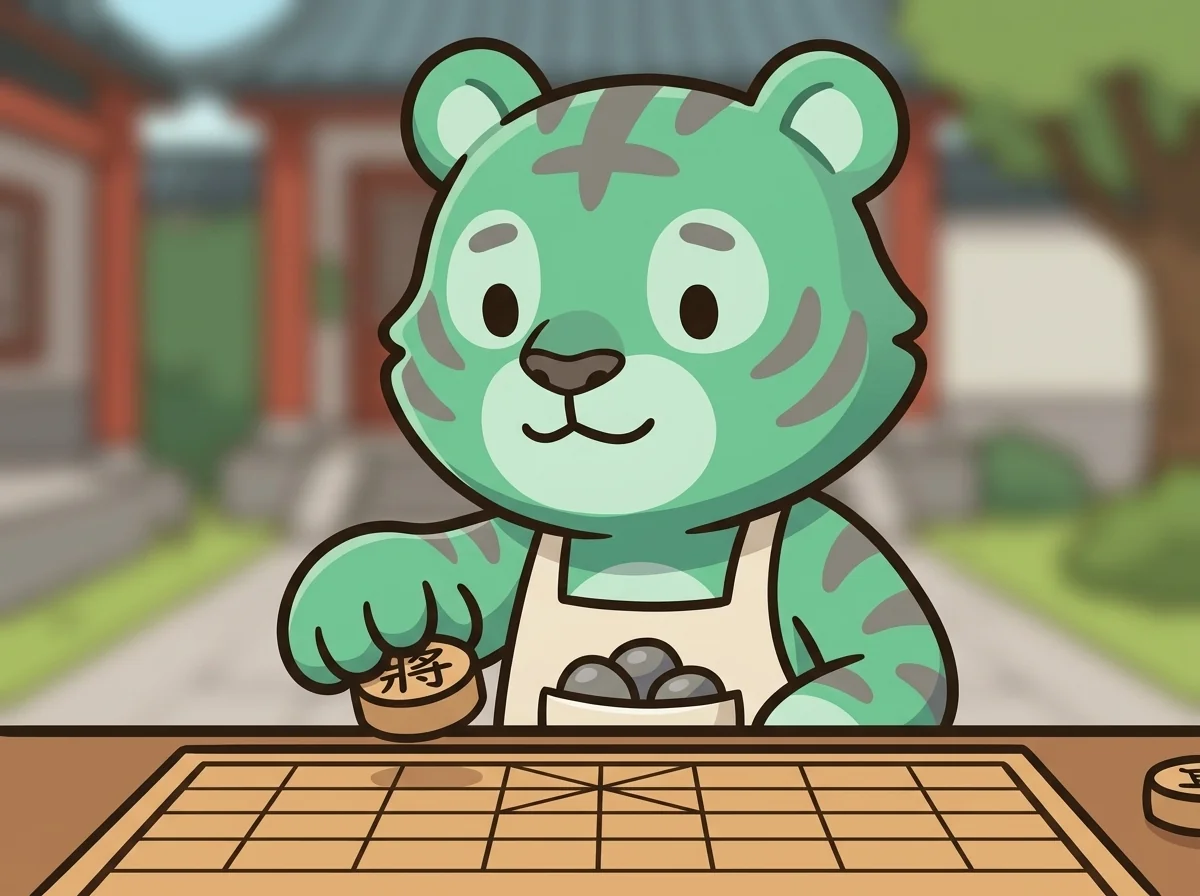
She came to the academy at twelve. General Mei, the mentor, did not test her strength. She set out a board and said only, "Show me the cannon."
Pào showed her all three worlds without a word. Open road: the cannon walks, but cannot strike. One screen: it strikes. Two screens: it is stopped. Then she did something Mei had not asked for. She swept most of the pieces off the board, leaving only a cannon, a general and a few lonely soldiers.
"Here it's weaker," Pào said. "With almost nothing left, there's almost nothing to throw over. At the start, when the board is crowded, the cannon is at its best. The fuller the board, the more doorways it has."
Mei raised an eyebrow. That was a thing many grown players took years to learn. "And the horse?"
"The opposite," Pào said. "The horse gets tangled in a crowd. It loves an empty board. So in the opening I keep my cannons, and in the ending I'd rather have horses."
"The catapult in the courtyard needs a keeper," Mei said at last. "I think it has found one."
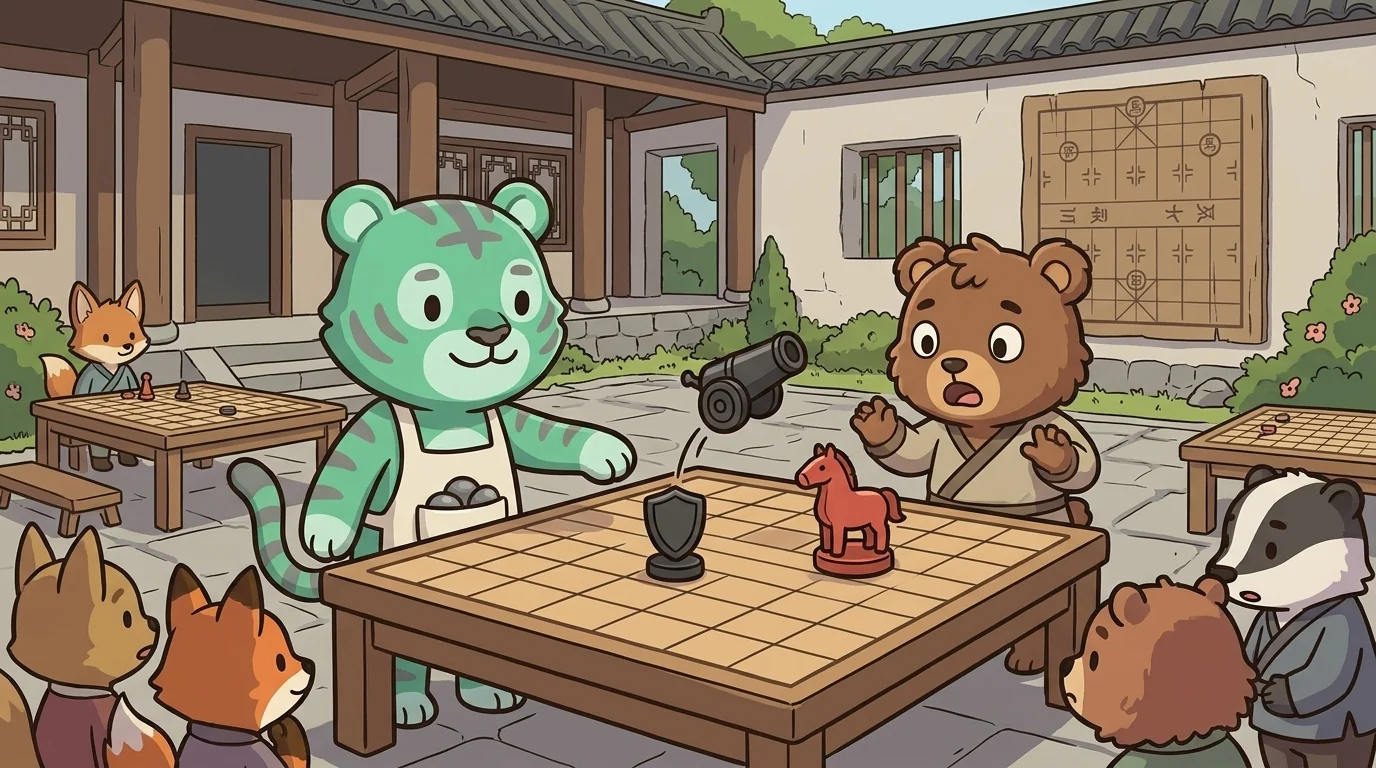
Her corner of the courtyard soon filled with students who believed the cannon was broken.
Chariot Che came by one afternoon, frowning, because Che believed in straight roads and clear power, and the cannon offended him. "It's a chariot with a rule against winning," he said.
"Set up your favourite attack," Pào said.
Che lined up his cannon at the back of a file, his chariot in front of it, and beyond them Pào's advisor, standing in front of her general. "There. My chariot can't get past your advisor. Stuck."
"Now step your chariot aside," Pào said.
Che shrugged and moved the chariot off the file. The cannon looked straight down the road. The first piece in its way was Pào's own advisor, and behind the advisor stood her general.
"Check," said Pào, before Che could say it. "My advisor is your screen now. A catapult doesn't care whose wall it throws over."
Che stared at the board as if his pieces had just spoken to him.
"So in a crowd," he said slowly, "everything on the line is a doorway."
"For the cannon, yes," said Pào. "For the chariot, everything on the line is a wall. Same board. Different eyes."
When the yard had emptied and the rain had softened, a younger student came back with a quiet question.
"When the cannon's just sitting there with nothing in front of it," she asked, "how do you know it's dangerous?"
Pào looked out at the old catapult under its shelter, its rope oiled, its arm still.
"You feel it before you see it," she said. "A loaded cannon is still, like standing very quiet in a noisy room because you've noticed the one thing that changes everything. It isn't doing nothing. It's waiting for a single piece to step into the gap." She smiled. "And the moment one does, the whole board tips."
The younger student nodded, and Pào watched her shoulders drop, and her hands loosen on the edge of the table, the way her own had, years ago, at a stone table in the rain.
Hear it as an audio drama
A short play starring Pào, from CannonTales. Different voices, same idea. Listen any time after you read.
Loading audio…
Read the drama script
- Narrator: From Spark and Anvil and CannonTales — this is Pào, in chapter 1 of the CannonTales cast.
- Narrator: This drama uses an AI-generated voice. Voiced via Gemini 2.5.
- Narrator: In the corner of the academy courtyard stands an old wooden catapult, under its own little roof. Its keeper is a small jade-green tiger cub named Pào.
- Narrator: Every morning she oils its rope. She has never once fired it at anything. That, she says, is exactly the point.
- Narrator: Today she sits at a xiangqi board, chin in her paws, very still, while across the table a boy pushes a soldier forward, pleased with himself.
- Pào: There it is. I've been waiting for that soldier for six moves.
- Narrator: She slides her cannon down the file. It leaps clean over his soldier, and lands on the horse standing behind it.
- Boy: Wait. You jumped over my own piece!
- Pào: The cannon captures by jumping. One piece in between, and then it strikes the one behind. Your soldier was the screen. You built it for me.
- Narrator: She learned that years ago, on a rainy afternoon, at her grandmother's stone table in the park.
- Grandmother: You think the cannon is broken, little one? Look at the pieces. Same sound, both of them. Pào. But see the left side.
- Grandmother: On the red one, a little fire. On the black one, a little stone. Long ago, this piece was a catapult. It threw stones.
- Pào: A catapult doesn't hit what's right in front of it.
- Grandmother: No. It throws over the wall, and lands behind it. One wall, and it reaches all the way. No wall, and it can only walk. Two walls, and the stone falls short.
- Narrator: Little Pào tried it. She made the jump. The far piece came away, and something in her chest went click, like a key turning.
- Narrator: Now the boy looks at the board for a long time.
- Boy: When there's nothing in the way, how do you know the cannon is still dangerous?
- Pào: You feel it before you see it. A loaded cannon is still. It's waiting for one piece to step into the gap.
- Narrator: Out in the courtyard, the old catapult waits too, its rope oiled, its arm still. One screen. One jump. And the whole board tips.
- Narrator: You've been listening to a Spark and Anvil chapter, written by the Spark and Anvil writing team for ages 9 to 14.
- Narrator: Spark and Anvil is a non-profit, 501(c)(3) pending. Apps stay free forever.
- Narrator: Curriculum aligned to Common Core and Next Generation Science Standards.
- Narrator: Released under Creative Commons BY-NC-SA 4.0 for educational reuse. Visit Spark and Anvil for the full transcript.
The CannonTales ensemble
Pào is one of the friends in CannonTales. Each friend shows you one idea by how they act; meet them all and you have the whole subject.
-

Elephant Wei
The elephant — two points on a diagonal, never across the river, and stopped when the point between is blocked
-

Knight Lu
Knight-jump tactical maneuver
-

Soldier Jin
Forward-advancing infantry — pawn structure
-
Advisor Shi
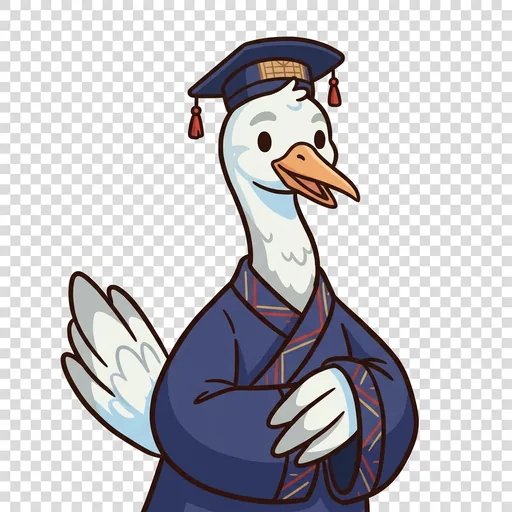
The advisor — palace-bound diagonal guard who never leaves the General
-

Chariot Che
The chariot — straight-line power that sweeps the whole open file
-

Marshal Shuai
The General piece — the calm center the whole game protects
-
Palace Gong
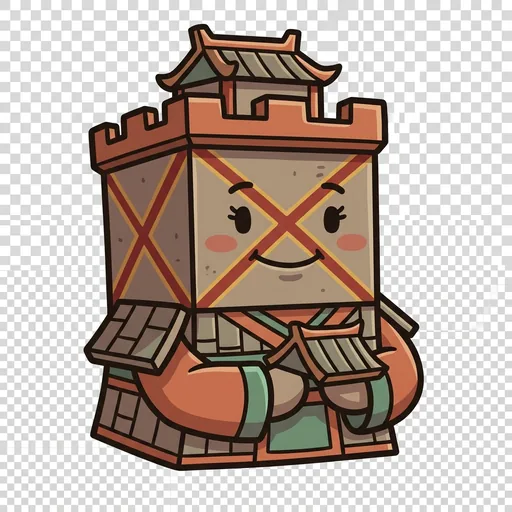
The palace — the fortress home that shelters the General and advisors
-
River Chu
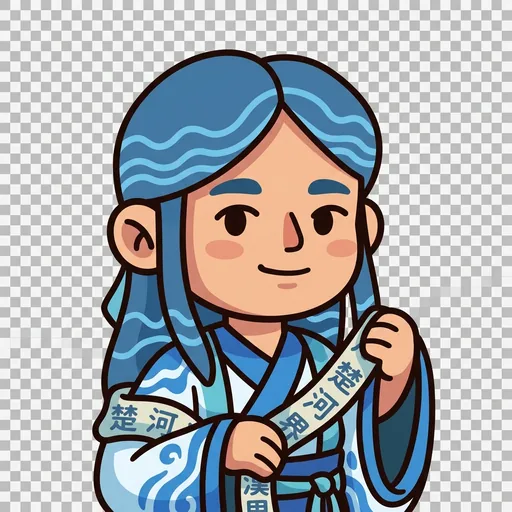
The central river — the boundary that divides the board and transforms soldiers who cross it
-

Sightline
The flying-General rule — the watcher of the invisible line between the two Generals