Turn
BRIDGE
Loading audio…
Press play to listen along. The line being read lights up as you go.
Show full transcript
Loading transcript…
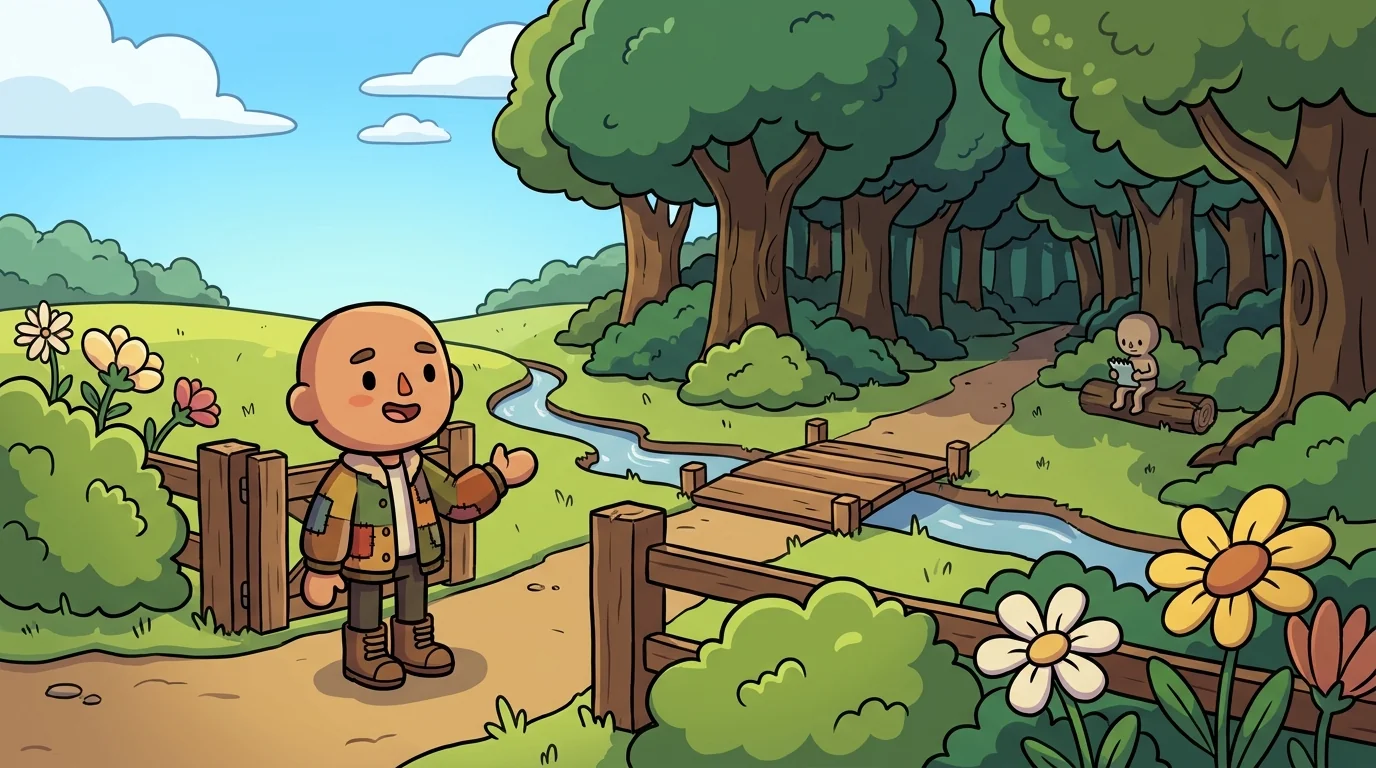
Pip met Turn on the meadow's far edge, where the path turned into the woods.
Pip had been fifteen years old. He had been writing songs competently for years now — rhyme, meter, hook all working — but he had been frustrated by one specific pattern. His songs were uniform in feeling. If a song was happy, it stayed happy. If it was sad, it stayed sad. He could not find a way to deepen the song's emotional arc without abandoning the original feeling. His songs were, by his own assessment, emotionally flat even when the surface was correct.
He had wandered to the meadow's far edge looking for new ideas. He had sat down at the edge of the woods. He had not been thinking clearly. He had been waiting.
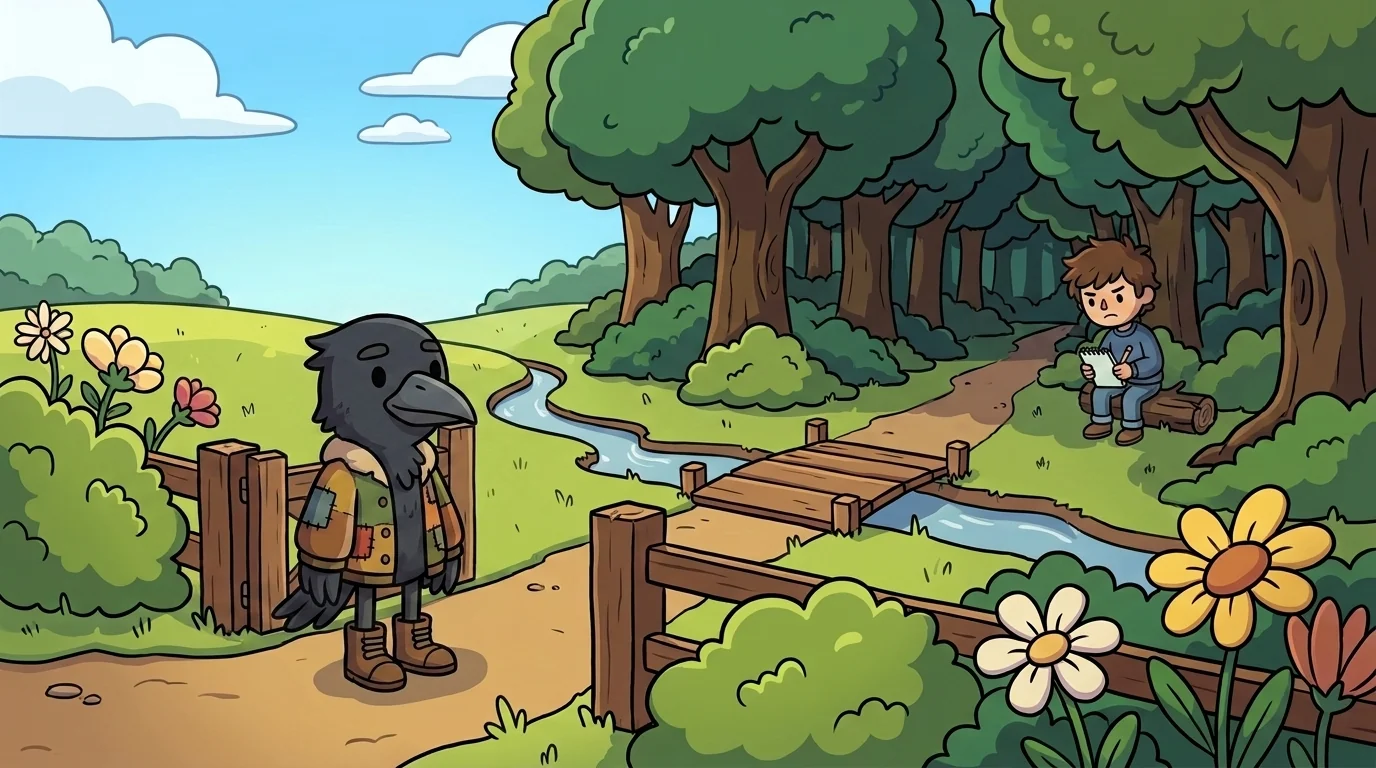
Turn had walked out of the woods.
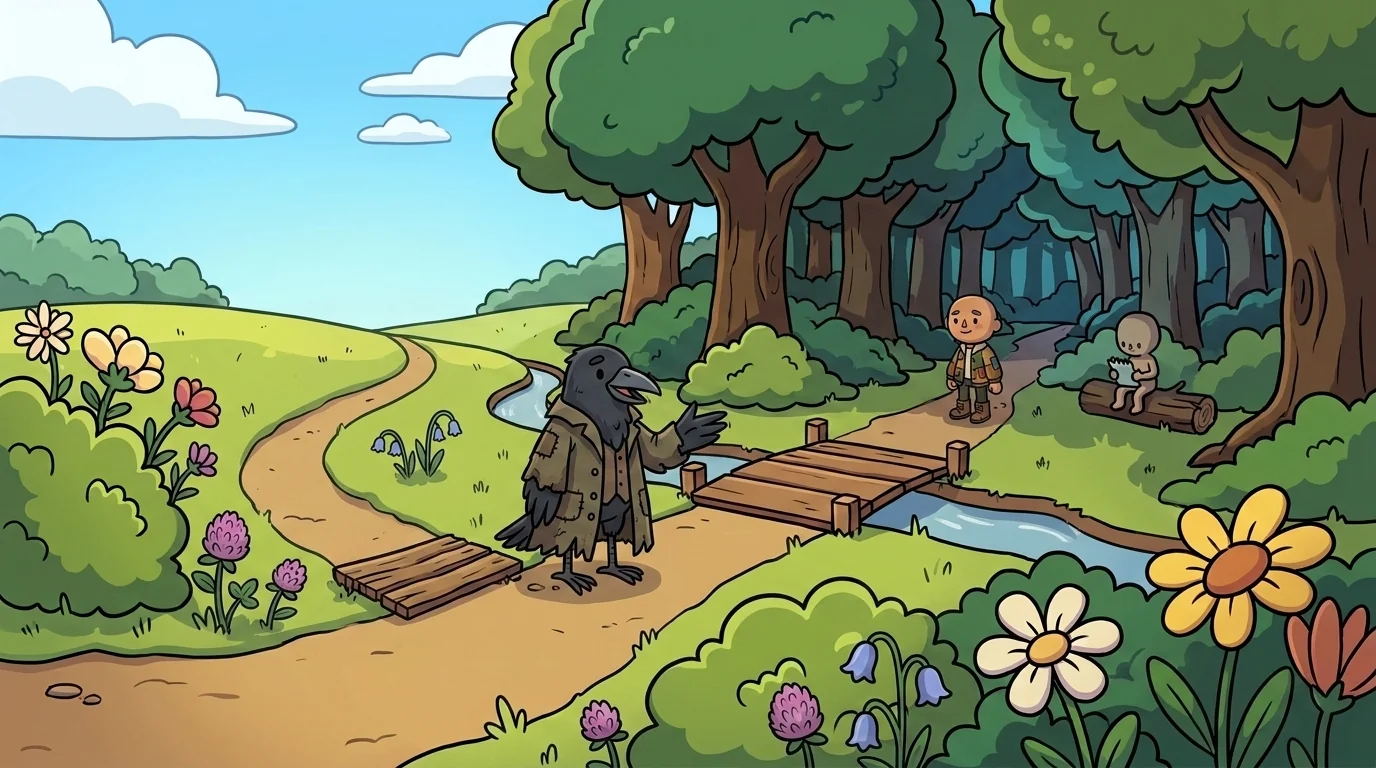
Turn — a crow-tween in a long traveling coat — had been coming back from somewhere. (Pip would later learn that Turn was, even as a tween, the meadow's traveler. He left the meadow regularly. He visited nearby valleys, distant fields, the occasional far-away forest. He came back. He brought back stories and small objects and songs from other places. This was, in the meadow's casual economy, Turn's role.) Turn had nodded at Pip. He had said: "You look stuck."
Pip — who had heard this same observation from Holler two years before — had said: "Yes."
Turn had sat down beside him. He had said: "Tell me the problem."
Pip had explained. The songs were emotionally flat. They started in one feeling and stayed there. He did not know how to deepen the feeling.
Turn had been quiet for a moment. Then he had said: "Have you tried walking off the path?"
Pip had said: "What?"
Turn had said: "When I travel, I walk a path from the meadow to somewhere else. But the most interesting parts of my travels — the parts I write songs about, when I write — are not the parts on the path. They are the parts where I step off the path into a side-valley or a different field or a small unexpected place. I see something I would not have seen on the path. I bring it back. The bringing-back is the return. The return is what makes the journey mean something. You start on the path. You step off. You see something new. You come back. The coming-back is richer than if you had never stepped off."
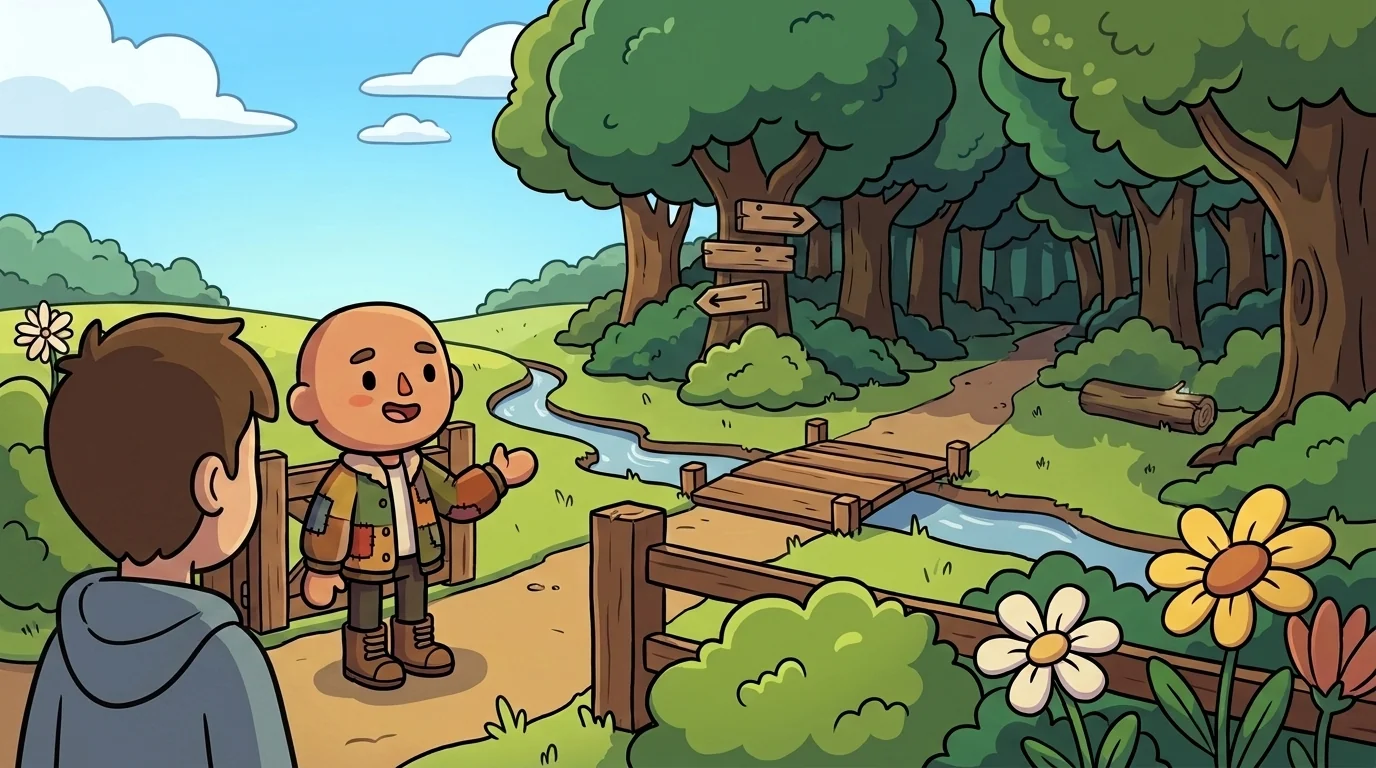
Pip had said: "That is the bridge."
Turn had said: "In a song? Yes — I think so. I do not write many songs. But I think the song-bridge does what my off-path-walks do. You start in the song's main feeling. The bridge walks the listener off the path into a different feeling. Then the song returns to the chorus with that other feeling carried back. The return is deeper than if you had never bridged."
Pip had thought about this for several days. Then he had written a new song. The song had been a happy song about a summer afternoon. The bridge had been a brief sad reflection about how summer afternoons end. The song had then returned to the chorus — but the chorus, the third time through, had been bittersweet rather than purely happy. The sadness from the bridge had been carried back into the final chorus. The song had been — Pip had realized — much more affecting than his previous flat-happy songs.
The bridge had deepened the song.
Pip had become a committed bridge-user from that song forward. Turn taught him the basic move (depart from the main feeling, see a different feeling, return with both) and the common bridge patterns (departure-melody, departure-key, departure-narrator). Pip's songs from age fifteen forward have, almost without exception, included bridges.
In Pip's introductory lesson on bridges, he gestures at Turn — who is, as always, wearing his long traveling coat — and says: "This is Turn. He taught me that the song-bridge is an off-path walk. You step off the main feeling. You see something different. You return. The song is deeper for the departure."
Turn nods. He tips his beak slightly. He says — in his thoughtful crow-voice — "The bridge walks you off-path. Earn the return."
When students ask Pip whether bridges are hard to write, Pip says — quoting Turn — "They are not hard. They are departures-with-return. Start in your main feeling. Step off. See a different feeling. Come back. Carry the other feeling with you. The return is the song."
Hear it as an audio drama
A short play starring Turn, from LyricForge. Different voices, same idea. Listen any time after you read.
Loading audio…
Read the drama script
- Narrator: From Spark and Anvil and LyricForge — this is Turn, in chapter 1 of the LyricForge cast.
- Narrator: This drama uses an AI-generated voice. Voiced via Gemini 2.5.
- Narrator: Turn is a crow-tween in a long, dark traveling coat. He emerges from the shadows where the path disappears.
- Narrator: He carries himself with a quiet, observant air, his coat billowing slightly as he moves.
- Turn: I am Turn. I am the part of the song that walks somewhere new for a little while.
- Narrator: A musical bridge is a transition. It departs from the main feeling to explore another.
- Turn: A song needs a journey. My job is to build a short path away from the main road.
- Turn: This departure makes the return to the chorus feel earned. It makes it feel like coming home.
- Narrator: A songwriter named Pip was stuck. His happy songs were only happy; his sad songs were only sad.
- Narrator: Turn learned his purpose long ago from an old oak. The oak asked him one simple question.
- Old Oak: How does a simple path become a true journey for the heart?
- Turn: It must build a bridge. It must depart for a moment to earn its return home.
- Old Oak: Then you are the keeper of that turn.
- Narrator: A departure. A return. That is the turn that gives a song its depth.
- Narrator: You've been listening to a Spark and Anvil chapter, written by the Spark and Anvil writing team for ages 9 to 14.
- Narrator: Apps stay free forever.
- Narrator: Curriculum aligned to Common Core English Language Arts.
- Narrator: Released under Creative Commons BY-NC-SA 4.0 for educational reuse. Visit Spark and Anvil for the full transcript.
More stories with Turn
Another short audio story about Turn. Open one when you are ready.
Crow traveling coat
Loading audio…
Read the script
- Narrator: From Spark and Anvil and LyricForge — this is Pip, in chapter 1 of the LyricForge cast.
- Narrator: This drama uses an AI-generated voice. Voiced via Gemini 2.5.
- Narrator: Pip met Turn on the meadow's far edge, where the path turned into the woods.
- Narrator: Pip had been fifteen years old. He had been writing songs competently for years now. Rhyme, meter, hook — all working. But he had been frustrated by one specific pattern.
- Pip: My songs were uniform in feeling. If a song was happy, it stayed happy. If it was sad, it stayed sad. I could not find a way to deepen the song's emotional arc without abandoning the original feeling. My songs were emotionally flat even when the surface was correct.
- Narrator: He had wandered to the meadow's far edge looking for new ideas. He had sat down at the edge of the woods. He had not been thinking clearly. He had been waiting.
- Narrator: Turn had walked out of the woods.
- Narrator: Turn was a small crow in a traveling coat. The coat was dark blue, slightly worn at the cuffs, with a small inside pocket where Turn kept folded scraps of paper. The scraps had partial song-lyrics on them — songs that had not yet decided how to end.
- Turn: I had walked out of the woods because I had heard Pip muttering. He had been muttering the same chorus over and over. He could not get past it. I knew what was missing.
- Narrator: Turn had sat down beside Pip on the grass. Turn had not said anything for a while. Then Turn had said:
- Turn: Your song stays where it started. You need a bridge.
- Pip: A bridge?
- Turn: A bridge is the section of the song that walks the lyric into a new feeling. Then walks it back. The new feeling makes the return to the chorus mean more than it did the first time.
- Narrator: Pip had not understood at first.
- Turn: Think of the song as a journey. The verse sets the scene. The chorus is the main statement. After the second chorus, the listener has heard the main statement twice. If you go to it again, it is no longer interesting. So — you leave the path. You go into the woods. That is the bridge.
- Turn: In the bridge, you walk the lyric somewhere new. A different perspective. A doubt. A small grief. A turn of light. The bridge is allowed to feel different from the rest of the song. It is the place where the song takes a breath of new air.
- Turn: Then you return. The chorus comes back. But the chorus is now heard through the bridge's new feeling. The return earns its weight. The song deepens.
- Narrator: Pip had thought about this for a long time. He had pulled out his small notebook. He had written down what Turn said. The next song he wrote had a bridge. The bridge had walked the lyric into a different feeling and walked it back. The return-to-chorus had felt like coming home from somewhere.
- Pip: I had understood, finally, what had been missing. My songs needed the departure-and-return. The bridge.
- Narrator: Turn has been Pip's teacher of bridges for many years now. Whenever Pip is writing a song that feels emotionally flat, Turn appears at the edge of his workspace, traveling-coat slightly worn, and says the same thing.
- Turn: The bridge is the song's depth. The departure earns the return. Walk the lyric somewhere new. Then walk it home. The home will mean more for the leaving.
- Narrator: You've been listening to a Spark and Anvil chapter, written by the Spark and Anvil writing team for ages 9 to 14.
- Narrator: Apps stay free forever.
- Narrator: Curriculum aligned to Common Core English Language Arts.
- Narrator: Released under Creative Commons BY-NC-SA 4.0 for educational reuse. Visit Spark and Anvil for the full transcript.
The LyricForge ensemble
Turn is one of the friends in LyricForge. Each friend shows you one idea by how they act; meet them all and you have the whole subject.
-
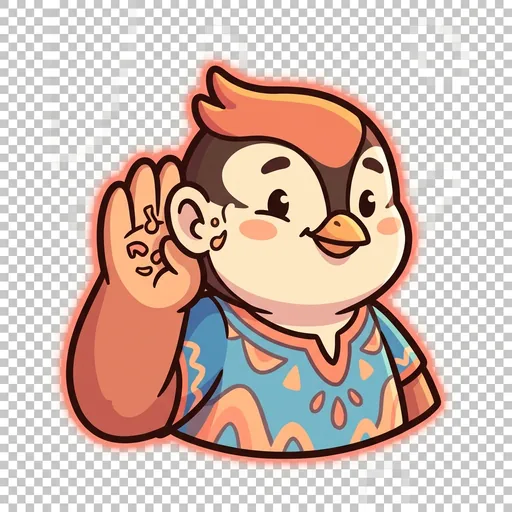
Chime
Rhyme / vowel-echo — chickadee whose listening-cupped wing catches and returns rhyming partners
-
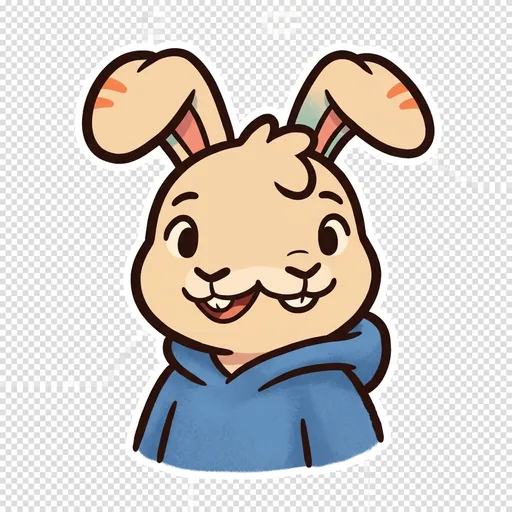
Step
Meter / cadence — rabbit whose hop-rhythm enacts the stressed-syllable pattern
-
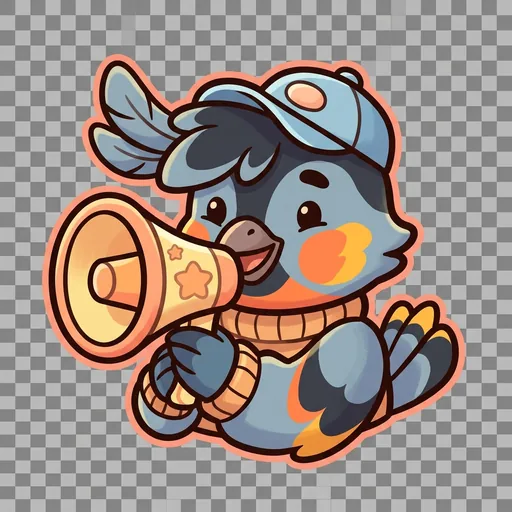
Holler
Hook / chorus anchor — bullfinch with megaphone who picks ONE line and makes it sing-back-loud
-

Spark
Image / sensory anchor — firefly whose abdomen brightens ONLY on specific concrete word-choices (dim on abstractions)
-
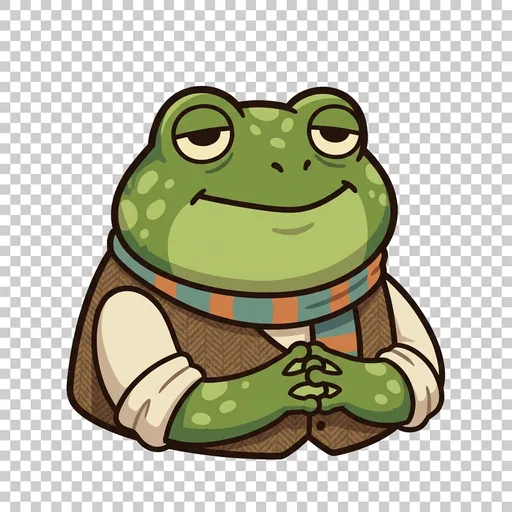
Groove
Rhythmic pocket — mellow toad who rides the beat just behind it; the same words can march or dance depending on where they sit against the groove
-
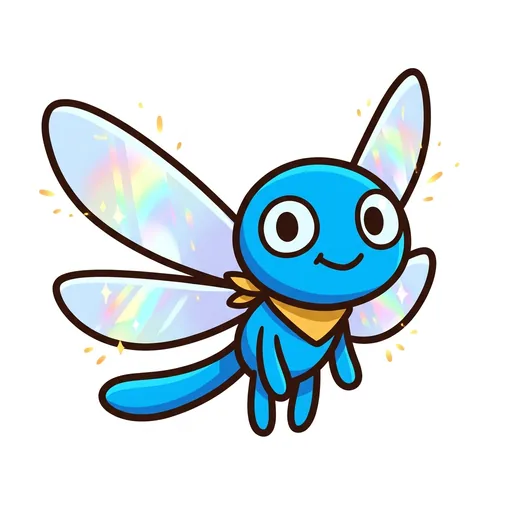
Zing
Wordplay — electric-blue dragonfly whose wings spark on a pun or double-meaning; clever-AND-true sparks, clever-for-its-own-sake falls flat
-
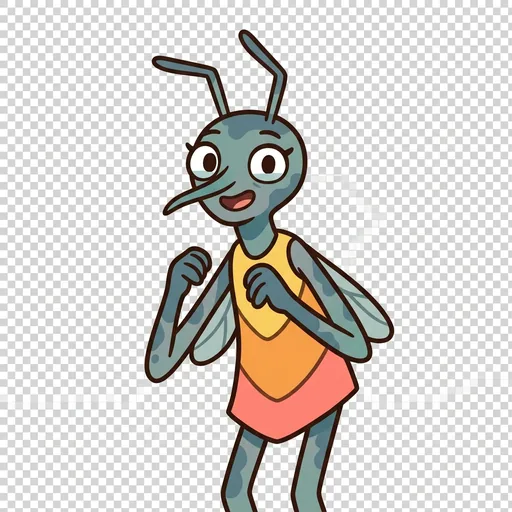
Lift
Pre-chorus build — long-legged crane-fly who rises onto her toes; the chorus only soars because she made you climb to it (the build is a promise the chorus keeps)
-

Belt
Singability — big-lunged frog with a wide-open throat; open vowels ring on long notes, tight consonant clusters strangle them (always sing it aloud)
-
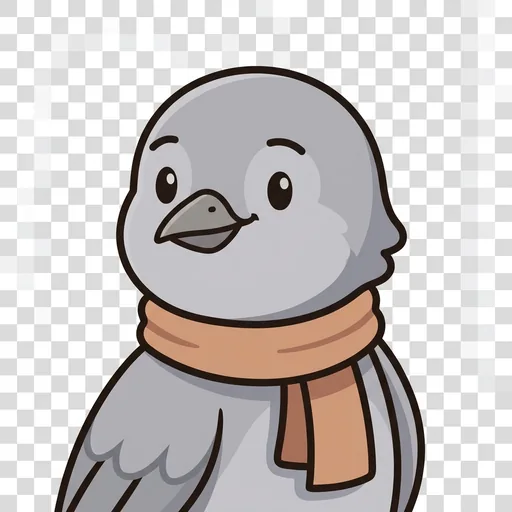
Croon
Sincerity — dove-grey nightingale who sings small true songs; all the other craft serves the one honest feeling underneath (one true feeling beats a hundred fake)
