
Thumb
ESTIMATION — measuring without a tool by comparing to CALIBRATED body-benchmarks you carry (thumb ≈ 1 cm, stride ≈ 1 m, arm-span ≈ height). Good estimation is a checked referent + fitness-for-purpose: an 'about' is only trustworthy once you've calibrated the ruler against a real one, and you escalate to an exact tool only when the decision is close. An unchecked referent is a wild guess; a checked one is estimation.
Loading audio…
Press play to listen along. The line being read lights up as you go.
Show full transcript
Loading transcript…
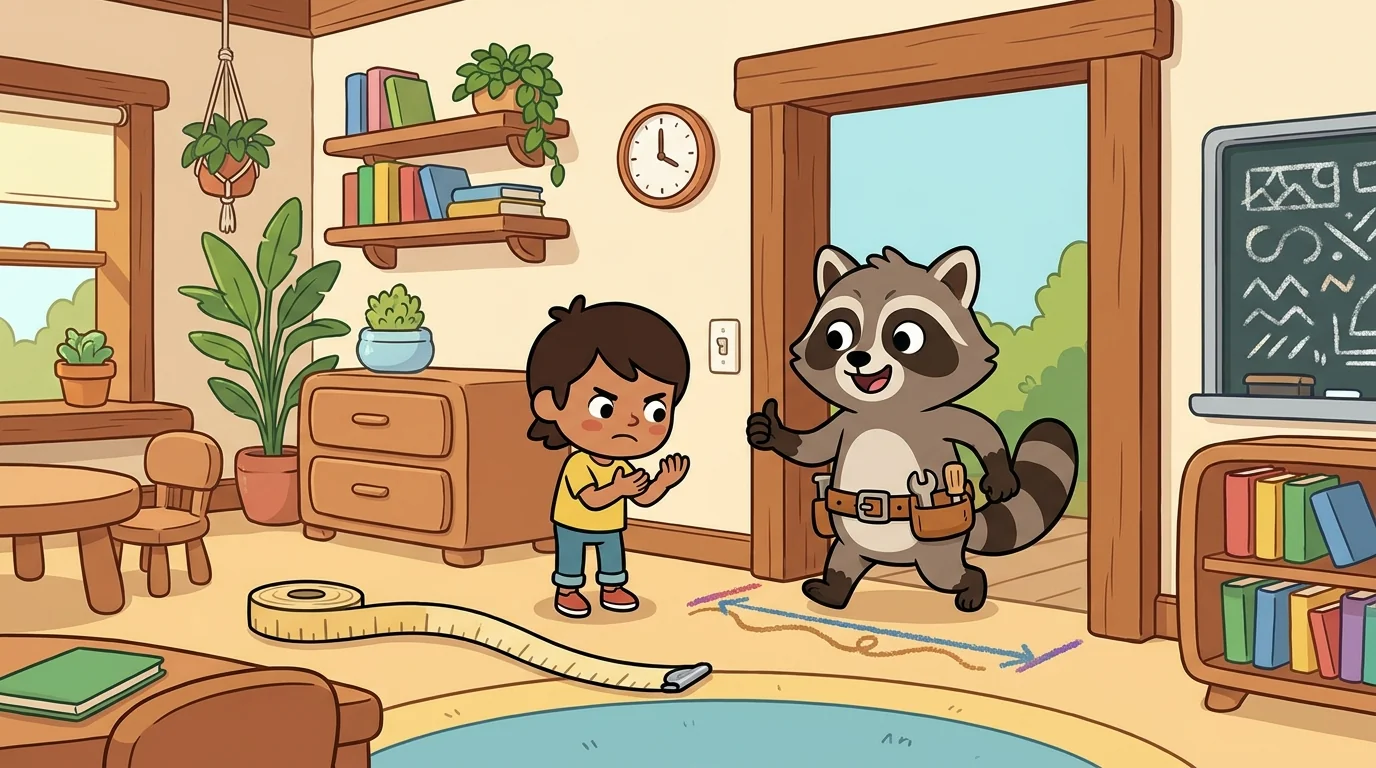
A student was stuck at a doorway with no ruler, about to give up on the whole measurement.
"I forgot my tape. I'll come back tomorrow."
"You brought your feet, didn't you?" said Thumb, ambling over on clever paws — a raccoon, quick-fingered, forever measuring things against bits of himself. "And your thumb, your arm-span, your stride. Those are rulers you carry. My thumb-tip to knuckle is about a centimeter. My stride, about a meter. My arm-span, about my own height. A whole toolbox I never pack."
The student looked at her hands. "But that's just guessing."
"It's estimating — honest guessing with a calibrated referent behind it," Thumb said. "That's the difference. A guess is a number from nowhere. An estimate is a number from a ruler you've checked against a real one and remembered its size. Watch." He strode the doorway. "One, two — about two meters. Not exactly; I'd want a tape for exactly. But 'about two meters' answers 'will the couch fit?' right now, for free. Match the precision to the decision: a good 'about' beats a perfect number you don't have."
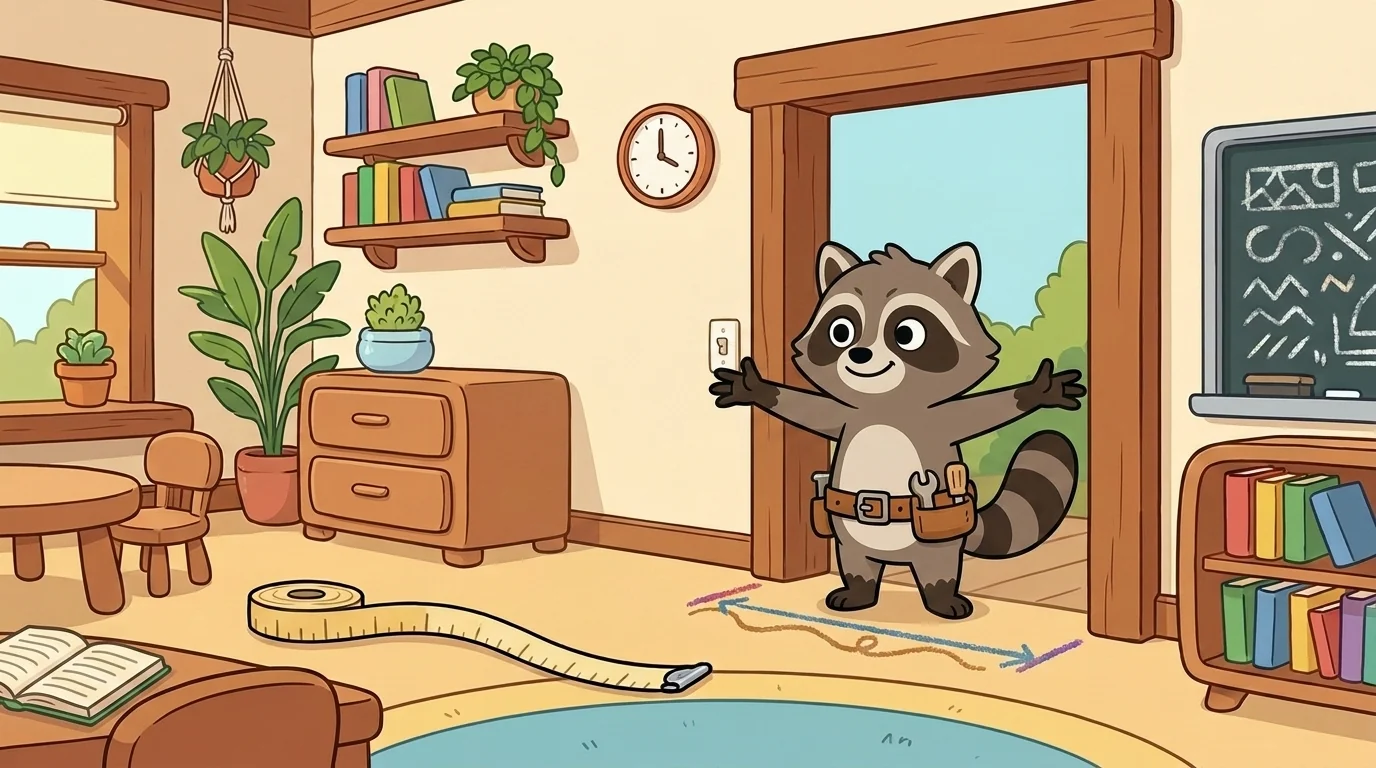
Thumb had learned to carry his rulers young, in a way that once fed a hungry camp.
His family were the scouts of MeasureQuest — raccoons, whose roving took them past where any tool would follow; lives leaned on their guesses being good. When Thumb was small, a scouting party hit a river at dusk arguing whether it was "too wide." His grandfather held his thumb up at arm's length, blinked one eye then the other, watched his thumb jump against the far bank, and worked the little parallax trick of it. "About forty strides across. Wadeable at the shallows." Right, near enough, and they crossed dry before dark.
"A scout with no ruler still has rulers," his grandfather said. "Your body's full of them — if you know their sizes. The trick isn't carrying a tape. It's calibration: knowing your thumb, your stride, so 'about' is never wild." Small Thumb held it: estimation is measuring with the rulers you were born with, and it's only as good as how well you've checked them.
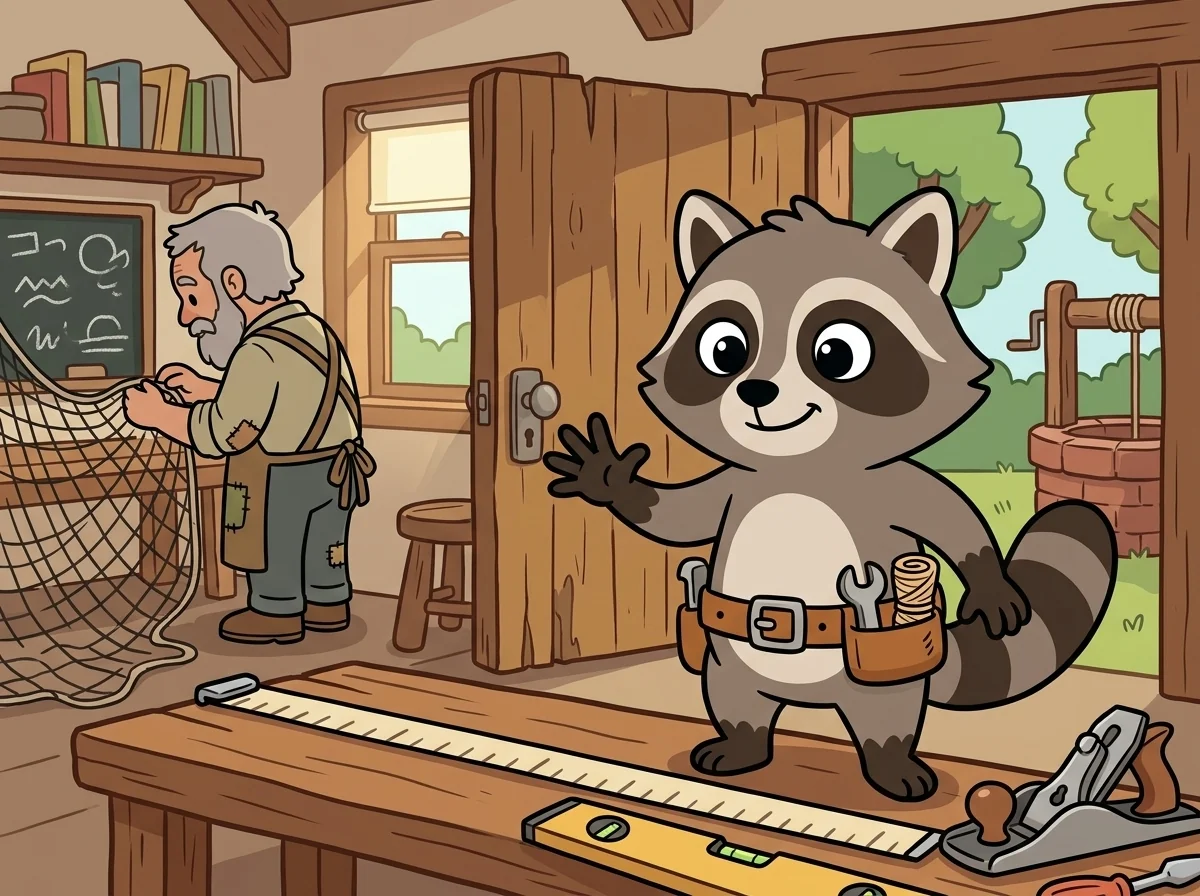
He rolled into MeasureQuest at twelve, and Yard hid the tools. "How wide's the bench? How tall's the door? How far the well? No tape — and tell me how you know."
Thumb didn't rush. He spanned the bench — "four hand-spans, my span's about twenty centimeters, so about eighty." He marked his height against the door — "a door and a bit, about two meters." He paced to the well — "eleven strides, about a meter each, about eleven meters." Three estimates, each pinned to a checked referent.
Yard looked up. "Most kids freeze without a tool or guess wild. You measured with your own calibrated body and named which ruler you used. Sit down. You've got the craft."
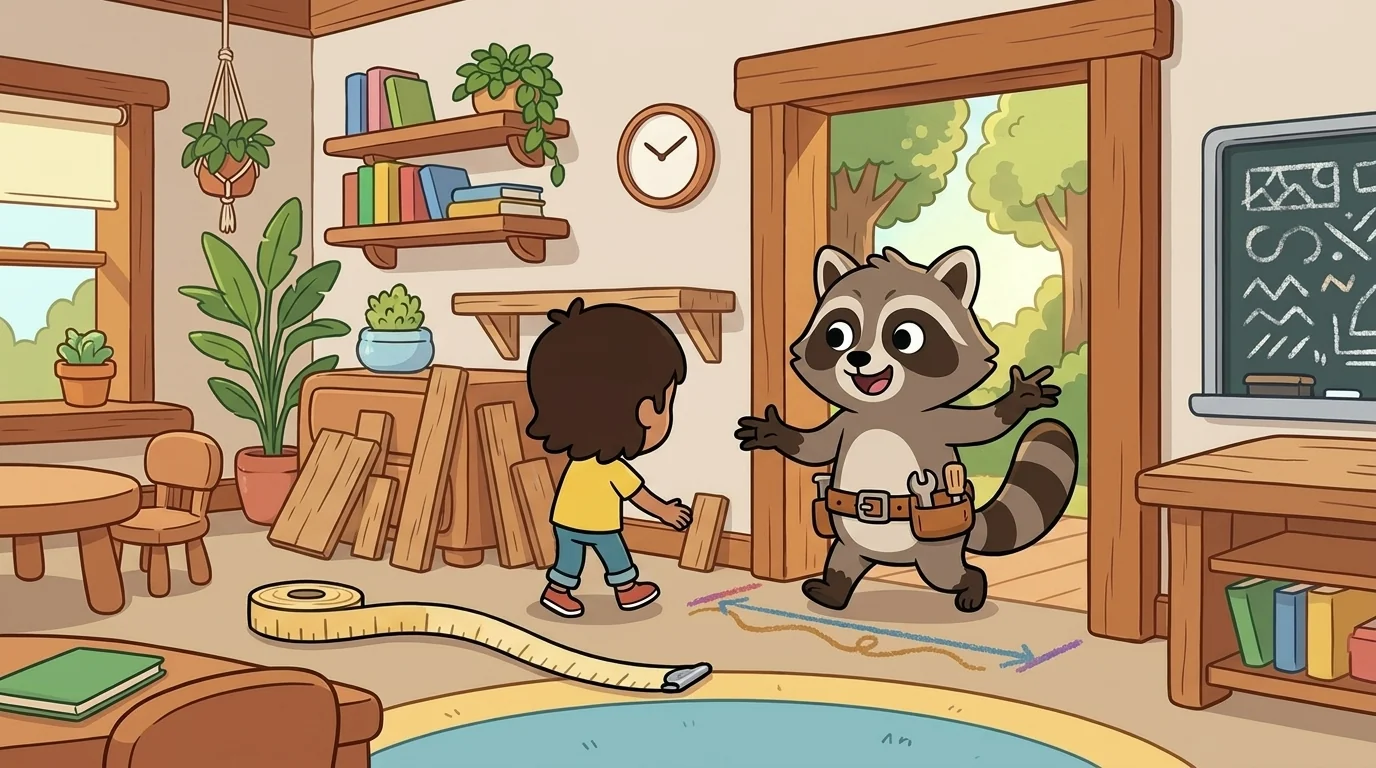
Weeks later, Pip needed to know if a shelf would fit a wall, no tape in sight.
"No tape? No problem," Thumb said, spreading his paws. "Thumb, about a centimeter; span, about twenty; stride, about a meter — I know these because I checked them once against a real ruler and remembered. Watch." He paced the wall. "Two strides and a bit — about two and a half meters." He held up a paw. "Now, is that exact? No. If the shelf were almost the same width, I'd grab a real tape — because when the decision is close, 'about' isn't good enough. But the shelf's clearly shorter, so 'about two and a half' settles it: no tape, no trip, no waiting."
Pip tried a stride, wobbling. "But my stride isn't the same as yours."
"Exactly why you calibrate your own," Thumb said. "My ruler in your legs would be wrong. Measure your stride against a real tape once, remember it — now your body's a toolbox too." He caught her trusting an unchecked stride. "An uncalibrated ruler is just a wild guess. A calibrated one is estimation. Check your sizes, then say 'about' and mean it."
Pip walked the wall in her freshly-checked strides. "So a good guess isn't lazy — it's knowing my own rulers by heart, and knowing when 'about' is enough."
"Now you've got it," Thumb said, whiskers twitching. "A confident 'about,' backed by a calibrated ruler, sized to the decision. That's not giving up on measuring. That's measuring with what you carry."
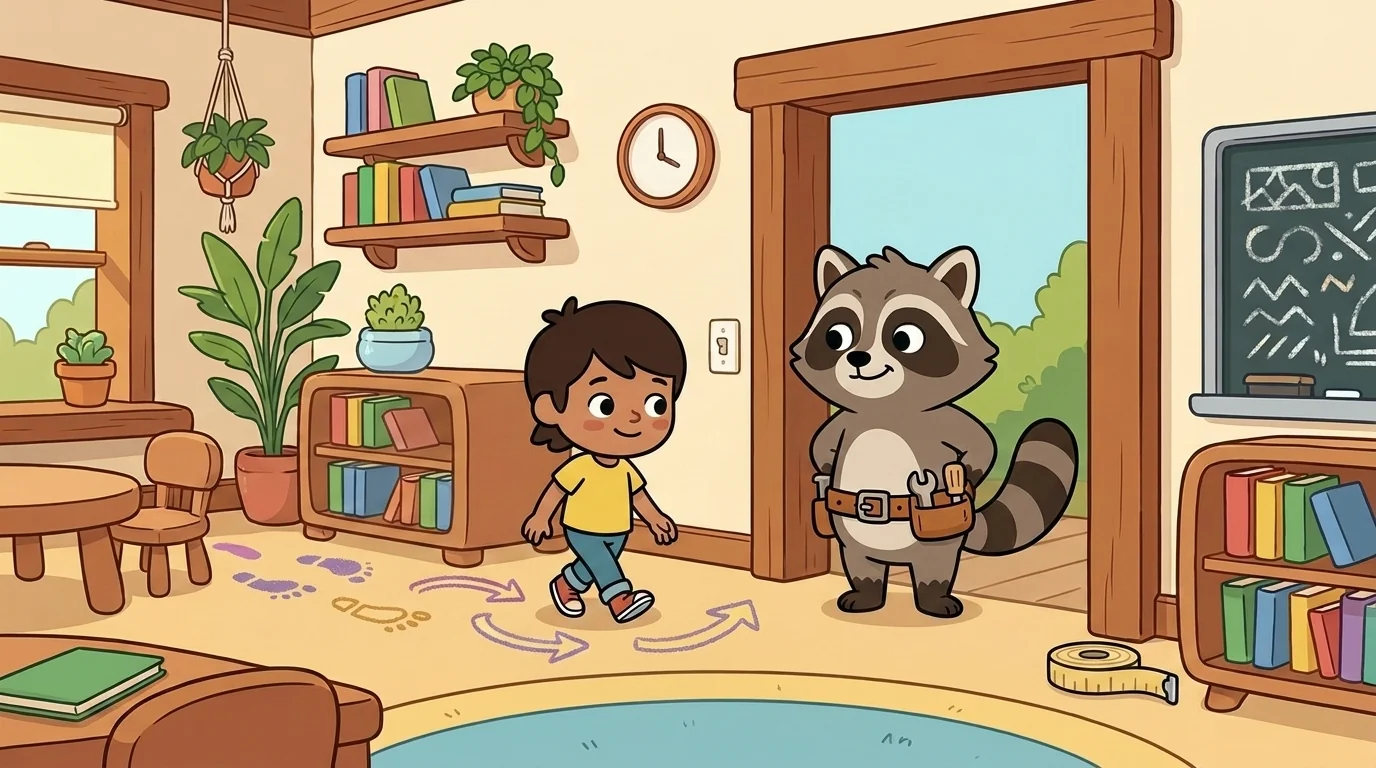
Pip paced the wall once more and said "about two and a half meters" — a good honest guess she could stand behind, no tape needed — and there was a small settled feeling in her chest, the quiet confidence of an "about" she'd earned.
Thumb tucked his clever paws behind his back and let out a contented chitter — the ease of a creature who'd spent his life carrying a full toolbox he never had to pack. Somewhere in the memory of it, a scouting party crossed a river dry before dark.
"Calibrate your own rulers, then say 'about' and mean it," he said softly. "You're never without a tool — you are the tool. That's the calm part. That's the part worth pacing out."
The MeasureQuest ensemble
Thumb is part of MeasureQuest's distributed-narrative cast. Each character embodies a different curricular primitive; together they teach the full subject.
-

Rod
Linear measurement — length and perimeter (1D extent)
-

Tile
Area — 2D coverage (square units)
-

Cup
Volume and capacity — 3D space (cubic units, liquid measures)
-
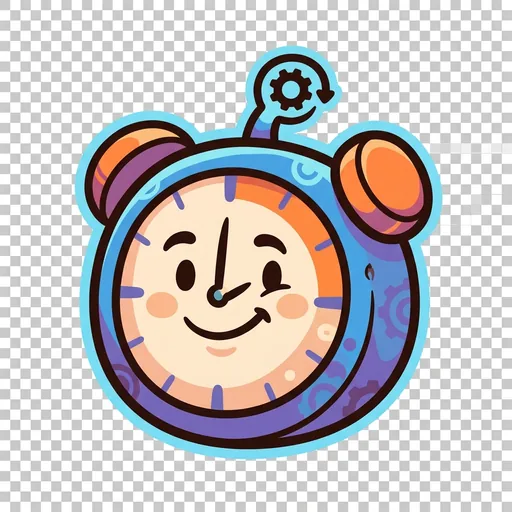
Tick
Time — elapsed duration, intervals, and the special-case unit-system (60 / 60 / 24 / 7 / 12)
-
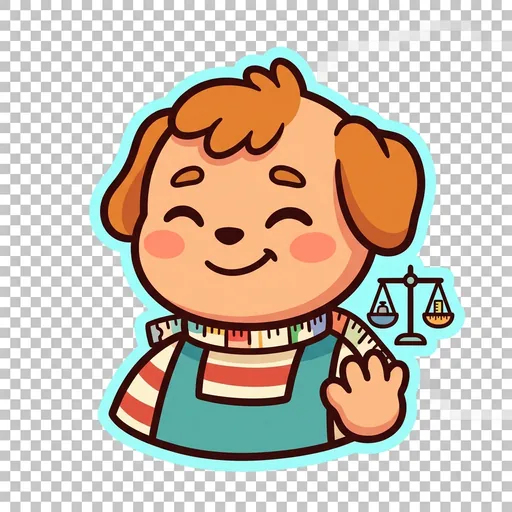
Pace
Unit conversion — translating between metric and customary systems
-
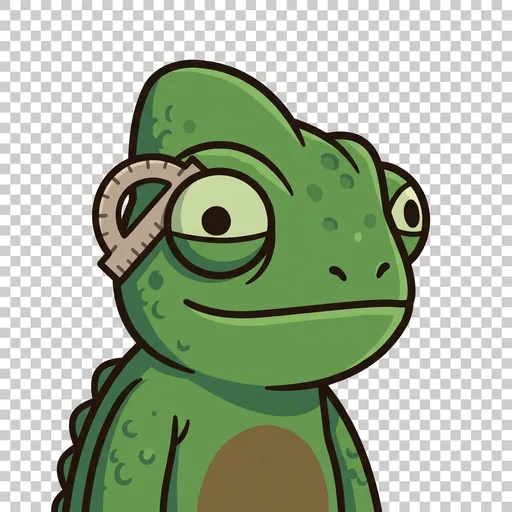
Bevel
Angle — how much a turn, not how long a line; measured in degrees on a protractor
-
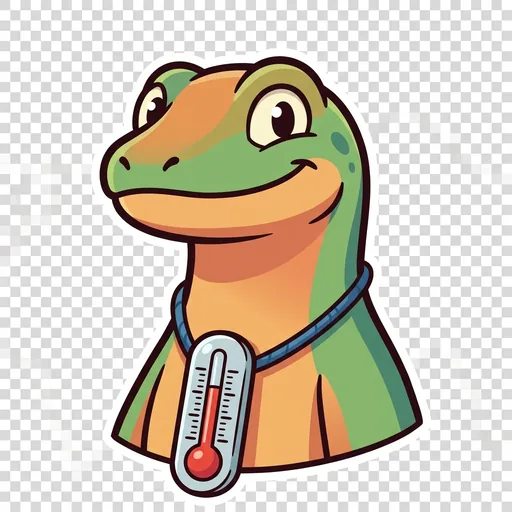
Degree
Temperature — how hot or cold, read off a thermometer; the scale (Celsius/Fahrenheit) you pick matters
-
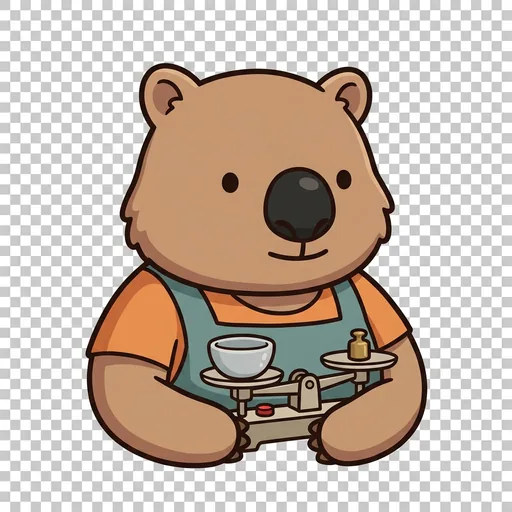
Tare
Mass and weight — how much stuff there is; grams and kilograms read on a balance
-
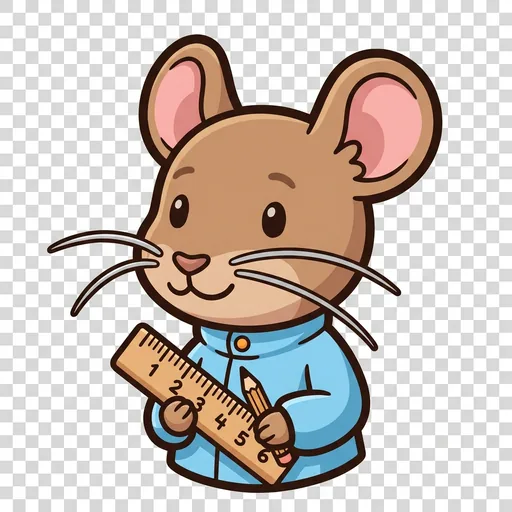
Whisker
Uncertainty — no measurement is exact; every real number carries a give-or-take (plus or minus)