
Darn
EVERYDAY REPAIR — most friendships don't break, they tear a little; a small honest repair, done soon, keeps the small tear from becoming a big hole.
Loading audio…
Press play to listen along. The line being read lights up as you go.
Show full transcript
Loading transcript…
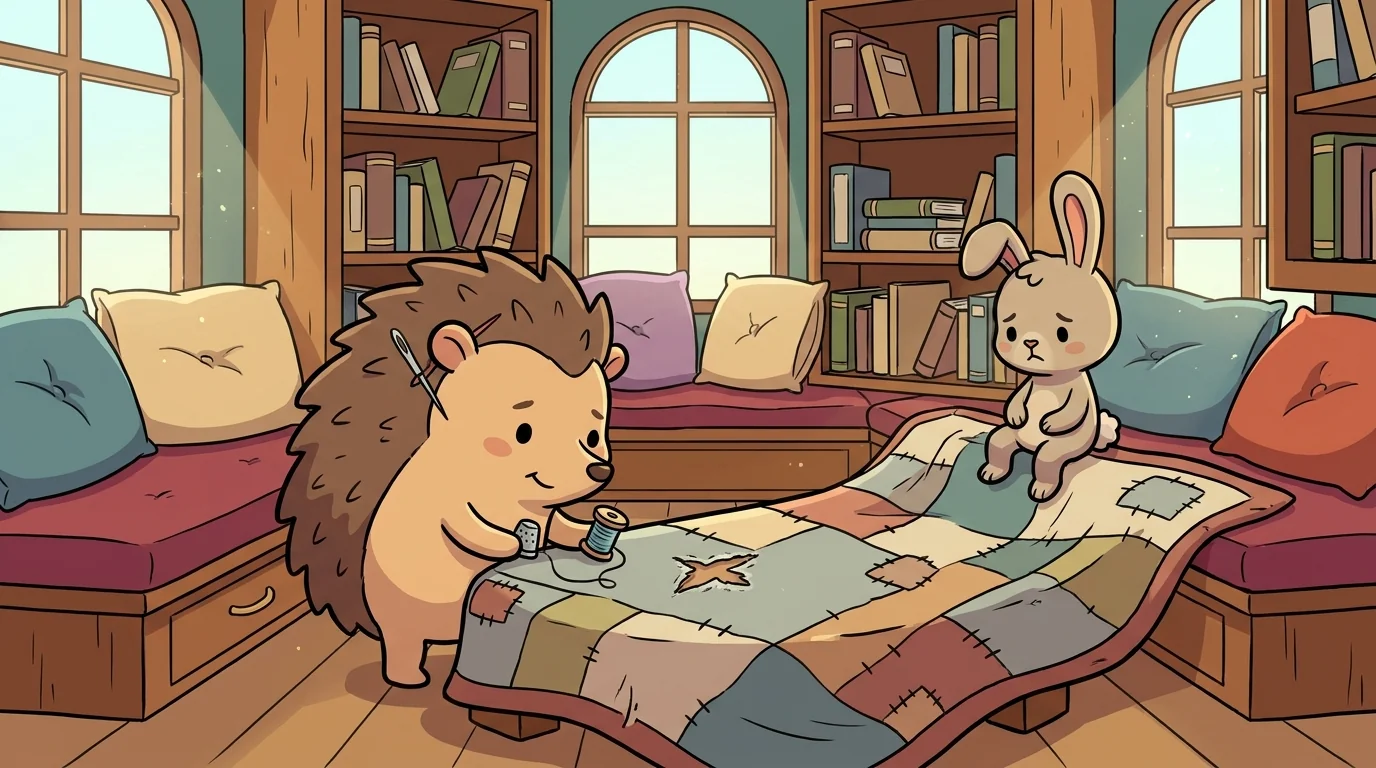
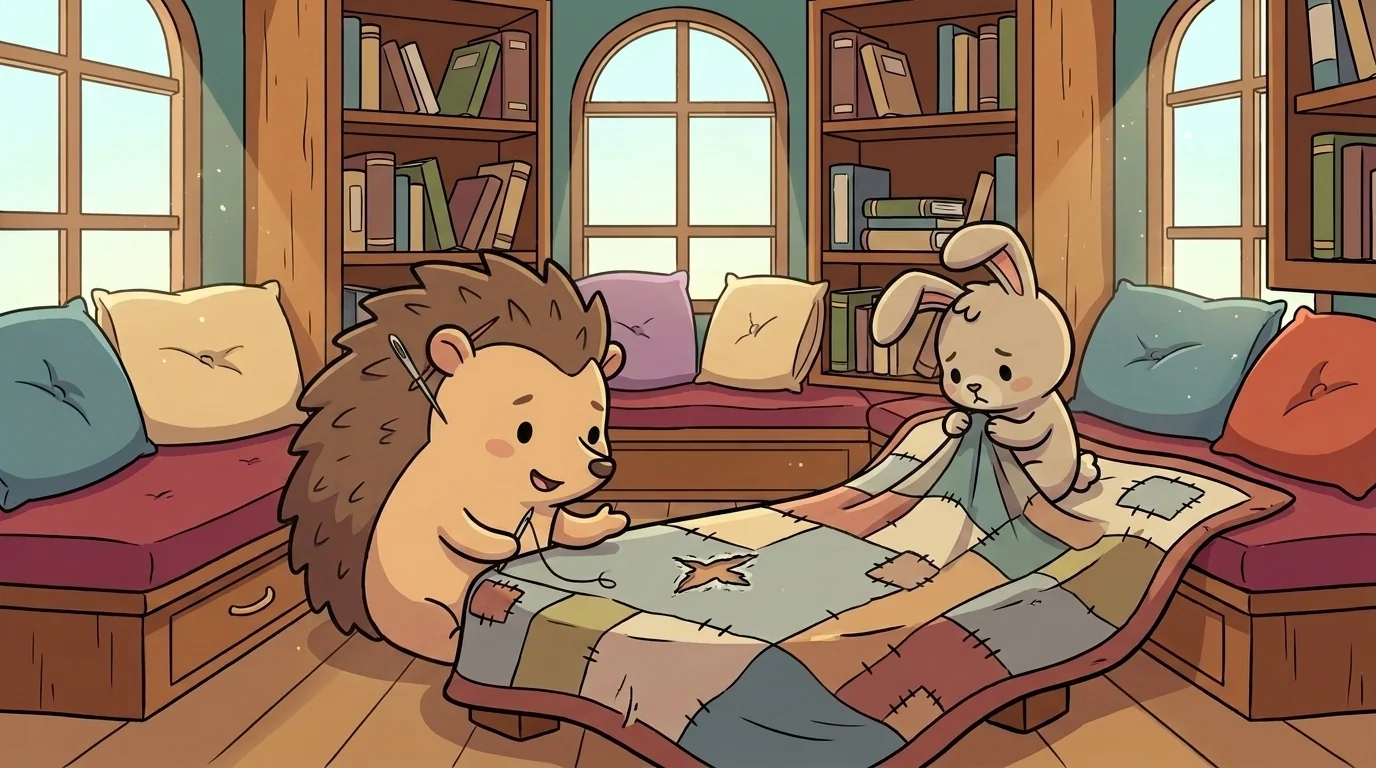
Darn was a small, careful hedgehog who always had a needle threaded behind one ear. He left the grand repairs to others; his whole craft was the small hole — the kind that shows up in a well-loved blanket, that everybody notices and nobody mentions, that seems too tiny to bother with right up until the morning it's suddenly too big to fix.
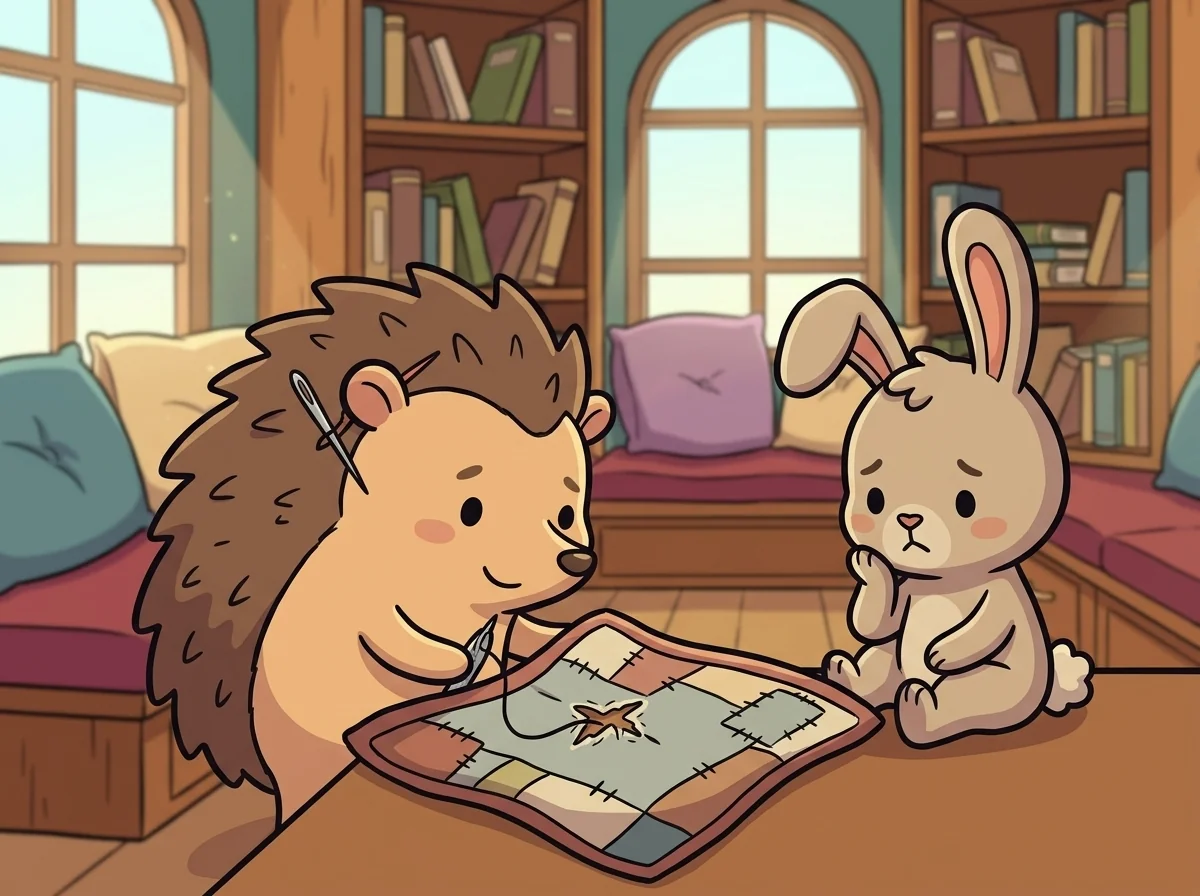
"That's the secret of holes," Darn liked to say, squinting as he threaded. "They don't stay small if you leave them. A little tear catches on everything, and every catch makes it a touch bigger. Mend it the same day and it's a stitch or two; leave it a month and it's half the blanket. So I mend small, and I mend soon. Here's what took me longest to understand, though: a friendship isn't the blanket that never tears. There's no such thing. A friendship is the blanket that gets mended. The tearing is ordinary — everyone snags the cloth sometimes. What makes a bond strong isn't never catching it. It's the mending, done kindly and done soon."
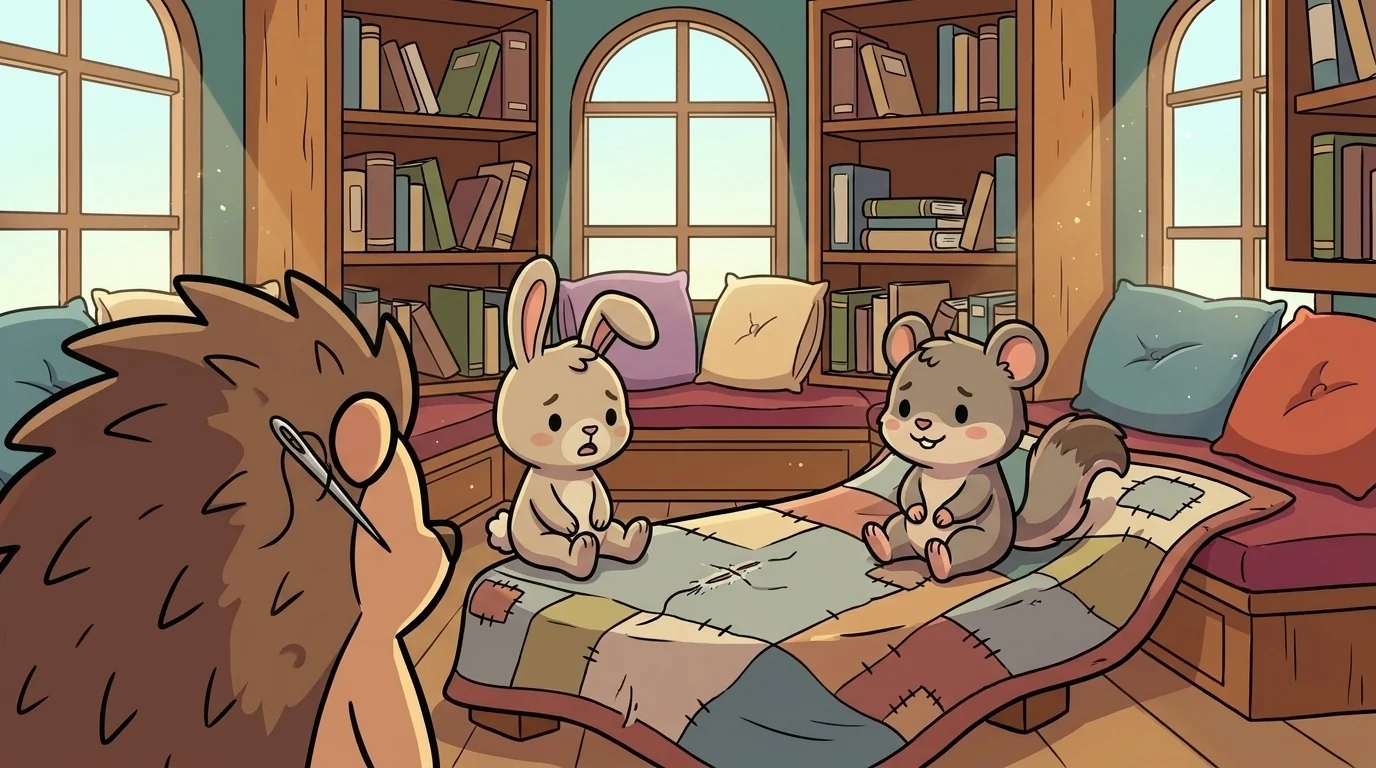
In the reading nook, two friends had shared a worn quilt — until that morning, when a sharp word had snagged a small new tear right down the middle. A young rabbit named Fenn sat at one end; the other end sat empty. Darn ambled over and looked with a craftsman's eye. "Small one. Fresh, too. Best kind — easiest to mend, before it catches."
Fenn pulled the quilt tighter and looked away. "It's fine. It'll be fine." Darn sat beside him, in no hurry. "Maybe. Some tears close on their own. But this one's right in the middle, where the blanket's used most. Every time you both reach for it, the tear catches, and every catch makes it bigger. I'm not saying disaster. I'm saying a little tear is a small job now and a big job later. The size of the repair grows while you wait." Fenn's ears drooped. "But if I go fix it, I have to say I was part of the tearing. I said the sharp thing first." "Ah," said Darn softly — this was the part everybody got stuck on. "You think mending the hole means admitting you ruined the whole blanket. It doesn't. There's a big difference between I did a bad thing and I am a bad thing — and the tear only proves the first, which is just being a creature. Mending a small tear isn't a confession that you're an awful weaver. It's exactly what careful weavers do. The best ones mend the most."
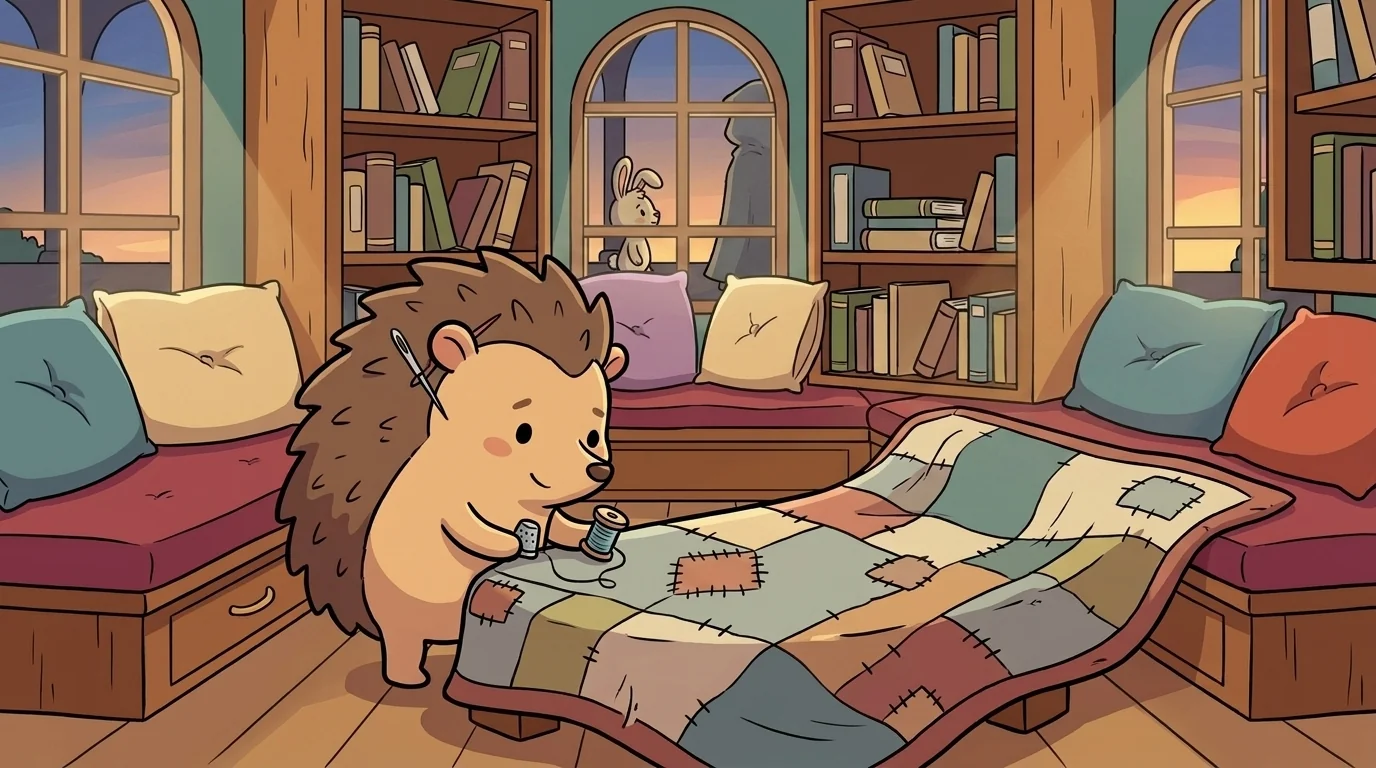
He showed Fenn the stitch — humble, no knots to hide. "Go in close to the edge, catch both sides — yours and theirs — and pull them gently back toward each other. Not yanked. Invited. And go in soon, while the edges still remember how they lined up." "What do I actually say?" Fenn asked. "Small and honest, same as the stitch," said Darn. "Not a speech. You don't owe the whole history of the blanket. You catch both edges: 'I snagged this. I said the sharp thing, and I'm sorry. Can we fix it?' That's a stitch. The other edge will mostly come toward you — because most edges want to line back up. They were comfortable that way." Fenn turned the words over. I snagged this. I'm sorry. Can we fix it? So much smaller than the towering apology he'd dreaded — about the size of the tear itself.
He found his friend Pip by the window, the tear between them catching at them both. His heart hammered, but he thought of the stitch: in close, catch both edges, soon. "I snagged it. This morning. I said the sharp thing first, and I'm sorry. Can we fix it?" And just as Darn promised, the other edge came toward him. "I said a sharp thing back," Pip admitted. "I made it worse. I'm sorry too." She scooted over, and the empty end was suddenly not empty, and the tear pulled gently closed. It wasn't invisible — there was a tiny line now if you looked — but the blanket held. It held better, in a way, for having a tended place. That evening Sage found Darn winding his thread back behind his ear. "He thought sorry meant admitting he'd wrecked the whole blanket," Darn reported. "I told him it just meant he was a careful weaver." "And how is he now?" Sage asked. "Lighter," said Darn. "He'd been carrying that tear like it was secretly enormous. The second it was a small honest stitch instead of a giant scary confession, he could breathe." And Darn felt it himself: the warmest thing his craft ever gave him — not the stitch, but the ease that washed over a worried face the moment the mending was done.
The MindForge ensemble
Darn is part of MindForge's distributed-narrative cast. Each character embodies a different curricular primitive; together they teach the full subject.
-

Inside
Self-awareness — emotion + thought + body awareness; 'Notice. Don't fix.'
-
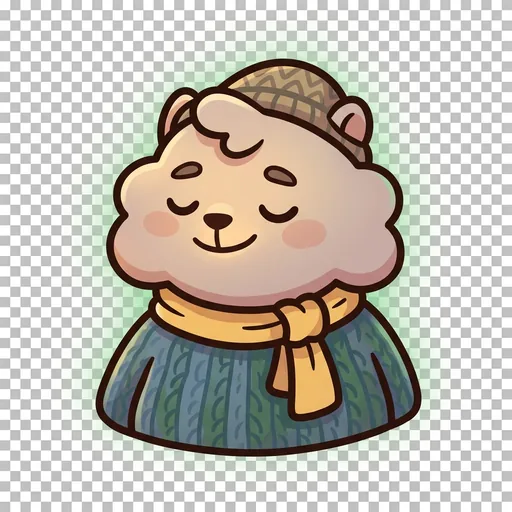
Settle
Self-management — regulation + impulse + stress; 'One breath. Then I choose.'
-

Open
Social awareness — perspective + empathy + context; 'Their world. Then ours.'
-

Touch
Relationship skills — communication + boundaries + repair; 'Say it small. Listen big.'
-
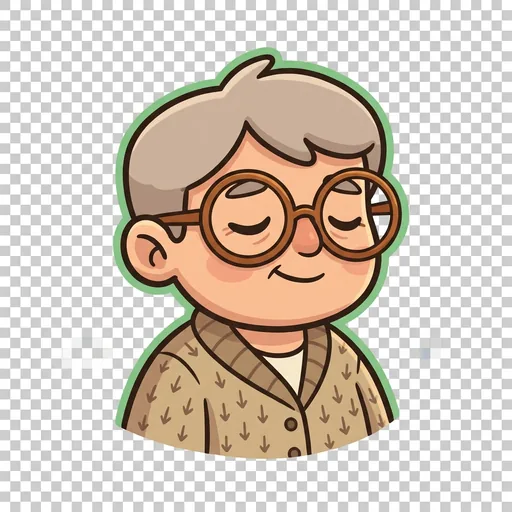
Choose
Responsible decision-making — values + consequences + action; 'What matters? Then I act.'
-
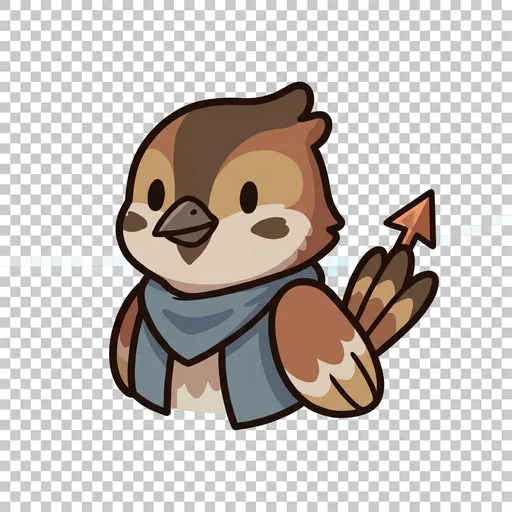
Vane
Names the exact feeling, not just good or bad, because the precise word points the way to what actually helps.
-

Ballast
Helps you stay steady inside a big feeling, like the weight that keeps a boat from tipping while the wave passes.
-
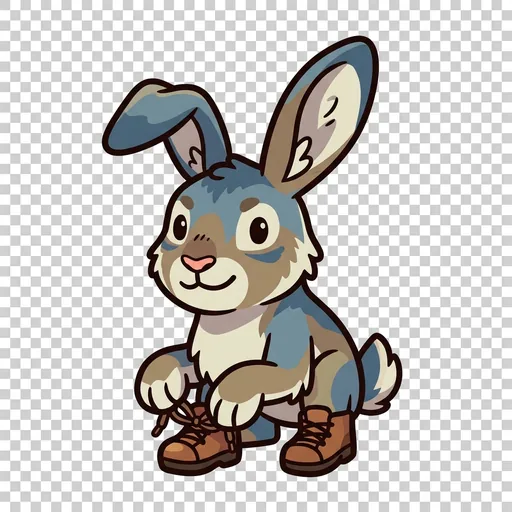
Vantage
Climbs to where someone else is standing, so you can see what they see instead of guessing.
-
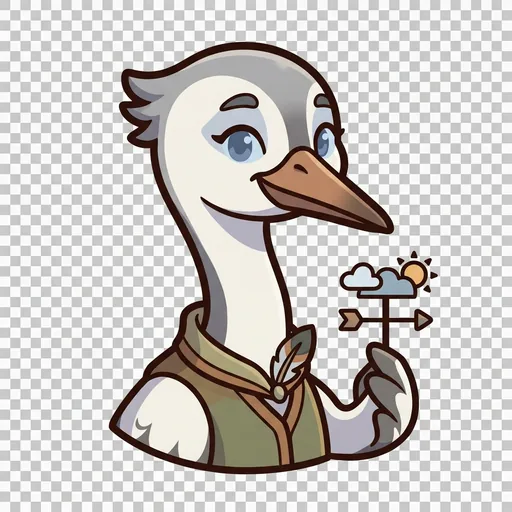
Forecast
Looks down the road of a choice to see where it leads, so your future self gets a vote too.