Mavis
LONG VOWELS
Loading audio…
Press play to listen along. The line being read lights up as you go.
Show full transcript
Loading transcript…
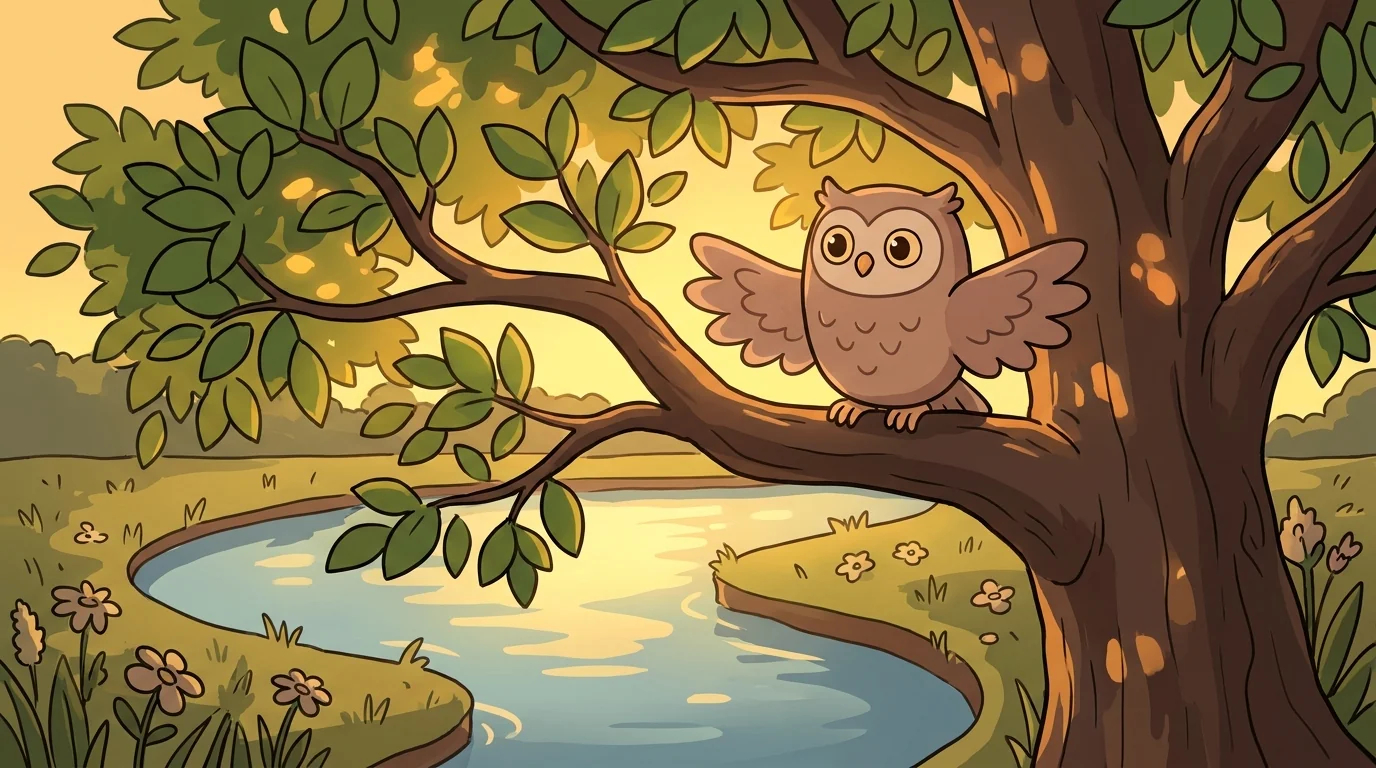
Mavis is a soft brown owl with big round eyes and gentle feathered wings. She lives in the name-tree — a wide old tree beside the reading-pond, where the evening light comes through the leaves all golden and warm. Blip brings the child to visit Mavis whenever a vowel is too shy to say its own name.
Mavis knows a quiet kind of magic. When a short word like cap sits on her branch, the little a only whispers its short sound — /a/, small and shy. So Mavis does her one gentle thing: she flutters down a silent e and sets it softly at the end. She doesn't make the e say anything at all. The e just sits there, quiet — and its quiet is the magic.
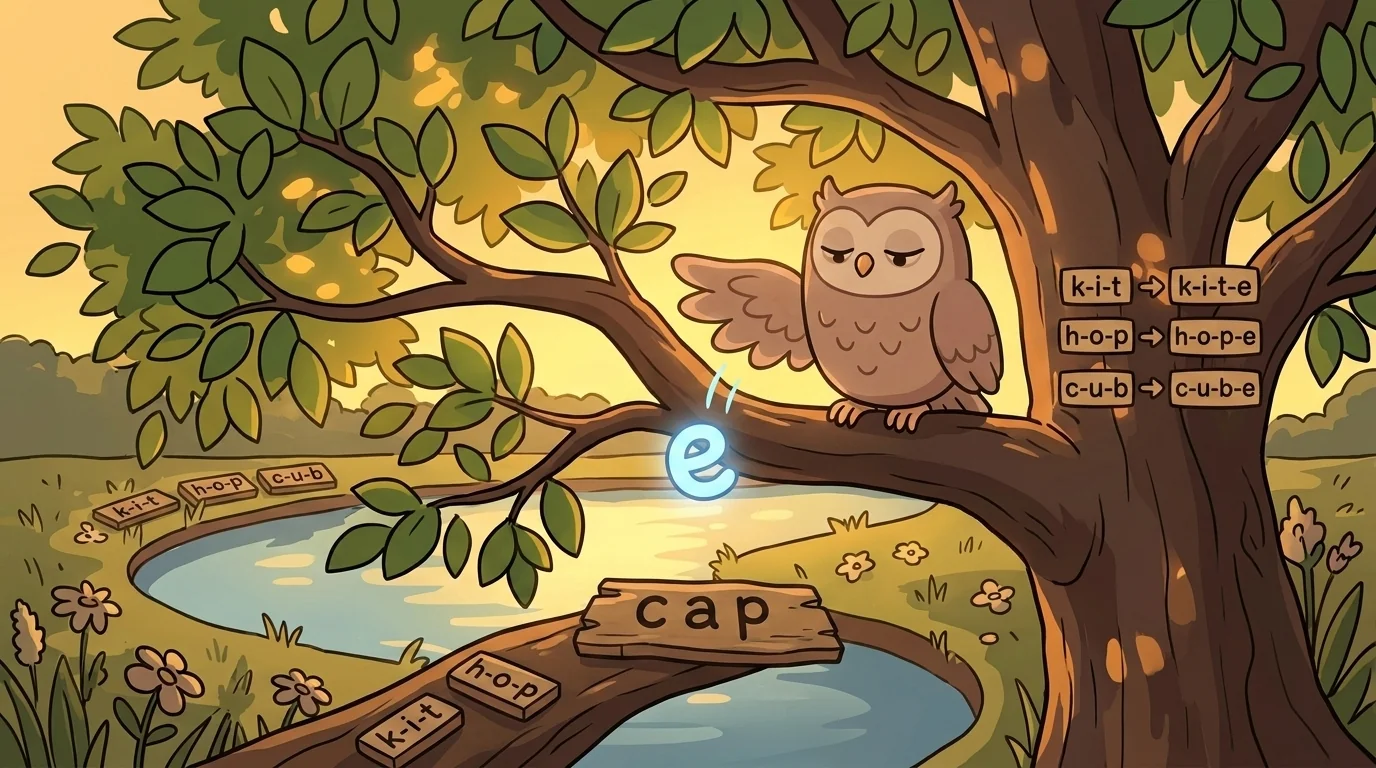
"Add the magic-e — now it says its name," Mavis says, and her big eyes blink slowly. That is Mavis's whole gentle teaching. The silent e at the end reaches back — all the way across the word — and gives the shy vowel a little courage. And the vowel takes a breath and says its own name, loud and proud.
cap + a quiet e becomes cape — and now the a says "A!", its very own name. kit becomes kite. hop becomes hope. cub becomes cube. The e never makes a peep. It just helps the vowel be brave. Mavis loves that — the quiet helper at the end.
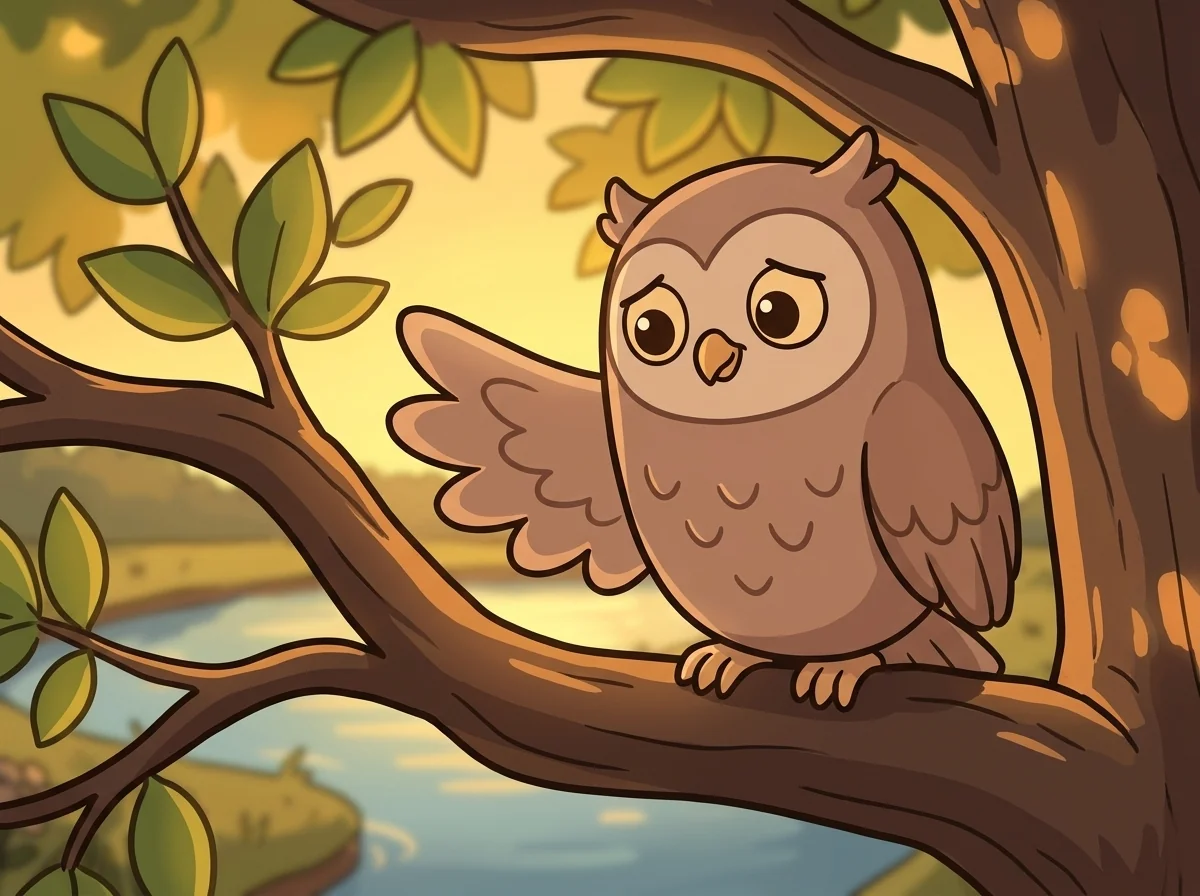
Sometimes a friend in the name-tree reads cape but still says the shy short sound — "cap-uh" — trying to make the e talk. Mavis never says wrong. Mavis never says try harder. She just tilts her feathered head and says, "The e is quiet. It only helps. Let the vowel say its name."
And they read it again — cape — and this time the a says "A!" and the quiet e smiles at the end. In the name-tree, a mixed-up try is never a mistake. It is just a vowel that needs one gentle nudge to feel brave.
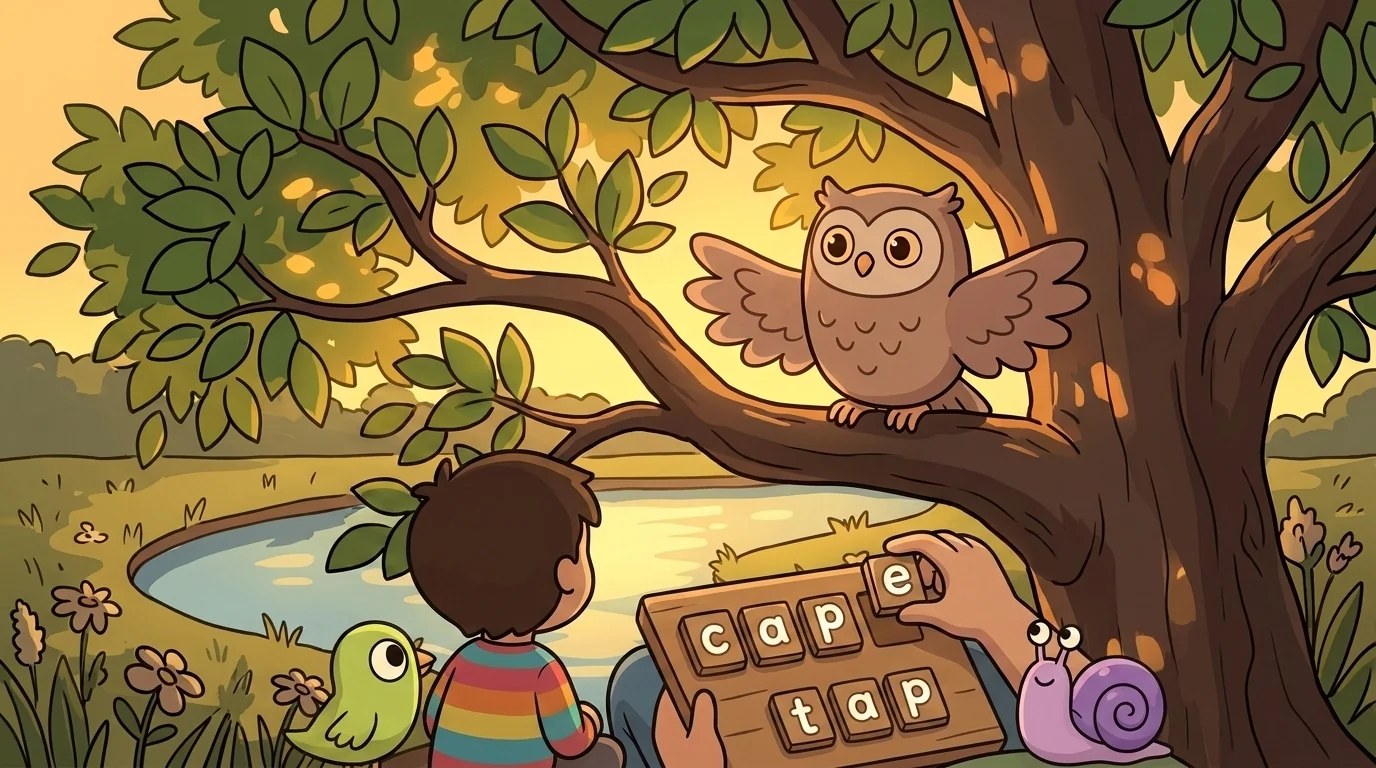
A grown-up can add the magic-e too! Mavis loves it when a big person and a small person sit under the name-tree together. The grown-up can slide the quiet e onto the end; the child can listen for the vowel's name to pop out — tap → tape, pin → pine, cut → cute. Reading in the name-tree is slow and kind, never a race. Sometimes Mavis teams TWO vowels instead — like ai in rain or ea in seat — and they say the name together. But the magic-e is her favorite quiet trick.
And Mavis always waits for Blip and Shelby. First Blip hops the sounds; Shelby presses any two-letter sounds together; and then, if a vowel is being shy, Mavis adds her quiet e so the vowel can say its name. Gentle friends, one small step at a time.
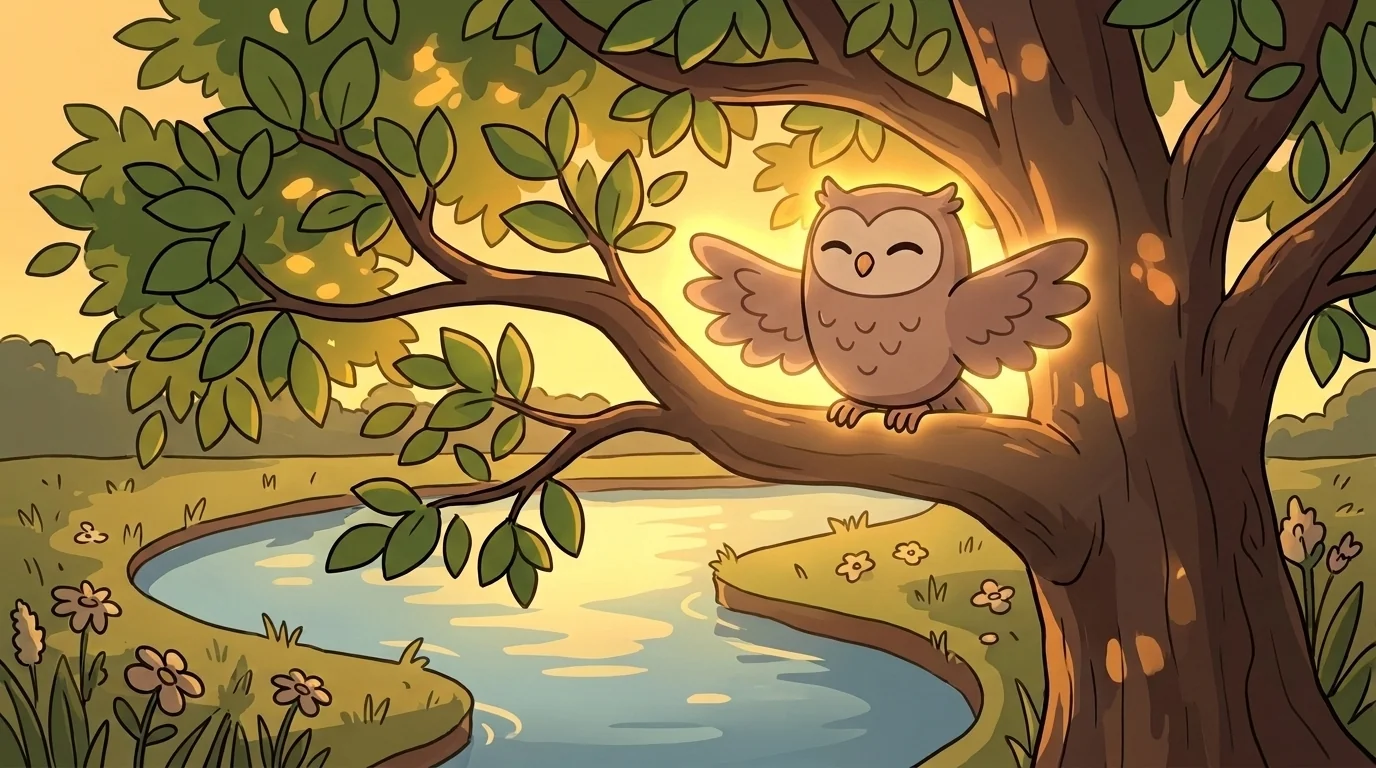
When the shy vowel finally says its own name — brave and clear — and the word blooms into one the child knows, Mavis feels a soft, proud warmth spread through her feathers, the way a nest feels safe at night. She loves that feeling: helping something quiet become something brave.
"Add the magic-e — now it says its name," she says softly, blinking her big kind eyes, cozy and glad. And the child feels it too — that gentle there it is, it said its name! That's Mavis.
Hear it as an audio drama
A short play starring Mavis, from ReadPals. Different voices, same idea. Listen any time after you read.
Loading audio…
Read the drama script
- Narrator: From Spark and Anvil and Readpals — this is Mavis, in chapter 1 of the Readpals cast.
- Narrator: This drama uses an AI-generated voice. Voiced via Gemini 2.5.
- Narrator: Mavis is a clever magpie who knows a little magic about vowels.
- Mavis: A vowel can say its short sound — or, with a little helper, it can say its OWN NAME. Add a silent-e at the end, and watch what happens.
- Narrator: Mavis showed the word "cap."
- Mavis: /c/ /a/ /p/ — cap. The a says /a/. But add a silent-e at the end...
- Narrator: She slid an e onto the end.
- Mavis: Now it's c-a-p-e. The silent-e is quiet — but it makes the a say its NAME: ay. Cape!
- Chick: The e doesn't make a sound, but it changes the word!
- Mavis: That's its magic. Silent-e, or teaming two vowels, makes the vowel say its own name. Cap becomes cape. That's what makes Mavis, Mavis.
- Narrator: You've been listening to a Spark and Anvil chapter, written by the Spark and Anvil writing team for ages 9 to 14.
- Narrator: Apps stay free forever.
- Narrator: Curriculum aligned to Common Core and Next Generation Science Standards.
- Narrator: Released under Creative Commons BY-NC-SA 4.0 for educational reuse. Visit Spark and Anvil for the full transcript.
Reading together with a grown-up? A card for the grown-up
For the grown-up: ask one question, then wait. When they answer, add one word to what they said. Tap the button when they have said something — that is one turn each, a circle. Nothing is recorded or kept.
Let them finish it
Say “Mavis says: add a silent-e or team two vowels, and the vowel says its …” and stop. Let them finish it.
Now wait. Count slowly to five in your head. Their answer is worth the quiet.
Circles together: 0
The ReadPals ensemble
Mavis is one of the friends in ReadPals. Each friend shows you one idea by how they act; meet them all and you have the whole subject.
-

Blip
Blending (sound-to-sound → word) — a small bright leaf-green tree frog kid who hops from sound to sound, then slides the sounds together into a word; glowing sound-dots trail behind each hop
-
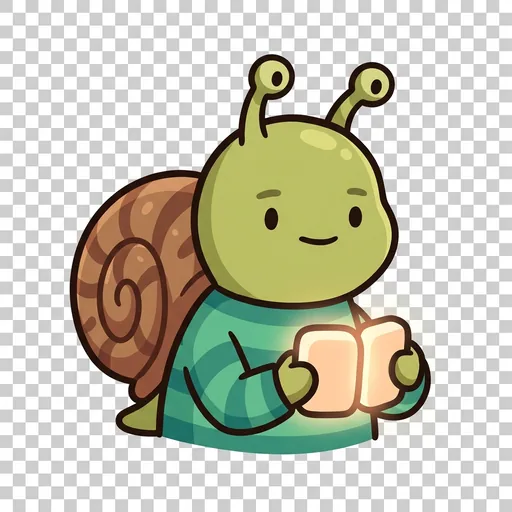
Shelby
Digraphs (two letters → one sound) — a gentle spiral-shell snail kid who presses two letter-tiles together so they make ONE new sound (sh / ch / th); the joined tiles glow as one
-
Lark
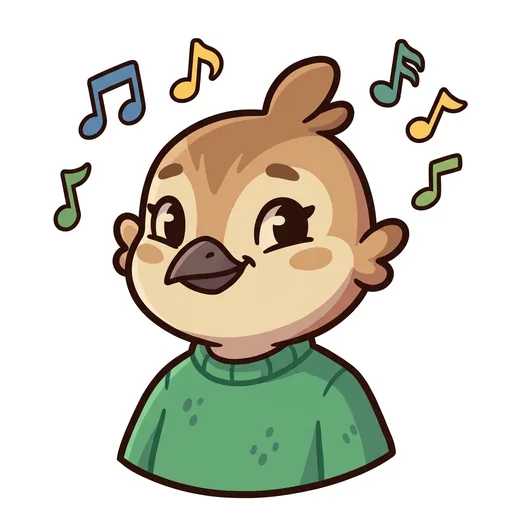
Oral reading fluency — a cheerful songbird lark kid who reads a whole line smoothly and with a little song (expression); musical notes float up from the page as she reads