Sheaf
SUMMARIZING
Loading audio…
Press play to listen along. The line being read lights up as you go.
Show full transcript
Loading transcript…
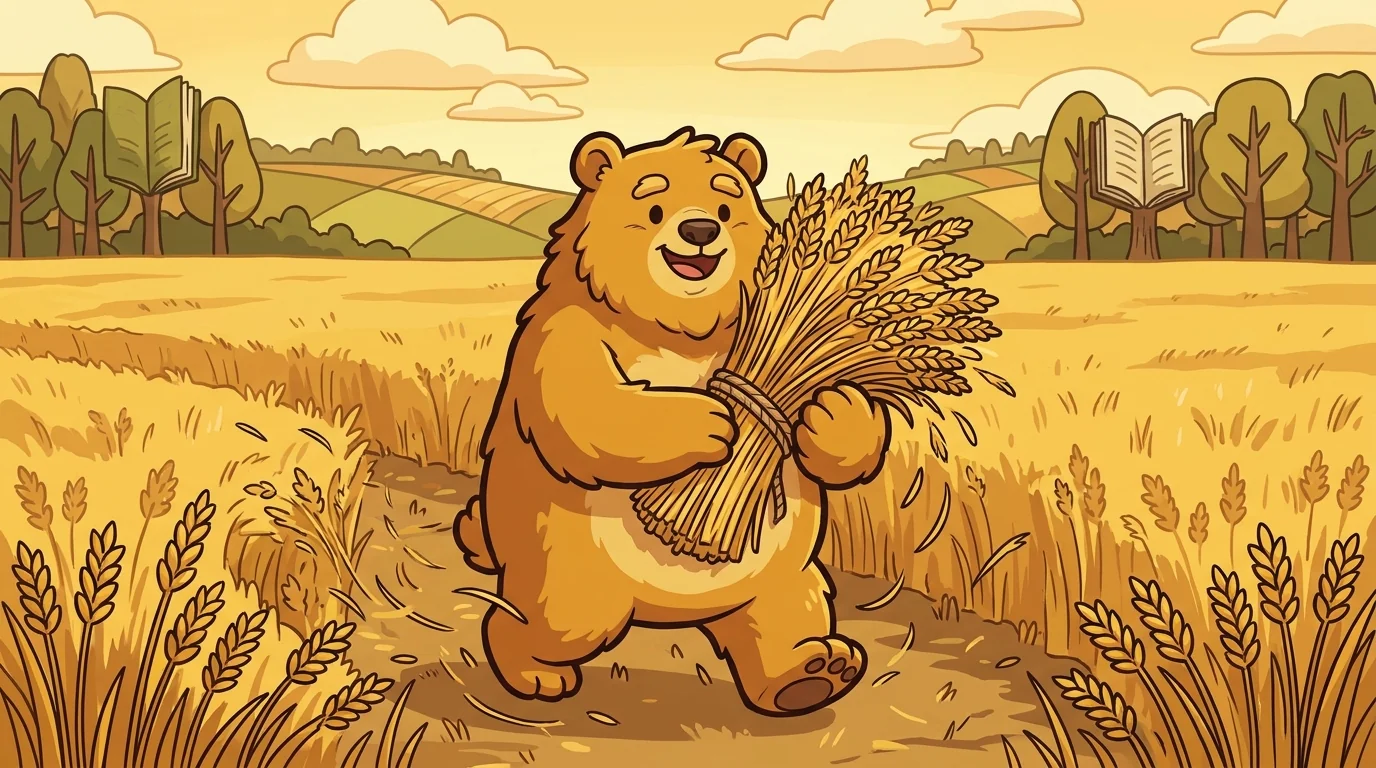
Sheaf worked the wide grain-fields at the edge of the word-woods, and she had a gift for gathering.
She was a sturdy, warm-handed creature, and at harvest she would walk a whole enormous field of grain and gather it — not every single stalk, and not just one — but a tidy sheaf, an armful of the best of it, bound up neat and easy to carry. The loose straw and the chaff fell away. What she kept was enough to make the bread: the important middle of the whole field, held in two hands.
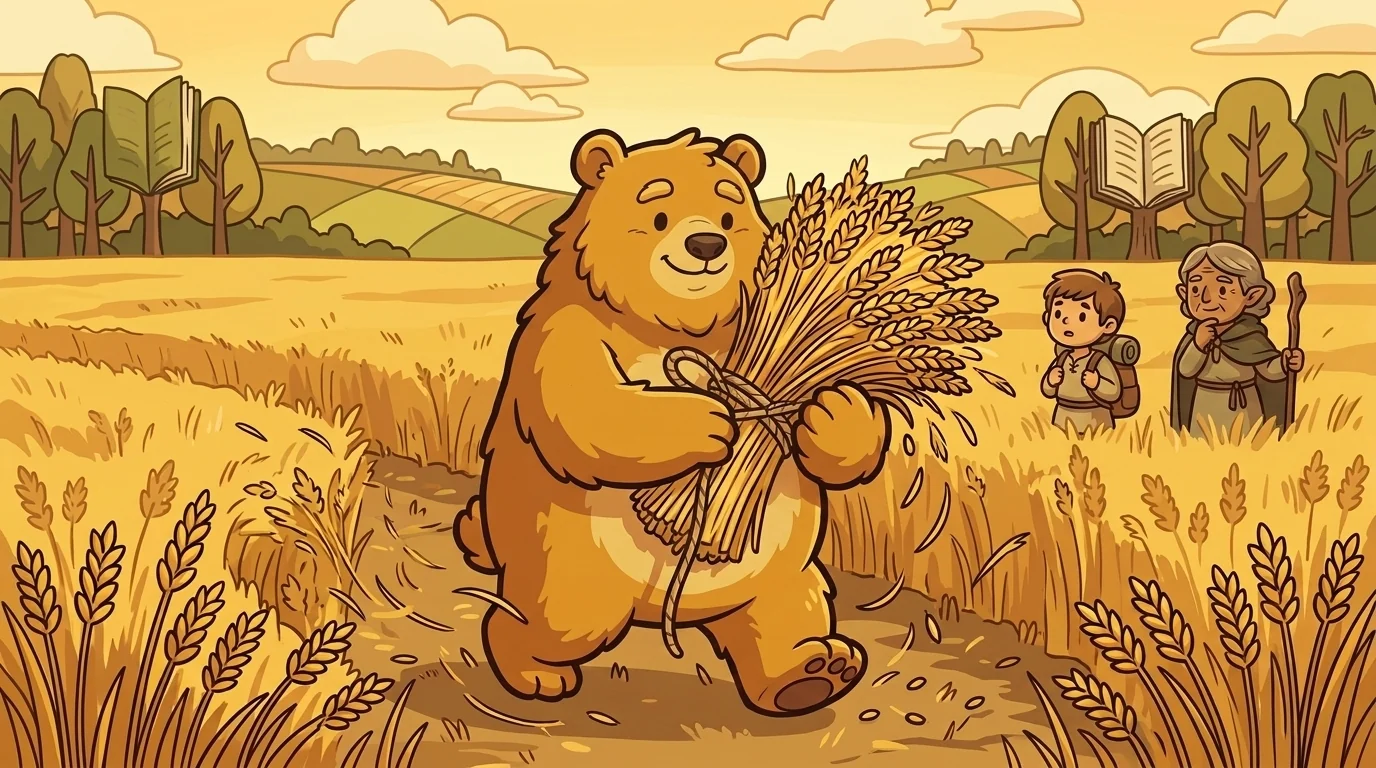
"You gathered that whole huge field into one armful," a young traveler said.
Sheaf smiled, binding her bundle. "I kept what matters and let the rest fall," she said. "My name is Sheaf. I keep summarizing — gathering a whole long passage into a short, tidy retelling." She hefted her bundle. "Not every word — that's the whole field, too heavy to carry. And not just one word — that's not enough to make the bread. The important middle: enough to carry the meaning, light enough to hold."
Mira, the mentor, watched as a young traveler said, "But how is that different from the main idea? Crest already does that."
"A fair question," Sheaf said. "Crest finds the peak — the single highest point, the one main idea. That's one stalk, held up high." She patted her bundle. "But a summary is more than one stalk. It's the important middle of the whole — the main idea plus the few key things that carry it: who, what happened, how it turned out. Crest points at the mountaintop. I gather an armful of the mountain you can carry home."
The young traveler nodded slowly. "So a summary is bigger than the main idea, but much smaller than the whole story."
"Just so," Sheaf said. "Enough to retell it to a friend in a breath or two. The bundle, not the field — and not just the one tall stalk."
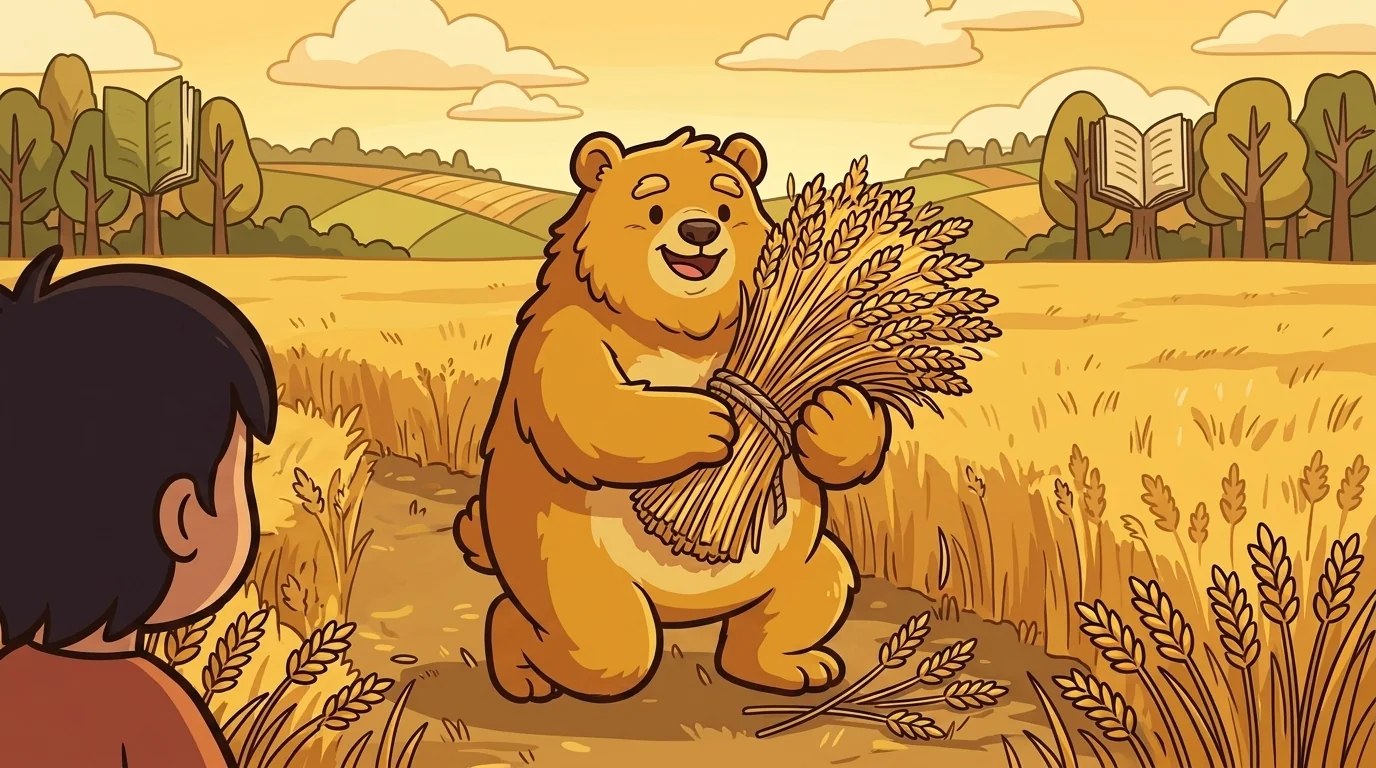
Mira asked Sheaf to join the academy. "Our readers either retell everything — every tiny detail — or they shrink a whole story down to a single word," she said. "Would you teach them to gather the right armful?"
Sheaf agreed, hands ready to bind. When she teaches, she gives readers one harvest-rule: "After you read, gather a sheaf. Ask: who is this about? what happened? how did it end? Keep those. Let the little side-details fall away like loose straw. If your summary is as long as the story, you've kept the whole field. If it's just one word, you've kept too little to make bread. Aim for the tidy armful in between."
A young reader retold a long story by listing every event, on and on. Sheaf had her gather instead: just the main character, the big problem, and how it was solved. Three sentences. "That's a sheaf," Sheaf said. "Light enough to carry, full enough to feed. Your friend could understand the whole story from that."
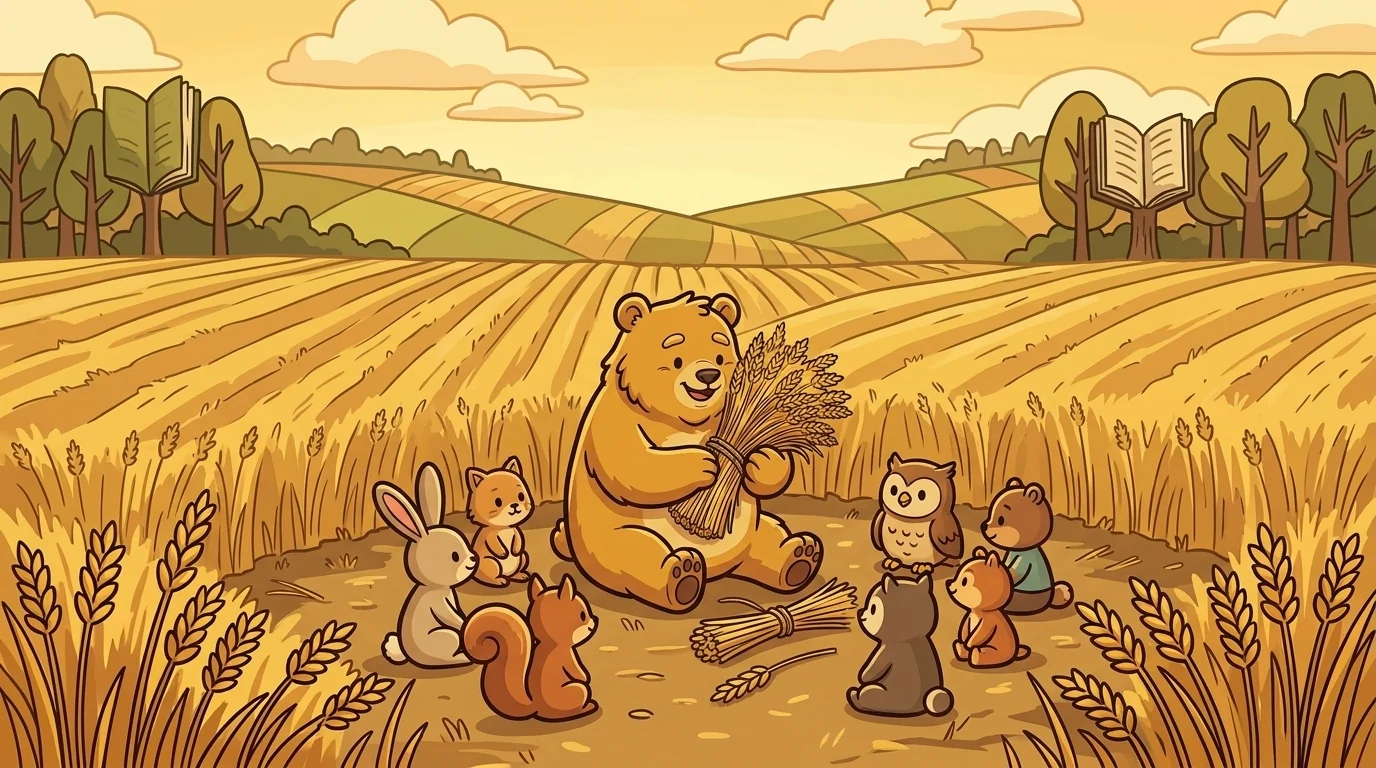
After the lesson, Sheaf sat with the young readers at the field's edge, binding a small, neat bundle as the sun went down over the gathered rows.
For a long time, Sheaf had worried that gathering meant losing — that every stalk she let fall was something wasted, something she'd failed to keep. She'd wondered if a good harvester shouldn't somehow save it all.
But binding her tidy bundle in the gold evening light, Sheaf understood her gift more kindly. Letting the loose straw fall wasn't loss — it was care. You can't carry a whole field; you'd drop it all. By choosing the important middle and letting the rest go, she made something a person could actually hold, and carry home, and use. The leaving-out was the very thing that made the keeping useful. A warm, gathered contentment settled over her. Summarizing wasn't throwing away. It was choosing, with care, what was worth carrying. And she bound her small sheaf tight, content, the whole field's worth held neatly in her arms.
Hear it as an audio drama
A short play starring Sheaf, from ReadQuest. Different voices, same idea. Listen any time after you read.
Loading audio…
Read the drama script
- Narrator: From Spark and Anvil and ReadQuest — this is Sheaf, in chapter 1 of the ReadQuest cast.
- Narrator: This drama uses an AI-generated voice. Voiced via Gemini 2.5.
- Narrator: Sheaf worked the wide grain-fields at the edge of the word-woods, and she had a gift for gathering — a sturdy, warm-handed creature who at harvest would walk a whole enormous field and gather it. Not every single stalk, and not just one — but a tidy sheaf, an armful of the best of it, bound up neat and easy to carry.
- Narrator: A young traveler watched her. You gathered that whole huge field into one armful, he said.
- Sheaf: I kept what matters and let the rest fall. My name is Sheaf, and my reading move is summarizing — gathering a whole long passage into a short, tidy retelling.
- Sheaf: Not every word — that's the whole field, too heavy to carry. And not just one word — that's not enough to make the bread. The important middle: enough to carry the meaning, light enough to hold in one hand.
- Narrator: But how is that different from the main idea, the traveler asked. Crest already does that.
- Sheaf: A fair question. Crest finds the peak — the single highest point, the one main idea. That's one stalk, held up high.
- Sheaf: But a summary is more than one stalk. It's the important middle of the whole — the main idea PLUS the few key things that carry it: who, what happened, how it turned out.
- Sheaf: Crest points at the mountaintop. I gather an armful of the mountain you can carry home.
- Narrator: And that is the craft: walk the whole field of a passage, keep the important middle, and let the loose straw and chaff fall away.
- Sheaf: A good summary is neither the whole field nor a single stalk. It's the armful — everything you need to make the bread, and nothing you'd have to set down before you reached the door.
- Narrator: You've been listening to a Spark and Anvil chapter, written by the Spark and Anvil writing team for ages 9 to 14.
- Narrator: Spark and Anvil is a 501(c)(3) public charity. Apps stay free forever.
- Narrator: Curriculum aligned to Common Core English Language Arts.
- Narrator: Released under Creative Commons BY-NC-SA 4.0 for educational reuse. Visit Spark and Anvil for the full transcript.
The ReadQuest ensemble
Sheaf is one of the friends in ReadQuest. Each friend shows you one idea by how they act; meet them all and you have the whole subject.
-

Crest
Main idea / central message (the *peak* of the passage)
-

Hunch
Inference (reading between the lines)
-

Anchor
Evidence / textual citation
-

Plume
Author's purpose / voice / tone
-

Frame
Text structure (compare-contrast, sequence, cause-effect, problem-solution, description)
-

Pith
Vocabulary in context (deriving word meaning from surrounding text)
-
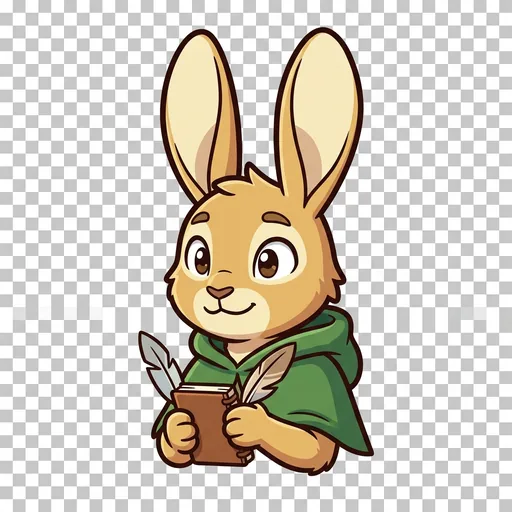
Yonder
Predicting — alert young-hare creature who reads the trail's clues to guess what's around the bend; a wrong guess just means the story surprised you
-
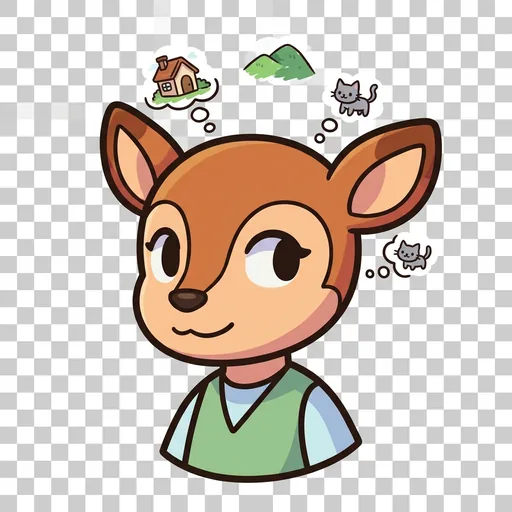
Vista
Visualizing — dreamy young-deer creature who turns words into a movie in the mind; the writer gives the words, the reader gives the pictures
-

Nettle
Questioning the text — question-quilled hedgehog who pokes a passage with why/how/what-if; asking questions means you're awake, not that you don't understand