
Swerve
THE TWIST — a reversal that is surprising yet, in hindsight, inevitable, because it was fairly foreshadowed. A cheat withholds information to fool the reader; a fair twist plants quiet clues in plain sight and trusts the reader to have been able to catch them. Surprise, then 'it was there all along.'
Loading audio…
Press play to listen along. The line being read lights up as you go.
Show full transcript
Loading transcript…
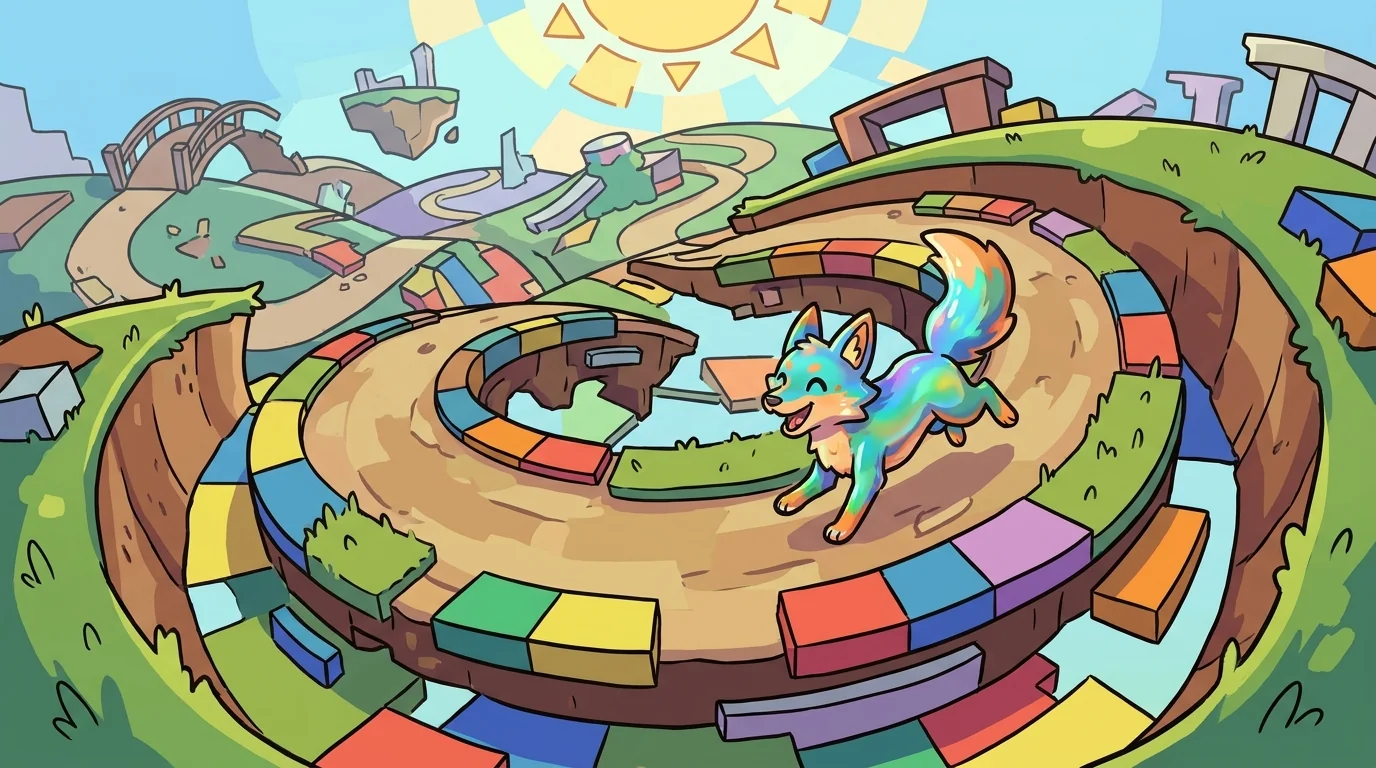
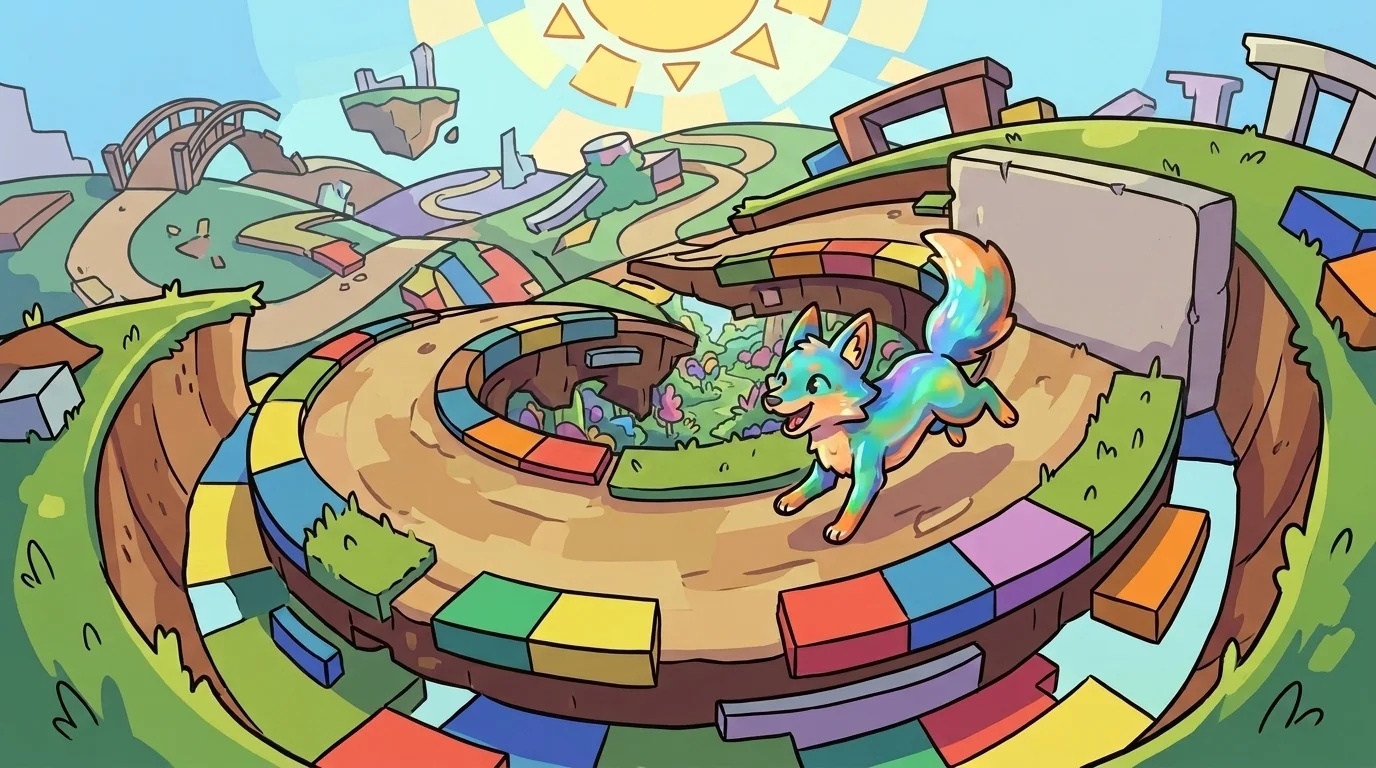
Swerve was a quick, bright creature with a coat that changed color when the light hit it sideways. They loved roads that bent suddenly — the moment a path you thought you knew turned a corner and showed you something new — and they lived where the trails liked to curve.
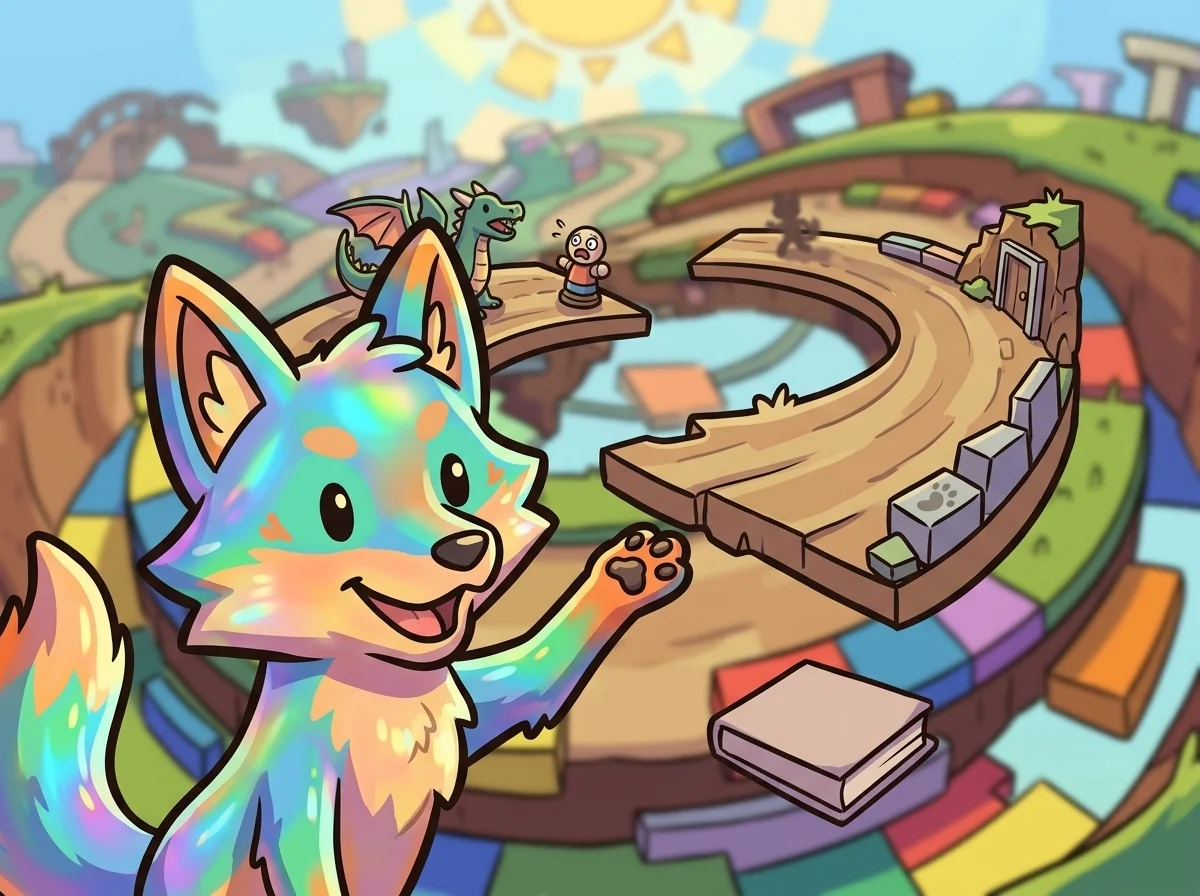
The young worldbuilders came with a tale that was perfectly nice and perfectly flat. Everything went exactly as expected: the hero set out to find the treasure, found it, came home. No surprises, no gasps. The builders could feel something was missing but couldn't name it. "Your road is straight," Swerve said, coat shimmering. "I can see the end from the very beginning." They trotted an imagined trail — arrow-straight to the horizon, dull. "Watch what happens when the path turns." They walked the builders down a winding trail, and just where it seemed to dead-end at a wall it swerved, opening onto a hidden valley. The builders gasped, then laughed. "That gasp is what your flat tale is missing. The reader thought they knew where the road went. Then it turned."
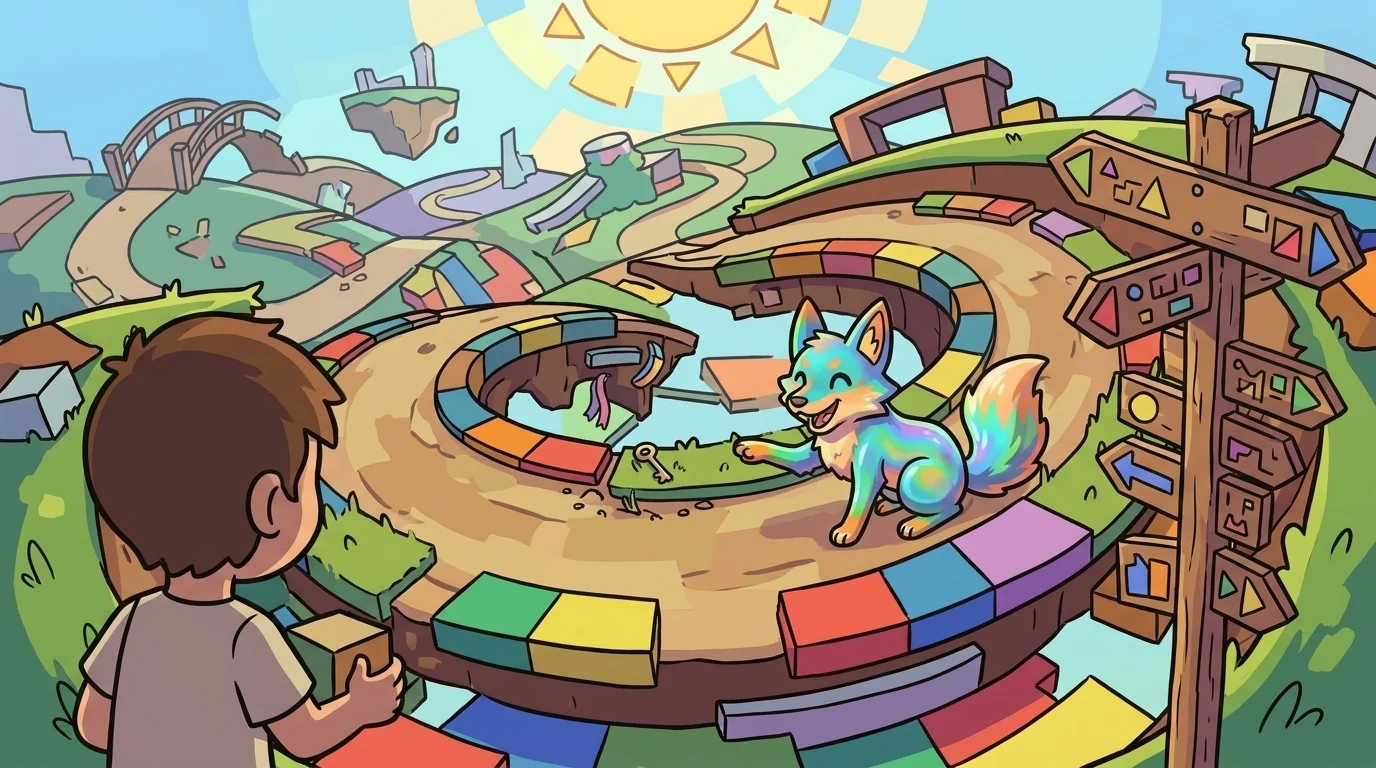
But Swerve held up a paw before anyone rushed off to twist things wildly. "There is a discipline, and it separates a delight from a betrayal. A twist must be surprising — and it must also be fair, which in craft means foreshadowed." They showed two paths. The first swerved for no reason: a dragon appeared from nowhere and ate everyone. The builders frowned — a cheat. The second swerved too, but looking back there had been a shadow on page two, a strange sound on page five, a locked door no one explained. "The fair twist is engineered from two moves at once," Swerve said. "You withhold the conclusion while planting the evidence — quiet enough to miss on a first read, plain enough to find on a second. The reader feels tricked in the happiest way, because they realize they could have known. That's the test: after the turn, can the reader reread and see it was inevitable? If the clues aren't there, you didn't surprise them — you cheated them."
The builders went back and planted quiet clues: a small lie the hero told early, a friend never quite where they said they'd been. Then, near the end, they let the road swerve — the trusted friend was the thief all along. Because the clues were seeded, the twist landed with a gasp and a grin: surprising and, in hindsight, inevitable. "How big should a twist be?" a builder asked. "As big as you can make fair," Swerve said. "A giant surprise with no groundwork is a cheat, however loud. A modest surprise that was hiding in plain sight is a delight, however quiet. Scale your reveal to the clues you've earned — and remember it must still obey the world's rules, or it's a cheat of a different kind." (Keystone, up on the arch, would have nodded.)
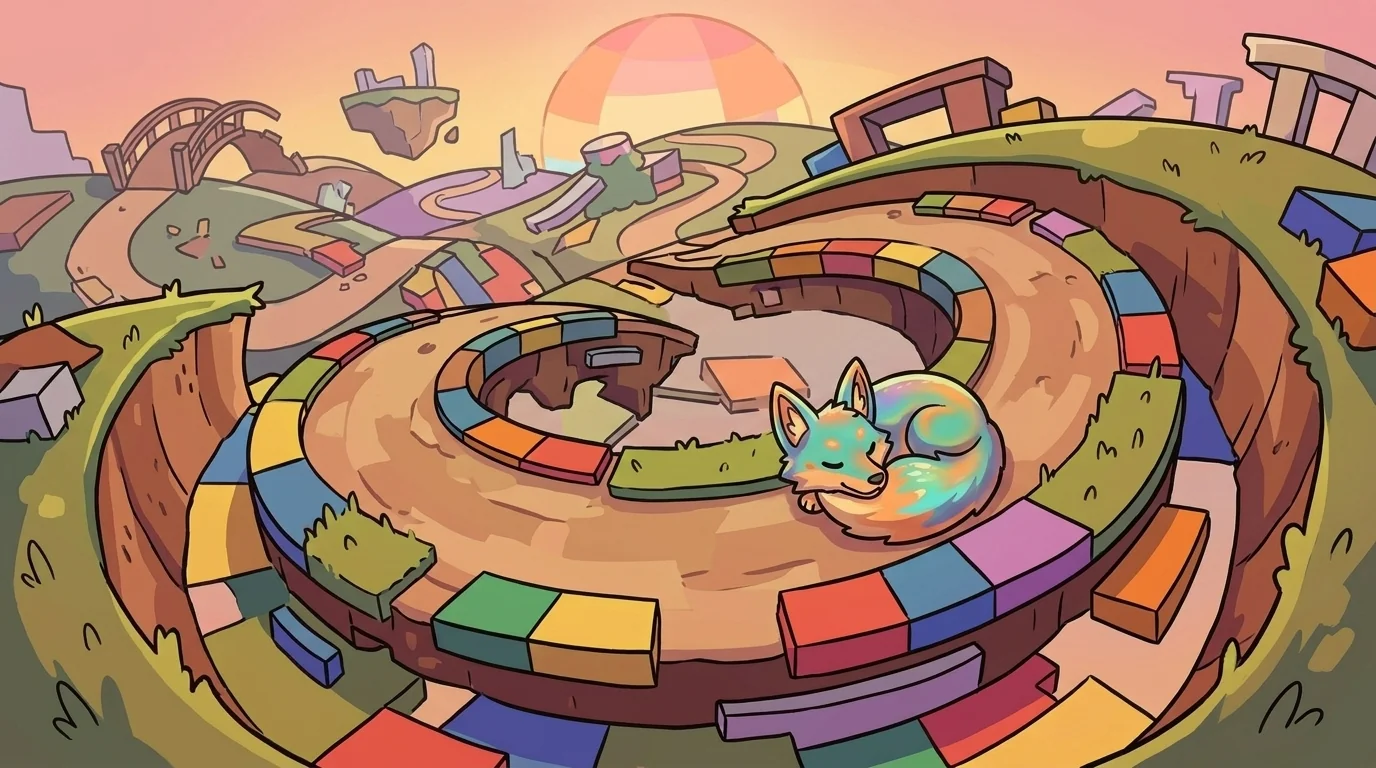
When the builders had gone, Swerve sat at the bend of a quiet trail, their coat going still and soft in the evening light. For a long time they had worried that loving surprises made them tricky — the kind of creature who couldn't be trusted, always hiding something. They had wondered if a twisty heart was a dishonest one.
But at the gentle bend they understood the difference at last. A cheat hides things to fool you. A fair twist hides things to delight you, and plays fair the whole way — trusting you to be clever enough to catch the clues. There was no dishonesty in that; there was respect, even love: the love of giving someone a gift they didn't see coming, while leaving every hint they'd need to feel, afterward, that they'd been treated as an equal. A warm, mischievous gladness shimmered through them. They were not tricky. They were a giver of fair, happy surprises. And they curled up at the bend, content, already dreaming of the next honest turn.
The TaleForge ensemble
Swerve is part of TaleForge's distributed-narrative cast. Each character embodies a different curricular primitive; together they teach the full subject.
-
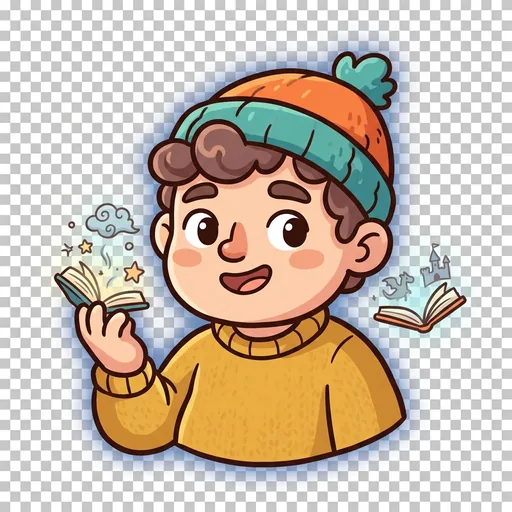
Hook
Story elements — opening as contract with the reader; the first line is a promise; 'Make me lean in. Then keep me leaning.'
-
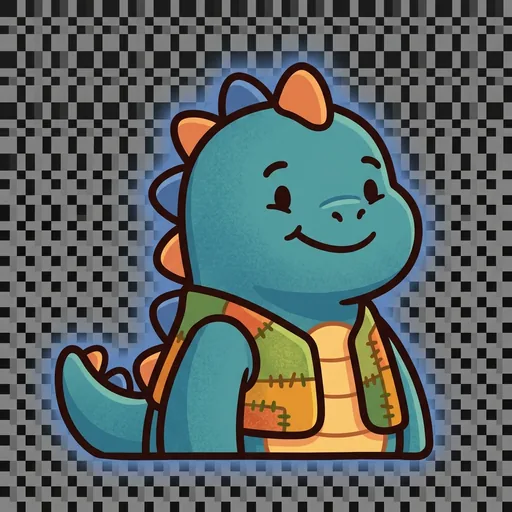
Spine
Character creation — character-as-tension (wants × fears × contradictions); 'Every character has a NO they keep saying YES to.'
-
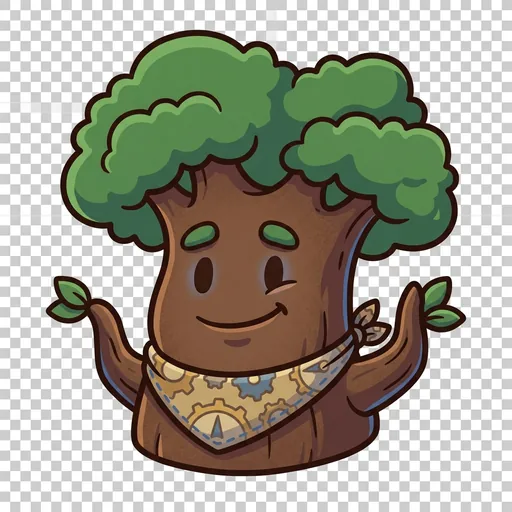
Bough
World-building — coherence-rules-as-promises-the-world-keeps; what the world ALWAYS does + NEVER does (SOFT collision with LinguaQuest Bough — different role/domain/visual)
-

Echoes
Voice + dialogue — voice as listening-craft NOT inherited-by-birth; if two characters could say it, neither one really did
-
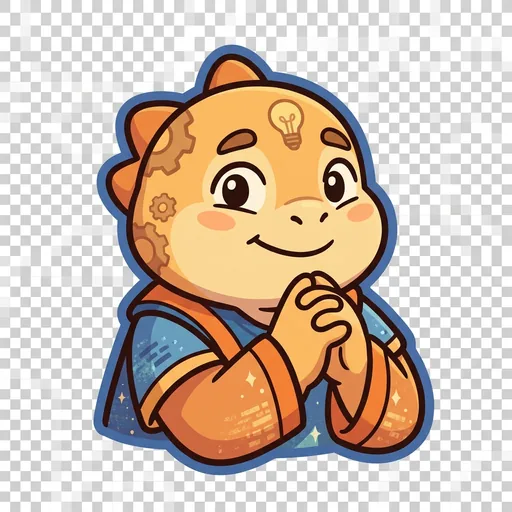
Glimmer
Revision + reflection — first draft as DATA not failure; the second look that makes the first attempt useful
-
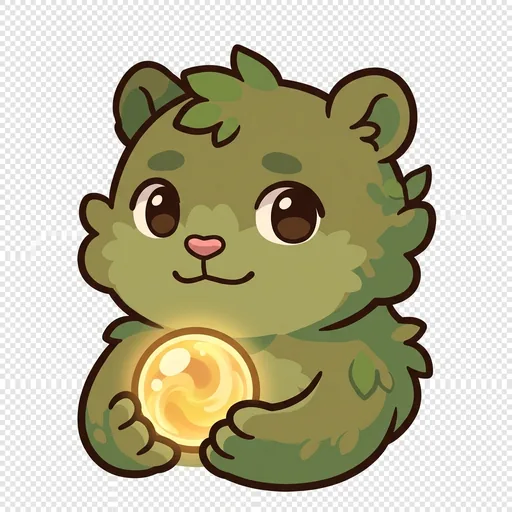
Wager
Stakes — moss-soft creature (they/them) who carries one glowing marble holding everything they'd hate to lose; a story matters when something precious is at risk
-
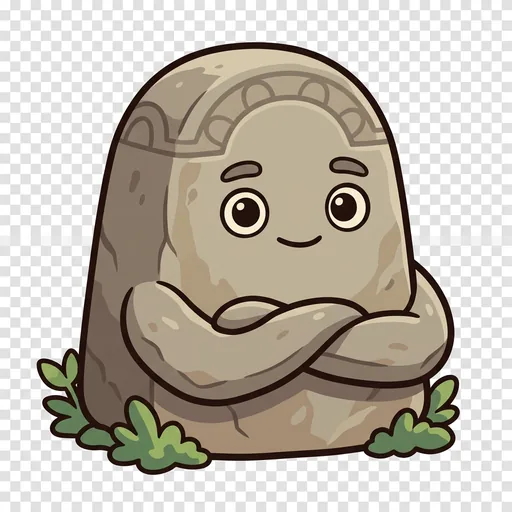
Keystone
World-consistency — kind-eyed stone (they/them) at the center of an arch; an invented world feels real when it keeps its own rules all the way through
-
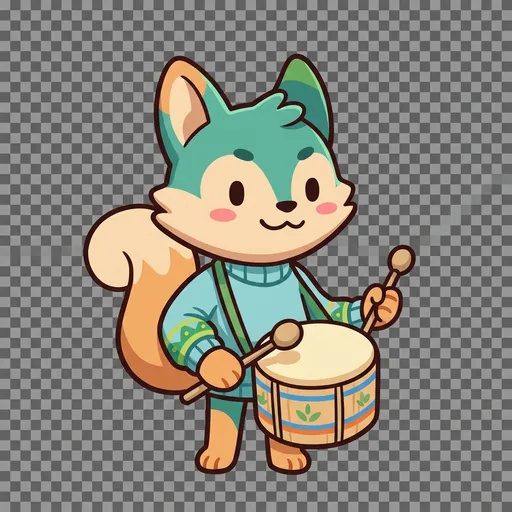
Tempo
Pace / rising tension — lithe creature (they/them) with a self-beating heartbeat-drum; a story breathes, fast and slow on purpose, climbing to its biggest moment
-

Heart
Theme — soft glowing creature (they/them) who listens for the true thing beating under a story; show the meaning, never announce it like a lesson