Hook
HOOK — *opening as contract with the reader. the first line is a promise.*
Loading audio…
Press play to listen along. The line being read lights up as you go.
Show full transcript
Loading transcript…
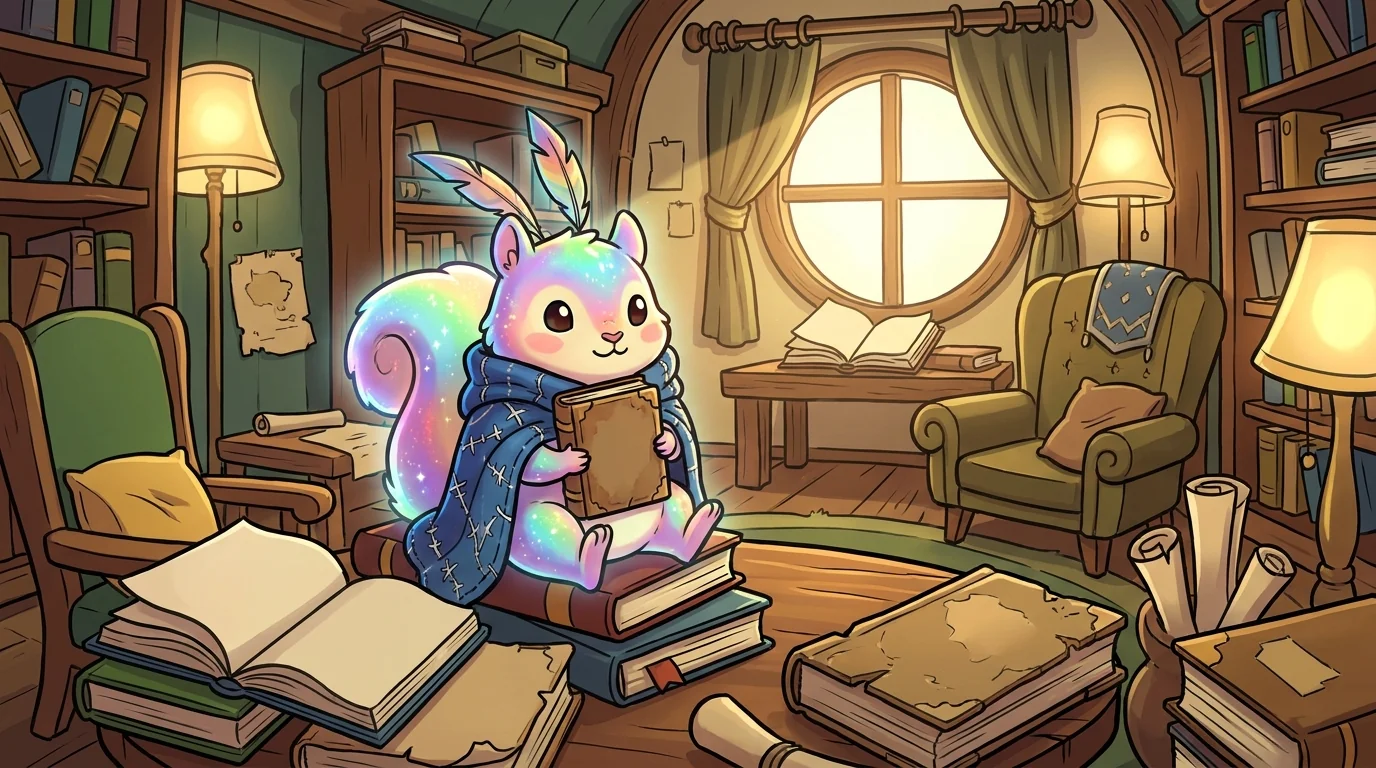
Hook is a small creature, no bigger than a plump squirrel, whose fur shimmers with all the colors of a rainbow and glows softly even in dim light. Two pointy feathers stand up from their head and twitch when they're thinking hard. They wear a thick, soft cloak stitched with tiny silver threads like stars, and they always carry a small, tightly-bound book: the first-line-anthology.
Hook's whole craft is the opening — the very first line. "The first line is a promise," they say, in a voice soft as rustling leaves. "Make them lean in. Then keep them leaning." The anthology is full of famous first lines from stories all over the world, and Hook studies them the way a jeweler studies gems — because a great opening, they know, is a kind of secret handshake that invites a reader in and quietly promises: this is the kind of story you're about to have.
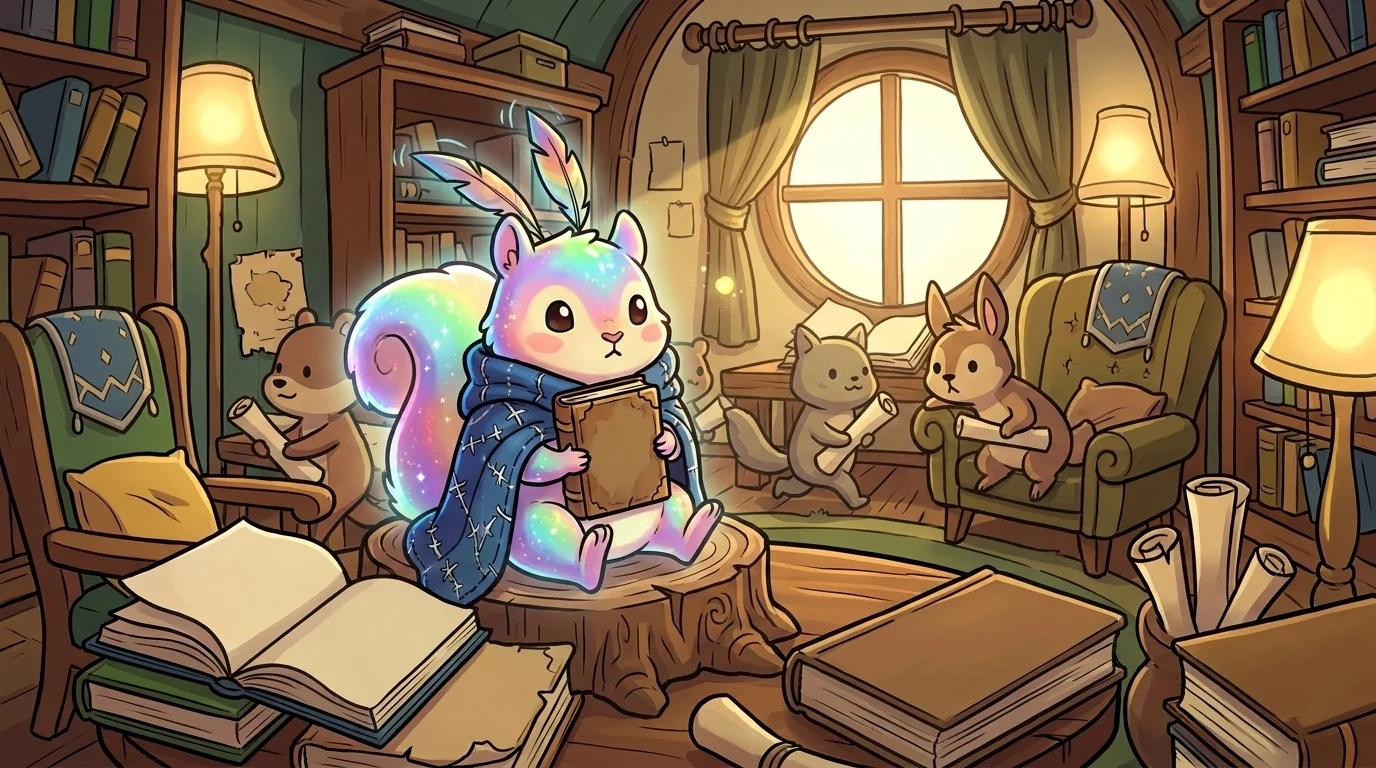
Hook learned about beginnings by being the most patient creature in the grove.
"Everyone else rushed their openings," Hook says, "scrambling to get to the good part." But Hook would sit perfectly still and watch a single dust mote dance in a sunbeam, in no hurry at all — and slowly they noticed which first lines made a listener's ears prick up and lean toward the storyteller, and which made them drift away.
"That little tug — the lean-in — that's the promise landing," Hook says. "A first line that promises a mystery makes you lean in for the answer. A first line that promises danger makes you lean in for the escape. A first line that promises nothing — 'It was a normal day' — lets you lean away." So Hook began collecting the lines that pulled hardest, studying exactly what each one promised, until they could feel a promise forming in a sentence the way you feel weather change.
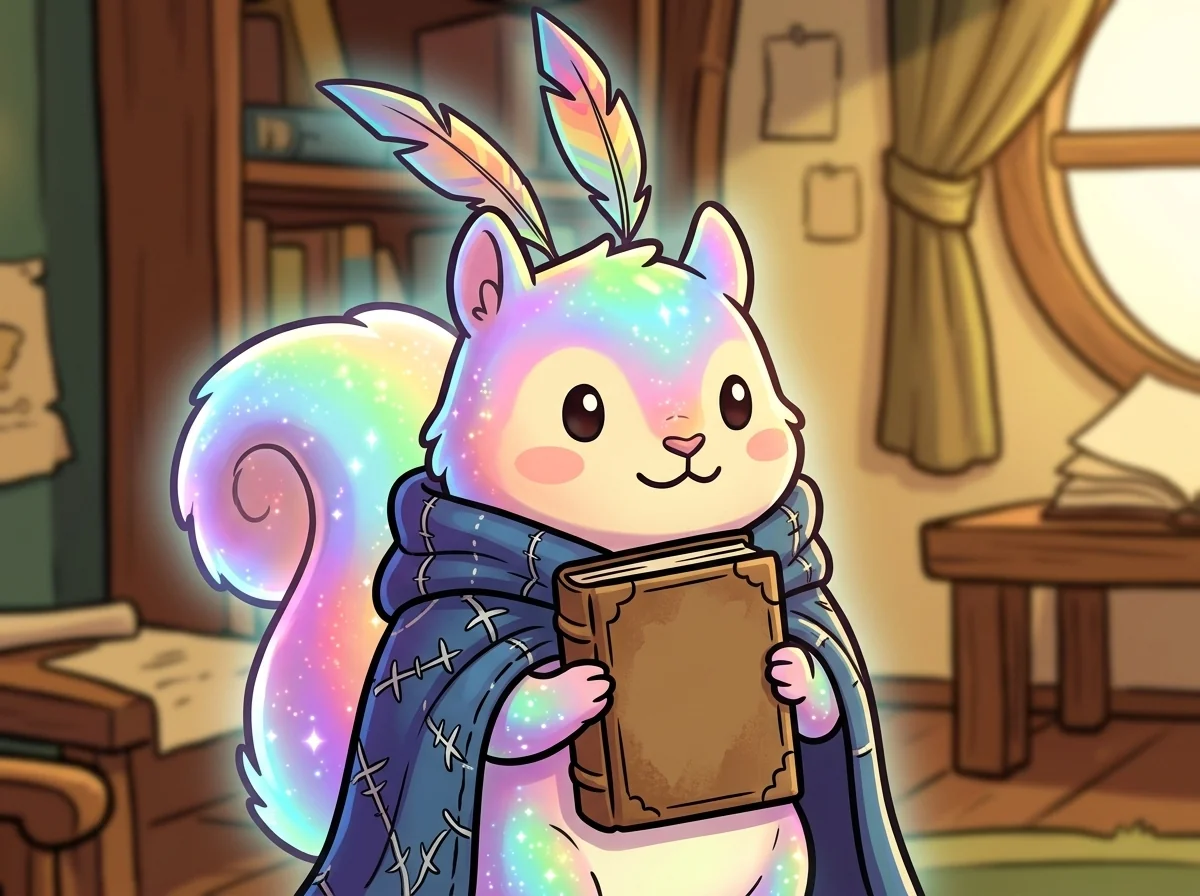
When Hook was old enough, they walked to TaleForge with the anthology tucked under one arm, and Loom, their mentor, met them.
"What is the hook?" Loom rumbled.
Hook held up the little book. "The opening is a contract with the reader. The first line is a promise — it tells them what kind of story they're leaning into, and then the story has to keep it."
Loom nodded slowly. "You are chosen."
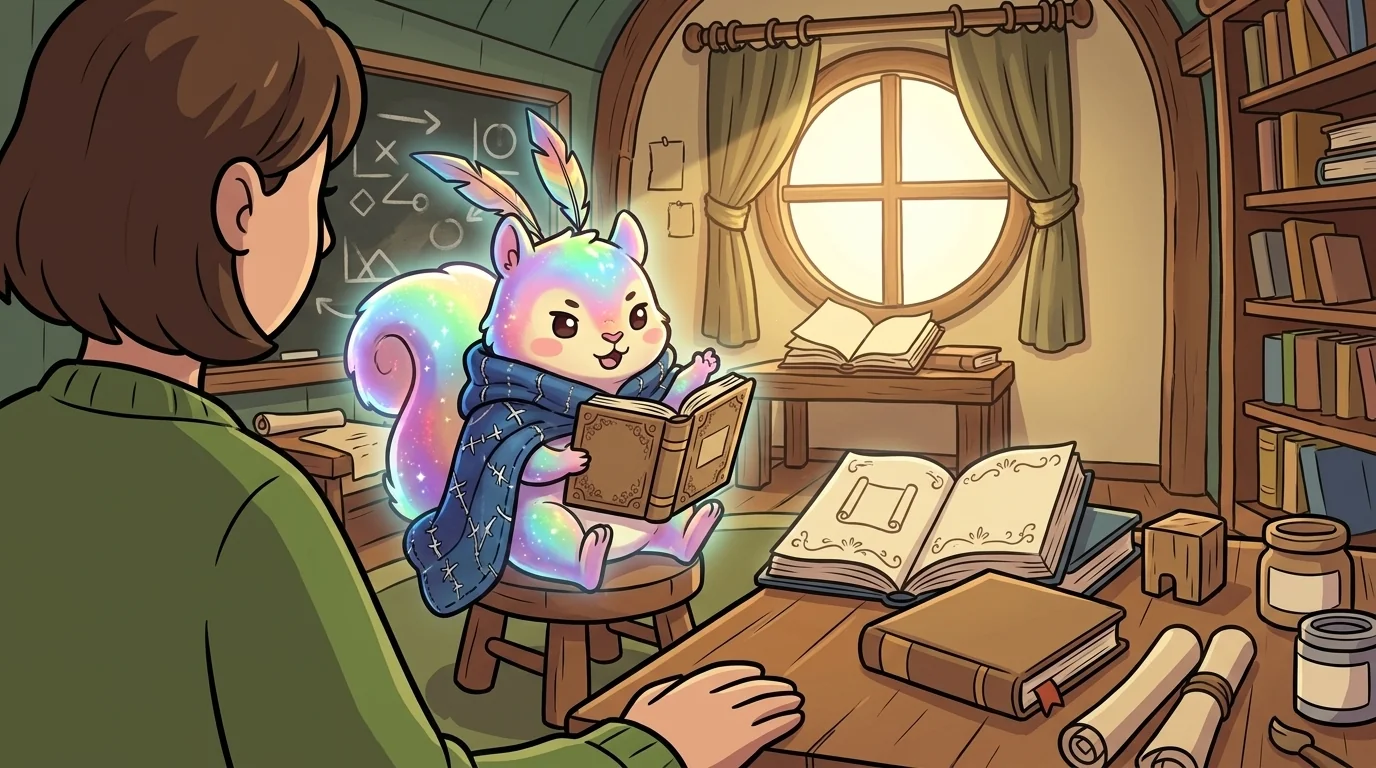
In their workshop, Hook opened the anthology flat. "Watch the difference." They read a limp line first: "'One morning, a person woke up and had breakfast.'" They let it sit. "That promises… nothing. Nowhere to lean." Then they read a line with a pull: "'On the morning the sky cracked open, nobody in the village would look up.'" The listeners' shoulders tipped forward without their noticing. "There — feel it? That line made three promises: something broke, something is wrong, and there's a reason nobody looks up. Now the story owes you all three." Then Hook taught the craft as one habit: ask what does my first line promise (a mystery? a danger? a strange new world? a voice you want to keep hearing?); make the promise specific enough to lean into, never a flat "normal day"; and — the part that binds the whole book — keep the promise the opening makes, because a first line that promises a dragon and delivers a grocery list breaks the reader's trust. "And keep it mythic-distance true," Hook added, threading their star-cloak through their paws. "Invent your own strange worlds and wonders for that opening — don't borrow real cultures' sacred things to make it feel exotic. A made-up marvel that's truly yours pulls harder than anything taken." (They use they/them, like all of TaleForge's world-guardians.)
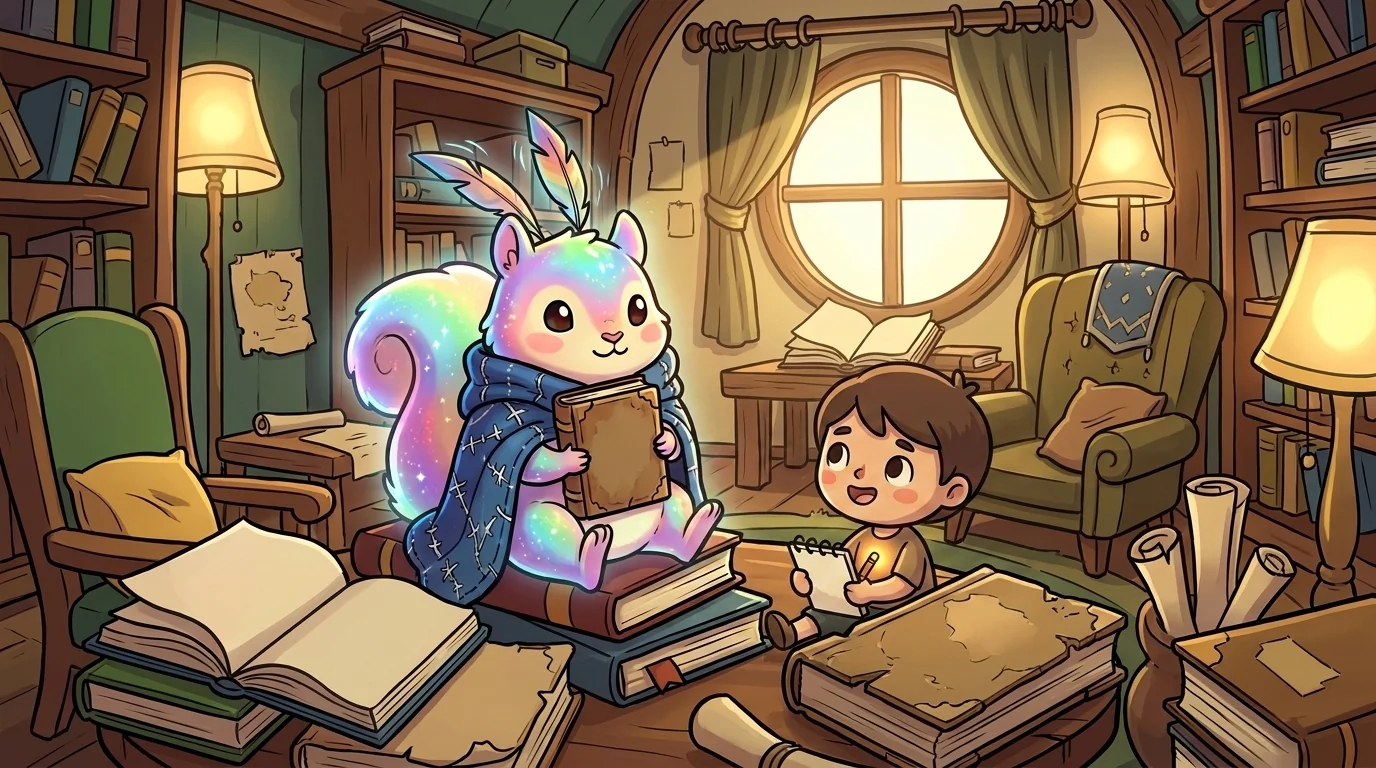
"So the first line isn't just… decoration," a young writer said slowly. "It's a promise the whole story has to keep."
"The very first promise," Hook said, feathers twitching. And the young writer wrote one — "On the night the lanterns refused to light, my little brother started to glow" — and felt it happen in their own chest: that small, bright tug, the lean-in, the sudden need to know why. Curiosity lit up in them like a struck match, warm and eager and pulling forward. That leaning-in, tugged-forward, I-have-to-know feeling — the promise landing right behind the ribs — was, to Hook, the whole quiet magic of a first line: not to show off, but to reach out a hand and gently pull a reader in.
The TaleForge ensemble
Hook is part of TaleForge's distributed-narrative cast. Each character embodies a different curricular primitive; together they teach the full subject.
-
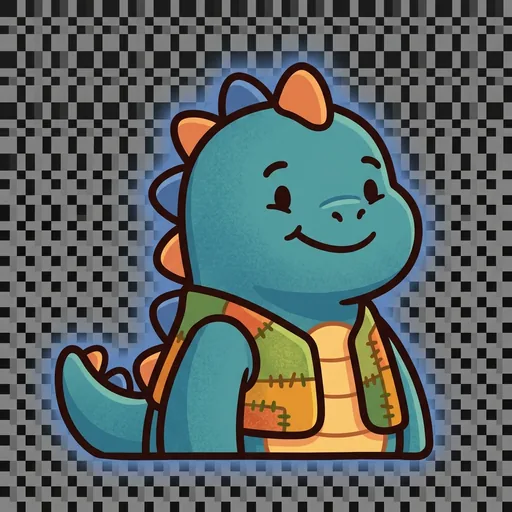
Spine
Character creation — character-as-tension (wants × fears × contradictions); 'Every character has a NO they keep saying YES to.'
-
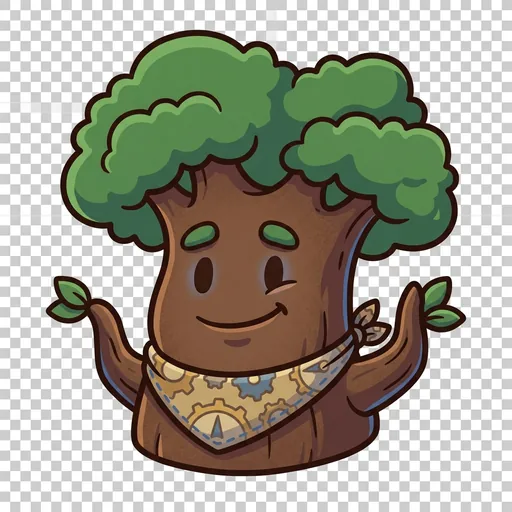
Bough
World-building — coherence-rules-as-promises-the-world-keeps; what the world ALWAYS does + NEVER does (SOFT collision with LinguaQuest Bough — different role/domain/visual)
-
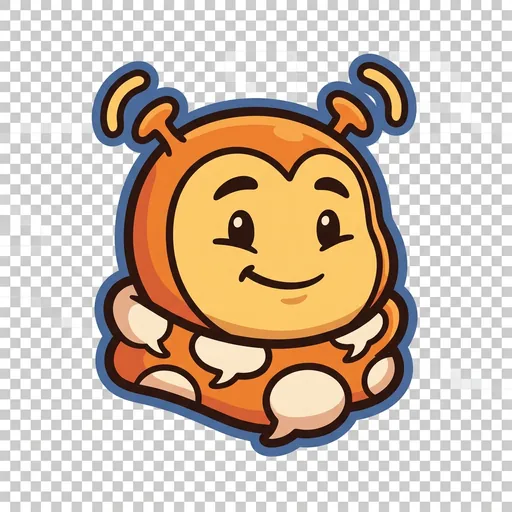
Echoes
Voice + dialogue — voice as listening-craft NOT inherited-by-birth; if two characters could say it, neither one really did
-
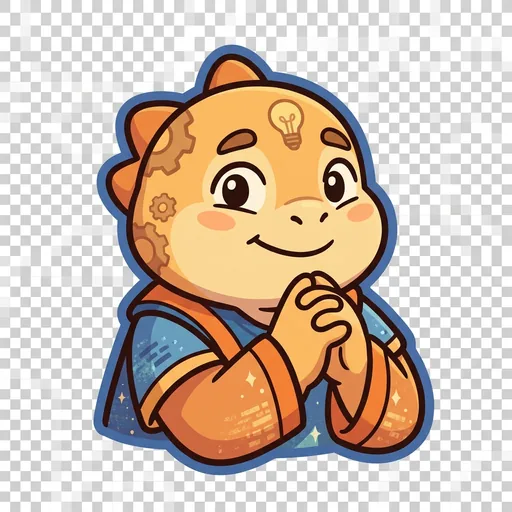
Glimmer
Revision + reflection — first draft as DATA not failure; the second look that makes the first attempt useful
-
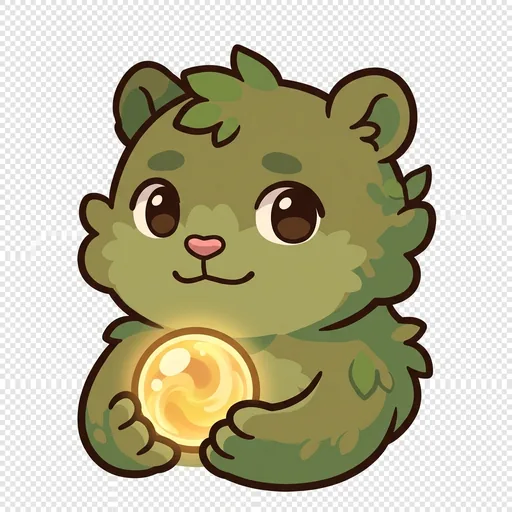
Wager
Stakes — moss-soft creature (they/them) who carries one glowing marble holding everything they'd hate to lose; a story matters when something precious is at risk
-
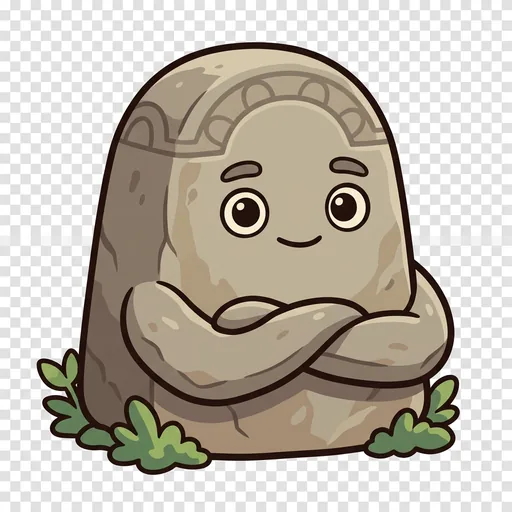
Keystone
World-consistency — kind-eyed stone (they/them) at the center of an arch; an invented world feels real when it keeps its own rules all the way through
-
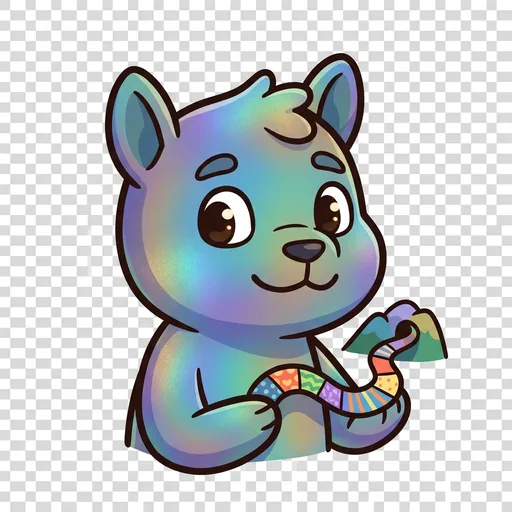
Swerve
The twist — sideways-shimmering creature (they/them) who loves a road that turns; a twist must be surprising AND fair (the clues there all along)
-
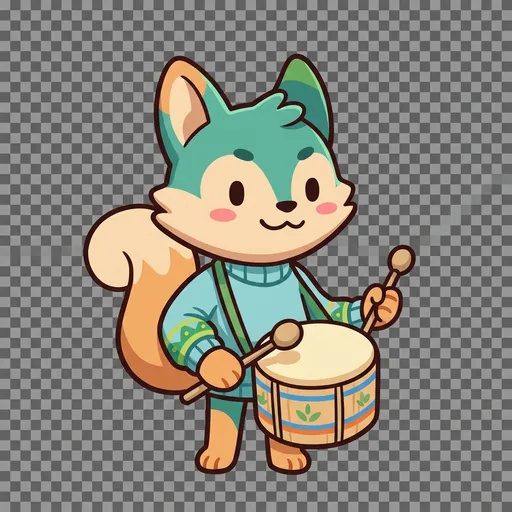
Tempo
Pace / rising tension — lithe creature (they/them) with a self-beating heartbeat-drum; a story breathes, fast and slow on purpose, climbing to its biggest moment
-
Heart
Theme — soft glowing creature (they/them) who listens for the true thing beating under a story; show the meaning, never announce it like a lesson