
Spine and Heart
THE CHARACTER AND THE TRUTH — a story means something when its character embodies its theme: Spine builds a character from internal tension — a want pulling against a fear — and Heart is the controlling idea the story explores, and the character's struggle with their own contradiction is how the theme gets dramatized and felt rather than stated
A story read by Spine and Heart
Loading audio…
Press play to listen along. The line being read lights up as you go.
Show full transcript
Loading transcript…
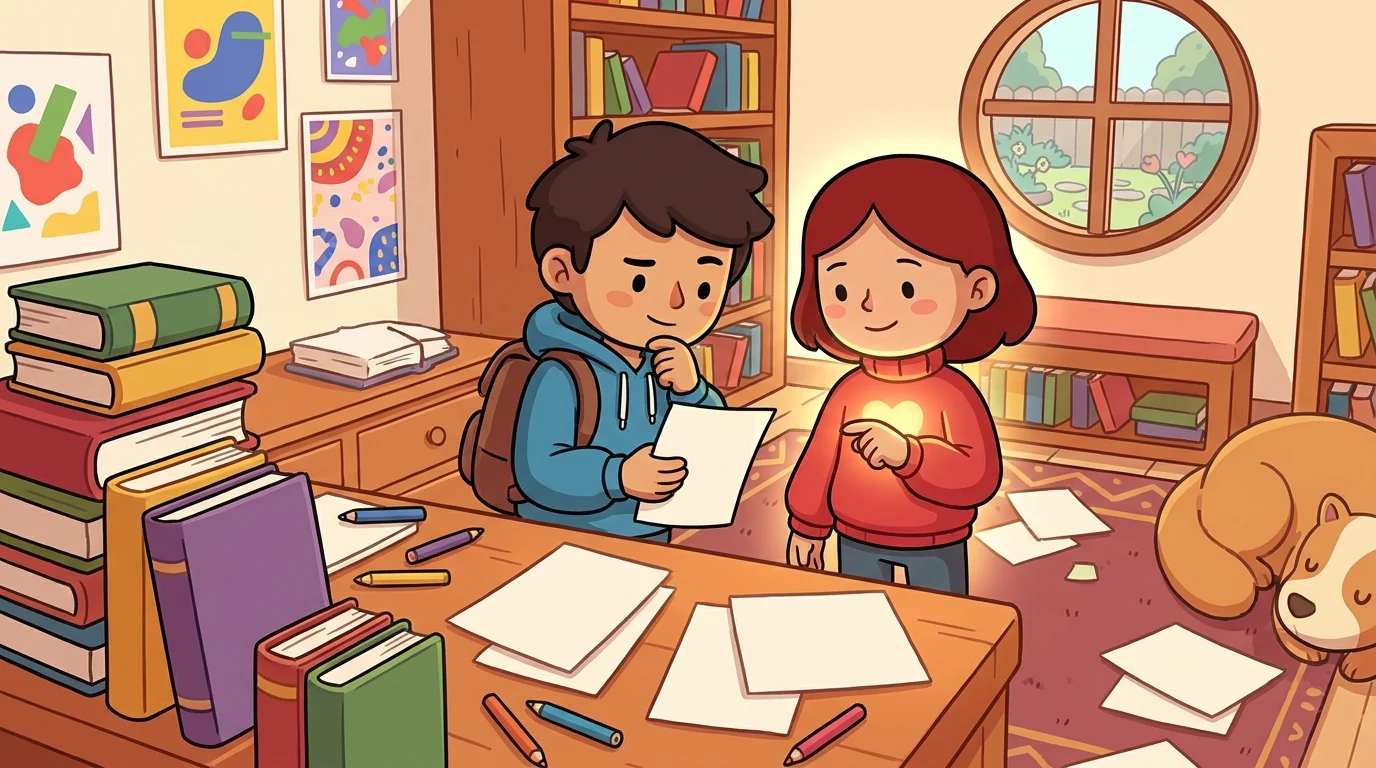
The young writer's new story had a hook, and stakes, and pace — it moved. But it was exciting and somehow hollow: a chase with nothing underneath. Two friends came to add the deep thing that turns a fun story into one that stays with you. Spine studied the main character, looking for the tension inside her. Heart listened for what the whole story was secretly about. "Your hero is flat," Spine said gently. "She wants to win, and that's it. No inner pull, no contradiction — a game piece, not a person. Let me give her a spine, made of tension."
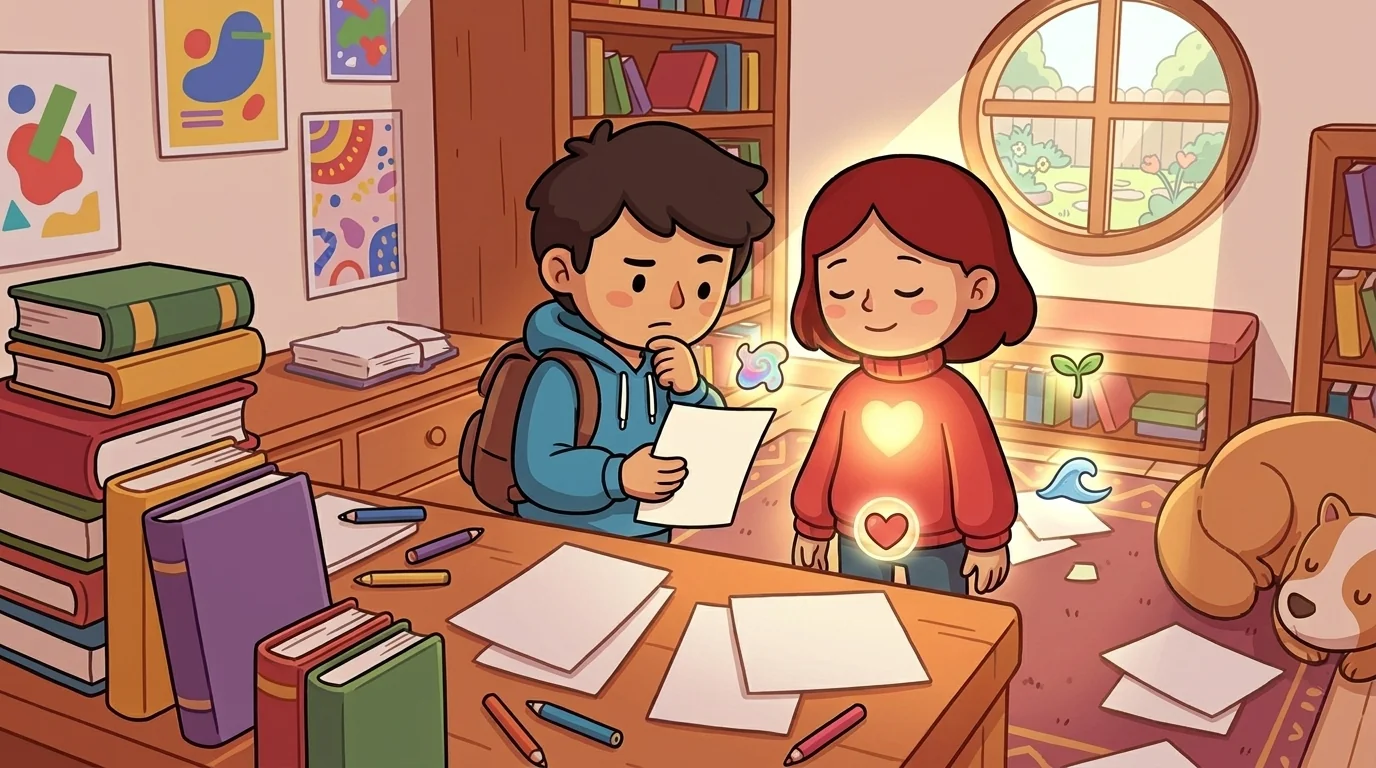
Spine went first, because a character reads as real only when built from internal contradiction — a want pulling against a fear. "A flat character wants one thing and chases it," said Spine. "A real character is pulled two ways at once." Spine took the hollow hero and added the pull: "She wants to win the contest — but is terrified of being seen and judged. She's brave for her friends — but a coward for herself. She acts confident — and lies awake sure she's a fraud." Spine wove the contradictions in. "That's a spine: wants tangled with fears, strengths shadowed by their opposites — because that's what people are. Nobody wants one clean thing; we want something and fear it in the same breath." Then the craft point beneath it: "And this is the engine. When she wants the very thing she fears, every scene has two conflicts running at once — the outer one with the villain, and the inner one with herself. External conflict alone entertains; internal conflict is what makes us lean in, because we recognize our own divided hearts in hers."
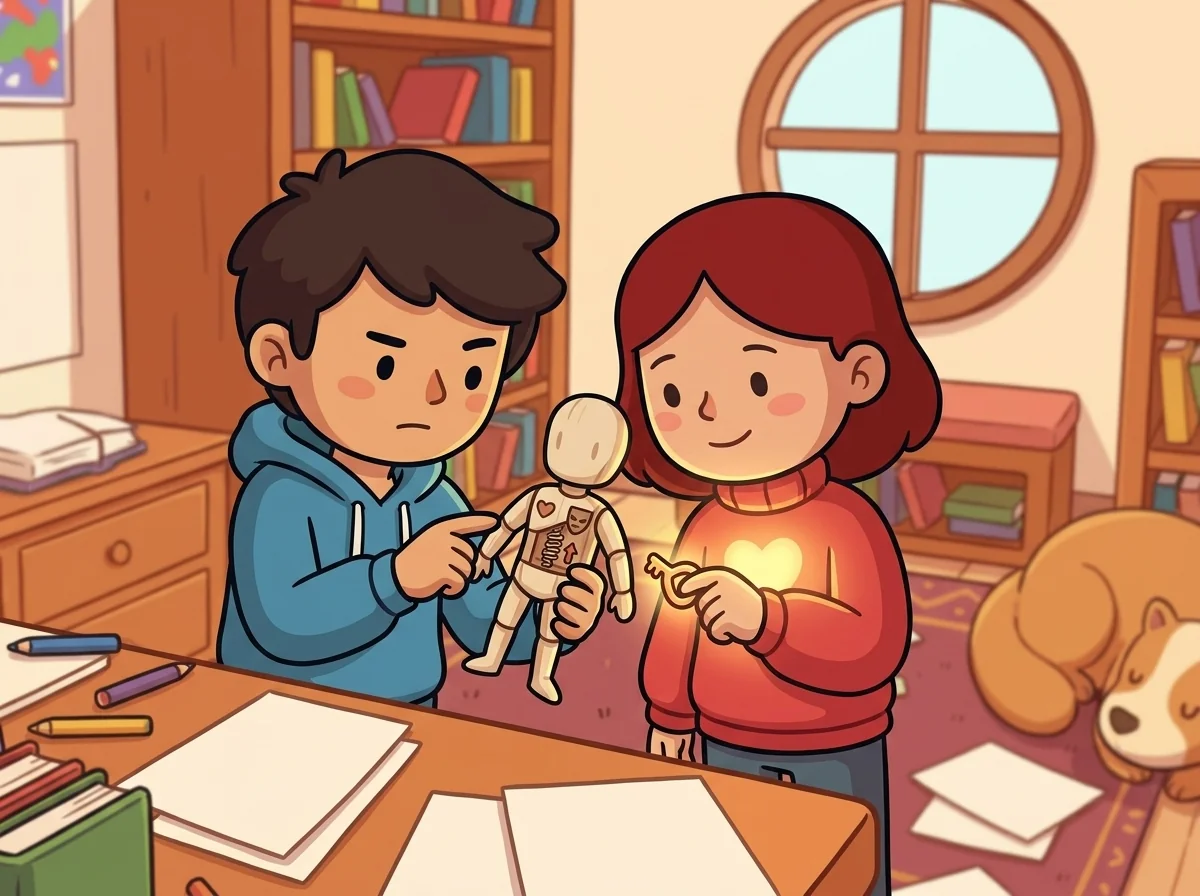
Then Heart listened for the deep thing — the controlling idea the story explores beneath the events. "Now — what is this story really about? Not 'a girl enters a contest.' Underneath that — what true claim is it testing?" The young writer thought. "It's about... being scared people will find out you're not as good as they think. And learning that showing up scared is its own kind of brave?" "There," said Heart warmly. "That's your theme. And notice it is not separate from the character at all — it is exactly the tension Spine built: she wants to be seen but fears being judged. The plot is contests; the heart is the question 'is it okay to be scared and show up anyway?'" Heart glowed. "A theme is not a moral pasted at the end. It is the true question the whole story quietly asks — and it asks it through the character's struggle. When the reader closes the book, they won't recite your plot. They'll remember how it made them feel about their own fear and courage."
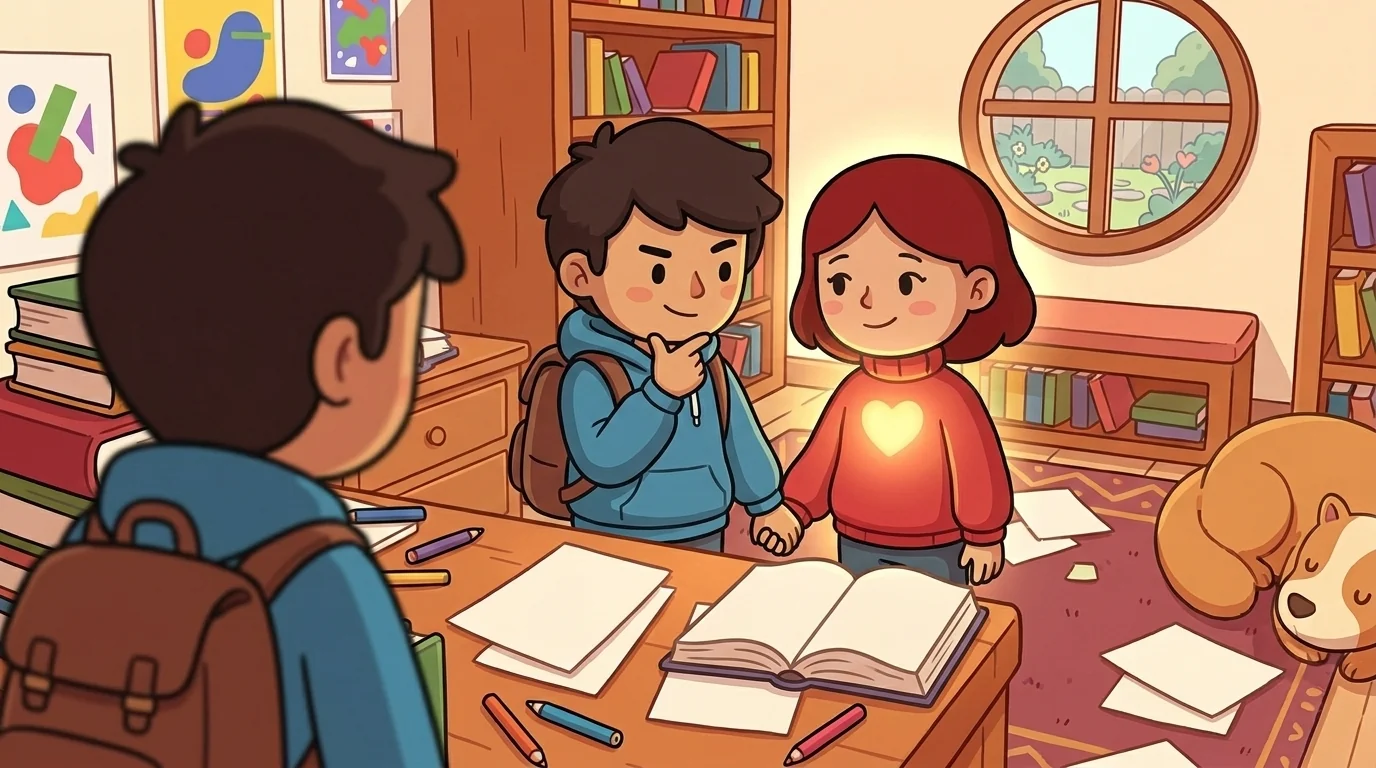
And here was the thing the two of them showed together: they were never two separate jobs. Spine's character-tension — wanting to be seen, fearing to be judged — was Heart's theme, made into a person. The truth the story explored didn't sit on top as a lesson; it lived inside the hero, and every time she wrestled her own contradiction, the reader felt the theme instead of being told it. This is the deepest move in craft: you dramatize an abstract idea by embodying it in a character whose central conflict is that idea. Character and theme, the same thing seen from two sides. "You're my truth," said Heart, "wearing a person's face." "And you're my meaning," said Spine, "under everything she does."
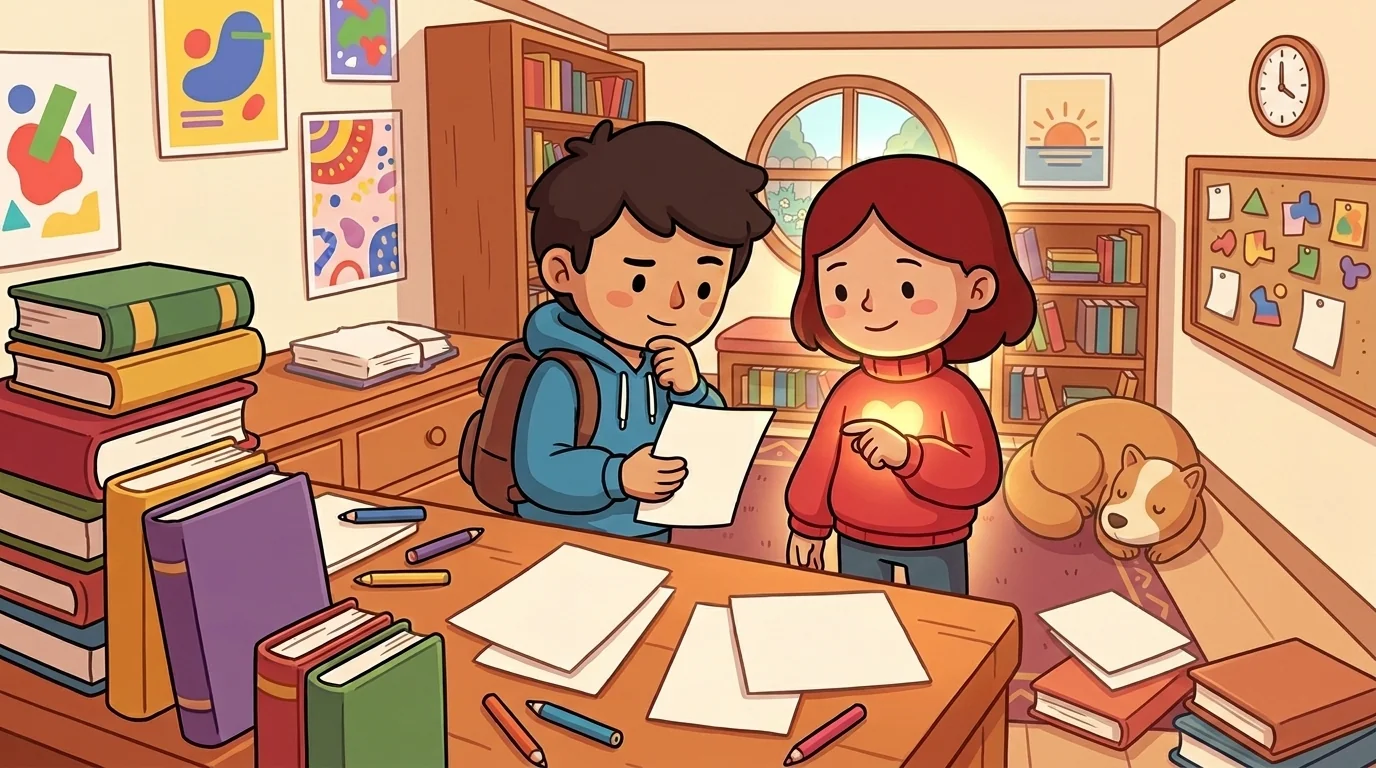
"Good tension," said Heart. "Good truth," said Spine. There is a quiet depth that separates a story you enjoyed from a story that stayed with you, and it comes from exactly this: a character full of real, contradictory tension, struggling with something that turns out to be about something true. You feel it after you close the book, when the plot has faded but a certain feeling lingers — about courage, or fear, or belonging, or your own tangled heart. That is the theme, felt through a character you came to love. To build it — to pour the true thing you care about into a person at war with themselves, and then let their struggle carry the idea without ever announcing it — is what turns a writer from someone who reports exciting events into someone who tells stories that matter. The events entertain. The character-carrying-the-truth is what stays.
The TaleForge ensemble
Spine and Heart is part of TaleForge's distributed-narrative cast. Each character embodies a different curricular primitive; together they teach the full subject.
-
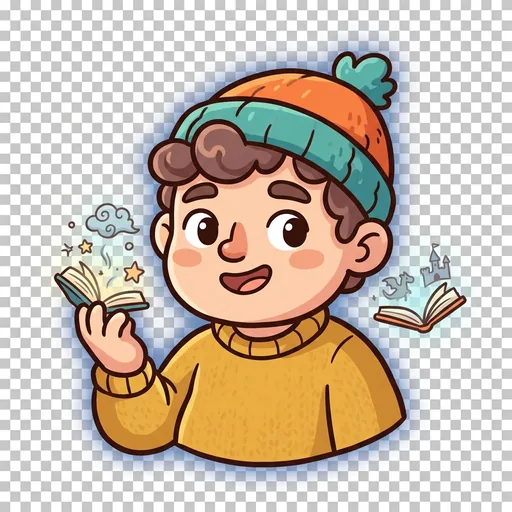
Hook
Story elements — opening as contract with the reader; the first line is a promise; 'Make me lean in. Then keep me leaning.'
-
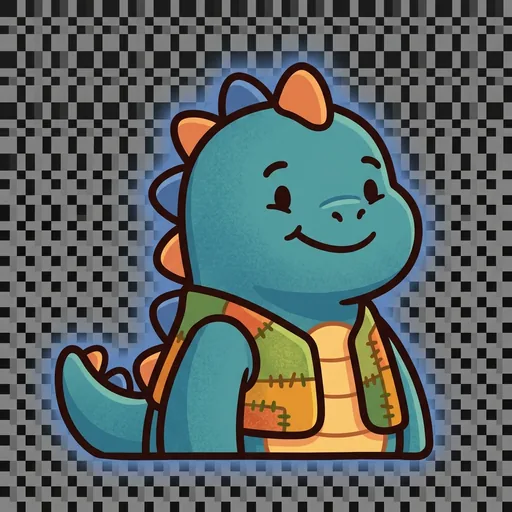
Spine
Character creation — character-as-tension (wants × fears × contradictions); 'Every character has a NO they keep saying YES to.'
-
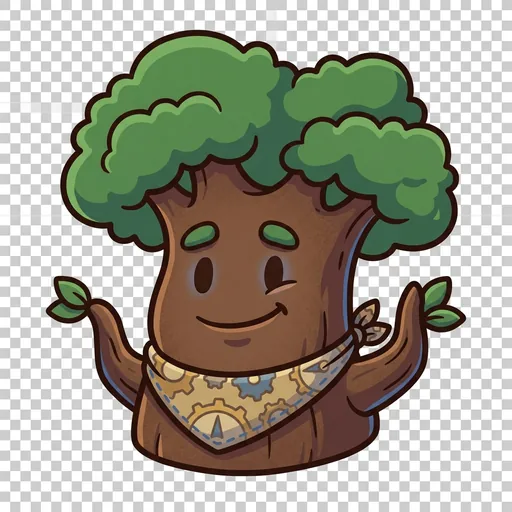
Bough
World-building — coherence-rules-as-promises-the-world-keeps; what the world ALWAYS does + NEVER does (SOFT collision with LinguaQuest Bough — different role/domain/visual)
-

Echoes
Voice + dialogue — voice as listening-craft NOT inherited-by-birth; if two characters could say it, neither one really did
-
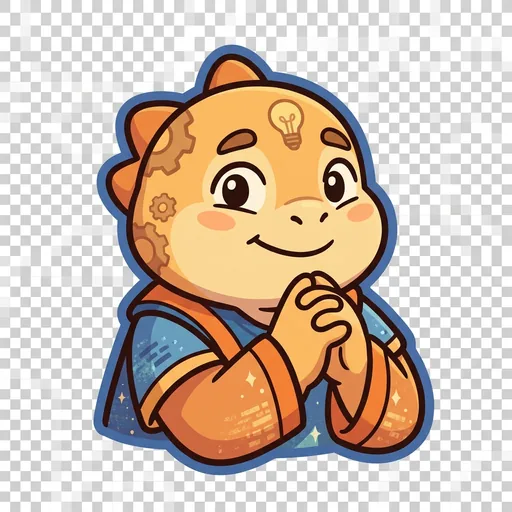
Glimmer
Revision + reflection — first draft as DATA not failure; the second look that makes the first attempt useful
-
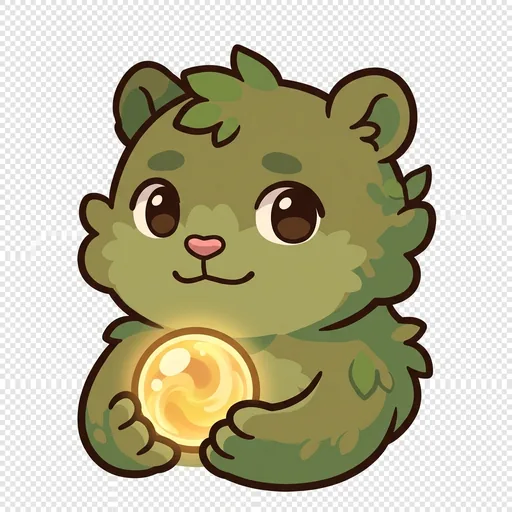
Wager
Stakes — moss-soft creature (they/them) who carries one glowing marble holding everything they'd hate to lose; a story matters when something precious is at risk
-
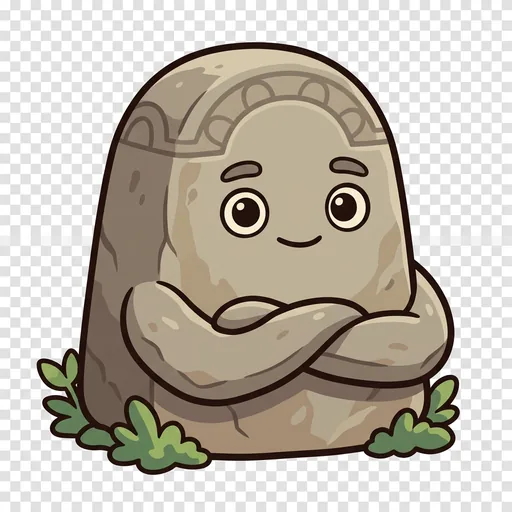
Keystone
World-consistency — kind-eyed stone (they/them) at the center of an arch; an invented world feels real when it keeps its own rules all the way through
-
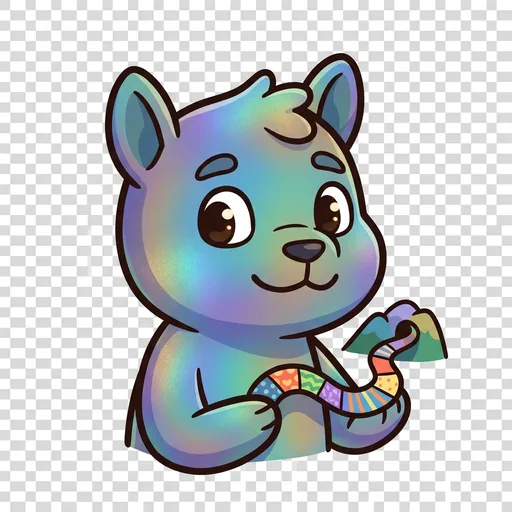
Swerve
The twist — sideways-shimmering creature (they/them) who loves a road that turns; a twist must be surprising AND fair (the clues there all along)
-
Tempo
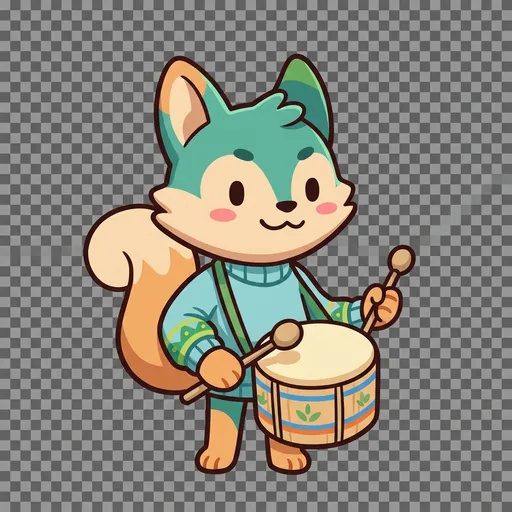
Pace / rising tension — lithe creature (they/them) with a self-beating heartbeat-drum; a story breathes, fast and slow on purpose, climbing to its biggest moment
-
Heart
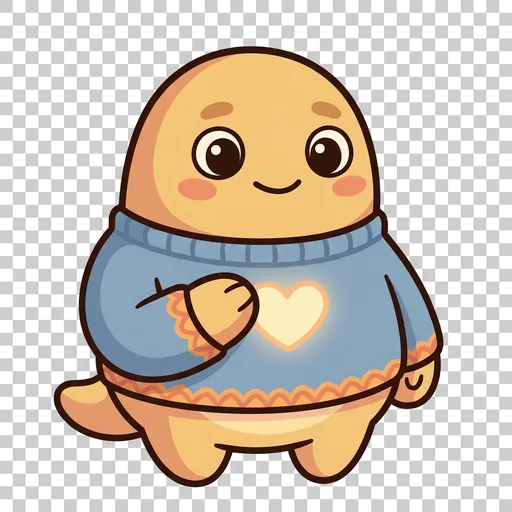
Theme — soft glowing creature (they/them) who listens for the true thing beating under a story; show the meaning, never announce it like a lesson