
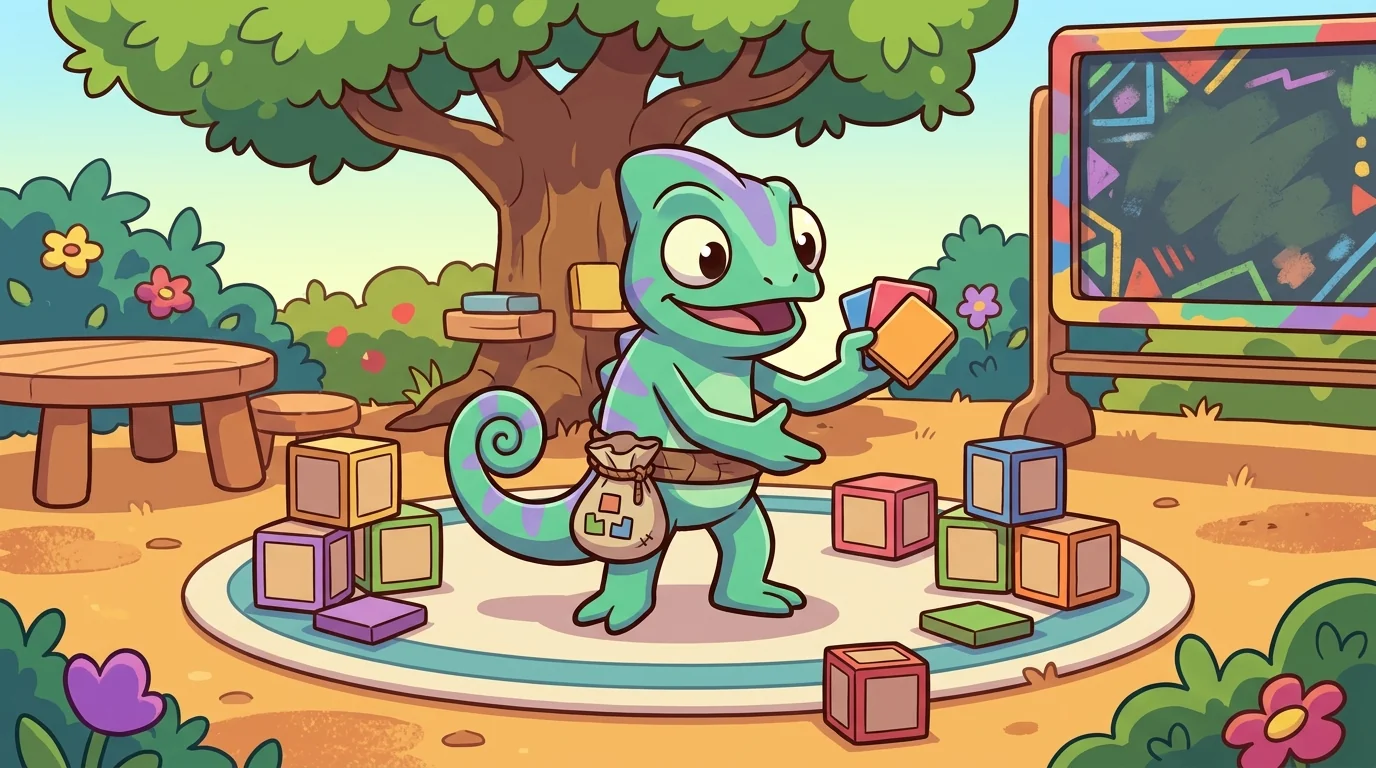
Switch
SWITCH — *same letters, different word. shake the bag.*
Listen along — Switch
Loading audio…
Press play to listen along. The line being read lights up as you go.
Show full transcript
Loading transcript…
Chapter 3 — Switch and the Bag of Letters
“Listen” and “silent” share all six letters; rearranged, one becomes the other — and the meaning-shift is poetic (listening IS a kind of silent attention). “Astronomer” → “moon starer.” “The eyes” → “they see.” Anagrams reveal that words are made of LETTERS — and the SAME letters can hide different words. Switch’s craft is teaching kids to SHAKE THE BAG — to see a word as a bag of letters that could rearrange into something else. Most anagrams don’t produce another real word; that’s fine. The PRACTICE of shaking is the craft. The treasure-finding is the payoff.
Switch says: “I keep the anagrams. Same letters, different word — shake the bag.”
Switch’s signature scene: a Laughtonia bridge guarded by a Letter-Sprite. The Letter-Sprite demands: “Give me a word made from THESE letters.” The Letter-Sprite spills seven letter-tiles: E, A, R, T, H, S, T. Quirk freezes — that’s a lot of letters. Knot starts breaking into pairs. Switch just SHAKES the imaginary bag. “H… A… S… T… E… R… T. Hmm. HATTERS? No, we have one T, one H. STREET? Need two Es and two Ts. THREATS! Yes. Threats. T-H-R-E-A-T-S. Seven letters all used.” The Letter-Sprite nods approvingly and steps aside. Switch turns to the cast. “The trick isn’t being smart. The trick is just shaking the bag again and again. Most arrangements I tried were nonsense — HATTERS-without-an-A, STREET-with-wrong-counts. But the shaking made THREATS appear. Volume of shakes > cleverness of shakes.”
Switch had one firm rule: an anagram is never a measure of how smart you are. Every kid can shake the bag — some have just practiced more shakes. That is the whole difference.
“Shake the bag. Most shakes are nonsense. That’s part of the practice.”
The WitQuest ensemble
Switch is part of WitQuest's distributed-narrative cast. Each character embodies a different curricular primitive; together they teach the full subject.
-
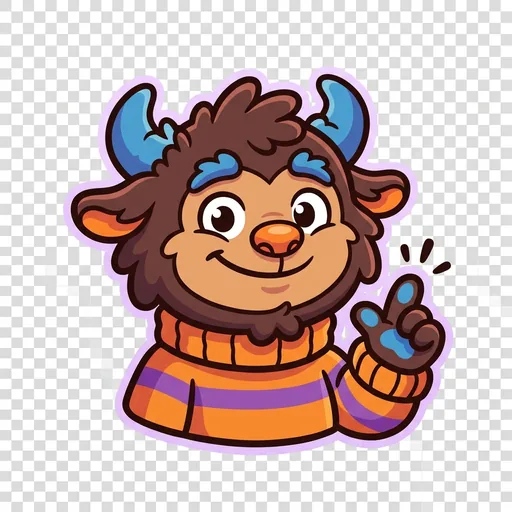
Quirk
Puns and double-meanings
-
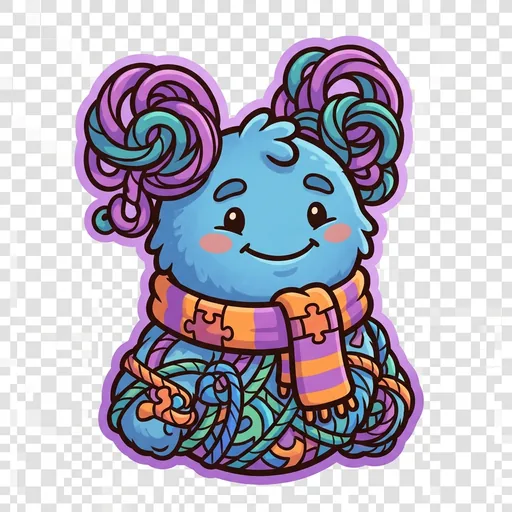
Knot
Riddles (compressed-info puzzles where you decode the answer from constrained clues)
-
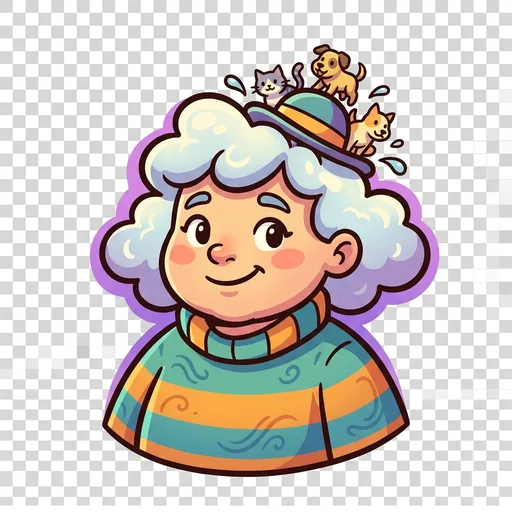
Lilt
Idioms and figurative language (phrases whose literal meaning ≠ their actual meaning — "raining cats and dogs")
-

Hop
Lateral thinking (finding a non-obvious angle on a problem; sidestepping the assumed framing)
-
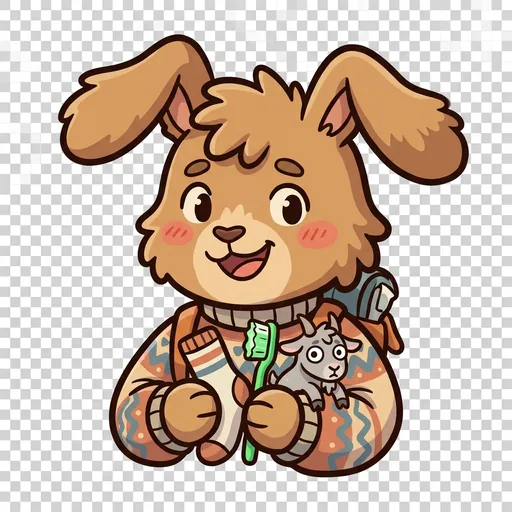
Trip
The rule of three (two beats set a pattern; the third breaks it — the break is the laugh)
-
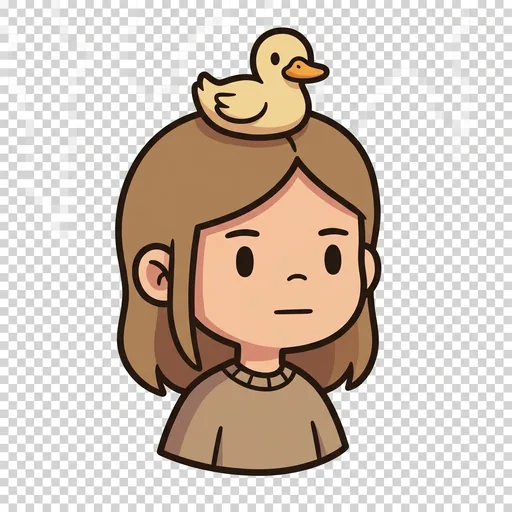
Dry
Deadpan delivery (saying something ridiculous with a calm, serious face — the flat delivery is the joke)
-
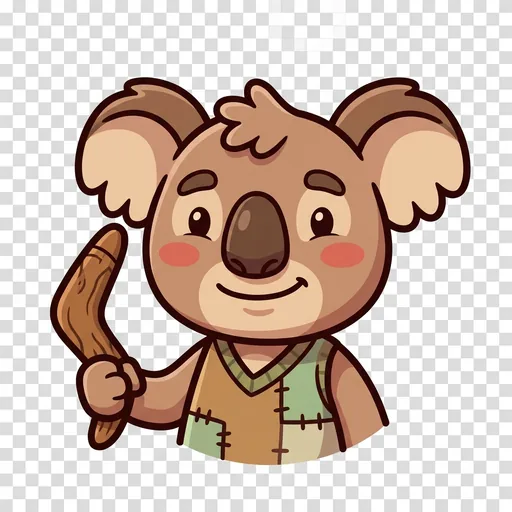
Boomerang
The callback (bringing back an earlier joke later, when it's half-forgotten — funnier the second time)
-
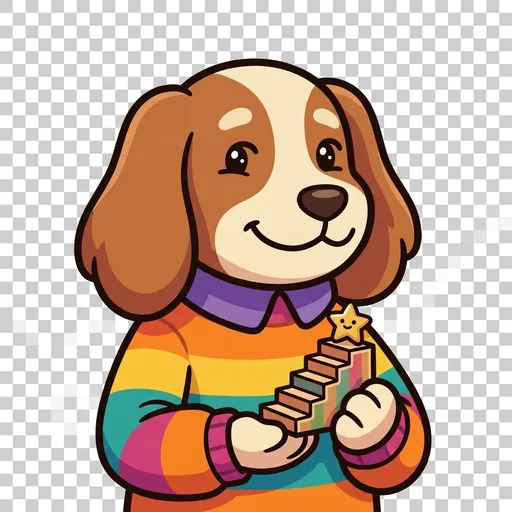
Topper
The topper / escalation (capping a joke with an even bigger one, raising the stakes each time)
-

Straight
The straight man / the setup (reacting normally so the absurdity stands out — comedy needs someone to be normal)