
Topper
THE TOPPER (Advanced) — capping a landed joke with an even bigger one right as the laugh crests. The mechanism is ESCALATION: each topper must strictly exceed the one before (a monotonic climb), turning a single laugh into a rising staircase. The crest of a laugh is a launch ramp — top it at the peak (too early steps on the first laugh, too late and it's gone cold) — and the escalation works by repeatedly resetting and enlarging the expectation-violation. If a topper is smaller than the prior beat, the staircase sags and the laugh sits down.
Loading audio…
Press play to listen along. The line being read lights up as you go.
Show full transcript
Loading transcript…
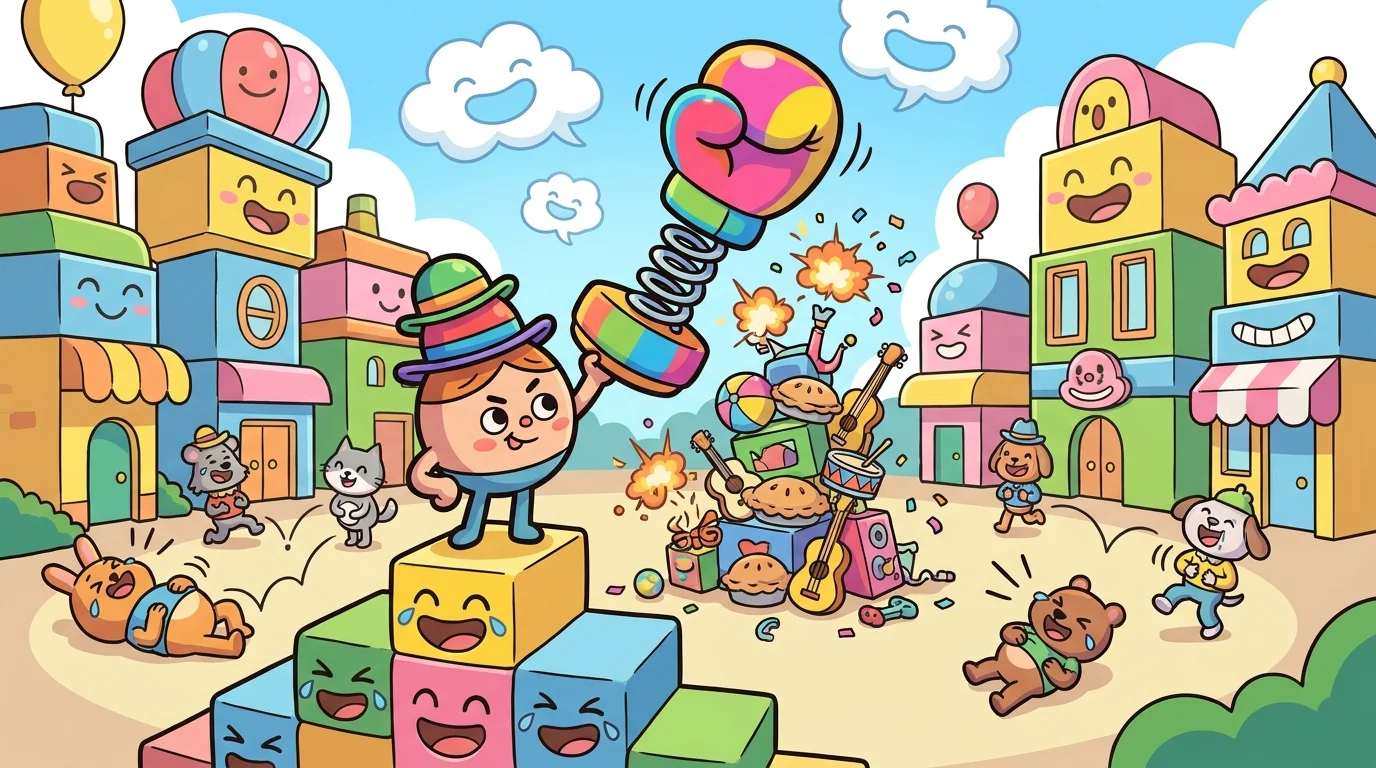
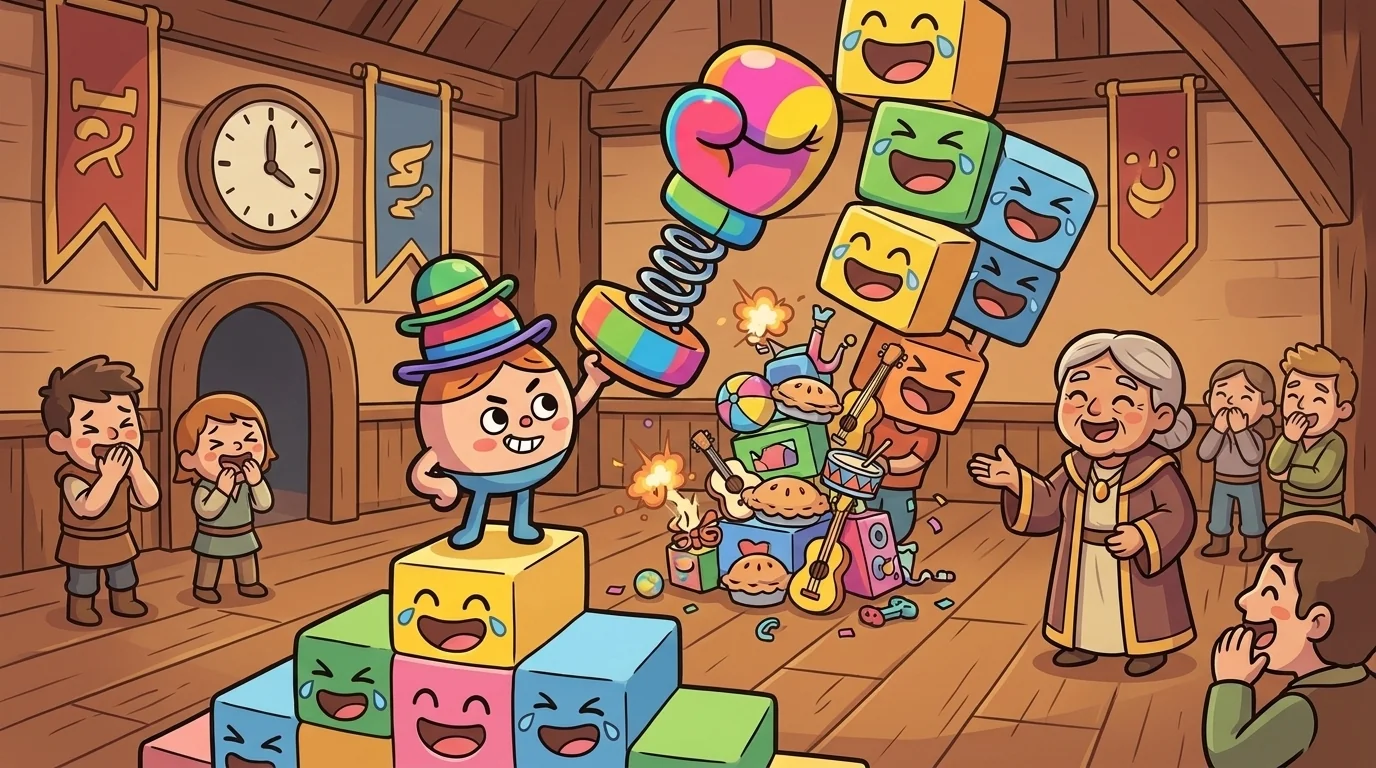
Topper was never satisfied with a single laugh — she always reached for one more, and then one more after that — and she'd worked out the exact rule that lets a laugh keep climbing instead of dying. Just as a joke seemed finished and the giggles began to fade, she would cap it: a second punchline, bigger than the first. And before that laugh faded, she'd top it again, wilder still. The room's laughter rose like a staircase — a giggle, a bigger laugh, a helpless howl — each step higher than the last.
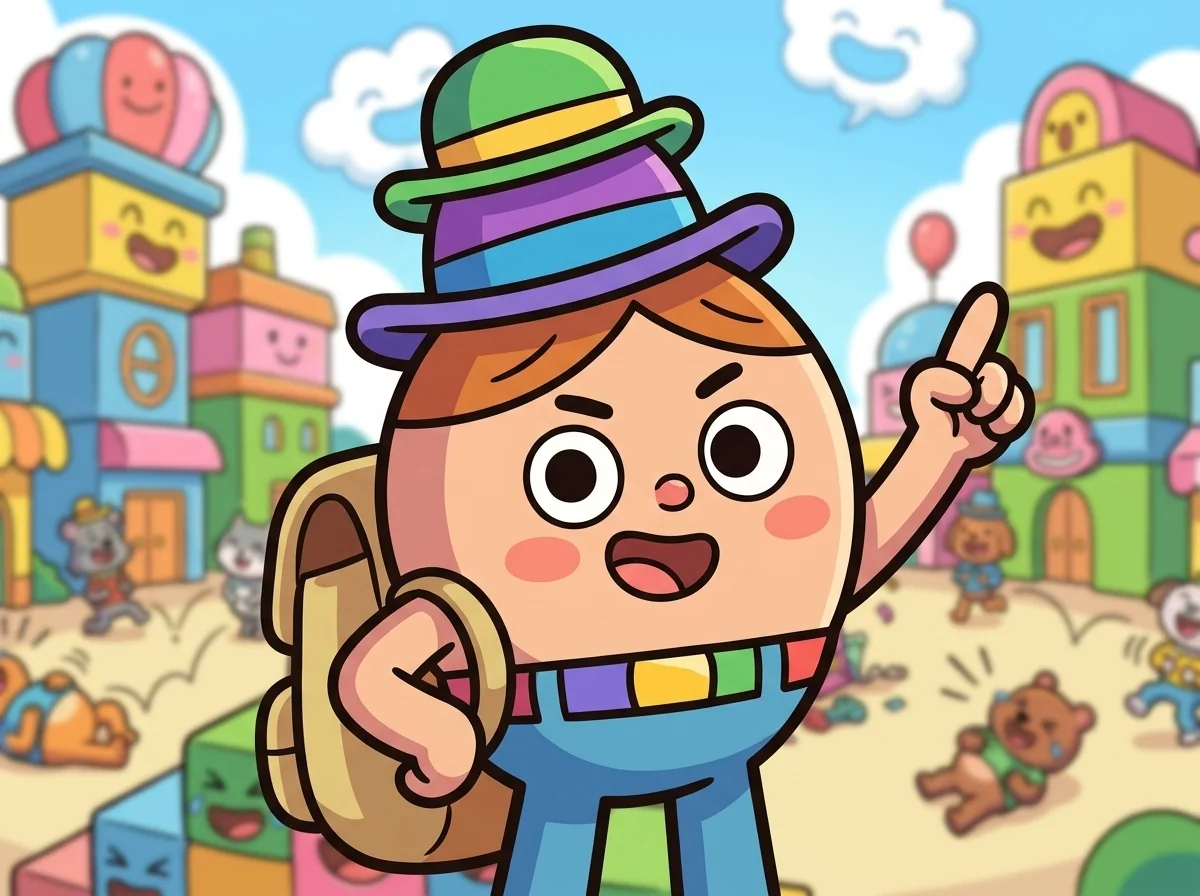
"Most comics land one laugh and stop," she said, eyes sparkling. "They leave the biggest laughs on the table. Here's the craft — it's called a topper, and it runs on escalation. The rule that makes escalation work is that each topper must be strictly bigger than the one before. It's a monotonic climb — always up, never level, never down. The moment a topper is smaller than the beat before it, the staircase sags: the audience feels the descent, the tension leaks out, and the laugh sits down. So every new punchline has to raise the stakes past the last one."
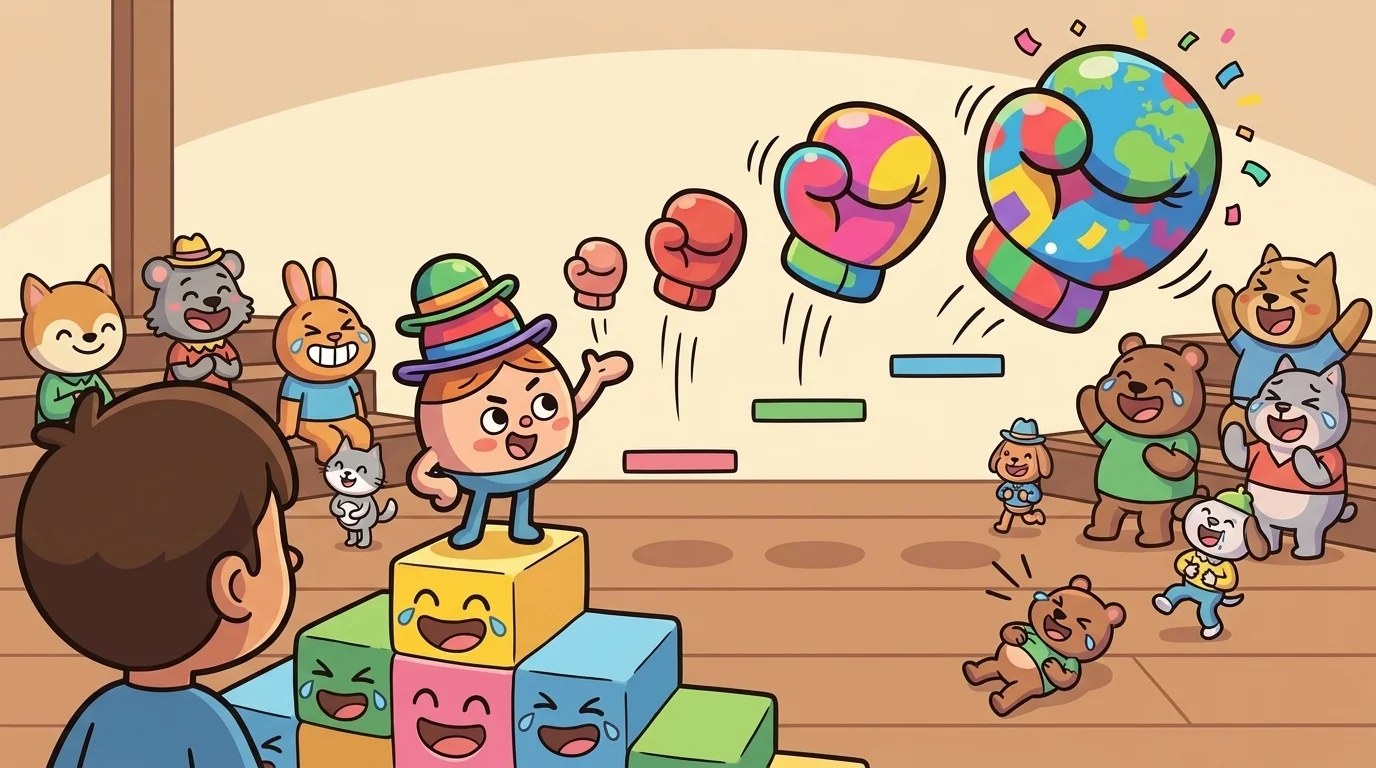
To show it, she built one clean. "My dog ate my homework." (A chuckle.) "Then he ate my backpack." (Bigger.) "Then he ate the teacher's desk." (Howls.) "Then he applied to the school as a student — and got better grades than me." (The room collapsed.) Every step bigger than the last. Then she demonstrated the sag: the same joke, but with the toppers shrinking — backpack, then a pencil, then a single crumb — and the laugh deflated in real time. "You felt that go flat," she said. "That's the monotonic rule proving itself. Escalation is only escalation if it keeps escalating. Climb, or don't start."
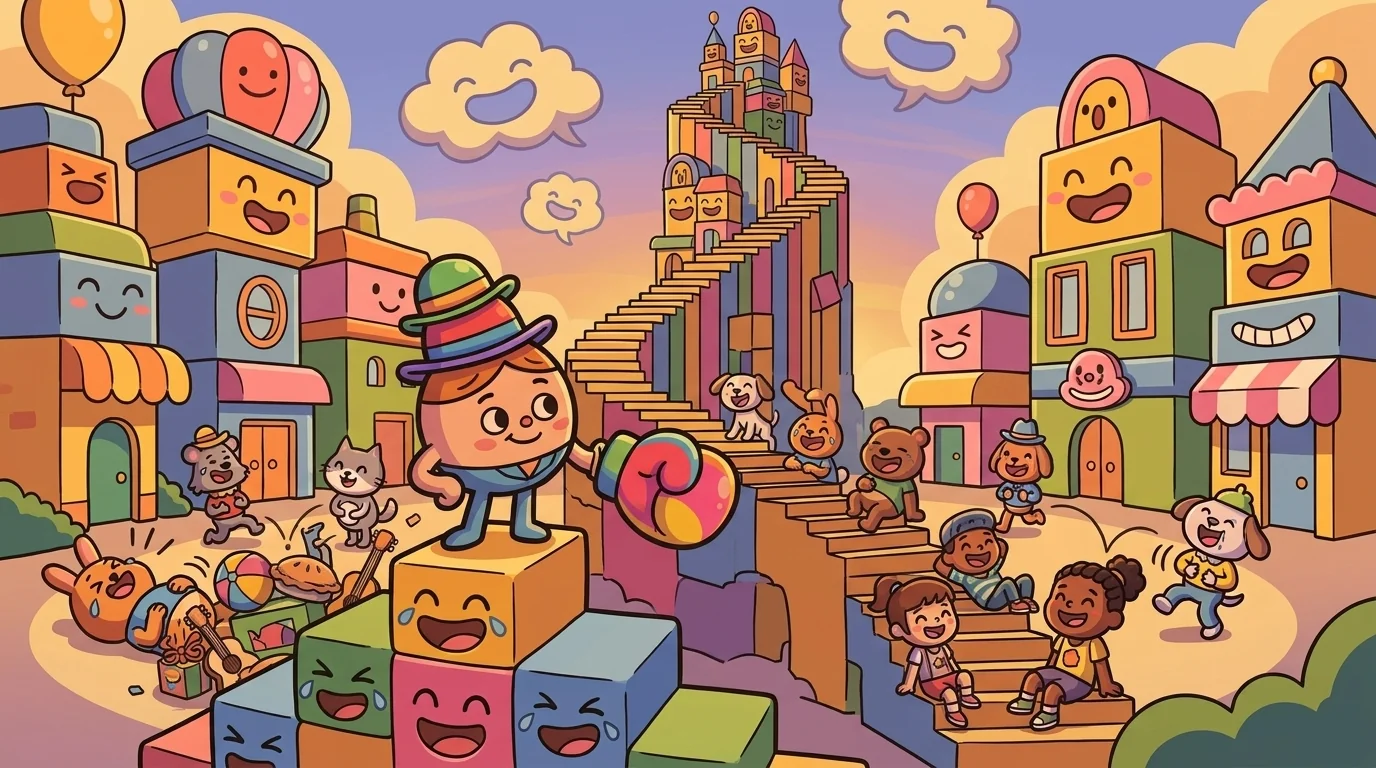
Then she named the second mechanism, the one about when. "A laugh has a shape — it rises to a crest and then falls. The crest is not the end of your chance; it's a launch ramp. If you top the joke right at the peak, you launch off the energy that's already in the room and stack the next laugh on top of it. Timing is the whole thing: top it too early and you step on the first laugh before it's paid out; top it too late and the room's already cooling — the ramp's gone. Right at the crest, a bigger punchline turns one laugh into two, then three. You don't just land the joke. You land on top of it, again and again." A young comic tried it — "I was a little nervous... okay, very nervous... okay, I had moved to a different country to avoid it" — and the guild climbed every step with him.
For a long time Topper had worried she didn't know when to stop — that always reaching for one more made her greedy, exhausting, unable to leave well enough alone. Resting at the top of her own staircase as the sun set over Laughtonia, having carried a whole guild giggling up it, she understood her reaching wasn't greed; it was generosity, and even that had a shape. She simply wanted to give people more joy than they came expecting — not all at once, which overwhelms, but one delicious, rising step at a time. And the art wasn't in never stopping; it was in knowing the staircase only ever climbs, and in choosing the right top step to leave everyone on — breathless, up high, and glad. A warm, climbing contentment rose through her step by step and settled at its peak. She wasn't greedy. She was the one who turned one laugh into a whole staircase — and knew exactly where to end it.
The WitQuest ensemble
Topper is part of WitQuest's distributed-narrative cast. Each character embodies a different curricular primitive; together they teach the full subject.
-

Quirk
Puns and double-meanings
-
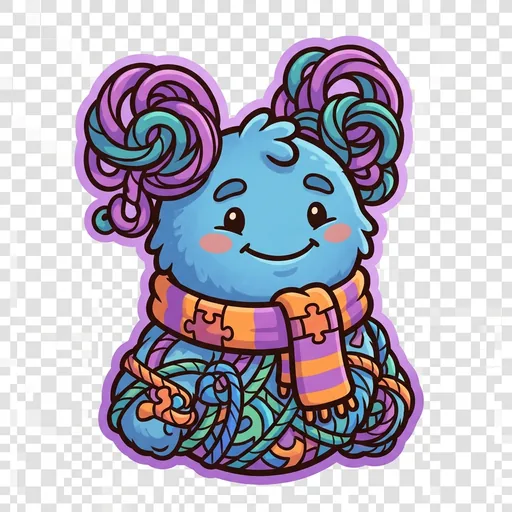
Knot
Riddles (compressed-info puzzles where you decode the answer from constrained clues)
-

Switch
Anagrams (rearranging letters to form a different word — "listen" → "silent")
-

Lilt
Idioms and figurative language (phrases whose literal meaning ≠ their actual meaning — "raining cats and dogs")
-

Hop
Lateral thinking (finding a non-obvious angle on a problem; sidestepping the assumed framing)
-
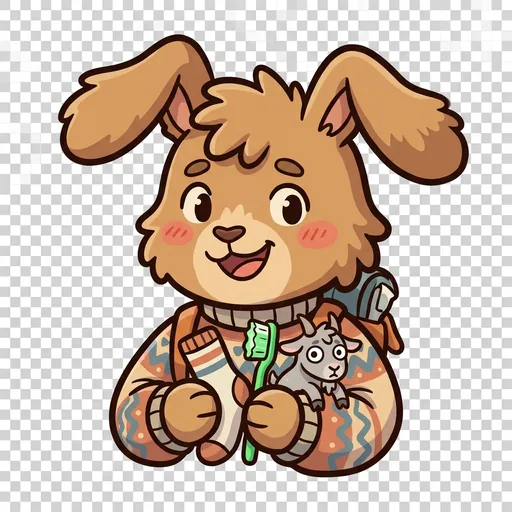
Trip
The rule of three (two beats set a pattern; the third breaks it — the break is the laugh)
-
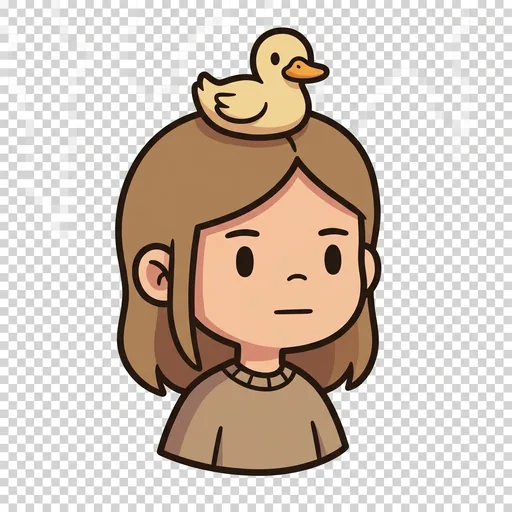
Dry
Deadpan delivery (saying something ridiculous with a calm, serious face — the flat delivery is the joke)
-
Boomerang
The callback (bringing back an earlier joke later, when it's half-forgotten — funnier the second time)
-

Straight
The straight man / the setup (reacting normally so the absurdity stands out — comedy needs someone to be normal)